

Yellow jacket wasps may look small, but their presence around your home or yard can be intimidating—and sometimes dangerous. These aggressive insects are known for their painful stings and quick defense of their nests. Whether you’ve discovered a buzzing underground nest or a hanging paper structure under your eaves, safe yellow jacket wasp nest removal is essential for protecting your family and pets. This guide covers everything from identifying the nest to removing it and preventing future infestations.
Identify the Nest Before Taking Action
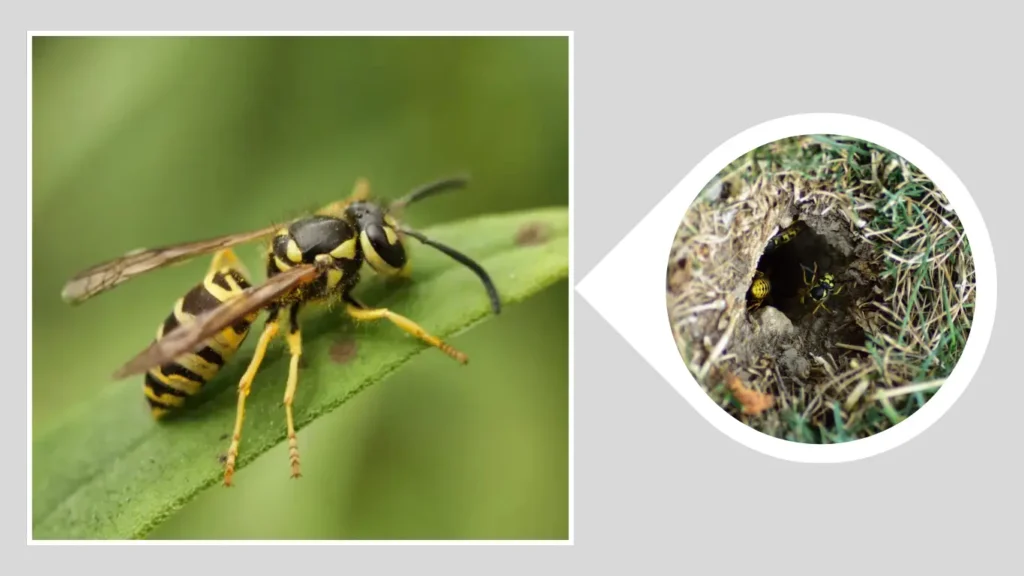
Before you grab the bug spray or call an exterminator, it’s important to confirm what you’re dealing with. Yellowjackets can be mistaken for bees or other wasps, but their nesting behavior and aggression levels are quite specific.
Where Yellowjackets Build Nests
- Underground nests: Many Vespula species prefer nesting in abandoned rodent burrows or soil cavities. You may notice wasps flying in and out of a small hole in the ground.
- Aerial nests: Species like Dolichovespula build gray, papery nests above ground—typically under eaves, branches, or overhangs.
- Wall voids: Some colonies may hide in wall gaps, attics, or sheds, making detection tricky.
Signs of a Yellowjacket Nest
- A steady stream of wasps entering/exiting a specific point
- Increased wasp activity during warmer parts of the day
- Audible buzzing or humming near structures
- Sudden aggression when you’re nearby
Spotting the nest location accurately will help you choose the best removal method and avoid unnecessary risk.Best Time to Spray a Wasp Nest
Safety Precautions Before Nest Removal
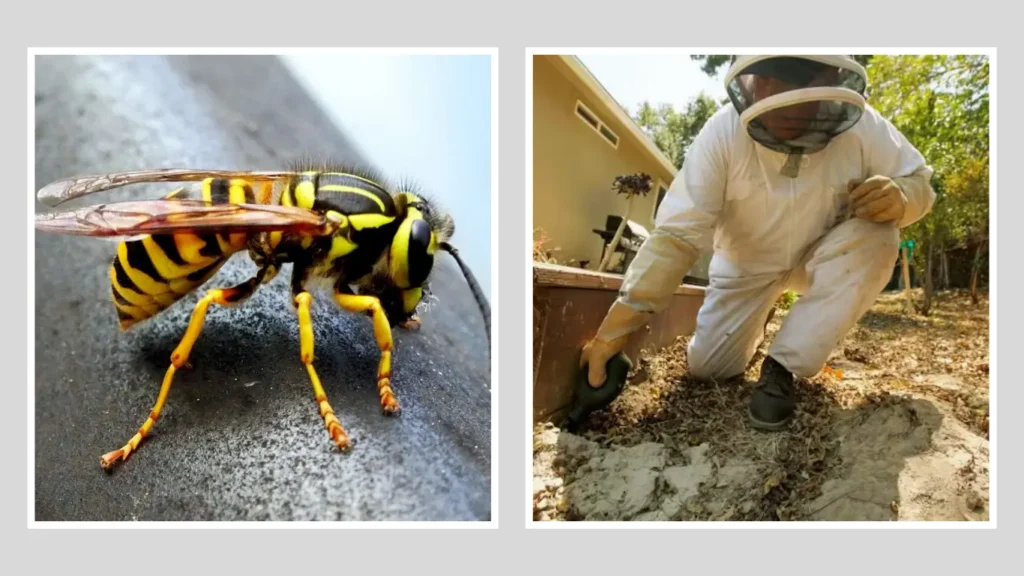
Dealing with yellowjackets can be risky, especially since they are capable of stinging multiple times and will aggressively swarm if they feel threatened. Taking the proper precautions is essential to ensure your safety and the effectiveness of the removal process.
Best Time to Remove the Nest
The safest and most effective time to remove a yellowjacket nest is early in the morning or late in the evening. During these cooler hours, wasps are less active, slower to react, and more likely to be inside the nest. Calm, low-wind conditions are also important, as they help you control the direction of insecticide sprays and reduce the risk of agitating the colony.
Protective Clothing and Equipment
Before attempting any nest removal, it’s critical to wear the right protective gear. Cover your entire body with long sleeves, pants, gloves, and closed-toe shoes to minimize exposed skin. A hat with a protective net or goggles will help shield your face and eyes from stings. Also, avoid strong scents such as perfumes, lotions, or scented soaps, as these can attract or irritate yellowjackets.
Important Warnings
Do not try to burn, flood, or physically knock down a yellowjacket nest—these methods are dangerous and often provoke a severe swarm response. Shining bright lights into a nest at night can also trigger defensive behavior. After treatment, ensure that pets and children stay away from the treated area, as residual wasp activity may continue for several hours.
DIY Yellow Jacket Nest Removal Methods

Once you’ve identified the nest and taken precautions, you can consider these DIY options—especially for small or newly formed colonies.
Using Insecticidal Spray
This is the most common and effective DIY solution. Choose a product labeled for wasps and hornets.
Steps:
- Stand a safe distance away (10–15 feet).
- Spray directly into the nest entrance at night or early morning.
- Wear your protective gear and have an escape route ready.
- Repeat the process after 24 hours if needed.
Sprays usually kill on contact and leave a residual barrier that affects returning wasps.
Using Wasp Dust (for Underground Nests)

Wasp or insecticide dust is a better option for ground nests because it clings to the wasps and spreads inside the colony.
How to apply:
- Gently puff the dust into the entrance hole using a hand duster.
- Do not block the hole—wasps need to carry the dust inside.
- Wait 2–3 days for the dust to fully take effect.
Using Traps (for Light Infestations)
Wasp traps can help reduce the population or lure wasps away before removal.
- Use sweet liquid baits like sugar water, juice, or meat-based lures.
- Position traps 10–20 feet from the nest, not directly next to it.
- Empty and refill regularly for effectiveness.
While traps won’t eliminate a nest, they can supplement other methods.
Covering or Sealing Entry Points
Once the nest is neutralized and all activity has stopped:
- Seal wall voids and cracks with caulk or foam.
- Place gravel or mesh over old burrow holes.
- Patch small holes in siding or wood to prevent reinfestation.
Never seal a nest entrance while wasps are still alive inside—it will drive them deeper into your home or cause them to chew through walls.
When to Call a Professional Exterminator
There are situations where removing a yellowjacket nest on your own can be dangerous or ineffective. If the nest is located inside your walls, attic, or vents, it’s safer to rely on professional help. DIY methods may also fall short when dealing with multiple nests or a large, established colony.
Calling a pest control expert is especially important if someone in your household has a known allergy to wasp stings. Additionally, nests that are difficult to access—such as those high in trees, under rooftops, or in tight spaces—can pose serious risks without the right equipment.
Professionals are trained to handle aggressive wasp colonies and use specialized tools and protective gear to ensure complete and safe removal. Many services also provide warranties or guarantees for peace of mind.
Preventing Future Yellowjacket Infestations
After removing a yellowjacket nest, taking preventive steps is crucial to avoid new colonies forming in the same area. Yellowjackets often return to locations where they’ve successfully nested before, especially if conditions remain favorable.
To reduce the chances of reinfestation, it’s important to seal up any cracks or gaps around your home’s foundation, siding, and roofline. Keep trash bins and compost containers sealed tightly, and always clean up leftover food or sugary drinks from outdoor spaces promptly.
Placing decoy wasp nests in the spring can deter yellowjackets from building in your yard, as they are highly territorial and usually avoid nesting near others. Also, trim back shrubs, tree branches, and overhanging vegetation to reduce the number of sheltered nesting sites around your property.
FAQs
1. Is it safe to remove a yellowjacket nest by myself?
It can be, if the nest is small, accessible, and you wear proper protection. But if there’s any risk of a swarm or allergic reaction, call a professional.
2. What’s the best time of day to remove a nest?
Early morning or late evening when wasps are sluggish and most are inside the nest.
3. Do yellowjackets return to old nests?
No, they don’t reuse old nests. However, they may build new nests in the same location if it remains hospitable.
4. What kills yellowjackets instantly?
Wasp and hornet aerosol sprays with fast-acting neurotoxins are designed to kill on contact. Dusts are slower but more thorough for entire colonies.
5. How much does professional removal cost?
Prices vary by location and nest accessibility, but expect to pay between $100 to $300 for complete nest removal.
