
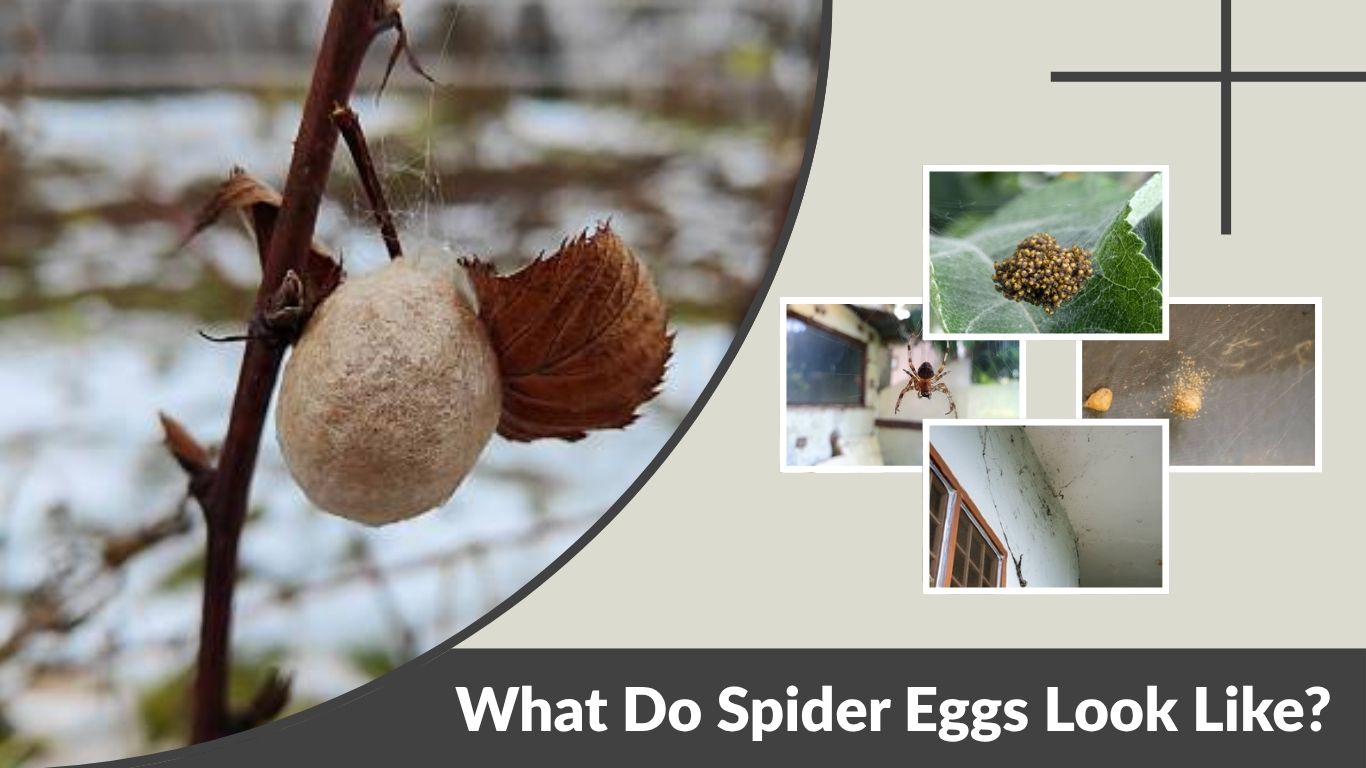
Spider eggs are small, often hidden, and easy to confuse with dust, debris, or other insect eggs. Most people never actually see individual eggs—instead, they notice the protective silk sacs that spiders create. Understanding how these eggs and sacs look, where they appear, and how they vary by species can help you identify them quickly. This guide breaks down the key visual traits so you can recognize spider eggs indoors, outdoors, and in different environments.
What Do Spider Eggs Look Like? (Basic Traits)
Spider eggs are tiny and delicate, making them difficult to spot unless you look closely. While they vary slightly by species, they share several common visual features that help with identification. Most eggs are grouped together and protected inside a silk sac, which is what people usually notice first.
- Size: extremely small, often like grains of sand
- Shape: round or slightly oval
- Color: white, cream, pale yellow, or translucent
- Texture: smooth and slightly shiny
- Arrangement: clustered together rather than single
What Do Spider Egg Sacs Look Like?
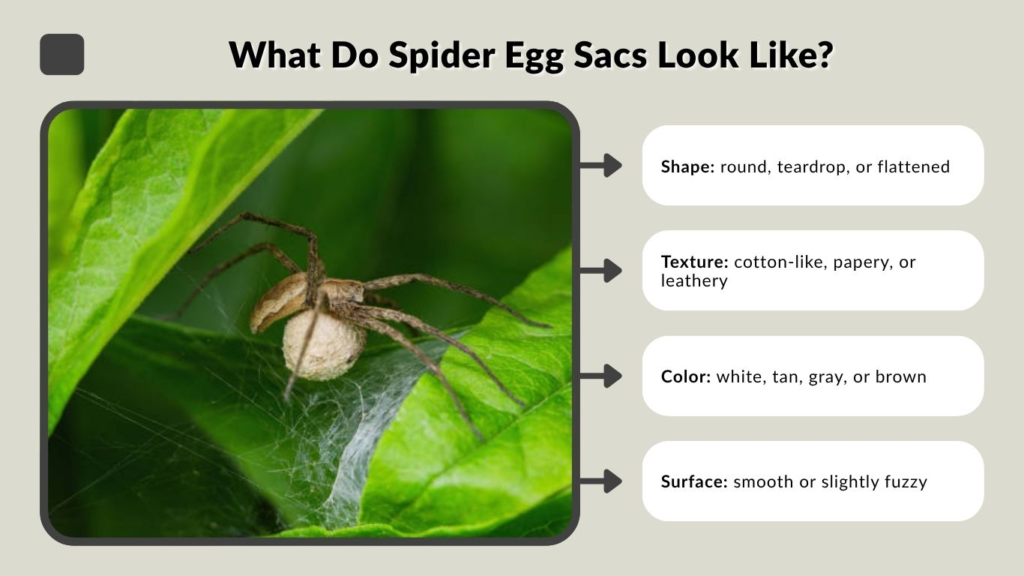
Instead of seeing individual eggs, you’ll most likely come across egg sacs. These sacs are made of silk and serve as protection against predators and environmental conditions. Their appearance can vary depending on the spider species, but they generally look soft, fibrous, or papery.
- Shape: round, teardrop, or flattened
- Texture: cotton-like, papery, or leathery
- Color: white, tan, gray, or brown
- Surface: smooth or slightly fuzzy
- Placement: attached to surfaces, webs, or hidden areas
Where Are Spider Eggs Commonly Found?
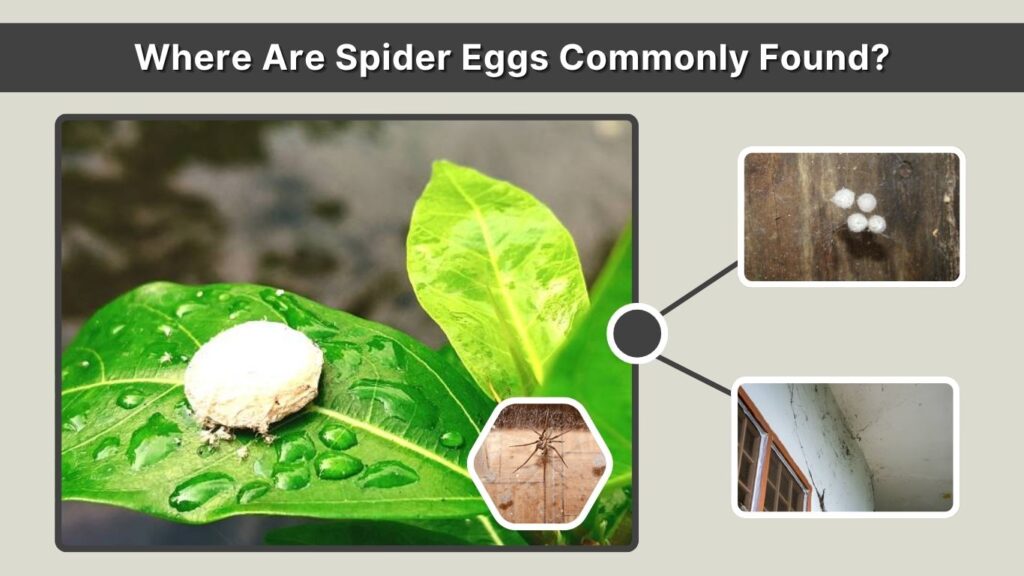
Spider eggs can appear in many places, depending on the species and environment. They are usually placed in areas that are safe, quiet, and undisturbed. Knowing these locations can help you identify and locate egg sacs more easily in your home or garden.
On Walls and Ceilings
Spider egg sacs are often tucked into corners where walls meet ceilings. These spots provide protection from movement and disturbances. The sacs may look like small cottony lumps or dusty patches, blending easily with the surroundings and going unnoticed for long periods.
Inside Homes
Indoors, spider eggs are commonly hidden behind furniture, inside closets, or in basements. These areas offer warmth and minimal disturbance, making them ideal for spiders to lay eggs. The sacs are usually small and discreet, often attached to hidden surfaces or cracks.
Outdoors (Plants and Soil)
Outside, spiders place their egg sacs under leaves, on branches, or within soil. Garden spiders, for example, often attach larger sacs to plants or structures. These sacs can appear more visible than indoor ones and may have a thicker or more durable texture.
What Do Spider Eggs Look Like When They Hatch?
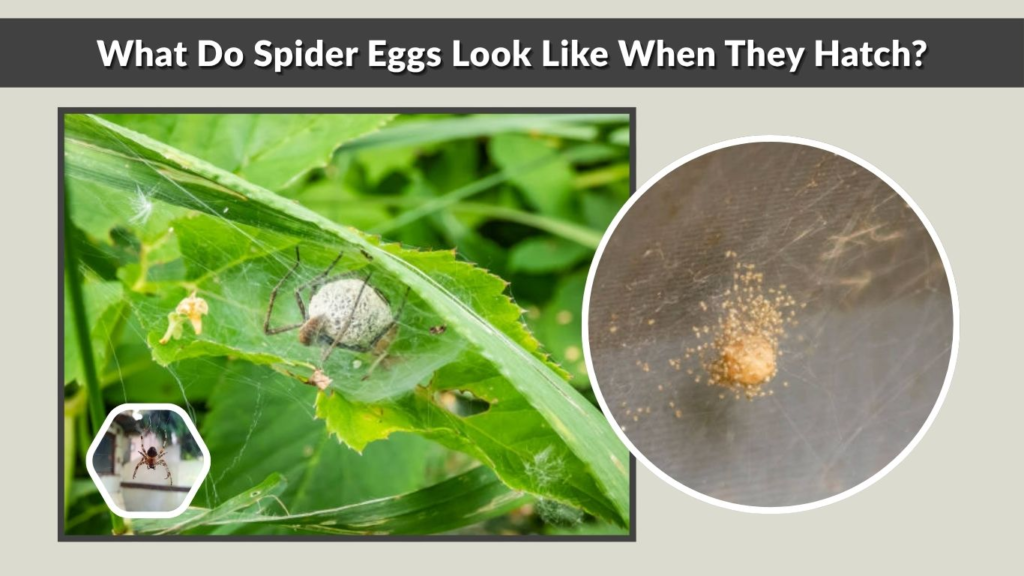
When spider eggs hatch, the changes are noticeable if you know what to look for. The egg sac typically splits open or develops small tears, allowing spiderlings to emerge. These baby spiders are tiny versions of adults and may gather briefly before dispersing.
After hatching, the sac often appears deflated, thin, or torn. In some cases, you might see leftover silk threads or fragments clinging to the surface. The presence of multiple tiny spiders nearby is usually the clearest sign that hatching has already occurred.
Spider Eggs vs Spider Mite Eggs (Key Differences)
Spider eggs are frequently confused with spider mite eggs, especially on plants. However, these two are quite different in appearance and behavior. Understanding the distinction can prevent misidentification and help you respond appropriately.
- Spider eggs: enclosed in silk sacs
- Spider mite eggs: exposed, no silk covering
- Spider eggs: larger clusters inside sacs
- Spider mite eggs: extremely tiny and scattered
- Spider eggs: found in hidden areas
- Spider mite eggs: commonly on leaf surfaces
What Do Spider Eggs Look Like by Species?
Spider egg sacs vary noticeably depending on the species, which makes identification easier once you know what to look for. Differences in size, color, texture, and placement all provide clues. While all spiders use silk to protect their eggs, the way they construct and position their sacs can be quite distinct. The table below highlights the most common species and how their egg sacs typically appear.
| Spider Species | Egg Sac Appearance | Color | Texture | Common Location |
| Black Widow | Round, smooth sac | Cream to tan | Papery | Dark corners, garages |
| Brown Recluse | Small, rounded sac | Off-white | Silky | Hidden indoor spaces |
| Jumping Spider | Compact silk sac | White | Soft, dense | Cracks, behind objects |
| Wolf Spider | Round sac carried by spider | Gray or white | Smooth | Attached to female |
| Yellow Sac Spider | Small, flat sac | White to pale yellow | Thin silk | Corners, leaves |
| Cellar Spider (Daddy Long Legs) | Loose egg cluster wrapped lightly | Translucent white | Very thin silk | Hanging in webs |
| Garden Spider | Larger, oval sac | Brown or tan | Thick, papery | Plants, branches |
| Banana / Joro Spider | Large, rounded sac | Yellowish to tan | Dense silk | Foliage, outdoor structures |
| Huntsman Spider | Flattened sac | White to cream | Soft, leathery | Under bark, walls |
| Hobo Spider | Round sac | White to light brown | Silky | Basements, foundations |
This comparison helps you quickly match what you see with a likely species. Keep in mind that environmental factors can slightly change the appearance, but the overall shape and placement usually remain consistent.
Spider Egg Clusters and Nests Explained
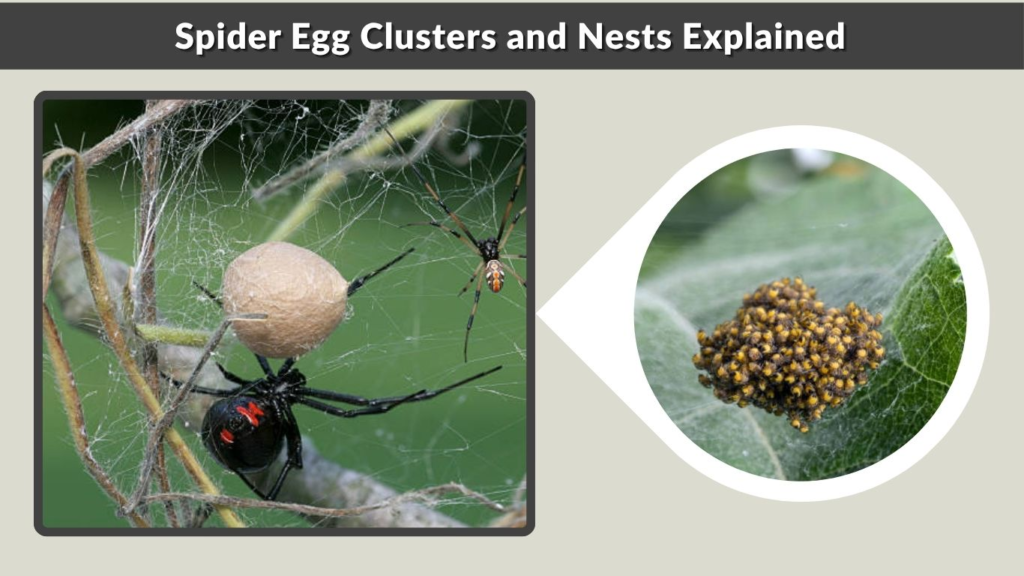
Spider egg clusters can sometimes look more alarming than a single sac because they appear in groups. These clusters are usually placed in safe locations where food is available and disturbances are minimal. While they may resemble small cotton balls or fluffy patches, they are simply multiple sacs gathered together. Some species naturally produce several sacs at once, while others create new ones over time in the same area.
How to Recognize a Cluster
Clusters often appear uneven and layered, with multiple sacs attached to one surface. They may vary slightly in size and color, giving them a textured or bumpy look. In some cases, you might notice webbing connecting the sacs, making the cluster look like a small nest.
Why Spiders Create Multiple Sacs
Spiders produce multiple egg sacs to increase survival chances. By spreading eggs across several sacs, they reduce the risk of losing all offspring to predators or environmental damage. This is especially common in outdoor environments where conditions are less predictable.
Spider Eggs Indoors vs Outdoors
Spider eggs can look slightly different depending on where they are found. Environmental conditions such as temperature, humidity, and exposure influence the size, color, and placement of egg sacs.
Indoor Spider Eggs
- Smaller and more compact sacs
- Usually white or light-colored
- Hidden in corners, furniture, or storage areas
- Less exposed to weather, so they appear cleaner
Outdoor Spider Eggs
- Often larger and thicker sacs
- Colors may be darker (tan or brown)
- Attached to plants, trees, or structures
- Designed to withstand weather and predators
Common Misidentifications to Avoid
Many things are mistaken for spider eggs, especially because egg sacs can look like dust or debris. Knowing the differences can help you avoid confusion and unnecessary concern.
- Spider beetle eggs: tiny and not enclosed in silk
- Spider cricket eggs: laid in soil, not visible as sacs
- Mold or mildew: irregular patches, not structured
- Dust clumps: lack silk texture or attachment
- Plant pests: often found directly on leaves
Quick Spider Egg Identification Checklist
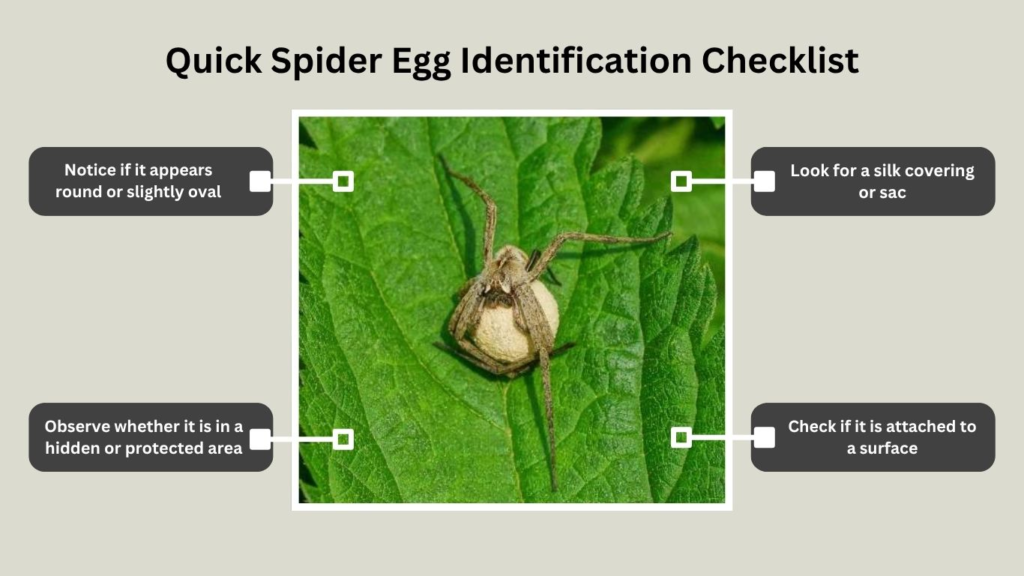
If you’re unsure whether you’re looking at spider eggs, a simple checklist can help you confirm your observation quickly. Focus on structure, placement, and texture rather than just size or color.
- Look for a silk covering or sac
- Check if it is attached to a surface
- Notice if it appears round or slightly oval
- Observe whether it is in a hidden or protected area
- See if multiple eggs are grouped together
Do All Spider Egg Sacs Look the Same?
Not all spider egg sacs look identical, even though they share similar features. Differences in species, environment, and behavior lead to noticeable variations. Some sacs are smooth and round, while others may appear fuzzy, flattened, or slightly irregular. Color can also range from bright white to darker shades like tan or brown.
These variations are useful for identification. For example, sacs found outdoors tend to be thicker and more durable, while indoor sacs are often lighter and more delicate. Observing these subtle differences can help you better understand what type of spider may have laid the eggs.
FAQs
Are spider eggs dangerous to humans?
Spider eggs themselves are not harmful. However, once they hatch, you may end up with many small spiders in your space. Most species are harmless, but it’s still best to remove egg sacs if you prefer to avoid an increase in spider activity indoors.
How long does it take for spider eggs to hatch?
Spider eggs typically hatch within a few weeks, depending on the species and environmental conditions. Warmer temperatures can speed up the process, while cooler conditions may delay hatching.
Can spider eggs survive vacuuming?
Vacuuming is one of the most effective ways to remove spider egg sacs. It helps eliminate both the sac and the eggs inside, reducing the chance of them hatching later.
What should I do if I find spider eggs in my house?
You can carefully remove them using gloves, tissue, or a vacuum. Dispose of them outside to prevent hatching indoors. If you notice many sacs, consider cleaning and checking hidden areas more thoroughly.
Do spiders stay near their eggs?
Some spiders guard their egg sacs, while others leave them hidden. Species like wolf spiders carry their eggs, while many house spiders place sacs in safe spots and do not stay nearby.
