
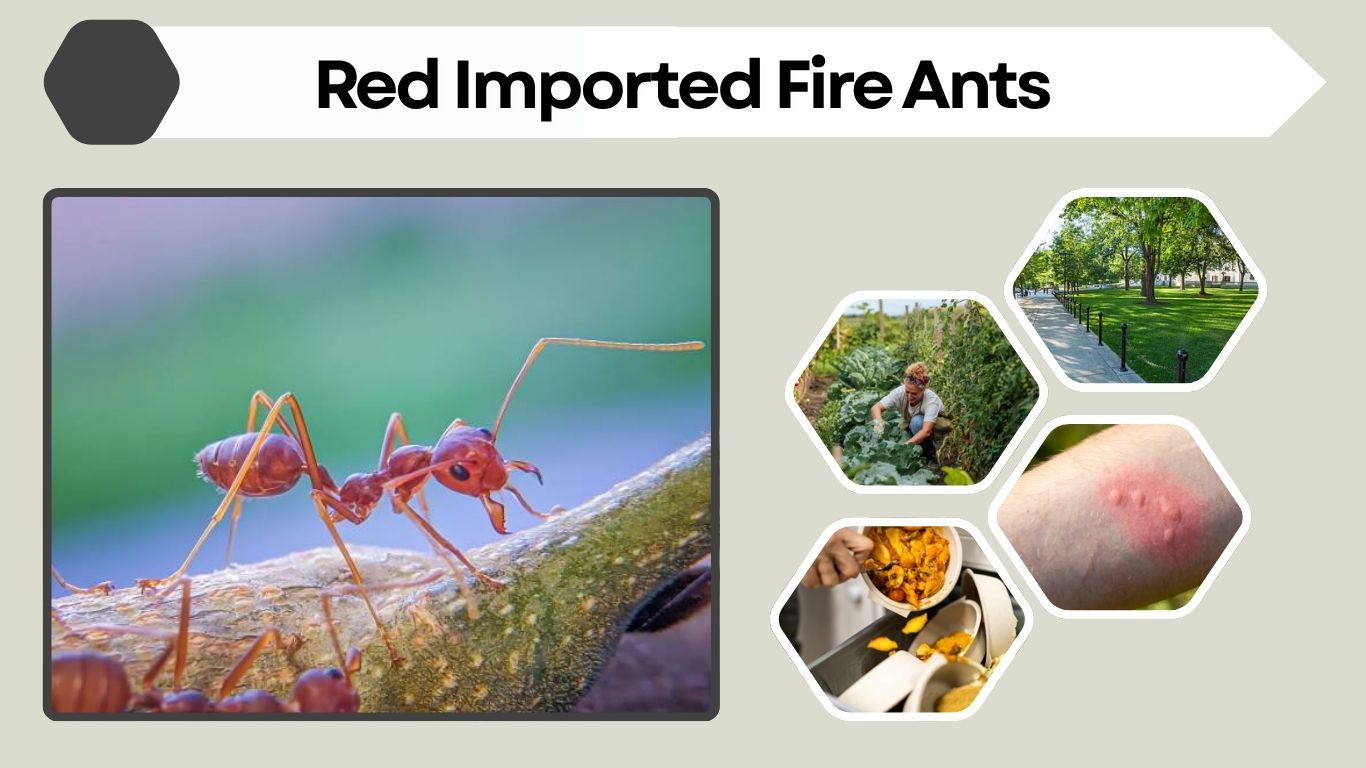
Red imported fire ants are among the most aggressive invasive insect species in the world. Known for their painful stings and rapidly growing colonies, these ants have spread across several countries and created serious environmental and economic problems. They damage crops, threaten wildlife, and invade residential areas in large numbers. Many people search for ways to identify, control, and remove these ants safely. Understanding their behavior, habitat, and impact is important for homeowners, farmers, and environmental agencies working to reduce infestations and prevent further spread.
What Are Red Imported Fire Ants?
Red imported fire ants are invasive ants scientifically known as Solenopsis invicta. They are native to South America but were accidentally introduced into other countries through shipping and trade activities. Over time, these ants spread rapidly because they adapt well to different environments and reproduce in large numbers.
These ants are famous for their aggressive behavior. When disturbed, they attack in groups and deliver painful stings that can cause burning sensations and itchy pustules. Their colonies can survive in urban neighborhoods, agricultural land, parks, and open grasslands.
Why Are They Called Imported Fire Ants?
The term “imported” refers to the ants being brought from another region, while “fire ant” comes from the burning pain caused by their sting. They entered the United States through cargo shipments arriving at ports in the southern region during the early twentieth century.
Scientific Name of the Red Imported Fire Ant
The scientific name of the red imported fire ant is Solenopsis invicta. It belongs to the ant family Formicidae and is classified as a highly destructive invasive species in many countries.
Key Characteristics of Red Imported Fire Ants
Red imported fire ants have several physical and behavioral traits that make them easy to recognize.
- Reddish-brown body color with darker abdomen
- Strong mandibles and a venomous stinger
- Highly aggressive defensive behavior
- Large underground colonies with thousands of workers
- Ability to survive floods by forming floating rafts
These characteristics help them dominate other ant species and expand quickly into new habitats.
Where Did Red Imported Fire Ants Come From?
Red imported fire ants originally came from South America, particularly areas of Brazil, Paraguay, and northern Argentina. International shipping activities accidentally transported them to other countries through soil, cargo containers, and agricultural materials.
After arriving in the United States, the ants spread rapidly across southern states because of favorable weather conditions and the absence of natural predators. Today, they are also considered a major threat in Australia, especially in Queensland, where large eradication programs are underway.
How Did Red Imported Fire Ants Reach the United States?
Researchers believe these ants entered the United States through the Port of Mobile in Alabama during the 1930s. Cargo ships carrying soil used as ballast likely introduced the species into local environments. Once established, colonies expanded across nearby states and eventually spread throughout much of the southern United States.
Why Are Red Imported Fire Ants Invasive?
Red imported fire ants are considered invasive because they reproduce rapidly and aggressively compete with native species. Their colonies often force local ants and insects out of their habitats, reducing biodiversity and disrupting ecosystems.
Unlike many native ants, red imported fire ants can adapt to different climates and food sources. Their strong survival abilities make them difficult to control once a colony becomes established.
Red Imported Fire Ant Identification
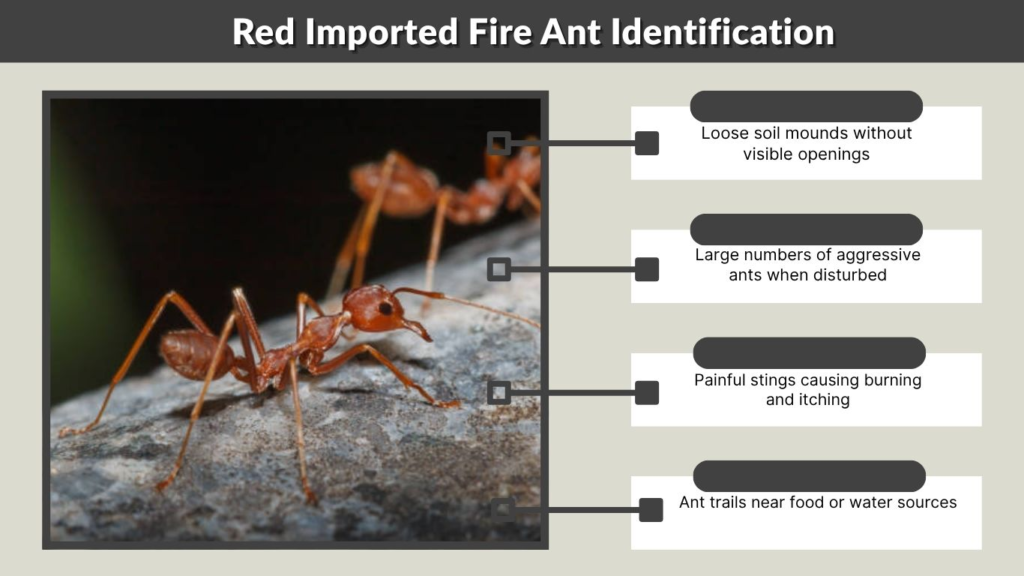
Identifying red imported fire ants correctly is important because they are often confused with other ant species. These ants vary in size within the same colony, which makes recognition more difficult for homeowners.
Worker ants are usually reddish-brown and range from very small to medium-sized. Queens are much larger and can produce thousands of eggs throughout their lifetime. Colonies typically build dome-shaped mounds in open sunny areas.
Common Signs of a Red Imported Fire Ant Infestation
Several warning signs can indicate the presence of red imported fire ants around homes or agricultural land.
- Loose soil mounds without visible openings
- Large numbers of aggressive ants when disturbed
- Painful stings causing burning and itching
- Ant trails near food or water sources
- Damage to plants, electrical equipment, or lawns
People often discover infestations accidentally after stepping near a mound and triggering a defensive swarm.
Do Red Imported Fire Ants Have Wings?
Yes, reproductive male and female fire ants develop wings during mating season. These winged ants participate in nuptial flights, where queens mate and travel to establish new colonies. After mating, queens remove their wings and begin laying eggs underground.
Where Do Red Imported Fire Ants Live?
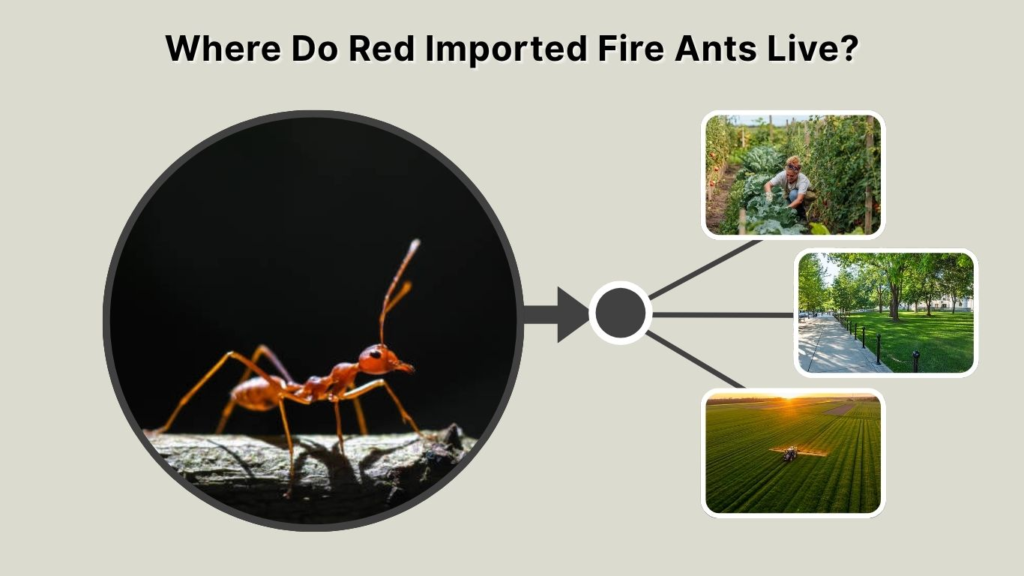
Red imported fire ants prefer warm climates with moist soil and open sunlight. They commonly live in lawns, gardens, parks, agricultural fields, roadsides, and near water systems. Their adaptability allows them to survive in both rural and urban environments.
Colonies usually build large underground tunnel systems beneath visible soil mounds. Some colonies contain hundreds of thousands of ants working together to gather food, protect the queen, and expand territory. In flooded areas, fire ants can link their bodies together to form floating structures that help entire colonies survive severe weather conditions.
What Do Red Imported Fire Ants Eat?
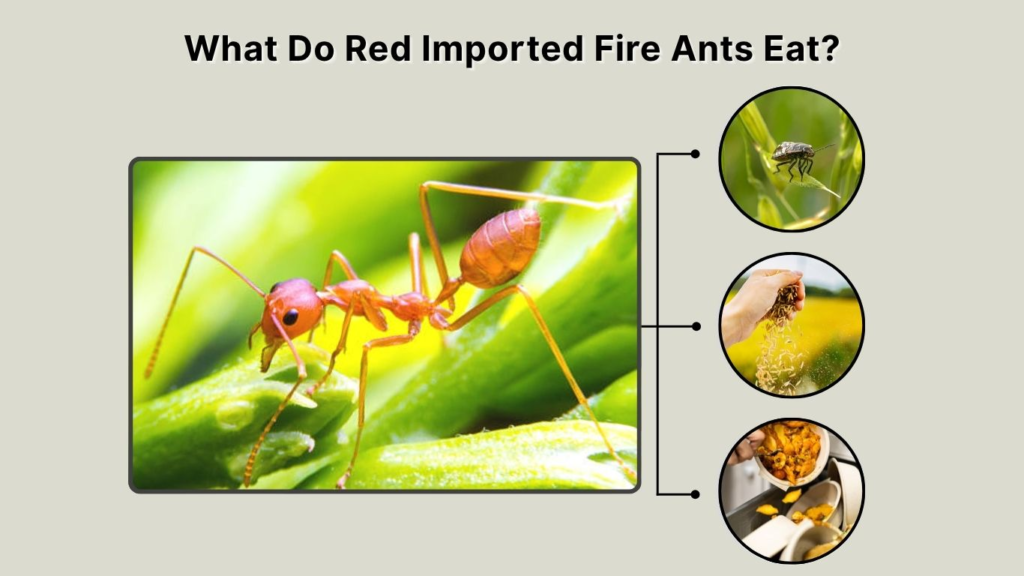
Red imported fire ants are opportunistic feeders, meaning they consume many different food sources depending on availability. Their diet includes insects, seeds, dead animals, sugary substances, and human food waste. They also attack small animals and newly hatched wildlife when food is limited.
Their aggressive feeding behavior creates problems for agriculture and local ecosystems because they compete with native insects and damage crops.
How Do Red Imported Fire Ants Affect the Environment?
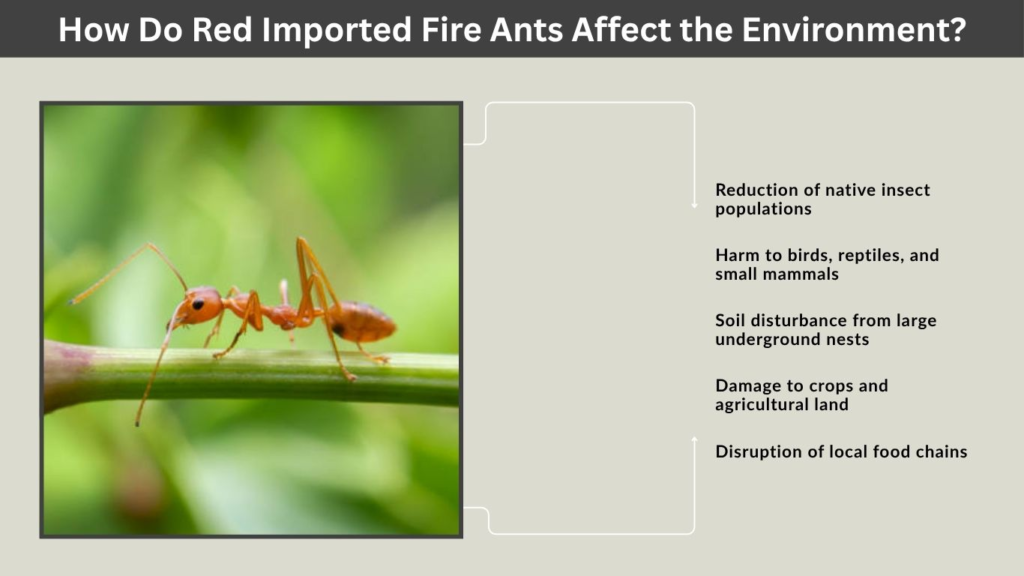
Red imported fire ants create serious environmental problems because they disrupt ecosystems and reduce native biodiversity. Their aggressive behavior allows them to dominate habitats quickly, pushing out local ant species and other insects that play important ecological roles.
These ants also threaten wildlife. Ground-nesting birds, reptiles, and small mammals are especially vulnerable to fire ant attacks. Young animals and hatchlings often cannot escape large swarms, which increases mortality rates in affected regions.
Environmental Effects of Red Imported Fire Ants
The environmental impact of red imported fire ants extends beyond wildlife loss. Their expanding colonies can change natural ecosystems and damage agricultural productivity.
- Reduction of native insect populations
- Harm to birds, reptiles, and small mammals
- Soil disturbance from large underground nests
- Damage to crops and agricultural land
- Disruption of local food chains
Because they spread rapidly, fire ants are considered one of the most destructive invasive insect species in the world.
Economic Problems Caused by Fire Ants
Red imported fire ants also create major economic losses. Farmers spend large amounts of money controlling infestations and repairing damage caused by colonies. Fire ants can damage electrical systems, irrigation equipment, and outdoor machinery by nesting inside sensitive components.
In residential areas, infestations lower outdoor safety and increase pest control expenses. Veterinary and medical costs also rise because pets, livestock, and humans frequently require treatment after severe stings.
Are Red Imported Fire Ants Dangerous?
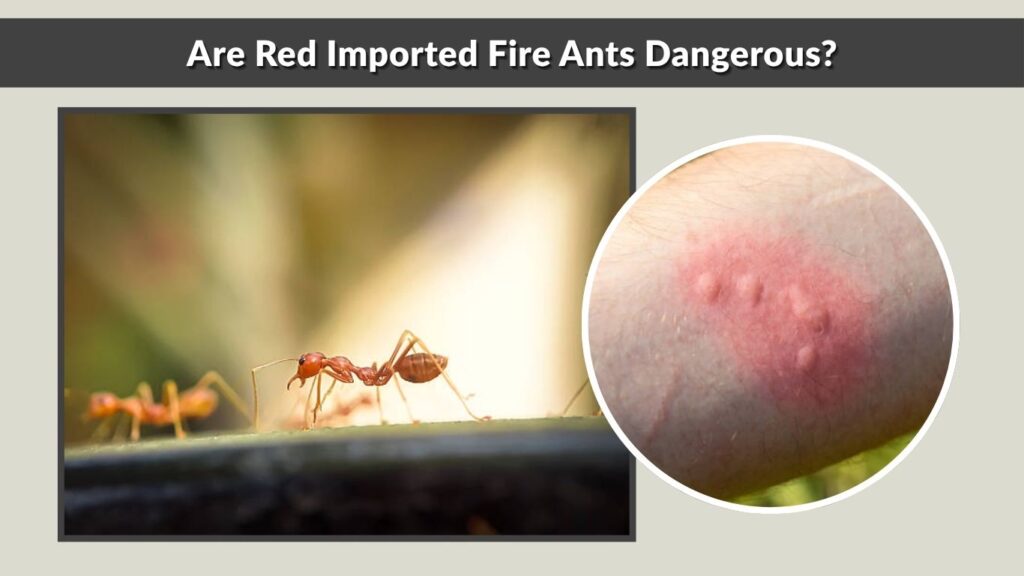
Red imported fire ants are dangerous because of their painful venomous sting and aggressive swarming behavior. Unlike many ant species that bite only once, fire ants grip the skin with their jaws and sting repeatedly in a circular pattern.
Most people experience burning pain, swelling, redness, and itchy pustules after being stung. However, some individuals can develop severe allergic reactions that require immediate medical attention.
Red Imported Fire Ant Sting Symptoms
The severity of symptoms depends on the number of stings and the victim’s sensitivity to venom. Common reactions usually appear quickly after contact.
- Sharp burning pain
- Red swollen bumps
- White pus-filled blisters
- Intense itching
- Allergic reactions in sensitive individuals
People who experience breathing problems, dizziness, or severe swelling should seek emergency medical care immediately.
Red Imported Fire Ant Bite Treatment
Proper treatment can reduce pain and prevent infection after a fire ant sting. Washing the affected area with soap and water is usually the first recommended step. Cold compresses may help reduce swelling and discomfort.
Over-the-counter antihistamines and anti-itch creams are commonly used to manage irritation. Scratching the pustules should be avoided because broken skin increases the risk of infection.
How to Get Rid of Red Imported Fire Ants
Controlling red imported fire ants can be difficult because colonies grow quickly and often contain multiple queens. Effective treatment usually combines bait products, mound treatments, and long-term prevention strategies.
Professional pest control services are often recommended for severe infestations because they can identify active colonies and apply targeted treatments safely.
Best Red Imported Fire Ant Control Methods
Several methods are commonly used to reduce fire ant populations around homes, gardens, and agricultural land.
- Fire ant bait products
- Insecticide mound drenches
- Granular lawn treatments
- Biological control programs
- Professional extermination services
Using multiple control methods together usually produces better long-term results than relying on a single treatment option.
Preventing Fire Ant Infestations
Preventive measures can reduce the chances of future infestations. Maintaining clean outdoor spaces and monitoring soil disturbances are important for early detection.
Homeowners should inspect lawns regularly for new mounds and avoid transporting soil or plants from infested areas. Quick action is important because colonies expand rapidly once queens establish new nests.
Red Imported Fire Ants in Australia and the United States
Red imported fire ants are widely established across the southern United States, where warm temperatures allow colonies to survive year-round. States such as Texas, Florida, Alabama, and Georgia report major infestations each year.
Australia is also facing increasing concern about fire ant expansion, especially in Queensland. Government agencies have invested heavily in eradication programs designed to prevent the ants from spreading into additional regions.
National Red Imported Fire Ant Eradication Programs
Several countries operate large-scale fire ant control programs to protect agriculture, infrastructure, and biodiversity.
These programs focus on:
- Early detection of colonies
- Restricting movement of contaminated soil
- Public awareness campaigns
- Large-scale pesticide treatments
- Scientific monitoring and research
Despite extensive control efforts, complete eradication remains challenging because colonies reproduce quickly and adapt well to new environments.
FAQs
What is a red imported fire ant?
A red imported fire ant is an aggressive invasive ant species scientifically known as Solenopsis invicta. It is native to South America and is known for painful stings, large underground colonies, and rapid spread across warm climates.
Where are red imported fire ants commonly found?
Red imported fire ants are commonly found in the southern United States, Australia, and other warm regions. They prefer open sunny areas such as lawns, parks, agricultural land, roadsides, and gardens with moist soil conditions.
Why are red imported fire ants dangerous?
Red imported fire ants are dangerous because they attack aggressively and sting repeatedly. Their venom causes burning pain, itchy pustules, and allergic reactions in some people. Large infestations can also harm wildlife, pets, and agricultural systems.
How can you identify a red imported fire ant mound?
Red imported fire ant mounds usually appear as loose dome-shaped piles of soil without visible entry holes. When disturbed, large numbers of aggressive ants quickly emerge from the mound to defend the colony.
What is the best way to control red imported fire ants?
The best control methods include fire ant bait treatments, insecticide applications, mound drenches, and professional pest management services. Early detection and regular monitoring are important for preventing colonies from spreading.
