
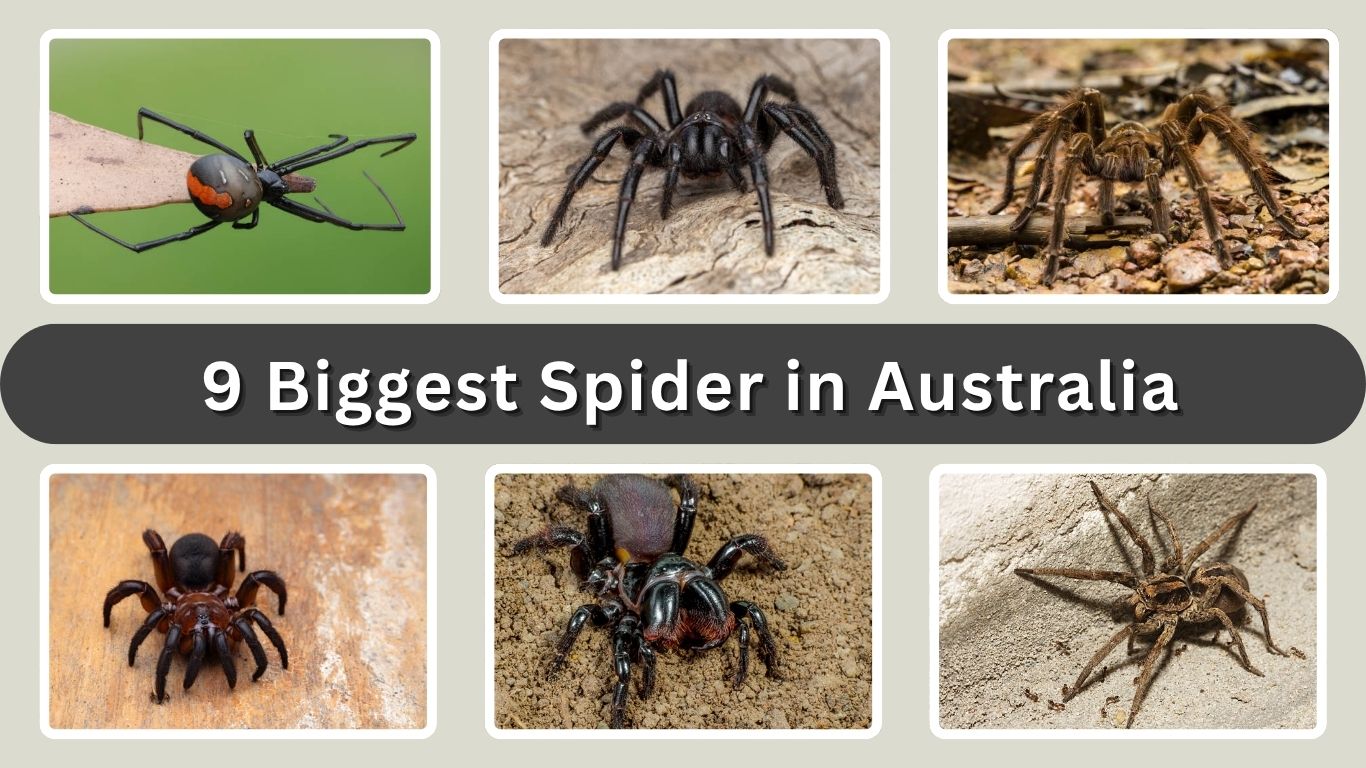
Australia is home to some of the largest and most fascinating spiders in the world. From the fast-moving Huntsman to the powerful Funnel-Web, these species vary greatly in size, behavior, and habitat. While their appearance can be intimidating, most play an important role in maintaining ecological balance by controlling insect populations. This list explores the nine biggest spiders associated with Australia, highlighting their unique features, habitats, and lifestyles to give you a clearer understanding of these remarkable arachnids.
1. Goliath Birdeater
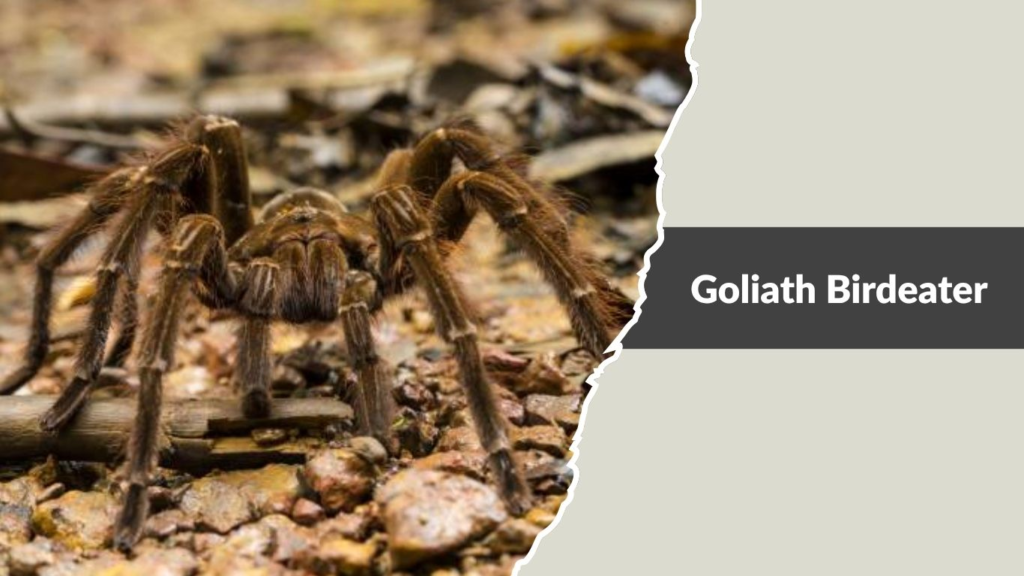
The Goliath Birdeater is widely recognized as the largest spider in the world by mass and one of the most intimidating arachnids. Despite its frequent inclusion in “biggest spider” lists, it is not native to Australia but originates from South America. Its massive size, thick legs, and defensive behaviors make it a standout species among all spiders globally.
Identification
- Extremely large, heavy-bodied spider with thick, powerful legs
- Dark brown to reddish-brown coloration with subtle patterns
- Body and legs covered in dense, bristly hairs
- Has urticating hairs that can be flicked at predators as a defense
- Large downward-pointing fangs used for subduing prey
- Produces a noticeable hissing sound (stridulation) when threatened
Habitat
The Goliath Birdeater primarily inhabits tropical rainforests in northern South America, especially in countries like Brazil, Venezuela, and Guyana. It prefers warm, humid environments with soft soil where it can dig deep burrows. These burrows serve as shelter from predators and extreme weather. The spider is nocturnal and usually stays hidden during the day, emerging at night to hunt. It is a ground-dwelling species and rarely climbs, relying instead on ambush tactics from the forest floor. Fallen logs, leaf litter, and dense vegetation provide ideal cover for its activities.
Size
This species is the heaviest spider in the world, with some individuals weighing over 170 grams. Its leg span can reach up to 30 cm (12 inches), making it one of the largest by size as well. The body alone can be as large as a human fist. Females are typically larger and heavier than males. Despite its massive size, it moves surprisingly quietly and efficiently, especially when stalking prey at night.
Diet and Lifecycle
The Goliath Birdeater is an opportunistic predator. Its diet mainly includes insects, but it can also consume larger prey such as frogs, lizards, small rodents, and occasionally birds. It uses its powerful fangs to inject venom, which immobilizes prey before digestion begins externally. The lifecycle starts with eggs laid in silk sacs, which hatch into spiderlings. These young spiders go through several molts as they grow. Females can live between 15 to 25 years, making them one of the longest-living spiders, while males typically live only 3 to 6 years.
2. Huntsman Spider
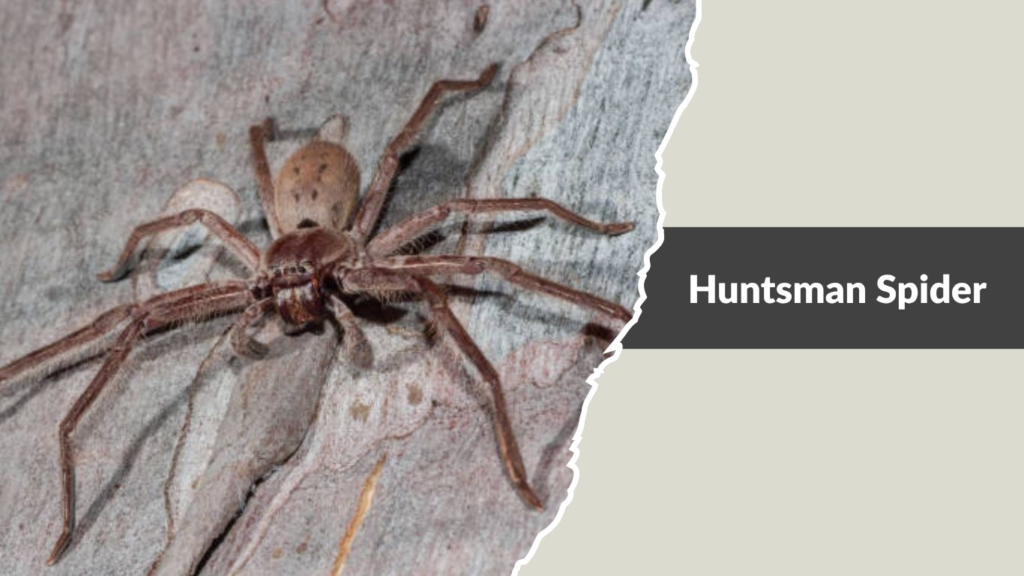
The Huntsman Spider is one of the largest and most well-known spiders in Australia. Famous for its long legs and fast movement, it is often seen in homes, gardens, and forests. Despite its intimidating size, it is generally harmless to humans and plays an important role in controlling insect populations.
Identification
- Very large spider with long, flattened legs
- Leg span can appear wider than its body length
- Brown, grey, or tan coloration with subtle patterns
- Legs extend sideways in a crab-like stance
- Smooth body with less hair compared to tarantulas
- Known for rapid movement and agility
Habitat
Huntsman spiders are widely distributed across Australia and thrive in a variety of environments. They prefer sheltered places such as under tree bark, inside logs, rock crevices, and even inside homes. These spiders do not build webs to catch prey; instead, they roam freely and hunt actively. In urban areas, they are commonly found behind curtains, inside sheds, or on walls. Their adaptability allows them to survive in both dry and humid regions, making them one of the most commonly encountered large spiders in Australia.
Size
The Huntsman Spider can reach an impressive leg span of up to 30 cm (12 inches), making it one of the largest spiders in Australia by leg span. Its body is relatively flat, which helps it squeeze into tight spaces. While its body size is moderate compared to tarantulas, its long legs give it a much larger overall appearance. Females are generally larger than males, and their size often causes alarm when spotted indoors.
Diet and Lifecycle
Huntsman spiders are active hunters that feed on insects such as cockroaches, crickets, and other household pests. They do not rely on webs but instead chase or ambush their prey. This makes them beneficial in controlling unwanted insects. The lifecycle begins with eggs laid in a flattened silk sac, usually hidden in a protected area. Spiderlings emerge and gradually grow through molting. Females can live for several years, while males typically have shorter lifespans and often wander in search of mates.
3. Sydney Funnel-Web Spider
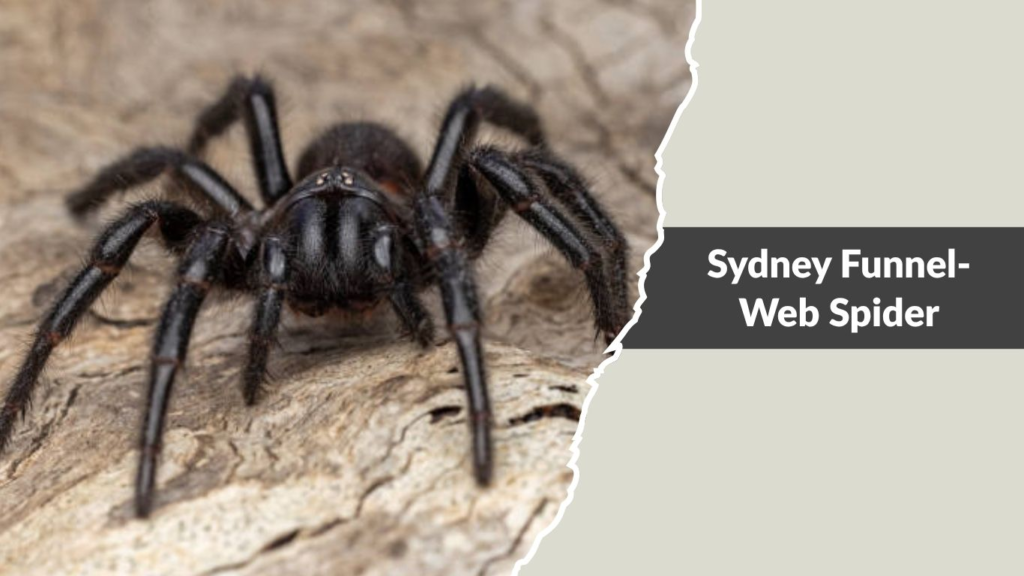
The Sydney Funnel-Web Spider is one of the most dangerous spiders in Australia and is well known for its potent venom. It is native to eastern Australia, particularly around Sydney, and has a reputation for being aggressive when threatened. Despite its fearsome image, encounters are rare, and antivenom has made bites highly treatable.
Identification
- Medium to large, robust spider with a glossy appearance
- Dark black to deep brown coloration
- Smooth, shiny carapace with little visible hair
- Strong, downward-pointing fangs
- Legs are thick and powerful
- Often found near funnel-shaped web entrances
Habitat
This spider is commonly found in moist environments such as forests, gardens, and suburban areas. It prefers cool, damp places like under rocks, logs, or within burrows in the soil. The spider constructs a silk-lined burrow with a distinctive funnel-shaped entrance, which extends into trip lines used to detect prey. During rainy or humid conditions, especially in warmer months, males may wander in search of females, increasing the chance of human encounters. They can also occasionally enter homes, particularly in ground-level areas.
Size
The Sydney Funnel-Web Spider typically has a body length of about 1.5 to 5 cm (0.6 to 2 inches). While not as large in leg span as some other Australian spiders, its thick body and strong legs give it a powerful appearance. Males are usually smaller but more dangerous due to their more toxic venom. Its size, combined with its aggressive defensive posture, makes it one of the most feared spiders in Australia.
Diet and Lifecycle
This spider feeds mainly on insects, including beetles, cockroaches, and other small invertebrates. It waits at the entrance of its burrow and quickly lunges when vibrations signal nearby prey. After capturing prey, it injects venom and drags it back into the burrow. The lifecycle begins with eggs laid in silk sacs inside the burrow. Spiderlings remain protected before emerging and dispersing. Females can live for several years, while males have shorter lifespans and typically die after mating.
4. Australian Tarantula (Whistling Spider)
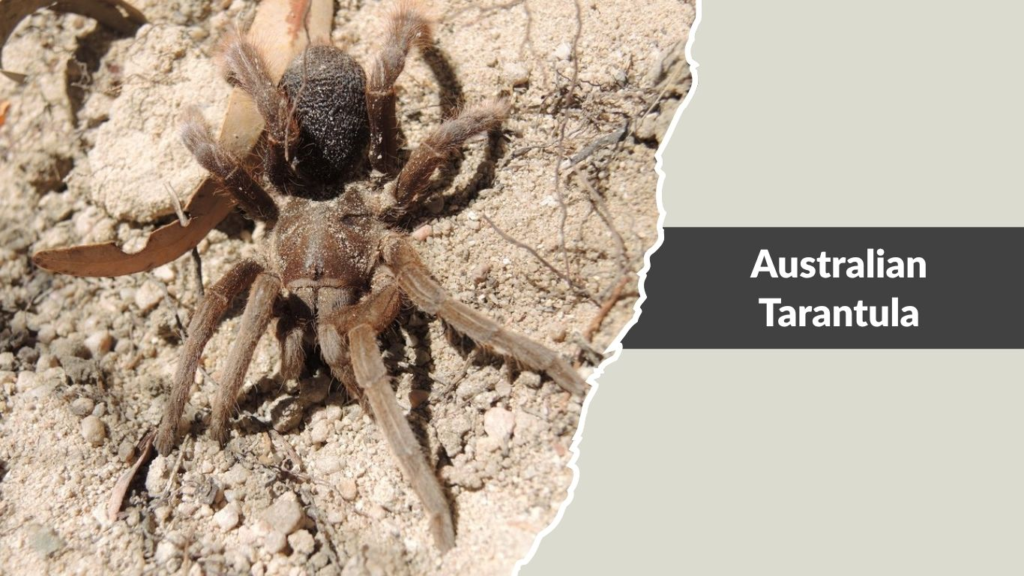
The Australian Tarantula, commonly known as the Whistling Spider, is one of the largest spiders found in Australia. It gets its name from the distinctive hissing or whistling sound it produces when threatened. These spiders are impressive in size and appearance but are generally not dangerous to humans.
Identification
- Large, heavy-bodied spider with thick legs
- Brown to dark brown coloration with a velvety appearance
- Body covered in fine hairs
- Produces a hissing or whistling sound by rubbing body parts
- Strong fangs used for capturing prey
- Robust and bulky compared to most other spiders
Habitat
Australian Tarantulas are commonly found in dry forests, grasslands, and scrublands across Australia. They live in burrows dug into the ground, often lined with silk for stability. These burrows provide protection from predators and extreme temperatures. The spider usually stays hidden during the day and becomes active at night. It waits near the entrance of its burrow to ambush prey. In some cases, they may be seen wandering, especially during mating seasons or after heavy rain.
Size
These spiders can grow quite large, with a leg span reaching up to 16 cm (6 inches). Their bodies are thick and solid, giving them a much heavier appearance than many other spiders. Females are typically larger and bulkier than males. While not as wide in leg span as the Huntsman, their dense build makes them appear more massive and intimidating.
Diet and Lifecycle
The Australian Tarantula feeds on insects, small reptiles, and occasionally frogs. It is an ambush predator, relying on quick strikes rather than webs to capture prey. After injecting venom, it consumes its prey slowly. The lifecycle begins with eggs laid in a silk sac within the burrow. Spiderlings hatch and remain for a short time before dispersing. Females can live for over 10 years, while males have much shorter lifespans and usually die after mating.
5. Trapdoor Spider
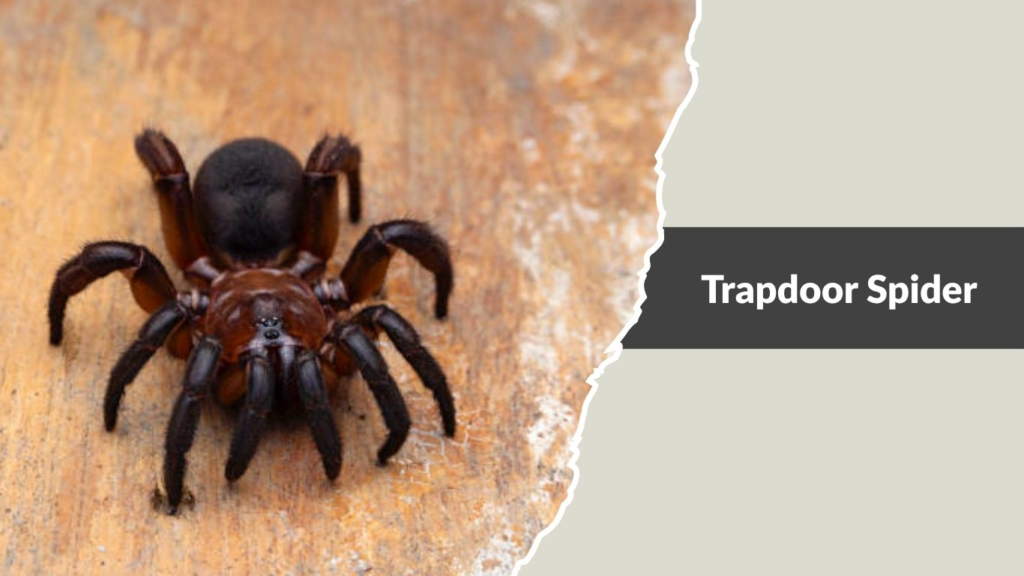
The Trapdoor Spider is a fascinating and well-camouflaged spider found across Australia. It is known for its unique burrow with a hidden “trapdoor” entrance, which it uses for both protection and hunting. While not as visually large as some other species, its thick body and secretive lifestyle make it one of the notable large spiders in Australia.
Identification
- Stout, thick-bodied spider with short, strong legs
- Dark brown to black coloration
- Large head and powerful jaws
- Body covered with fine hairs
- Often associated with a silk-lined burrow with a hidden door
- Moves quickly when disturbed but usually stays concealed
Habitat
Trapdoor spiders are commonly found in forests, woodlands, and suburban gardens throughout Australia. They prefer soft soil where they can dig deep burrows. The burrow is lined with silk and covered with a hinged “door” made of soil and vegetation, making it almost invisible. These spiders rarely leave their burrow and spend most of their lives inside. They wait just beneath the door, sensing vibrations from passing prey. This hidden lifestyle helps protect them from predators and harsh environmental conditions.
Size
Trapdoor spiders vary in size depending on the species, but many can grow to a body length of around 1.5 to 3 cm (0.6 to 1.2 inches). While their leg span is not as wide as Huntsman spiders, their thick and solid build makes them appear strong and bulky. Females are generally larger and remain in their burrows, while males are smaller and wander in search of mates.
Diet and Lifecycle
These spiders are ambush predators, feeding mainly on insects and small invertebrates. They wait at the entrance of their burrow and quickly grab prey that comes too close. After capturing it, they drag it inside to consume. The lifecycle begins with eggs laid in silk sacs within the burrow. Spiderlings hatch and stay for a short period before dispersing. Females can live for many years, often remaining in the same burrow for most of their lives, while males have shorter lifespans.
6. Golden Orb-Weaver
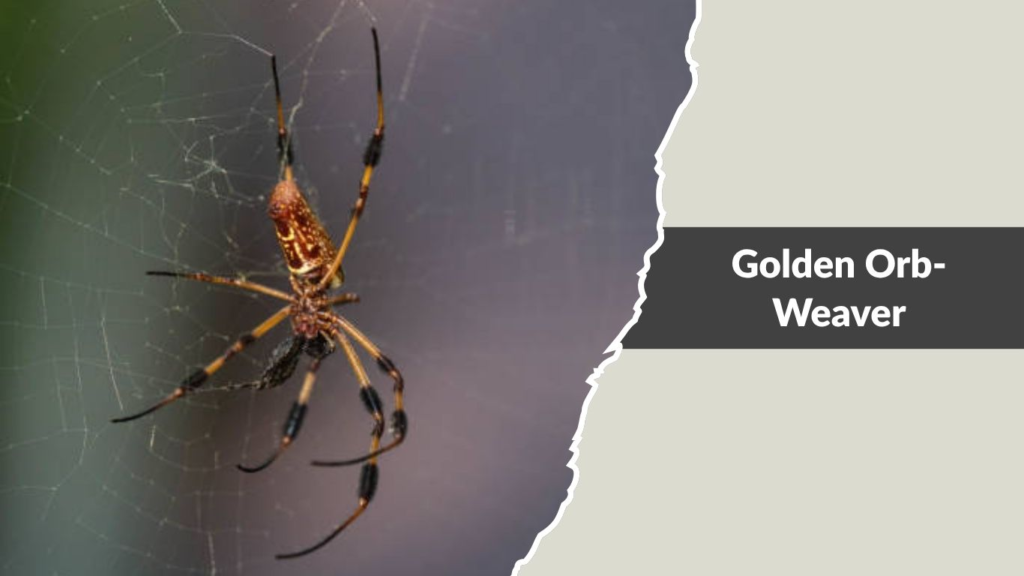
The Golden Orb-Weaver is one of the most recognizable large spiders in Australia, famous for its विशाल size and beautiful golden-colored webs. Despite its intimidating appearance, it is generally harmless to humans and plays a vital role in controlling flying insect populations.
Identification
- Large spider with long, slender legs
- Females are significantly larger than males
- Body color ranges from yellow to brown with striped legs
- Produces strong, golden-colored silk webs
- Small head compared to long legs and large abdomen
- Often seen sitting at the center of its web
Habitat
Golden Orb-Weavers are commonly found in forests, woodlands, gardens, and even urban areas across Australia. They build large, circular webs between trees, shrubs, or structures, often at head height. These webs can span over a meter and are incredibly strong, sometimes capable of catching small birds or bats. The spider usually remains in the center of the web, waiting for prey to become trapped. They prefer warm climates and are most active during the summer months.
Size
Female Golden Orb-Weavers can have a leg span of up to 15 cm (6 inches), making them one of the larger web-building spiders in Australia. Their bodies are relatively elongated, with a prominent abdomen. Males, on the other hand, are much smaller—often only a fraction of the female’s size—and can sometimes be seen sharing the same web.
Diet and Lifecycle
These spiders primarily feed on flying insects such as flies, mosquitoes, and beetles. They rely on their strong webs to trap prey, which they then immobilize with venom before wrapping it in silk. The lifecycle begins with eggs laid in a protective silk sac. Spiderlings hatch and disperse, often using silk threads to travel through the air. Females can live for about a year, while males have shorter lifespans and often remain near females for mating opportunities.
7. Redback Spider
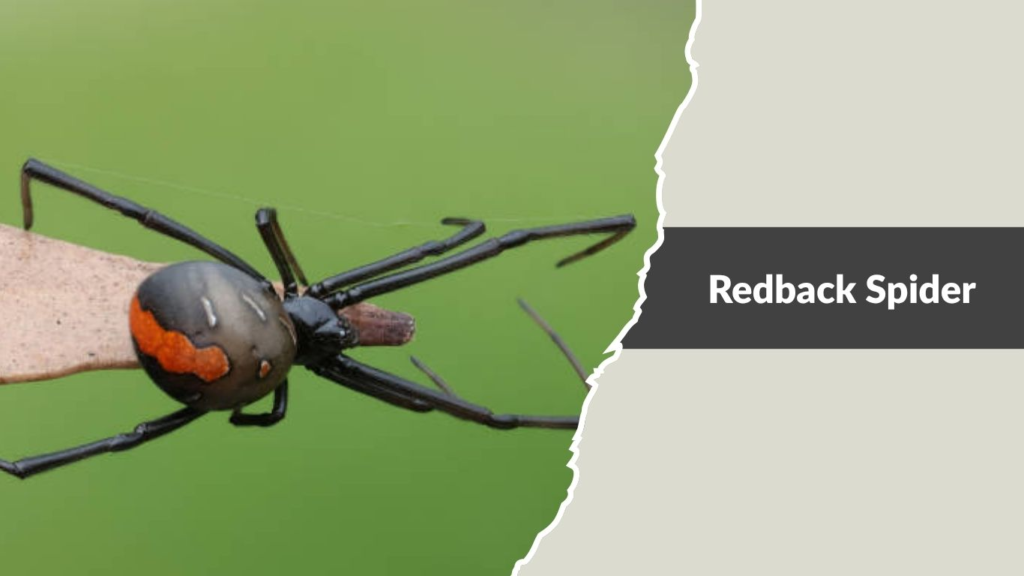
The Redback Spider is one of the most well-known and medically significant spiders in Australia. It is famous for the distinctive red stripe on its back and its potent venom. Despite its small size compared to other large spiders, it is often included in notable spider lists due to its impact and recognition.
Identification
- Small to medium-sized spider with a rounded abdomen
- Glossy black body with a distinct red or orange stripe on the back
- Long, thin legs
- Females are much larger than males
- Web is messy and irregular in shape
- Usually hangs upside down in its web
Habitat
Redback spiders are commonly found in urban and suburban areas across Australia. They prefer dry, sheltered locations such as under rocks, inside sheds, around fences, and beneath outdoor furniture. Their webs are typically built close to the ground in hidden spaces. These spiders adapt well to human environments and are often found near homes. They are mostly nocturnal and remain hidden during the day, becoming active at night to catch prey.
Size
The female Redback Spider has a body length of about 1 cm (0.4 inches), while males are much smaller and rarely noticed. Although it is not large in size compared to spiders like Huntsman or Tarantulas, its round abdomen and long legs give it a noticeable presence. Its significance comes more from its venom than its physical size.
Diet and Lifecycle
Redback spiders feed on insects such as flies, beetles, and other small invertebrates. They use their tangled webs to trap prey, then inject venom to immobilize it before feeding. The lifecycle begins with eggs laid in silk sacs, which are attached to the web. Spiderlings hatch and disperse after a short period. Females can live for 2 to 3 years, while males have much shorter lifespans and often die after mating.
8. Mouse Spider
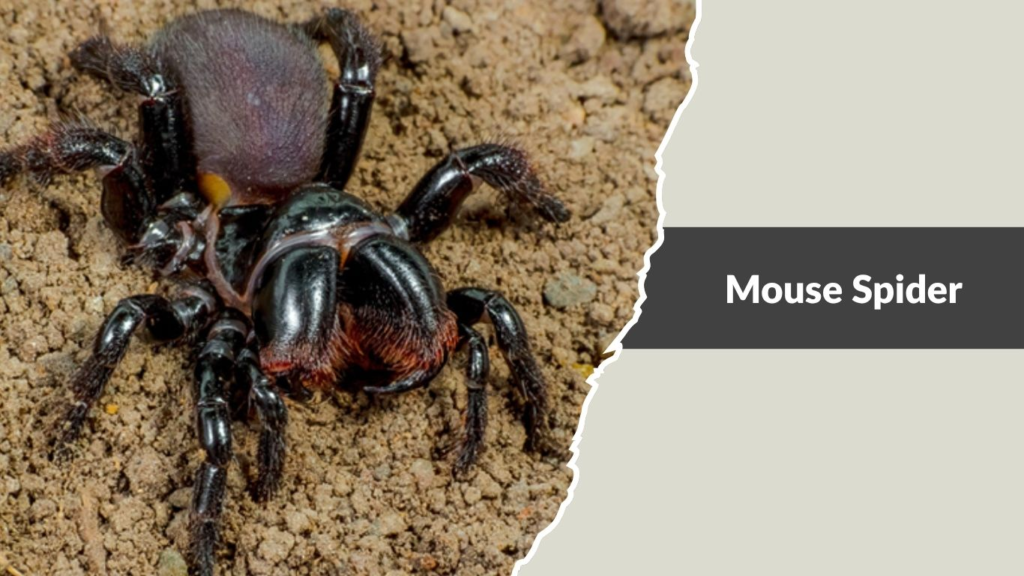
The Mouse Spider is a robust and ground-dwelling spider found in various parts of Australia. It is often mistaken for the more dangerous funnel-web spider due to its similar appearance, but it is generally less aggressive. Its name comes from the mistaken belief that it digs burrows like a mouse.
Identification
- Medium to large, stout-bodied spider
- Shiny black or dark brown coloration
- Some species have bright red or blue markings on the head
- Strong, thick legs adapted for digging
- Large fangs similar to funnel-web spiders
- Smooth, glossy body with minimal hair
Habitat
Mouse spiders are commonly found in burrows in soil, often in forests, grasslands, and suburban gardens. They prefer loose or sandy soil where they can dig deep tunnels. The burrow may have a simple entrance or a small lid made of soil and silk. These spiders are mostly ground-dwelling and spend much of their time hidden underground. Males are more likely to be seen wandering, especially after rain, as they search for females.
Size
Mouse spiders typically grow to a body length of about 1 to 3.5 cm (0.4 to 1.4 inches). While not as large in leg span as Huntsman spiders, their thick and solid build makes them appear strong and noticeable. Females are usually larger and remain inside their burrows, while males are smaller but more mobile.
Diet and Lifecycle
These spiders feed mainly on insects and other small invertebrates. They hunt by ambushing prey near their burrow entrance or catching it underground. After capturing prey, they use their venom to immobilize it before feeding. The lifecycle begins with eggs laid in silk sacs within the burrow. Spiderlings hatch and stay for a short time before dispersing. Females can live for several years, while males have shorter lifespans and typically die after mating.
9. Wolf Spider
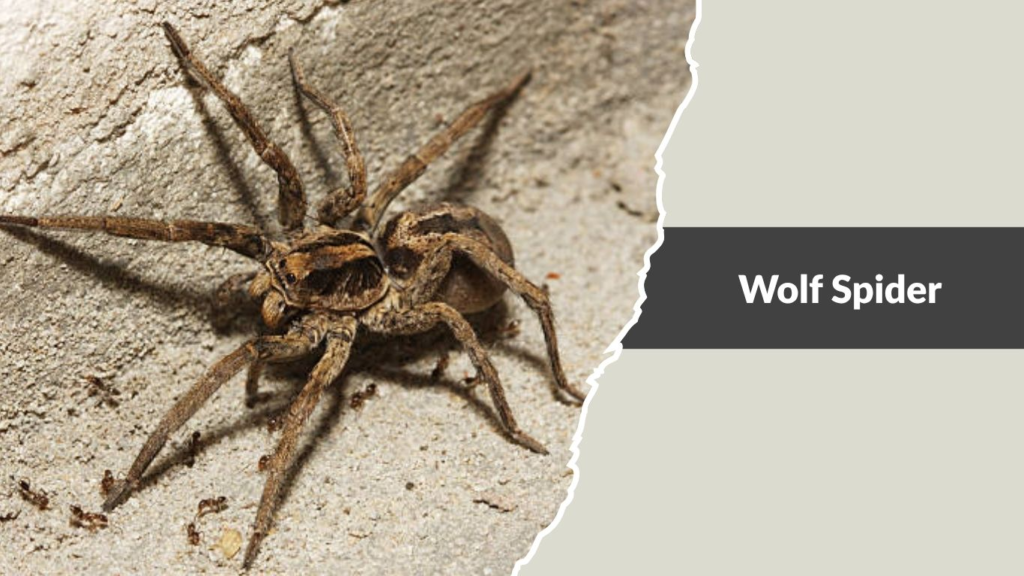
The Wolf Spider is a fast-moving and ground-dwelling spider commonly found across Australia. It is known for its excellent eyesight and hunting ability, as it does not rely on webs to catch prey. Although it may look intimidating, it is generally harmless to humans and plays an important role in controlling insect populations.
Identification
- Medium to large spider with a robust, hairy body
- Brown, grey, or black coloration with striped or mottled patterns
- Strong legs built for running and chasing prey
- Large eyes arranged in a distinctive pattern
- Does not build webs for hunting
- Females often carry egg sacs attached to their bodies
Habitat
Wolf spiders are found in a wide range of habitats, including grasslands, forests, deserts, and even suburban gardens. They prefer living on the ground, hiding under rocks, logs, leaf litter, or in shallow burrows. These spiders are highly adaptable and can survive in both dry and moist environments. They are mostly nocturnal and emerge at night to hunt, though some species may be active during the day.
Size
Wolf spiders vary in size depending on the species, but many can reach a body length of about 1 to 3.5 cm (0.4 to 1.4 inches). Their leg span can make them appear larger, especially when fully extended. Females are generally larger than males and are often seen carrying egg sacs, which adds to their noticeable appearance.
Diet and Lifecycle
Wolf spiders are active hunters that feed on insects such as crickets, ants, beetles, and other small invertebrates. They chase down or ambush their prey instead of using webs. After mating, females produce egg sacs and carry them attached to their abdomen. Once the spiderlings hatch, they climb onto the mother’s back and stay there for a short period before dispersing. Females can live for several years, while males usually have shorter lifespans.
FAQs
Are all large spiders in Australia dangerous?
No, most large spiders in Australia are not dangerous to humans. While a few species like the Sydney Funnel-Web and Redback have medically significant venom, the majority—such as Huntsman and Wolf spiders—are harmless and even beneficial because they help control insect populations.
Which is the largest spider in Australia?
The Huntsman Spider is often considered the largest in Australia by leg span, reaching up to 30 cm. However, the Australian Tarantula is heavier and bulkier, making it the largest by body mass within the country.
Do large spiders in Australia bite humans?
Large spiders can bite if they feel threatened, but bites are rare. Most spiders prefer to avoid humans and will only defend themselves when provoked. Even when bites occur, many species cause only mild symptoms.
Where are big spiders commonly found in Australia?
Big spiders are commonly found in forests, gardens, deserts, and even inside homes. They often hide under rocks, tree bark, logs, or in burrows, depending on the species and environmental conditions.
Why are spiders in Australia so big?
Australia’s warm climate and diverse ecosystems provide ideal conditions for spiders to grow larger. Abundant food sources and varied habitats allow many species to thrive and reach impressive sizes compared to spiders in other regions.
