
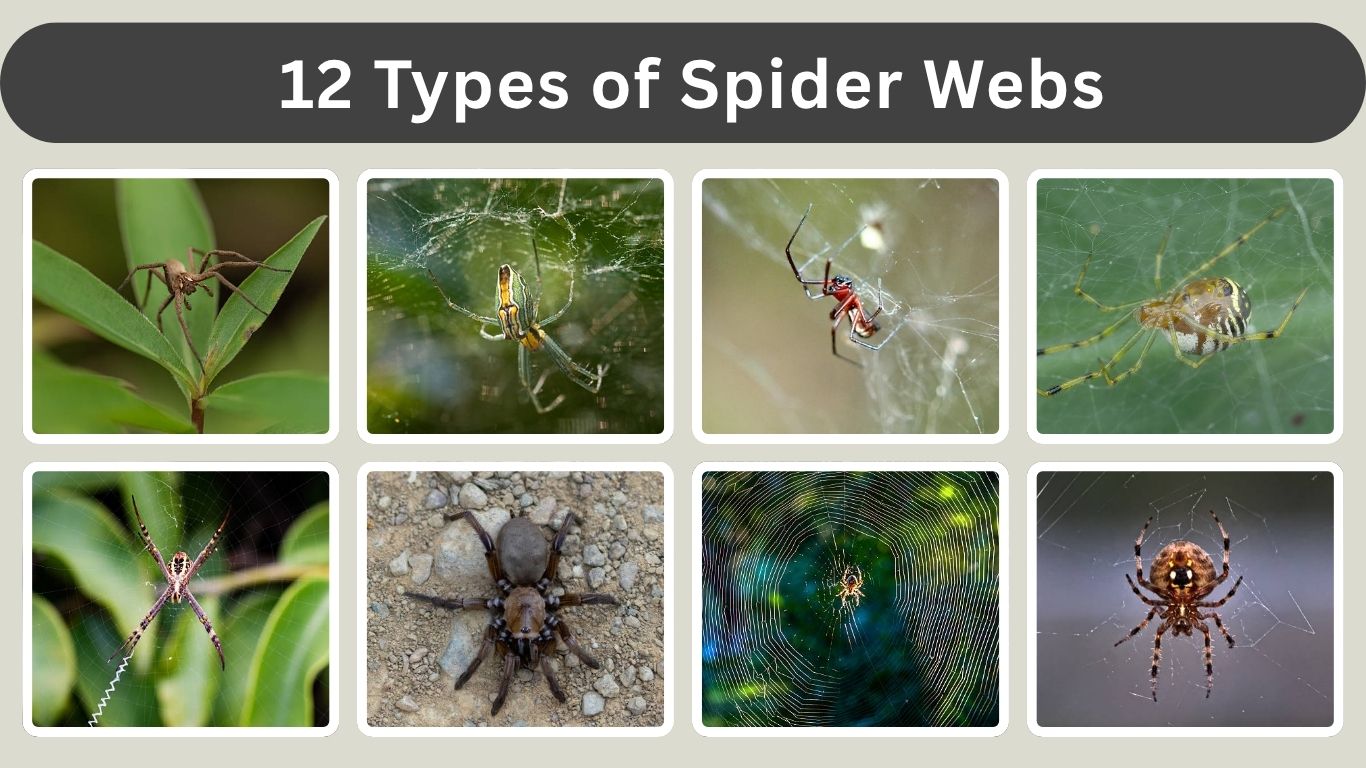
Spider webs come in a wide variety of shapes and designs, each created by different species of spiders using unique hunting strategies. From perfectly circular orb webs to hidden trapdoor structures, these webs are more than just sticky traps—they are carefully engineered tools for survival. Some are built to catch flying insects, while others rely on ambush or shelter. Understanding the different types of spider webs not only helps in identifying spiders but also reveals how fascinating and adaptable these creatures are in their natural environments.
1. Orb Web
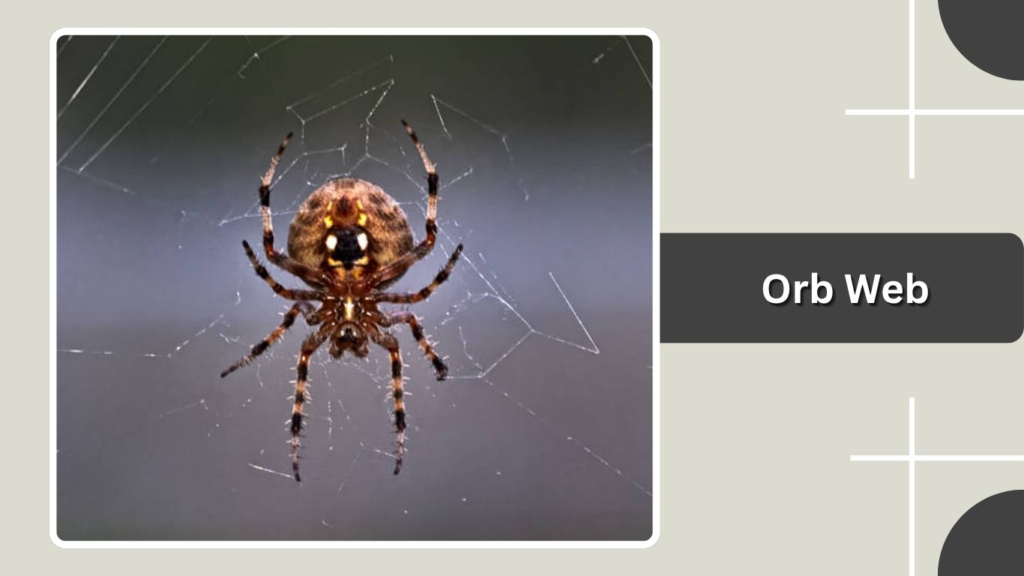
Orb webs are one of the most recognizable and visually striking types of spider webs. They are commonly seen in gardens, forests, and even around homes, especially in the early morning when covered with dew. These webs are built by orb-weaver spiders and are designed to efficiently catch flying insects. Their symmetrical, wheel-like structure is not only beautiful but also highly functional, allowing spiders to trap prey with minimal effort while conserving energy.
Identification
- Circular, wheel-shaped web structure
- Radial lines extending from the center
- Spiral threads forming a sticky capture pattern
- Usually suspended between branches, walls, or frames
- Often rebuilt daily by the spider
Structure and Design
Orb webs are carefully engineered with both strength and flexibility. The spider first creates a frame, then adds radial spokes that connect to a central hub. After that, a sticky spiral is woven outward or inward to trap insects. This design allows the web to absorb the impact of flying prey without breaking. Non-sticky threads are also included so the spider can move around without getting trapped. The symmetry of the web ensures maximum coverage and increases the chances of capturing food efficiently.
Purpose and Function
The primary purpose of an orb web is to catch flying insects such as flies, mosquitoes, and moths. When an insect flies into the web, it becomes stuck in the sticky spiral threads. The spider quickly senses the vibrations, moves toward the prey, and immobilizes it. This type of web is highly effective for passive hunting, allowing the spider to wait for food rather than actively chase it.
Where They Are Found
Orb webs are commonly found outdoors in areas with good insect activity. They are often built between tree branches, shrubs, fences, window corners, and garden structures. Some species may also create webs near lights where insects gather at night. These webs are usually rebuilt frequently, especially if damaged or after capturing prey.
2. Sheet Web
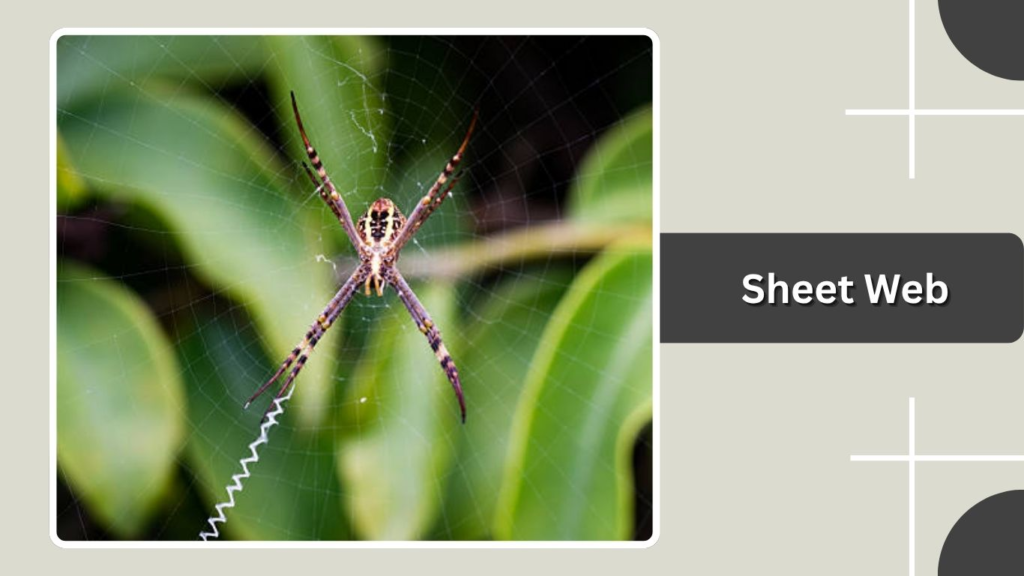
Sheet webs are flat, horizontal webs that resemble thin layers or sheets stretched across vegetation or structures. These webs are commonly built by sheet-weaving spiders and are often found in grass, bushes, and corners of buildings. Unlike orb webs, they do not rely on sticky spirals but instead use a dense, non-sticky surface to trap insects. The spider usually waits beneath or near the web, ready to attack prey that falls onto the sheet.
Identification
- Flat, sheet-like web structure
- Usually horizontal or slightly curved
- Fine, dense silk forming a platform
- Often includes a tangled web above the sheet
- Spider typically hides underneath the web
Structure and Design
Sheet webs are designed as a broad platform that can catch insects falling or flying into it. Above the sheet, there is often a messy network of threads that act as a barrier, knocking insects down onto the surface below. Once prey lands on the sheet, it struggles to move due to the web’s texture, making it easier for the spider to attack. The design is simple but effective, focusing on coverage rather than stickiness.
Purpose and Function
The main function of a sheet web is to trap insects that fall or are forced down from above. When an insect hits the upper tangle, it drops onto the sheet where the spider quickly detects vibrations. The spider then rushes out from below to capture and subdue the prey. This method allows the spider to remain hidden while still effectively catching food.
Where They Are Found
Sheet webs are commonly found in grassy fields, gardens, shrubs, and low vegetation. They can also appear in corners of buildings, fences, and other sheltered areas. These webs are often built close to the ground and may be difficult to notice unless viewed from certain angles.
3. Funnel Web
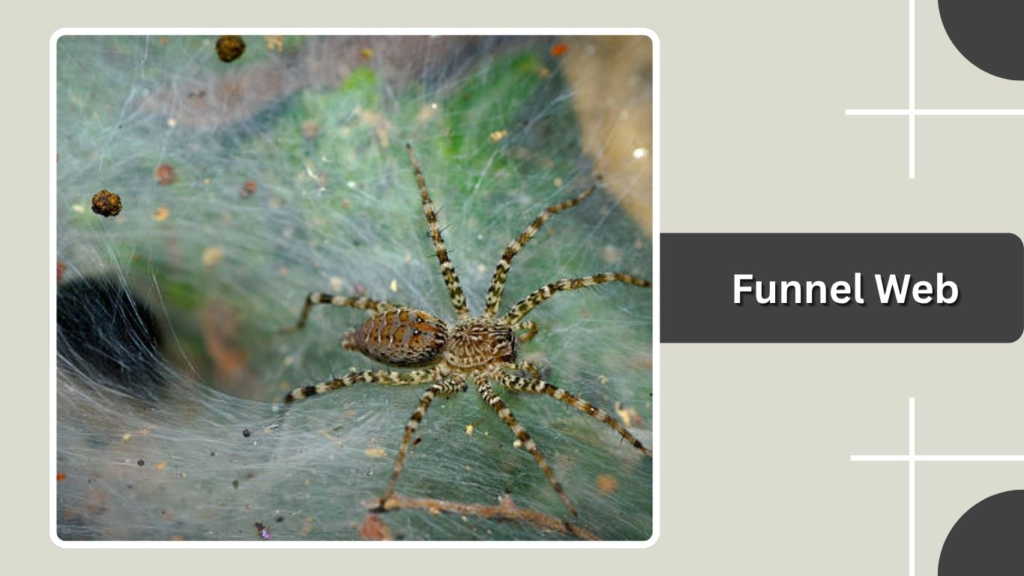
Funnel webs are unique spider webs shaped like a flat sheet that narrows into a funnel or tube. These webs are built by funnel-weaving spiders and are commonly found in grassy areas, gardens, and corners of structures. The funnel serves as both a hiding place and a retreat for the spider. Unlike sticky webs, funnel webs rely on speed and structure to catch prey, making them highly efficient for ambush hunting.
Identification
- Flat sheet web with a funnel-shaped tunnel
- Funnel leads to a hidden retreat
- Non-sticky silk surface
- Usually built close to the ground
- Spider hides inside the funnel
Structure and Design
Funnel webs consist of a broad, horizontal sheet that directs into a narrow tunnel. The sheet acts as a landing area for insects, while the funnel provides a safe hiding spot for the spider. The web is made of non-sticky silk, allowing insects to run across it. However, this actually benefits the spider, as movement on the web creates vibrations that alert it instantly. The funnel design allows the spider to stay protected while remaining ready to strike.
Purpose and Function
The main purpose of a funnel web is to trap insects through rapid response rather than stickiness. When an insect lands or walks on the sheet, the spider senses the vibrations and rushes out from the funnel to capture it. This hunting method relies on speed and precision, allowing the spider to catch prey efficiently without exposing itself for long.
Where They Are Found
Funnel webs are commonly found in grass, bushes, and garden areas. They may also appear in cracks, corners, or along foundations of buildings. These webs are usually placed in sheltered locations where insects are likely to pass by, giving the spider a steady source of food.
4. Cobweb
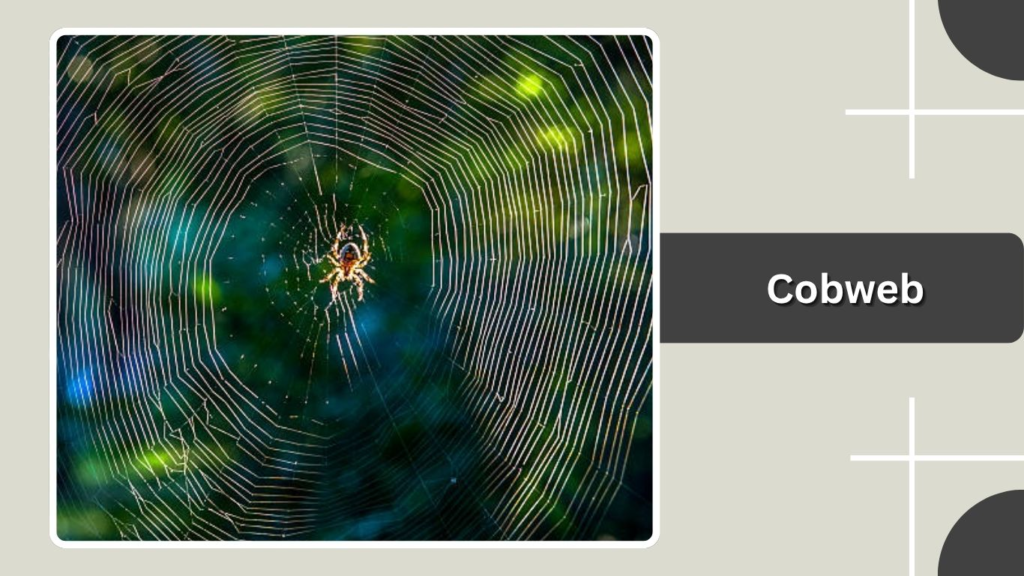
Cobwebs are irregular, tangled webs commonly found in homes, especially in corners, ceilings, and undisturbed areas. They are built by cobweb spiders (also known as comb-footed spiders) and are often associated with dust and abandoned spaces. Unlike neatly structured webs, cobwebs have a messy appearance, but they are still effective for trapping crawling and flying insects.
Identification
- Irregular, tangled web structure
- No clear pattern or symmetry
- Thin, sticky silk threads
- Often found in corners, ceilings, and hidden areas
- Dust and debris easily stick to the web
Structure and Design
Cobwebs are loosely constructed using random strands of sticky silk. Instead of a defined shape, the web forms a chaotic network of threads that extend in multiple directions. Some strands may reach down to surfaces, acting like trip lines. When an insect touches these threads, it can become entangled and pulled upward into the web. The design may look messy, but it increases the chances of catching different types of prey.
Purpose and Function
The main purpose of a cobweb is to trap insects in its sticky, tangled threads. When prey gets caught, the spider quickly moves in to immobilize it. These webs are particularly effective for catching small flying insects and crawling bugs that wander into the area. The spider often hangs upside down, waiting for vibrations that signal trapped prey.
Where They Are Found
Cobwebs are most commonly found indoors in quiet, undisturbed areas such as room corners, ceilings, basements, garages, and storage spaces. They can also appear outdoors in sheltered spots like sheds or under eaves. These webs tend to accumulate dust over time, especially if they are abandoned.
5. Tangle Web
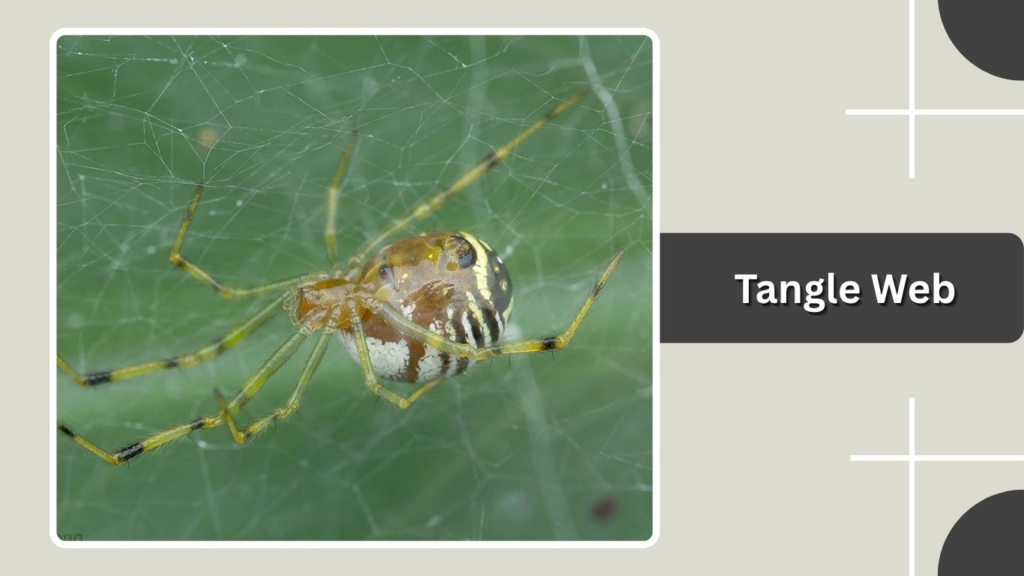
Tangle webs are irregular, messy-looking webs that resemble a loose network of intertwined threads. They are similar to cobwebs but can be more spread out and complex in structure. These webs are built by certain types of spiders that rely on confusion and entanglement rather than neat patterns. Despite their chaotic appearance, tangle webs are highly effective at trapping insects that accidentally wander into them.
Identification
- Irregular, disorganized web structure
- No clear shape or symmetry
- Fine, sticky threads in multiple directions
- Often appears messy or loosely woven
- Commonly found in corners or hidden spaces
Structure and Design
Tangle webs are made of randomly arranged silk strands that create a three-dimensional network. Unlike structured webs, there is no central hub or pattern. Some threads may hang down or connect to nearby surfaces, increasing the chances of catching insects. The loose design allows insects to become easily tangled, as they struggle to escape the sticky threads. This structure may look inefficient, but it works well for passive trapping.
Purpose and Function
The main purpose of a tangle web is to trap insects through entanglement. When an insect comes into contact with the web, it gets stuck in multiple threads, making escape difficult. The spider senses vibrations and quickly moves toward the trapped prey. This type of web allows the spider to catch a wide variety of insects without needing a precise design.
Where They Are Found
Tangle webs are commonly found in undisturbed indoor and outdoor areas. Inside homes, they appear in corners, ceilings, basements, and storage areas. Outdoors, they can be seen under rocks, in bushes, or in sheltered spaces like sheds. These webs are often built where insects are likely to pass through unnoticed.
6. Triangle Web
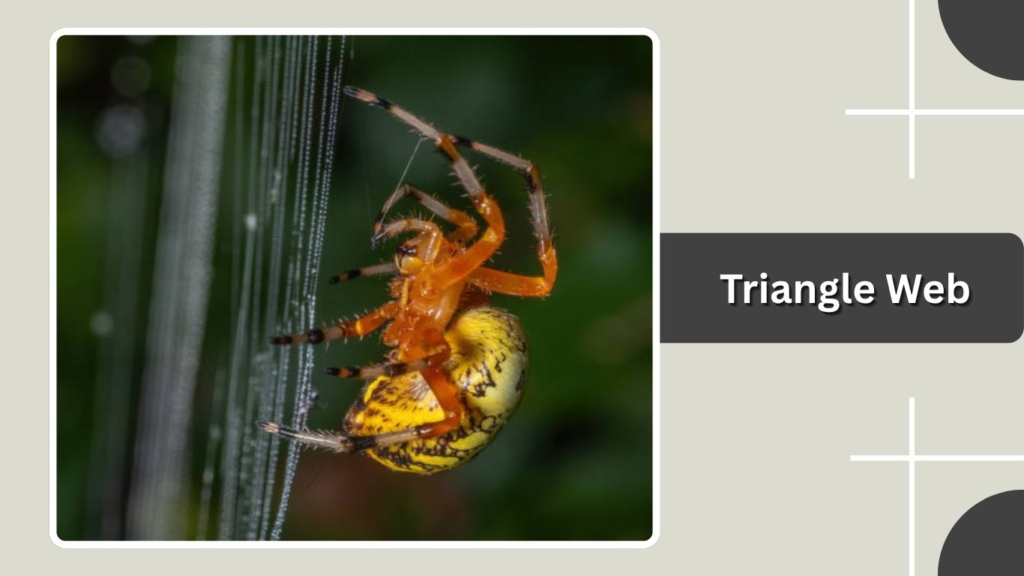
Triangle webs are a unique and less common type of spider web, known for their triangular shape and tension-based design. These webs are built by triangle weaver spiders and are typically found in outdoor environments. Unlike other webs, they are not fully spread out at all times. Instead, the spider holds the web under tension and releases it when prey touches it, making it an active and highly efficient trapping method.
Identification
- Distinct triangular-shaped web
- Web is often held under tension by the spider
- Few but strong silk strands
- Usually small and compact in size
- Spider often seen holding one corner of the web
Structure and Design
Triangle webs are constructed with a few strong threads forming a triangular frame. The spider attaches one corner of the web to a line it holds with its legs, keeping the web stretched tightly. This tension is a key feature of the design. When released, the web snaps forward, increasing its ability to trap insects. The simple structure requires less silk but relies on clever mechanics for effectiveness.
Purpose and Function
The main function of a triangle web is to capture insects through sudden movement. When an insect comes into contact with the web, the spider releases the tension, causing the web to spring forward and entangle the prey. This quick action increases the chances of capture and prevents the insect from escaping. It is a more active hunting strategy compared to other web types.
Where They Are Found
Triangle webs are usually found outdoors in wooded areas, gardens, and between branches or structures. They are often built in sheltered locations where insects are likely to pass. Due to their small size and simple design, they can be difficult to notice unless closely observed.
7. Mesh Web
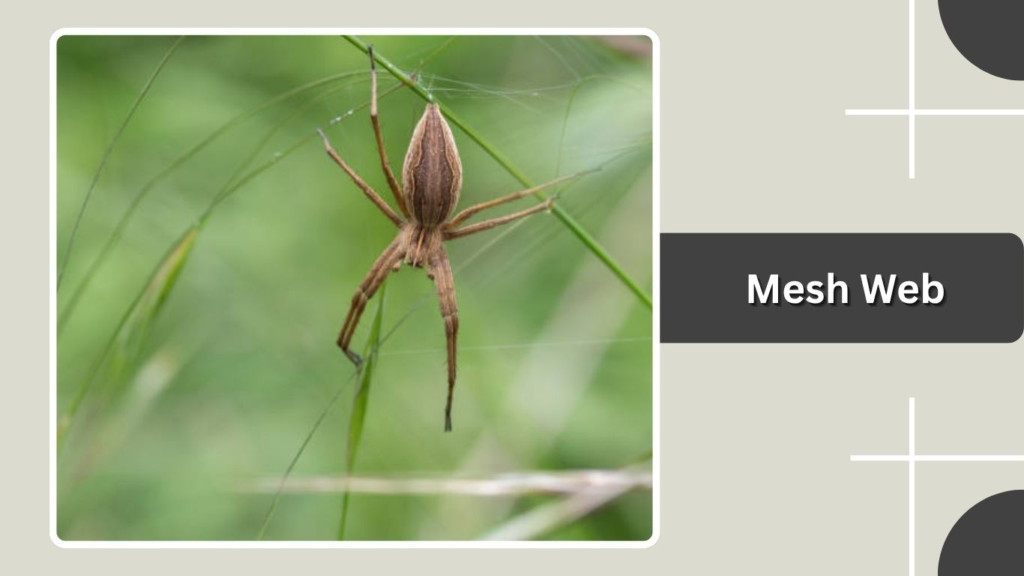
Mesh webs are loosely structured spider webs that form a network of interwoven silk threads. Unlike more symmetrical webs, mesh webs do not follow a clear pattern and instead create a net-like design. These webs are built by certain spiders that rely on entangling prey rather than using sticky spirals. They are often found in quiet, undisturbed areas where insects frequently pass through.
Identification
- Irregular, net-like web structure
- No clear central pattern or symmetry
- Threads form a loose mesh or grid
- Usually non-sticky or lightly sticky
- Found stretched between objects or surfaces
Structure and Design
Mesh webs consist of multiple intersecting threads that create a web-like net. The strands are arranged in a way that increases coverage rather than precision. This design allows the web to trap insects from different directions. The silk is often strong but not heavily coated with adhesive, relying more on the density of threads to slow down or trap prey.
Purpose and Function
The main purpose of a mesh web is to capture insects through physical entanglement. When insects fly or crawl into the web, they become caught in the overlapping threads. The spider detects vibrations and moves toward the prey to capture it. This method allows the spider to trap a variety of insects without needing a highly structured web.
Where They Are Found
Mesh webs are commonly found in sheltered outdoor areas such as bushes, tree branches, fences, and corners of buildings. They may also appear indoors in undisturbed places like basements or storage areas. These webs are usually placed where insects are likely to move through, increasing the chances of capture.
8. Lace Web
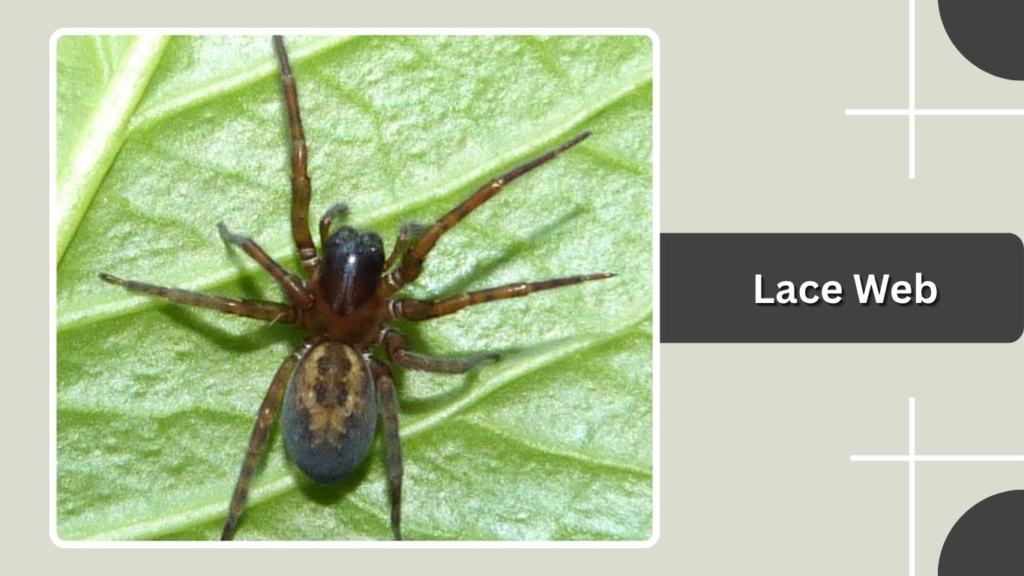
Lace webs are dense, sheet-like webs that have a delicate, lace-like appearance. They are built by lace-weaver spiders and are commonly found on walls, fences, and tree bark. Despite their neat and woven look, these webs are designed for quick ambush rather than passive trapping. The spider usually stays hidden nearby and rushes out when prey gets caught or passes over the web.
Identification
- Dense, flat web with a lace-like texture
- Usually oval or irregular in shape
- Made of tightly woven silk threads
- Often attached to walls, bark, or flat surfaces
- Spider hides in a small retreat near the web
Structure and Design
Lace webs are tightly woven with fine silk, creating a strong and slightly textured surface. Unlike sticky orb webs, these webs rely more on their dense structure than adhesive properties. The web is usually connected to a small retreat or hiding spot where the spider stays. This design allows the spider to remain concealed while still monitoring vibrations on the web.
Purpose and Function
The main function of a lace web is to assist in ambush hunting. When an insect walks across or gets caught in the web, the spider senses the vibrations and quickly emerges from its hiding place to capture it. The dense weaving helps slow down prey, giving the spider enough time to act.
Where They Are Found
Lace webs are commonly found outdoors on tree bark, stone walls, fences, and building exteriors. They are usually built in sheltered, flat areas where insects are likely to land or crawl. These webs blend well with their surroundings, making them difficult to notice at first glance.
9. Dome Web
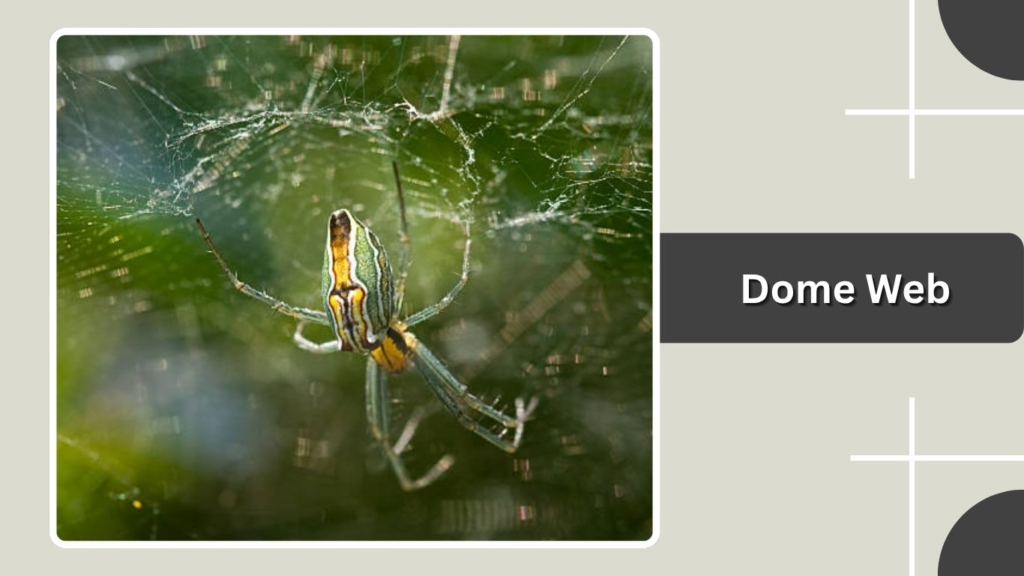
Dome webs are unique spider webs shaped like a small dome or tent, often built above a flat sheet web. These webs are commonly created by certain sheet-weaving spiders and are usually found in grassy areas or low vegetation. The dome structure acts as a protective cover, helping the spider stay hidden from predators while still trapping insects effectively. This combination of structure and concealment makes dome webs both functional and defensive.
Identification
- Dome or tent-shaped upper web
- Often combined with a flat sheet web underneath
- Fine, closely spaced silk threads
- Usually built close to the ground
- Spider hides beneath or inside the structure
Structure and Design
Dome webs consist of a curved, dome-like layer of silk positioned above a horizontal sheet. The upper dome acts as a barrier that disrupts flying insects, causing them to fall onto the sheet below. The spider typically stays underneath the sheet, where it is protected while still able to detect vibrations. This layered design increases trapping efficiency while offering safety.
Purpose and Function
The main function of a dome web is to trap insects that collide with the upper layer and fall onto the sheet. Once prey lands on the lower surface, the spider senses movement and quickly captures it. This method allows the spider to remain hidden while still effectively hunting. The dome also helps shield the spider from predators and environmental factors.
Where They Are Found
Dome webs are commonly found in grasslands, gardens, and areas with dense low vegetation. They are usually built close to the ground, often between blades of grass or small plants. These webs are more visible in the morning when covered with dew, highlighting their dome-like shape.
10. Bowl Web
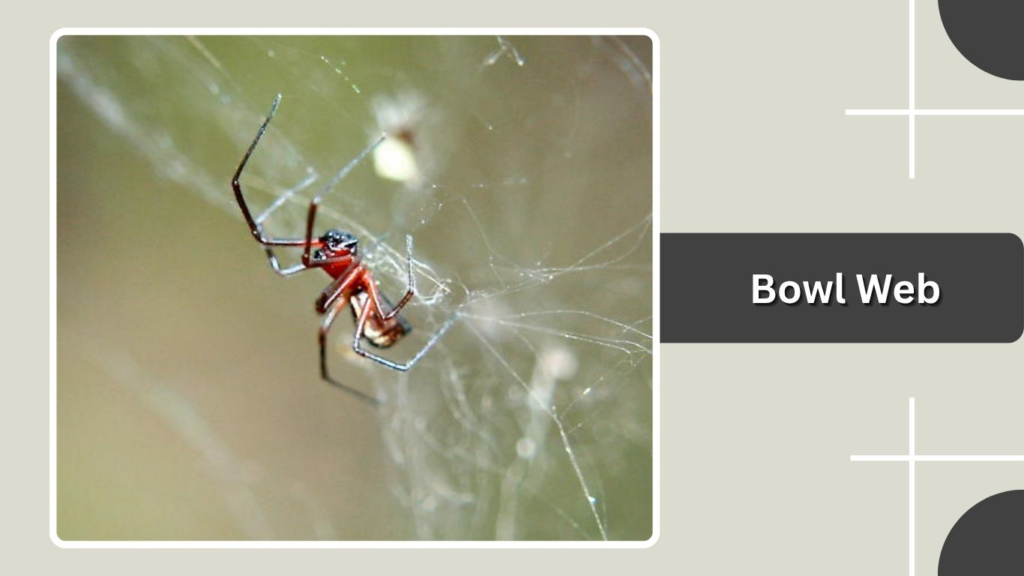
Bowl webs are a distinctive type of spider web that resemble a curved bowl or cup suspended in the air. These webs are often paired with additional supporting threads above and below the main structure. Built by certain sheet-weaving spiders, bowl webs are designed to trap flying insects by guiding them into the curved surface. Their unique shape helps prevent prey from escaping once they land inside.
Identification
- Curved, bowl-shaped web structure
- Suspended between plants or objects
- Fine silk forming a concave surface
- Often has additional threads above the bowl
- Spider usually stays below or near the web
Structure and Design
Bowl webs are carefully constructed with a concave, curved surface that acts as the main trap. Above the bowl, there are often loose, irregular threads that intercept flying insects and direct them downward. The smooth, curved design makes it difficult for insects to escape once they fall into the web. The spider typically remains below the bowl, ready to respond to vibrations.
Purpose and Function
The primary purpose of a bowl web is to capture flying insects efficiently. When an insect hits the upper threads, it falls into the bowl-shaped web and becomes trapped. The spider quickly senses the movement and moves in to capture the prey. This design allows for passive hunting while keeping the spider relatively hidden and protected.
Where They Are Found
Bowl webs are commonly found in grassy areas, gardens, and low vegetation. They are usually built between plants, stems, or small branches where insects are likely to fly through. These webs are often more visible in the early morning when dew highlights their curved shape.
11. Nursery Web
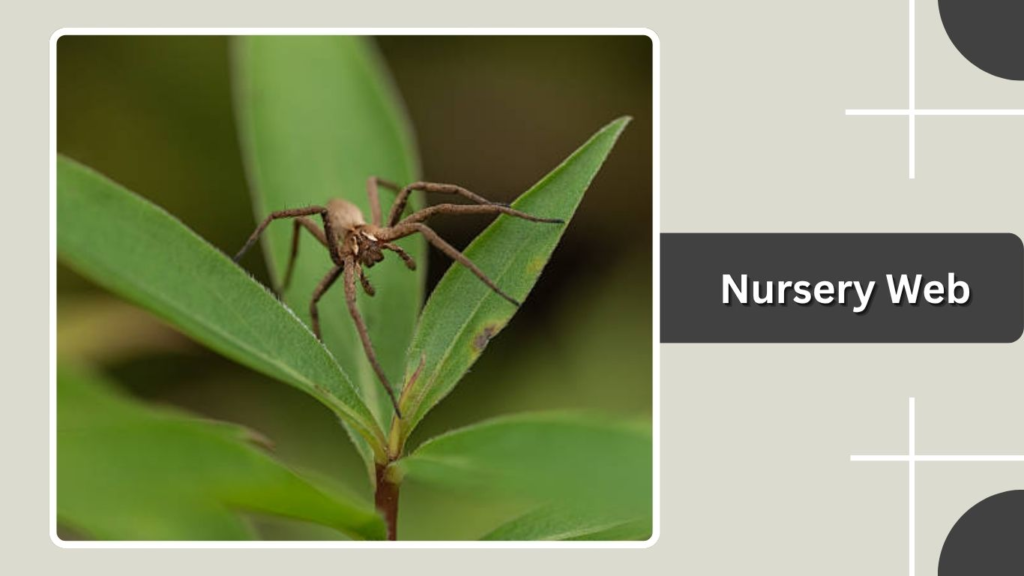
Nursery webs are not traditional prey-catching webs but are closely associated with spider reproduction and protection. These webs are built by nursery web spiders to safeguard their eggs and young spiderlings. Instead of using webs to trap food, these spiders actively hunt for prey. The nursery web serves as a protective shelter where newly hatched spiders stay until they are ready to disperse.
Identification
- Loose, tent-like silk structure
- Often built around leaves or vegetation
- Contains egg sac or young spiderlings
- Not sticky like typical capture webs
- Usually located in hidden or sheltered areas
Structure and Design
Nursery webs are constructed as protective enclosures rather than trapping devices. The spider weaves silk around leaves or branches to create a secure space. Inside this enclosure, the egg sac is placed and guarded. The structure is designed to provide safety from predators and environmental conditions. It is not built to catch prey, so the silk is not sticky.
Purpose and Function
The main purpose of a nursery web is to protect eggs and young spiders. The mother spider often stays nearby to guard the web until the spiderlings hatch. Once they emerge, they remain inside the nursery for a short time before dispersing. This protective behavior increases the survival rate of the offspring.
Where They Are Found
Nursery webs are commonly found outdoors in vegetation such as bushes, tall grass, and garden plants. They are usually hidden among leaves or branches to avoid predators. These webs are temporary and are abandoned once the young spiders leave.
12. Trapdoor Web
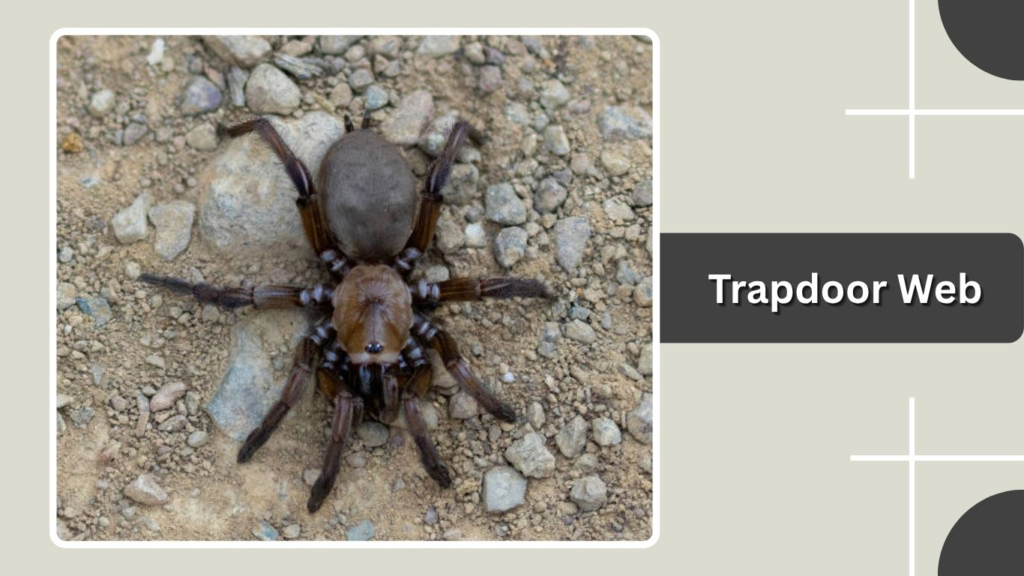
Trapdoor webs are unique structures built by trapdoor spiders, designed more as hidden burrows than visible webs. Instead of spinning large silk traps, these spiders create underground tunnels lined with silk and covered with a camouflaged “trapdoor.” This door blends perfectly with the surrounding soil or debris, making it nearly invisible. The spider stays hidden inside, waiting to ambush prey that passes nearby.
Identification
- Hidden burrow with a hinged trapdoor
- Door made of soil, silk, and debris
- Usually flush with the ground surface
- Not a visible web like other types
- Spider remains concealed inside the tunnel
Structure and Design
Trapdoor webs consist of a vertical or slightly angled tunnel dug into the ground. The inside of the tunnel is lined with silk to strengthen it and provide grip. At the entrance, the spider constructs a lid-like door using soil, plant material, and silk. This door is perfectly camouflaged and hinged with silk, allowing it to open and close quickly. The design provides both protection and a strategic hunting advantage.
Purpose and Function
The main purpose of a trapdoor web is ambush hunting. The spider waits just inside the door with its legs touching the surface. When it senses vibrations from passing insects, it quickly opens the door, grabs the prey, and pulls it inside. This method allows the spider to hunt without exposing itself, making it highly effective and safe.
Where They Are Found
Trapdoor webs are commonly found in soil, gardens, forest floors, and grassy areas. They are usually located in shaded, undisturbed environments where the ground is stable enough for burrowing. These structures are difficult to spot due to their natural camouflage, often going unnoticed unless closely inspected.
FAQs
What is the most common type of spider web?
The orb web is the most common and recognizable type of spider web. It has a circular, wheel-like design and is often seen in gardens and around homes. These webs are highly effective at catching flying insects like flies and mosquitoes.
Do all spiders build webs?
No, not all spiders build webs. Some spiders, like wolf spiders and jumping spiders, actively hunt their prey instead of using webs. Others, like trapdoor spiders, create burrows rather than traditional webs to catch insects.
Why do spider webs look different?
Spider webs vary in shape and design because different spider species use different hunting strategies. Some rely on sticky webs to trap prey, while others use structure, tension, or ambush techniques, resulting in a wide variety of web types.
How long do spider webs last?
The lifespan of a spider web depends on the type and environment. Some webs, like orb webs, are rebuilt daily, while others can last for weeks if undisturbed. Weather, dust, and damage from prey can affect how long a web remains intact.
Are spider webs useful for humans?
Yes, spider webs can be beneficial because they help control insect populations by trapping pests like flies and mosquitoes. In addition, spider silk has inspired scientific research due to its strength and flexibility, leading to potential uses in materials and medicine.
