
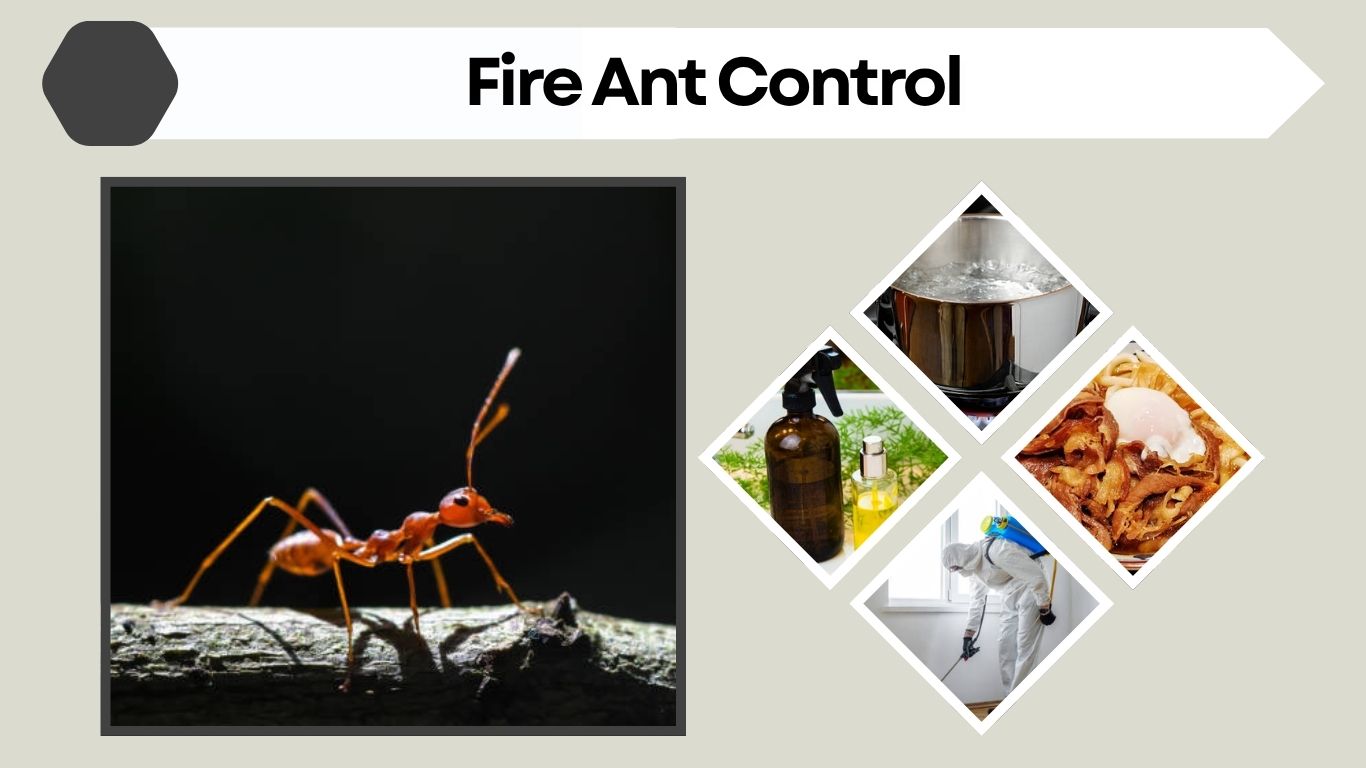
Fire ants are aggressive pests that create painful stings, damage lawns, and spread quickly across residential and commercial properties. These ants build large underground colonies that are difficult to eliminate without proper treatment methods. Many homeowners struggle with recurring infestations because fire ants reproduce rapidly and survive in different environmental conditions. Effective fire ant control requires early detection, targeted treatments, and long-term prevention strategies. Whether using natural remedies or professional pest control services, understanding how fire ants behave can help reduce infestations and protect outdoor spaces from serious damage.
What Are Fire Ants?
Fire ants are invasive ants known for their aggressive behavior and painful venomous stings. They often build visible soil mounds in lawns, gardens, pastures, and outdoor recreational areas. When disturbed, hundreds of ants may attack at once, making infestations dangerous for people and pets.
These ants survive in warm climates and spread rapidly because colonies contain large numbers of workers and reproductive queens. Without proper treatment, infestations can grow quickly and become difficult to manage.
Common Signs of a Fire Ant Infestation
Several warning signs can indicate the presence of fire ants around homes and outdoor properties.
- Loose soil mounds in grass or gardens
- Aggressive ants swarming when disturbed
- Painful stings causing itching or swelling
- Ant trails near food or water sources
- Damaged grass and landscaping areas
Recognizing these signs early can help homeowners begin treatment before colonies become larger and harder to control.
Where Fire Ants Commonly Build Nests
Fire ants prefer sunny areas with moist soil conditions. They often establish colonies in places where food and water are easily available.
Common nesting locations include:
- Residential lawns
- Garden beds
- Sidewalk edges
- Pastures and open fields
- Around outdoor electrical equipment
Their underground tunnel systems may extend deep below the surface, allowing colonies to survive extreme weather conditions and seasonal changes.
Why Fire Ant Control Is Important
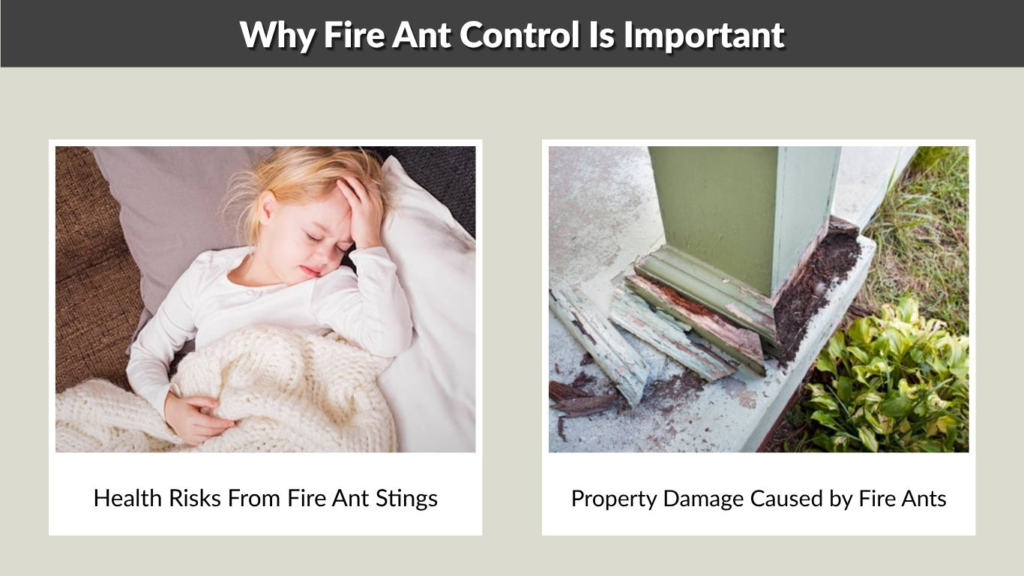
Fire ant infestations create serious problems for homeowners, businesses, and agricultural properties. These ants not only cause painful stings but also damage outdoor environments and equipment. Because colonies grow rapidly, delaying treatment can lead to larger infestations that require more aggressive control methods.
Many people attempt to destroy visible mounds without eliminating the queen, which often allows the colony to recover and spread further. Long-term fire ant control depends on treating the entire colony rather than only the ants seen on the surface.
Health Risks From Fire Ant Stings
Fire ant stings can be extremely painful and may trigger allergic reactions in sensitive individuals. Multiple stings are especially dangerous for children, older adults, and pets.
Most stings produce burning pain followed by red swollen bumps and itchy pustules. In severe cases, victims may experience dizziness, breathing difficulties, or intense swelling that requires emergency medical attention.
Property Damage Caused by Fire Ants
Fire ants can damage lawns, gardens, and outdoor systems by digging extensive underground nests. Large colonies weaken grass roots and create uneven surfaces across residential properties.
These ants may also invade electrical systems, irrigation equipment, and utility boxes. Their nesting behavior can lead to costly repairs and maintenance problems for homeowners and commercial property managers.
Best Fire Ant Control Methods
Successful fire ant control requires combining multiple treatment methods to eliminate both worker ants and queens. Different infestations may require different solutions depending on colony size, location, and environmental conditions.
Many pest control experts recommend using bait products together with direct mound treatments for the best long-term results.
Fire Ant Bait Treatments
Fire ant bait products are one of the most effective ways to destroy colonies. Worker ants carry poisoned bait back to the nest, where it is shared with other ants and eventually reaches the queen.
Benefits of bait treatments include:
- Long-term colony elimination
- Reduced risk of colony relocation
- Easy application across large areas
- Effective control for hidden nests
Baits usually work best when ants are actively searching for food during warm weather conditions.
Fire Ant Mound Treatments
Direct mound treatments provide faster visible results by targeting active nests immediately. Liquid drenches, dust insecticides, and granular products are commonly used for mound control.
Homeowners should apply treatments carefully according to product instructions to avoid harming nearby plants, pets, or beneficial insects. Disturbing the mound before treatment may cause the colony to relocate and create additional nests nearby.
Natural and Organic Fire Ant Control
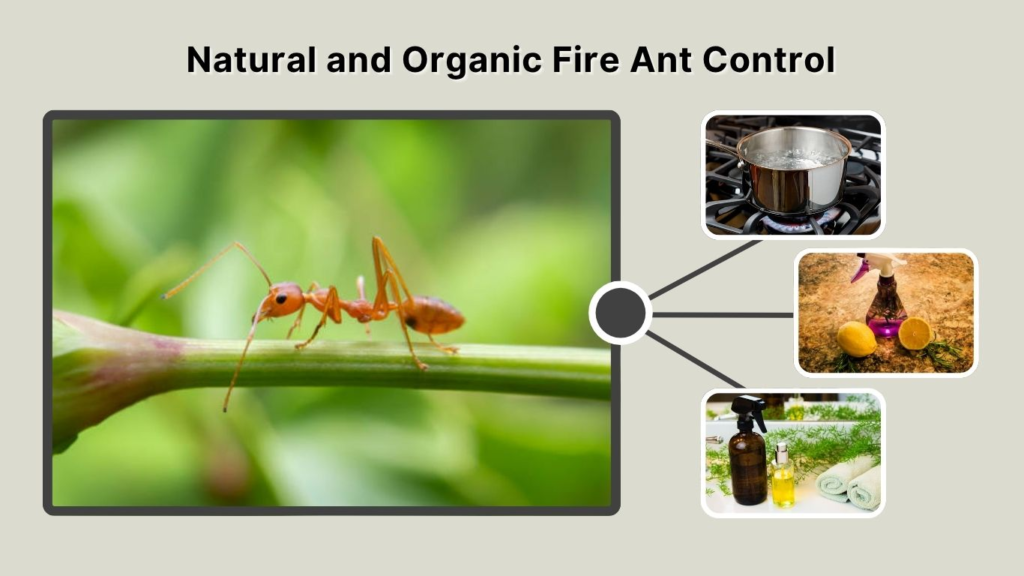
Many homeowners prefer natural or organic fire ant control methods because they reduce chemical exposure around children, pets, and gardens. While natural remedies may not eliminate severe infestations completely, they can help reduce smaller colonies and support long-term prevention efforts.
Natural Fire Ant Control Remedies
Several home remedies are commonly used to reduce fire ant activity naturally.
- Boiling water treatments
- Vinegar and citrus solutions
- Diatomaceous earth applications
- Essential oil sprays
These methods may work best for small infestations but often require repeated applications for noticeable results.
Pet-Safe Fire Ant Control Options
Pet-safe fire ant control products are designed to minimize risks for animals while still reducing ant populations. Organic bait products and low-toxicity granules are commonly used in residential lawns and outdoor pet areas.
After applying treatments, homeowners should follow all safety instructions and keep pets away from treated areas until products have dried completely.
Best Fire Ant Control Products
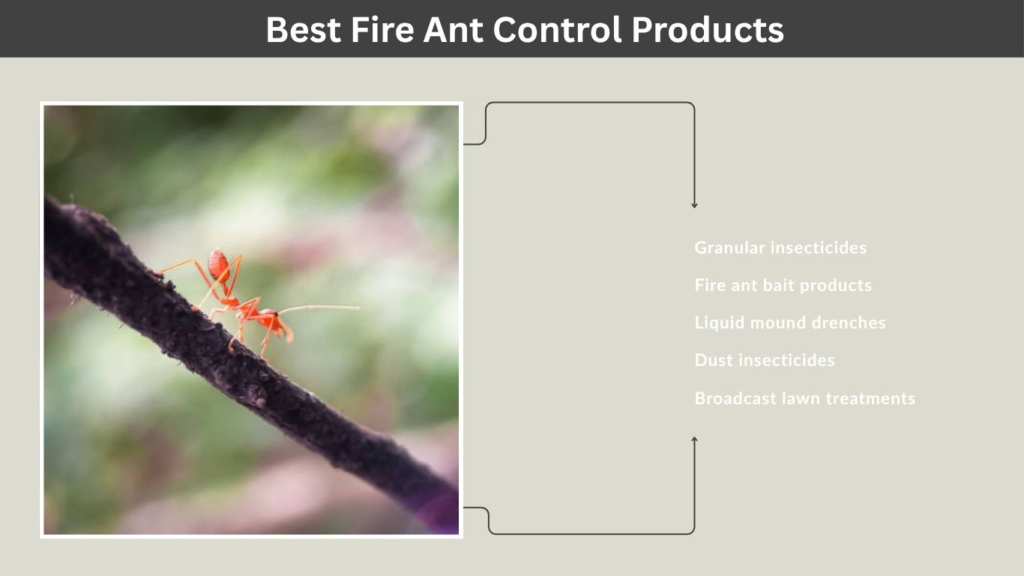
Choosing the right fire ant control product is important for achieving long-term results. Some products work quickly to destroy visible mounds, while others target the entire colony over time. The best option often depends on the size of the infestation and the type of property being treated.
Professional-grade products are commonly used for large outdoor infestations because they cover wider areas and provide longer-lasting protection.
Popular Fire Ant Control Products
Several product types are widely used for residential and commercial fire ant treatment.
- Granular insecticides
- Fire ant bait products
- Liquid mound drenches
- Dust insecticides
- Broadcast lawn treatments
Each product works differently, so homeowners should choose treatments based on infestation severity and application area.
Hi-Yield Fire Ant Control With Acephate
Hi-Yield Fire Ant Control with Acephate is a fast-acting treatment commonly used for visible fire ant mounds. The product targets active colonies directly and may reduce mound activity within a short period.
Many homeowners use this treatment for spot control in lawns and gardens. However, direct mound treatments may not always eliminate hidden colonies in surrounding areas, so additional prevention methods are often recommended.
Best Fire Ant Control for Large Yards
Large properties usually require broadcast bait treatments and wide-coverage granular products. These treatments help reduce multiple colonies across open spaces without treating each mound individually.
Professional pest control companies often recommend seasonal bait applications for long-term protection in large residential lawns, ranches, and outdoor recreational areas.
Fire Ant Control for Different Areas
Fire ant treatment methods may vary depending on the location and environmental conditions. Colonies found in lawns, gardens, and pastures often require different control strategies to prevent reinfestation.
Understanding how fire ants behave in different environments can improve treatment success and reduce long-term maintenance costs.
Fire Ant Control in Lawns
Lawns are one of the most common places for fire ant infestations because warm soil and moisture provide ideal nesting conditions. Colonies may weaken grass roots and create uneven surfaces that damage landscaping quality.
Routine lawn treatments and preventive bait applications can help reduce new infestations. Maintaining healthy grass and proper drainage may also discourage colony growth.
Fire Ant Control in Pastures
Pastures and agricultural fields often experience large fire ant infestations because of open soil conditions and wide outdoor spaces. Fire ants can threaten livestock, damage farming equipment, and interfere with daily agricultural activities.
Broadcast spreaders are commonly used for treating large pasture areas efficiently. Property owners should choose livestock-safe products when applying treatments near grazing animals.
Outdoor Fire Ant Control Around Homes
Outdoor fire ant colonies frequently develop near patios, sidewalks, foundations, and garden beds. These infestations increase the risk of stings for children, guests, and pets using outdoor living spaces.
Regular inspections around the property can help identify new mounds early before colonies expand into larger infestations. Preventive treatments are often recommended during warmer seasons when fire ant activity increases.
Professional Fire Ant Pest Control Services
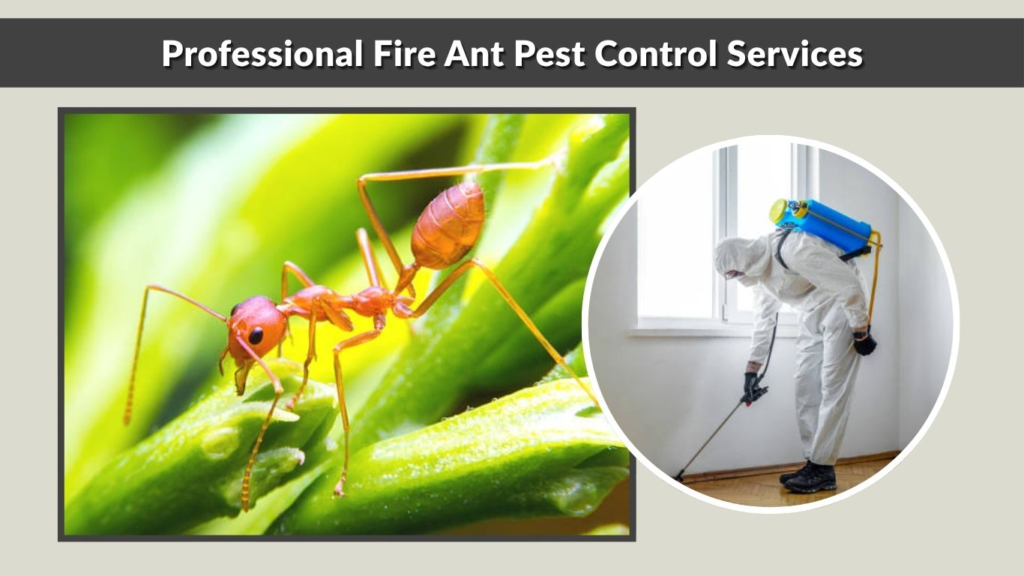
Some infestations become too severe for basic DIY treatments, especially when colonies continue returning after repeated applications. Professional pest control companies have access to stronger treatment products and advanced control methods designed for long-term results.
Hiring a professional service may save homeowners time and reduce the risk of repeated infestations.
Benefits of Professional Fire Ant Control
Professional fire ant services provide several advantages compared to temporary home treatments.
- Detailed property inspections
- Targeted colony elimination
- Long-term prevention programs
- Safe product application
- Reduced risk of reinfestation
Experienced pest control technicians can also identify hidden colonies that homeowners may overlook during inspections.
Fire Ant Pest Control Cost
The cost of professional fire ant treatment depends on several factors, including property size, infestation severity, and treatment frequency. Larger outdoor spaces usually require more extensive applications and follow-up services.
Some companies offer one-time treatments, while others provide seasonal maintenance plans for year-round protection. Comparing service warranties and treatment guarantees can help homeowners choose the best provider.
How to Prevent Future Fire Ant Infestations
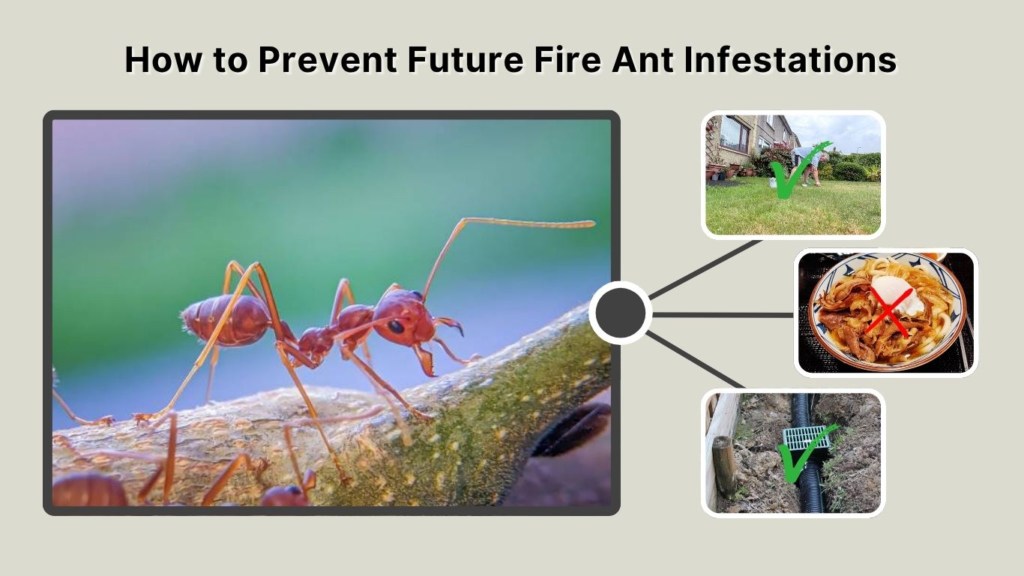
Preventing fire ants from returning is an important part of long-term pest management. Even after successful treatment, nearby colonies may eventually spread back into untreated areas if preventive steps are not taken.
Routine inspections and seasonal treatments can help reduce future infestations and protect outdoor spaces throughout the year.
Fire Ant Prevention Tips
Several prevention strategies may reduce the likelihood of recurring infestations.
- Inspect lawns regularly for new mounds
- Remove food and water sources
- Improve soil drainage around the property
- Apply preventive bait treatments seasonally
- Treat small colonies before they spread
Consistent monitoring is one of the most effective ways to stop large infestations from developing.
Best Time of Year for Fire Ant Control
Spring and fall are usually considered the best times for fire ant treatment because ants are actively searching for food during moderate weather conditions. Applying bait products during these seasons often improves colony control and reduces population growth.
Extreme heat, heavy rain, and cold temperatures may reduce treatment effectiveness because fire ants become less active underground.
FAQs
What is the most effective fire ant control method?
The most effective fire ant control method usually combines bait treatments with direct mound applications. Baits help eliminate the colony and queen, while mound treatments provide faster visible control for active infestations.
Are natural fire ant control remedies safe for pets?
Many natural fire ant remedies are considered safer for pets than strong chemical treatments. However, homeowners should still follow product instructions carefully and keep pets away from treated areas until applications are completely dry.
How long does it take to get rid of fire ants?
Some mound treatments work within hours, but complete colony elimination may take several weeks. Bait products often require more time because worker ants must carry the treatment back to the queen and the rest of the colony.
Why do fire ants keep coming back after treatment?
Fire ants often return because nearby colonies spread into untreated areas or the queen survives the initial treatment. Regular monitoring and preventive bait applications are important for long-term fire ant control.
When should you hire a professional fire ant control service?
Professional fire ant control services are recommended for severe infestations, recurring colonies, large outdoor properties, or situations where DIY treatments have not provided long-term results.
