
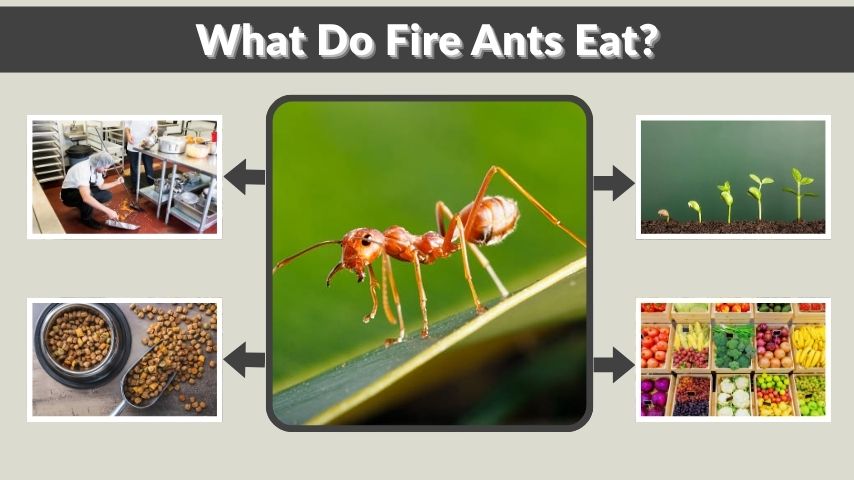
Fire ants are among the most aggressive and adaptable ant species in the world. Found in lawns, gardens, farms, and urban areas, these insects survive by feeding on a wide variety of foods. Many homeowners wonder what attracts fire ants and why they seem to appear almost everywhere. Understanding their diet can help explain their behavior and reveal why they are so successful. In this guide, you’ll learn what fire ants eat, what red fire ants prefer to consume, and how their feeding habits support the entire colony.
What Are Fire Ants?
Fire ants are social insects that live in large colonies and work together to gather food. Before exploring their diet, it is important to understand what makes these ants unique. Fire ants are known for their painful stings, strong survival instincts, and ability to adapt to different environments. Their eating habits play a major role in helping colonies grow and spread.
Types of Fire Ants
Several species of fire ants exist, but the most common include:
- Red imported fire ants
- Black imported fire ants
- Native fire ants
- Hybrid fire ant species
Among these, red imported fire ants are the most widespread and destructive in many regions.
Where Fire Ants Live
Fire ants prefer warm climates and often build mounds in open, sunny areas. They are commonly found in:
- Lawns and gardens
- Agricultural fields
- Parks and playgrounds
- Roadsides
- Near buildings and structures
Their location often depends on the availability of food and water sources.
What Do Fire Ants Eat?
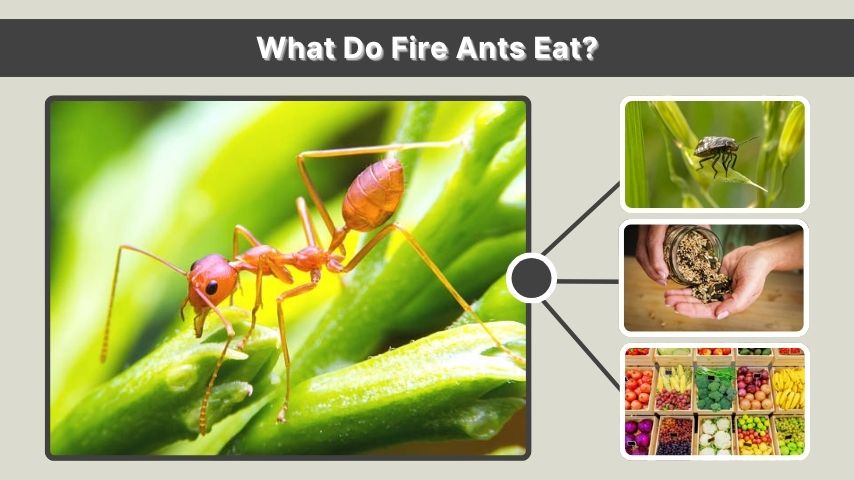
Fire ants are opportunistic omnivores, meaning they consume both plant and animal materials. Their diet changes depending on the season, environmental conditions, and food availability. Because they are highly adaptable, they can survive on many different food sources. This flexibility helps fire ant colonies thrive in a wide range of habitats and makes them difficult to control once established.
Fire Ants Eat Both Protein and Sugar
Protein is essential for the growth and development of fire ant larvae. Adult workers actively search for protein-rich foods to bring back to the nest. At the same time, sugary foods provide energy for worker ants as they perform daily tasks.
Fire ants frequently consume insects, seeds, fruits, nectar, and various organic materials. They can quickly switch food preferences when resources become scarce.
Common Foods Fire Ants Consume
Some of the most common foods found in a fire ant diet include:
- Living insects
- Dead insects
- Small animals and carrion
- Plant seeds
- Fruits and berries
- Flower nectar
- Honeydew from aphids
- Human food scraps
- Pet food
This diverse menu allows fire ants to survive in both natural and urban environments.
What Do Red Fire Ants Eat?
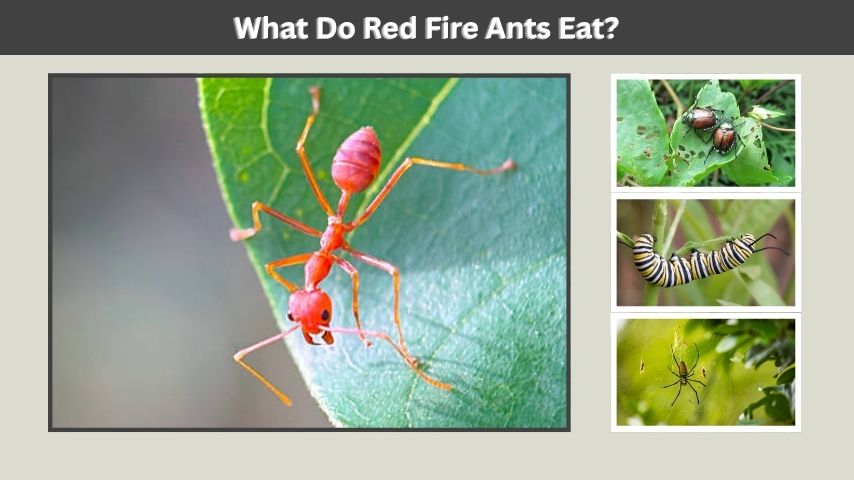
Red fire ants have feeding habits similar to other fire ant species, but they are particularly aggressive when searching for food. Their ability to exploit numerous food sources contributes to their rapid colony growth. Whether in residential neighborhoods or agricultural areas, red fire ants constantly search for high-energy foods that can support thousands of colony members.
Preferred Protein Sources
Protein-rich foods are among the most valuable resources for red fire ants. These foods help nourish developing larvae and strengthen the colony.
Red fire ants commonly feed on beetles, caterpillars, crickets, grasshoppers, spiders, and other small insects. They may also attack injured animals or scavenge dead creatures when the opportunity arises.
Sweet Foods Red Fire Ants Love
Sugary foods provide quick energy for worker ants. Red fire ants are especially attracted to sweet liquids found in nature.
Common sugar sources include flower nectar, fruit juices, and honeydew produced by sap-feeding insects such as aphids. Worker ants often protect aphids because they provide a reliable source of honeydew.
Human Food Sources
In urban environments, red fire ants readily take advantage of food left behind by people. They are attracted to outdoor eating areas, trash bins, and pet feeding stations.
Foods commonly collected from human environments include bread crumbs, meat scraps, greasy foods, sweets, and pet food.
Do Fire Ants Eat Other Insects?
Insects make up a significant portion of the fire ant diet. Fire ants are not only scavengers but also effective predators. Their ability to hunt and consume other insects helps them obtain valuable nutrients while reducing competition for resources. This behavior contributes to their reputation as one of the most aggressive invasive ant species.
How Fire Ants Hunt
Worker ants often search the surrounding area for vulnerable prey. Once food is located, chemical signals attract additional workers to assist with the attack.
Groups of fire ants can overwhelm insects much larger than themselves through coordinated efforts. Their strong mandibles and venomous stings help immobilize prey quickly.
Insects Commonly Eaten by Fire Ants
Fire ants frequently feed on:
- Caterpillars
- Beetles
- Flies
- Crickets
- Grasshoppers
- Termites
- Spiderlings
- Insect larvae
These insects provide important proteins and fats needed for colony growth.
Do Fire Ants Eat Plants?
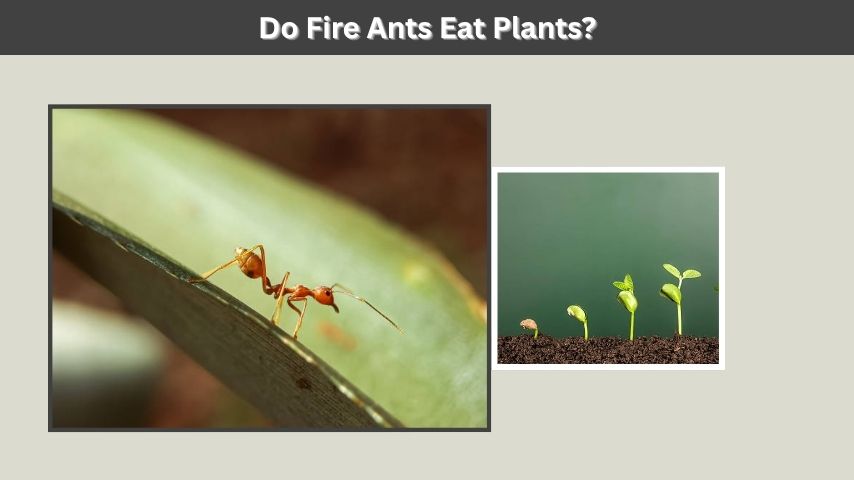
Although fire ants are often associated with hunting insects, plant materials also contribute to their diet. Seeds, fruits, and nectar provide additional nutrients and energy sources. In some environments, fire ants may collect plant-based foods more frequently when insect prey becomes less available.
Seeds and Plant Materials
Fire ants regularly gather seeds from the ground and transport them back to their nests. Certain species are known to consume seed coatings and nutrient-rich plant tissues. This behavior allows them to take advantage of readily available food sources throughout the year.
Do Fire Ants Eat Plants?
Although fire ants are often associated with hunting insects, plant materials also contribute to their diet. Seeds, fruits, and nectar provide additional nutrients and energy sources. In some environments, fire ants may collect plant-based foods more frequently when insect prey becomes less available.
Seeds and Plant Materials
Fire ants regularly gather seeds from the ground and transport them back to their nests. Certain species are known to consume seed coatings and nutrient-rich plant tissues. This behavior allows them to take advantage of readily available food sources throughout the year.
Fruits and Nectar
Many fire ants are attracted to ripe fruits because they contain natural sugars. Fallen fruits provide easy access to carbohydrates that fuel worker ants.
Flower nectar is another valuable food source. Worker ants frequently visit flowering plants to collect sugary liquids that provide quick energy for colony activities.
Can Fire Ants Damage Plants?
Fire ants do not usually feed heavily on healthy plants, but their activities can indirectly cause damage. Large colonies may disturb root systems while building nests. They can also protect sap-feeding pests such as aphids, which may increase plant damage in gardens and agricultural fields.
What Do Fire Ants Feed Their Colony?
A fire ant colony functions as a highly organized community where food is distributed among different members. Workers collect food and transport it back to the nest, ensuring that larvae, queens, and other colony members receive the nutrients they need. Different colony members often require different types of food to support their roles.
What Worker Ants Eat
Worker ants primarily consume liquid foods and sugary substances. These foods provide the energy needed for foraging, nest maintenance, and colony defense.
Because workers are responsible for gathering resources, they spend much of their time searching for nearby food sources.
What Fire Ant Larvae Eat
Larvae require large amounts of protein for growth and development. Workers process food and feed it directly to the larvae.
Protein-rich insects and animal tissues are especially important during this stage because they support rapid growth and healthy colony expansion.
What the Queen Eats
The queen depends entirely on worker ants for nourishment. Workers provide her with nutrient-rich food that supports continuous egg production.
A healthy queen can lay thousands of eggs, making a steady food supply essential for colony success.
What Attracts Fire Ants to Your Yard?
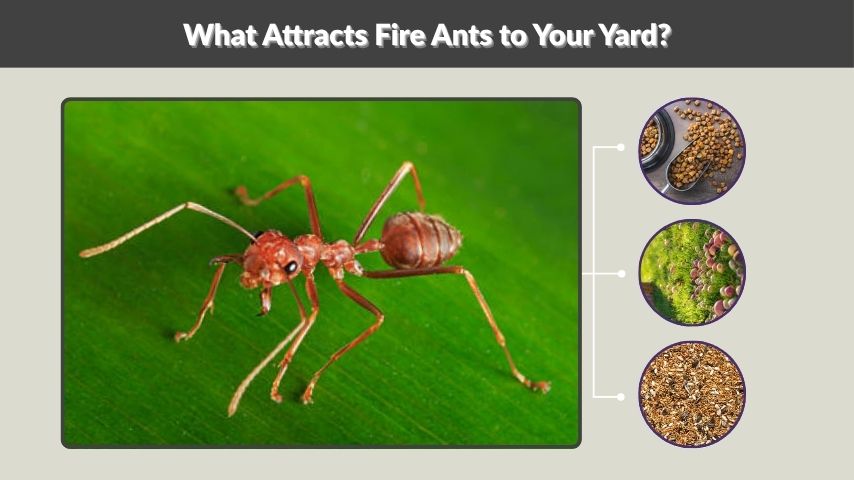
Many homeowners unknowingly create conditions that attract fire ants. These insects are constantly searching for food, water, and suitable nesting locations. When these resources are readily available, fire ant colonies can establish themselves quickly and become difficult to remove.
Common Food Sources That Attract Fire Ants
Fire ants are often drawn to:
- Pet food left outdoors
- Open garbage containers
- Fallen fruits
- Bird seed
- Sugary drinks
- Food crumbs
- Compost piles
Removing these attractants can help reduce fire ant activity around your property.
Water and Shelter
In addition to food, fire ants seek reliable moisture sources. Leaking faucets, overwatered lawns, and poorly drained areas can attract colonies.
They also prefer open spaces with loose soil where they can construct their characteristic mounds.
Seasonal Changes in Fire Ant Diet
Fire ant feeding habits change throughout the year as environmental conditions shift. Food availability, temperature, and colony needs all influence what fire ants consume. Their flexible diet allows them to adapt successfully to changing seasons.
Spring and Summer Feeding
During warmer months, colonies become highly active. Workers search aggressively for protein and sugar sources to support rapid growth.
Insect populations are often abundant during this period, providing excellent feeding opportunities for expanding colonies.
Fall and Winter Feeding
As temperatures begin to cool, fire ants focus on maintaining colony stability. They continue collecting available food sources but may reduce foraging activity during colder weather.
Stored nutrients and reduced energy requirements help colonies survive periods when food becomes less abundant.
How Understanding Fire Ant Diet Helps With Control
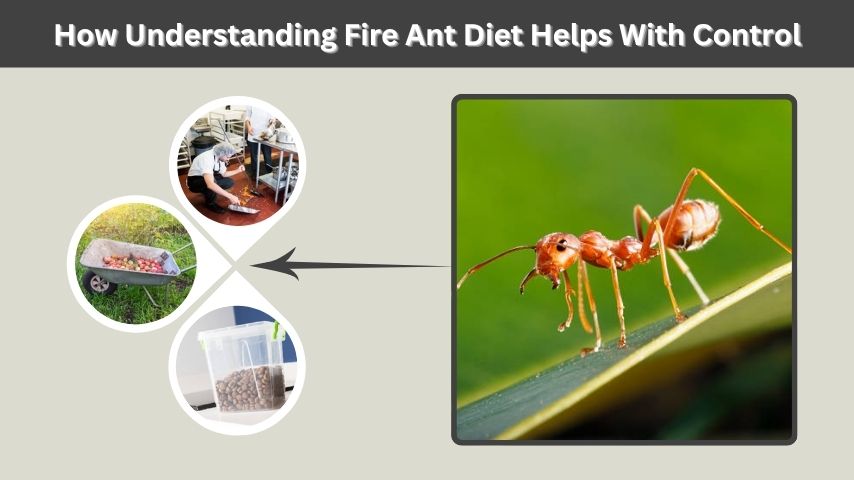
Knowledge of fire ant feeding habits can improve pest management efforts. Most successful control methods take advantage of the foods that fire ants naturally seek. By targeting their preferred food sources, homeowners can reduce colony size and limit future infestations.
Why Fire Ant Baits Work
Fire ant baits are designed to mimic attractive food sources. Workers carry bait particles back to the nest and distribute them throughout the colony.
Because the bait reaches larvae and queens, it can eliminate entire colonies rather than just killing individual workers.
Reducing Food Availability
Property owners can discourage fire ants by limiting access to food and water.
Effective prevention measures include:
- Cleaning up food spills
- Storing garbage securely
- Removing fallen fruit
- Keeping pet food indoors
- Fixing water leaks
- Maintaining healthy landscaping
These practices help make the environment less attractive to foraging ants.
FAQs
Do fire ants eat meat?
Yes. Fire ants frequently consume meat, dead animals, and protein-rich insects to support colony growth.
Do fire ants eat sugar?
Yes. Sugary foods such as nectar, honeydew, fruit juices, and sweet food scraps provide energy for worker ants.
What do red fire ants eat most often?
Red fire ants commonly eat insects, honeydew, nectar, seeds, fruits, and food scraps found around homes and gardens.
Do fire ants eat plants?
They consume certain plant materials, seeds, and fruits, although insects remain an important part of their diet.
What attracts fire ants the most?
Protein-rich foods, sugary substances, pet food, garbage, moisture, and suitable nesting sites are among the strongest attractants.
Can fire ants survive without insects?
Fire ants can survive on alternative food sources such as seeds and sugary substances, but insects provide important protein needed for colony development.
