
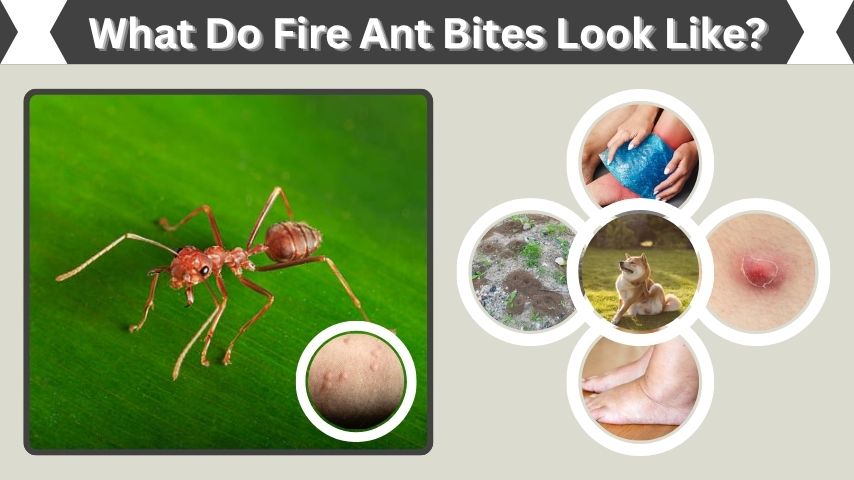
Fire ant stings are painful and often leave distinctive marks that can be confused with other insect bites. Many people search for information about fire ant bites, stings, mounds, and nests after noticing unusual skin reactions or spotting ant colonies in their yard. Understanding what fire ants and their bites look like can help you identify an infestation early and seek proper treatment when necessary. This guide explains the appearance of fire ants, their stings, and the signs that indicate you may be dealing with a fire ant colony.
What Do Fire Ants Look Like?
Fire ants are small but aggressive insects that can be identified by their reddish-brown color and active behavior. Although they resemble many other ant species, several physical characteristics make them easier to recognize. Knowing what fire ants look like is the first step in identifying potential infestations before bites and stings become a problem.
Fire Ant Size
Fire ants vary in size depending on their role within the colony. Worker ants typically range from 2 to 6 millimeters long. This size variation is one reason fire ant colonies can contain ants that appear different from one another.
Fire Ant Color
Most fire ants have a reddish-brown body with a darker abdomen. Their color often gives them the name “red fire ants.” In bright sunlight, their reddish appearance is usually easier to notice.
How to Identify Fire Ants
Several features can help distinguish fire ants from other ants:
- Reddish-brown coloration
- Aggressive behavior when disturbed
- Different worker sizes within the same colony
- Visible stinger at the end of the abdomen
- Rapid swarming response around nests
These characteristics often help homeowners recognize fire ants before encountering painful stings.
What Do Fire Ant Bites Look Like?
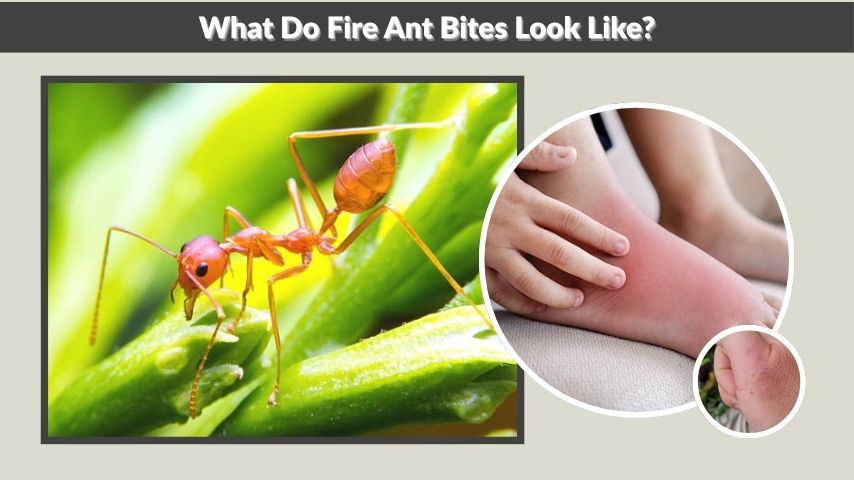
Many people refer to fire ant stings as bites because the insects first bite the skin before delivering venom through their stinger. The resulting skin reaction is often distinctive and can help identify a fire ant encounter. Reactions vary between individuals, but most people experience similar symptoms and appearance patterns after being stung.
Immediate Appearance After a Sting
A fire ant sting usually produces a sharp burning sensation almost immediately. Within minutes, the affected area often becomes red and swollen. Small raised bumps may appear where the stinger penetrated the skin.
The discomfort is often more intense than that caused by mosquito bites and can continue for several hours after the incident.
Redness and Swelling
After the initial sting, the skin commonly develops a red, inflamed appearance. The affected area may feel warm and tender to the touch.
Swelling varies depending on the number of stings received and an individual’s sensitivity to fire ant venom. People who accidentally disturb a mound may experience dozens of stings at once, resulting in larger areas of irritation.
White Pustules That Develop Later
One of the most recognizable signs of a fire ant sting is the formation of white pustules. These small, fluid-filled bumps typically appear within 24 hours.
Unlike ordinary insect bites, fire ant pustules are considered a hallmark symptom and often help confirm the source of the sting. The bumps may remain visible for several days before gradually healing.
What Do Fire Ant Stings Look Like?
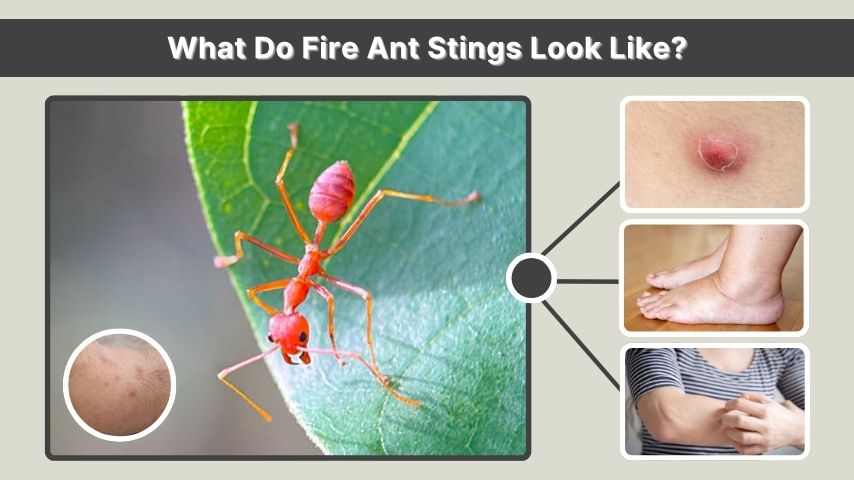
Although the terms “bite” and “sting” are often used interchangeably, fire ants actually do both. They bite the skin to anchor themselves and then inject venom through a stinger. The resulting skin reaction follows a fairly predictable pattern that distinguishes fire ant stings from many other insect encounters.
Difference Between a Bite and a Sting
The bite itself helps the ant maintain its position on the skin. The painful sensation most people remember comes from the venomous sting delivered afterward.
This combination allows a single fire ant to sting multiple times, creating clusters of irritated spots on exposed skin.
Common Sting Symptoms
People commonly experience:
- Burning pain
- Red bumps
- Swelling
- Itching
- White pustules
- Skin tenderness
These symptoms usually improve within several days, although itching can sometimes persist longer.
Severe Reactions
Some individuals experience stronger reactions to fire ant venom. Large areas of swelling, intense discomfort, or widespread skin irritation may occur.
In rare situations, allergic reactions can develop quickly and require emergency medical attention. Symptoms such as difficulty breathing, facial swelling, or dizziness should never be ignored.
Stages of Fire Ant Bite Healing
Fire ant stings generally follow a predictable healing process. While individual experiences vary, most reactions progress through similar stages. Understanding what normal healing looks like can help reduce concern and make it easier to identify complications that require medical evaluation.
The First 24 Hours
The first day is usually marked by burning pain, redness, and swelling. The skin may feel sensitive and itchy as the body’s immune system responds to the venom.
Many people notice multiple bumps because fire ants often sting repeatedly while attached to the skin.
Days Two to Three
During the second and third days, the characteristic white pustules often appear. These pustules contain sterile fluid and should not be confused with signs of infection.
Although they may look alarming, they are considered a normal part of the healing process for many fire ant sting victims.
One Week Later
Most mild reactions begin improving significantly within a week. Redness fades, swelling decreases, and pustules gradually dry out.
Scratching the affected area can delay healing and increase the risk of secondary infection, so it is best to avoid disturbing the skin whenever possible.
What Do Fire Ant Bites Look Like on Dogs?
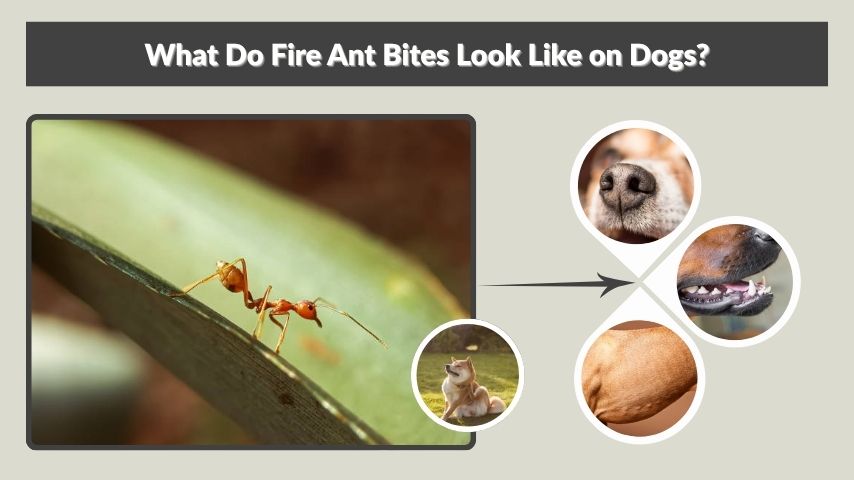
Dogs frequently encounter fire ants while exploring yards, parks, and outdoor spaces. Because dogs investigate their surroundings with their noses and paws, they are particularly vulnerable to fire ant stings. The appearance of fire ant bites on dogs can differ slightly from those seen on humans due to fur coverage and differences in skin sensitivity.
Common Areas Affected
Fire ant stings on dogs are most commonly found around:
- Nose and muzzle
- Mouth area
- Paws and toes
- Belly
- Inner legs
These body parts often come into direct contact with fire ant mounds during outdoor activities.
What Do Fire Ant Bites Look Like on Dogs?
Dogs frequently encounter fire ants while exploring yards, parks, and outdoor spaces. Because dogs investigate their surroundings with their noses and paws, they are particularly vulnerable to fire ant stings. The appearance of fire ant bites on dogs can differ slightly from those seen on humans due to fur coverage and differences in skin sensitivity.
Common Areas Affected
Fire ant stings on dogs are most commonly found around:
- Nose and muzzle
- Mouth area
- Paws and toes
- Belly
- Inner legs
These body parts often come into direct contact with fire ant mounds during outdoor activities.
Symptoms in Dogs
Dogs may develop red bumps, swelling, and irritation after being stung. Some pets repeatedly lick or scratch affected areas due to discomfort.
In more severe cases, swelling around the face or mouth can occur. Dogs that receive numerous stings may appear restless or unusually sensitive to touch.
When to Contact a Veterinarian
Most mild reactions improve within a few days. However, veterinary care should be sought if a dog experiences significant swelling, difficulty breathing, vomiting, weakness, or signs of an allergic reaction.
What Do Fire Ant Mounds Look Like?
Fire ant mounds are one of the most visible signs of an infestation. Unlike many other ant hills, fire ant mounds often appear as loose piles of soil without a clearly visible entrance hole on top. Identifying these structures early can help prevent accidental encounters and painful stings.
Typical Fire Ant Mound Appearance
A fire ant mound usually resembles a dome-shaped pile of freshly turned soil. The mound may vary in color depending on the surrounding dirt but often appears loose and crumbly.
Freshly built mounds are especially noticeable after rainfall or periods of increased colony activity.
Mound Size and Shape
Fire ant mounds commonly range from a few inches to more than a foot in height. Larger colonies can construct impressive mounds that continue expanding over time.
The surface is generally smooth and rounded rather than rough or rocky in appearance.
Where Fire Ant Mounds Are Found
Fire ants commonly build mounds in:
- Lawns
- Gardens
- Pastures
- Road edges
- Parks
- Open sunny areas
These locations provide favorable conditions for colony growth and foraging.
What Do Fire Ant Nests Look Like?
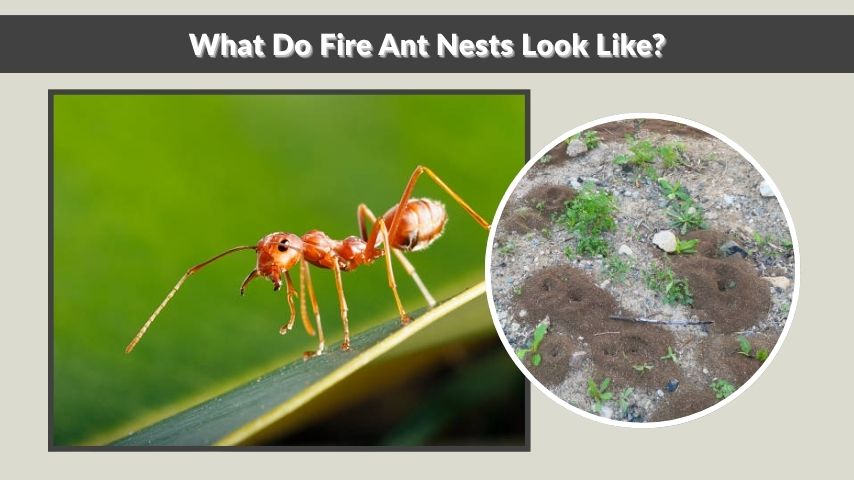
While mounds are visible above ground, the majority of a fire ant colony exists beneath the surface. Underground nests contain extensive tunnel systems and chambers that support thousands of ants. Understanding the structure of a fire ant nest can help explain why these colonies are so difficult to eliminate completely.
Underground Tunnel Systems
Fire ant nests consist of interconnected tunnels that allow workers to move efficiently throughout the colony. These passageways help regulate temperature and provide access to food storage and brood chambers.
The tunnel network may extend several feet below the ground surface.
Colony Chambers
Within the nest are specialized chambers used for different purposes. Some chambers contain developing larvae, while others house worker ants or stored food resources.
These organized spaces help the colony function efficiently and support rapid population growth.
Queen Location
The queen is usually located deep within the nest where she is protected by worker ants. This secure location helps ensure the survival of the colony even when surface disturbances occur.
A healthy queen can produce thousands of eggs and is critical to colony success.
What Do Fire Ants Look Like in Australia?
Fire ants found in Australia closely resemble imported fire ants seen in other parts of the world. Because these invasive insects pose serious environmental and agricultural threats, proper identification is important. Australian authorities actively monitor and manage fire ant populations to limit their spread.
Physical Characteristics
Australian fire ants generally display:
- Reddish-brown coloration
- Darker abdomen
- Worker ants of varying sizes
- Aggressive defensive behavior
- Distinctive stinger
These features are similar to those found in imported fire ant populations elsewhere.
Where Fire Ants Are Found in Australia
Fire ants have been detected primarily in certain regions of Queensland and surrounding areas. Ongoing eradication and surveillance programs aim to prevent expansion into new locations.
Residents are encouraged to report suspicious mounds and ant activity to local authorities.
How to Tell Fire Ant Bites From Other Insect Bites
Many insect bites produce redness and itching, making identification difficult. However, fire ant stings often create unique symptoms that distinguish them from other common insect encounters.
Fire Ant vs Mosquito Bites
Mosquito bites typically appear as soft, itchy bumps without pustules. Fire ant stings usually produce more intense pain and later develop white pustules.
Fire Ant vs Flea Bites
Flea bites often occur in clusters around the ankles and lower legs. While itchy, they rarely form the distinctive pustules associated with fire ant stings.
Fire Ant vs Spider Bites
Spider bites generally involve a single affected area. Fire ant attacks often result in multiple stings occurring close together because numerous ants may attack simultaneously.
How to Treat Fire Ant Stings
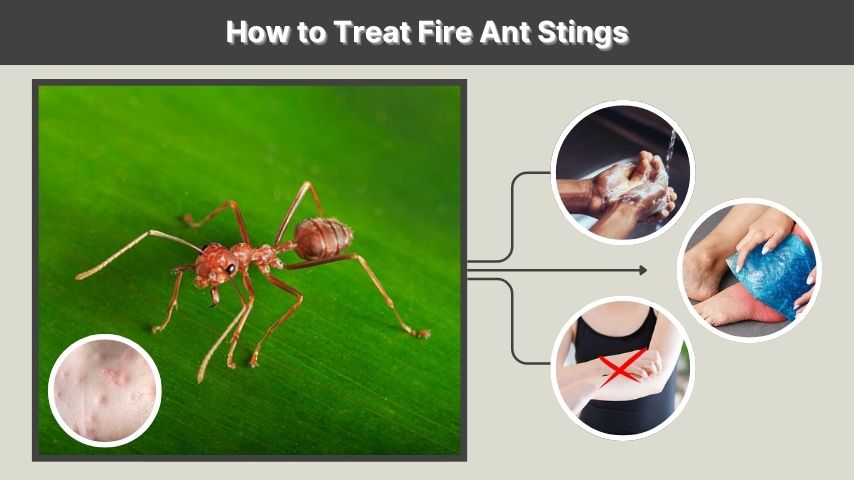
Most fire ant stings can be treated at home with basic first aid measures. Quick treatment may help reduce discomfort and lower the risk of complications.
First Aid Steps
If stung by fire ants:
- Wash the area with soap and water
- Apply a cold compress
- Avoid scratching
- Monitor for allergic reactions
- Keep the area clean
These simple steps can help ease symptoms and support healing.
When to Seek Medical Care
Medical attention may be necessary if symptoms worsen or signs of a severe allergic reaction develop. Difficulty breathing, extensive swelling, chest tightness, or dizziness should be treated as emergencies.
FAQs
What do fire ant nests look like underground?
Fire ant nests consist of a network of tunnels and chambers located beneath the soil surface. These underground structures can extend several feet deep and house thousands of worker ants, larvae, and one or more queens.
How long do fire ant bites take to heal?
Most fire ant bites begin improving within 7 to 10 days. Mild cases may heal faster, while severe reactions or bites that become infected can take several weeks to fully recover.
Can fire ant bites leave scars?
Yes. Scratching or picking at fire ant pustules can increase the risk of scarring. Some people may also experience temporary dark spots or skin discoloration after the bites heal.
How can I tell if I have a fire ant infestation?
Common signs include dome-shaped soil mounds, aggressive ants that swarm when disturbed, repeated stings in your yard, and visible ant trails around food or water sources.
Are fire ant bites worse than mosquito bites?
Generally, yes. Fire ant stings are usually more painful than mosquito bites and often cause burning sensations, swelling, itching, and distinctive white pustules that can last for several days.
