
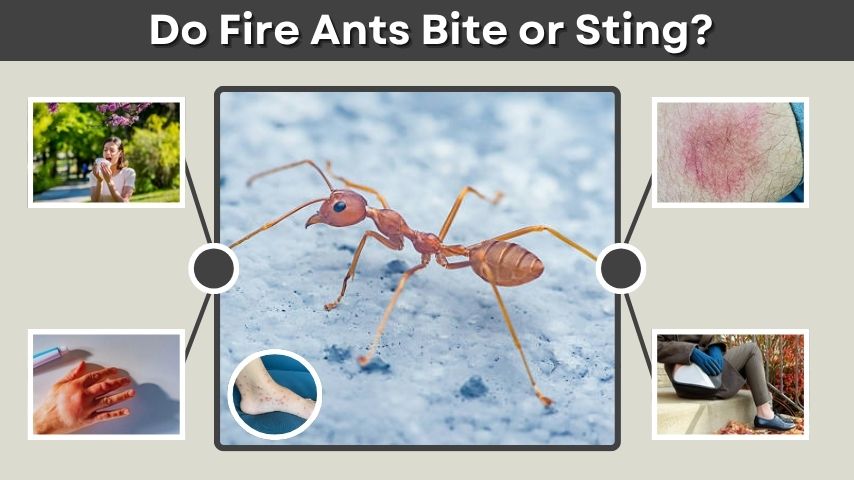
Many people wonder whether fire ants bite or sting because encounters with these insects are often painful and memorable. The answer is that fire ants do both. They use their jaws to bite and hold onto the skin, then sting multiple times with their abdomen. This unique attack method makes fire ants more painful than many other ant species. Understanding how fire ants attack, why they sting, and what symptoms they cause can help you avoid injuries and respond properly if stung.
Do Fire Ants Bite or Sting?
Fire ants are well known for their aggressive behavior and painful attacks. Unlike many insects that rely on a single defense mechanism, fire ants use both biting and stinging when they feel threatened. This combination allows them to defend their colonies effectively and discourage predators from approaching their nests.
The Short Answer
Fire ants both bite and sting. The bite itself is usually not the most painful part of the attack. Instead, the bite helps the ant secure its position on the skin before delivering one or more venomous stings.
Why Fire Ants Use Both Methods
Fire ants have evolved a highly effective defense strategy. By biting first, they can anchor themselves firmly to a target. Once attached, they rotate their bodies and sting repeatedly. This allows a single ant to deliver multiple stings in a matter of seconds.
How Their Attack Process Works
When a fire ant encounters a threat, it grabs the skin using its mandibles. After securing its grip, the ant bends its abdomen underneath its body and injects venom through its stinger. The ant may continue rotating and stinging several times before releasing its hold.
How Do Fire Ants Attack Humans?
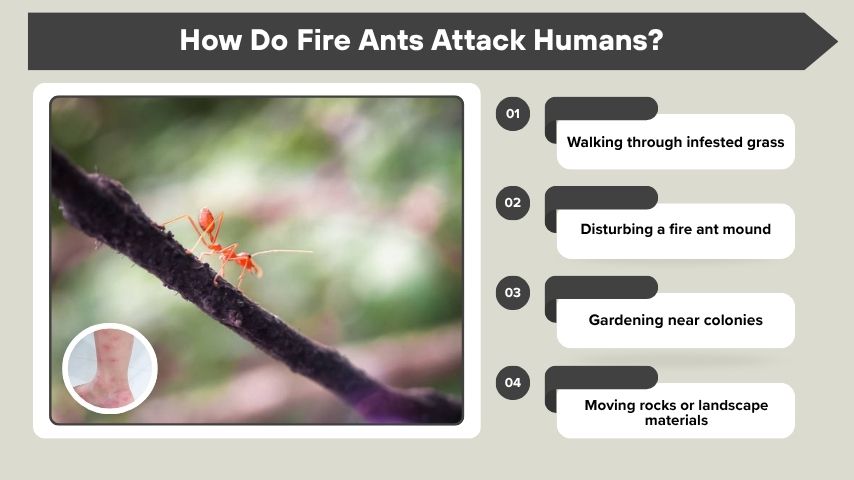
People are often stung when they accidentally step on or disturb a fire ant mound. Because colonies can contain thousands of workers, multiple ants may attack simultaneously, resulting in dozens of stings within a short period.
Common Triggers for Fire Ant Attacks
Several situations commonly provoke fire ants:
- Walking through infested grass
- Disturbing a fire ant mound
- Gardening near colonies
- Moving rocks or landscape materials
- Playing in untreated outdoor areas
Because fire ants react quickly, many people do not realize they are standing on a mound until the attack has already begun.
Why Fire Ants Attack Aggressively
Fire ants are highly protective of their colonies and queens. Any disturbance near the nest is treated as a potential threat. Worker ants immediately respond by swarming toward the source of the disturbance and launching coordinated attacks.
Multiple Ants, Multiple Stings
Unlike bees, which can sting only once, fire ants can sting repeatedly. When hundreds of ants attack together, the number of stings can increase rapidly, causing significant discomfort and skin irritation.
Do Fire Ants Bite or Sting Humans?
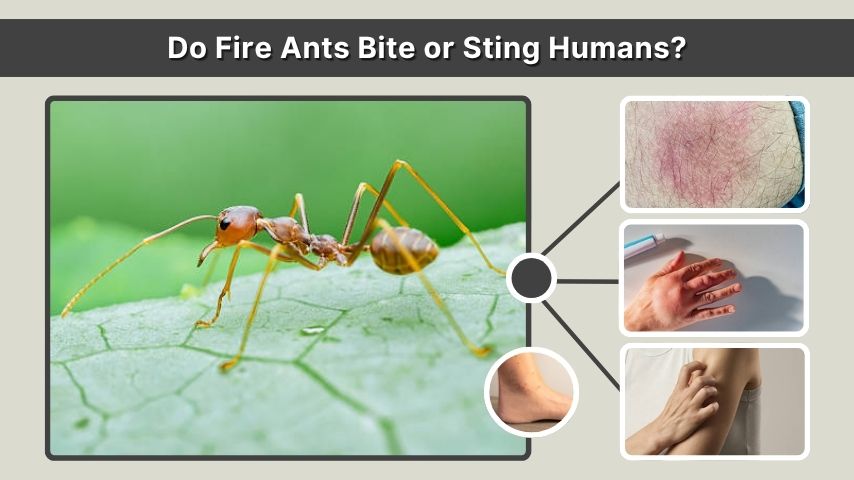
Humans are among the most common victims of fire ant attacks. Outdoor activities such as gardening, mowing lawns, hiking, and playing in parks can increase the likelihood of accidental encounters.
Typical Human Reactions
Most people experience localized symptoms after being stung. These reactions vary depending on the number of stings and individual sensitivity.
Common symptoms include:
- Sharp burning pain
- Redness around the sting site
- Swelling and inflammation
- Itching that lasts several days
- Small white pustules that develop later
The burning sensation caused by the venom is the reason these insects are called fire ants.
Areas Most Commonly Stung
Fire ant attacks often occur on parts of the body that come into contact with the ground.
Frequently affected areas include:
- Feet
- Ankles
- Lower legs
- Hands
- Arms
Children may experience stings on additional areas of the body because they often play directly on the ground near ant colonies.
What Does a Fire Ant Bite Feel Like?
Many people focus on the sting because it causes the greatest discomfort, but the bite itself plays an important role in the attack process. Understanding the difference helps explain why fire ant encounters are so painful.
The Initial Bite
The bite usually feels like a quick pinch. Fire ants use their jaws to grasp the skin firmly before preparing to sting. The bite itself rarely causes serious pain compared to the venom that follows.
Why the Bite Is Important
Without the bite, the ant would struggle to maintain contact with its target. The strong grip allows the ant to remain attached while repeatedly injecting venom into the skin.
Bite Marks and Skin Effects
In some cases, small bite marks may remain visible after the attack. However, these marks are often overshadowed by the larger reaction caused by the sting and resulting inflammation.
What Does a Fire Ant Sting Feel Like?
The sting is responsible for most of the pain associated with fire ant attacks. Fire ant venom contains compounds that trigger an immediate burning sensation and later cause irritation and itching.
Immediate Symptoms
Most victims notice symptoms within seconds of being stung. The pain often feels sudden and intense, similar to touching a hot object.
Common Sting Reactions
Typical fire ant sting symptoms include:
- Burning pain
- Swelling
- Red bumps
- Persistent itching
- White fluid-filled pustules
The severity of symptoms often depends on the number of stings received and the individual’s sensitivity to fire ant venom.
Recovery Process
For most people, discomfort gradually decreases over several days. The white pustules that form after stings usually heal without medical treatment, although scratching them can increase the risk of infection.
Fire Ant Bite vs Fire Ant Sting
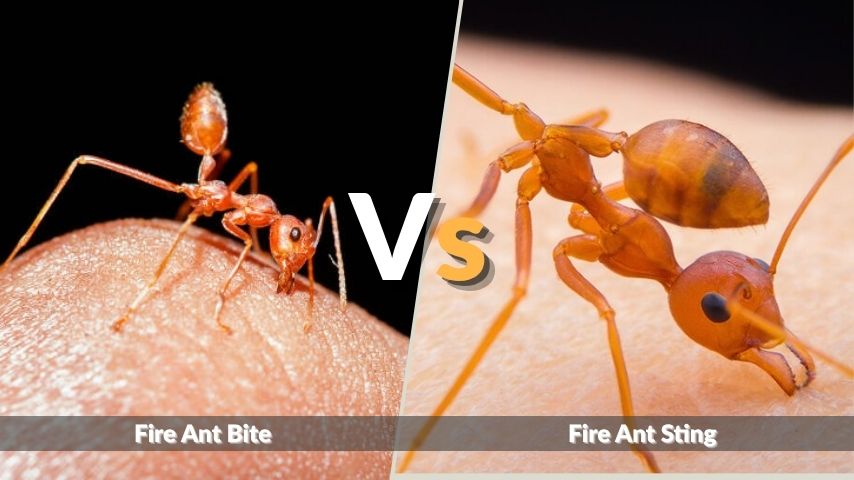
Many people use the terms bite and sting interchangeably, but they are actually two different actions. Fire ants use both during an attack, and understanding the distinction can help explain why encounters with these insects are often so painful.
Key Differences Between a Bite and a Sting
| Feature | Fire Ant Bite | Fire Ant Sting |
| Purpose | Holds onto the skin | Injects venom |
| Pain Level | Mild to moderate | Moderate to severe |
| Venom Involved | No | Yes |
| Duration | Very brief | Can last several days |
| Visible Reaction | Small mark | Red bumps and pustules |
| Main Function | Anchoring the ant | Defense and protection |
Which Causes More Damage?
The sting causes most of the discomfort associated with fire ant attacks. While the bite helps the ant maintain its grip, the venom delivered through the sting triggers pain, swelling, itching, and the formation of characteristic white pustules.
Why Do Fire Ants Sting?
Fire ants sting primarily to defend their colony. Their nests contain queens, eggs, larvae, and workers that must be protected from threats. As a result, fire ants respond aggressively whenever they sense danger near the mound.
Colony Defense
Fire ant workers constantly patrol their territory. When the nest is disturbed, they quickly emerge from the mound and attack anything they perceive as a threat.
Protection of the Queen
The survival of the queen is essential to the colony. Worker ants are programmed to defend her at all costs, which is why even minor disturbances can trigger large-scale attacks.
Natural Survival Strategy
The ability to sting repeatedly gives fire ants an advantage against predators and competing insects. This defense mechanism has helped them become one of the most successful invasive ant species in many regions.
Do Fire Ants Bite or Sting Cats?
Cats can become accidental victims of fire ant attacks, especially when exploring gardens, lawns, or wooded areas. Curious pets may investigate mounds without recognizing the danger.
How Cats Encounter Fire Ants
Cats often encounter fire ants while:
- Walking through infested yards
- Digging in soil
- Hunting insects
- Resting near ant mounds
- Exploring gardens and landscaping
Because cats frequently investigate unfamiliar objects, they may unknowingly disturb a colony.
Signs of Fire Ant Stings in Cats
Pet owners should watch for symptoms such as excessive licking, swelling, redness, discomfort, and unusual behavior. Multiple stings can be especially painful and may require veterinary attention.
When Veterinary Care Is Needed
If a cat experiences difficulty breathing, severe swelling, vomiting, weakness, or signs of an allergic reaction, immediate veterinary care should be sought.
Are Fire Ant Stings Dangerous?
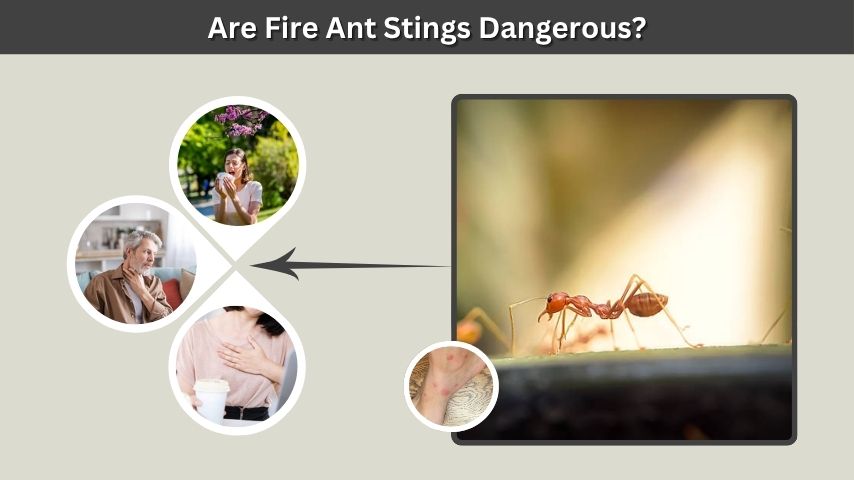
Most fire ant stings are painful but not life-threatening. However, certain individuals may experience severe reactions that require medical treatment.
Normal Reactions
For most people, symptoms remain localized around the sting site. Pain, redness, swelling, and itching typically improve within several days.
Allergic Reactions
Some individuals are highly sensitive to fire ant venom. Even a small number of stings can trigger serious allergic reactions.
Emergency Warning Signs
Seek immediate medical attention if any of the following symptoms occur:
- Difficulty breathing
- Swelling of the face or throat
- Dizziness
- Rapid heartbeat
- Loss of consciousness
These symptoms may indicate anaphylaxis, a potentially life-threatening allergic reaction.
How to Treat Fire Ant Bites and Stings
Prompt treatment can reduce discomfort and lower the risk of complications. Most mild reactions can be managed at home.
Immediate First Aid
After being stung:
- Move away from the ant mound
- Wash the area with soap and water
- Apply a cold compress
- Avoid scratching the affected area
These simple steps can help reduce irritation and swelling.
Managing Pain and Itching
Over-the-counter antihistamines, anti-itch creams, and pain relievers may help control symptoms. Follow product directions carefully and consult a healthcare provider if symptoms worsen.
Monitoring Recovery
Most fire ant sting reactions improve within a week. If redness, swelling, or pain continues to worsen, medical evaluation may be necessary.
How to Avoid Fire Ant Bites and Stings
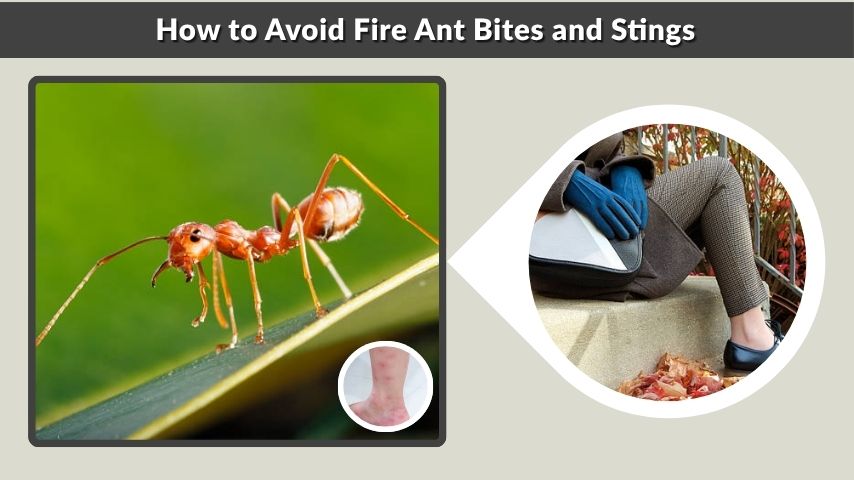
Preventing encounters with fire ants is the best way to avoid painful stings. Awareness and proper outdoor precautions can significantly reduce risk.
Identify Fire Ant Mounds
Learn to recognize fire ant mounds before working or playing outdoors. Fresh mounds often appear as loose piles of soil without a visible entrance hole.
Wear Protective Clothing
Long pants, socks, gloves, and closed-toe shoes can help reduce skin exposure when working in areas where fire ants are present.
Maintain Your Yard
Regular lawn care and fire ant control measures can help prevent colonies from becoming established around your home.
FAQs
Why do fire ant stings turn into white pustules?
Fire ant venom causes a unique reaction that often results in small, white, pus-like pustules within 24 to 48 hours after the sting. These pustules are a normal response to the venom and usually heal on their own if left undisturbed.
Can fire ants bite without stinging?
Yes, fire ants can bite without stinging, but this is less common during defensive attacks. In most cases, they bite to secure themselves to the skin and then follow with one or more stings.
How many times can a single fire ant sting?
A single fire ant can sting multiple times because it does not lose its stinger after attacking. Once attached to the skin, it can rotate its body and inject venom repeatedly in a circular pattern.
Are red fire ants and fire ants the same?
In many cases, the term “red fire ant” refers to the red imported fire ant, one of the most common and aggressive fire ant species. However, “fire ant” is a broader term that includes several related species.
What should I do immediately after a fire ant attack?
Move away from the mound as quickly as possible and brush off any remaining ants. Wash the affected area with soap and water, apply a cold compress to reduce swelling, and monitor for signs of an allergic reaction. Seek medical attention if severe symptoms develop.
