
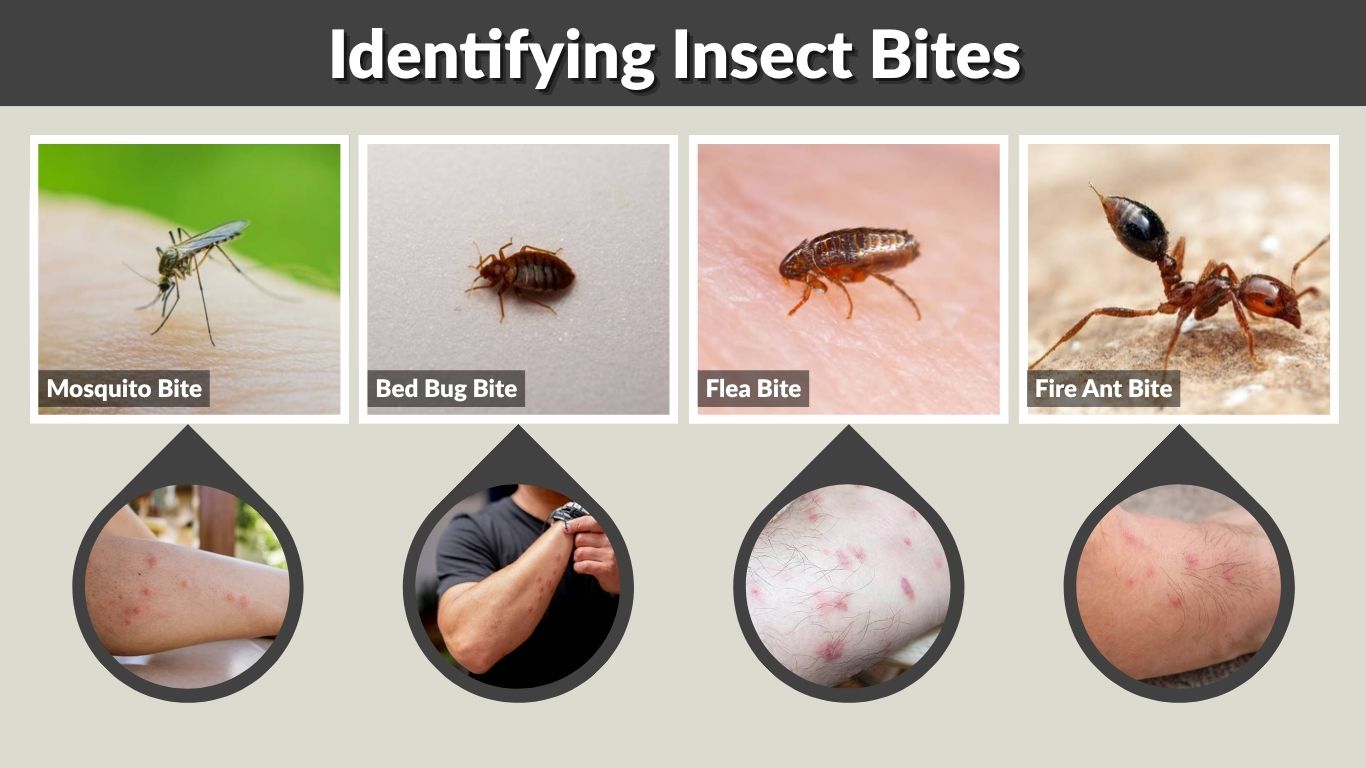
An itchy bump, painful welt, or cluster of marks can leave you wondering which insect bit you. Mosquitoes, bed bugs, fleas, and biting flies can cause similar skin reactions, making identification difficult. This guide covers 15 insect bites, their typical signs, and practical care tips. You’ll learn which clues to look for, how exposure can help narrow the possibilities, and when to seek medical advice. Remember that appearance alone cannot confirm the cause of a bite; finding the insect or evidence of its presence offers stronger clues.
1. Mosquito Bite
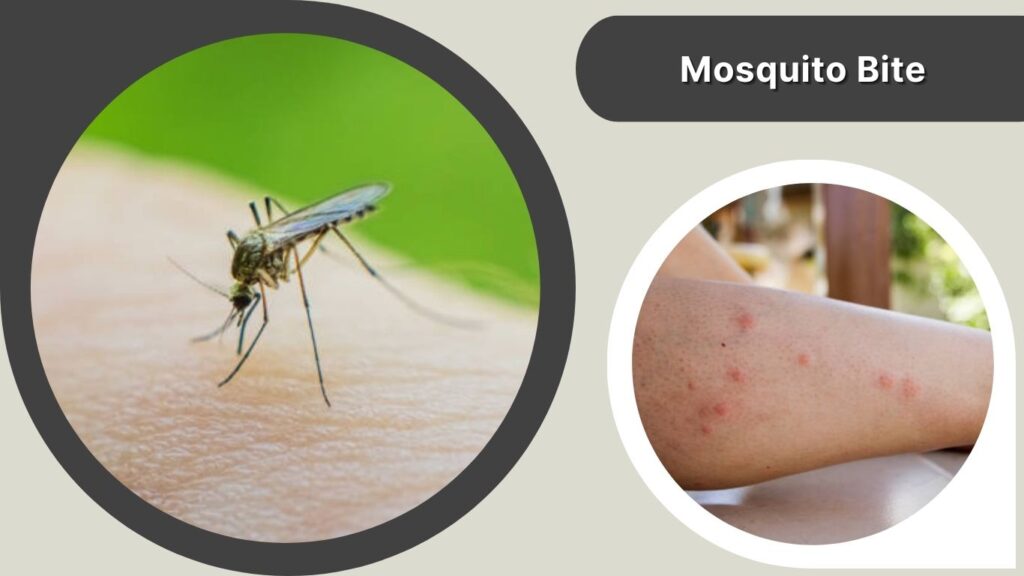
Mosquito bites develop when a female mosquito feeds on blood and introduces saliva into the skin. The body’s reaction causes itching and swelling, although the intensity varies between people. A bite may become noticeable within minutes or develop into a firmer bump the following day. Some people experience larger areas of swelling than others.
Identification Signs
- A raised, puffy bump that appears shortly after the bite.
- An itchy, firm bump that develops later.
- Red or reddish-brown discoloration.
- Occasionally, small blisters or dark marks resembling bruises.
These features can suggest a mosquito bite, but appearance alone cannot confirm which insect caused it.
Why Mosquito Bites Itch
The itch comes from the body’s response to mosquito saliva. Reactions range from mild irritation to considerable swelling and soreness. Children and people exposed to an unfamiliar mosquito species may react more strongly.
How to Care for the Bite
Wash the area with soap and water, then apply an ice pack wrapped in a cloth for about 10 minutes. An over-the-counter anti-itch cream may help when used according to its label. Avoid scratching, which can damage the skin and increase the risk of infection.
When to Seek Medical Advice
Seek medical advice if the area becomes increasingly warm, develops spreading redness or a red streak, or continues to worsen. If you develop a fever after mosquito exposure, seek assessment, particularly where dengue or other mosquito-borne illnesses occur. The appearance of a bite cannot tell you whether a mosquito transmitted an infection.
2. Bed Bug Bite
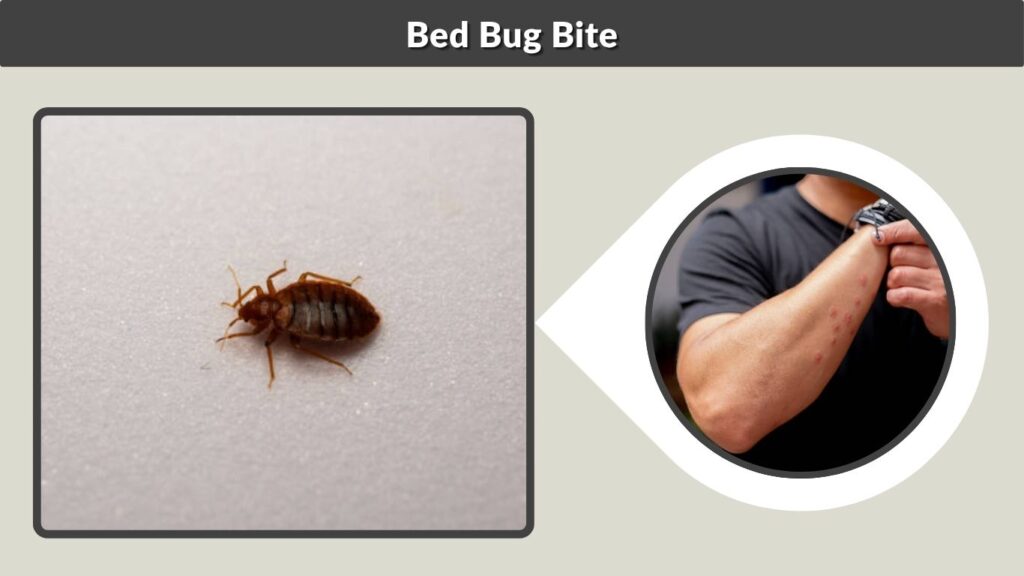
Bed bug bites can cause itchy, swollen bumps that resemble mosquito or flea bites. These insects feed on blood, usually while people sleep, and hide in mattress seams, bed frames, and nearby cracks. Bite marks may appear days after exposure, while some people develop no visible reaction. Identifying an infestation requires checking the sleeping area as well as the skin.
Identification Signs
- Small, raised bumps that may itch.
- Bites arranged randomly, in clusters, or in a line.
- Marks on exposed areas such as the face, neck, arms, and hands.
- Swelling that varies depending on the person’s reaction.
A line of bites does not confirm bed bugs. Finding live insects, shed skins, or rusty blood spots around the bed provides stronger evidence.
Why Bed Bug Bites Itch
The skin reacts to substances introduced during feeding. You may not feel the bite when it happens, and the irritation can develop later. Some people experience mild itching, while others develop larger, uncomfortable swellings. Repeated scratching can break the skin and lead to a secondary infection.
How to Care for the Bite
Gently wash the affected skin and apply a cool compress to ease irritation. Avoid scratching and keep your fingernails short. A pharmacist can advise whether an anti-itch treatment or antihistamine is suitable. Treating the skin alone will not prevent further bites if bed bugs remain in the home.
When to Seek Medical Advice
Seek medical advice if swelling becomes extensive or the skin develops increasing pain, warmth, or discharge. Symptoms that worsen instead of improving also need assessment. Breathing difficulty or sudden swelling of the lips, tongue, or throat requires emergency care.
3. Flea Bite
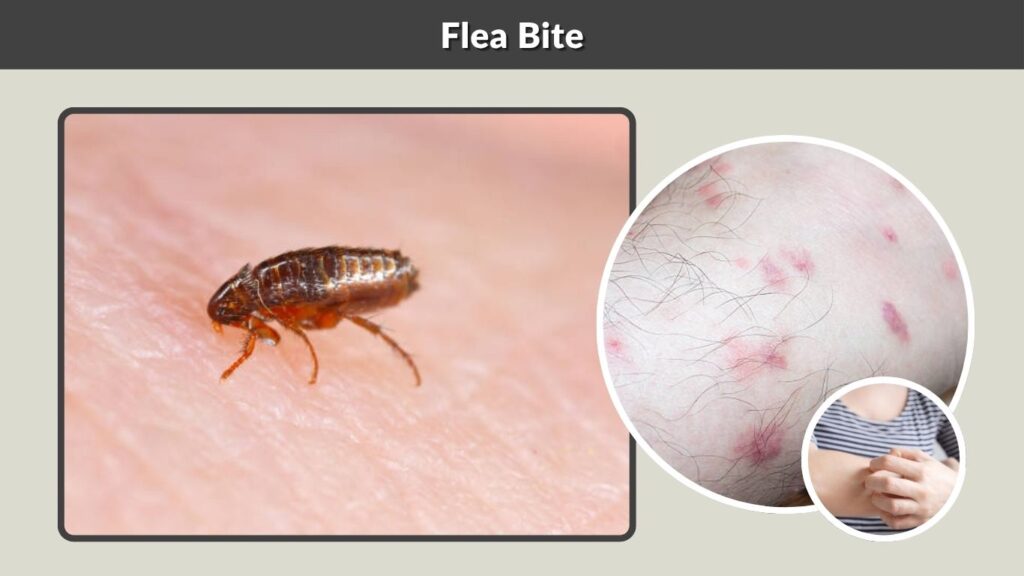
Flea bites commonly appear as small, itchy bumps, often around the ankles and lower legs. They may occur after contact with infested pets, carpets, bedding, or other environments where fleas live. Several bites can appear close together, but their appearance overlaps with other insect bites. Checking pets and the surrounding area helps establish whether fleas are responsible.
Identification Signs
- Small, raised bumps with noticeable itching.
- Several bites close together.
- Bites commonly located below the knees.
- Bites on the forearms or other areas after handling an infested animal.
These clues suggest flea exposure but cannot confirm the cause on their own.
Why Flea Bites Itch
Flea saliva can trigger an inflammatory reaction in the skin. The resulting irritation varies between people, and scratching may make the bumps more swollen or sore. Broken skin also creates an opportunity for bacteria to enter, so controlling the itch helps protect the affected area.
How to Care for the Bite
Wash the skin with soap and water and use a cool compress for swelling. Ask a pharmacist about suitable itch relief, especially for children. To prevent repeated bites, address the source: seek veterinary advice for affected pets and clean their bedding and surrounding areas. Always use flea treatments intended for the animal being treated.
When to Seek Medical Advice
Get medical advice if the bites become increasingly painful, hot, swollen, or produce pus. Fever or symptoms that persist or worsen also warrant assessment. Seek emergency help for difficulty breathing, fainting, or sudden swelling of the mouth or throat.
4. Fire Ant Bite
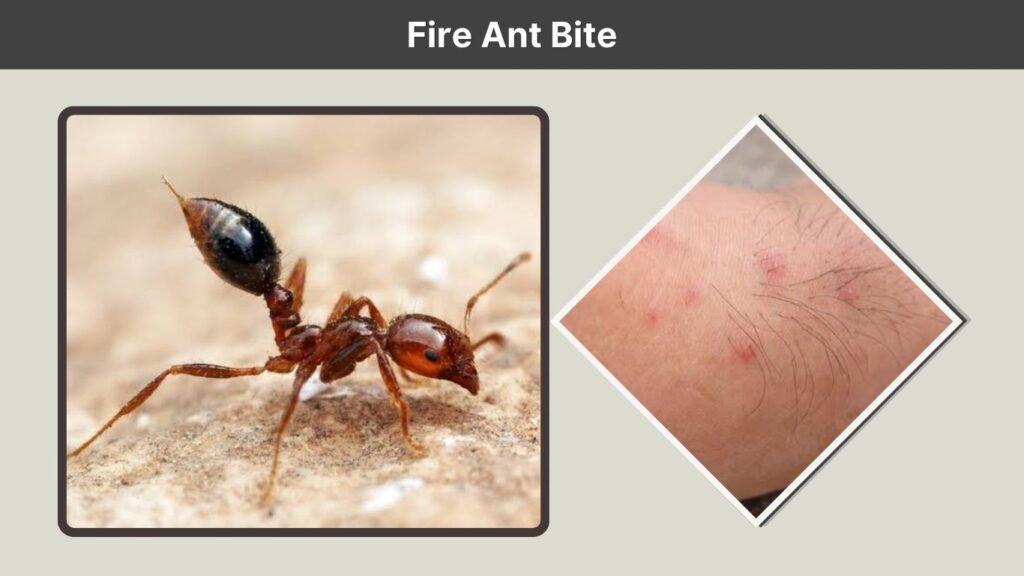
Fire ants bite to grip the skin, then sting to inject venom. The sting causes the burning sensation and skin reaction commonly called a fire ant bite. Several ants may attack together when their nest is disturbed, leaving multiple painful spots. A small, white-topped pustule often develops afterward, but this does not automatically mean the skin is infected.
Identification Signs
- Immediate burning or sharp pain at the affected spot.
- A raised, swollen bump shortly after the sting.
- A small, white-topped pustule that often develops within a day.
- Multiple nearby marks, commonly on the feet or lower legs.
These signs can suggest fire ant stings, especially after contact with an ant mound. However, skin appearance alone cannot confirm the cause.
Why Fire Ant Stings Hurt and Itch
Fire ant venom causes local irritation, producing burning, swelling, and later itching. One ant can sting several times, so several marks do not necessarily represent several insects. Some people develop a larger local reaction, while others experience a serious allergic reaction requiring immediate treatment.
How to Care for the Affected Area
Wash the skin gently with soap and water. Apply a cold pack wrapped in a cloth to ease pain and swelling. Avoid scratching or breaking the white-topped pustules, because opening them increases the risk of infection. A pharmacist can recommend an appropriate treatment for itching based on your age and health.
When to Seek Medical Advice
Seek medical advice if pain or swelling worsens, redness spreads, or fever develops. Increasing warmth and discharge can also suggest infection. Difficulty breathing, faintness, or sudden swelling of the tongue or throat requires emergency care. If you have a prescribed epinephrine auto-injector, use it as directed while seeking emergency help.
5. Horse Fly Bite
Horse fly bites are often painful because the insect cuts the skin with its mouthparts to feed on blood. Unlike a mosquito bite, a horse fly bite may be noticed immediately and can leave a small bleeding wound. The surrounding skin may become raised, swollen, and itchy. These bites can occur during outdoor activities, particularly near livestock or wet habitats.
Identification Signs
- Sudden, sharp pain when the bite occurs.
- A small cut or puncture that may bleed.
- A raised welt with surrounding swelling.
- Itching, soreness, or tenderness afterward.
Seeing the fly bite provides a stronger identification clue than the wound itself. Other biting flies can cause similar reactions.
Why Horse Fly Bites Become Swollen
The injury to the skin and the body’s response to the fly’s saliva can cause inflammation. The affected area may feel tender before itching becomes more noticeable. Swelling varies between people, and a large local reaction does not necessarily mean the bite is infected.
How to Care for the Bite
Wash the area with soap and water. If it is bleeding, apply gentle pressure with clean gauze. Use a cold pack wrapped in a cloth to reduce discomfort, and avoid scratching. A clean dressing can protect an open wound from rubbing or dirt. Ask a pharmacist about suitable relief if itching or pain remains troublesome.
When to Seek Medical Advice
Get medical advice if the wound develops increasing pain, spreading redness, warmth, pus, or worsening swelling. Fever or feeling generally unwell also warrants assessment. Seek emergency help if you experience breathing difficulty, fainting, or sudden swelling of the lips, tongue, or throat.
6. Deer Fly Bite
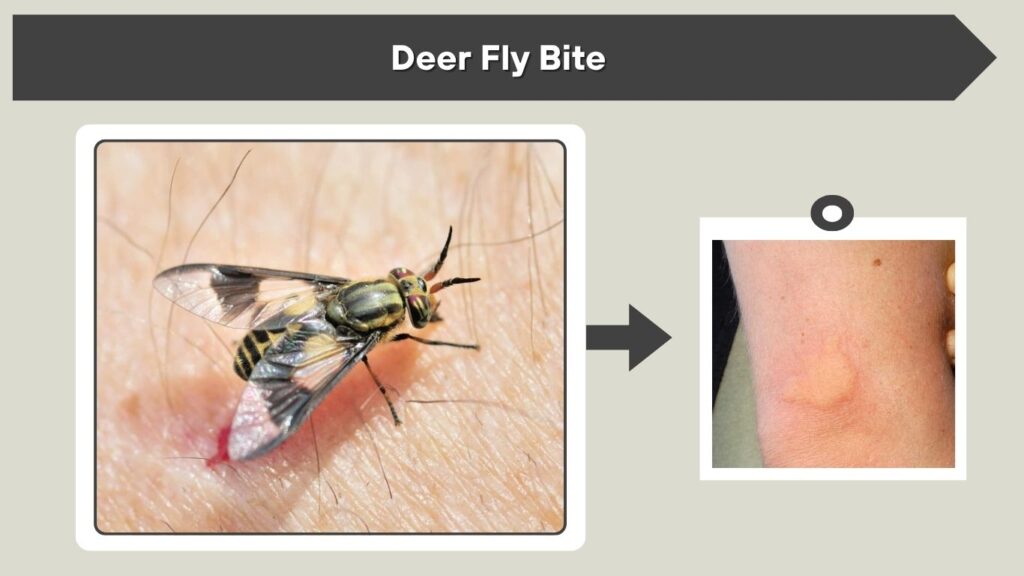
Deer fly bites can cause sudden pain followed by an itchy, swollen bump. These blood-feeding flies cut the skin while feeding, sometimes leaving a small bleeding spot. Encounters commonly happen outdoors near wooded areas, wetlands, or water. The bite can resemble a horse fly bite, so seeing the insect is more useful for identification than examining the skin alone.
Identification Signs
- Sharp pain during the bite.
- A small wound that may bleed slightly.
- A raised bump or welt with surrounding swelling.
- Itching and tenderness that develop afterward.
A painful bite during an outdoor encounter may suggest a deer fly, but these symptoms also occur with other biting flies.
Why Deer Fly Bites Cause Irritation
The fly’s mouthparts damage the skin, while substances in its saliva contribute to the reaction. Some people develop a small, uncomfortable bump; others experience more extensive swelling. Scratching can prolong irritation and damage the skin further.
How to Care for the Bite
Wash the area with soap and water. Apply gentle pressure with clean gauze if it is bleeding, then use a cold pack wrapped in a cloth to ease discomfort. Keep any open wound clean and avoid scratching. A pharmacist can advise on suitable itch relief.
When to Seek Medical Advice
Seek assessment if pain, warmth, swelling, or redness increases, or if pus develops. Fever, swollen glands, or an ulcer after a deer fly bite also needs medical attention because these flies can occasionally transmit tularemia in some regions. Mention the bite and where it occurred.
7. Black Fly Bite
Black flies are small biting insects often encountered near rivers and streams, where their larvae develop. Their bites may cause itching, soreness, and swelling, sometimes with a tiny bleeding point. Several bites can occur during one outdoor exposure. The reaction varies considerably, and the size or number of bumps cannot reliably identify the insect responsible.
Identification Signs
- Small, swollen bumps that may itch intensely.
- A tiny central spot that may bleed.
- Several bites on exposed skin.
- Irritation after spending time near flowing water.
These clues support possible black fly exposure, but other insect bites can look similar.
Why Black Fly Bites Become Swollen
Black flies injure the skin while feeding, and the body reacts to their saliva. Some bites cause limited irritation, while others produce larger areas of swelling. The reaction may become more noticeable after the feeding has finished.
How to Care for the Bite
Clean the skin with soap and water and apply a cool compress. Avoid scratching, especially when numerous bites make the area uncomfortable. Ask a pharmacist about an appropriate anti-itch treatment. Long sleeves and an insect repellent labeled for biting flies can help reduce further exposure.
When to Seek Medical Advice
Get medical advice if swelling is extensive, symptoms worsen, or the skin develops increasing warmth, pain, or discharge. Fever or feeling unwell after numerous bites also warrants assessment. Difficulty breathing or sudden swelling of the mouth or throat requires emergency care.
8. Sand Fly Bite
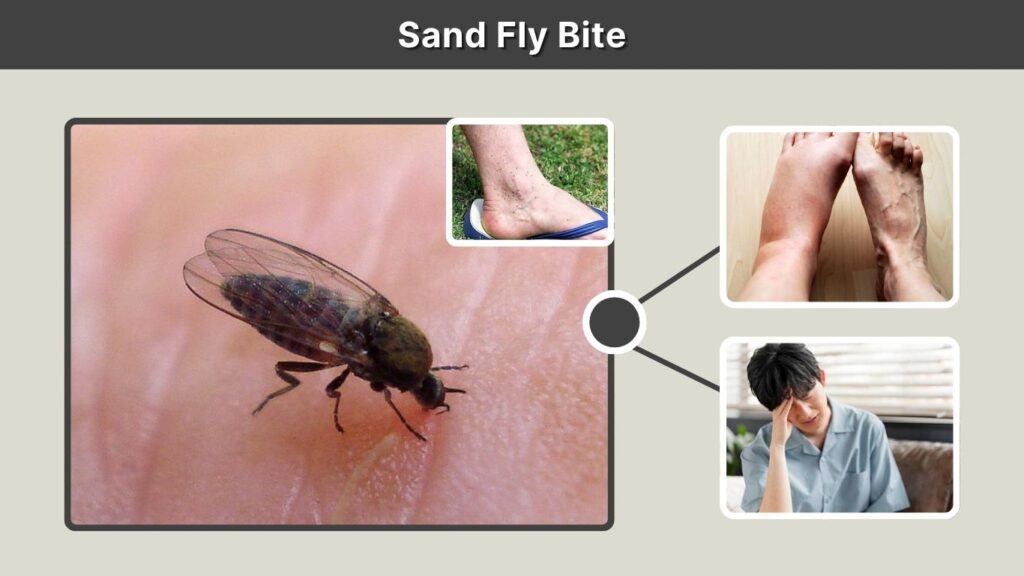
Sand flies are tiny blood-feeding flies whose bites can leave itchy bumps on exposed skin. Depending on the species, they may be encountered in warm regions and are often active around dusk or at night. Their bites overlap in appearance with mosquito and biting midge bites. The term “sand fly” is also used loosely for different insects in some locations.
Identification Signs
- Small, raised bumps with itching.
- Several marks on exposed areas.
- Local swelling or irritation.
- Bites following outdoor exposure in an area where sand flies occur.
The name, location, and appearance of the insect matter because a skin mark alone cannot establish a sand fly bite.
Why Sand Fly Bites Itch
The body’s response to saliva introduced during feeding causes irritation. Reactions differ between people, and scratching can turn a minor bump into broken, sore skin. An ordinary itchy bite does not automatically indicate a transmitted infection.
How to Care for the Bite
Wash the skin gently and use a cool compress to relieve discomfort. Avoid scratching or picking at the bumps. A pharmacist can recommend suitable itch relief. Protective clothing, appropriate repellent, and fine-mesh screens or nets can help limit further bites.
When to Seek Medical Advice
Seek assessment for worsening inflammation or signs of infection. A persistent bump that enlarges or develops into a sore or ulcer after travel needs examination. In some regions, infected sand flies transmit leishmaniasis, whose skin lesions may appear weeks or months after exposure.
9. Biting Midge Bite
Biting midges, often called no-see-ums, are tiny flies that can produce surprisingly itchy bites. They commonly occur around moist habitats, including marshes and coastal areas. Their small size means people may notice the irritation without seeing the insect. Several bumps can develop after exposure, but they are difficult to distinguish from other small insect bites by appearance alone.
Identification Signs
- Small, raised bumps with pronounced itching.
- Several bites close together on exposed skin.
- Localized redness or swelling.
- Irritation after exposure to tiny flies in damp outdoor areas.
Clusters provide a clue about repeated feeding but do not uniquely identify biting midges.
Why Biting Midge Bites Itch
The skin reacts to substances introduced during feeding. Although the insect is tiny, the resulting irritation can be considerable. Sensitivity varies, so people exposed in the same place may develop different levels of swelling and itching.
How to Care for the Bite
Wash the affected area and apply a cool compress. Avoid scratching, which may break the skin and increase infection risk. Ask a pharmacist about suitable treatment if itching interferes with sleep. Fine-mesh screening, protective clothing, and an appropriate insect repellent can help prevent additional bites.
When to Seek Medical Advice
Seek medical advice for extensive swelling, persistent symptoms, or increasing pain, warmth, or discharge. Fever or feeling generally unwell also needs assessment. Breathing problems, faintness, or sudden swelling of the tongue or throat requires immediate emergency help.
10. Stable Fly Bite
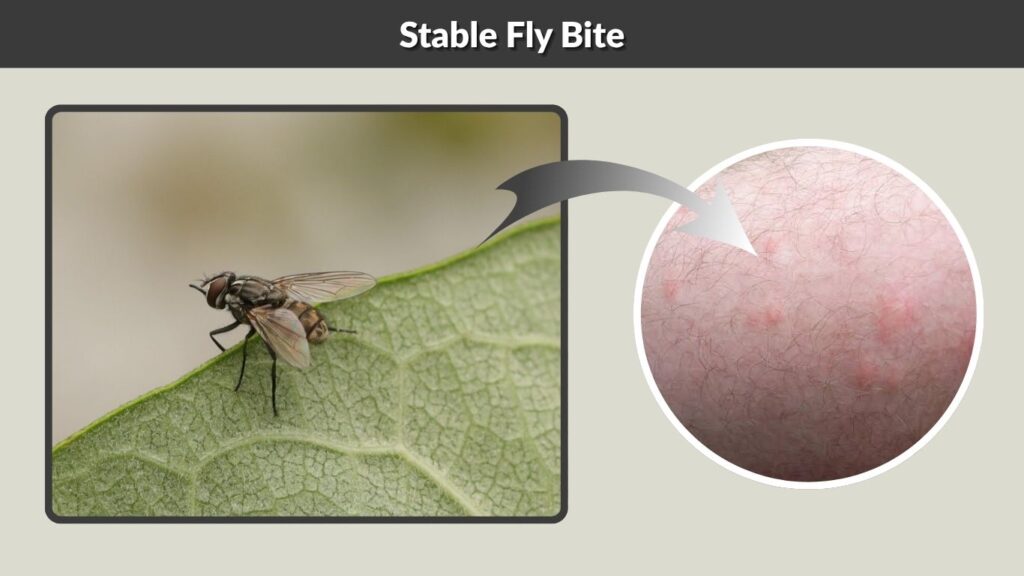
Stable flies resemble houseflies but have piercing mouthparts and feed on blood. Their bites are often sharply painful and commonly affect the ankles or lower legs. They may be encountered near farms, livestock, or damp, decaying organic material. Unlike ordinary houseflies, stable flies can bite people, although identifying the fly itself is necessary to distinguish it confidently.
Identification Signs
- A sudden, sharp or pricking pain.
- A small bump or welt afterward.
- A tiny central mark, sometimes with slight bleeding.
- Bites frequently affecting the lower legs and ankles.
These features can suggest stable flies, especially when biting flies are seen around the legs, but they are not diagnostic.
Why Stable Fly Bites Hurt
The fly pierces the skin to obtain blood. This causes immediate discomfort, while the skin’s reaction may produce swelling or itching afterward. Repeated bites can leave several tender spots, particularly when someone remains in an area with many flies.
How to Care for the Bite
Clean the skin with soap and water and use a cold pack wrapped in a cloth to ease soreness. Protect any broken skin with a clean dressing if needed. Avoid scratching and ask a pharmacist about suitable symptom relief. Covering the legs can reduce further exposure.
When to Seek Medical Advice
Get medical advice if symptoms worsen or the area becomes increasingly hot, painful, swollen, or produces pus. Fever also warrants assessment. Seek emergency care for breathing difficulty, fainting, or sudden swelling of the mouth or throat.
11. Head Louse Bite
Head lice are small insects that live close to the scalp and feed on blood. Their bites can cause itching, although a first infestation may not produce noticeable symptoms for several weeks. Small bumps or scratch marks may appear on the scalp, behind the ears, or near the neckline. Finding a live crawling louse is more reliable than identifying an infestation from skin irritation alone.
Identification Signs
- Itching on the scalp, particularly behind the ears and near the neck.
- Small bumps or sores caused by scratching.
- A tickling sensation as lice move through the hair.
- Live lice or eggs attached firmly to hair strands.
Dandruff usually moves or brushes away easily, while lice eggs remain attached. However, eggs alone do not always indicate an active infestation.
Why Head Louse Bites Itch
Itching develops from an allergic response to louse saliva. Some people have little irritation initially, while others scratch frequently. Continued scratching can break the skin and lead to infected sores. Head lice are not a sign of poor hygiene.
How to Treat the Infestation
Use a head lice treatment appropriate for the person’s age, following the instructions carefully. Wet combing with a fine-toothed lice comb is another option when performed thoroughly and repeatedly. Check close household contacts and avoid sharing combs or brushes. Never apply household insecticides to the scalp.
When to Seek Medical Advice
Ask a pharmacist or healthcare professional for help if treatment fails, the diagnosis is uncertain, or scalp sores become painful or produce discharge. Get advice before treating very young children.
12. Body Louse Bite
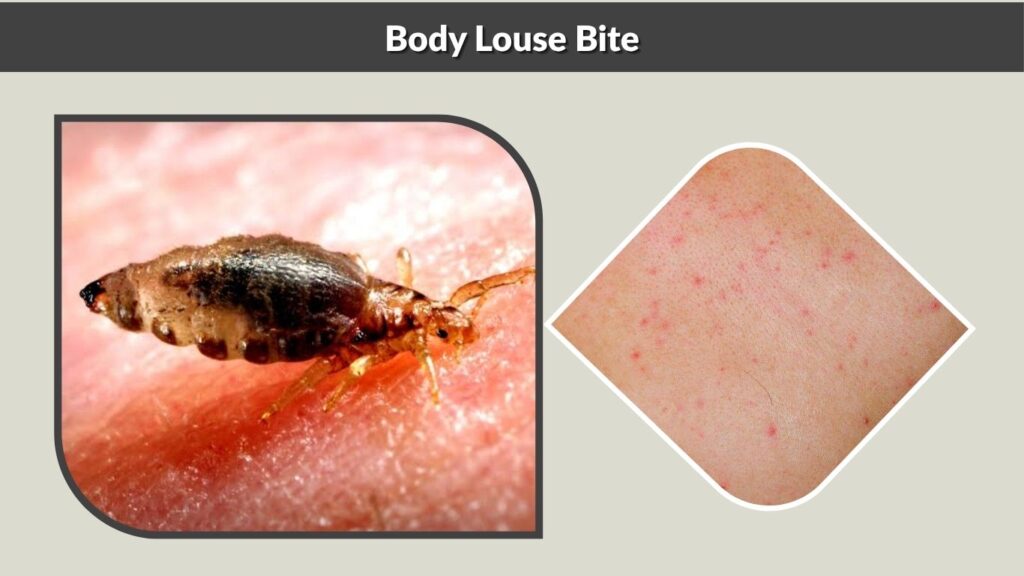
Body lice usually live and lay eggs in clothing seams, moving onto the skin to feed. Their bites can cause itching and irritated bumps, especially where clothing touches the body. Infestations are associated with limited access to clean clothing and regular bathing. Unlike head lice, body lice are usually found in garments rather than living continuously on the scalp.
Identification Signs
- Itchy bumps beneath clothing.
- Irritation around the waist, groin, or upper thighs.
- Scratch marks or sores on affected skin.
- Lice or eggs visible in clothing seams.
Long-standing infestations can cause thickened or darkened skin. Bite marks alone cannot confirm body lice.
Why Body Louse Bites Itch
The body reacts to saliva introduced during feeding. Repeated bites and scratching can keep the skin inflamed. Body lice can also transmit certain infections, making identification and removal important beyond relieving the itch.
How to Treat the Infestation
Regular bathing and changing into clean clothing are central to treatment. Wash affected clothing, towels, and bedding using hot water and a hot drying cycle suitable for the fabric. Items that cannot be washed need appropriate alternative handling. A healthcare professional can advise whether medication is necessary.
When to Seek Medical Advice
Seek medical assessment if you develop fever, headache, or feel unwell alongside a suspected infestation. Increasing pain, warmth, spreading redness, or discharge from scratched areas may indicate infection. Get help if access to washing facilities or clean clothing makes treatment difficult.
13. Pubic Louse Bite
Pubic lice, commonly called crabs, are small insects that usually infest coarse hair in the genital area. They may also occur in other coarse body hair. Their feeding can cause itching and skin irritation, but visible lice or firmly attached eggs provide stronger evidence than bite marks. They most often spread through close intimate contact and are different from head lice.
Identification Signs
- Itching in the pubic region.
- Small irritated bumps or scratch marks.
- Tiny, crab-shaped lice attached to coarse hair.
- Eggs attached firmly to hair shafts.
Occasionally, blue-gray spots appear on affected skin. Other conditions can cause genital itching, so these symptoms should not be used alone for diagnosis.
Why Pubic Louse Bites Itch
The skin reacts to louse saliva during feeding. Repeated scratching can worsen irritation and create sores. Shaving alone does not reliably eliminate an infestation, and ordinary washing is usually insufficient.
How to Treat the Infestation
Ask a pharmacist or healthcare professional about an appropriate pubic lice treatment and follow its instructions. Recent sexual partners should be informed and assessed. Avoid sexual contact until everyone affected has completed treatment successfully. Wash recently used clothing, towels, and bedding appropriately.
When to Seek Medical Advice
Seek advice if treatment fails, the diagnosis is uncertain, or sores appear infected. Lice affecting eyelashes require professional care; never apply ordinary lice products near the eyes. A clinician may also recommend testing for sexually transmitted infections.
14. Kissing Bug Bite
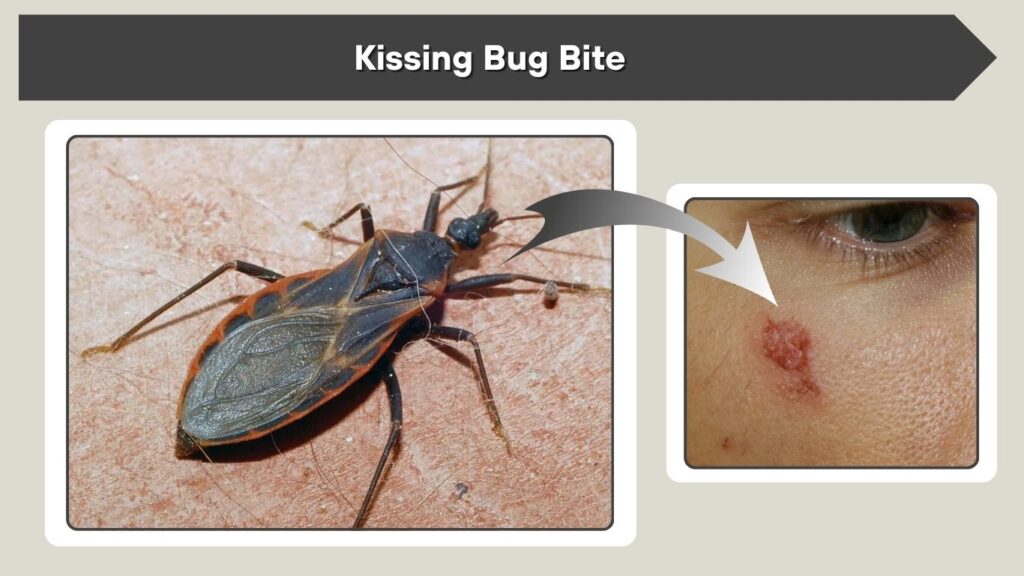
Kissing bugs are blood-feeding insects that may bite exposed skin while people sleep. Despite their name, they can bite areas other than the face. The bite may be unnoticed initially or produce an itchy, swollen bump. Skin reactions resemble those from other insects, so identifying the bug and considering where the exposure occurred are important.
Identification Signs
- An itchy, raised bump on exposed skin.
- Local swelling or irritation.
- One or several marks noticed after sleeping.
- A suspected kissing bug found nearby.
There is no distinctive bite pattern that reliably confirms a kissing bug. A photograph or safely contained specimen can help an expert identify the insect.
Why Kissing Bug Bites Matter
Some kissing bugs carry the parasite that causes Chagas disease. Transmission usually occurs when infected bug feces enter broken skin, the eyes, or the mouth—not simply through saliva injected during a bite. Many bites do not result in infection, but relevant exposure deserves assessment.
How to Care for the Bite
Wash the area gently with soap and water and avoid rubbing or scratching. Use a cool compress for discomfort. Do not crush or handle a suspected kissing bug with bare hands. Contact a healthcare professional or local public health service for identification and exposure advice.
When to Seek Medical Advice
Seek assessment after a suspected exposure, particularly in a region where Chagas disease occurs. Fever, persistent swelling, or swelling around one eye needs attention. Breathing difficulty or sudden throat swelling requires emergency care.
15. Biting Thrips Bite
Thrips are tiny, slender insects that mainly feed on plants. Some occasionally probe human skin, causing a brief prickling sensation or mild irritation. They do not rely on human blood and do not establish an infestation on people. Encounters may happen while gardening or near vegetation, but a skin mark alone cannot reliably distinguish thrips from other causes.
Identification Signs
- A brief pinching, pricking, or crawling sensation.
- A small irritated spot or bump.
- Mild itching after contact with vegetation.
- Tiny, slender insects seen on the skin or clothing.
Many encounters leave no noticeable mark. Persistent or extensive symptoms should prompt consideration of another cause.
Why Thrips Can Irritate Skin
Although adapted for feeding on plants, thrips may probe the skin during incidental contact. This can cause localized irritation in some people. They do not burrow into the skin, and repeated unexplained bumps should not automatically be attributed to thrips.
How to Care for the Affected Area
Brush the insect away gently and wash the skin with soap and water. A cool compress may ease irritation. Change clothing if insects remain on it, and avoid scratching. Do not apply garden pesticides or household insect sprays to your skin.
When to Seek Medical Advice
Seek medical advice if the reaction persists, spreads, or becomes increasingly painful. Warmth, pus, or fever may indicate another problem requiring assessment. A widespread rash or repeated unexplained lesions also warrants examination rather than assuming thrips are responsible.
