
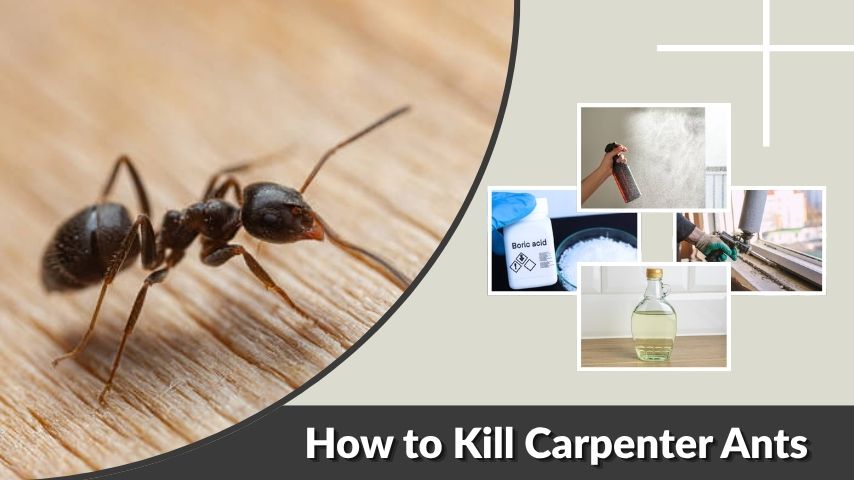
Carpenter ants are among the most destructive household pests because they tunnel through wood to create nests. Although they do not eat wood like termites, large colonies can weaken structural components over time. Homeowners often discover carpenter ants in walls, ceilings, trees, or damp wood around the property. The key to successful control is finding and eliminating the colony rather than simply killing visible ants. This guide explains how to identify, locate, and kill carpenter ants using proven DIY and professional methods.
How to Identify Carpenter Ants
Before attempting treatment, it is important to confirm that you are dealing with carpenter ants rather than termites or other ant species. Correct identification helps ensure you choose the most effective control strategy. Carpenter ants are typically large, black or reddish-black ants that are commonly found near moist or damaged wood.
Common Signs of Carpenter Ants
Several warning signs may indicate an active infestation:
- Large black ants inside the home
- Sawdust-like frass beneath wood structures
- Rustling sounds inside walls
- Winged swarmers during spring
- Ant trails leading to moisture-damaged areas
Carpenter Ants vs. Termites
Unlike termites, carpenter ants do not consume wood. Instead, they excavate smooth tunnels and galleries for nesting. Termites leave rough, mud-filled tunnels, while carpenter ants leave behind clean, polished passageways and wood shavings.
Why Carpenter Ants Invade Homes
Carpenter ants are attracted to environments that provide moisture, shelter, and food. Homes with water leaks, decaying wood, or easy access points often become prime nesting locations. Understanding why these ants invade can help homeowners eliminate the conditions that support infestations and reduce the likelihood of future problems.
Moisture-Damaged Wood
Damp wood is one of the most common attractants for carpenter ants. Areas around leaking roofs, plumbing fixtures, and poorly ventilated spaces frequently become nesting sites.
Easy Access to Food
Although they nest in wood, carpenter ants forage for food outdoors and indoors. Sweet substances, proteins, and pet food can attract worker ants into homes.
Protected Nesting Areas
Wall voids, attics, crawl spaces, and window frames offer safe, protected locations where colonies can expand without disturbance.
How to Find a Carpenter Ant Nest
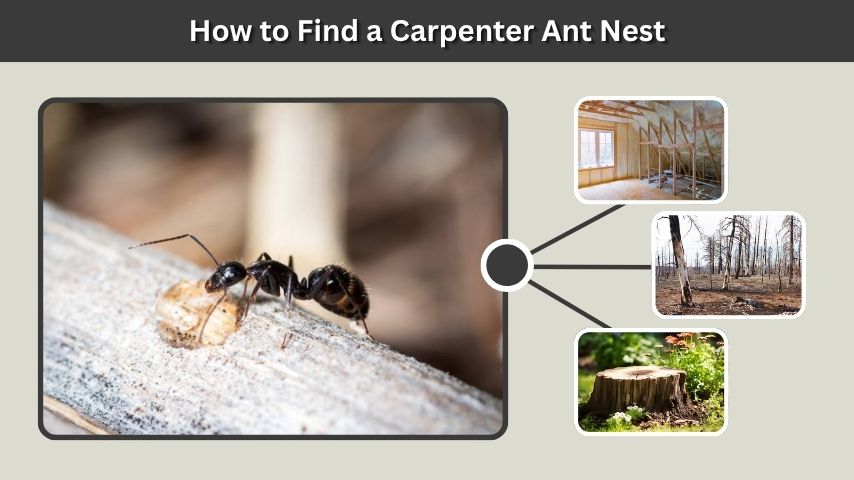
Finding the nest is often the most important step in eliminating carpenter ants. Killing a few workers will not solve the problem if the queen and colony remain active. Careful observation of ant activity can help identify where the nest is located and how extensive the infestation may be.
Indoor Nesting Locations
Carpenter ants commonly establish nests in:
- Wall voids
- Ceiling cavities
- Attic beams
- Window frames
- Moist subfloors
Outdoor Nesting Locations
Outdoor colonies are frequently found in:
- Dead trees
- Tree stumps
- Firewood piles
- Wooden fences
- Landscape timbers
Following Ant Trails
Worker ants often travel predictable routes between food sources and their nest. Observing these trails during evening hours can help homeowners locate hidden colonies.
How to Kill Carpenter Ants in Your House
Once the nest location has been identified, treatment can begin. The most effective methods focus on eliminating the entire colony rather than simply killing visible ants. Combining baiting and direct treatment often produces the best results.
Using Ant Baits
Baits are one of the most effective carpenter ant control methods. Workers carry the bait back to the colony, where it is shared with other ants, including the queen. This approach allows the treatment to spread throughout the nest.
Applying Insecticidal Dust
Dust formulations can be injected into wall voids and other inaccessible spaces. These products remain effective for extended periods and can reach ants hidden deep within nesting galleries.
Direct Nest Treatment
If the nest is accessible, applying insecticide directly into the colony can provide rapid results. Direct treatment is particularly effective for nests found in exposed wood, stumps, or outdoor structures.
How to Kill Carpenter Ants in Walls
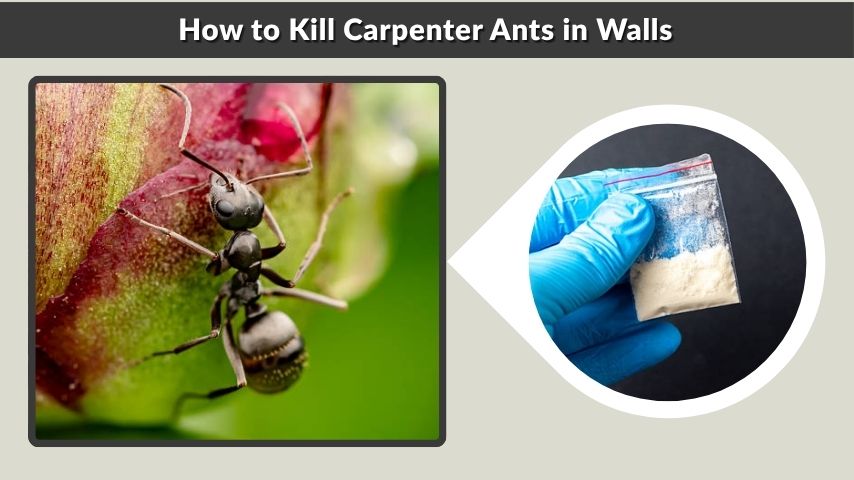
Wall infestations can be challenging because the colony is often hidden from view. Effective treatment requires targeting the nest without causing unnecessary damage to the structure. Patience and proper application methods are essential for long-term success.
Confirm the Nest Location
Before treatment, verify that the colony is inside the wall. Signs such as rustling sounds, visible worker activity, and piles of frass can help pinpoint the nesting area.
Use Dust Treatments
Insecticidal dust is commonly used for wall infestations because it penetrates voids and reaches hidden ants. Small access holes can allow treatment without extensive wall removal.
Monitor Ant Activity
After treatment, continue monitoring the area for several weeks. Activity may initially increase as disturbed ants move throughout the colony. A gradual decline usually indicates that the treatment is working.
How to Kill a Carpenter Ant Colony
Eliminating the entire colony is the ultimate goal of carpenter ant control. Successful treatment requires reaching the queen and all supporting workers. Partial treatments often result in satellite colonies surviving and continuing the infestation.
Target the Queen
The queen is responsible for reproduction and colony growth. If she survives, the colony can recover even after many workers have been eliminated.
Eliminate Satellite Colonies
Large infestations frequently contain multiple satellite nests. Identifying and treating every active colony is essential for complete eradication.
Be Patient
Colony elimination is not always immediate. Depending on the treatment method, it may take several weeks for bait products and insecticides to eliminate all colony members.
How to Kill Carpenter Ants Naturally
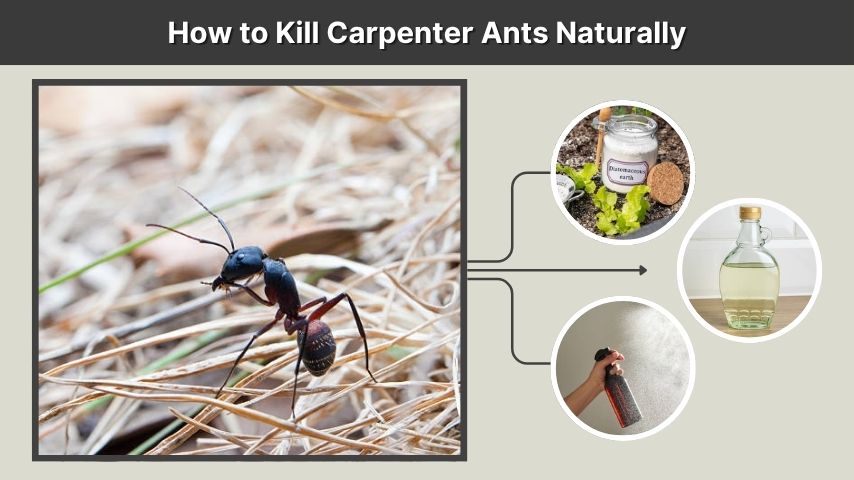
Many homeowners prefer natural treatment methods before using chemical insecticides. While natural solutions may require more time and persistence, they can help reduce carpenter ant activity and eliminate smaller infestations. These methods work best when combined with proper sanitation and moisture control to make the environment less attractive to ants.
Effective Natural Remedies
Several natural methods can help control carpenter ants:
- Diatomaceous earth
- Borax bait mixtures
- Boric acid dust
- Vinegar cleaning solutions
- Essential oil sprays
Benefits of Natural Treatments
Natural solutions generally have lower toxicity than conventional insecticides and can be useful in homes with children or pets. However, they may take longer to eliminate an entire colony.
Limitations to Consider
Large infestations often require stronger treatment methods. Natural remedies are most effective when used early and applied consistently over time.
How to Use Borax to Kill Carpenter Ants
Borax is one of the most popular DIY carpenter ant treatments. It works by disrupting the digestive system of ants after they consume bait containing the product. Because worker ants carry the bait back to the colony, borax can help eliminate multiple colony members over time.
Making a Borax Ant Bait
A simple bait can be prepared by mixing:
- Borax
- Sugar or honey
- Water
The sweet ingredient attracts worker ants while the borax acts as the active control agent.
Where to Place Borax Bait
Place bait stations near active ant trails, entry points, and areas where workers are frequently observed. Avoid placing bait directly inside food preparation areas.
How Long Does Borax Take to Work?
Results may begin appearing within a few days, but complete colony elimination often requires several weeks depending on colony size and bait acceptance.
How to Use Boric Acid to Kill Carpenter Ants
Boric acid functions similarly to borax and is commonly used in dust and bait formulations. When applied correctly, it can be an effective solution for treating carpenter ant nests in walls, crawl spaces, and other hidden locations.
Boric Acid Dust Applications
Dust treatments are particularly useful for:
- Wall voids
- Attic spaces
- Crawl spaces
- Window frames
- Structural cavities
Creating Boric Acid Baits
Boric acid can also be combined with sweet attractants to create slow-acting baits that worker ants transport back to the nest.
Safety Considerations
Always follow product instructions and keep boric acid products away from children, pets, and food preparation surfaces.
How to Kill Carpenter Ants Outside
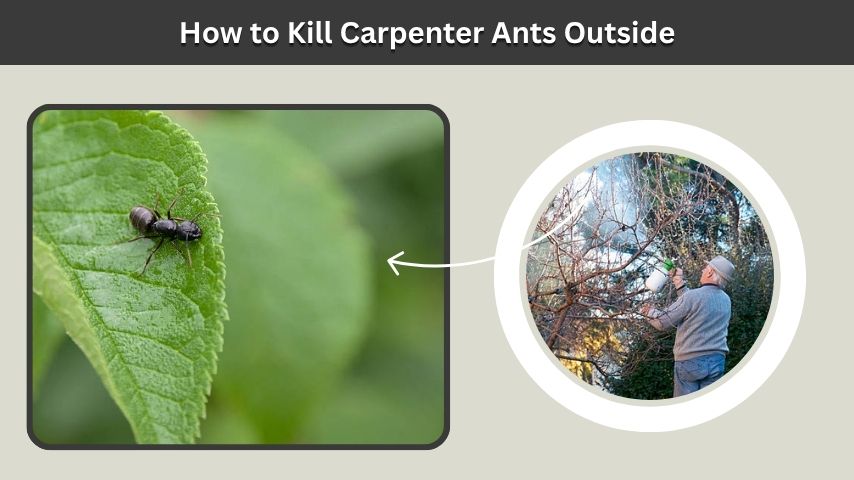
Outdoor colonies often serve as the source of indoor infestations. Eliminating exterior nests helps prevent workers from entering the home and establishing satellite colonies indoors.
Common Outdoor Nesting Areas
Carpenter ants frequently nest in:
- Dead trees
- Tree stumps
- Firewood piles
- Wooden decks
- Fence posts
Treating Outdoor Colonies
Direct nest treatments can be effective when the colony is accessible. Insecticidal dusts, baits, and targeted sprays are commonly used to eliminate outdoor nests.
Protecting the Property
Removing damaged wood, improving drainage, and reducing moisture levels can make the property less attractive to future carpenter ant colonies.
How to Kill Carpenter Ants in Trees
Carpenter ants often inhabit dead, dying, or moisture-damaged trees. Although they rarely kill healthy trees directly, their presence may indicate existing structural problems within the wood.
Identifying Tree Infestations
Signs of carpenter ants in trees include visible worker activity, sawdust-like frass, and openings in damaged sections of the trunk or branches.
Treating Infested Trees
Depending on the severity of the infestation, treatment options may include direct nest applications, baiting programs, or removal of severely damaged wood.
Saving Healthy Trees
If the tree remains healthy, addressing moisture issues and removing damaged sections may help eliminate nesting opportunities without removing the entire tree.
Best Carpenter Ant Killers
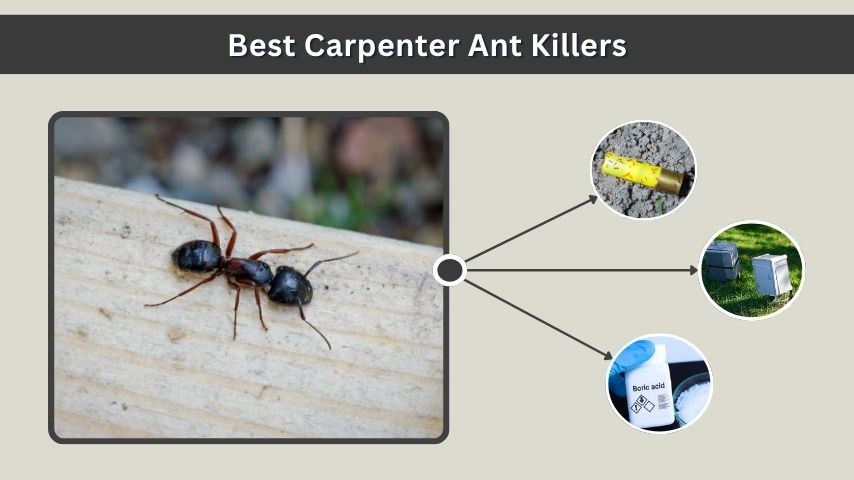
Numerous products are available for carpenter ant control. The best choice depends on colony location, infestation severity, and personal preferences regarding chemical or natural treatments.
Popular Carpenter Ant Control Products
- Terro Carpenter Ant Bait
- BioAdvanced Carpenter Ant and Termite Killer
- Borax bait stations
- Boric acid dust
- Professional-grade ant baits
Choosing the Right Product
Products designed for colony elimination are generally more effective than contact sprays alone. Baits often provide the most reliable long-term results because they target the entire colony.
How Long Does It Take to Kill Carpenter Ants?
Treatment timelines vary depending on the method used, colony size, and environmental conditions. Some treatments provide quick reductions in visible activity, while complete colony elimination may take longer.
Typical Treatment Timelines
- Contact sprays: Hours to days
- Dust treatments: Several days
- Borax baits: One to four weeks
- Professional bait systems: Two to six weeks
Factors Affecting Results
Colony size, nest location, and the presence of satellite colonies can all influence how quickly carpenter ants are eliminated.
Preventing Carpenter Ants from Returning
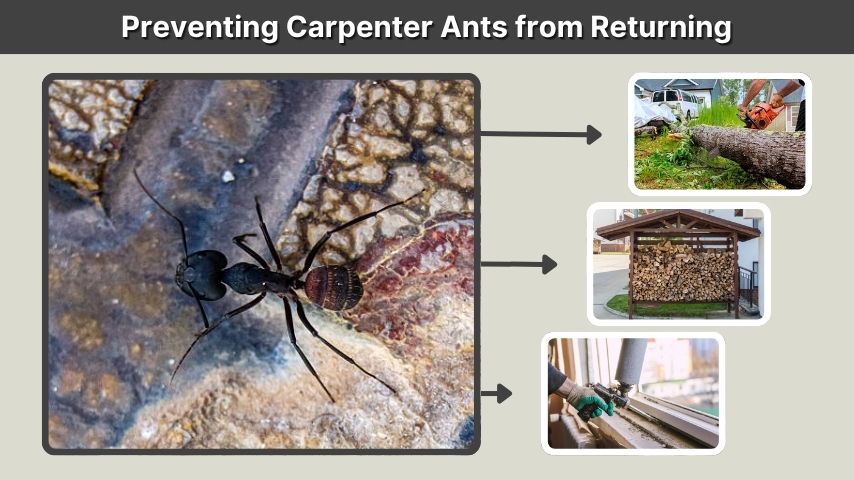
Successful carpenter ant control does not end when the colony is eliminated. Prevention is essential for reducing the risk of future infestations and protecting the home from recurring problems.
Effective Prevention Tips
- Repair water leaks promptly
- Remove moisture-damaged wood
- Store firewood away from structures
- Seal cracks and entry points
- Trim tree branches away from the house
Routine Inspections
Regular inspections allow homeowners to identify early signs of activity before infestations become severe. Monitoring vulnerable areas can save significant time and repair costs.
FAQs
What kills carpenter ants the fastest?
Direct nest treatments and professional-grade insecticides often provide the fastest results. However, bait systems are usually more effective for eliminating the entire colony.
Does borax kill carpenter ant colonies?
Yes. When worker ants carry borax bait back to the nest, it can gradually spread throughout the colony and help eliminate workers and the queen.
How long does it take to kill a carpenter ant colony?
Most bait-based treatments require one to six weeks to eliminate a colony, depending on its size and location.
Can carpenter ants damage a house?
Yes. Carpenter ants excavate wood to create nesting galleries, which can weaken structural components if infestations are left untreated.
Should I call a professional for carpenter ants?
Professional treatment is often recommended for large infestations, hidden nests, recurring problems, or colonies located in difficult-to-access areas.
