
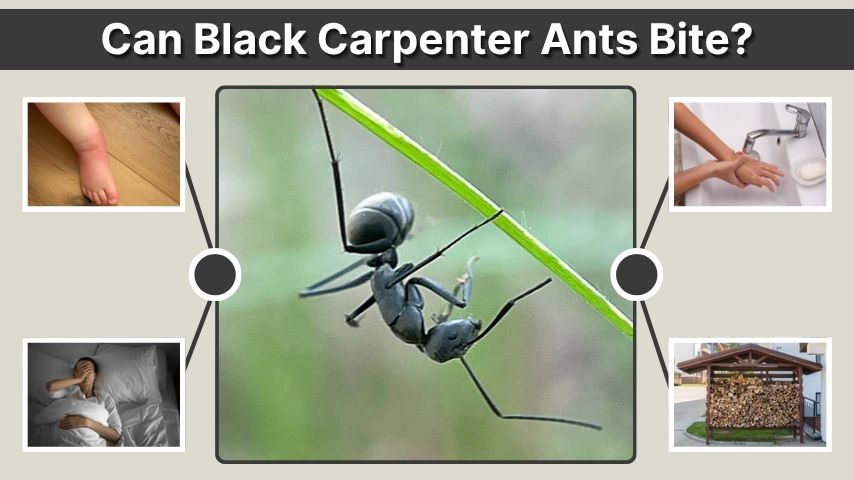
Carpenter ants can bite humans, but they usually do not bite unless they feel threatened, are handled, or their nest is disturbed. These ants use strong jaws to chew wood and defend themselves, so a bite may feel like a sharp pinch. Most carpenter ant bites are mild and not dangerous. However, some people may notice redness, itching, swelling, or a burning feeling. Understanding why carpenter ants bite can help you avoid discomfort and know when a bite needs care.
Can Carpenter Ants Bite Humans?
Carpenter ants can bite humans, but they are not aggressive pests that actively look for people to attack. They are more interested in food, moisture, and nesting areas than biting skin. A bite usually happens by accident or in self-defense. If you disturb a nest, pick up an ant, or press one against your skin, it may bite to protect itself.
Why Carpenter Ants Bite
Carpenter ants have strong mandibles, which are jaw-like mouthparts. They use these mandibles to carry food, remove wood particles, and protect the colony. Since carpenter ants build nests in wood, their jaws are strong enough to make their bite noticeable.
A carpenter ant bite is usually defensive. The ant may bite if it feels trapped, crushed, or threatened. This is why bites are more likely when someone handles infested wood, works near a nest, or tries to remove ants without protection.
Can a Carpenter Ant Bite You?
Yes, a carpenter ant can bite you. The bite may feel like a quick pinch or a small sting-like pain. Some people also feel mild burning because carpenter ants may release formic acid when they bite. This can make the skin feel irritated for a short time.
Most bites do not cause serious problems. The area may become slightly red, itchy, or swollen, but symptoms often improve with simple home care.
What Does a Carpenter Ant Bite Look and Feel Like?
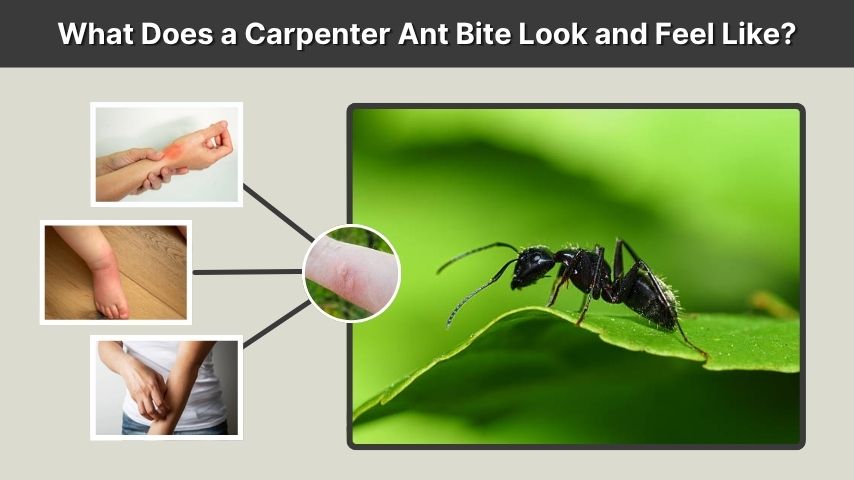
A carpenter ant bite is usually small and mild. It may not look serious, but it can feel uncomfortable for a few minutes or longer. The reaction depends on your skin sensitivity and whether the ant released irritating chemicals during the bite. In most cases, the mark stays local and does not spread across the body.
Common Carpenter Ant Bite Symptoms
A carpenter ant bite may cause:
- A sharp pinch at the time of the bite
- Mild redness around the bite area
- Slight swelling
- Itching or irritation
- A burning feeling
- Tenderness when touched
These symptoms are usually temporary. Many people feel better after washing the area and using a cold compress. However, scratching the bite can irritate the skin and may increase the risk of infection.
Why the Bite May Burn
The burning feeling is often linked to formic acid. Carpenter ants do not sting like fire ants, bees, or wasps, but they can bite with their jaws and may spray or release formic acid near the bite. This can make the bite feel stronger than a simple pinch.
Even though the burning may be annoying, it is usually not dangerous for most people. The discomfort should stay around the bite area and improve over time.
Can Black Carpenter Ants Bite?
Black carpenter ants can bite, just like other carpenter ants. Many people notice black carpenter ants because they are large and easy to see indoors or around wood. Their size can make them look more threatening, but their behavior is still mostly defensive. They do not usually bite unless they are touched, trapped, or disturbed.
Are Black Carpenter Ants Dangerous?
Black carpenter ants are not usually dangerous to humans. Their bite can hurt, but it is not normally a medical emergency. They do not spread disease through biting in the way some pests can, and they do not inject venom through a stinger.
The bigger problem with black carpenter ants is often the nest. They can tunnel through damp or damaged wood to create galleries. This can weaken wood over time if the infestation is not handled.
When Black Carpenter Ants May Bite
Black carpenter ants are more likely to bite when:
- You pick them up with bare hands
- You crush one against your skin
- You disturb a colony inside wood
- You move logs, firewood, or damp boards
- You try to remove an infestation without gloves
If you see many black carpenter ants indoors, especially near windows, walls, kitchens, bathrooms, or damp wood, the issue may be larger than a few random ants. It may point to a nearby nest or moisture problem.
Can Carpenter Ant Bites Make You Sick?
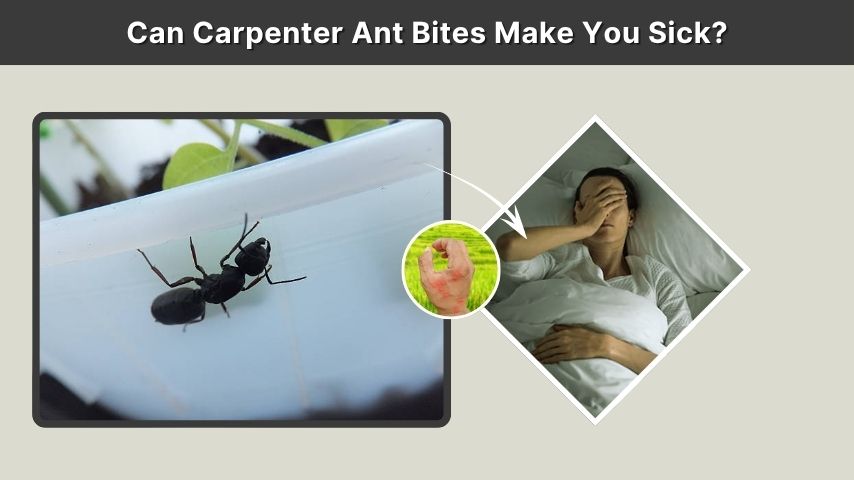
Carpenter ant bites usually do not make people sick. Most bites cause only local skin symptoms, such as redness, itching, mild swelling, or short-term burning. According to general medical guidance on insect bites, most minor bites and stings can be treated at home, though some people can have stronger allergic reactions.
Normal Reaction After a Bite
A normal carpenter ant bite reaction stays near the bite area. The skin may look red or slightly raised, and it may itch for a short time. Mild swelling can happen, especially if your skin is sensitive.
This type of reaction is usually not serious. Washing the bite, applying something cold, and avoiding scratching are often enough to help the skin calm down.
When a Bite May Be a Concern
A carpenter ant bite may need more attention if the skin reaction becomes worse instead of better. This does not mean the ant bite itself is highly dangerous, but broken or scratched skin can sometimes become irritated or infected. People with sensitive skin or insect allergies should also watch symptoms more carefully.
Get medical advice if you notice spreading redness, increasing pain, pus, warmth around the bite, fever, dizziness, or swelling of the lips, face, or throat. Trouble breathing after any insect bite should be treated as an emergency.
Can a Carpenter Ant Bite Kill You?
A carpenter ant bite is extremely unlikely to kill you. These ants do not have a stinger, and they are not known for injecting dangerous venom into people. For most people, the bite is a minor skin irritation rather than a serious health risk. The main concerns are pain, itching, infection from scratching, or a rare allergic reaction.
Why Carpenter Ant Bites Are Usually Not Life-Threatening
Carpenter ants bite with their jaws, not with a venomous stinger. This makes them different from insects such as bees, wasps, or fire ants. The bite may hurt because the ant has strong mandibles, and the area may burn if formic acid irritates the skin.
Still, the reaction usually stays local. A small red mark, mild swelling, or short-term itching is common. These symptoms often improve with basic first aid and do not require emergency treatment.
When to Seek Emergency Help
Although serious reactions are rare, any insect bite can become dangerous if a person has a severe allergic reaction. You should seek emergency help if symptoms affect breathing, circulation, or the face and throat.
Emergency warning signs may include:
- Trouble breathing
- Tightness in the chest
- Swelling of the lips, tongue, throat, or face
- Dizziness or fainting
- Rapid spreading rash or hives
- Severe weakness after the bite
These symptoms are not typical of carpenter ant bites, but they should never be ignored.
How to Treat a Carpenter Ant Bite
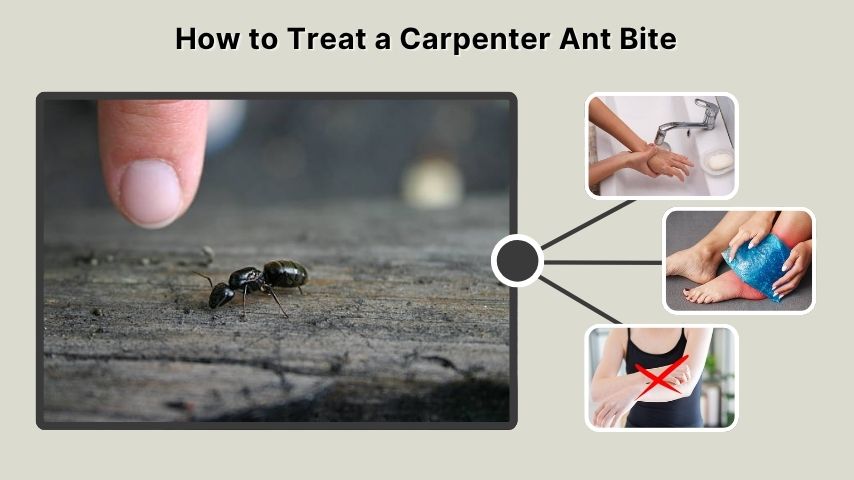
Most carpenter ant bites can be treated at home with simple care. The goal is to clean the skin, reduce irritation, and avoid scratching. Because the bite is usually mild, symptoms often improve without special treatment. However, you should continue watching the area for signs of infection or allergic reaction, especially if the bite becomes more painful.
Basic Home Treatment
You can treat a mild carpenter ant bite by following these steps:
- Wash the bite with soap and clean water
- Apply a cold compress for swelling or burning
- Avoid scratching the area
- Use an over-the-counter anti-itch cream if needed
- Keep the bite clean and dry
- Watch for worsening redness, pus, or pain
If the bite is itchy, scratching may make it worse. It can also break the skin and increase the chance of infection.
When to Call a Doctor
Call a doctor if the bite does not improve, becomes more swollen, or starts to look infected. You should also get medical advice if you have a history of serious insect allergies or if several bites cause a stronger reaction than expected.
Children, older adults, and people with weak immune systems may need closer attention if symptoms continue or worsen.
How to Avoid Carpenter Ant Bites
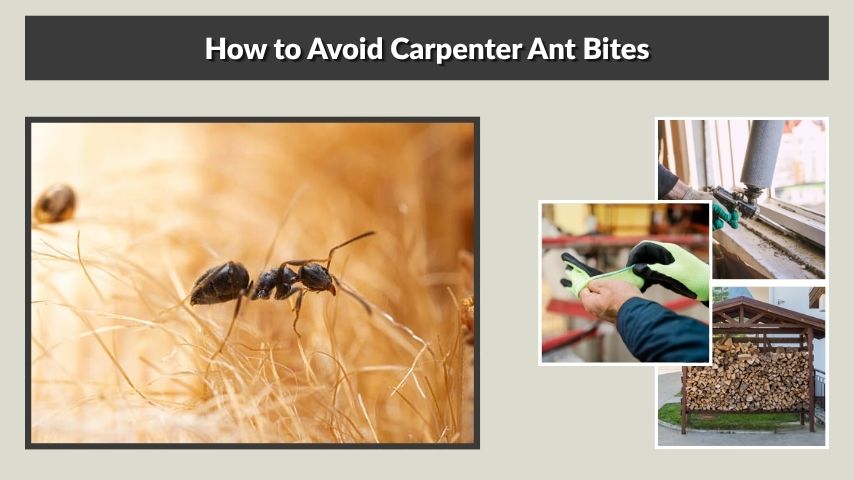
Avoiding carpenter ant bites is mostly about avoiding direct contact. Since these ants usually bite only when threatened, you can lower your risk by not touching them and by being careful around wood where they may nest. Preventing infestations is also important because more ants in the home can increase the chance of accidental contact.
Prevention Tips Around the Home
To reduce the chance of carpenter ant bites:
- Do not pick up carpenter ants with bare hands
- Wear gloves when moving damp wood or firewood
- Avoid disturbing suspected nests
- Seal cracks and gaps around the home
- Fix leaks and moisture problems
- Remove rotting wood near the house
- Store firewood away from exterior walls
These steps can help protect your skin and reduce the conditions that attract carpenter ants.
Why Infestation Control Matters
The biggest issue with carpenter ants is not usually biting. It is the possibility of a nest inside damp or damaged wood. Carpenter ants do not eat wood like termites, but they tunnel through it to build galleries. Over time, a large colony may damage wooden areas if the moisture problem and nest are not addressed.
If you see carpenter ants often indoors, especially large black ants, it may be a sign of a hidden nest. In that case, inspection and pest control may be needed.
Final Answer: Can Carpenter Ants Bite You?
Yes, carpenter ants can bite you. Black carpenter ants can bite too. However, they usually bite only when they are handled, trapped, crushed, or defending their nest. A carpenter ant bite may feel like a pinch and may cause mild redness, itching, swelling, or burning.
For most people, carpenter ant bites are not dangerous and do not make them sick. They are extremely unlikely to kill a person. Still, you should clean the bite, avoid scratching, and seek medical help if you notice infection signs or symptoms of a serious allergic reaction.
FAQs
Can carpenter ants bite?
Yes, carpenter ants can bite. They usually bite only when they feel threatened, are handled, or their nest is disturbed. The bite may feel like a sharp pinch and can cause mild redness, itching, swelling, or burning.
Can carpenter ants bite humans?
Yes, carpenter ants can bite humans, but they do not usually attack people. Most bites happen when someone accidentally touches, traps, or crushes an ant. They are defensive insects, not pests that seek humans to bite.
Can black carpenter ants bite?
Yes, black carpenter ants can bite. Their bite can be noticeable because they are often larger than many common household ants. However, black carpenter ants are not usually dangerous to humans and do not have a venomous stinger.
Can carpenter ant bites make you sick?
Carpenter ant bites usually do not make people sick. Most reactions are mild and limited to the bite area. However, you should watch for infection, worsening swelling, spreading redness, or allergic symptoms such as trouble breathing or facial swelling.
Can a carpenter ant bite kill you?
A carpenter ant bite is extremely unlikely to kill you. These ants do not inject dangerous venom. The main risks are minor pain, skin irritation, infection from scratching, or a rare allergic reaction after an insect bite.
