
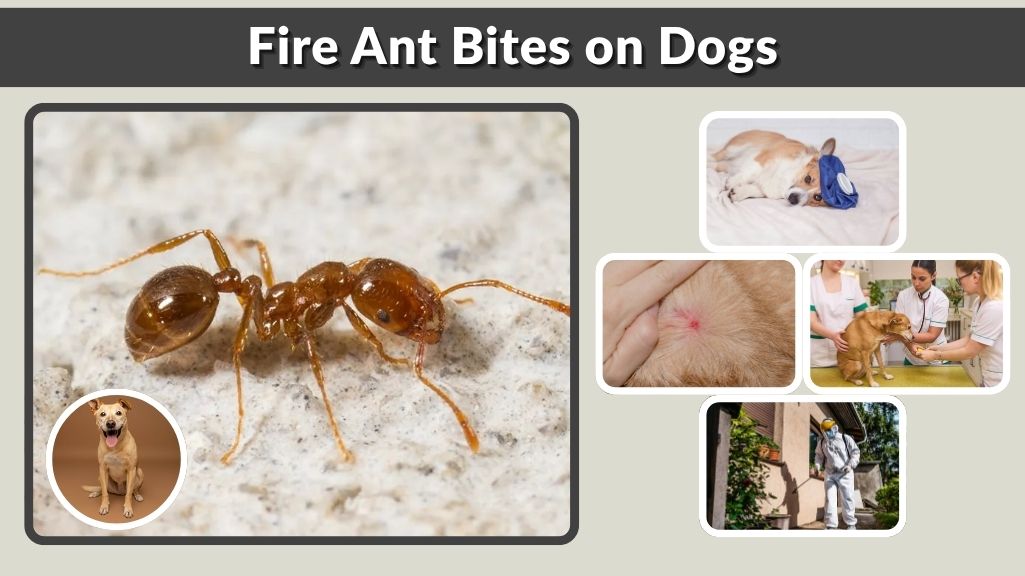
Fire ant bites on dogs are a common problem in areas where fire ants thrive, especially during warmer months. Curious dogs often step on ant mounds or sniff around them, leading to multiple painful stings. While most dogs experience mild discomfort, some can develop severe swelling, allergic reactions, or infections that require veterinary care. Understanding the signs of fire ant bites, knowing how to treat them, and recognizing when emergency help is needed can help keep your dog safe and comfortable during recovery.
What Happens When a Fire Ant Bites a Dog?
Fire ants are aggressive insects that attack when their nests are disturbed. Unlike many other ants, they use their jaws to grip the skin and sting multiple times. Each sting injects venom that causes pain, inflammation, and irritation. Dogs commonly get bitten on their paws, face, nose, belly, and legs because these areas often come into contact with ant mounds.
How Fire Ants Attack
When a dog accidentally steps on or investigates a fire ant mound, hundreds of ants can quickly climb onto its body. The ants bite to anchor themselves and then sting repeatedly. This can result in dozens of stings within seconds.
Are Fire Ant Bites Dangerous for Dogs?
Most fire ant bites cause temporary discomfort and swelling. However, some dogs are more sensitive to the venom and may experience severe allergic reactions. Puppies, senior dogs, and small breeds can be particularly vulnerable because their bodies may struggle to handle multiple stings.
What Do Fire Ant Bites Look Like on Dogs?
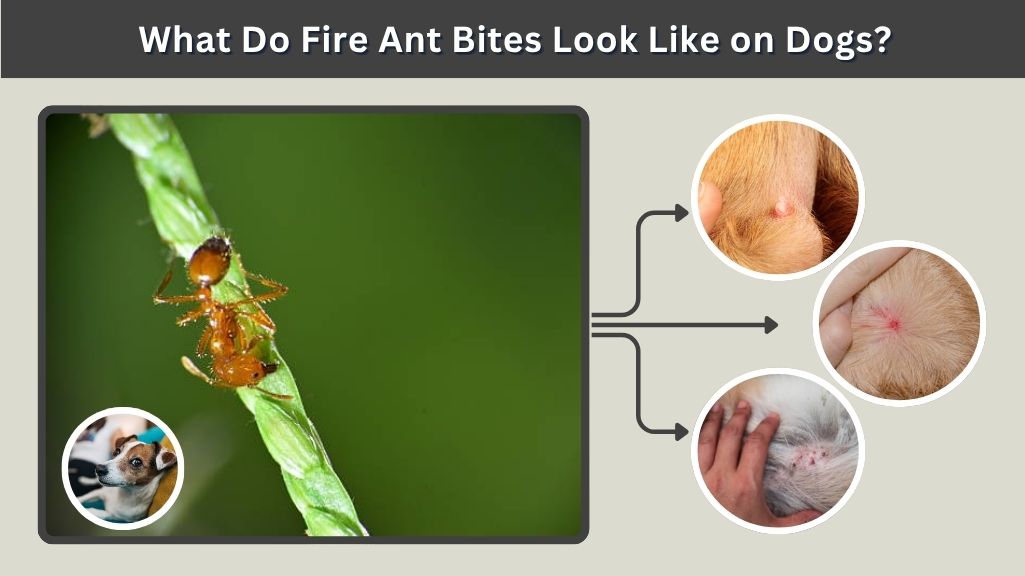
Identifying fire ant bites early can help prevent complications. The appearance of the bites may vary depending on the number of stings and your dog’s sensitivity to the venom. In many cases, symptoms become noticeable within a few hours after exposure.
Common Signs of Fire Ant Bites
Fire ant bites on dogs often appear as:
- Small red bumps on the skin
- Swollen or raised areas
- White or yellow pustules that form within a day
- Excessive licking or chewing of the affected area
- Skin redness and irritation
- Mild rash around multiple sting sites
Areas Most Commonly Affected
Dogs are most often bitten on:
- Paws and between the toes
- Nose and muzzle
- Lips and mouth
- Belly and stomach
- Legs and lower body
These areas usually make direct contact with ants while dogs are walking, digging, or exploring outdoors.
Symptoms of Fire Ant Bites on Dogs
The symptoms of fire ant bites can range from mild irritation to serious medical emergencies. Monitoring your dog closely during the first 24 hours is important because reactions can worsen quickly in some cases.
Mild Symptoms
Many dogs only experience mild reactions that improve within a few days. Common symptoms include localized pain, itching, and swelling around the bite area. Dogs may repeatedly lick their paws or rub their face against furniture in an attempt to relieve the irritation.
Moderate Symptoms
Some dogs develop more noticeable reactions. Swelling may spread beyond the sting site, making it uncomfortable to walk or eat if bites occur on the paws or face. The affected skin may become warm and tender to the touch. In these cases, treatment is often needed to reduce discomfort and prevent further irritation.
Severe Symptoms
Seek immediate veterinary attention if your dog develops any of the following symptoms:
- Difficulty breathing
- Severe facial swelling
- Excessive drooling
- Vomiting or diarrhea
- Weakness or collapse
- Pale gums
- Loss of consciousness
These signs may indicate an allergic reaction that requires emergency treatment.
Fire Ant Bites on Dog Paws
The paws are among the most common locations for fire ant bites because dogs frequently step directly onto ant mounds. Multiple stings between the toes can be particularly painful and may interfere with normal movement.
Signs of Paw Bites
A dog with fire ant bites on its paw may limp, hold the affected foot off the ground, or refuse to walk. Swelling between the toes is common, and dogs often lick or chew the area continuously. In some cases, small pustules may develop within 24 hours.
How to Treat Fire Ant Bites on a Dog’s Paw
Begin by gently washing the paw with cool water and mild soap to remove dirt and remaining ants. Applying a cool compress can help reduce swelling and soothe discomfort. Prevent your dog from licking the area excessively, as this can increase irritation and raise the risk of infection. If swelling becomes severe or walking remains difficult, consult your veterinarian for further evaluation.
Fire Ant Bites on a Dog’s Face, Nose, Lips, and Mouth
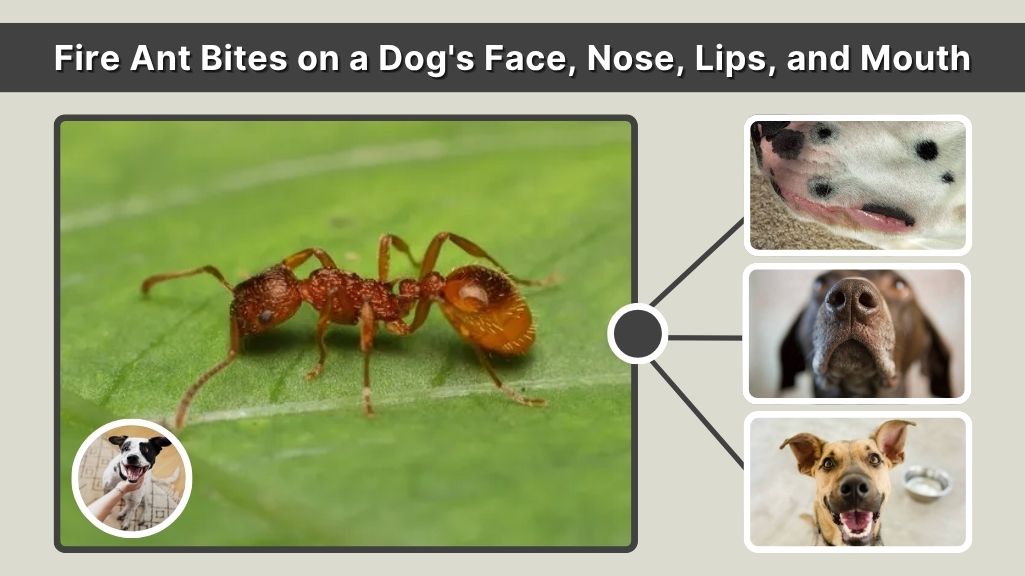
Bites around the face can be more concerning than bites on other parts of the body. Dogs often investigate ant mounds with their noses, making facial stings a common occurrence. Because the face contains sensitive tissues and airways, swelling in this area should always be monitored carefully.
Why Facial Bites Are More Serious
The nose, lips, and mouth can swell significantly after fire ant stings. In some cases, swelling may interfere with breathing, eating, or drinking. Dogs may paw at their faces, drool excessively, or appear distressed due to pain and irritation.
When to Contact a Veterinarian
Veterinary care is recommended if facial swelling continues to worsen, spreads rapidly, or affects your dog’s ability to breathe. Immediate treatment is especially important when bites occur inside the mouth or near the eyes.
How to Treat Fire Ant Bites on Dogs
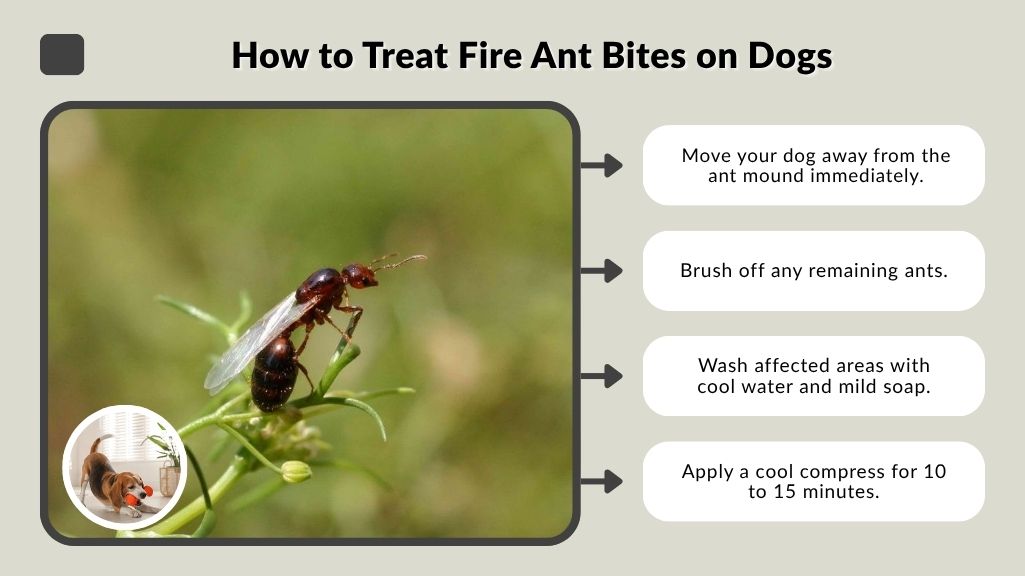
Proper treatment can reduce discomfort, minimize swelling, and help prevent complications. The sooner you respond after discovering the bites, the better the chances of a quick recovery.
First Aid Steps
Follow these basic steps after a fire ant attack:
- Move your dog away from the ant mound immediately.
- Brush off any remaining ants.
- Wash affected areas with cool water and mild soap.
- Apply a cool compress for 10 to 15 minutes.
- Monitor for signs of allergic reactions.
- Prevent excessive licking or scratching.
Medications That May Help
Your veterinarian may recommend medications to reduce itching and swelling. Depending on the severity of the reaction, treatment may include antihistamines, anti-inflammatory medications, or prescription creams. Never give human medications without veterinary approval.
Home Remedies for Fire Ant Bites on Dogs
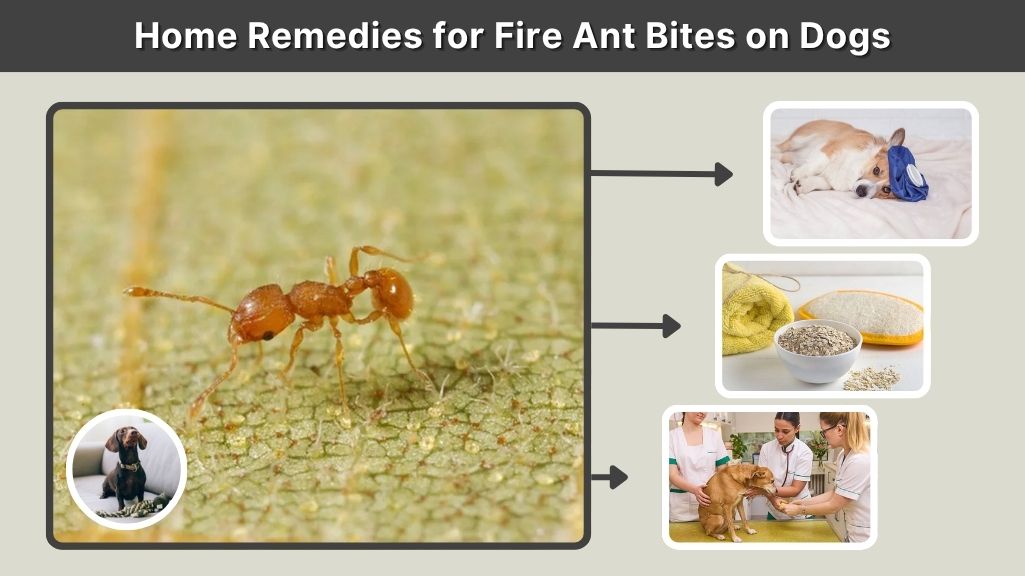
Many mild fire ant bites can be managed at home while healing naturally. Home care should focus on keeping the dog comfortable and preventing secondary infections.
Safe Home Remedies
Several simple remedies may help soothe irritated skin:
- Cool compresses to reduce swelling
- Oatmeal baths for itching relief
- Keeping the affected area clean
- Limiting outdoor activity during recovery
- Using veterinarian-approved topical treatments
Remedies to Avoid
Some common household products may actually worsen irritation or be unsafe for pets. Avoid applying alcohol, essential oils, strong antiseptics, or human skin medications unless specifically recommended by your veterinarian.
Infected Fire Ant Bites on Dogs
Although most bites heal without problems, infections can occur if dogs repeatedly lick, scratch, or chew the affected area. Broken skin creates an opportunity for bacteria to enter and cause complications.
Signs of Infection
Watch for the following symptoms:
- Pus-filled bumps
- Increased redness
- Warm skin around the bite
- Unpleasant odor
- Persistent swelling
- Delayed healing
- Increased pain or sensitivity
Treatment for Infected Bites
If an infection develops, veterinary treatment may be necessary. Your veterinarian may prescribe antibiotics, medicated shampoos, or topical treatments to eliminate bacteria and promote healing. Early treatment helps prevent more serious skin conditions.
Allergic Reactions to Fire Ant Bites in Dogs
While uncommon, allergic reactions are among the most dangerous complications associated with fire ant stings. Dogs that have reacted to insect stings in the past may face a higher risk of severe reactions.
Mild Allergic Reactions
A mild allergic response may include increased itching, hives, or swelling beyond the immediate sting area. These symptoms often improve with appropriate veterinary treatment and close monitoring.
Severe Allergic Reactions
Severe reactions, also known as anaphylaxis, can become life-threatening within minutes. Symptoms may include difficulty breathing, severe facial swelling, vomiting, weakness, collapse, and shock. Emergency veterinary care is essential if these signs appear.
How Long Do Fire Ant Bites Last on Dogs?
Recovery time depends on the number of bites, the location of the stings, and your dog’s individual response. Most dogs begin to feel better within a few days, though some symptoms may persist longer.
Typical Healing Timeline
In general:
- Day 1: Pain, redness, and swelling appear.
- Days 2–3: Pustules may form.
- Days 4–7: Swelling and irritation gradually improve.
- One to two weeks: Most mild bites heal completely.
Dogs with infections or allergic reactions may require a longer recovery period.
How to Prevent Fire Ant Bites on Dogs
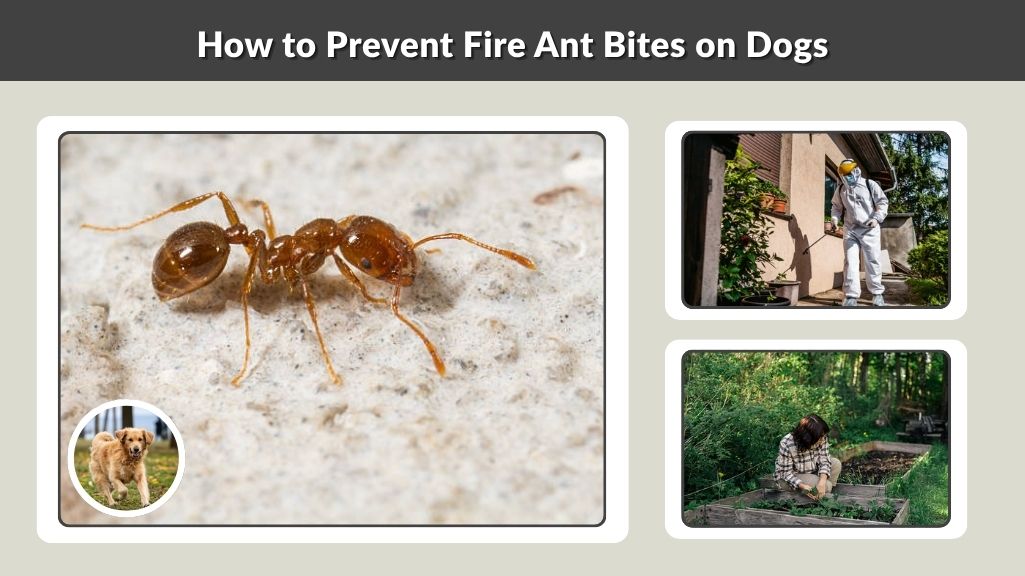
Prevention is the best way to protect your dog from painful stings and potential complications. Reducing exposure to fire ant colonies can significantly lower the risk of future incidents.
Prevention Tips
Consider the following strategies:
- Regularly inspect your yard for fire ant mounds.
- Avoid walking dogs near visible ant colonies.
- Keep dogs on designated paths during outdoor activities.
- Supervise curious puppies closely.
- Contact pest control professionals for severe infestations.
- Check paws and skin after outdoor adventures.
Protecting Small Dogs and Puppies
Smaller dogs are often more vulnerable because they can receive a higher venom dose relative to their body weight. Extra supervision and rapid treatment are especially important for puppies and toy breeds.
When Should You Call a Veterinarian?
Most fire ant bites heal without major complications, but certain situations require professional care. Knowing when to seek help can prevent serious health problems and improve recovery outcomes.
Contact Your Veterinarian If:
- Your dog has dozens of bites.
- Swelling continues to worsen.
- Bites occur near the eyes or inside the mouth.
- Signs of infection develop.
- Your dog refuses food or water.
- Breathing becomes difficult.
- Severe allergic symptoms appear.
Early intervention can make a significant difference, particularly when dealing with allergic reactions or infected bite sites.
FAQs
Can fire ant bites kill a dog?
In most cases, fire ant bites are not fatal. However, a large number of stings or a severe allergic reaction (anaphylaxis) can become life-threatening. Small dogs, puppies, and dogs with known insect sting allergies are at greater risk and may require immediate veterinary care.
What should I put on my dog’s fire ant bites?
You can gently clean the affected area with cool water and mild soap, then apply a cool compress to reduce swelling. Veterinarian-approved anti-itch creams or medications may also help. Always consult your veterinarian before using any human medications on your dog.
How long do fire ant bites take to heal on dogs?
Most mild fire ant bites heal within one to two weeks. Swelling and redness usually improve within a few days, while small pustules may take slightly longer to disappear. Infected bites or allergic reactions may extend the recovery period.
Will fire ant bites cause a rash on my dog?
Yes, fire ant bites can cause a rash, especially when a dog receives multiple stings. The rash may appear as red bumps, irritated skin, or clusters of small pustules. Dogs with sensitive skin may develop more noticeable inflammation and itching.
Can I give my dog Benadryl for fire ant bites?
Benadryl (diphenhydramine) is sometimes used to help reduce itching and mild allergic reactions in dogs. However, the correct dosage depends on your dog’s weight, age, and health condition. Always consult your veterinarian before giving Benadryl or any other medication to your pet.
