
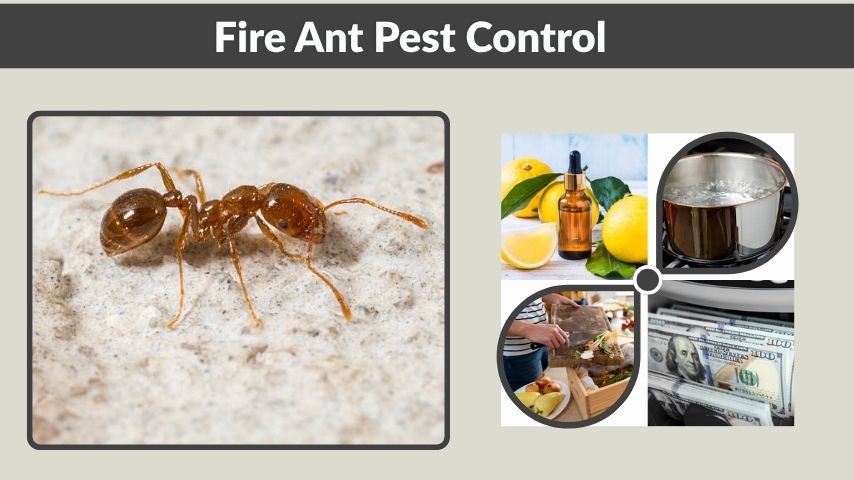
Fire ants are among the most aggressive and troublesome pests found in residential and commercial properties. Their painful stings, large colonies, and ability to spread rapidly make them a serious concern for homeowners. Whether you are dealing with a few mounds in your yard or a widespread infestation, choosing the right fire ant pest control strategy is essential. From professional treatments to organic solutions and preventive measures, understanding how to eliminate fire ants effectively can help protect your family, pets, and property from ongoing problems.
What Are Fire Ants and Why Are They a Problem?
Fire ants are invasive pests known for building large underground colonies and aggressive behavior when disturbed. These ants can quickly establish multiple nests across a property, making them difficult to eliminate without proper treatment. Their painful stings can cause discomfort, allergic reactions, and even medical emergencies in sensitive individuals.
Identifying Fire Ants
Fire ants are reddish-brown insects that typically measure between 1/8 and 1/4 inch in length. Their nests appear as dome-shaped mounds in lawns, gardens, parks, and other outdoor areas. Unlike many ant species, fire ant mounds often have no visible opening at the top.
Risks Associated with Fire Ants
Fire ants create several problems beyond their painful stings. Large infestations can damage landscapes, interfere with outdoor activities, and threaten pets and children. Their colonies may also spread into electrical equipment and irrigation systems, causing additional property concerns.
Signs You Need Fire Ant Pest Control
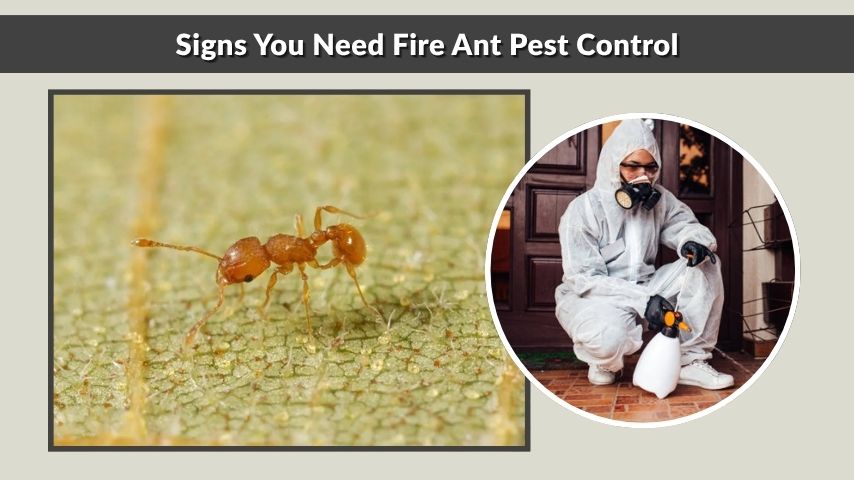
Recognizing the early signs of a fire ant infestation can help prevent colonies from expanding and becoming more difficult to manage. Professional pest control services are often recommended when infestations become widespread or repeatedly return after treatment.
Common Signs of Fire Ant Activity
- Multiple fire ant mounds appearing throughout the yard
- Increased ant activity near sidewalks and driveways
- Fire ants entering the home through cracks or openings
- Painful stings experienced during outdoor activities
- Recurring infestations despite previous treatments
When to Call a Professional
While small colonies may respond to DIY treatments, larger infestations often require professional intervention. Pest control specialists have access to advanced bait systems and treatment methods that target the entire colony, including the queen.
Best Fire Ant Pest Control Methods
Several treatment options are available for controlling fire ants. The most effective solution depends on the size of the infestation, the location of colonies, and long-term prevention goals. Combining multiple treatment methods often delivers the best results.
Fire Ant Bait Treatments
Bait products are considered one of the most effective approaches for eliminating fire ant colonies. Worker ants collect the bait and carry it back to the nest, where it is shared with the queen and other colony members. This process gradually eliminates the entire colony rather than simply killing visible ants.
Granular and Broadcast Treatments
Granular insecticides are commonly applied across large areas where multiple colonies exist. These products create a protective barrier and help reduce overall fire ant populations. Broadcast applications are especially useful for lawns, parks, and commercial properties experiencing recurring infestations.
Mound Treatments
Direct mound treatments target specific colonies by applying insecticides or other control products directly to the nest. While effective for individual mounds, this method may not address nearby colonies that are hidden underground.
Professional Fire Ant Bait Used by Pest Control Experts
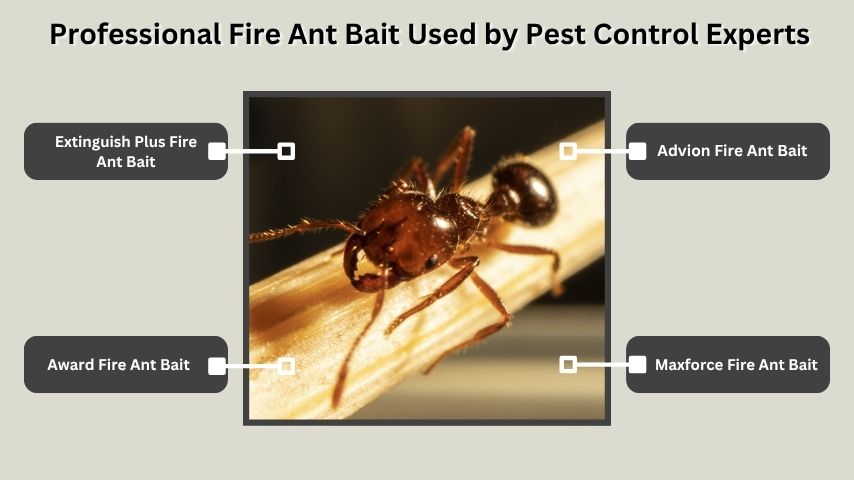
Professional pest control companies often rely on specialized bait products that provide longer-lasting and more effective results than many consumer-grade treatments. These products are designed to eliminate entire colonies while minimizing environmental impact.
Popular Professional Fire Ant Baits
- Advion Fire Ant Bait
- Maxforce Fire Ant Bait
- Extinguish Plus Fire Ant Bait
- Award Fire Ant Bait
- Esteem Fire Ant Bait
Why Professionals Use Specialized Baits
Professional-grade baits are formulated to attract worker ants while delivering active ingredients throughout the colony. Because the queen is responsible for reproduction, eliminating her is critical for long-term success. These products are carefully selected based on infestation severity, environmental conditions, and treatment goals.
DIY Fire Ant Pest Control
Many homeowners prefer to start with do-it-yourself fire ant treatments before hiring a pest control company. DIY methods can be effective for small infestations when applied correctly and consistently. However, results vary depending on colony size and product selection.
Best DIY Fire Ant Control Practices
- Apply bait during periods of active foraging
- Follow product instructions carefully
- Treat all visible mounds on the property
- Avoid disturbing colonies before treatment
- Monitor treated areas regularly for new activity
Common DIY Mistakes
One of the most common mistakes is treating only visible ants rather than targeting the entire colony. Another frequent error involves applying too much product, which can repel ants instead of attracting them. Consistent monitoring and proper application techniques are essential for achieving successful results.
Organic and Natural Pest Control for Fire Ants
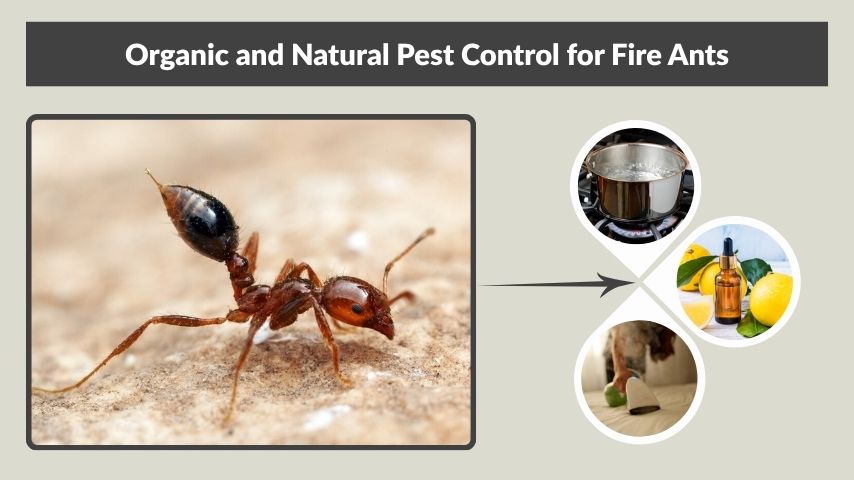
Many homeowners prefer environmentally friendly alternatives when dealing with fire ant infestations. Organic and natural methods can help reduce fire ant populations while minimizing exposure to harsh chemicals. Although these solutions may require repeated applications, they can be effective when used as part of a broader pest management strategy.
Popular Natural Fire Ant Control Methods
- Boiling water treatments
- Beneficial nematodes
- Diatomaceous earth
- Orange oil solutions
- Steam treatments
Benefits and Limitations of Organic Solutions
Natural treatments are often preferred by families with children, pets, or environmentally sensitive landscapes. However, these methods typically work best on smaller infestations and may not eliminate deeply established colonies. Combining organic treatments with preventive measures can improve long-term effectiveness.
Fire Ant Pest Control Inside the Home
Fire ants occasionally move indoors in search of food, moisture, or shelter. Once inside, they can become a significant nuisance and pose a risk to occupants through painful stings. Proper identification and treatment are essential for preventing indoor infestations from spreading.
Why Fire Ants Enter Homes
Fire ants may enter homes during periods of extreme weather, heavy rainfall, or drought. Cracks in foundations, gaps around doors, and plumbing penetrations often provide easy access points. Food crumbs and moisture sources can further attract ants indoors.
Safe Indoor Treatment Options
Indoor fire ant control focuses on eliminating active ants while preventing future entry. Bait stations, targeted treatments, and exclusion techniques are commonly used to address infestations safely. Professional pest control services can also identify hidden nesting areas that homeowners may overlook.
Red Imported Fire Ant Pest Control
Red imported fire ants are among the most destructive and widespread fire ant species. Known for their aggressive behavior and rapid reproduction, these ants can establish massive colonies that are difficult to eliminate without comprehensive treatment.
Why Red Imported Fire Ants Are Challenging
Red imported fire ants can quickly expand their territory by forming multiple satellite colonies. Their ability to relocate nests after disturbances often makes simple mound treatments ineffective. Successful control usually requires colony-wide baiting and ongoing monitoring.
Professional Treatment Strategies
Pest management professionals commonly use integrated treatment plans that combine bait applications, mound treatments, and preventive barriers. This approach targets existing colonies while reducing the likelihood of future infestations.
Fire Ant Pest Control Cost
Understanding the cost of fire ant pest control helps homeowners choose the most appropriate treatment option for their budget and infestation level. Pricing varies depending on property size, treatment method, and the severity of the infestation.
Average Treatment Costs
| Property Size | Estimated Cost |
| Small Yard | $75–$150 |
| Medium Yard | $150–$300 |
| Large Property | $300–$600+ |
Factors That Influence Pricing
Several factors can affect the overall cost of fire ant treatment:
- Size of the treatment area
- Number of active colonies
- Type of treatment selected
- Frequency of follow-up visits
- Local labor and service rates
While DIY solutions may reduce initial expenses, professional treatments often provide greater long-term value by addressing the root cause of infestations.
How to Choose the Best Fire Ant Pest Control Company
Selecting the right pest control provider is an important step toward achieving lasting fire ant control. Not all companies use the same treatment methods or service guarantees, so careful evaluation is recommended.
Qualities to Look For
- Proper licensing and certification
- Positive customer reviews
- Experience with fire ant infestations
- Eco-friendly treatment options
- Service warranties or guarantees
Questions to Ask Before Hiring
Ask potential providers about their treatment process, expected results, follow-up services, and safety precautions. Understanding these details can help ensure you receive effective and reliable pest management services.
Fire Ant Prevention Tips
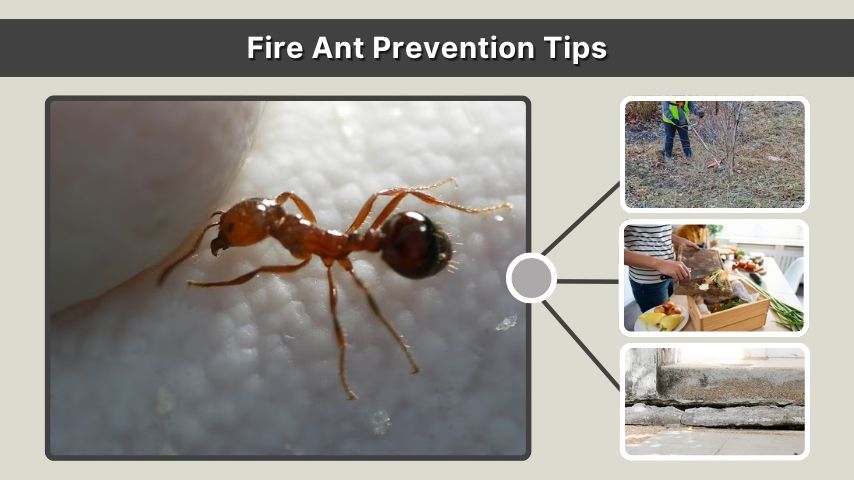
Preventing future infestations is just as important as eliminating existing colonies. Routine property maintenance and regular inspections can significantly reduce the risk of fire ants returning.
Effective Prevention Strategies
- Keep lawns properly maintained
- Remove food sources from outdoor areas
- Address standing water issues
- Seal cracks and entry points around the home
- Schedule preventive pest control treatments
The Importance of Ongoing Monitoring
Even after successful treatment, new fire ant colonies can migrate onto a property. Regular inspections allow homeowners to detect and address new activity before infestations become severe.
FAQs
How long does it take to get rid of fire ants?
Most professional bait treatments begin showing results within a few days, but complete colony elimination may take several weeks depending on infestation size.
What is the best fire ant bait?
Many pest control professionals recommend products such as Advion, Extinguish Plus, and Maxforce due to their effectiveness in eliminating entire colonies.
Are organic treatments effective?
Organic treatments can reduce fire ant populations, especially when infestations are small. Larger infestations may require professional intervention for complete control.
Can fire ants return after treatment?
Yes. New colonies can move into treated areas over time, which is why preventive maintenance and regular inspections are important.
Is professional fire ant pest control worth the cost?
Professional services often provide faster, more reliable, and longer-lasting results than DIY treatments, particularly for severe infestations.
