
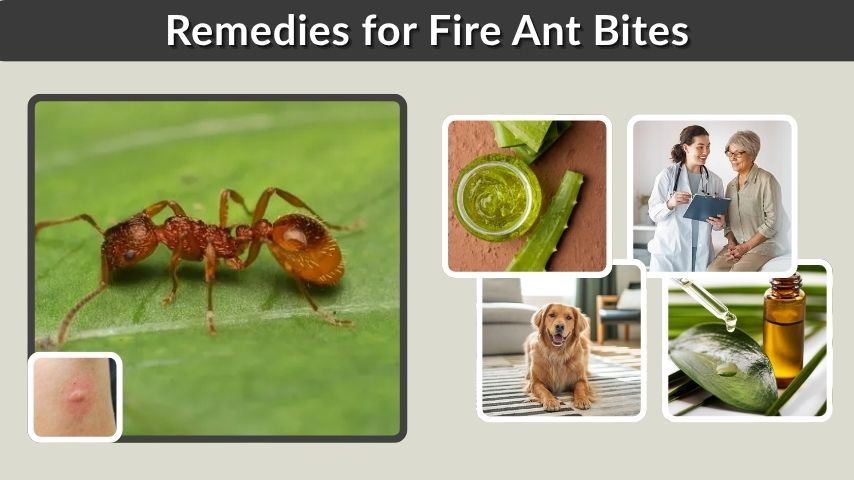
Fire ant bites can cause immediate pain, intense itching, redness, and swelling that may last for several days. While most bites are not dangerous, they can be extremely uncomfortable and may interfere with daily activities. Fortunately, there are many remedies for fire ant bites that can help reduce symptoms and speed up recovery. From simple home treatments to natural remedies and over-the-counter solutions, understanding the best options can help you find quick relief and prevent complications after being bitten or stung by fire ants.
What Happens After a Fire Ant Bite?
Before choosing a remedy, it’s important to understand what happens when a fire ant bites and stings. Fire ants use their jaws to attach to the skin and then inject venom through a stinger. This combination often causes a burning sensation followed by swelling, redness, and the development of small pustules.
Common Symptoms of Fire Ant Bites
Most people experience itching, redness, swelling, and discomfort shortly after being bitten. The severity of symptoms varies depending on the number of bites and individual sensitivity to the venom.
Why Fire Ant Bites Itch and Burn
The venom released during a sting triggers an immune response that causes inflammation. This reaction leads to the itching, burning, and swelling commonly associated with fire ant bites.
How Long Symptoms Usually Last
For most people, symptoms improve within a few days. However, itching and skin discoloration may persist longer, especially if the bite becomes irritated from scratching.
Best Remedy for Fire Ant Bites
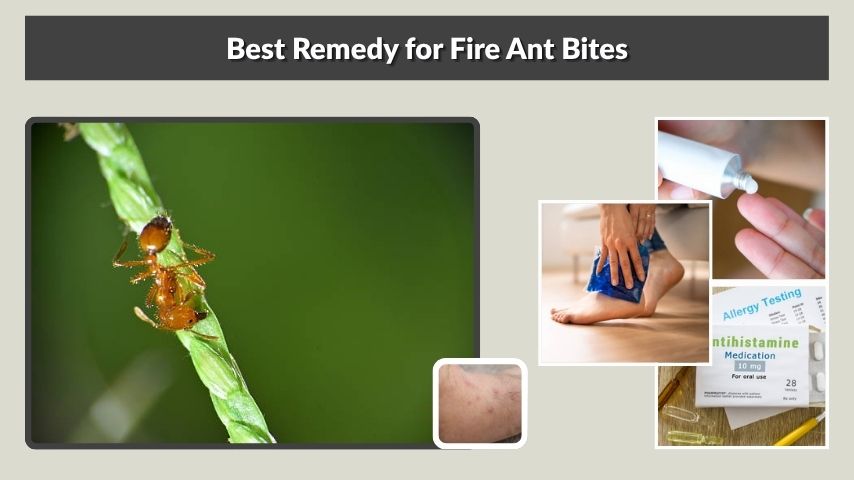
Many remedies can help relieve fire ant bite symptoms, but some treatments are more effective than others. The best remedy depends on the severity of the reaction and whether the primary concern is itching, pain, swelling, or inflammation.
Cold Compresses for Immediate Relief
Applying a cold compress helps reduce swelling and temporarily numbs the affected area. This is often one of the fastest ways to ease discomfort after a fire ant bite.
Hydrocortisone Cream for Itching
Hydrocortisone cream can reduce inflammation and calm irritated skin. It is commonly used to manage itching and redness caused by insect bites.
Most Effective Remedies
The following treatments are often recommended:
- Cold compresses
- Hydrocortisone cream
- Calamine lotion
- Oral antihistamines
- Over-the-counter pain relievers
Home Remedies for Fire Ant Bites
Home remedies remain popular because they use common household ingredients and are easy to apply. While these treatments may not eliminate symptoms completely, they can provide temporary comfort and help reduce irritation while the skin heals naturally.
Baking Soda Paste
A simple paste made from baking soda and water may help soothe itchy skin. Many people apply it directly to the bite for short periods before rinsing it away.
Aloe Vera Gel
Aloe vera is widely known for its cooling and moisturizing properties. Applying pure aloe vera gel may help calm redness and reduce skin irritation.
Popular Home Remedies
Many households rely on remedies such as:
- Baking soda paste
- Aloe vera gel
- Cool water compresses
- Oatmeal baths
- Ice packs
Homemade Remedies for Fire Ant Bites
Homemade remedies often use ingredients already available in the kitchen. These treatments are inexpensive and easy to prepare, making them attractive options for people seeking immediate relief from itching and discomfort.
Honey for Skin Soothing
Honey has natural moisturizing properties that may help protect irritated skin. Some people apply a small amount directly to the affected area.
Apple Cider Vinegar Applications
Apple cider vinegar is commonly used as a home remedy for various skin conditions. Some individuals find that diluted applications provide temporary relief from itching.
Cucumber Slices for Cooling
Fresh cucumber slices can create a cooling sensation when placed on irritated skin. This may help reduce discomfort for short periods.
Natural Remedies for Fire Ant Bites
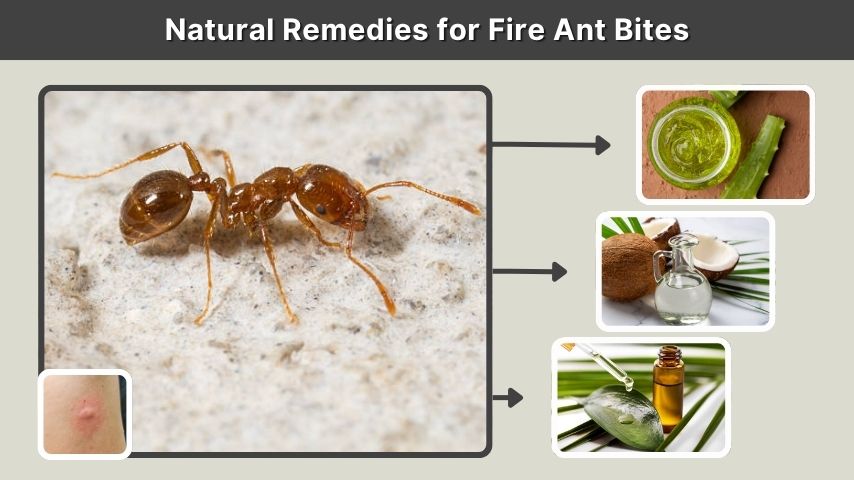
Natural remedies appeal to individuals who prefer plant-based solutions and minimal use of medications. While scientific evidence varies, several natural products are commonly used to soothe irritated skin and reduce inflammation.
Aloe Vera as a Natural Treatment
Aloe vera continues to be one of the most widely used natural remedies for insect bites. Its cooling effect can make inflamed skin feel more comfortable.
Witch Hazel for Skin Irritation
Witch hazel is often applied to insect bites because of its astringent properties. It may help reduce redness and provide temporary relief from itching.
Common Natural Remedies
Popular natural treatments include:
- Aloe vera
- Witch hazel
- Coconut oil
- Chamomile
- Tea tree oil
Herbal Remedies for Fire Ant Bites
Herbal remedies have been used for centuries to treat minor skin irritations and insect bites. Many herbs contain compounds that may help reduce inflammation and promote skin comfort during the healing process.
Calendula for Skin Recovery
Calendula is often used in creams and ointments designed to support irritated skin. It is a popular herbal ingredient for minor wounds and insect bites.
Lavender for Itching Relief
Lavender is commonly used for its calming properties. Some people apply diluted lavender products to help reduce irritation and discomfort.
Plantain Leaf Applications
Plantain leaf has a long history of traditional use for insect bites. It is often applied as a poultice to affected areas in herbal medicine practices.
Immediate Remedy for Fire Ant Bites
The first few minutes after a fire ant bite are often the most important. Quick action can help limit swelling, reduce discomfort, and prevent the urge to scratch the affected area. Immediate treatment focuses on cleaning the skin and controlling inflammation.
Clean the Area Thoroughly
Washing the bite with soap and water helps remove dirt and reduces the risk of infection. This should be one of the first steps taken after a bite occurs.
Apply Cooling Therapy
Cold therapy can help slow inflammation and provide fast symptom relief. Many people notice improvement shortly after applying a cold compress.
Avoid Scratching the Bite
Although scratching may provide temporary relief, it can damage the skin and increase the risk of infection. Allowing the bite to heal naturally is usually the best approach.
Over-the-Counter Remedies for Fire Ant Bites
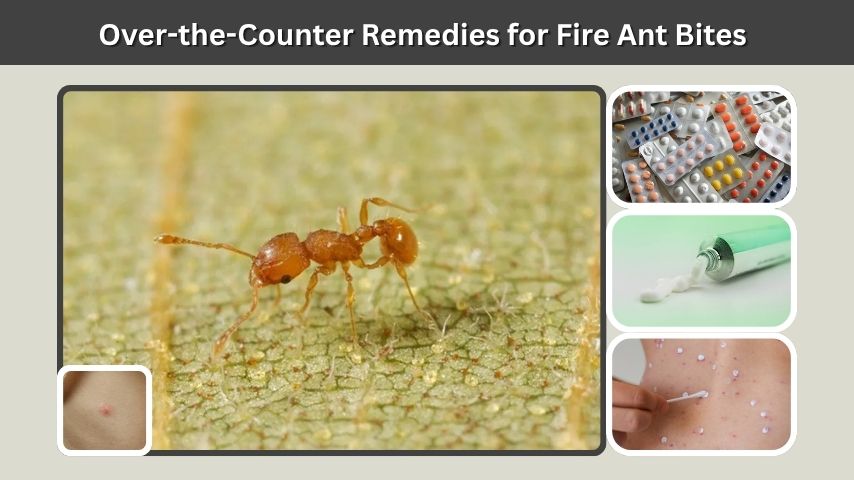
Over-the-counter remedies are among the most effective options for managing fire ant bite symptoms. These products are widely available and can help reduce itching, swelling, redness, and discomfort. Many people combine OTC treatments with home remedies to achieve faster relief and support the healing process.
Antihistamines for Itching
Oral antihistamines can help control the body’s allergic response to fire ant venom. They are particularly useful when itching becomes persistent or interferes with sleep.
Calamine Lotion for Skin Relief
Calamine lotion creates a cooling effect on the skin and may help reduce irritation. It is commonly used for insect bites and other minor skin conditions.
Common OTC Treatments
Many people find relief with:
- Oral antihistamines
- Hydrocortisone cream
- Calamine lotion
- Anti-itch gels
- Pain relievers
Homeopathic Remedies for Fire Ant Bites
Homeopathic remedies remain a popular option for individuals seeking alternative treatments. Although scientific evidence supporting these remedies is limited, some people report symptom improvement after using them. Anyone considering homeopathic treatments should understand that results can vary significantly from person to person.
Common Homeopathic Approaches
Homeopathic products are often selected based on specific symptoms such as itching, swelling, or burning sensations. Practitioners may recommend different remedies depending on the individual’s reaction.
Reported Benefits
Some users believe homeopathic remedies help reduce discomfort and promote faster recovery. However, these experiences are largely anecdotal rather than supported by extensive clinical research.
What Research Suggests
Current scientific evidence does not strongly support homeopathic remedies as a primary treatment for fire ant bites. Conventional treatments generally provide more predictable symptom relief.
Home Remedies for Fire Ant Bites on Dogs
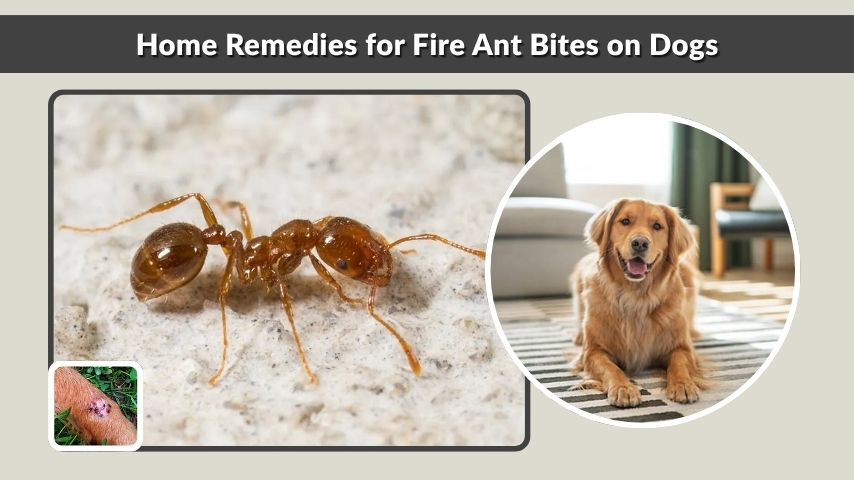
Dogs frequently encounter fire ants while playing outdoors, exploring yards, or digging near nests. Fire ant bites can cause significant irritation, especially on sensitive areas such as the paws, nose, and belly. Prompt treatment can help keep your pet comfortable while preventing complications.
Cooling the Affected Area
Applying a cool, damp cloth may help reduce swelling and provide temporary relief. Cooling treatments are often well tolerated by dogs when used carefully.
Preventing Excessive Licking
Dogs instinctively lick irritated skin, but excessive licking can delay healing and increase the risk of infection. Monitoring your pet is an important part of treatment.
Signs Your Dog Needs Veterinary Care
Seek veterinary attention if you notice:
- Facial swelling
- Difficulty breathing
- Severe pain
- Persistent vomiting
- Extreme lethargy
Home Remedies for Fire Ant Bites on Toddlers
Toddlers may react more strongly to fire ant bites because of their sensitive skin and tendency to scratch itchy areas. Treatment should focus on comfort, safety, and preventing skin damage while the bites heal.
Gentle Cooling Treatments
Cool compresses are often one of the safest and most effective remedies for young children. They can help reduce itching without exposing the child to unnecessary medications.
Keeping Toddlers Comfortable
Loose clothing and distraction techniques may help prevent scratching. Keeping fingernails trimmed can also reduce the risk of skin injury.
When to Contact a Pediatrician
Parents should seek medical advice if symptoms worsen, swelling becomes severe, or signs of an allergic reaction develop.
Remedies That Do Not Work Well
Not every remedy promoted online provides meaningful relief. Some popular treatments lack scientific support, while others may actually irritate the skin further. Understanding which remedies are less effective can help you focus on treatments that are more likely to work.
Common Fire Ant Bite Myths
Many myths persist regarding insect bite treatment. While some remedies may provide temporary comfort, they often fail to address itching or inflammation effectively.
Potentially Irritating Treatments
Strong chemicals, harsh cleaners, and abrasive substances can damage already sensitive skin. These products should generally be avoided.
Why Evidence Matters
Reliable treatments are supported by research and medical experience. Choosing evidence-based remedies can improve outcomes and reduce unnecessary discomfort.
When to See a Doctor for Fire Ant Bites
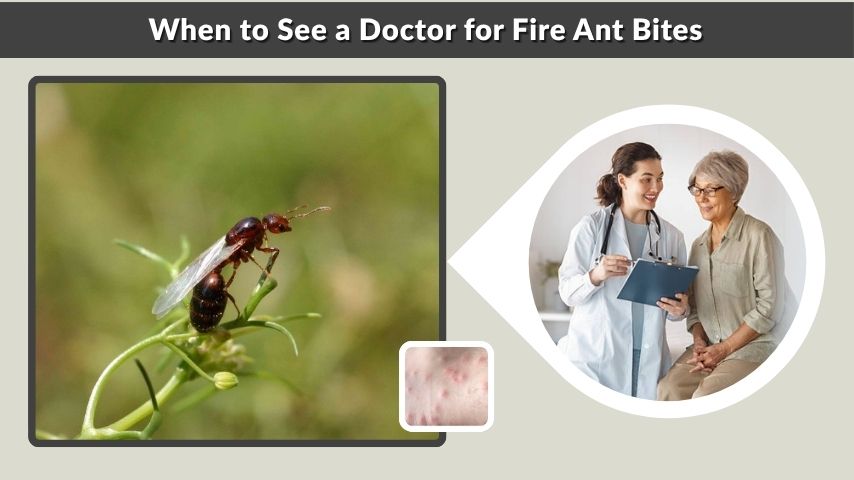
Most fire ant bites heal without medical intervention, but some situations require professional evaluation. Recognizing warning signs early can help prevent complications and ensure appropriate treatment when needed.
Signs of Infection
An infected bite may become increasingly red, swollen, and painful. Drainage, warmth, or worsening symptoms can indicate that bacteria have entered the affected area.
Severe Allergic Reactions
Although uncommon, some people experience serious allergic reactions to fire ant venom. These reactions can develop quickly and require emergency care.
Symptoms That Require Immediate Medical Attention
Seek urgent medical care if you experience:
- Difficulty breathing
- Swelling of the face or throat
- Severe dizziness
- Rapid heartbeat
- Widespread hives
FAQs
What is the best remedy for fire ant bites?
Cold compresses, hydrocortisone cream, antihistamines, and calamine lotion are among the most effective remedies for relieving itching and swelling.
What is the best home remedy for fire ant bites?
Many people find relief from ice packs, baking soda paste, aloe vera gel, and cool compresses.
How do you stop fire ant bite itching fast?
Applying a cold compress and using an anti-itch cream or antihistamine can help reduce itching quickly.
Are natural remedies effective for fire ant bites?
Natural remedies may provide temporary relief for some people, although results vary and evidence supporting them differs.
Can I use baking soda on fire ant bites?
Yes. A baking soda paste is a common home remedy that may help soothe irritated skin and reduce itching.
