
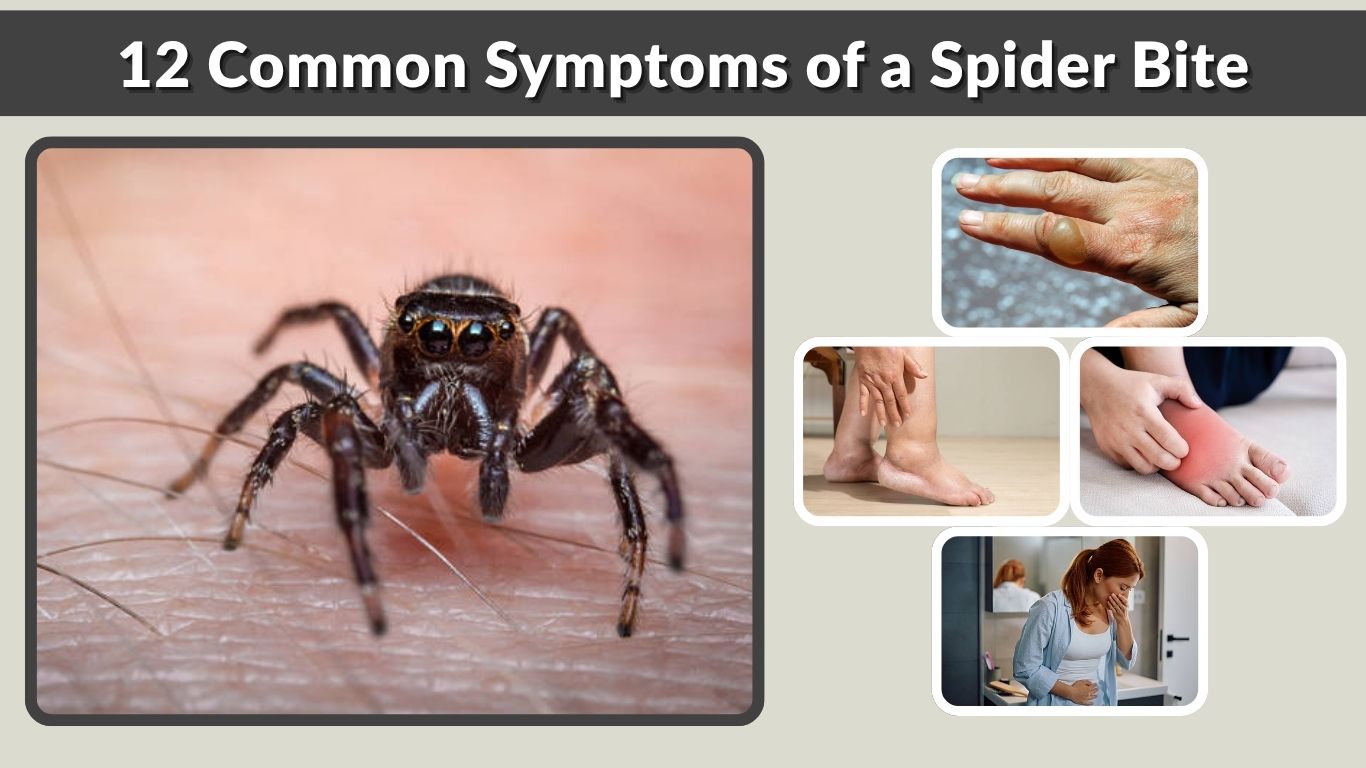
Spider bites can cause a range of symptoms, from mild skin irritation to more noticeable physical reactions. While many bites are harmless and heal on their own, some may trigger stronger responses depending on the type of spider and the individual’s sensitivity. Recognizing these symptoms early can help you understand what’s normal and when to seek medical attention.
1. Redness
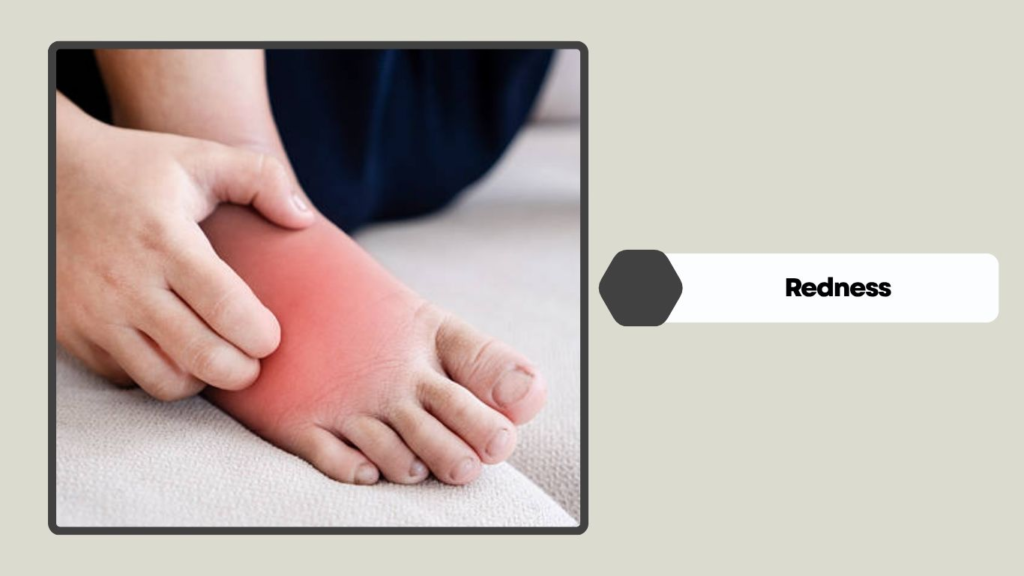
Redness is one of the earliest and most noticeable signs of a spider bite. It usually appears around the bite area and may spread slightly depending on the body’s reaction. While often mild, it can sometimes indicate irritation or a developing inflammatory response.
Why Redness Occurs
Redness happens because the body increases blood flow to the affected area. This is part of the immune response, helping to fight off any toxins or foreign substances introduced by the bite.
How It Looks
The skin may appear pink to deep red, sometimes forming a circular or irregular patch. In some cases, a small central puncture mark may be visible, surrounded by the reddened area.
When It Becomes Concerning
If redness continues to expand, becomes very dark, or is accompanied by severe pain or swelling, it may signal a more serious reaction or infection that needs attention.
Basic Care Tips
Keeping the area clean, applying a cold compress, and avoiding scratching can help reduce redness. Mild redness usually fades within a few days without complications.
2. Swelling
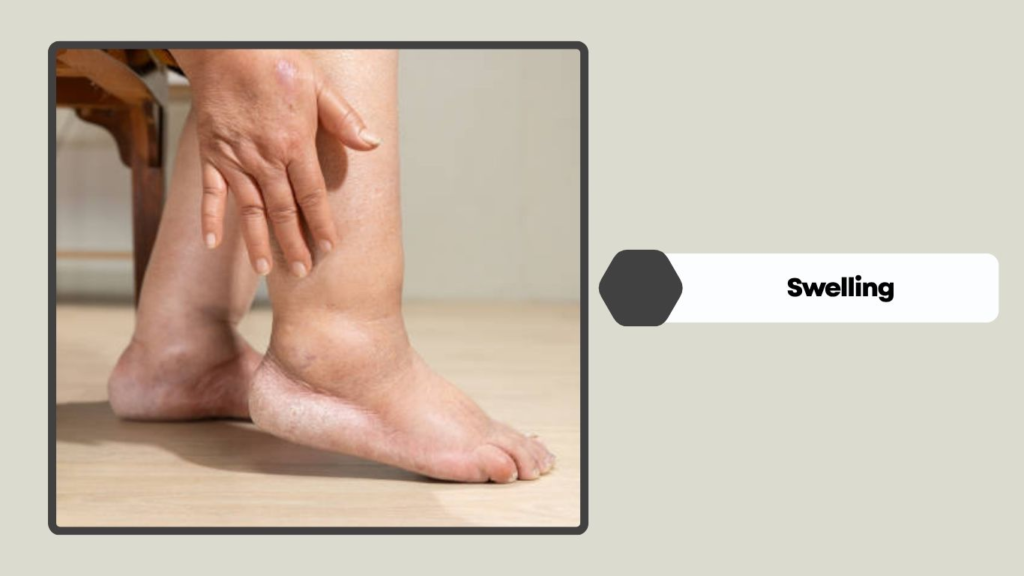
Swelling is a common reaction that often appears shortly after a spider bite. It occurs when fluid builds up in the surrounding tissues as part of the body’s natural defense response. The affected area may look puffy and feel tender to the touch.
Why Swelling Happens
Swelling develops as the immune system reacts to the bite. Chemicals released in response to venom or irritation cause nearby blood vessels to leak fluid into the tissues, leading to visible puffiness.
How It Appears
The skin around the bite may rise slightly or become noticeably enlarged. In mild cases, the swelling stays localized, but in stronger reactions, it can spread beyond the immediate bite area.
When to Be Concerned
If swelling increases rapidly, becomes very firm, or spreads to larger parts of the body, it may indicate a more serious allergic reaction. Swelling near the face or throat should be treated as urgent.
Basic Care Tips
Applying a cold compress, keeping the area elevated if possible, and avoiding tight clothing around the bite can help reduce swelling.
3. Pain at the Bite Site
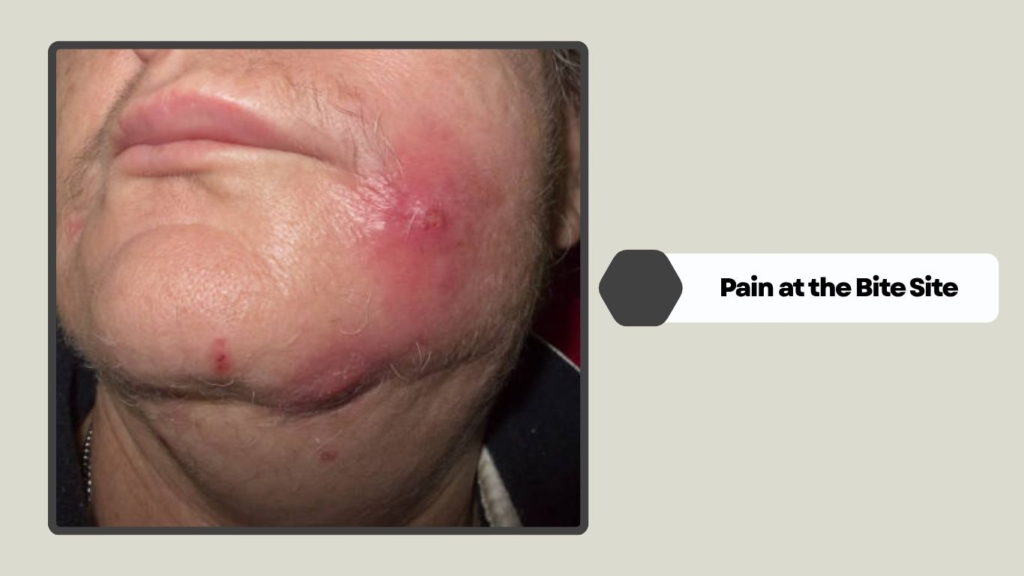
Pain at the bite site is one of the most immediate symptoms of a spider bite. It can range from mild discomfort to a sharp or burning sensation, depending on the type of spider and the body’s reaction. The pain usually starts at the exact point of the bite and may gradually spread to nearby areas.
Why Pain Occurs
Pain happens because the spider’s bite can damage skin tissue and sometimes inject venom. This triggers nerve endings in the skin, sending signals to the brain that are felt as pain or irritation.
How It Feels
The pain may feel like a small pinprick at first, then develop into a throbbing, stinging, or burning sensation. In some cases, it may intensify over time, especially if the bite is from a venomous species.
When It Becomes Serious
If the pain becomes severe, spreads significantly, or is accompanied by symptoms like muscle cramps or fever, it could indicate a more dangerous reaction that needs medical attention.
Basic Care Tips
Cleaning the area, applying a cold pack, and resting the affected part can help reduce pain. Mild pain often improves within a few hours to a couple of days.
4. Itching

Itching is a frequent symptom that can develop soon after a spider bite. It may be mild at first but can become more noticeable as the skin reacts. While usually harmless, persistent itching can cause discomfort and irritation.
Why Itching Occurs
Itching happens due to the body’s allergic or inflammatory response to the bite. Histamine and other chemicals released in the skin trigger nerve endings, creating the urge to scratch.
How It Feels
The affected area may feel tingly, irritating, or intensely itchy. Scratching might provide temporary relief but can worsen the irritation or damage the skin.
When It Becomes Concerning
If itching becomes severe, spreads beyond the bite area, or is accompanied by rash or swelling, it may indicate a stronger allergic reaction that needs attention.
Basic Care Tips
Avoid scratching, keep the area clean, and apply soothing creams or a cold compress to reduce itching. Mild itching usually fades within a few days.
5. Blistering
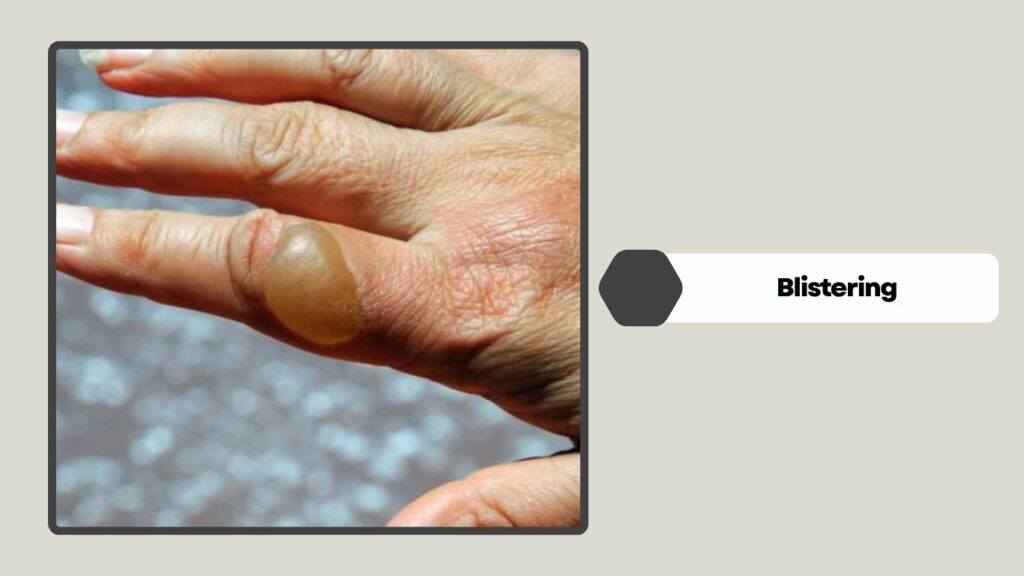
Blistering can occur in some spider bites, especially when the skin reacts more strongly to the venom. It appears as small, fluid-filled bubbles on or around the bite area. These blisters may develop hours or even a day after the initial bite.
Why Blistering Occurs
Blisters form when the upper layer of the skin separates from the lower layers due to irritation or damage. Fluid collects in this space as part of the body’s protective response.
How It Appears
The skin may show raised, clear or slightly cloudy bubbles. Sometimes the surrounding area looks red or inflamed, making the blister more noticeable.
When It Becomes Serious
If blisters grow large, become very painful, or turn dark in color, it may indicate a more serious reaction or tissue damage that requires medical attention.
Basic Care Tips
Keep the blister clean and avoid popping it. Covering it with a sterile bandage and applying a cool compress can help protect the skin and reduce discomfort.
6. Skin Discoloration
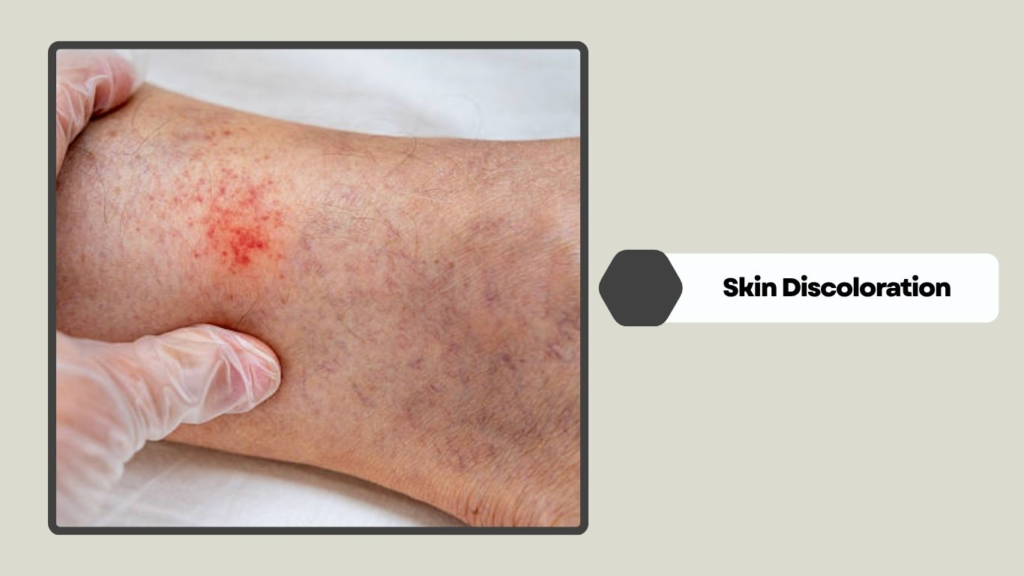
Skin discoloration is a symptom that may appear after a spider bite, causing the affected area to change color. It can range from mild redness to darker shades like purple, blue, or even black in more severe cases.
Why Discoloration Occurs
Discoloration happens due to changes in blood flow or damage to skin tissues. Some spider venoms can affect blood vessels or cause mild tissue breakdown, leading to visible color changes.
How It Appears
The bite area may start as red and gradually turn darker. In some cases, the center may look pale while the surrounding skin becomes darker, creating a noticeable contrast.
When It Becomes Concerning
If the skin turns very dark, spreads quickly, or shows signs of tissue damage like ulcers, it may indicate a serious reaction that needs immediate medical care.
Basic Care Tips
Keep the area clean, avoid irritation, and monitor any color changes. If discoloration worsens or does not improve, seeking medical advice is recommended.
7. Muscle Cramps
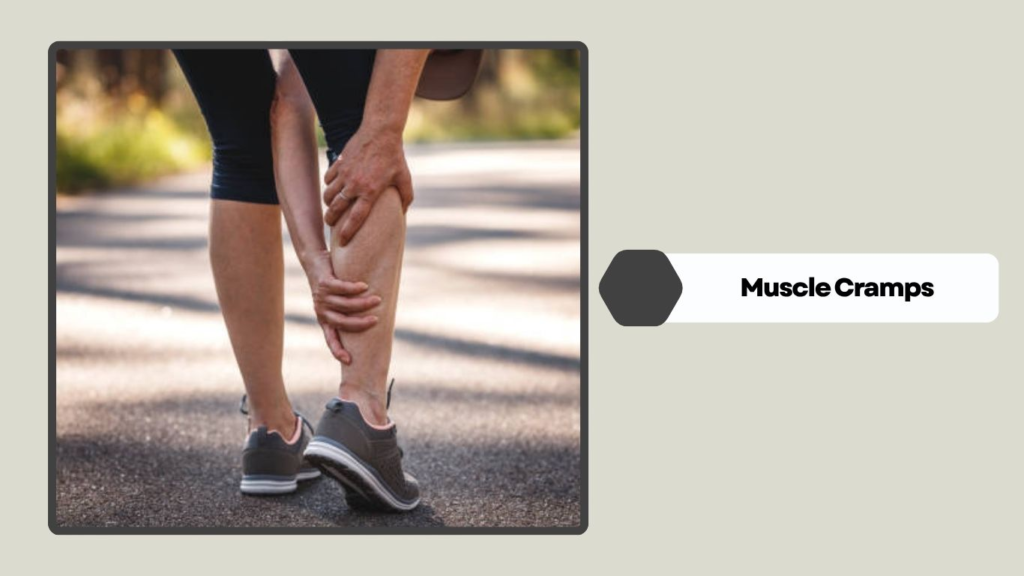
Muscle cramps can occur in some spider bites, especially those involving venom that affects the nervous system. These cramps may start near the bite area and sometimes spread to other parts of the body, causing discomfort and stiffness.
Why Muscle Cramps Occur
Certain spider venoms interfere with nerve signals, leading to involuntary muscle contractions. This disruption can cause muscles to tighten suddenly, resulting in painful cramps.
How It Feels
Muscle cramps may feel like sudden, tight, or squeezing pain in the muscles. They can be mild or intense and may come and go in waves, depending on the severity of the reaction.
When It Becomes Serious
If cramps become severe, persistent, or spread throughout the body, especially with symptoms like sweating or difficulty breathing, it may indicate a dangerous reaction requiring urgent care.
Basic Care Tips
Resting the body, staying hydrated, and gently stretching the affected muscles can help ease mild cramps. Severe symptoms should always be evaluated by a medical professional.
8. Nausea
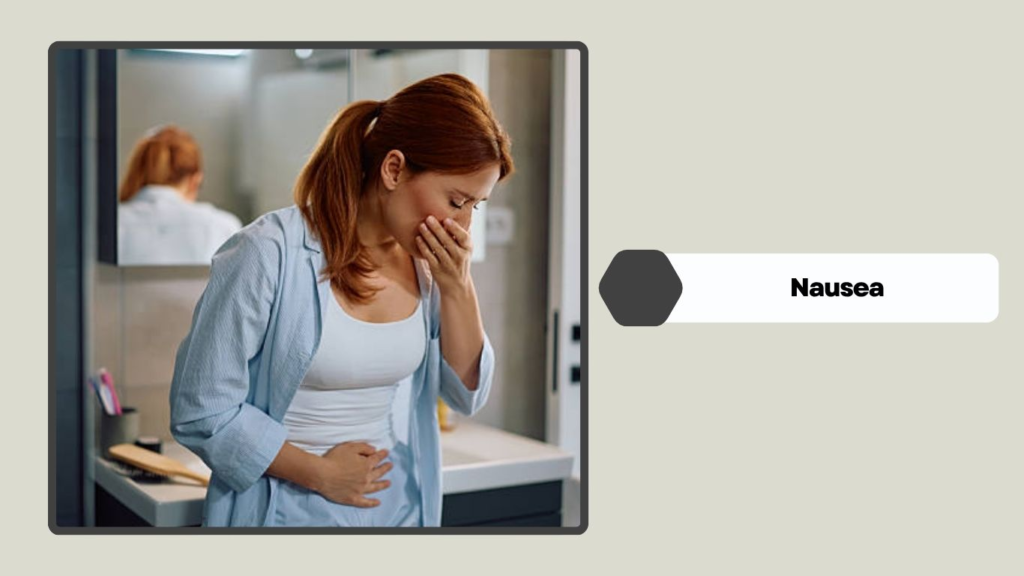
Nausea is a symptom that can develop after a spider bite, especially if the body reacts strongly to the venom. It creates a feeling of uneasiness in the stomach and may sometimes lead to vomiting.
Why Nausea Occurs
Nausea happens when toxins from the bite affect the body’s system, particularly the digestive or nervous system. The body may respond by trying to expel harmful substances, leading to this sensation.
How It Feels
It often feels like a queasy or unsettled stomach. Some people may also experience a loss of appetite or the urge to vomit, depending on the severity.
When It Becomes Serious
If nausea is persistent, severe, or accompanied by vomiting, dizziness, or weakness, it may indicate a stronger reaction that needs medical attention.
Basic Care Tips
Resting, drinking clear fluids, and avoiding heavy foods can help manage mild nausea. If symptoms worsen or continue, seeking medical advice is important.
9. Fever
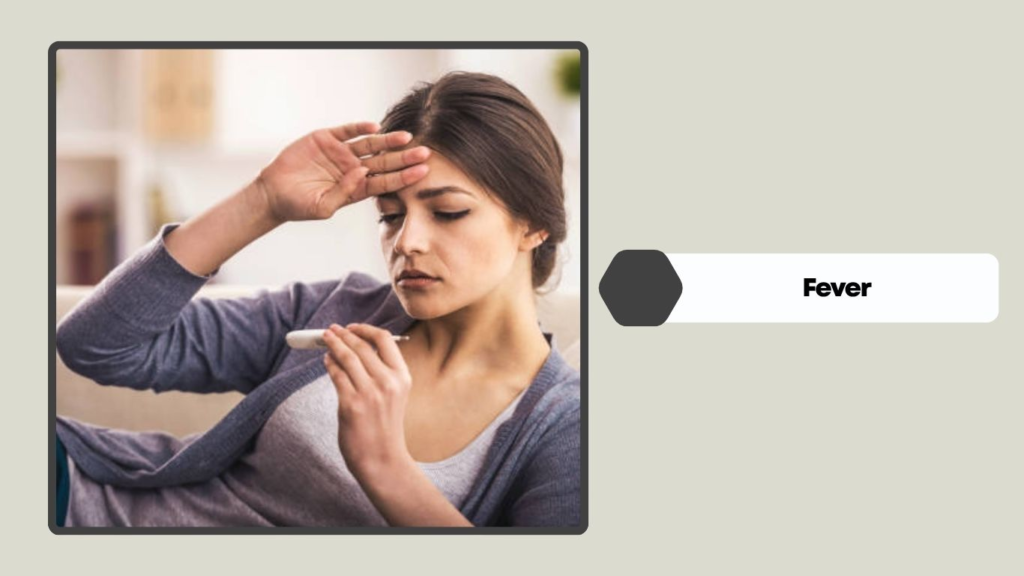
Fever can sometimes develop after a spider bite, especially if the body is reacting to venom or a possible infection. It is a sign that the immune system is actively working to defend the body.
Why Fever Occurs
Fever happens when the body raises its temperature to fight off toxins or harmful substances. This is part of the natural immune response triggered by the bite.
How It Feels
A person may feel warm, experience chills, or have a slightly elevated body temperature. It can be mild or more noticeable depending on the reaction.
When It Becomes Serious
If the fever becomes high, persistent, or is combined with symptoms like severe pain or weakness, it may indicate a serious reaction that needs medical attention.
Basic Care Tips
Staying hydrated, resting, and keeping the body cool can help manage mild fever. If it does not improve, medical advice should be sought.
10. Headache
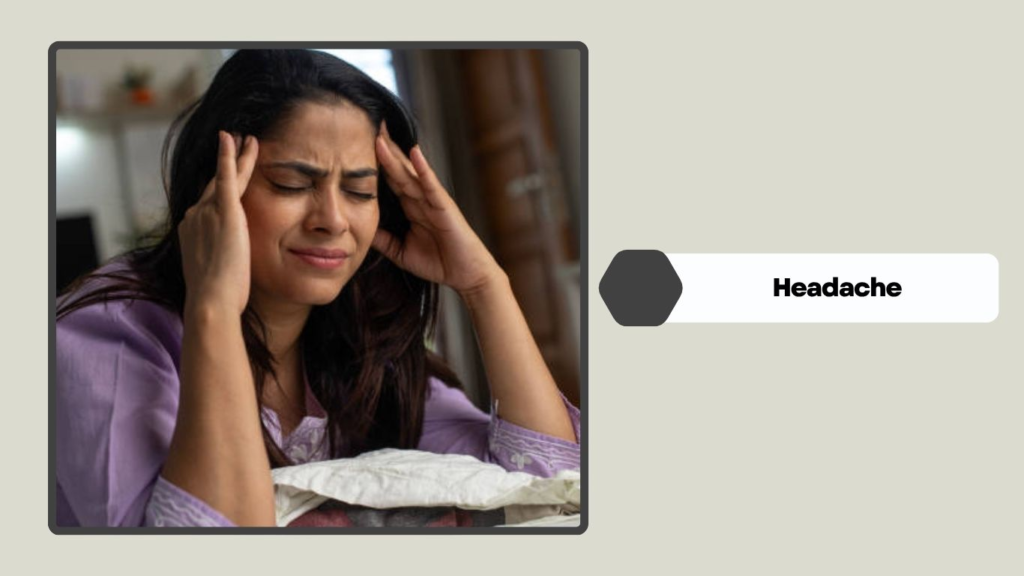
Headache can occur after a spider bite, especially if the body reacts to venom or stress from the bite. It may develop gradually and range from mild discomfort to a more persistent pain.
Why Headache Occurs
Headaches happen due to the body’s response to toxins or inflammation. Changes in blood flow and the release of certain chemicals can trigger pain signals in the head.
How It Feels
It may feel like a dull ache, pressure, or throbbing pain in the head. In some cases, it can be accompanied by sensitivity to light or general discomfort.
When It Becomes Serious
If the headache is severe, long-lasting, or comes with symptoms like dizziness, confusion, or high fever, it may indicate a more serious condition that needs attention.
Basic Care Tips
Resting in a quiet place, staying hydrated, and using a cold compress can help relieve mild headaches. Persistent symptoms should be checked by a doctor.
11. Sweating
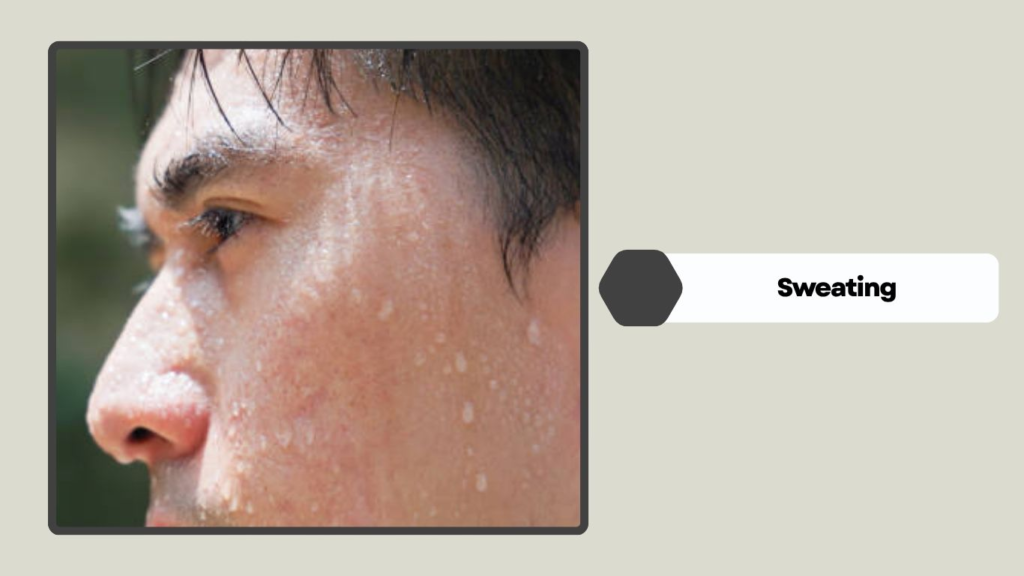
Sweating may occur after a spider bite, particularly if the body is reacting strongly to venom. It can happen even without physical activity and may be accompanied by other symptoms like fever or muscle cramps.
Why Sweating Occurs
Sweating happens as part of the body’s response to stress, toxins, or changes in body temperature. The nervous system may become overstimulated, leading to increased sweat production.
How It Feels
A person may notice excessive or unusual sweating, especially around the face, hands, or entire body. It can feel sudden and may come along with a sense of discomfort or restlessness.
When It Becomes Serious
If sweating is heavy, persistent, or occurs with symptoms like rapid heartbeat, difficulty breathing, or severe pain, it may indicate a serious reaction that needs immediate care.
Basic Care Tips
Staying cool, drinking fluids, and resting can help manage mild sweating. If it continues or worsens, medical attention is recommended.
12. Fatigue

Fatigue is a common symptom that may develop after a spider bite, especially if the body is dealing with venom or stress. It can make a person feel unusually tired or weak, even without much physical activity.
Why Fatigue Occurs
Fatigue happens because the body uses extra energy to fight off toxins and manage the immune response. This can leave a person feeling drained and low on energy.
How It Feels
It may feel like constant tiredness, lack of strength, or difficulty focusing. Some people may also feel sleepy or less active than usual.
When It Becomes Serious
If fatigue is severe, lasts for a long time, or is combined with symptoms like fever or muscle pain, it may indicate a stronger reaction that needs medical attention.
Basic Care Tips
Getting enough rest, staying hydrated, and eating light, nutritious food can help improve energy levels. Persistent fatigue should be evaluated by a healthcare professional.
FAQs
What are the first signs of a spider bite?
The first signs usually include redness, mild pain, and slight swelling at the bite site. Some people may also notice itching or a small puncture mark. These symptoms often appear quickly and are typically mild, but they should be monitored for any changes.
How long do spider bite symptoms last?
Most mild spider bite symptoms last from a few hours to a few days. In some cases, itching or redness may continue for up to a week. More serious reactions can last longer and may require medical treatment to fully resolve.
When should I worry about a spider bite?
You should be concerned if symptoms become severe, such as intense pain, spreading redness, high fever, or difficulty breathing. These could indicate a serious reaction or a venomous bite and require immediate medical attention.
Can all spider bites cause serious symptoms?
No, most spider bites are harmless and cause only mild symptoms. Serious reactions are rare and usually linked to specific venomous species or allergic responses. However, it’s always important to monitor symptoms closely.
How can I treat a mild spider bite at home?
You can clean the area with soap and water, apply a cold compress to reduce swelling, and avoid scratching. Over-the-counter creams may help with itching. If symptoms worsen or do not improve, it’s best to consult a healthcare professional.
