
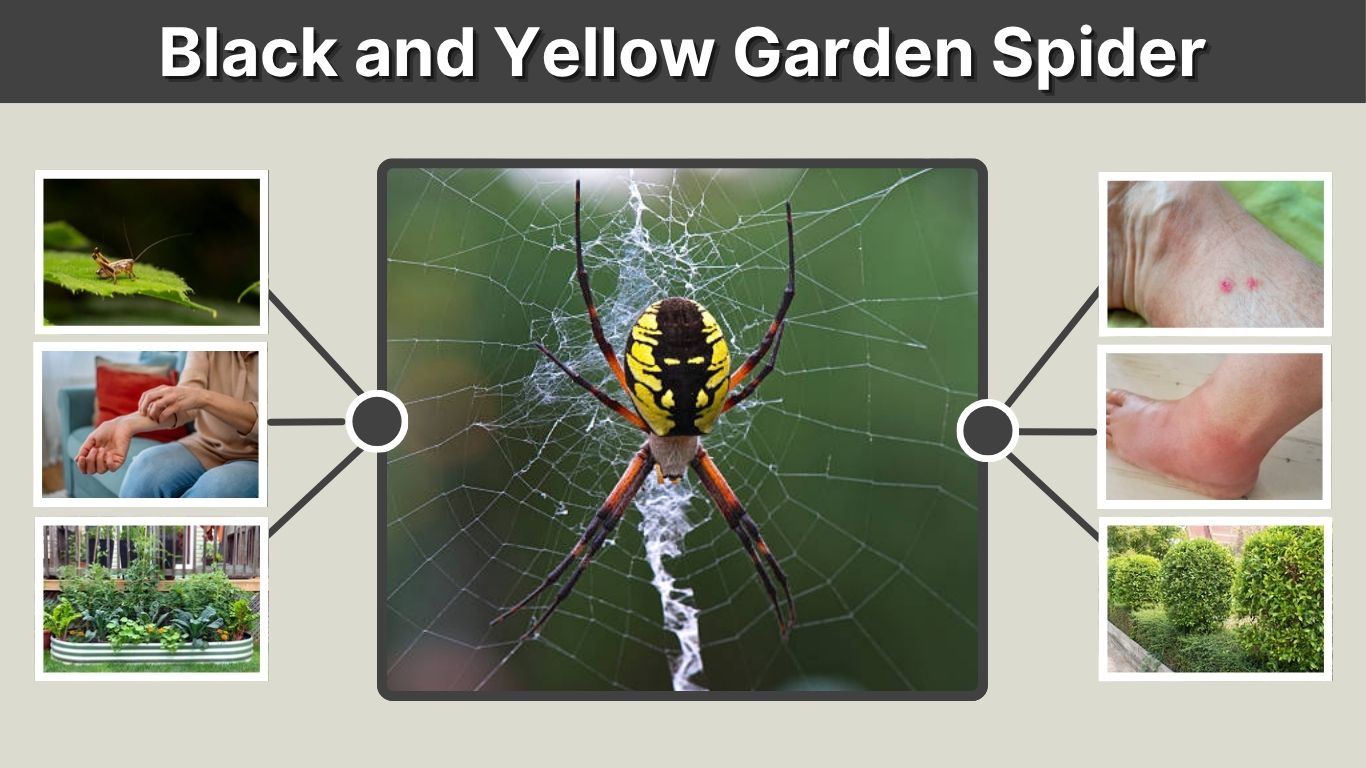
The black and yellow garden spider (Argiope aurantia) is one of the most striking spiders found in gardens and outdoor spaces. With its bold colors and large web, it often catches attention and sometimes causes concern. Many people wonder if it is dangerous or poisonous. Despite its intimidating look, this spider is generally harmless and plays a helpful role in controlling insect populations. This guide explains how to identify it, where it lives, and what to expect if you encounter one.
What Is the Black and Yellow Garden Spider?
The black and yellow garden spider is a type of orb-weaver known for spinning large, circular webs. It belongs to the species Argiope aurantia and is commonly found in North America. These spiders are often seen sitting in the center of their webs during the day. While their appearance may seem alarming, they are non-aggressive and prefer to stay in their webs rather than wander.
How to Identify a Black and Yellow Garden Spider
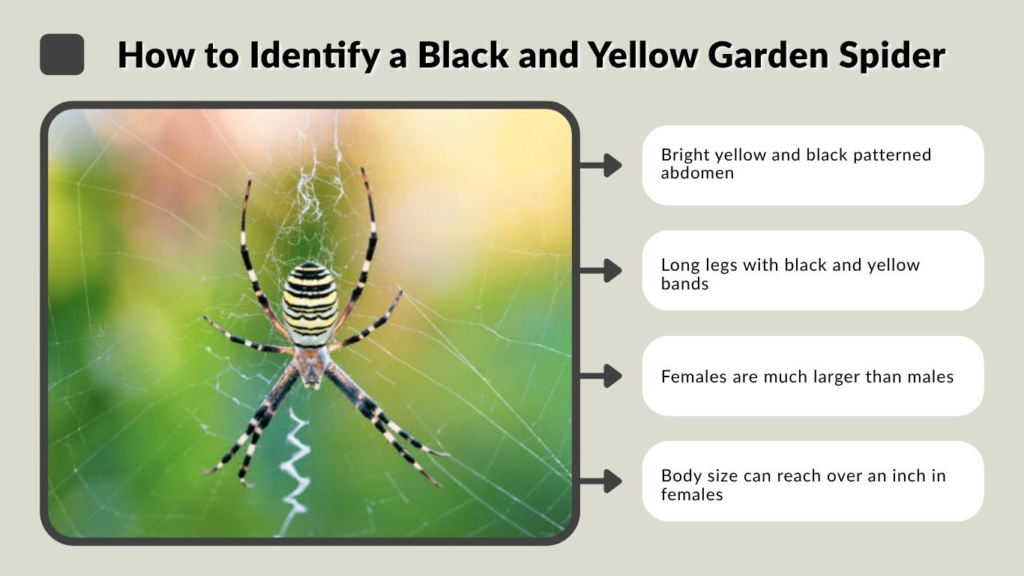
This spider is easy to recognize due to its bright coloring and large size. However, differences between males and females and changes during growth can sometimes cause confusion. Knowing the key features helps ensure accurate identification.
Physical Appearance
- Bright yellow and black patterned abdomen
- Long legs with black and yellow bands
- Silvery or pale upper body
- Distinctive, bold markings visible from a distance
Size and Growth
- Females are much larger than males
- Body size can reach over an inch in females
- Long legs create a larger overall appearance
- Size increases as the spider matures
Male vs Female Black and Yellow Garden Spider
The difference between male and female garden spiders is very noticeable. Females are larger, more colorful, and easier to spot, while males are smaller and less visible. These differences often lead people to mistake them for different species.
Female Garden Spider
- Larger body with bright yellow and black colors
- Builds and maintains large webs
- Usually seen in the center of the web
Male Garden Spider
- Much smaller and less colorful
- Often stays near the edges of the web
- Rarely noticed due to size and color
Black and Yellow Garden Spider Habitat
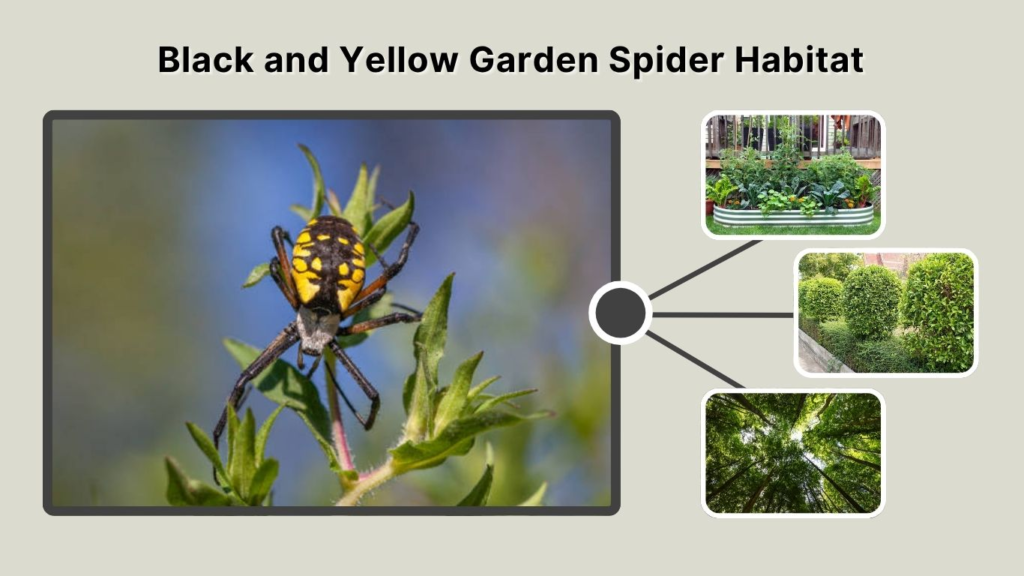
The black and yellow garden spider prefers outdoor environments where it can build its web between plants or structures. It thrives in areas with plenty of sunlight and insect activity. Gardens, fields, and yards provide ideal conditions, as they offer both shelter and a steady food supply.
Common Places to Find Them
- Gardens, bushes, and tall plants
- Between fence posts or outdoor structures
- Near areas with high insect activity
Behavior in Habitat
- Remains in web during the day
- Rebuilds web regularly
- Drops or hides when disturbed
Yellow Garden Spiders Web Structure and Behavior
The web of a black and yellow garden spider is one of its most unique features. It is large, circular, and often includes a zigzag pattern known as a stabilimentum. This structure may help attract prey or strengthen the web. The spider typically sits in the center, waiting for insects to become trapped.
Key Web Features
- Large orb-shaped design
- Sticky silk for catching flying insects
- Distinct zigzag pattern in the center
Yellow Garden Spiders Distribution by Location
The black and yellow garden spider is widely found across North America and is especially common in the United States. It appears in states such as Texas, Ohio, Wisconsin, Minnesota, and California, as well as in parts of Canada like Ontario. Its ability to adapt to different climates allows it to thrive in many environments. Although closely related species exist in other parts of the world, Argiope aurantia is most commonly associated with North American gardens and outdoor spaces.
Are Black and Yellow Garden Spiders Poisonous?
Black and yellow garden spiders are often called “poisonous,” but the correct term is venomous. They use venom to subdue insects caught in their webs. However, their venom is mild and not dangerous to humans. These spiders are not aggressive and will usually remain in their webs rather than bite. Understanding this distinction helps reduce unnecessary fear and encourages people to see them as beneficial garden creatures.
Black and Yellow Garden Spider Bite
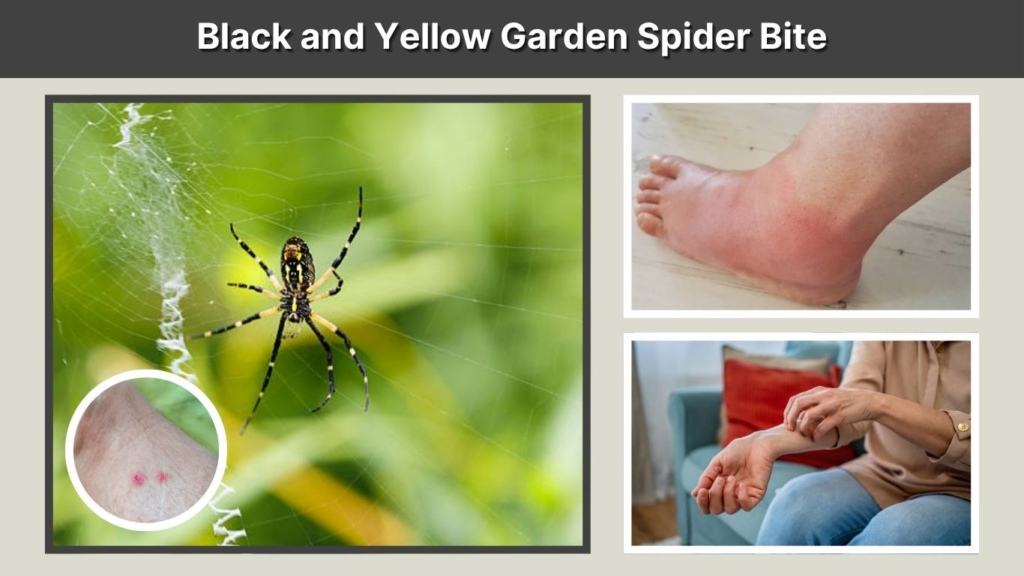
Bites from this species are rare and usually occur only if the spider is handled or feels threatened. In most cases, the bite is mild and similar to a bee sting. Knowing what to expect can help you respond calmly and appropriately.
Bite Symptoms
- Mild pain or stinging sensation
- Redness and slight swelling
- Temporary itching or irritation
When Do They Bite?
- When disturbed or touched directly
- If trapped against the skin
- As a defensive reaction
Yellow Garden Spiders Diet and Feeding Behavior
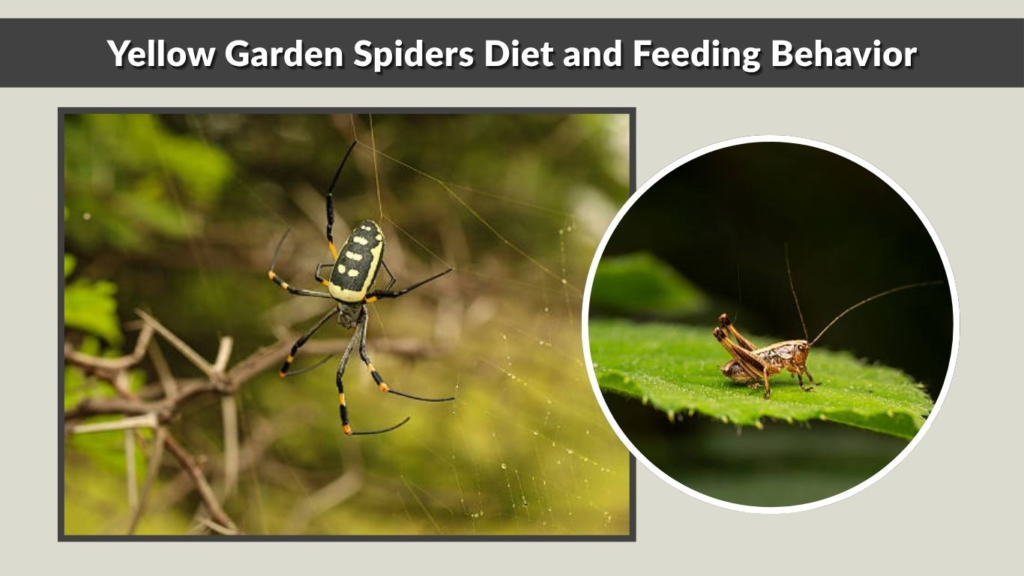
The black and yellow garden spider plays an important role in controlling insect populations. It captures prey using its large web and injects venom to immobilize it. This feeding behavior makes it a natural pest controller in gardens and outdoor spaces, helping reduce unwanted insects without harming plants.
Yellow Garden Spiders Life Cycle and Reproduction
The life cycle of the black and yellow garden spider is closely tied to seasonal changes. After mating, females produce egg sacs that protect hundreds of eggs. These sacs are often attached to nearby plants or hidden in sheltered areas. Spiderlings hatch in spring and begin their growth cycle, eventually developing into mature spiders by late summer.
Egg Sac and Eggs
- Silk cocoon protects the eggs
- Contains hundreds of spiderlings
- Usually placed in a safe, hidden spot
Growth Stages
- Spiderlings hatch in spring
- Gradually grow through molting
- Reach maturity by late summer
Ecological Benefits
Despite their large size and bold appearance, black and yellow garden spiders are highly beneficial. They help maintain balance in ecosystems by controlling insect populations. Their presence in gardens often indicates a healthy environment. Rather than posing a threat, they contribute to natural pest control and reduce the need for chemical solutions.
Interesting Facts About Black and Yellow Garden Spiders
- They create zigzag patterns in their webs
- Females are much larger than males
- They remain in one web for long periods
- They are active during daylight hours
FAQs
Is the black and yellow garden spider dangerous?
No, it is not dangerous to humans. While it is venomous, its bite is mild and rarely causes more than minor irritation.
How big can a black and yellow garden spider get?
Females can grow relatively large, with long legs that make them appear even bigger when sitting in their webs.
Do black and yellow garden spiders bite often?
No, bites are very rare. These spiders usually avoid humans and will only bite if they feel threatened or are handled.
What does the zigzag pattern in the web mean?
The zigzag design, called a stabilimentum, may help attract prey or strengthen the web structure, though its exact purpose is still debated.
Are black and yellow garden spiders good for gardens?
Yes, they are beneficial because they help control insect populations, making them a natural and eco-friendly form of pest control.
