
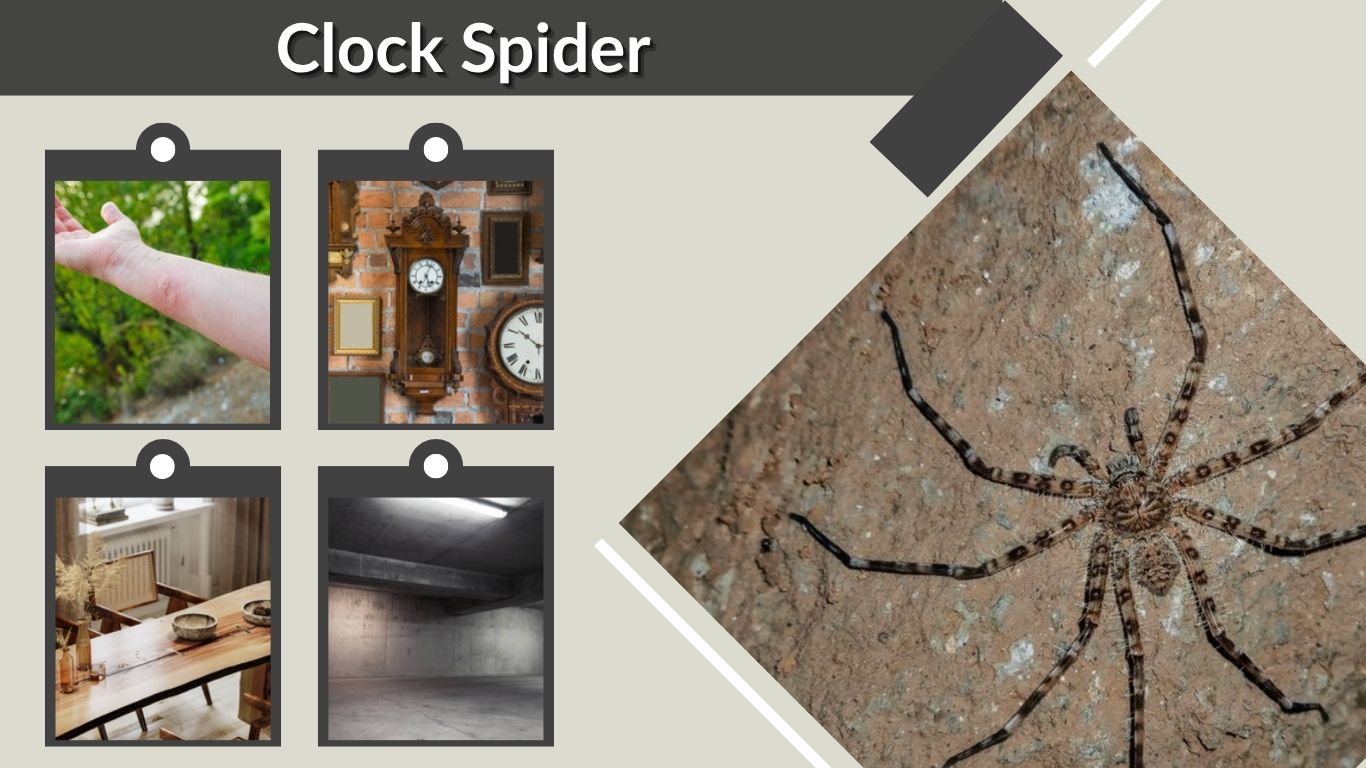
The term “clock spider” has gained attention online, often sparking curiosity and fear. Many people imagine a giant spider hiding behind a wall clock, ready to surprise them. While this idea sounds like something from a horror story, the truth is more grounded in reality. The phrase itself is not scientific but comes from real-life encounters mixed with internet storytelling. Understanding what a clock spider actually is—and what it is not—helps separate fact from fiction and reduces unnecessary fear.
What Is a Clock Spider?
The phrase “clock spider” is not a formal biological term. It is commonly used online to describe spiders found hiding behind wall clocks or similar household objects. Over time, this name has spread through forums, discussions, and shared experiences, turning into a widely searched topic despite lacking scientific basis.
Why the Term Became Popular
- Easy to visualize and relatable scenario
- Spread through online discussions and stories
- Association with sudden, unexpected encounters
Common Situations People Describe
- A spider hiding behind a wall clock
- A large spider suddenly appearing when moving objects
- Discoveries during cleaning or rearranging
Is the Clock Spider Real or Just a Myth?
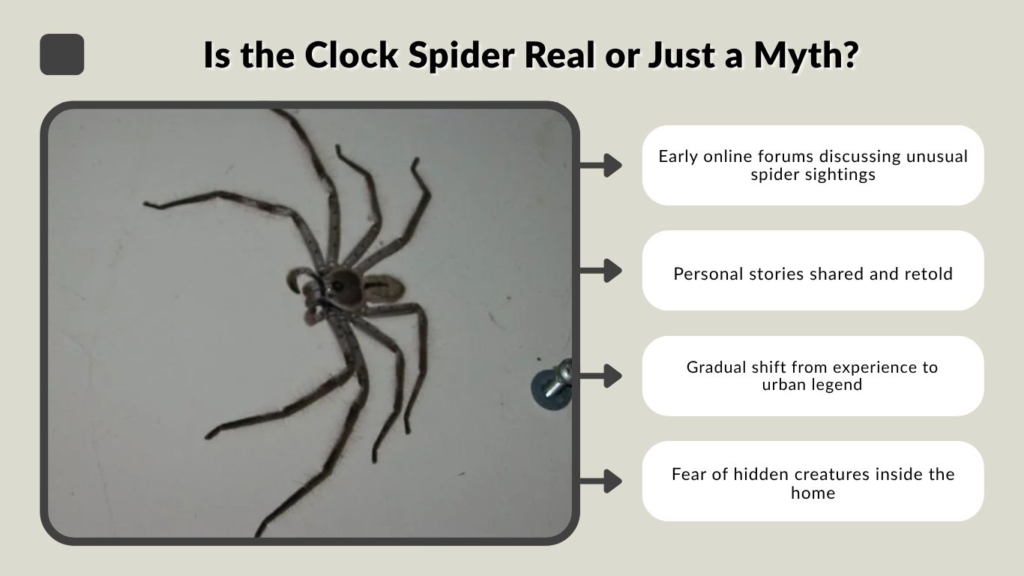
The idea of a “clock spider” sits somewhere between reality and myth. While spiders do hide behind objects like clocks, there is no specific species known by this name. The concept grew from real encounters that were later exaggerated through storytelling and repetition across the internet.
Origins of the Idea
- Early online forums discussing unusual spider sightings
- Personal stories shared and retold
- Gradual shift from experience to urban legend
Why People Believe It
- Fear of hidden creatures inside the home
- Stories that feel realistic and possible
- Strong emotional reactions to spiders
The Real Creature Behind the Name
In most cases, when people refer to a clock spider, they are actually talking about common household spiders. Among these, one species stands out as the most likely explanation for many sightings: the huntsman spider. These spiders are known for their size, speed, and tendency to hide in unexpected places.
Huntsman Spider (Most Likely Candidate)
The huntsman spider is large and fast-moving, which makes it appear more intimidating than it actually is. It is commonly found in warm regions and is known to enter homes in search of shelter. Because it prefers hidden spaces, it may end up behind objects like clocks or frames.
Other Possible Spiders
- Common house spiders found indoors
- Wolf spiders that occasionally enter homes
- Smaller species that appear larger due to shadow and angle
Clock Spider Size and Appearance
One reason the “clock spider” concept feels so alarming is the way these spiders are perceived. Many people describe them as unusually large, but this is often due to their long legs rather than their body size. Lighting, shadows, and sudden movement can also make them seem bigger than they really are.
The typical spider associated with this term has a flat body and extended legs, allowing it to move quickly across surfaces. Their colors usually blend with walls or furniture, making them harder to notice until they move. This combination of camouflage and speed contributes to the shock people feel when they encounter one unexpectedly.
Where Are Clock Spiders Found?
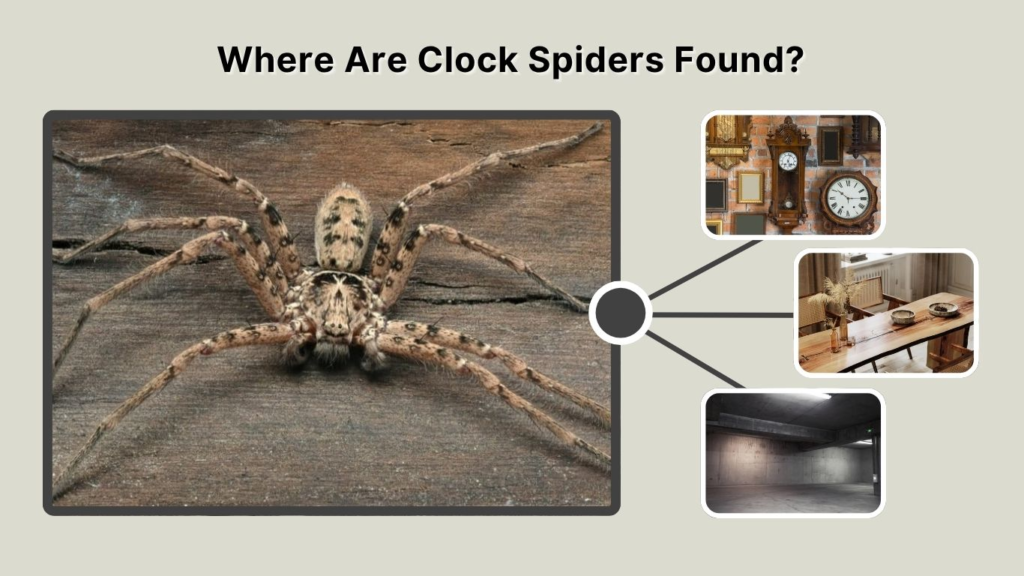
Spiders linked to the “clock spider” idea are not limited to one specific place. However, they are more commonly reported in warm climates where larger spider species are more active. These environments provide the conditions spiders need to thrive both indoors and outdoors.
Common Indoor Locations
- Behind wall clocks and picture frames
- Inside furniture or behind cabinets
- In dark corners and storage areas
Geographic Distribution
- Frequently associated with Australia
- Found in tropical and subtropical regions
- Possible in homes worldwide where spiders enter indoors
Why Do Spiders Hide Behind Clocks?
Spiders naturally seek out places that are quiet, dark, and undisturbed. Wall clocks and similar objects provide an ideal hiding spot because they are rarely moved and offer protection from both humans and predators. These spaces also help spiders conserve energy and remain hidden during the day.
In addition, insects are often attracted to light sources inside homes. This creates a convenient food supply near walls and fixtures, making such areas even more appealing for spiders. Over time, these conditions make it more likely for a spider to settle behind objects like clocks without being noticed.
Clock Spider Bite: Should You Be Worried?
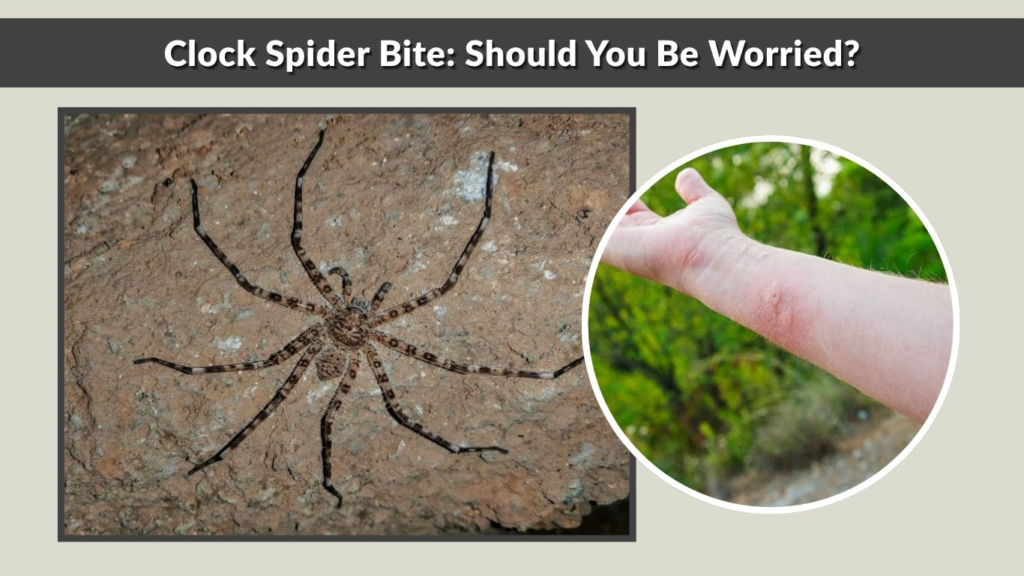
Although the idea of a “clock spider” sounds alarming, most spiders associated with this term are not dangerous. They generally avoid human interaction and only bite when they feel threatened. Understanding their behavior helps reduce unnecessary fear and allows you to respond calmly if you encounter one in your home.
Are They Dangerous?
- Most are harmless to humans
- Huntsman spiders rarely bite
- They prefer escaping over attacking
Common Symptoms of a Bite
- Mild pain at the bite site
- Slight swelling or redness
- Temporary discomfort that fades quickly
Clock Spider Urban Legend Explained
The “clock spider” has evolved into a modern urban legend, fueled by imagination and repeated storytelling. The typical narrative involves a hidden spider suddenly appearing from behind a clock, creating a shock moment that people remember and share. Over time, these stories become exaggerated, making the spider seem larger and more threatening than it actually is.
This legend persists because it is believable. Many people have experienced finding insects or spiders in unexpected places, so the story feels real. However, the dramatic elements are often added for effect, turning simple encounters into memorable tales that spread quickly across communities.
Clock Spider Meaning in Internet Culture
Beyond its literal interpretation, the term “clock spider” has taken on symbolic meaning online. It is often used to represent sudden fear or hidden danger—something unnoticed until the last moment. This makes it popular in jokes, discussions, and social media conversations.
Symbolic Interpretations
- Hidden fear waiting to be discovered
- Unexpected shock in everyday situations
- A reminder of unnoticed dangers
Use in Online Communities
- Shared as relatable experiences
- Referenced in humor and memes
- Discussed in forums and social threads
How to Prevent Spiders in Your Home
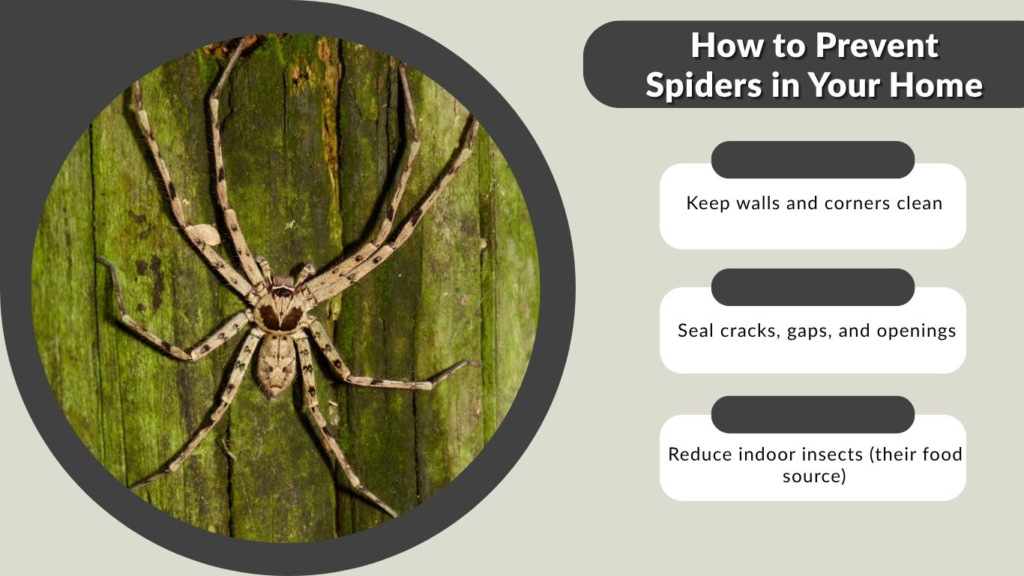
Preventing spiders from entering and hiding in your home is usually simple with consistent habits. While it is impossible to eliminate them completely, reducing their access and food sources can significantly lower the chances of encountering one behind objects like clocks.
Simple Prevention Tips
- Keep walls and corners clean
- Seal cracks, gaps, and openings
- Reduce indoor insects (their food source)
Check Hidden Areas Regularly
- Behind wall clocks and frames
- Behind furniture and storage units
- In corners and less-used spaces
Should You Be Afraid of Clock Spiders?
Fear of spiders is common, especially when they appear unexpectedly. However, most spiders associated with the “clock spider” idea are harmless and play a useful role in controlling insect populations. Understanding their behavior can help replace fear with awareness. Instead of reacting with panic, it is better to stay calm, remove the spider safely if needed, and take steps to prevent future encounters. Knowledge is the best way to reduce anxiety around these situations.
FAQs
What is a clock spider?
A clock spider is not a real species. It is a term used to describe spiders—often large ones like huntsman spiders—that hide behind wall clocks or similar objects in homes.
Is the clock spider dangerous?
No, most spiders linked to this term are harmless. They rarely bite humans and usually try to avoid contact whenever possible.
Why do spiders hide behind clocks?
Spiders prefer dark, quiet spaces that are rarely disturbed. Wall clocks provide shelter and often attract insects, which makes them a good hiding spot.
Are clock spiders only found in Australia?
They are commonly associated with Australia due to huntsman spiders, but similar situations can happen anywhere spiders enter homes.
How can I prevent spiders from hiding in my house?
Keep your home clean, seal entry points, reduce insects, and regularly check hidden areas like behind clocks and furniture.
