
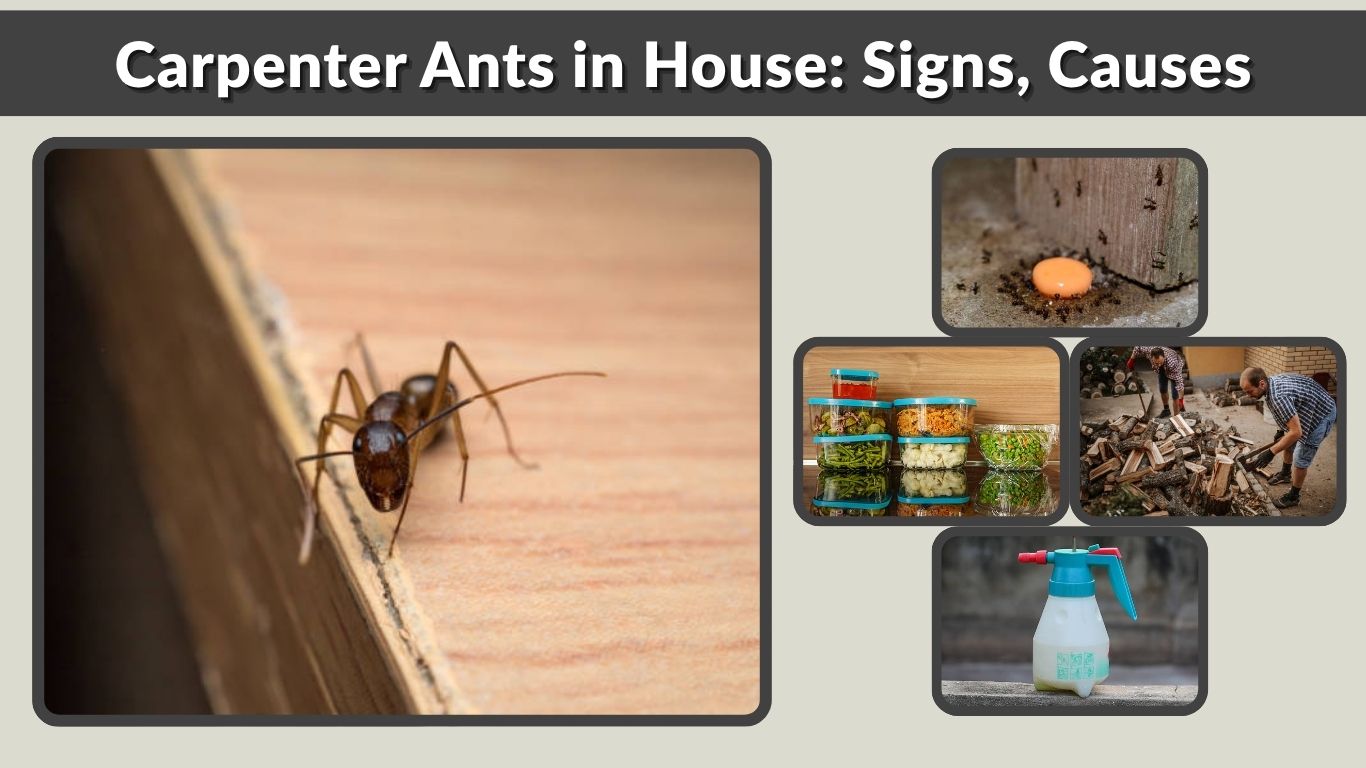
Carpenter ants in the house can be a warning sign of hidden moisture problems and potential structural damage. Unlike regular ants, they tunnel through wood to build nests, which can weaken walls, floors, and beams over time. Many homeowners first notice a single large ant and wonder if it’s serious. In reality, even small signs can point to a growing infestation. Understanding how to identify early warning signs, what causes these ants to enter, and how to respond quickly can help protect your home from costly damage.
What Does It Mean to See Carpenter Ants in the House?
Seeing carpenter ants indoors does not always mean a full infestation, but it should never be ignored. These ants often travel far from their nests, so even one sighting can indicate nearby activity.
One vs Multiple Carpenter Ants
- One carpenter ant in house may be a scout
- A few carpenter ants in house suggests nearby nesting
- Carpenter ants everywhere in house indicates infestation
Should You Be Concerned?
- Occasional sightings may not be serious
- Repeated sightings usually signal a hidden colony
- Indoor activity at night increases concern
Signs of Carpenter Ants in House
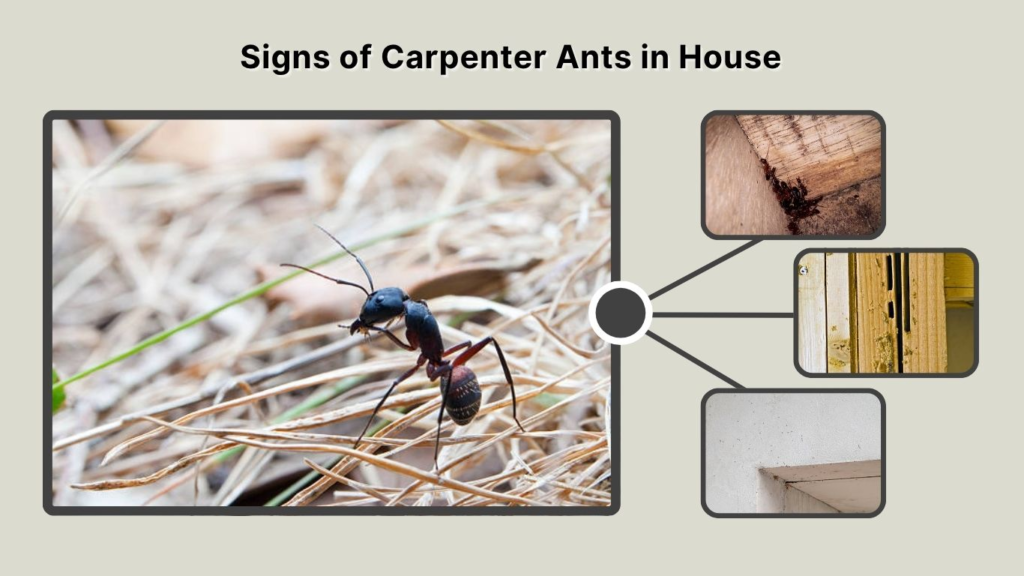
Recognizing the signs early is the key to preventing damage. Carpenter ants are often active when the home is quiet, making them harder to detect.
Early Signs
- Seeing large ants occasionally indoors
- Increased activity at night
- Carpenter ants in house during winter or summer
Clear Evidence
- Small piles of sawdust-like debris (frass)
- Hollow-sounding wood when tapped
- Carpenter ants in walls of house
Advanced Infestation Signs
- Flying carpenter ants in house
- Winged carpenter ants indoors
- Visible ant trails along walls or ceilings
What Causes Carpenter Ants in the House?
Carpenter ants are attracted to specific conditions that make a home suitable for nesting and survival. Identifying these causes helps in both treatment and prevention.
Common Causes
- Moisture problems from leaks or poor ventilation
- Decaying or damaged wood structures
- Carpenter ants in trees near house
How Do Carpenter Ants Get in the House?
- Cracks in foundation and walls
- Gaps around doors and windows
- Utility lines, vents, and roof openings
Why Are Carpenter Ants in My House?
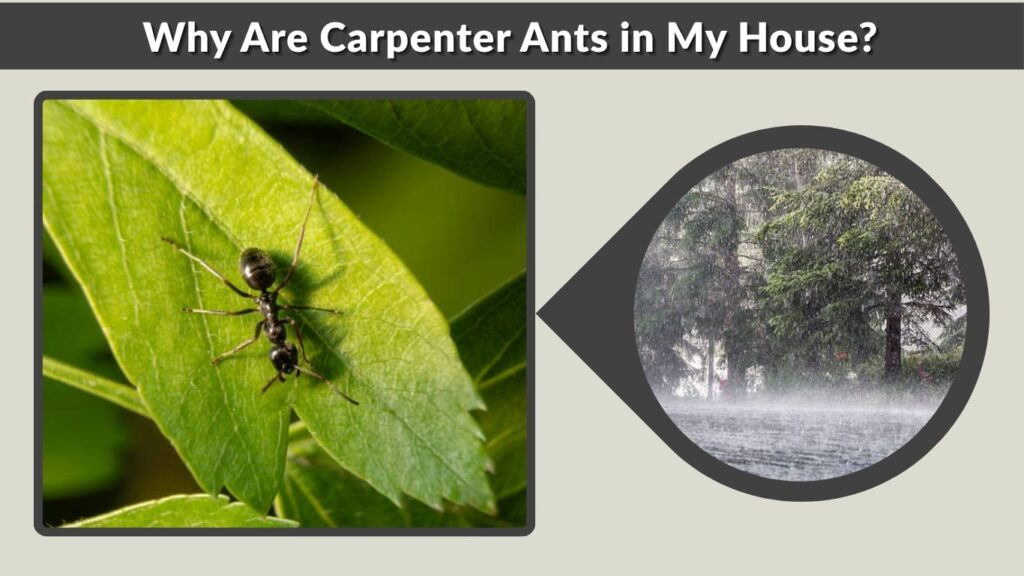
Carpenter ants enter homes primarily in search of moisture, food, and shelter. Damp areas such as basements, kitchens, and attics provide ideal nesting conditions. Weather changes, especially heavy rain or extreme heat, can also push them indoors. In many cases, they originate from outdoor colonies and move inside to form satellite nests. Once they find a stable environment with access to food and water, they continue to expand their presence inside the house.
Carpenter Ant Nest in House
Finding the nest is one of the most important steps in controlling carpenter ants. Without locating it, treatments may only address surface-level activity.
Common Nest Locations
- Inside wall voids and insulation
- Basement, attic, or crawl spaces
- Wooden beams and window frames
How to Find Carpenter Ant Nest in House
- Follow visible ant trails
- Look for frass near wood surfaces
- Listen for faint rustling inside walls
Carpenter Ants With Wings in House
Winged carpenter ants are often alarming for homeowners because they are more noticeable and usually appear in larger numbers.
What Winged Ants Mean
- They are reproductive ants (swarmers)
- Indicate a mature colony nearby
When They Appear
- Common in spring and early summer
- Often seen after rain or humidity increases
Carpenter Ant Damage in House
Carpenter ants can cause gradual but serious damage by tunneling through wooden structures. They create smooth galleries inside wood, weakening its strength over time. Areas with moisture are especially vulnerable, as softer wood is easier for them to excavate. Although the damage develops more slowly than termite infestations, it can still lead to structural issues if ignored. Early detection and timely action are essential to prevent long-term repair costs.
How to Get Rid of Carpenter Ants in House
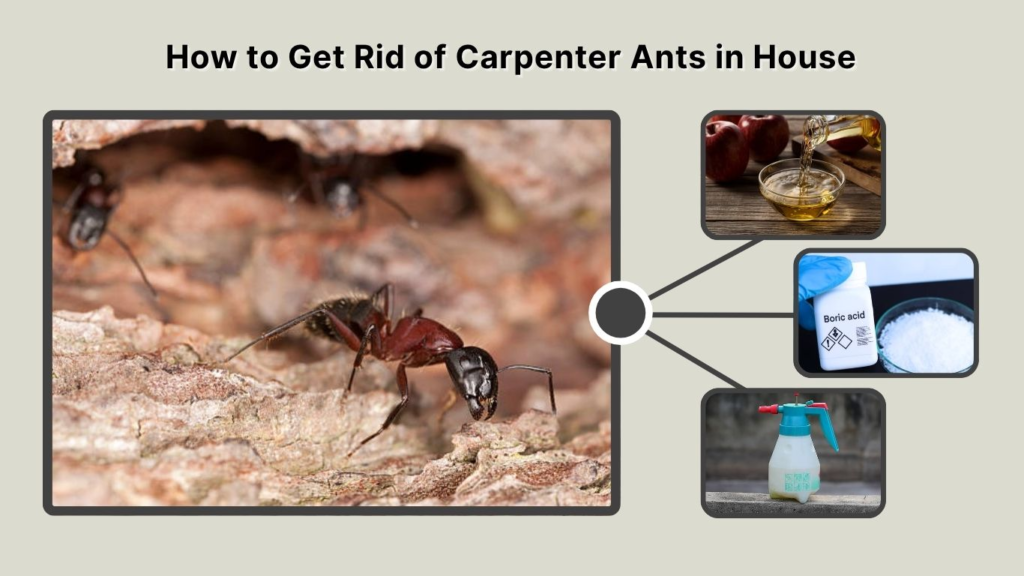
Eliminating carpenter ants requires a targeted approach that focuses on removing the colony, not just the visible ants. Combining multiple methods usually provides the best results.
DIY Methods
- Use boric acid bait to poison the colony
- Apply vinegar or essential oils to disrupt trails
- Reduce moisture in affected areas
How to Kill Carpenter Ants in House
- Use insecticide sprays for immediate control
- Treat cracks, crevices, and entry points
- Repeat treatment to ensure full elimination
Best Way to Get Rid of Carpenter Ants
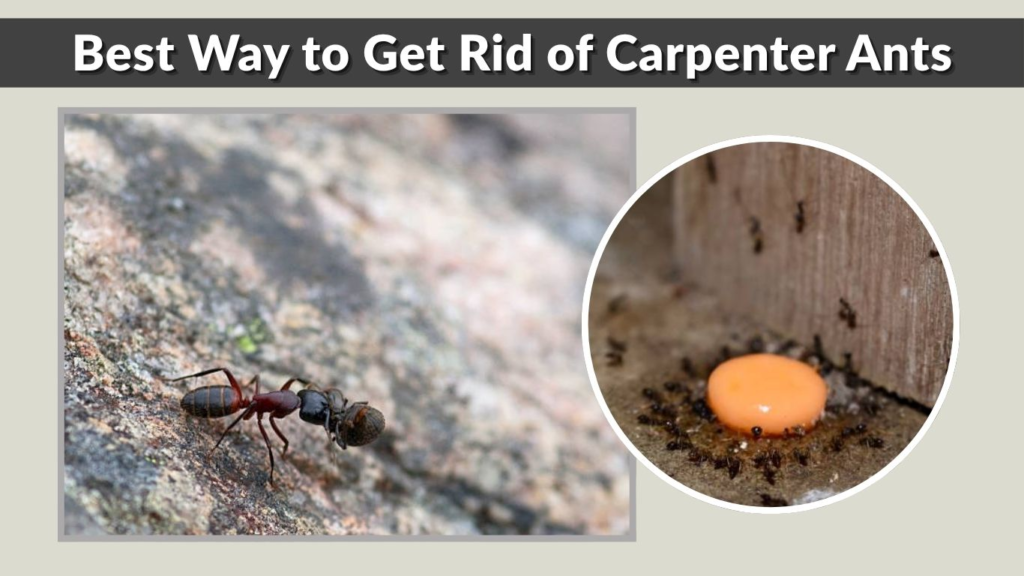
The most effective solution is a combination of treatment and prevention. Relying on one method alone may not fully eliminate the infestation.
Most Effective Solutions
- Bait systems to destroy the entire colony
- Combining bait with targeted sprays
- Long-term monitoring and maintenance
Carpenter Ant Infestation in House
A severe infestation can lead to noticeable structural issues and increased ant activity throughout the home.
Signs of Severe Infestation
- Carpenter ants everywhere in house
- Dead carpenter ants appearing frequently
- Established carpenter ant colony in house
When to Take Immediate Action
- Visible wood damage
- Multiple winged ants indoors
- Persistent activity despite treatment
Preventing Carpenter Ants in House
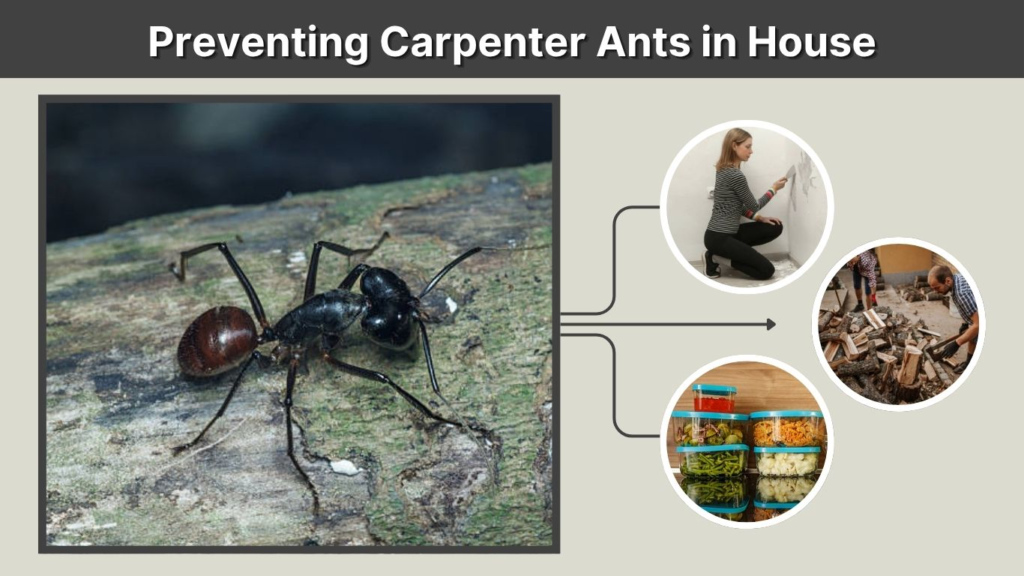
Prevention is the most effective way to avoid future infestations. By eliminating favorable conditions, you can reduce the chances of carpenter ants returning.
Indoor Prevention
- Fix leaks and control humidity levels
- Seal cracks and openings in walls
- Keep food stored in airtight containers
Outdoor Prevention
- Remove decaying wood near the home
- Trim tree branches away from the structure
- Maintain proper drainage around the foundation
Carpenter Ant Control in House
Controlling carpenter ants inside the home requires consistency and attention to detail. It is not just about eliminating current activity but also preventing new colonies from forming. Regular inspections, proper sanitation, and moisture control play a major role in long-term success. If infestations continue despite repeated efforts, professional pest control may be necessary to locate hidden nests and apply more advanced treatments.
FAQs
I found one carpenter ant in my house—should I worry?
Seeing one carpenter ant may not always indicate a full infestation, but it can signal nearby activity. It is important to monitor for additional signs such as repeated sightings, frass, or nighttime movement.
Why are carpenter ants suddenly in my house?
Sudden appearances are often caused by weather changes, moisture issues, or nearby outdoor nests sending ants indoors in search of food and shelter.
How do carpenter ants get into a house?
They enter through small cracks, gaps around windows and doors, and openings near utility lines or vents. Even tiny spaces can provide access.
What is the best way to kill carpenter ants in house?
Bait systems are the most effective method because they target the entire colony. Sprays can kill visible ants but do not eliminate the source.
Are winged carpenter ants in house a bad sign?
Yes, winged ants usually indicate a mature colony nearby or inside the home. This often requires immediate inspection and treatment to prevent further infestation.
