
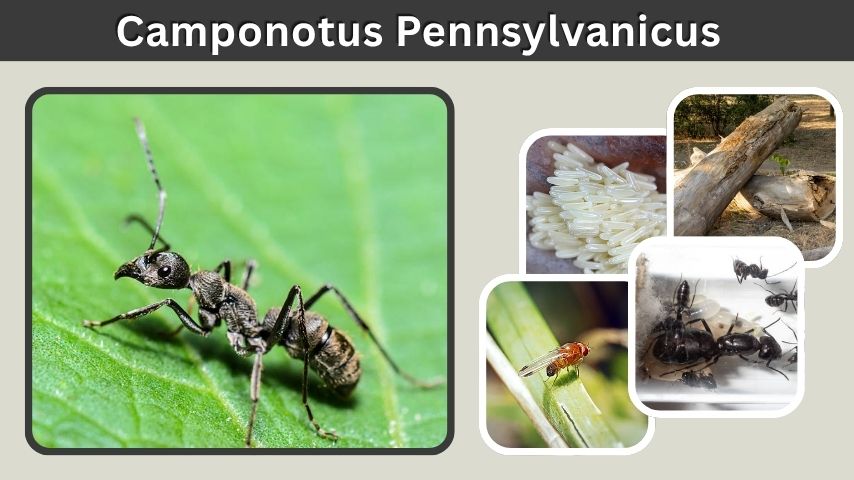
Camponotus pennsylvanicus, commonly known as the Black Carpenter Ant, is one of North America’s most recognizable ant species. Known for its large size, impressive queen, and relatively easy care requirements, this species is highly popular among ant keepers. Whether you are interested in identifying wild colonies, raising a queen, or understanding colony development, learning about Camponotus pennsylvanicus can be both fascinating and rewarding. This guide covers its biology, habitat, colony structure, and essential care requirements for beginners and experienced hobbyists alike.
What Is Camponotus Pennsylvanicus?
Camponotus pennsylvanicus is a species of carpenter ant native to eastern North America. Unlike termites, these ants do not eat wood but excavate it to create nesting chambers. Their large size, black coloration, and distinct worker castes make them one of the most studied and recognized ant species in the region.
Common Name
The species is commonly known as the Black Carpenter Ant. It belongs to the Camponotus genus, which contains hundreds of carpenter ant species worldwide.
Taxonomy
Camponotus pennsylvanicus belongs to the family Formicidae and is classified within the genus Camponotus. It was first described by Fabricius and remains one of the most researched carpenter ant species in North America.
Physical Characteristics
Several features distinguish this species from other ants:
- Glossy black coloration
- Large worker size variation
- Powerful mandibles
- Single petiole node
- Dense body hairs on the abdomen
Camponotus Pennsylvanicus Size Guide
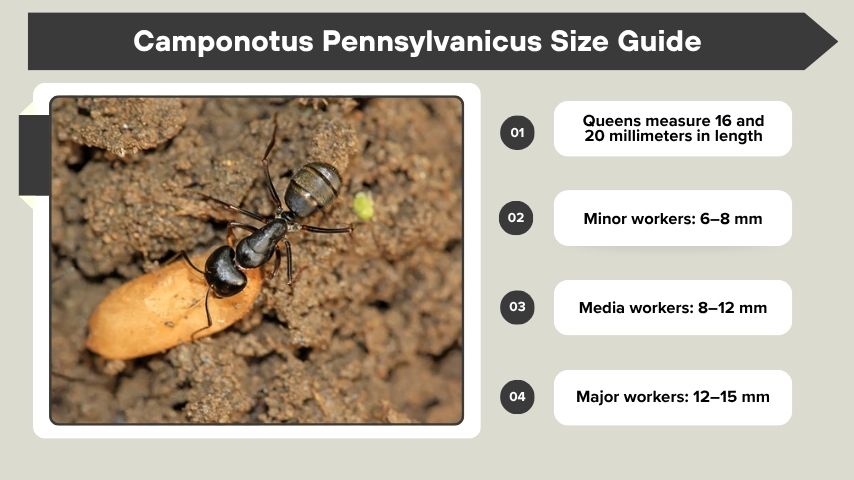
Size variation is one of the most interesting characteristics of Camponotus pennsylvanicus. Different castes perform specialized tasks within the colony, resulting in noticeable differences in body size and appearance. Understanding these differences helps ant keepers identify workers, majors, and reproductive ants more easily.
Queen Size
The queen is the largest member of the colony. Most queens measure between 16 and 20 millimeters in length. Newly mated queens often have a robust thorax due to the muscles used during nuptial flights.
Worker Sizes
Workers vary significantly depending on their role within the colony.
- Minor workers: 6–8 mm
- Media workers: 8–12 mm
- Major workers: 12–15 mm
- Super majors: Up to 16 mm
Male Size
Male ants are generally slimmer than queens and workers. They possess wings before mating flights and typically measure between 10 and 14 millimeters in length.
Where Do Camponotus Pennsylvanicus Live?
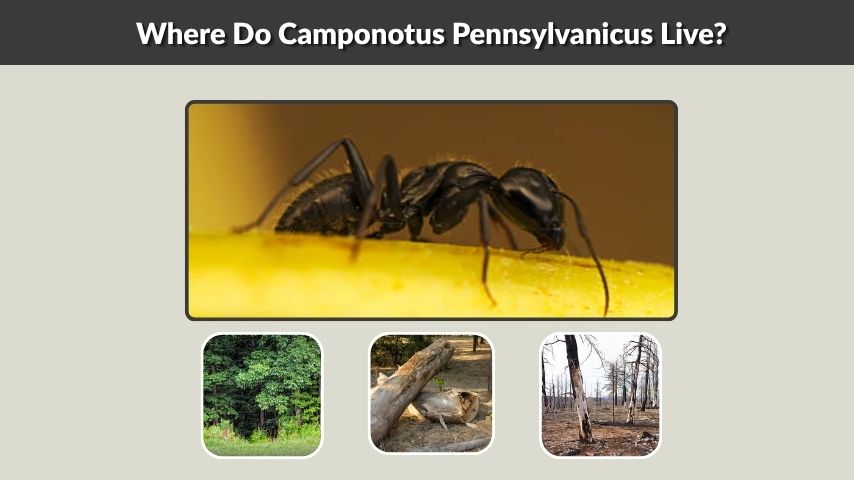
This species is widely distributed across eastern and central regions of North America. It thrives in forests, suburban neighborhoods, and wooded landscapes where dead or decaying wood is readily available. Their adaptability allows colonies to establish nests in both natural and human-made environments.
Native Range
Camponotus pennsylvanicus is commonly found throughout:
- United States
- Southern Canada
- Northeastern regions
- Midwestern states
- Appalachian forests
Preferred Habitat
Colonies prefer areas with abundant wood and moderate moisture levels. Forest edges, fallen logs, dead trees, and old stumps often provide ideal nesting locations.
Nesting Behavior
Unlike many ground-dwelling ants, carpenter ants primarily nest inside wood. They excavate galleries within decaying timber to create chambers for brood development, food storage, and colony expansion.
Camponotus Pennsylvanicus Colony Structure
The colony structure of Camponotus pennsylvanicus is highly organized and efficient. Each caste performs specific duties that contribute to colony survival and growth. This division of labor allows colonies to thrive in a variety of environments while maintaining strong defense and resource-gathering capabilities.
Worker Castes
Workers are divided into several categories based on size and responsibility.
Minor Workers
Minor workers perform most routine tasks, including brood care, nest maintenance, and food collection. They are the smallest and most numerous members of the colony.
Major Workers
Major workers possess larger heads and stronger mandibles. Their primary functions include colony defense and processing large food items.
Super Majors
Large mature colonies may produce super majors. These impressive ants provide additional defense and can assist with demanding colony tasks.
Are Camponotus Pennsylvanicus Polygynous?
Camponotus pennsylvanicus is generally considered a monogynous species, meaning colonies typically contain a single queen. Multiple-queen colonies are uncommon and usually unstable over the long term.
Camponotus Pennsylvanicus Queen Guide
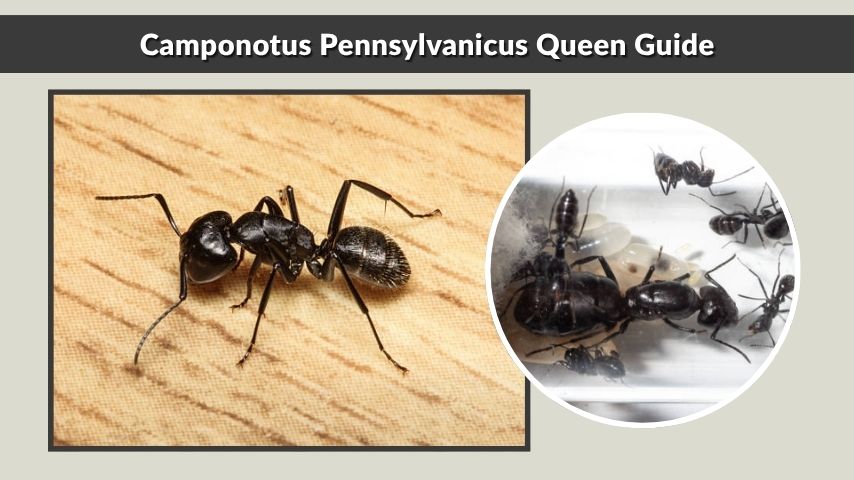
The queen is the foundation of every colony and plays a critical role in reproduction. Ant keepers often seek newly mated queens after nuptial flights because they provide the opportunity to establish a colony from the very beginning.
Identifying a Queen
Queens can be recognized by several characteristics:
- Larger body size
- Wider thorax
- Larger gaster
- Wing scars after mating
- Slower movement than workers
Queen Behavior
After mating, the queen searches for a protected nesting site where she can begin founding a colony. During this stage, she remains secluded while laying eggs and raising the first generation of workers.
Queen Care Requirements
Successful queen care requires:
- A clean test tube setup
- Minimal disturbance
- Proper hydration
- Stable temperatures
- Patience during colony founding
When Does a Queen Lay Eggs?
A healthy queen usually begins laying eggs shortly after establishing a suitable nesting chamber. Development speed depends on temperature, humidity, and overall environmental conditions.
Camponotus Pennsylvanicus Nuptial Flights and Reproduction
Nuptial flights are one of the most exciting events in the life cycle of Camponotus pennsylvanicus. During these flights, virgin queens and males leave their parent colonies to mate. After successful mating, queens search for suitable nesting sites and begin founding new colonies. Understanding this process is important for both ant enthusiasts and those interested in locating queens in the wild.
When Do Nuptial Flights Occur?
Most nuptial flights occur during late spring and summer, particularly on warm evenings following rainfall. Weather conditions play a major role in determining flight activity.
Signs a Flight Is Happening
Several indicators suggest a nuptial flight may be underway:
- Warm temperatures after rain
- Increased ant activity outdoors
- Winged ants gathering near nest entrances
- Swarms around lights at dusk
- Newly dealated queens on sidewalks
Are They Full Claustral?
Camponotus pennsylvanicus queens are fully claustral. This means they can raise their first brood without leaving the nest to forage. The queen relies on stored body reserves until the first workers emerge.
Camponotus Pennsylvanicus Life Cycle
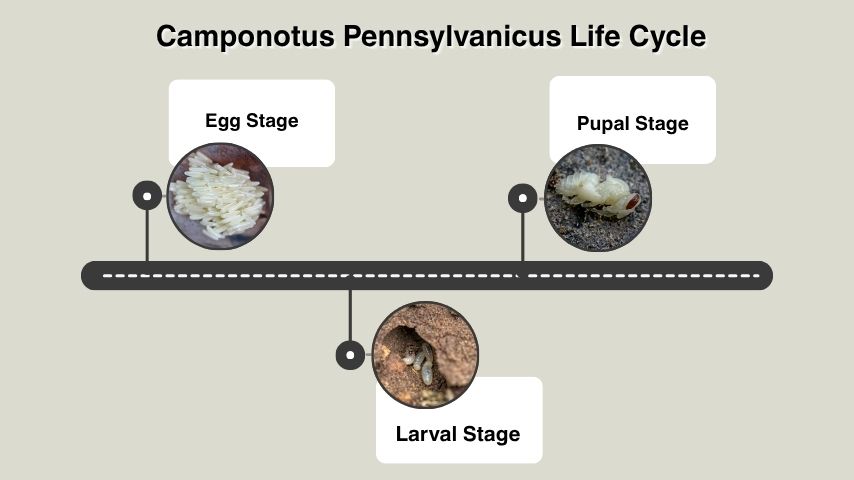
The development of a colony begins with a single queen and progresses through several growth stages. While carpenter ants develop more slowly than many other ant species, their colonies can eventually become quite large when properly maintained.
Egg Stage
The queen lays small white eggs that remain clustered together. Under favorable conditions, eggs begin developing within a few weeks.
Larval Stage
Larvae depend entirely on the queen or workers for nourishment. During this stage, rapid growth occurs as they prepare for pupation.
Pupal Stage
Pupae are enclosed in silk cocoons. Inside the cocoon, the ant undergoes transformation into its adult form.
Time to First Workers
Typical colony development follows this timeline:
- Egg stage: 2–3 weeks
- Larval stage: 2–4 weeks
- Pupal stage: 3–5 weeks
- First workers: 6–10 weeks after egg laying
Camponotus Pennsylvanicus Care Sheet
Camponotus pennsylvanicus is often recommended for beginner ant keepers due to its hardy nature and manageable care requirements. Although colony growth is relatively slow, this species rewards patience with impressive worker sizes and long-lived colonies.
Test Tube Setup
New queens are typically housed in test tube setups during colony founding. A water reservoir separated by cotton provides hydration while maintaining proper humidity levels.
Formicarium Setup
Once the colony grows, it can be transferred into a formicarium designed for carpenter ants. Wooden, acrylic, and hybrid nests are commonly used.
Outworld Requirements
A properly designed outworld helps provide food and allows natural foraging behavior.
Essential outworld features include:
- Escape-proof barriers
- Feeding area
- Water source
- Easy cleaning access
- Adequate ventilation
Temperature and Humidity Requirements
Maintaining proper environmental conditions is essential for colony health and brood development. Stable temperatures encourage activity, while balanced humidity supports successful egg and larval growth.
Ideal Temperature Range
Most colonies thrive between 70°F and 80°F (21°C–27°C). Warmer temperatures generally promote faster brood development, while excessive heat may stress the colony.
Humidity Requirements
Moderate humidity is ideal. Nest areas should remain slightly moist, while outworld sections should remain relatively dry to prevent mold growth.
Seasonal Adjustments
Natural seasonal changes help regulate colony activity. Ant keepers often reduce temperatures during winter to simulate natural environmental conditions.
Camponotus Pennsylvanicus Hibernation Guide
Unlike many tropical ant species, Camponotus pennsylvanicus requires a winter hibernation period. This seasonal dormancy plays an important role in long-term colony health and reproductive success.
Why Hibernation Is Necessary
Hibernation allows the colony to conserve energy and follow its natural biological cycle. Colonies deprived of hibernation may experience health issues or reduced brood production.
Proper Hibernation Conditions
Successful hibernation typically includes:
- Temperatures between 40°F and 55°F
- Reduced feeding
- Limited disturbance
- Consistent moisture levels
- A duration of 3–5 months
Camponotus Pennsylvanicus Diet and Feeding Guide
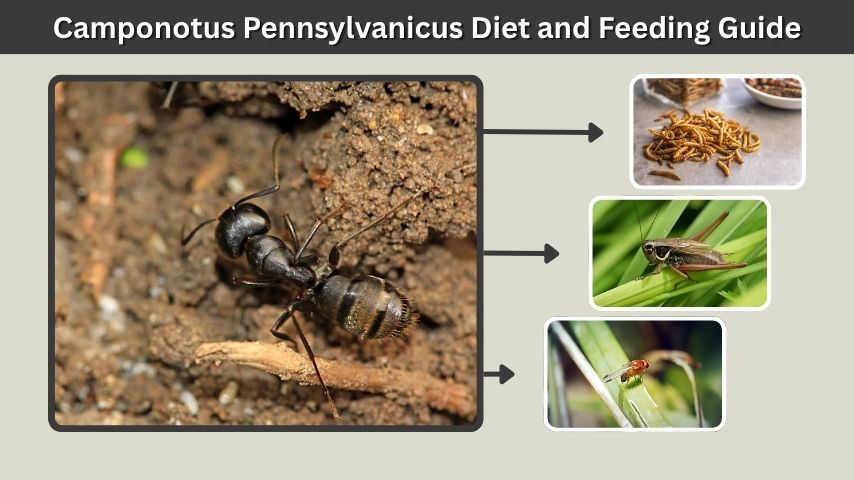
Proper nutrition is critical for colony growth. Carpenter ants require both protein and carbohydrates to support worker activity, brood development, and queen health.
Protein Sources
Protein supports larval growth and colony expansion.
Common protein foods include:
- Mealworms
- Crickets
- Roaches
- Fruit flies
- Cooked insects
Sugar Sources
Adult workers primarily consume carbohydrates for energy.
Popular sugar sources include:
- Honey water
- Sugar water
- Maple syrup mixtures
- Commercial nectar substitutes
Feeding Frequency
Small colonies may only require feeding once or twice per week, while larger colonies consume significantly more food due to increased worker populations.
Ant Keeping Tips for Success
Keeping Camponotus pennsylvanicus successfully requires patience and observation. Colony growth can appear slow during the first year, but healthy colonies gradually accelerate as worker numbers increase.
Common Beginner Mistakes
Many new ant keepers make avoidable errors:
- Disturbing queens too frequently
- Overfeeding colonies
- Ignoring hibernation requirements
- Using oversized nests too early
- Allowing mold to develop
Monitoring Colony Health
Healthy colonies display active workers, steady brood development, and consistent feeding behavior. Regular observation helps identify potential issues before they become serious.
FAQs
Is Camponotus Pennsylvanicus a Good Ant Species for Beginners?
Yes, Camponotus pennsylvanicus is often recommended for beginner ant keepers. The species is hardy, easy to care for, and fully claustral, meaning queens can raise their first workers without needing food during colony founding. Their large size also makes observation easier than with many smaller ant species.
How Long Does a Camponotus Pennsylvanicus Queen Live?
A healthy Camponotus pennsylvanicus queen can live 10 to 20 years or more under proper conditions. Because queens have such long lifespans, a successful colony can remain active and productive for many years when provided with appropriate care and nutrition.
What Is the Best Temperature for Camponotus Pennsylvanicus?
The ideal temperature range for most colonies is between 70°F and 80°F (21°C–27°C). Temperatures within this range encourage healthy brood development and worker activity. During winter, colonies should be cooled for hibernation to mimic their natural seasonal cycle.
How Fast Do Camponotus Pennsylvanicus Colonies Grow?
Colony growth is relatively slow compared to many other ant species. A newly founded colony may take several months to produce its first workers, and significant growth often occurs after the second year. Patience is important, as healthy colonies can eventually reach thousands of workers.
What Should I Feed Camponotus Pennsylvanicus?
Camponotus pennsylvanicus requires both protein and carbohydrates. Protein sources such as mealworms, crickets, and roaches support brood development, while honey water, sugar water, and nectar substitutes provide energy for adult workers. A balanced feeding routine helps maintain a healthy and growing colony.
