
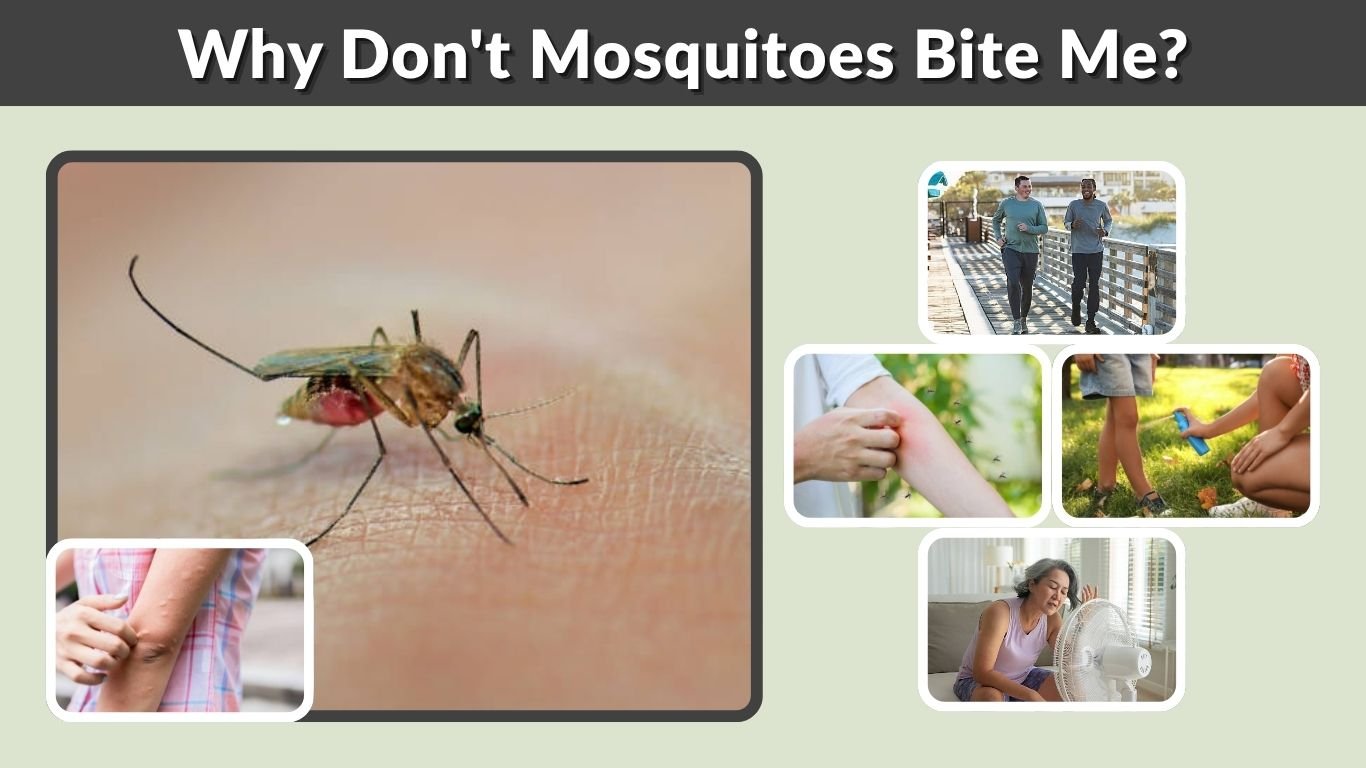
Have you ever wondered why mosquitoes bite everyone around you but seem to leave you alone? While some people attract mosquitoes frequently, others rarely experience bites. This difference is influenced by several biological and environmental factors. Your natural body odor, skin chemistry, genetics, carbon dioxide production, and immune response can all play a role. Understanding these factors can help explain why mosquitoes prefer certain people, why you may experience fewer bites, and why you might not notice mosquito bites even when they occur.
1. Your Natural Body Odor May Be Less Attractive
One possible reason mosquitoes do not bite you frequently is your natural body odor. Mosquitoes use their sense of smell to locate humans, and every person produces a different combination of chemicals through their skin and sweat.
Some people naturally release odor compounds that attract mosquitoes more strongly, while others produce combinations that are less attractive. This difference may explain why mosquitoes repeatedly land on your friends or family members instead of you.
Your Skin Chemistry Is Different
Your skin releases various chemical compounds, including lactic acid, ammonia, and other substances that contribute to your natural scent. Mosquitoes can detect some of these chemicals when searching for a blood meal.
Research has found that people with higher levels of certain skin-derived carboxylic acids can be more attractive to mosquitoes. These natural differences may remain relatively consistent over time.
Your Skin Bacteria May Influence Attraction
The bacteria naturally living on your skin also contribute to your body odor. They break down substances in sweat and produce different chemical compounds.
Because everyone’s skin microbiome is different, your natural scent may be less appealing to mosquitoes than someone else’s. However, scientists are still investigating exactly how skin bacteria influence mosquito attraction.
2. You May Release Different Amounts of Carbon Dioxide and Heat
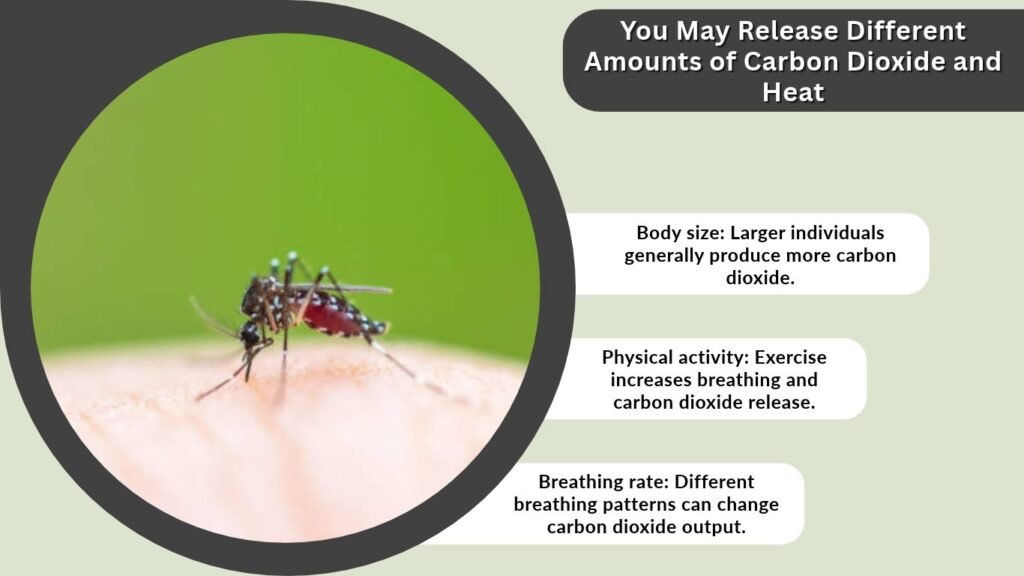
Mosquitoes use more than body odor to find people. They can detect carbon dioxide released through breathing and use additional signals, including body heat, to locate potential hosts. Differences in these signals may influence which person a mosquito approaches first.
Carbon Dioxide Production
People release carbon dioxide whenever they breathe. Mosquitoes detect this gas and use it as an important signal when searching for humans.
Your carbon dioxide production can vary depending on several factors:
- Body size: Larger individuals generally produce more carbon dioxide.
- Physical activity: Exercise increases breathing and carbon dioxide release.
- Metabolism: Metabolic activity influences how much carbon dioxide your body produces.
- Breathing rate: Different breathing patterns can change carbon dioxide output.
If someone near you produces stronger signals, mosquitoes may find that person more easily.
Body Temperature and Sweating
Mosquitoes can also detect heat when approaching a potential host. Differences in skin temperature may influence where they land and how easily they locate exposed skin.
Sweating can change your natural body odor by releasing additional chemical compounds. Therefore, your activity level and skin conditions may influence mosquito attraction.
However, neither body temperature nor carbon dioxide production alone determines whether mosquitoes will bite you.
3. Your Genetics May Influence Mosquito Attraction
Genetics can influence several characteristics associated with mosquito attraction, including body odor, skin chemistry, and metabolism. This means you may have inherited certain biological characteristics that make you less attractive to mosquitoes than other people.
Research involving twins has suggested that genetic factors contribute to differences in human attractiveness to mosquitoes. Although genetics cannot completely protect someone from mosquito bites, it may help explain why some individuals consistently experience fewer bites.
Family Members Can Attract Different Numbers of Mosquitoes
You may notice that mosquitoes frequently bite your parents, siblings, or other family members while rarely approaching you.
This can happen because people have different combinations of genes that influence their natural body chemistry. Even individuals who share similar genetic backgrounds can have different skin odors and other characteristics.
Your genetics may contribute to your attractiveness to mosquitoes, but environmental conditions and mosquito species also matter.
4. Your Immune System May Not React Strongly to Mosquito Bites
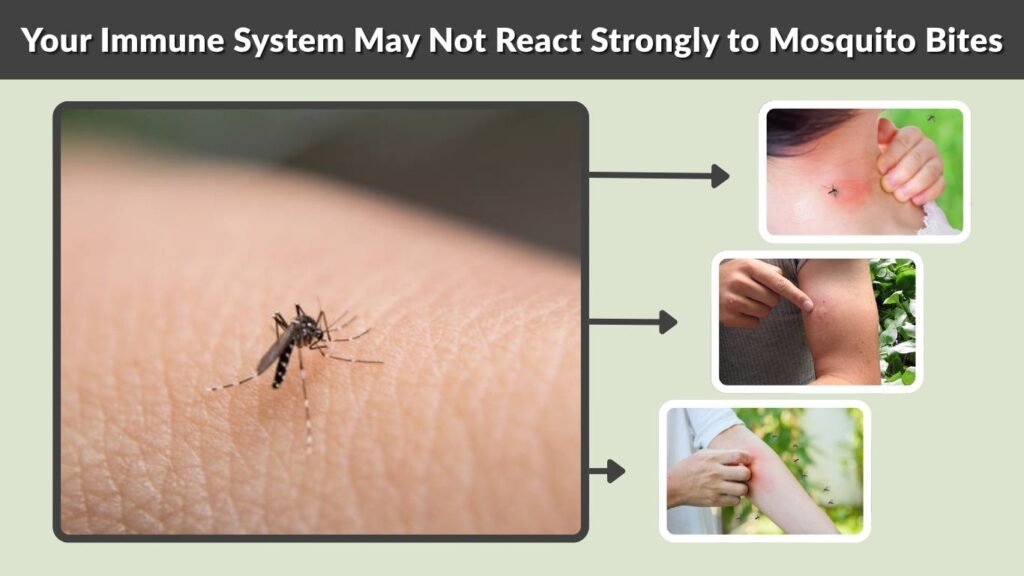
Sometimes, mosquitoes do bite you, but you simply do not notice. Not everyone develops the same skin reaction after a mosquito feeds. Some people experience large, itchy bumps, while others have almost no visible symptoms.
When a female mosquito feeds, it releases saliva into the skin. Your immune system responds to proteins in that saliva, which can cause itching, redness, and swelling.
Reasons You May Not Notice Mosquito Bites
Several factors can explain why mosquito bites do not affect you noticeably:
- Mild immune response: Your body may react weakly to mosquito saliva.
- Little swelling: The affected skin may not develop a noticeable bump.
- Reduced itching: You may experience very little irritation after a bite.
- Delayed reactions: Some mosquito bites become noticeable several hours later.
- Previous exposure: Your immune response can change after repeated exposure to mosquito saliva.
Why Some People Do Not Experience Itching
The itching associated with mosquito bites is an immune response, not a direct indication of how much blood a mosquito has taken.
If your immune system produces a mild inflammatory response, you may not experience significant discomfort. This does not mean mosquitoes cannot feed on you or that you are naturally immune to their bites.
5. Your Clothing and Environment May Reduce Mosquito Exposure
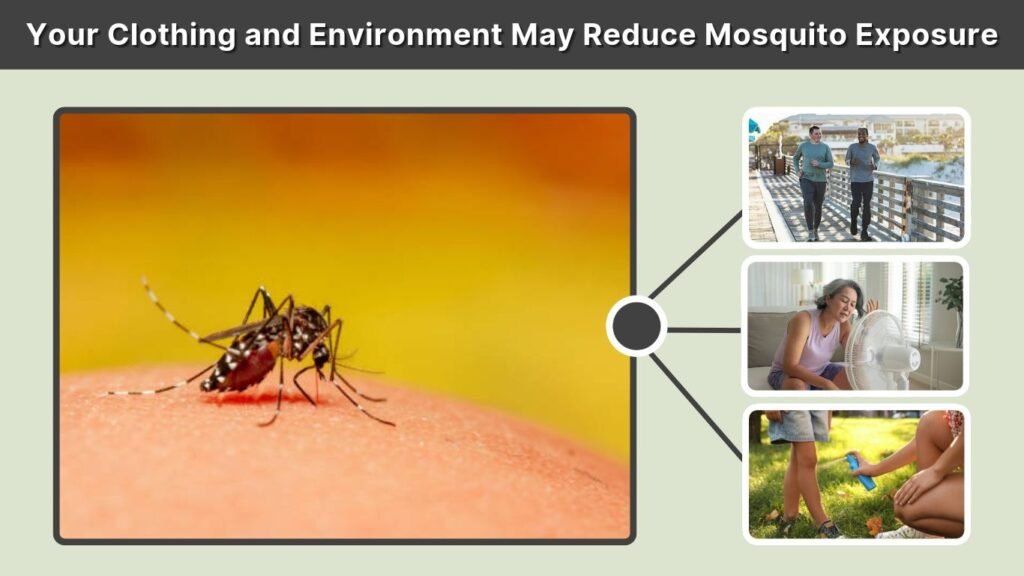
Your daily habits and surroundings can also explain why mosquitoes seem to avoid you. Even if your body naturally attracts mosquitoes, your clothing, location, and outdoor activities influence how easily they can reach your skin.
Someone wearing shorts and a sleeveless shirt may have more exposed skin than someone wearing long sleeves and trousers. Similarly, spending time in a screened room can reduce exposure to mosquitoes.
Everyday Factors That May Reduce Mosquito Bites
- Protective clothing: Long sleeves, trousers, and socks cover exposed skin.
- Light-colored clothing: Some mosquito species are more attracted to dark colors.
- Air movement: Fans and natural airflow can make it harder for mosquitoes to fly and land.
- Indoor protection: Window screens and closed doors help prevent mosquitoes from entering.
- Insect repellents: Products containing DEET or picaridin can reduce mosquito landings and bites.
Does Blood Type Matter?
You may have heard that mosquitoes prefer people with type O blood and avoid those with other blood types.
Although some research has investigated a relationship between blood type and mosquito attraction, blood type alone does not explain why mosquitoes bite certain people more frequently. Body odor, carbon dioxide, and other biological signals are important factors.
6. Why Don’t Mosquitoes Bite Me Anymore?
If mosquitoes used to bite you frequently but seem to avoid you now, several changes could explain the difference. Your personal habits, surroundings, clothing, and exposure to different mosquito species may have changed over time.
For example, you might spend less time outdoors during mosquito activity or use different personal care products that change your natural skin odor. Changes in local mosquito populations can also affect how frequently you experience bites.
What May Have Changed?
- Personal care products: New soaps, lotions, and fragrances may change your skin’s scent.
- Outdoor activities: Spending less time outside can reduce mosquito exposure.
- Clothing choices: Wearing more protective clothing reduces exposed skin.
- Living environment: Fewer breeding sites around your home can reduce mosquito numbers.
- Seasonal changes: Mosquito populations and activity vary throughout the year.
- Skin chemistry: Natural changes in your body may influence the odors released through your skin.
Remember that mosquitoes can still bite you even if you rarely notice them. You should continue using appropriate insect repellent and removing standing water around your home, particularly in areas where mosquito-borne diseases are common.
FAQs
1. Why do mosquitoes bite everyone except me?
Mosquitoes respond differently to human body odor, skin chemicals, carbon dioxide, and body heat. Your natural characteristics may make you less attractive to certain mosquito species. However, mosquitoes can still bite you occasionally.
2. Does having a certain blood type prevent mosquito bites?
No blood type completely prevents mosquito bites. Although blood type has been investigated as a possible factor in mosquito attraction, other characteristics, including body odor and carbon dioxide production, are important.
3. Why don’t mosquitoes bite on me?
Your immune system may have a mild reaction to proteins in mosquito saliva. This can result in little or no itching, redness, or swelling. Some people naturally experience weaker skin reactions than others.
4. Can mosquitoes smell some people more than others?
Yes. Mosquitoes detect carbon dioxide and various chemical compounds released by human skin. Differences in natural body odor and skin chemistry can make certain individuals more attractive to mosquitoes.
5. Can mosquitoes suddenly start biting me?
Yes. Changes in your environment, outdoor activities, clothing, and exposure to different mosquito species can affect how frequently you experience bites. Seasonal changes in mosquito populations can also make bites more common.
