
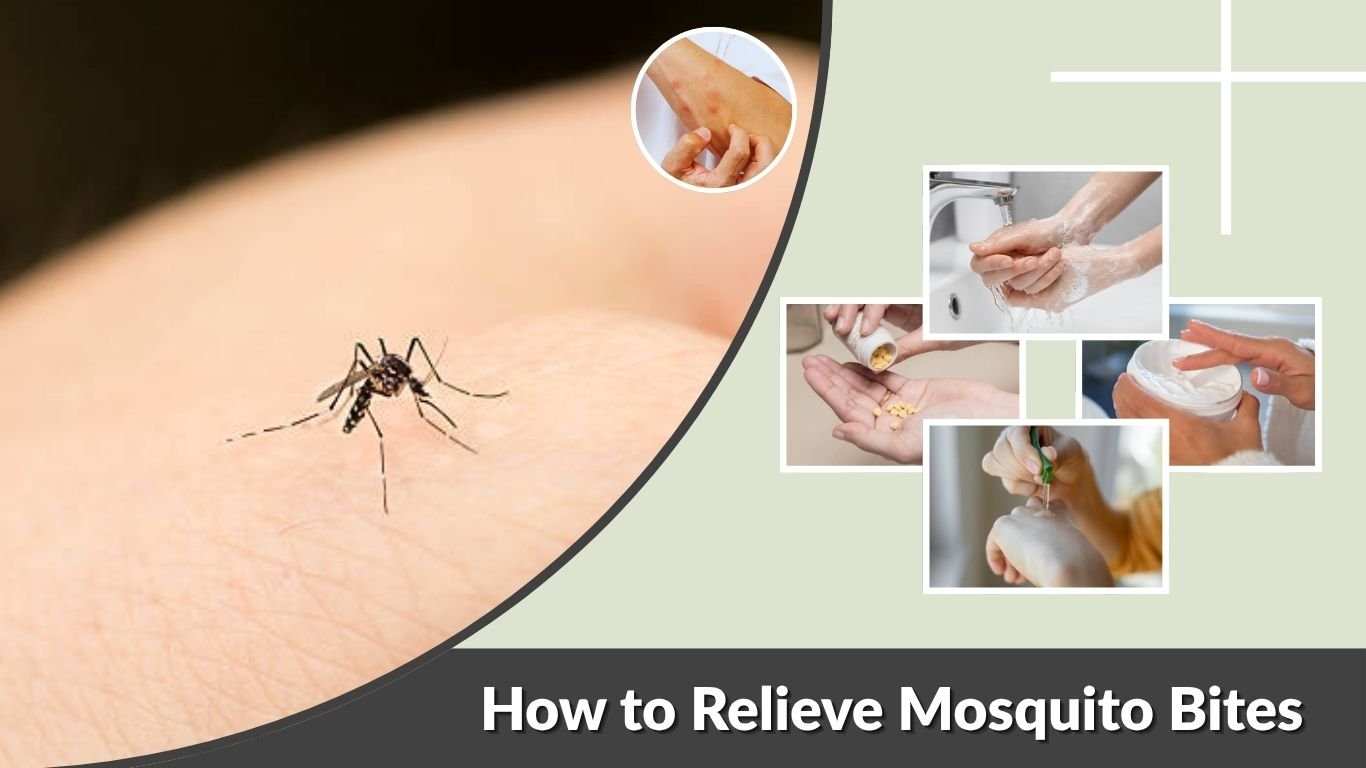
Mosquito bites can cause uncomfortable itching, redness, swelling, and irritation that lasts for several days. Although most mosquito bites are harmless, constant scratching can make symptoms worse and increase the risk of infection. Fortunately, several simple treatments can provide quick relief without requiring medical attention. From cold compresses and anti-itch creams to gentle home remedies, knowing how to relieve mosquito bites can help your skin recover comfortably. This guide explains effective ways to reduce itching, control swelling, and recognize when a mosquito bite needs medical care.
Why Do Mosquito Bites Itch and Swell?
Mosquito bites itch because your immune system reacts to proteins in mosquito saliva. When a female mosquito bites, it introduces saliva into your skin while feeding on blood. Your body releases histamine and other inflammatory substances, causing itching, redness, and swelling around the affected area.
Common Symptoms of Mosquito Bites
Most mosquito bites produce mild symptoms that disappear naturally. However, reactions vary depending on skin sensitivity and immune response.
- Itching: Persistent irritation around the bite.
- Redness: Pink or red discoloration, which may be less visible on darker skin.
- Swelling: A raised bump or larger swollen area.
- Tenderness: Mild discomfort when touching the skin.
- Small blisters: Occasionally develop in sensitive individuals.
Children and people with stronger allergic reactions may experience more noticeable swelling.
How to Relieve Mosquito Bites Fast
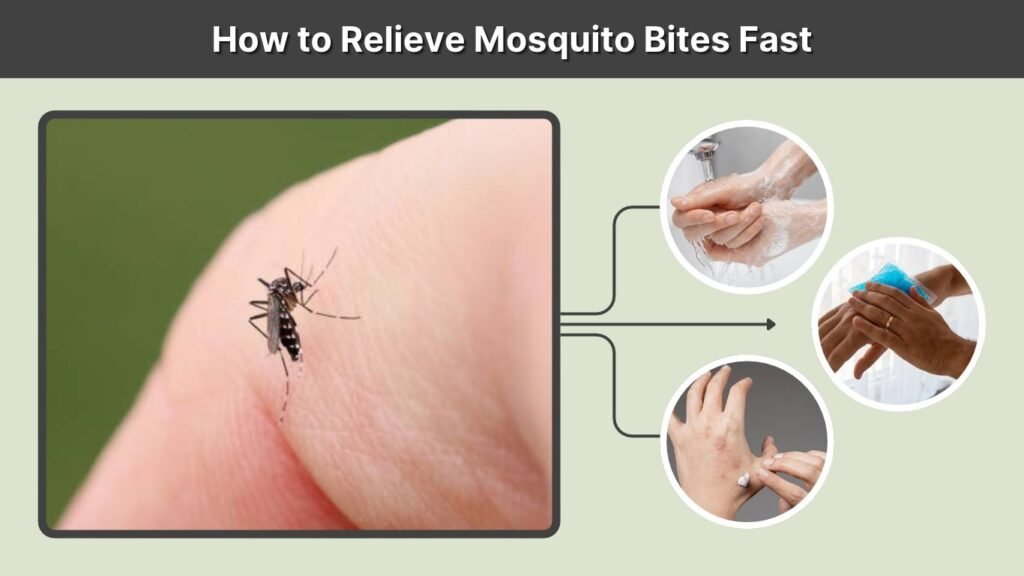
The fastest way to relieve mosquito bites is to clean the skin, cool the affected area, and use an appropriate anti-itch treatment. These steps can reduce discomfort within minutes, although complete healing takes longer. Early treatment also helps prevent excessive scratching, which can damage the skin and increase irritation.
Immediate Steps for Quick Relief
Follow these simple steps when you notice a mosquito bite:
- Wash the bite: Gently clean the area with mild soap and water.
- Apply a cold compress: Hold a cloth-wrapped ice pack against the bite for 10 minutes.
- Use anti-itch lotion: Apply calamine lotion or another suitable treatment.
- Avoid scratching: Scratching increases inflammation and may cause infection.
- Keep the skin cool: Avoid excessive heat and friction around the bite.
- Repeat as needed: Reapply cold compresses periodically to manage discomfort.
What Works Fastest for Mosquito Bite Itching?
A cold compress is one of the quickest ways to temporarily reduce itching. Cooling the skin can decrease discomfort and swelling without medication.
For longer-lasting relief, an over-the-counter hydrocortisone cream may help reduce inflammation. Follow the product label and avoid applying it to broken skin.
How to Relieve Mosquito Bite Itch
Persistent itching is often the most frustrating symptom of mosquito bites. Histamine released during the immune response stimulates nerve endings in the skin, creating the urge to scratch.
Fortunately, several over-the-counter treatments can reduce itching and make mosquito bites easier to manage.
Best Treatments for Mosquito Bite Itching
- Hydrocortisone cream: A 1% hydrocortisone cream can reduce inflammation and itching.
- Calamine lotion: Helps soothe irritated skin and provides temporary relief.
- Cold compresses: Reduce itching by cooling the affected skin.
- Oral antihistamines: Cetirizine or loratadine may help when itching is persistent or widespread.
Always follow medication instructions and consult a pharmacist when choosing treatments for children or people with existing medical conditions.
How to Stop Scratching Mosquito Bites
Scratching may provide temporary satisfaction, but it often makes itching worse. Repeated scratching can damage the skin’s protective barrier and introduce bacteria.
Keep fingernails short, cover particularly itchy bites with breathable clothing, and reapply appropriate anti-itch treatments when necessary. Avoid rubbing or squeezing the affected area.
How to Relieve Swollen Mosquito Bites
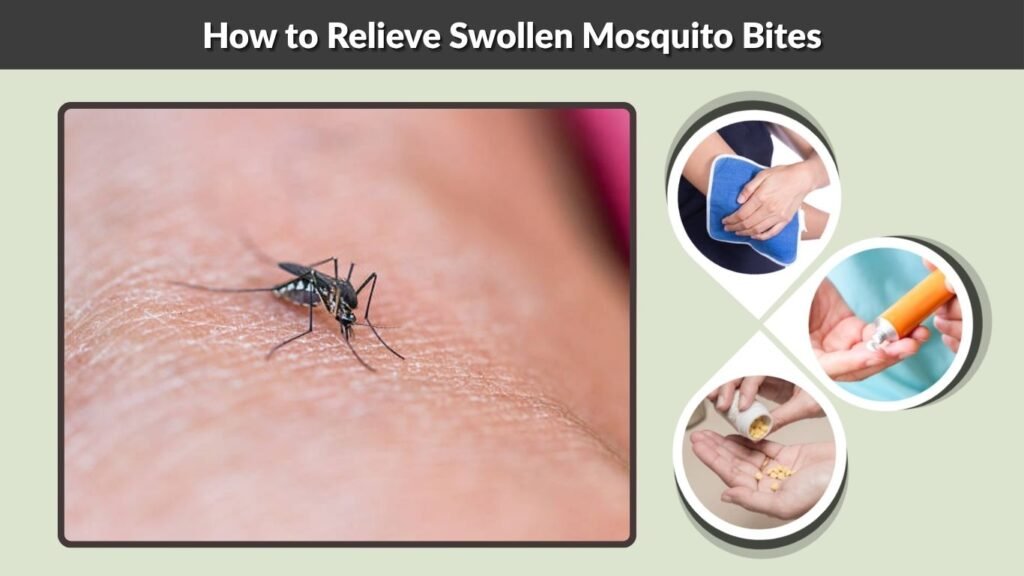
Swelling occurs when the body’s immune response causes fluid to accumulate around the bite. Mild swelling is normal and usually improves within several days.
Some people develop larger reactions, including significant redness, warmth, and tenderness. Reducing inflammation early can help relieve discomfort and prevent further irritation.
Best Ways to Reduce Mosquito Bite Swelling
- Apply ice: Use a cloth-wrapped cold pack for 10–20 minutes.
- Elevate the area: Keep a swollen arm or leg raised when possible.
- Use hydrocortisone: Apply an appropriate cream according to the label.
- Avoid tight clothing: Prevent unnecessary pressure against swollen skin.
- Consider antihistamines: An oral antihistamine may help control a stronger local reaction.
What if a Mosquito Bite Swells Too Much?
Large mosquito bite reactions are sometimes associated with a condition called skeeter syndrome, which involves a pronounced allergic reaction to mosquito saliva.
These reactions may produce substantial swelling, warmth, and redness. If swelling continues spreading, becomes increasingly painful, or occurs with fever, seek medical evaluation rather than assuming it is a harmless allergy.
Natural Home Remedies for Mosquito Bites
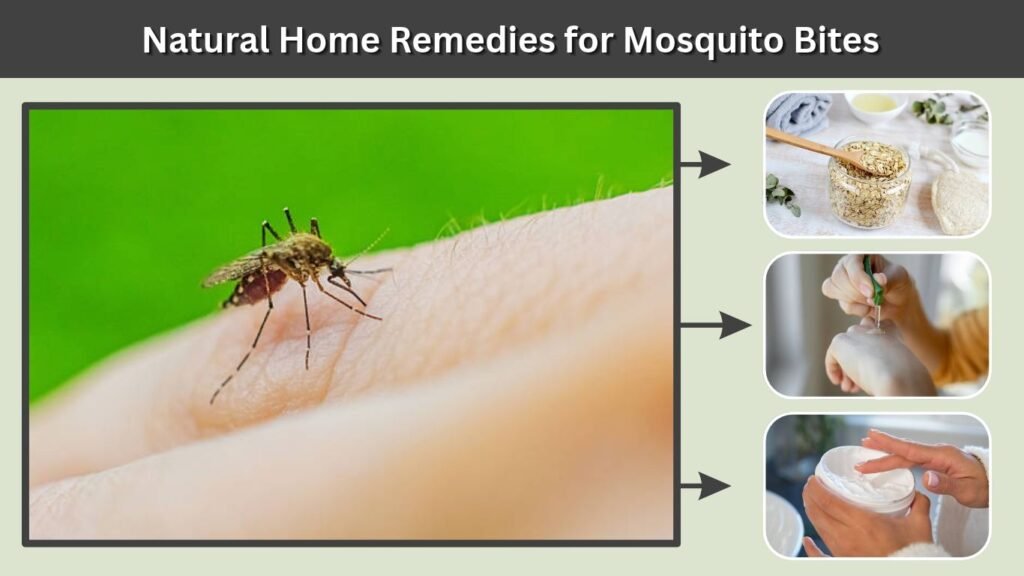
Simple home treatments can temporarily soothe mosquito bites when medication is unavailable. However, natural remedies do not always work equally well, and some commonly suggested treatments may irritate sensitive skin.
The safest approach is to use gentle, skin-friendly methods while avoiding substances that can cause burning or additional inflammation.
Gentle Home Remedies to Try
- Cold water: Rinse the affected area or apply a cool, damp washcloth.
- Cool oatmeal compress: A plain colloidal oatmeal preparation may help soothe irritated skin.
- Pure aloe vera gel: May provide a cooling sensation, although evidence for mosquito bite relief is limited.
- Gentle moisturizer: A fragrance-free moisturizer can reduce dryness around healing bites.
Stop using any product that causes stinging, redness, or additional itching.
Home Remedies You Should Avoid
Avoid applying toothpaste, lemon juice, rubbing alcohol, undiluted essential oils, or other harsh substances directly to mosquito bites.
These products may cause irritation rather than relief. Similarly, using a heated spoon or very hot water can burn the skin and is not recommended as a routine home treatment.
How to Relieve Mosquito Bites on Babies and Toddlers
Babies and toddlers may develop stronger mosquito bite reactions because their immune systems are still developing. Young children may also scratch bites repeatedly, increasing the likelihood of skin irritation and infection.
Treating mosquito bites in children requires extra care because some medications are unsuitable for certain ages.
Safe Mosquito Bite Care for Children
Gently wash the affected area with soap and water, then apply a cool, damp cloth for short periods.
Keep your child’s fingernails clean and trimmed to reduce scratching injuries. Avoid applying ice directly to delicate skin.
Before using hydrocortisone creams, oral antihistamines, or medicated lotions on babies or young children, consult a pediatrician or pharmacist about age suitability and dosage.
Seek medical advice if your child develops severe swelling, fever, increasing pain, or unusual symptoms.
When Should You Worry About Mosquito Bites?
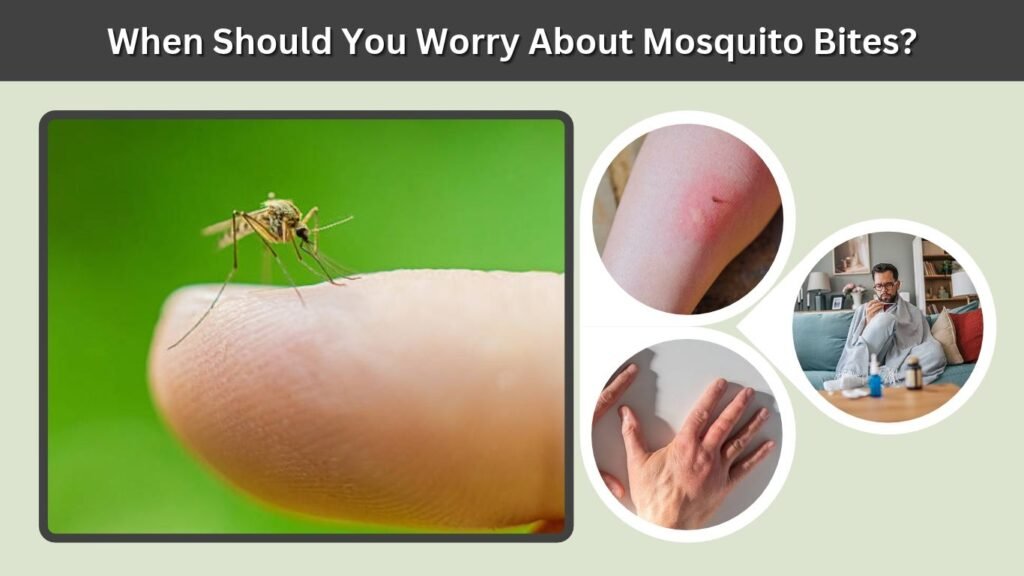
Most mosquito bites improve without medical treatment. However, worsening symptoms may indicate a skin infection, a significant allergic reaction, or an illness transmitted by mosquitoes.
Recognizing these warning signs is especially important when swelling becomes severe or symptoms extend beyond the bite area.
Signs That a Mosquito Bite May Be Infected
Watch for the following symptoms:
- Redness or discoloration spreading beyond the original bite.
- Increasing warmth, tenderness, or pain.
- Yellow or green discharge or pus.
- Red streaks extending from the affected area.
- Swelling that continues worsening rather than improving.
Contact a healthcare professional if these symptoms develop.
When to Seek Emergency Medical Care
Get emergency help if a mosquito bite is followed by breathing difficulties, throat tightness, fainting, or swelling of the lips or tongue.
Seek prompt medical evaluation for fever, severe headache, body aches, joint pain, or widespread rash after mosquito exposure. These symptoms may indicate a mosquito-borne illness rather than an ordinary skin reaction.
How Long Does a Mosquito Bite Take to Heal?
Most uncomplicated mosquito bites improve within a few days. Itching may gradually decrease after the first day or two, while swelling and redness can take longer to disappear.
Large local reactions may persist for a week or occasionally longer. Avoid scratching, continue gentle skin care, and monitor for worsening symptoms.
If a bite remains painful, becomes increasingly swollen, or does not show signs of improvement, consult a healthcare professional.
FAQs
1. How Can I Instantly Relieve Mosquito Bite Itching?
Apply a cold compress or a cloth-wrapped ice pack for approximately 10 minutes. Cooling can temporarily reduce the itching sensation and swelling. Calamine lotion or an appropriate anti-itch cream may provide additional relief, although no treatment guarantees immediate elimination of itching.
2. What Is the Best Way to Relieve Mosquito Bites Overnight?
Wash the bites, apply a cold compress, and use a suitable anti-itch treatment before bedtime. If itching repeatedly disrupts sleep, ask a pharmacist whether an oral antihistamine is appropriate. Keep the bedroom cool and avoid scratching.
3. How Do You Relieve Multiple Mosquito Bites?
Clean the affected areas and apply cool compresses to particularly itchy spots. Calamine lotion may help soothe several bites. For widespread itching, an appropriate oral antihistamine may be useful. Seek medical advice if reactions become severe.
4. Can Mosquito Bite Swelling Go Away in One Day?
Mild swelling may improve significantly within 24 hours, particularly with cold compresses and appropriate treatment. However, many mosquito bites require several days to heal completely. Larger allergic reactions can take longer, and swelling that continues worsening should be evaluated.
5. Does Aloe Vera Help Relieve Mosquito Bites?
Pure aloe vera gel may provide a temporary cooling and soothing effect. However, scientific evidence specifically supporting aloe vera for mosquito bites is limited. Use a fragrance-free product, test it on a small area, and discontinue use if irritation develops.
