
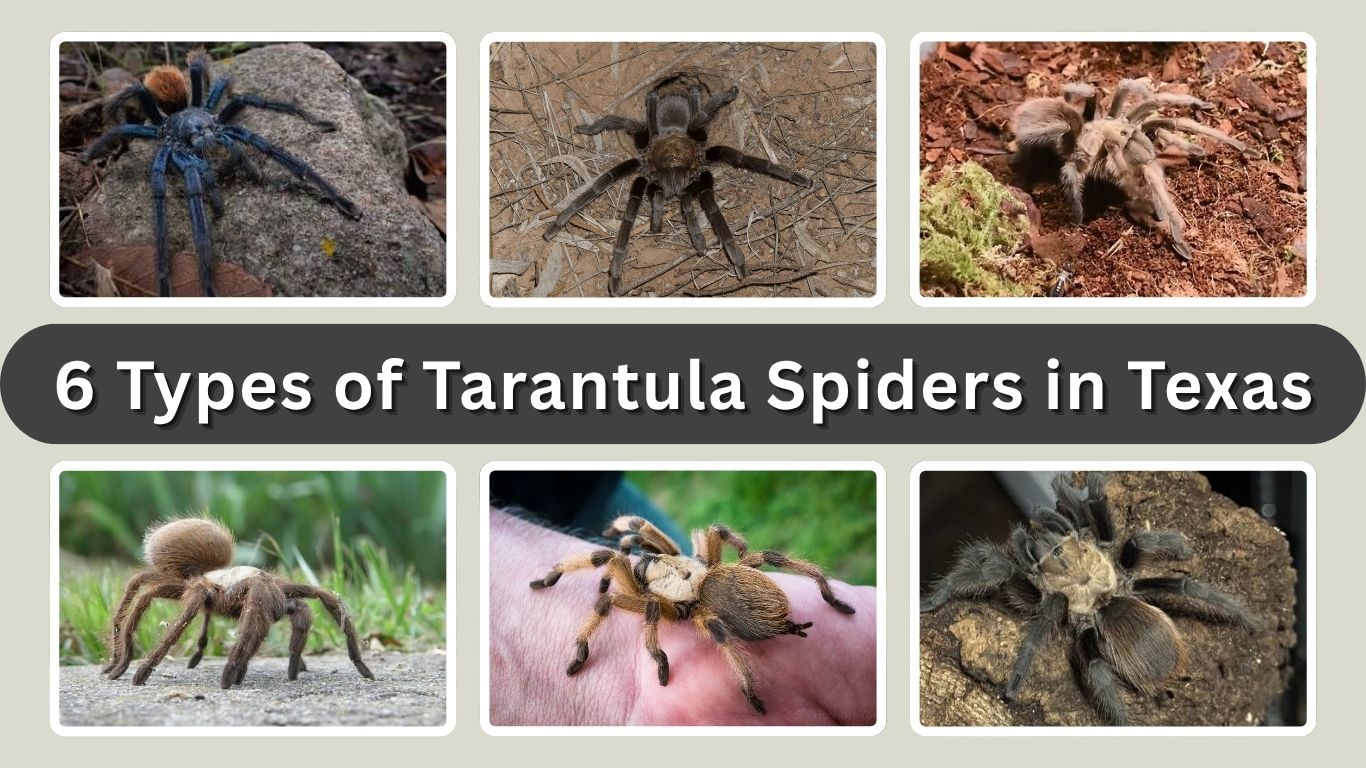
Texas is home to several impressive tarantula species, ranging from the widespread Texas Brown Tarantula to the colorful Rio Grande Gold Tarantula. These large, hairy spiders are mostly ground-dwellers that spend much of their lives inside burrows and become more active at night or during mating season. In this guide, you’ll discover 6 types of tarantula spiders found in Texas, along with their key identification features, habitats, behaviors, diets, and life cycles to help you recognize these fascinating native spiders.
1. Texas Tan Tarantula
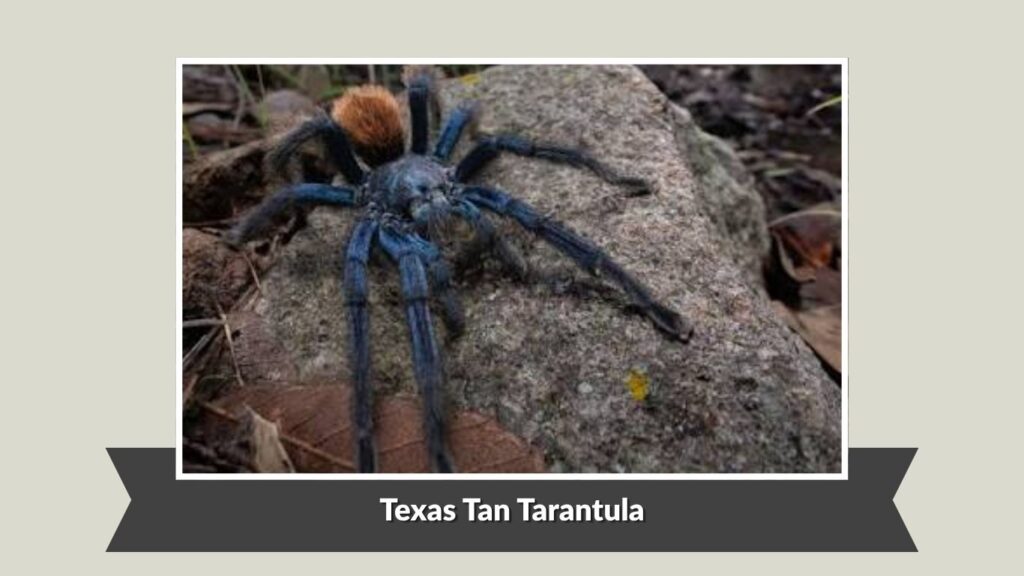
The Texas Tan Tarantula (Aphonopelma anax) is a large, ground-dwelling tarantula native to southern Texas. It is especially associated with warm grasslands, shrublands, and semi-arid areas. Its tan-to-dark-brown coloration provides useful camouflage against dry soil, leaves, and rocks. It is generally secretive and spends much of its time inside a burrow.
Identification
- Large, heavy-bodied tarantula with thick, hairy legs
- Overall color ranges from tan to dark brown
- Abdomen is usually darker than the carapace
- Adults can develop an impressive leg span
- Females are typically heavier-bodied than mature males
- Body is covered with defensive urticating hairs
Exact identification can be difficult because several Texas Aphonopelma species look similar, and specialists may need mature specimens and microscopic characteristics to separate them reliably.
Habitat and Range
Texas Tan Tarantulas occur mainly across South Texas, including the Western Gulf Coastal Plain and Southern Texas Plains. They favor grasslands, scrubby vegetation, semi-arid landscapes, and other places where soil is suitable for burrowing. Some populations can also survive near developed areas.
They normally spend daylight hours inside silk-lined burrows. A spider may dig its own retreat or enlarge an existing cavity. The silk around the entrance helps the tarantula detect vibrations from potential prey moving nearby.
Behavior
This tarantula is primarily solitary and prefers avoiding confrontation. When disturbed, it usually retreats toward its shelter. If the threat continues, it can defend itself by flicking irritating hairs from its abdomen.
Mature males become much more visible during breeding periods because they leave their shelters and wander in search of females. Females generally remain closer to established burrows.
Diet and Life Cycle
Texas Tan Tarantulas are ambush predators that feed mainly on insects and other small invertebrates. Crickets, beetles, grasshoppers, caterpillars, and other ground-dwelling prey may be captured.
They detect vibrations, quickly seize prey, and use venom and digestive fluids before consuming the liquefied tissues. Females can live for many years, while mature males have considerably shorter adult lives.
2. Texas Black Spot Tarantula
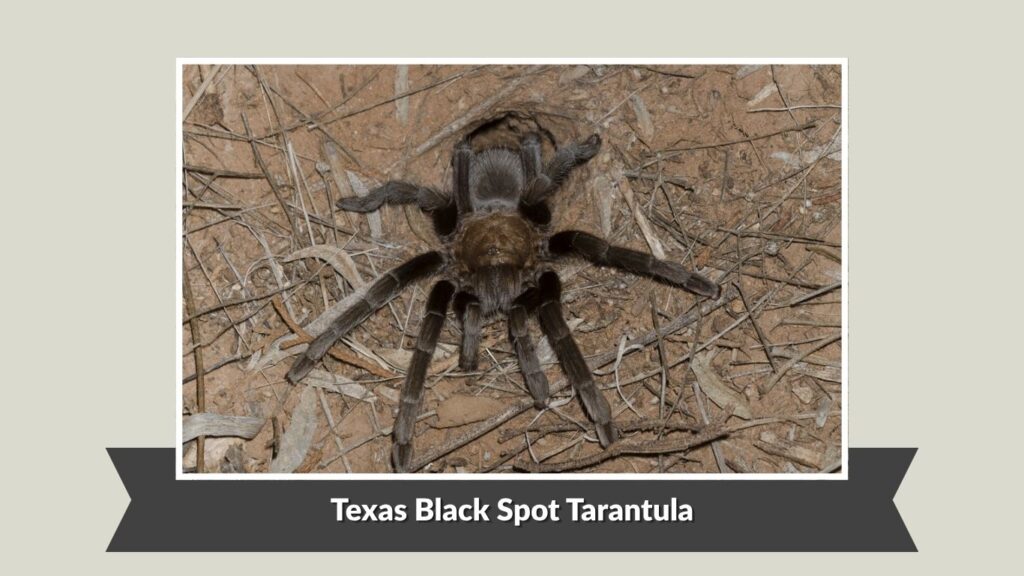
The Texas Black Spot Tarantula (Aphonopelma armada) is a native species with a broad distribution across parts of Texas. Despite its common name, coloration alone should not be used for positive identification. The species occurs across several different Texas ecological regions and may share habitat with other native tarantulas.
Identification
- Large terrestrial spider with a stocky body
- Body generally brown, dark brown, or blackish
- Legs are thick and densely covered with hairs
- Abdomen often appears particularly dark
- Mature males tend to have longer, slimmer legs
- Possesses urticating abdominal hairs for defense
Researchers separate this species from similar Texas tarantulas using detailed anatomical features, so photographs alone may not always provide a certain species-level identification.
Habitat and Range
The Texas Black Spot Tarantula has been recorded across a wide variety of Texas landscapes, including portions of the Chihuahuan Desert, High Plains, Edwards Plateau, Southern Texas Plains, Blackland Prairies, and Central Great Plains.
It normally occupies underground retreats or protected spaces beneath stones and other cover. Burrows provide protection from extreme daytime heat, dry conditions, and predators. Silk may be placed around the burrow entrance to help detect nearby movement.
Behavior
Most of the day is spent hidden underground, with increased activity during cooler evening and nighttime periods. These tarantulas are not active web hunters. Instead, they remain close to a retreat and respond when suitable prey approaches.
Mature males become especially noticeable from late spring into early summer when they begin traveling in search of receptive females. They may cross roads, trails, and open ground during these seasonal movements.
Diet and Life Cycle
The Texas Black Spot Tarantula mainly hunts insects and other arthropods. Beetles, crickets, grasshoppers, caterpillars, and similar prey can provide much of its diet.
After mating, the female remains associated with her burrow and produces an egg sac. Spiderlings eventually disperse and establish small retreats of their own. Growth is slow, and multiple molts are required before adulthood.
3. Chiricahuan Gray Tarantula
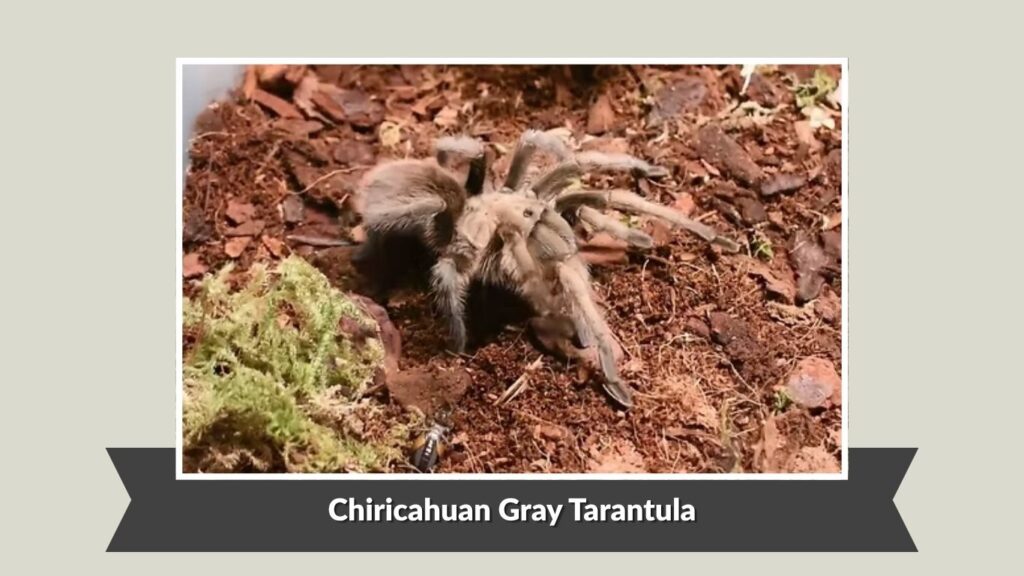
The Chiricahuan Gray Tarantula (Aphonopelma gabeli) is a desert-adapted species occurring in western Texas as well as neighboring parts of the southwestern United States. In Texas, it is particularly associated with the Chihuahuan Desert region. Its muted gray-brown appearance helps it blend naturally into dusty and rocky surroundings.
Identification
- Body usually gray, brownish gray, or muted dark brown
- Thick legs covered with fine hairs
- Large, rounded abdomen
- Carapace may appear lighter than the abdomen
- Mature males have a slimmer appearance than females
- Overall coloration blends well with desert soils
Like other Texas Aphonopelma, reliable identification can require more than external color patterns because several species have considerable variation and overlapping appearances.
Habitat and Range
This tarantula is strongly associated with arid western landscapes. It occurs in West Texas and is particularly characteristic of the Chihuahuan Desert. Texas A&M records identify A. gabeli as a common tarantula in this desert region.
The spider uses burrows as protection from hot daytime temperatures and low humidity. Rocky slopes, desert scrub, grasslands, and areas with suitable loose soil can provide favorable habitat.
Behavior
Chiricahuan Gray Tarantulas spend much of their lives hidden in underground retreats. They often position themselves close to the burrow entrance after dark, where they can detect approaching prey without moving long distances.
When threatened, retreat is generally the first response. However, like many North American tarantulas, they can release urticating hairs that may irritate the skin, nose, or eyes of predators.
Males wander away from established shelters after reaching maturity, particularly while searching for females during the breeding season.
Diet and Life Cycle
Their diet consists primarily of desert insects and other small arthropods, including beetles, crickets, grasshoppers, and other spiders.
Females invest heavily in reproduction and may remain in the same general burrow area for years. Young tarantulas develop gradually through repeated molts. Their slow growth and protected burrowing lifestyle help them survive the difficult conditions of West Texas deserts.
4. Texas Brown Tarantula
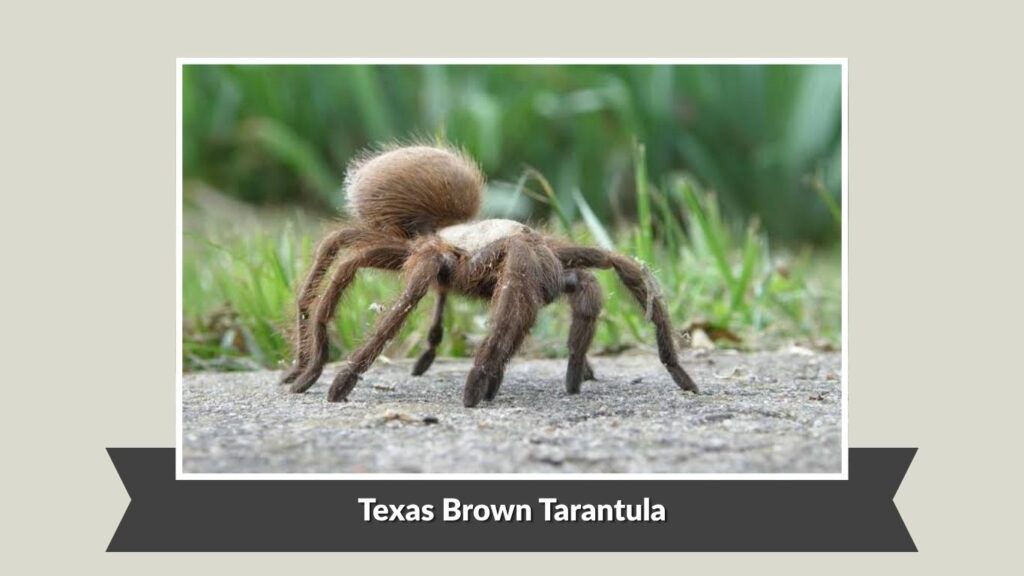
The Texas Brown Tarantula (Aphonopelma hentzi) is one of the best-known tarantulas associated with Texas. It is a large, hairy, mostly brown spider that inhabits many open terrestrial environments. Although intimidating in appearance, it generally avoids people and spends much of its life inside an underground retreat.
Identification
- Overall brown to dark-brown coloration
- Large, robust body with thick hairy legs
- Abdomen commonly darker than the carapace
- Fully grown individuals can have a leg span exceeding three inches
- Females usually appear heavier and more robust
- Mature males have proportionally longer legs and slimmer bodies
Color may vary significantly between individuals and can also change somewhat after molting, making visual identification alone unreliable.
Habitat and Range
Texas Brown Tarantulas occupy grasslands, scrublands, open fields, rocky terrain, and even some suburban environments. Their ability to tolerate different habitats has helped make them one of the more widespread members of the genus in the region.
During the day, they shelter inside burrows or natural cavities beneath rocks and logs. The entrance may contain silk, which allows the spider to sense the vibrations of nearby insects.
Behavior
These tarantulas are mainly nocturnal. Females commonly remain near their established burrows, while mature males become mobile during mating season.
People may occasionally see males walking across roads, lawns, and trails while searching for females. A threatened tarantula can raise its front legs or flick urticating hairs, although escape is usually preferred.
Diet and Life Cycle
Texas Brown Tarantulas feed on crickets, beetles, grasshoppers, caterpillars, cicadas, and other appropriately sized animals. They hunt by waiting for prey rather than constructing an insect-catching web.
Females produce egg sacs inside protected retreats and guard the developing young. Females can be remarkably long-lived, while males normally have a much shorter lifespan after reaching maturity.
5. Rio Grande Gold Tarantula
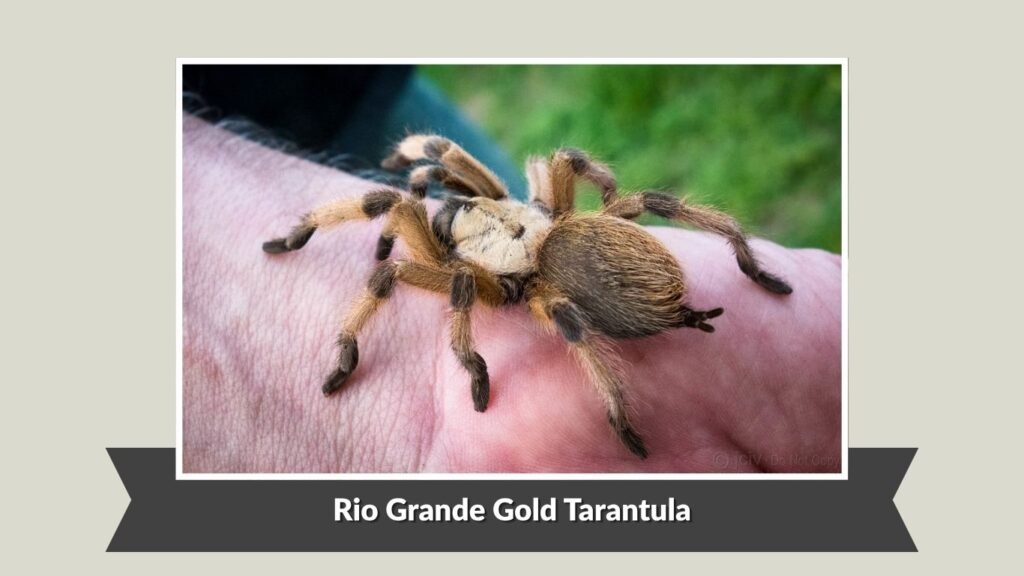
The Rio Grande Gold Tarantula (Aphonopelma moderatum) is one of the more colorful native Texas tarantulas. It is particularly associated with southern and southwestern portions of the state near the Rio Grande. Females can show attractive golden, orange, and dark contrasting coloration, making this species easier to notice than many uniformly brown tarantulas.
Identification
- Carapace commonly appears golden-orange to tan in females
- Abdomen is generally darker
- Legs show noticeable orange and dark patterning
- Thick, hairy terrestrial body
- Mature males are typically darker than females
- Defensive urticating hairs occur on the abdomen
Female leg coloration can include orange sections contrasted with darker joints and lower leg segments. However, scientific identification may still require examination of anatomical features, particularly where similar Aphonopelma species occur together.
Habitat and Range
The Rio Grande Gold Tarantula occurs in South Texas, with records from counties including Hidalgo, Starr, Maverick, Uvalde, Val Verde, Zapata, and nearby areas.
Its natural environment includes dry grassland, thorn scrub, semi-arid plains, and rocky terrain. Like other native tarantulas, it depends heavily on burrows or protected ground retreats to escape daytime heat.
In some locations near the Rio Grande, it can occur extremely close to Texas Tan Tarantulas, with burrows of the two species documented less than a meter apart.
Behavior
Rio Grande Gold Tarantulas are mostly terrestrial and secretive. They commonly remain in or near their shelters during daylight hours and become more active during cooler periods.
They usually rely on retreat rather than aggression when disturbed. Urticating hairs provide another defensive option against predators.
Diet and Life Cycle
These tarantulas are opportunistic predators of crickets, beetles, grasshoppers, roaches, and other small arthropods. They detect vibrations from nearby prey before rushing forward to capture it.
Females spend much of adulthood around established burrows and may live for many years. Males leave their retreats after maturity to search for females, completing the reproductive cycle before their comparatively shorter adult lives end.
6. Moellendorf’s Tarantula
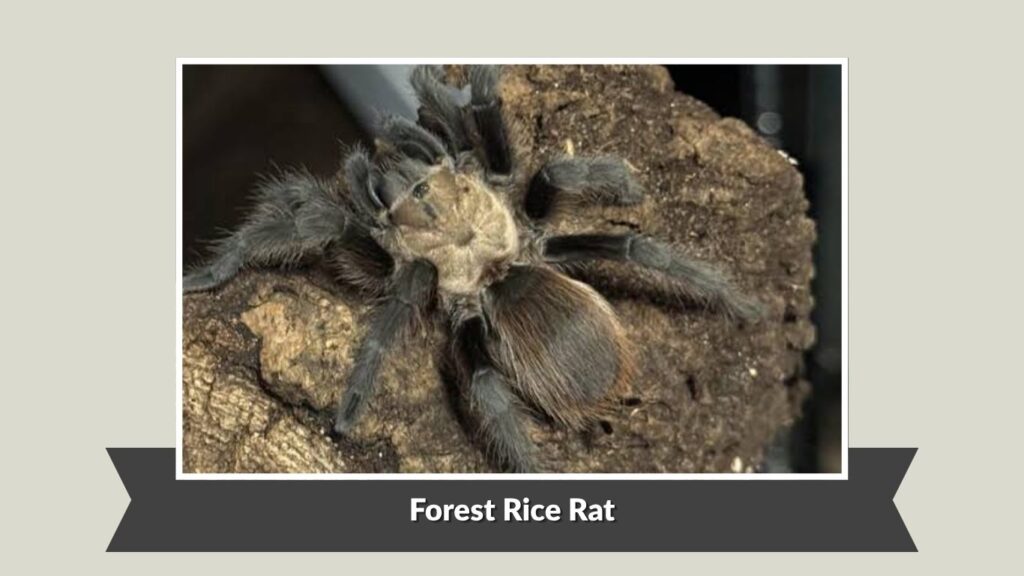
Moellendorf’s Tarantula (Aphonopelma moellendorfi) is a native Texas tarantula associated mainly with the dry landscapes of extreme West Texas. This species was formally described in 2016 and is particularly connected with the Chihuahuan Desert region. Its relatively uniform brown coloration helps it blend with rocky soil and desert vegetation.
Identification
- Large, heavy-bodied terrestrial tarantula
- Overall coloration is generally brown to dark brown
- Legs tend to have relatively uniform coloration
- Body and legs are densely covered with hairs
- Abdomen is rounded and usually darker than the carapace
- Mature males have longer, slimmer legs than females
- Possesses urticating hairs used for defense
Moellendorf’s Tarantula can be particularly difficult to distinguish from some other Aphonopelma species. Mature males may closely resemble Rio Grande Gold Tarantulas, so locality and detailed examination can be important for accurate identification.
Habitat and Range
This tarantula has a limited known distribution in Texas. It occurs primarily in extreme West Texas, with records including Presidio and Val Verde counties. Its habitat is associated with the Chihuahuan Desert and mountainous desert landscapes.
Moellendorf’s Tarantulas typically use underground burrows or protected spaces beneath rocks. These retreats provide shelter from intense daytime heat, predators, and extremely dry conditions. The spiders can remain underground for long periods and emerge when temperatures and humidity are more favorable.
Behavior
Moellendorf’s Tarantula is a solitary, ground-dwelling spider. Much of its activity occurs during the evening or at night, when desert temperatures become cooler.
Rather than chasing prey over long distances, it usually waits close to its shelter for insects to approach. When threatened, its first response is generally to retreat. Like other North American tarantulas, it can also use irritating abdominal hairs as a defensive mechanism.
Mature males become more mobile during the reproductive period because they must leave their shelters to locate females.
Diet and Life Cycle
Moellendorf’s Tarantula primarily preys on insects and other small arthropods found in its desert environment. Crickets, beetles, grasshoppers, and other ground-dwelling invertebrates can become prey.
Young tarantulas grow gradually through repeated molts. Females generally remain associated with secure burrows, while mature males wander in search of mates. This slow-growing, burrowing lifestyle is well suited to the harsh conditions of West Texas.
FAQs
1. Are tarantulas common in Texas?
Yes. Tarantulas occur across many parts of Texas, especially in grasslands, scrublands, deserts, and other warm areas. They are often difficult to notice because they spend much of their time inside burrows.
2. Are Texas tarantulas dangerous to humans?
Texas tarantulas are venomous, but they are generally not considered dangerous to healthy humans. They usually try to escape rather than bite. Their urticating hairs can cause skin or eye irritation.
3. What is the most common tarantula in Texas?
The Texas Brown Tarantula is one of the most widespread and frequently encountered tarantulas in Texas. Mature males are particularly noticeable when they wander across roads and open areas while searching for females.
4. Where do tarantulas live in Texas?
Texas tarantulas inhabit grasslands, deserts, shrublands, rocky areas, open fields, and some suburban environments. Most spend the daytime in underground burrows and become more active after dark.
5. What do Texas tarantulas eat?
Texas tarantulas mainly eat insects and other arthropods, including crickets, beetles, grasshoppers, caterpillars, and roaches. They are ambush predators that rely heavily on vibrations to detect nearby prey.
