
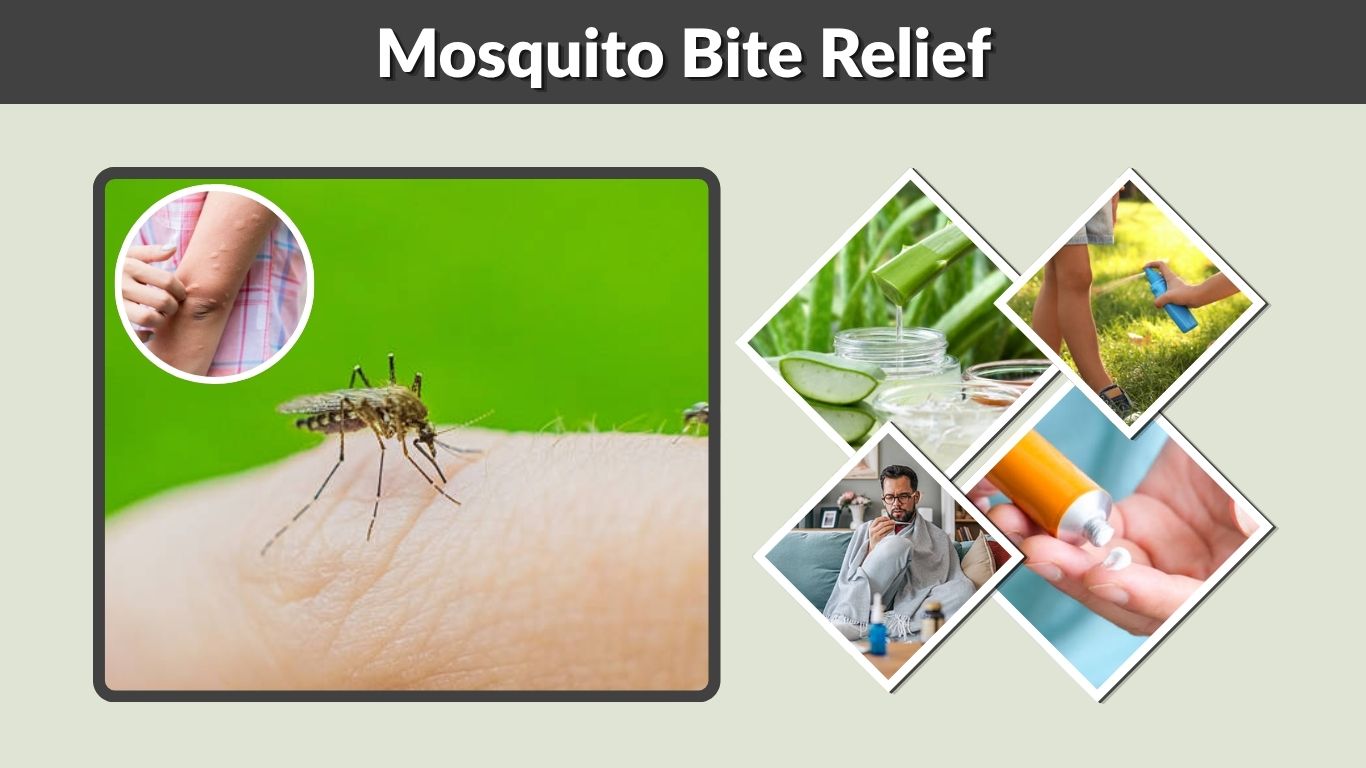
Mosquito bites can turn an ordinary day into hours of itching, redness, and uncomfortable swelling. Fortunately, effective mosquito bite relief does not require complicated treatments or expensive products. A cold compress, gentle skin care, and selected over-the-counter medicines can calm most mild reactions. Some home remedies may soothe irritation, while others can make symptoms worse. This guide explains how to stop mosquito bites from itching, reduce swelling safely, recognize signs of infection, and prevent future bites so your skin can recover with less discomfort.
How to Get Mosquito Bite Relief Fast
Mosquito bites cause itching because your immune system reacts to proteins in mosquito saliva. The resulting inflammation produces raised bumps, redness, and swelling. Early treatment can reduce discomfort and prevent excessive scratching, which may damage the skin.
5 Quick Steps for Immediate Mosquito Bite Relief
Try these simple treatments when a mosquito bite starts itching:
- Wash the affected area: Gently clean the bite with mild soap and water to remove dirt and reduce the risk of infection.
- Apply a cold compress: Hold an ice pack wrapped in a clean towel against the bite for approximately 10 minutes to calm itching and swelling.
- Use hydrocortisone cream: Apply a thin layer of 1% hydrocortisone cream according to the label to reduce inflammation and irritation.
- Try calamine lotion: This soothing lotion can temporarily relieve itching and make irritated skin more comfortable.
- Avoid scratching: Keep your fingernails short and avoid rubbing the bite because scratching can worsen inflammation and damage the skin.
What Should You Avoid After a Mosquito Bite?
Avoid squeezing, scratching, or repeatedly touching the affected area. Hot showers may also worsen itching by increasing skin irritation.
Do not apply harsh chemicals, strong essential oils, or toothpaste to broken skin. These substances can cause additional irritation rather than provide reliable relief.
Best Home Remedies for Mosquito Bite Relief
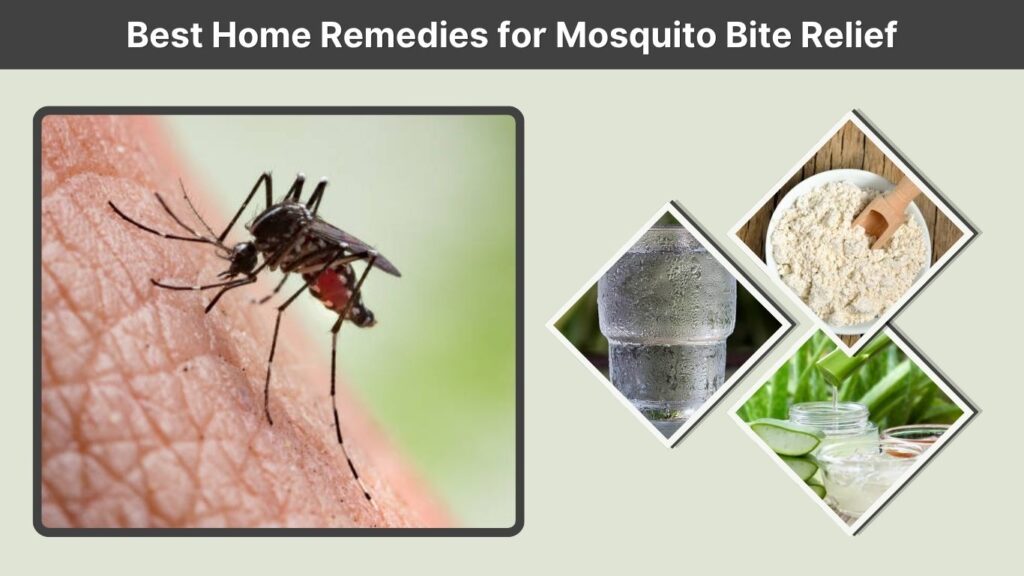
Home remedies can provide comfort when mosquito bites cause mild itching or irritation. Cooling treatments and gentle skin care are generally the safest choices. However, some traditional remedies have limited scientific evidence supporting their effectiveness.
Natural Ways to Soothe Mosquito Bites
Several accessible home treatments may help soothe irritated skin:
- Cold water: Soak a clean washcloth in cool water and hold it against the bite for several minutes to temporarily reduce itching.
- Colloidal oatmeal: Add colloidal oatmeal to a lukewarm bath to soothe itchy skin, especially when multiple bites are present.
- Aloe vera gel: Apply a small amount of pure, fragrance-free aloe vera gel for a cooling sensation. Evidence for mosquito-specific relief remains limited.
- Fragrance-free moisturizer: Apply a gentle moisturizer to protect the skin barrier and reduce irritation caused by dryness.
These methods may improve comfort, but they do not necessarily eliminate the immune reaction responsible for itching.
Does Baking Soda Help Mosquito Bites?
Baking soda paste is sometimes recommended for mosquito bite relief, but strong evidence supporting its effectiveness is lacking.
It may also irritate sensitive skin, particularly when applied repeatedly. Cold compresses and approved anti-itch products are more dependable choices.
Similarly, lemon juice, vinegar, and toothpaste should not be considered reliable mosquito bite treatments because they may cause irritation.
Best Over-the-Counter Mosquito Bite Treatments
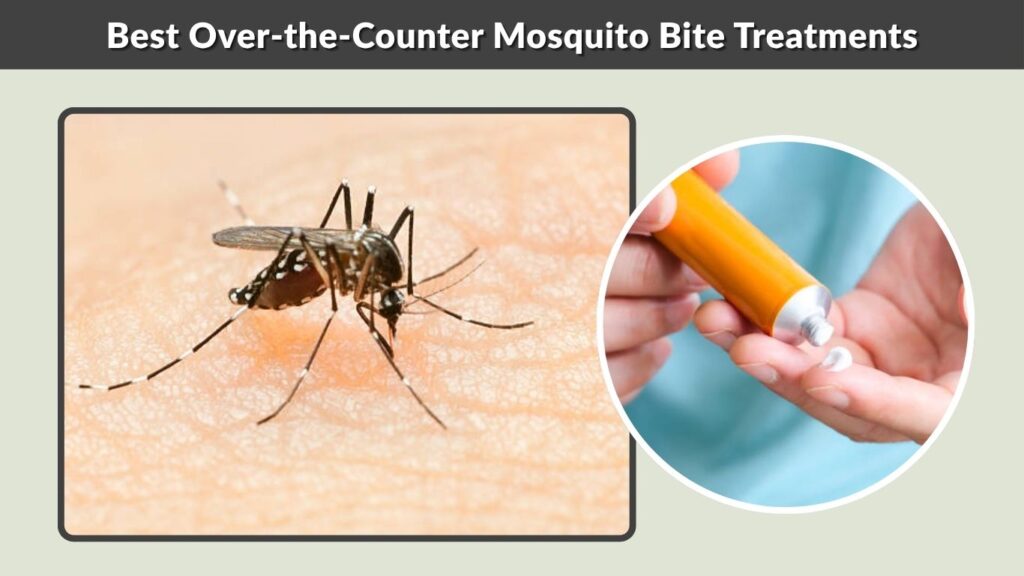
When home remedies are insufficient, over-the-counter treatments can help manage itching and swelling. Different products target different symptoms, making it important to choose an appropriate option.
Effective Creams and Medicines for Mosquito Bites
Common mosquito bite treatments include:
- Hydrocortisone cream: A mild topical corticosteroid that reduces inflammation and itching. Use it for short periods according to the package instructions.
- Calamine lotion: Helps soothe irritated skin and provides temporary relief from itching.
- Pramoxine cream: A topical anti-itch medication that temporarily reduces uncomfortable skin sensations.
- Oral antihistamines: Medicines such as cetirizine or loratadine may reduce itching, particularly when several bites cause discomfort.
Always follow product labels and age restrictions. Consult a healthcare professional before giving medication to young children.
How to Use Anti-Itch Creams Safely
Apply topical treatments only to the recommended areas and avoid using them on infected or severely damaged skin unless a healthcare professional advises otherwise.
Do not combine multiple medicated creams without checking their ingredients. Excessive application can irritate the skin and increase the possibility of unwanted reactions.
If itching continues despite treatment, a pharmacist or healthcare professional can help identify a more suitable option.
How to Reduce Mosquito Bite Swelling
Swelling develops when the immune system releases inflammatory substances around the bite. Mild swelling is common and usually disappears naturally. Some individuals, however, experience larger reactions that require additional attention.
Treating Normal Mosquito Bite Swelling
A cold compress is one of the most practical ways to reduce mild swelling. Apply it for 10–20 minutes while keeping a towel between the cold pack and your skin.
If a bite occurs on an arm or leg, raising the affected area may help limit swelling. Loose clothing can also prevent unnecessary pressure and friction.
Hydrocortisone cream may provide additional relief when swelling occurs alongside itching.
Why Do Some Mosquito Bites Swell So Much?
Some people develop an exaggerated local allergic reaction called Skeeter syndrome. This reaction can cause significant swelling, warmth, redness, and discomfort.
Children and individuals with greater sensitivity to mosquito saliva may experience more noticeable reactions.
Large swelling does not automatically indicate infection. However, severe pain, rapidly worsening symptoms, or extensive swelling should be evaluated by a healthcare professional.
How Long Does Mosquito Bite Itching Last?
Most uncomplicated mosquito bites improve within a few days. However, healing time varies depending on skin sensitivity, immune response, and how much the affected area has been scratched.
How Mosquito Bites Heal
During the first several hours, a small raised bump may appear with itching and redness. Symptoms can become more noticeable as the immune response develops.
Over the following days, itching generally decreases, swelling subsides, and the bump gradually flattens.
Sensitive individuals may experience itching or residual discoloration for a week or longer. Avoid picking at the bite because damaged skin can take longer to recover.
Signs a Mosquito Bite Needs Medical Attention
Increasing redness, warmth, tenderness, pus, or spreading swelling may indicate a skin infection, particularly after repeated scratching.
Seek medical advice if you develop fever, severe headache, muscle pain, or a widespread rash after mosquito exposure. These symptoms may indicate a mosquito-borne illness rather than a simple skin reaction.
If dengue is suspected, avoid ibuprofen and aspirin because they can increase bleeding risk. Seek medical advice promptly.
Difficulty breathing, throat swelling, or fainting requires emergency medical attention.
How to Prevent Mosquito Bites Naturally and Effectively
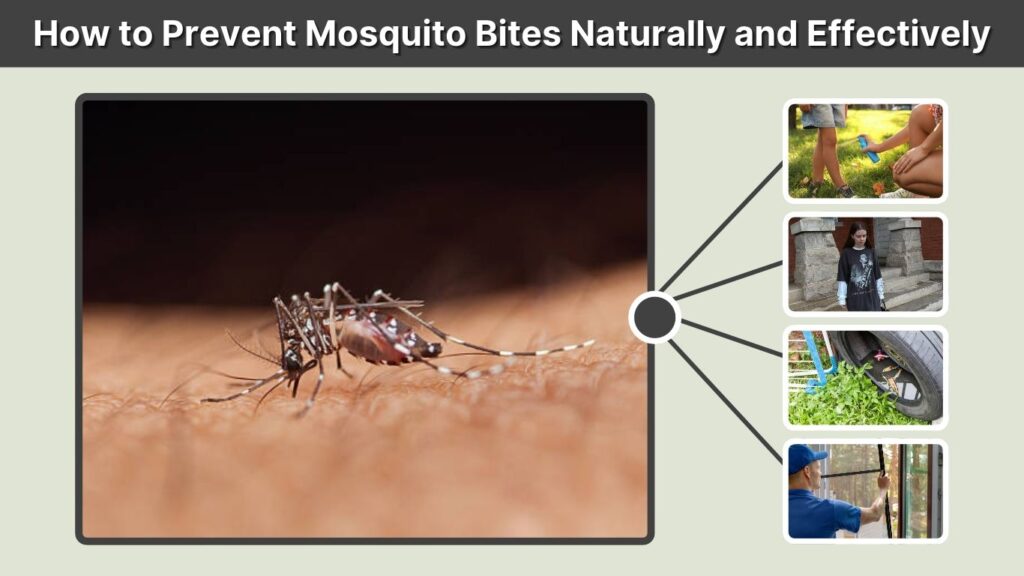
Preventing mosquito bites is the best way to avoid repeated itching and swelling. Combining personal protection with mosquito control around your home can significantly reduce exposure.
Practical Mosquito Bite Prevention Tips
Follow these protective measures:
- Use mosquito repellent: Choose a registered repellent containing DEET, picaridin, IR3535, or an approved alternative, following label instructions.
- Wear protective clothing: Long sleeves, loose-fitting pants, and socks reduce the amount of exposed skin.
- Remove standing water: Empty buckets, flowerpot saucers, and other containers where mosquitoes may breed.
- Install protective screens: Use window screens, door screens, and mosquito nets to prevent mosquitoes from entering sleeping areas.
- Reduce outdoor exposure: Avoid heavily mosquito-infested locations when possible, especially during periods of increased mosquito activity.
Protecting Children from Mosquito Bites
Children may scratch mosquito bites frequently, increasing the possibility of skin irritation and infection.
Dress children in lightweight protective clothing and use age-appropriate repellents according to product directions. Products containing oil of lemon eucalyptus or PMD should not be used on children younger than three years.
For infants, use appropriately fitted mosquito netting over strollers and sleeping spaces.
FAQs
1. What Is the Fastest Way to Relieve Mosquito Bites?
Apply a cold compress for approximately 10 minutes. Hydrocortisone cream or calamine lotion may provide additional relief from persistent itching.
2. How Do You Stop Mosquito Bites from Itching at Night?
Use a cold compress before bedtime, apply an appropriate anti-itch treatment, and wear loose clothing to minimize friction.
3. Does Ice Help Mosquito Bite Itching?
Yes. Cold therapy temporarily numbs the skin and reduces inflammation, helping relieve itching and mild swelling. Never apply ice directly to bare skin.
4. Why Do Mosquito Bites Itch More After Scratching?
Scratching further irritates the skin and can intensify inflammation. Repeated scratching may damage the skin and increase infection risk.
5. Can Mosquito Bites Go Away Without Treatment?
Yes. Most uncomplicated mosquito bites heal naturally within several days. Treatment mainly reduces itching, swelling, and discomfort during recovery.
