
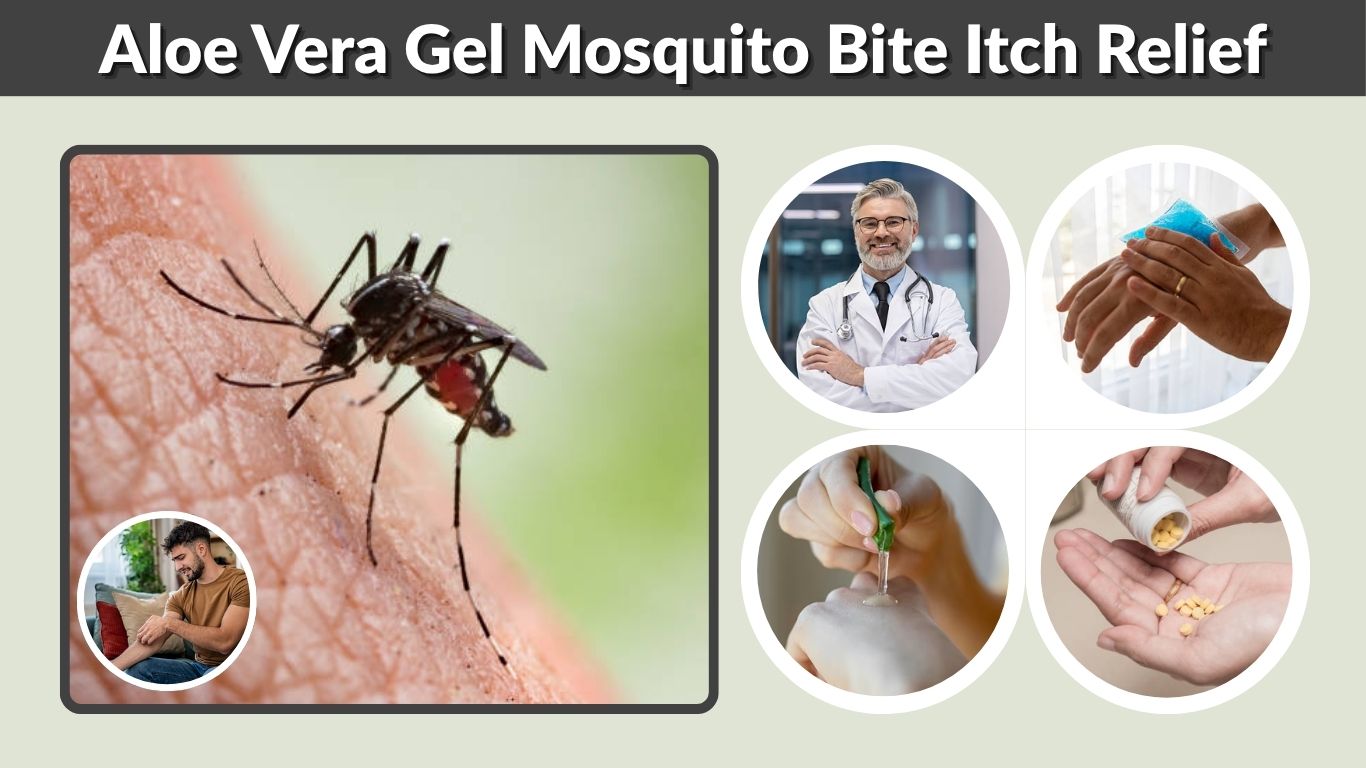
Aloe vera gel is a popular natural remedy for irritated skin, but does it actually provide mosquito bite itch relief? Many people apply its cooling gel to itchy bumps, hoping to reduce redness, swelling, and discomfort. Although aloe vera has recognized skin-soothing properties, scientific evidence specifically supporting its effectiveness against mosquito bite itching remains limited. Understanding what research shows can help you decide whether this home remedy is worth trying. This guide explores the available evidence, potential benefits, safe application methods, and alternative treatments for mosquito bites.
Does Aloe Vera Gel Help Relieve Mosquito Bite Itching?
Aloe vera gel may temporarily soothe itchy mosquito bites, particularly because its moisture and cooling sensation can make irritated skin feel more comfortable. However, its effectiveness specifically for mosquito bite itching has not been established through strong clinical studies.
How Aloe Vera May Soothe Itchy Skin
Aloe vera contains water, polysaccharides, and various naturally occurring compounds investigated for their potential effects on skin inflammation.
When applied to an irritated area, the gel provides moisture and a cooling sensation. These effects may make mild itching feel less noticeable.
However, soothing the skin does not necessarily mean aloe vera directly blocks the biological processes responsible for mosquito bite reactions.
Why Mosquito Bites Cause Itching
Female mosquitoes introduce saliva into the skin while feeding. Proteins in this saliva trigger an immune response involving histamine and other inflammatory substances.
This reaction produces itchy bumps, redness, and swelling.
Because mosquito bite itching involves several inflammatory pathways, an effective treatment must reduce these symptoms. Although aloe vera may feel soothing, researchers have not established that it reliably controls these pathways in human mosquito bite reactions.
What Does Scientific Evidence Say About Aloe Vera?
Scientific studies have examined aloe vera for burns, wounds, and certain inflammatory skin conditions. However, evidence from those conditions cannot automatically establish its effectiveness for mosquito bites.
Research on Aloe Vera and Skin Inflammation
The National Center for Complementary and Integrative Health (NCCIH) reports that topical aloe vera may help with some skin conditions, including burns.
Research suggests possible benefits for burn healing and pain relief, although evidence varies across conditions.
These findings offer a reasonable explanation for why aloe vera is used as a soothing skin product. Nevertheless, burn-related inflammation differs from the allergic reaction caused by mosquito saliva.
Is There Clinical Evidence for Mosquito Bite Itch Relief?
Direct clinical evidence supporting aloe vera gel for mosquito bite itching is insufficient.
A published review of mosquito bite reactions discusses antihistamines, cooling treatments, and topical medications but identifies limited evidence for many traditional and plant-based remedies.
Similarly, clinical studies of aloe vera for burns or other skin conditions do not demonstrate that it reduces mosquito bite itching.
The evidence-based conclusion is that aloe vera may provide temporary comfort, but it is not a scientifically proven treatment for mosquito bite itching.
How to Use Aloe Vera Gel for Mosquito Bite Relief
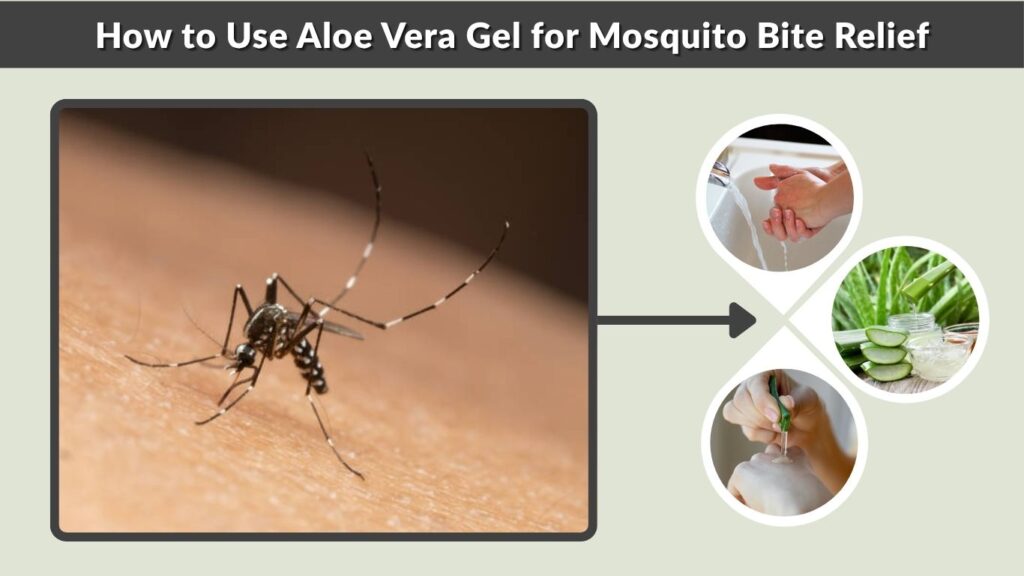
Aloe vera can be tried on uncomplicated mosquito bites when the skin is intact and the product is well tolerated. Proper application helps minimize irritation, although it cannot guarantee relief.
Step-by-Step Aloe Vera Application
Follow these simple steps when applying aloe vera gel:
- Clean the bite: Wash the affected area gently with mild soap and water, then pat it dry.
- Choose pure gel: Select a fragrance-free aloe vera product without unnecessary dyes or irritating additives.
- Test a small area: Apply a little gel to unaffected skin first, especially if you have sensitive skin.
- Apply a thin layer: Spread a small amount over the itchy bump without rubbing aggressively.
- Monitor your skin: Stop using the product if burning, redness, itching, or swelling increases.
Can You Use Fresh Aloe Vera from a Plant?
Fresh aloe vera contains a clear inner gel that is traditionally applied to the skin.
However, cutting an aloe leaf can release yellow latex from beneath the outer surface. This substance may irritate the skin and should not be mixed into the gel.
A commercially prepared, fragrance-free topical aloe product may be a more practical choice because it avoids the challenges of preparing fresh leaves.
Avoid applying homemade preparations to open wounds or infected bites.
How to Choose the Best Aloe Vera Gel for Mosquito Bites
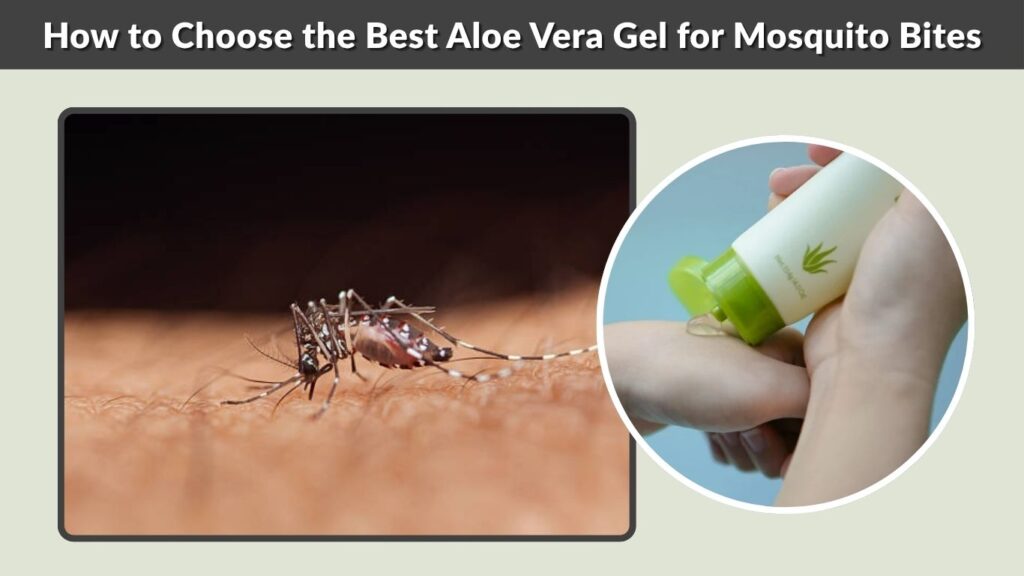
Not every aloe vera product contains the same ingredients. Some commercial gels include fragrances, alcohol, preservatives, or coloring agents that can irritate sensitive skin.
Features to Look for in Aloe Vera Gel
When selecting a product, consider these qualities:
- Simple ingredients: Choose products with few unnecessary additives.
- Fragrance-free formula: Avoid strong fragrances that may aggravate already irritated skin.
- Topical suitability: Make sure the product is intended for use on human skin.
- Appropriate packaging: Choose sealed products and follow their storage and expiration instructions.
Is Pure Aloe Vera Better Than Commercial Gel?
Neither fresh aloe vera nor commercial aloe gel has been proven superior for mosquito bite itch relief.
Fresh aloe provides direct access to the inner leaf gel but may contain contaminants or irritating latex if prepared incorrectly.
Commercial products are easier to apply, although their additional ingredients can influence skin tolerance.
The most important consideration is selecting a clean, properly formulated product that does not irritate your skin.
Aloe Vera vs. Other Mosquito Bite Itch Relief Treatments
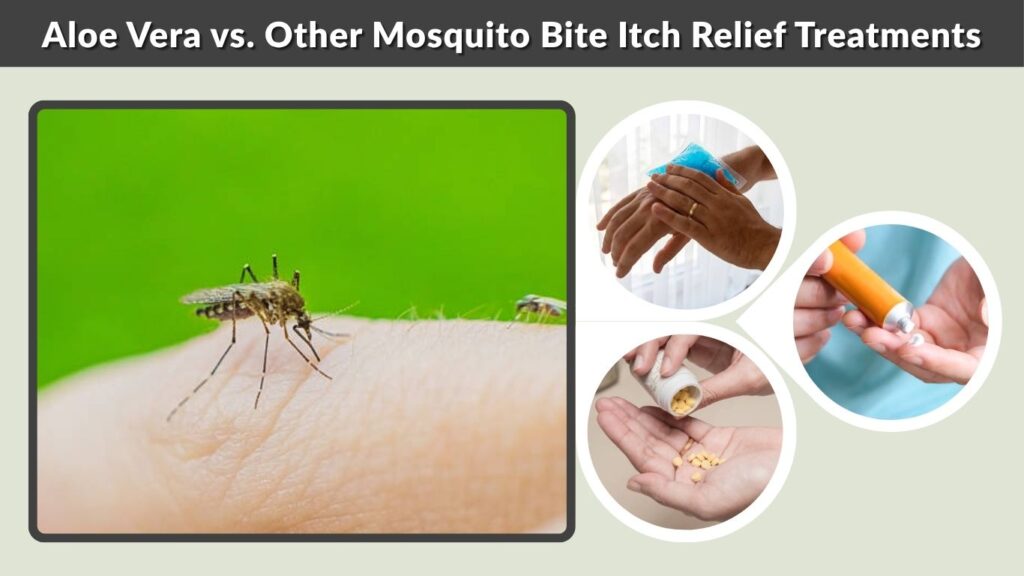
Aloe vera is one of many remedies used for mosquito bites. However, established medical treatments have stronger clinical support or clearer professional recommendations for reducing itching and swelling.
Effective Alternatives to Aloe Vera Gel
Several treatments may offer more dependable mosquito bite relief:
- Cold compress: Applying a wrapped ice pack for approximately 10 minutes can temporarily reduce itching and swelling.
- Hydrocortisone cream: Over-the-counter 1% hydrocortisone may reduce inflammation and itching when used according to product directions.
- Calamine lotion: This commonly recommended lotion can temporarily soothe irritated skin.
- Oral antihistamines: Cetirizine or loratadine may help reduce itching, particularly with stronger reactions. Follow age-appropriate dosing guidance.
Should You Combine Aloe Vera with Other Treatments?
Aloe vera may be used as a supplementary skin-soothing product, but combining several topical treatments is not always necessary.
If you are using hydrocortisone or another medicated cream, follow its instructions and ask a pharmacist before adding other products to the same area.
For persistent itching, medically recommended treatments are generally preferable to relying solely on aloe vera.
Is Aloe Vera Gel Safe for Mosquito Bites?
Topical aloe vera gel is generally well tolerated by many people. However, natural ingredients can still cause unwanted skin reactions, particularly on sensitive or already inflamed skin.
Possible Side Effects of Aloe Vera
Watch for these potential reactions:
- Skin redness: Some individuals develop irritation after applying aloe-containing products.
- Burning sensations: Temporary stinging or discomfort may occur.
- Allergic contact dermatitis: Sensitive individuals may experience an itchy rash.
- Increased irritation: Fragrances or other additives in commercial gels may worsen skin symptoms.
Stop using aloe vera if any unusual reaction develops.
When Should You Avoid Aloe Vera?
Avoid applying aloe vera to infected mosquito bites, severely damaged skin, or areas where a previous allergic reaction occurred.
People with known aloe allergies should not use aloe-containing products.
Topical aloe vera is intended for external application and should not be confused with oral aloe preparations, which carry different safety concerns.
How Long Does Aloe Vera Take to Relieve Mosquito Bite Itching?
There is no scientifically established timeframe for aloe vera gel to relieve mosquito bite itching.
Some people may notice an immediate cooling sensation after application, but this does not confirm that aloe vera is reducing inflammation or shortening healing time.
Does Aloe Vera Make Mosquito Bites Heal Faster?
Research has investigated aloe vera in wound healing, but there is insufficient direct evidence that it speeds recovery from mosquito bites.
Most uncomplicated mosquito bites naturally improve within several days.
Keeping the area clean and avoiding scratching are important because repeated skin damage can delay recovery and increase infection risk.
When Should You Seek Medical Attention for Mosquito Bites?
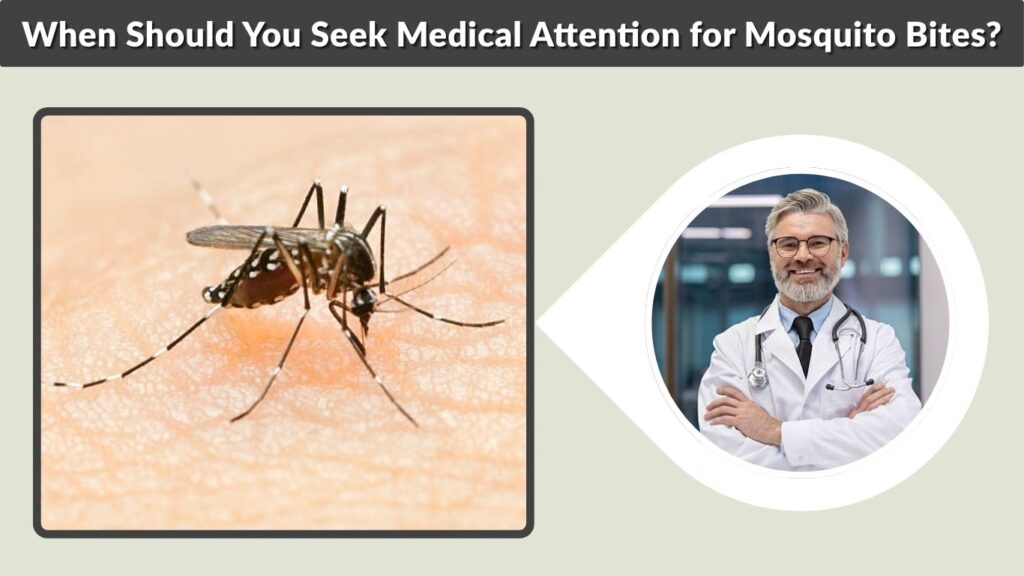
Most mosquito bites are harmless and require only basic home care. However, symptoms that become unusually severe or continue worsening should not be treated with aloe vera alone.
Signs of Infection or Severe Reactions
Increasing pain, spreading redness, warmth, pus, or significant swelling may indicate a developing skin infection.
A severe local allergic reaction can also produce substantial swelling without infection. Medical evaluation helps distinguish these conditions.
Seek emergency care for difficulty breathing, throat swelling, or fainting.
Fever or Illness After Mosquito Exposure
Mosquitoes can transmit illnesses such as dengue, malaria, and chikungunya in some regions.
Seek medical advice if fever, severe headache, body aches, or other concerning symptoms develop following mosquito exposure.
Aloe vera does not prevent or treat mosquito-borne infections.
FAQs
1. Is Aloe Vera Gel Scientifically Proven to Stop Mosquito Bite Itching?
No. Aloe vera has been studied for several skin conditions, but sufficient direct clinical evidence proving its effectiveness against mosquito bite itching is unavailable.
2. Can Aloe Vera Reduce Mosquito Bite Swelling?
Aloe vera may feel soothing, but there is insufficient clinical evidence that it reliably reduces mosquito bite swelling. Cold compresses are a better-established option.
3. Is Aloe Vera Gel Recommended for Mosquito Bites?
Pure aloe vera is mentioned as a possible soothing option in some clinical guidance for insect bites. However, it is not a proven first-line treatment for mosquito bite itching.
4. Can I Apply Aloe Vera Gel to Mosquito Bites Overnight?
A thin layer of a suitable topical aloe product may be tolerated on intact skin, but leaving it overnight has no demonstrated additional benefit. Stop using it if irritation develops.
5. Is Aloe Vera Better Than Hydrocortisone for Mosquito Bites?
There is no strong direct comparison proving aloe vera is better. Hydrocortisone is more commonly recommended by medical professionals for reducing mosquito bite inflammation and itching.
