
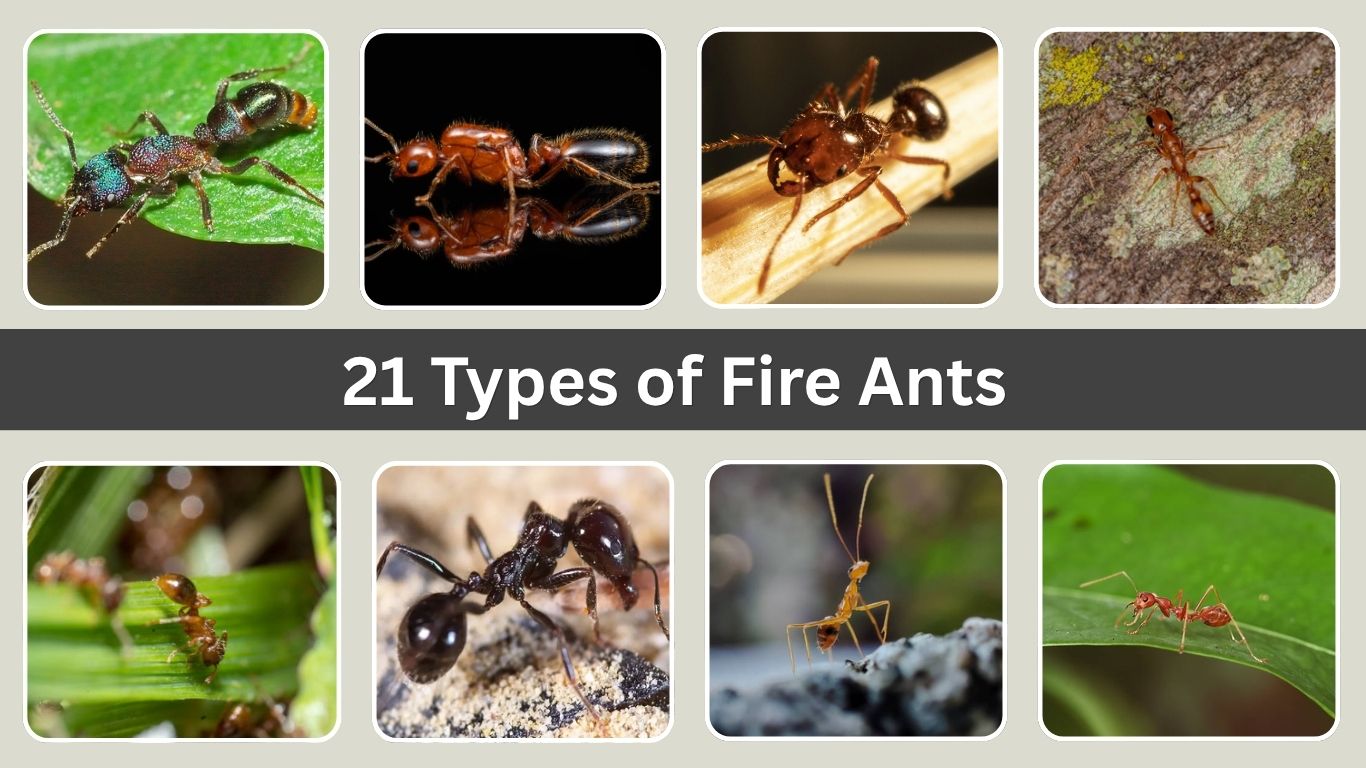
Fire ants are aggressive stinging ants found in warm and tropical regions around the world. They are known for their painful bites, fast-growing colonies, and ability to survive in different environments. Some fire ant species are invasive pests that damage crops, harm wildlife, and invade homes, while others help control insect populations in nature. Learning about their identification, habitat, behavior, and dangers can help people recognize these ants more easily and understand how each species differs from the others.
1. Red Imported Fire Ant
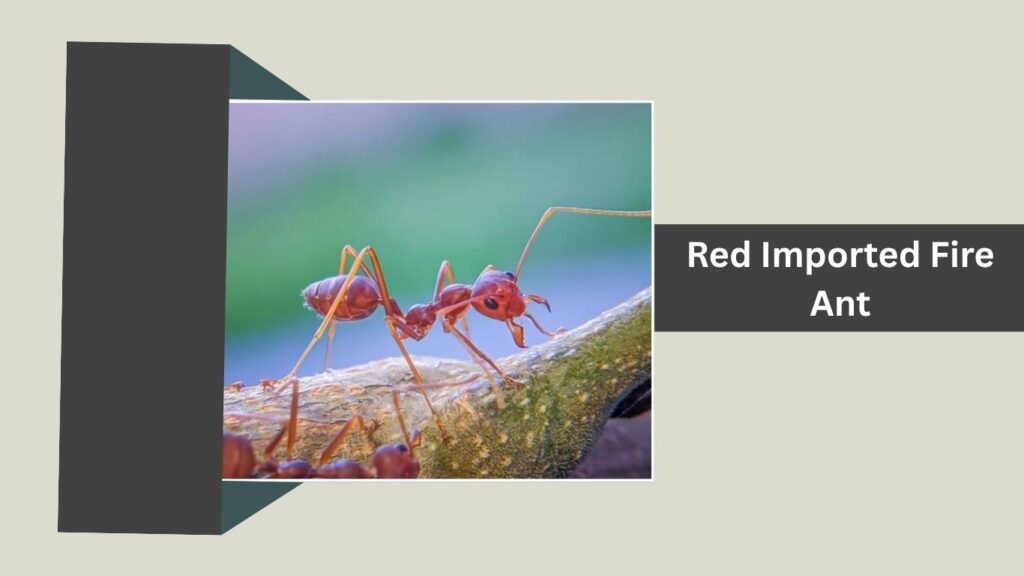
The Red Imported Fire Ant is one of the most aggressive and well-known fire ant species in the world. Originally from South America, this ant spread rapidly across many countries, especially in warm climates. It is famous for its painful sting, large colonies, and destructive behavior toward crops, animals, and even electrical equipment.
Identification
- Reddish-brown body with a darker abdomen
- Worker ants range from 2 to 6 mm in size
- Strong mandibles and a painful stinger
- Builds large dome-shaped soil mounds
- Highly aggressive when disturbed
Habitat and Distribution
Red Imported Fire Ants prefer warm and sunny environments. They are commonly found in open fields, lawns, gardens, parks, and agricultural lands. Their colonies are especially common in the southern regions of the United States, but they also exist in parts of Asia and Australia. These ants usually build nests in loose soil and can survive in both urban and rural areas.
Behavior and Diet
These ants are extremely territorial and attack quickly when their nest is threatened. They feed on insects, seeds, small animals, and sugary substances. Red Imported Fire Ants work together in organized colonies that may contain hundreds of thousands of ants. Their teamwork allows them to defend their nest effectively and gather food efficiently.
Danger to Humans and Environment
The sting of a Red Imported Fire Ant causes a burning sensation and itchy white pustules. In some cases, people may experience severe allergic reactions. These ants also damage crops, harm wildlife, and interfere with electrical systems by nesting inside equipment. Because of their invasive nature, they are considered a serious pest in many regions.
2. Black Imported Fire Ant
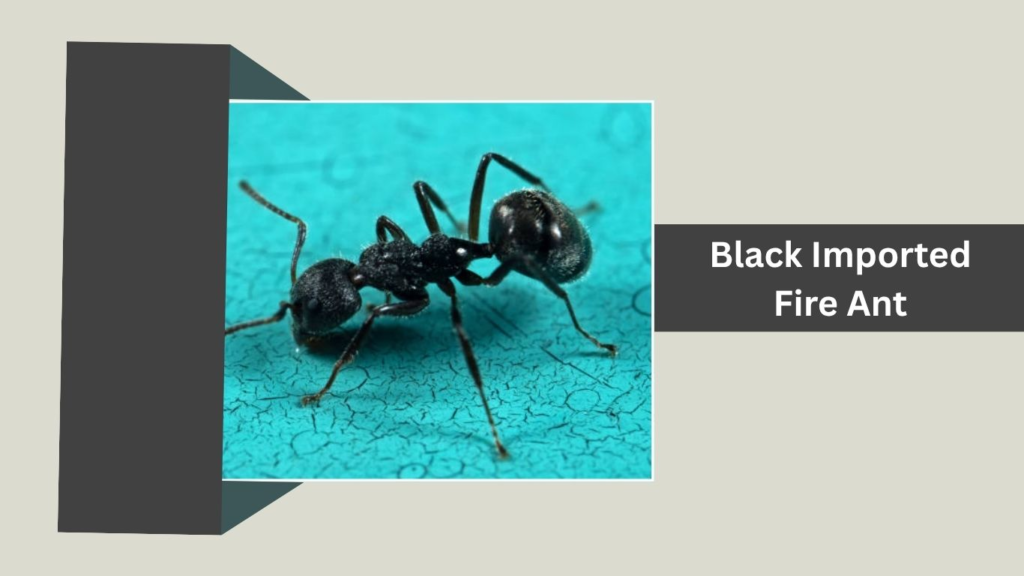
The Black Imported Fire Ant is another invasive fire ant species known for its aggressive behavior and painful sting. Native to South America, this ant was accidentally introduced to other regions through trade and shipping activities. Although less common than the Red Imported Fire Ant, it can still create serious environmental and agricultural problems.
Identification
- Dark brown to black body color
- Worker ants vary between 3 and 6 mm in length
- Shiny abdomen with strong jaws
- Builds loose soil mounds near open areas
- Possesses a venomous stinger
Habitat and Distribution
Black Imported Fire Ants prefer warm and humid climates. They are commonly found in grasslands, roadsides, farms, gardens, and coastal regions. Their colonies are usually built in soft soil where sunlight is available. This species has spread to several regions outside its native range, especially in parts of North America.
Behavior and Diet
These ants are highly defensive and respond aggressively when their nest is disturbed. They feed on insects, seeds, dead animals, and sweet foods. Colonies often contain thousands of workers working together to gather food and protect the queen. Black Imported Fire Ants are active foragers and can quickly dominate areas where food is abundant.
Danger to Humans and Environment
The sting of a Black Imported Fire Ant causes pain, swelling, and irritation. Some individuals may experience allergic reactions after multiple stings. These ants also harm native insect populations and damage crops by attacking young plants and small animals. Their invasive nature makes them a threat to biodiversity and agricultural systems in affected regions.
3. Southern Fire Ant
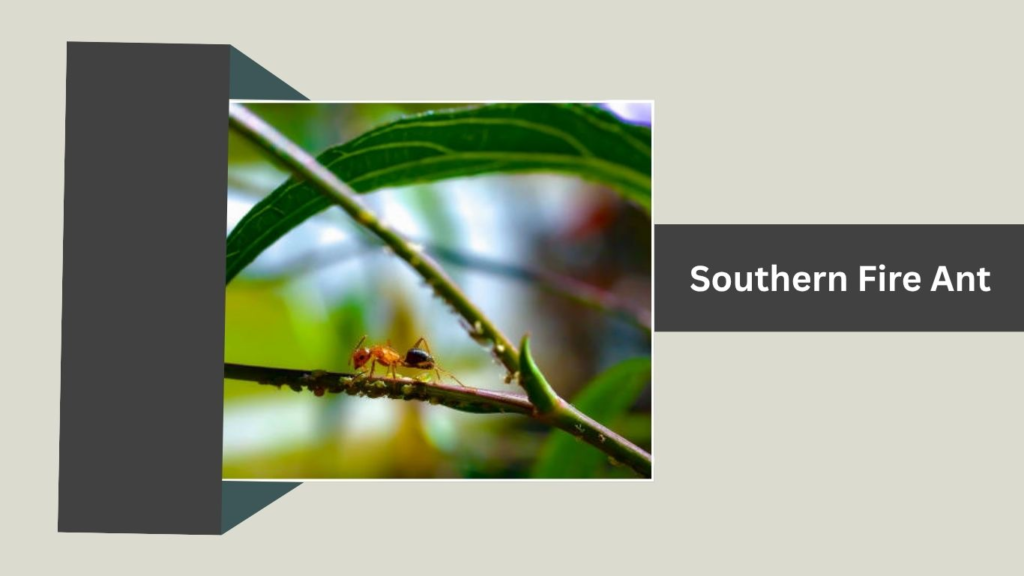
The Southern Fire Ant is a native fire ant species commonly found in the southeastern United States. Unlike imported fire ants, this species is less aggressive but still capable of delivering painful stings when threatened. Southern Fire Ants are important predators in nature, yet they can become household and agricultural pests when their colonies grow near human activity.
Identification
- Light reddish-brown to dark brown body
- Worker ants measure about 2 to 5 mm long
- Smaller and less shiny than imported fire ants
- Creates low, irregular soil mounds
- Has a stinger used for defense
Habitat and Distribution
Southern Fire Ants are widely distributed across the southeastern regions of the United States. They prefer moist soil and are often found in lawns, forests, parks, gardens, and near buildings. Their nests are commonly hidden under rocks, logs, leaf litter, or inside rotting wood. This species adapts well to both natural and urban environments.
Behavior and Diet
These ants are active scavengers and predators. They feed on insects, seeds, sugary materials, and dead animals. Southern Fire Ants are less aggressive than imported species, but they defend their nests quickly when disturbed. Colonies usually contain several thousand workers led by one or more queens. They are known for their efficient teamwork during food collection and nest protection.
Danger to Humans and Environment
Southern Fire Ant stings can cause burning pain, redness, and swelling. Although their sting is usually less severe than that of imported fire ants, repeated stings may still trigger allergic reactions in sensitive individuals. They can also invade homes in search of food and occasionally damage crops or disturb local wildlife populations.
4. Tropical Fire Ant
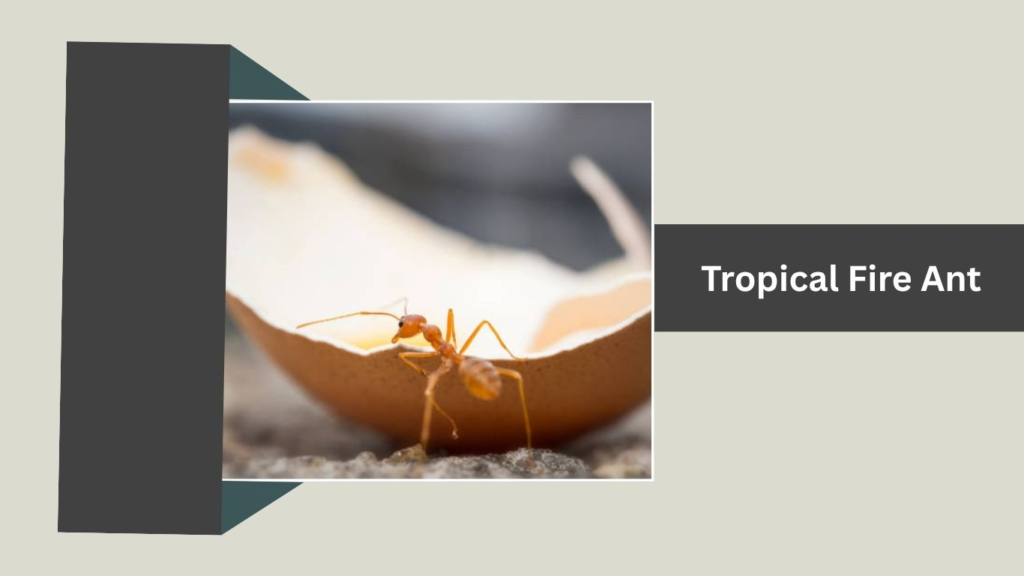
The Tropical Fire Ant is a small but aggressive fire ant species commonly found in tropical and subtropical regions around the world. This species is known for its painful sting, fast-moving colonies, and ability to survive in hot and humid environments. Tropical Fire Ants often become pests in gardens, farms, and residential areas where food and moisture are easily available.
Identification
- Reddish-brown to dark brown body color
- Worker ants usually measure 2 to 4 mm long
- Slender body with long legs and antennae
- Builds small soil nests in warm locations
- Delivers a sharp and painful sting
Habitat and Distribution
Tropical Fire Ants thrive in warm climates with high humidity. They are commonly found in tropical forests, grasslands, gardens, farms, and coastal regions. Their nests are often located under stones, logs, leaf litter, or loose soil. This species is widely distributed across Central and South America, the Caribbean, parts of Asia, and other tropical regions worldwide.
Behavior and Diet
These ants are highly active foragers and work together in organized colonies. They feed on insects, nectar, seeds, fruits, and leftover human food. Tropical Fire Ants quickly attack intruders when their nest is disturbed. Their colonies can expand rapidly under favorable conditions, allowing them to compete aggressively with other insect species for food and territory.
Danger to Humans and Environment
The sting of a Tropical Fire Ant causes burning pain, itching, and skin irritation. Multiple stings may lead to allergic reactions in sensitive individuals. These ants can also become agricultural pests by damaging young plants and protecting harmful insects like aphids. Their aggressive behavior may reduce native insect populations in affected ecosystems.
5. Native Fire Ant
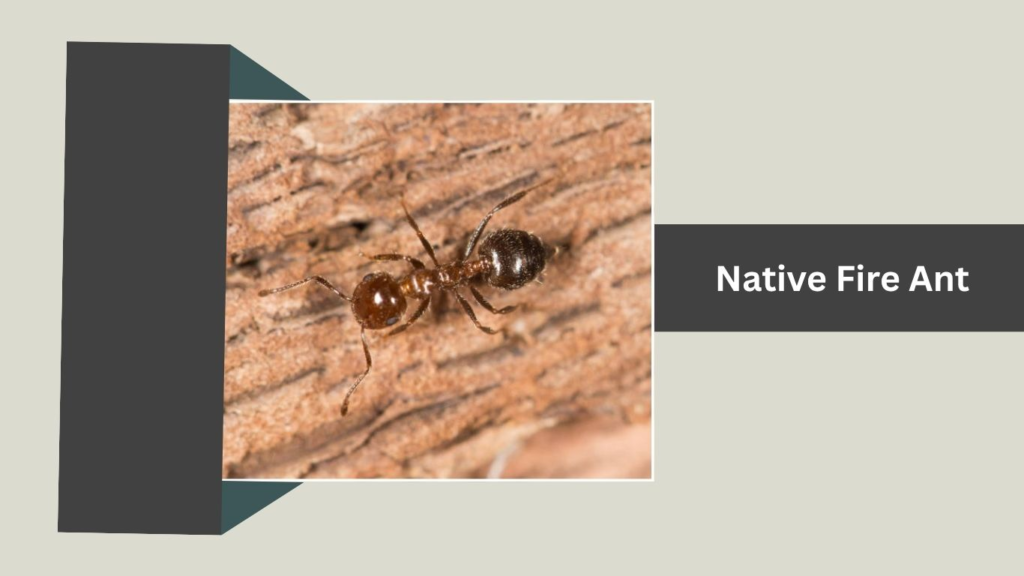
The Native Fire Ant is a fire ant species originally found in North America before imported fire ants arrived from South America. These ants play a natural role in local ecosystems by controlling insect populations and recycling organic matter. Although they are less aggressive than imported species, Native Fire Ants can still sting when their nest is disturbed.
Identification
- Reddish-brown body with a darker abdomen
- Worker ants range from 3 to 6 mm in size
- Smaller colonies compared to imported fire ants
- Creates low and loose soil mounds
- Equipped with a painful defensive stinger
Habitat and Distribution
Native Fire Ants are commonly found across the southern United States and nearby regions. They prefer open woodlands, grasslands, lawns, and sandy soil areas. Their nests are often hidden under rocks, logs, or shallow soil mounds. Unlike imported species, Native Fire Ants usually avoid heavily disturbed urban environments and are more common in natural habitats.
Behavior and Diet
These ants are active hunters and scavengers that feed on insects, seeds, dead animals, and sugary substances. Native Fire Ants work cooperatively within colonies to gather food and protect their nest. They are generally less aggressive than invasive fire ant species, but they still react quickly to threats near their colony.
Danger to Humans and Environment
The sting of a Native Fire Ant causes a burning sensation, redness, and temporary swelling. Severe allergic reactions are uncommon but possible in sensitive individuals. Ecologically, these ants are considered beneficial because they help control pest insects and contribute to soil health. However, they may occasionally invade gardens or outdoor living spaces in search of food.
6. Desert Fire Ant
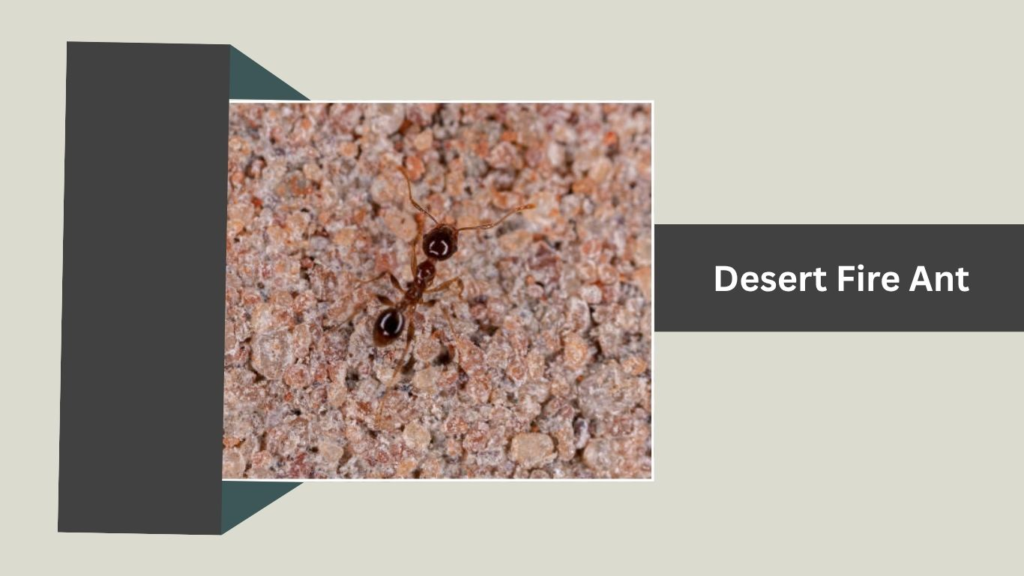
The Desert Fire Ant is a hardy fire ant species adapted to hot, dry environments. It is commonly found in arid and semi-arid regions where few other ant species can survive comfortably. Although smaller than some imported fire ants, the Desert Fire Ant is highly defensive and delivers a painful sting when threatened.
Identification
- Pale reddish-brown to yellowish body color
- Worker ants measure around 2 to 5 mm long
- Slim body adapted to dry climates
- Builds small crater-like nests in sandy soil
- Possesses a strong stinger for defense
Habitat and Distribution
Desert Fire Ants are mostly found in deserts, dry grasslands, and sandy regions. They prefer loose, well-drained soil with plenty of sunlight. This species is commonly distributed across the southwestern United States, northern Mexico, and other dry environments. Their nests are often built in open ground, near shrubs, or along desert trails.
Behavior and Diet
These ants are active during warm temperatures and spend much of their time searching for food. They feed on insects, seeds, nectar, and dead organic matter. Desert Fire Ants work together efficiently within colonies and aggressively protect their nest from predators or disturbances. Their ability to survive with limited water makes them well suited to harsh desert conditions.
Danger to Humans and Environment
The sting of a Desert Fire Ant causes sharp pain, redness, and irritation. While their sting is usually not life-threatening, repeated attacks can be very uncomfortable. In natural ecosystems, they help control insect populations and recycle organic material. However, they may become a nuisance in campsites, gardens, and residential areas located near desert habitats.
7. California Fire Ant
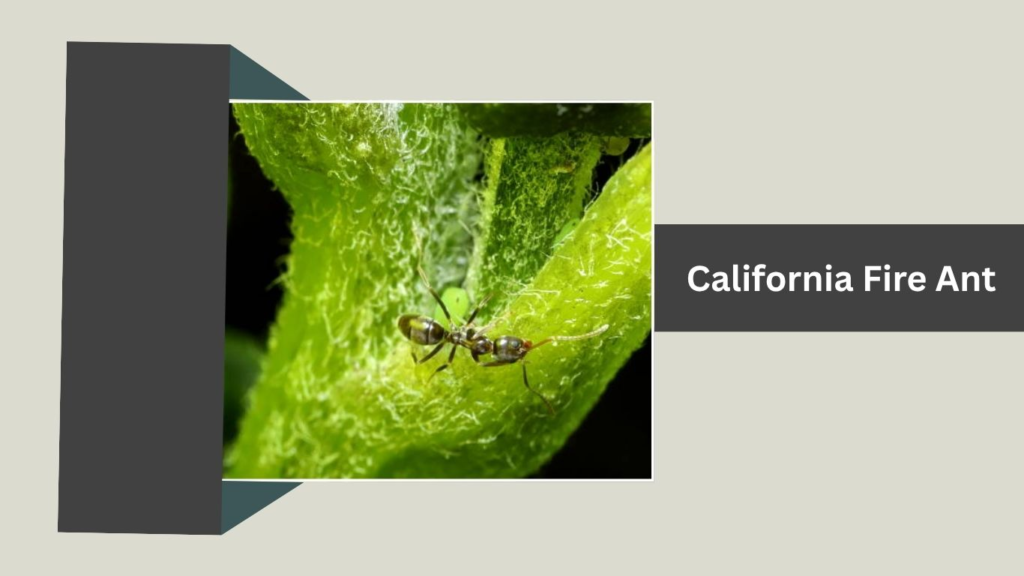
The California Fire Ant is a native fire ant species mainly found in the western United States, especially in California. This ant is known for its painful sting and aggressive defense behavior when its nest is disturbed. Although it is smaller than some imported fire ants, the California Fire Ant can still become a nuisance in gardens, parks, and outdoor living areas.
Identification
- Reddish-brown body with a darker abdomen
- Worker ants are usually 3 to 5 mm long
- Slender body with noticeable antennae
- Builds small soil mounds or hidden nests
- Delivers a sharp and burning sting
Habitat and Distribution
California Fire Ants are commonly found in dry grasslands, forests, gardens, and open fields throughout California and nearby western regions. They prefer warm environments with loose soil and often build nests under rocks, logs, or leaf litter. This species is well adapted to Mediterranean-style climates with hot summers and mild winters.
Behavior and Diet
These ants are active foragers that search for food both day and night. Their diet includes insects, seeds, nectar, sugary materials, and dead organic matter. California Fire Ants work cooperatively in colonies and react aggressively when they sense danger near the nest. They are known for quickly swarming intruders to defend their territory.
Danger to Humans and Environment
The sting of a California Fire Ant causes burning pain, itching, and swelling. Multiple stings can be especially uncomfortable for humans and pets. In nature, these ants help control insect populations and assist in breaking down organic material. However, they may also disrupt outdoor activities and occasionally damage small plants or seedlings in gardens.
8. Little Fire Ant
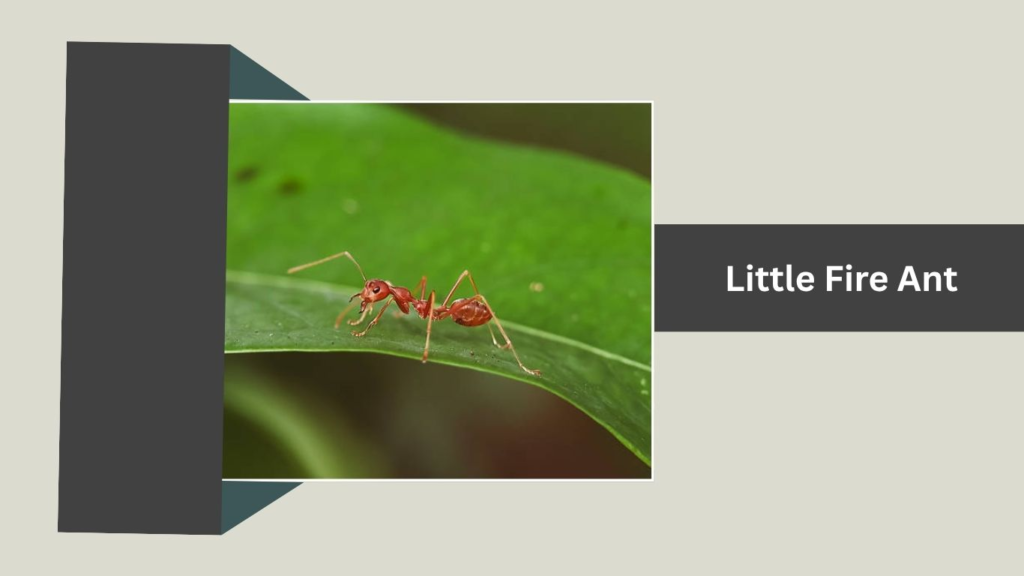
The Little Fire Ant is a tiny but highly invasive fire ant species known for its painful sting and destructive impact on ecosystems. Despite its small size, this ant is considered one of the world’s worst invasive ants because it spreads rapidly and forms massive colonies. It can invade homes, farms, forests, and even urban environments.
Identification
- Light reddish-brown to golden body color
- Very small workers measuring about 1.5 mm long
- Slow-moving compared to many other ants
- Builds nests in soil, trees, and leaf litter
- Possesses a painful venomous sting
Habitat and Distribution
Little Fire Ants thrive in warm and humid climates. They are commonly found in tropical forests, gardens, plantations, parks, and residential areas. Unlike many fire ants, they often build nests both on the ground and in trees. This species has spread widely across the Pacific Islands, the Caribbean, parts of Africa, and some regions of the United States.
Behavior and Diet
These ants form extremely large colonies with multiple queens, allowing them to spread quickly. They feed on insects, sugary liquids, fruits, and dead organic material. Little Fire Ants are aggressive toward other insects and can dominate entire ecosystems. Their colonies cooperate closely, making them difficult to eliminate once established.
Danger to Humans and Environment
The sting of a Little Fire Ant causes intense burning pain, itching, and skin irritation. Repeated stings may lead to allergic reactions or infections. These ants are especially harmful to wildlife because they attack small animals and reduce native insect populations. In agricultural areas, they can damage crops and create serious problems for farmers and homeowners alike.
9. Electric Fire Ant
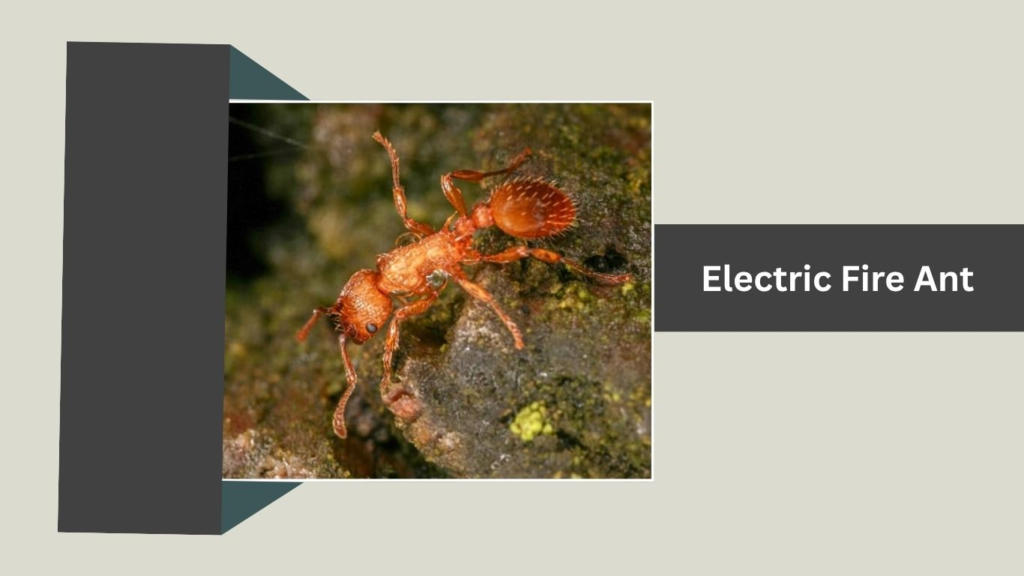
The Electric Fire Ant is a lesser-known fire ant species recognized for its extremely painful sting that creates a sharp, electric-like sensation. This ant is highly aggressive when disturbed and can quickly swarm intruders near its nest. Although small in size, the Electric Fire Ant is considered a troublesome pest in areas where its colonies become established.
Identification
- Dark reddish-brown body color
- Worker ants measure around 2 to 4 mm long
- Slim body with long antennae and legs
- Builds nests in loose soil and hidden spaces
- Produces a strong, burning sting
Habitat and Distribution
Electric Fire Ants prefer warm and humid environments where food and moisture are available. They are commonly found in forests, gardens, grasslands, farms, and near human settlements. Their nests are often hidden under rocks, logs, leaf litter, or inside cracks in the soil. This species is mainly distributed in tropical and subtropical regions.
Behavior and Diet
These ants are active hunters and scavengers that feed on insects, seeds, sugary liquids, and dead organic matter. Electric Fire Ants are highly territorial and aggressively defend their colony from threats. They work together in large groups while searching for food, allowing them to overpower smaller insects and compete with other ant species.
Danger to Humans and Environment
The sting of an Electric Fire Ant causes sudden burning pain that feels similar to a mild electric shock. Swelling, itching, and skin irritation are common after multiple stings. In natural ecosystems, these ants may reduce native insect populations and disturb ecological balance. They can also become household pests by invading outdoor living spaces and gardens.
10. Tropical Red Fire Ant
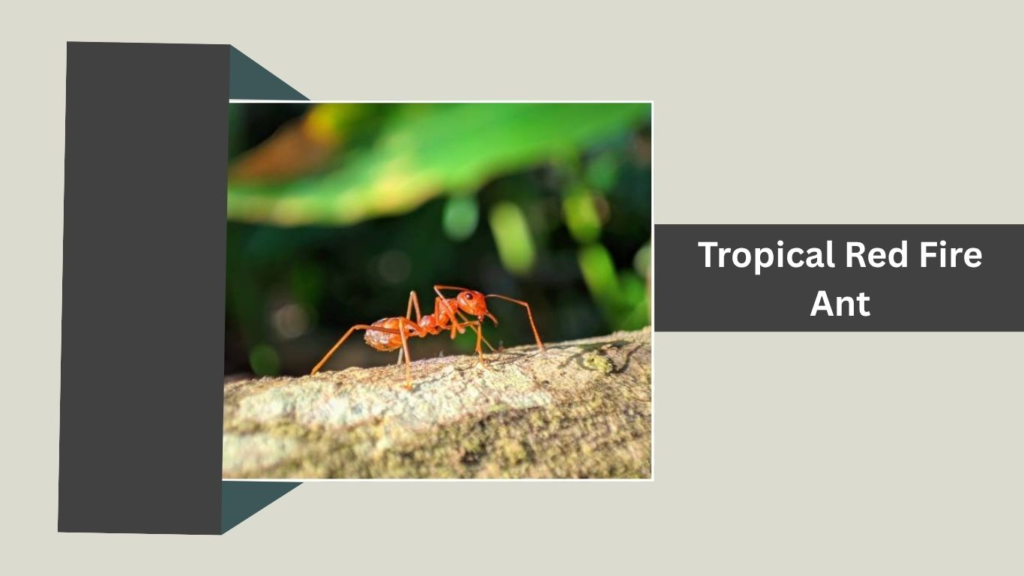
The Tropical Red Fire Ant is an aggressive fire ant species commonly found in hot and humid regions. It is closely related to other invasive fire ants and is known for its painful sting and rapid colony growth. This species often becomes a major pest in agricultural lands, gardens, and residential areas where it can spread quickly and outcompete native insects.
Identification
- Bright reddish-brown body color
- Worker ants range from 2 to 5 mm in size
- Shiny abdomen with strong mandibles
- Builds dome-shaped nests in soft soil
- Equipped with a painful venomous stinger
Habitat and Distribution
Tropical Red Fire Ants prefer tropical and subtropical climates with high humidity and warm temperatures. They are commonly found in open grasslands, gardens, plantations, parks, and forest edges. Their nests are usually built in loose soil under sunlight, but they may also hide beneath rocks or debris. This species is widely distributed across tropical parts of the Americas and other warm regions.
Behavior and Diet
These ants are highly social insects that live in organized colonies with thousands of workers. They feed on insects, seeds, fruits, sugary substances, and dead animals. Tropical Red Fire Ants aggressively defend their nests and attack intruders in large numbers. Their strong colony structure allows them to expand rapidly and dominate nearby territories.
Danger to Humans and Environment
The sting of a Tropical Red Fire Ant causes intense burning pain, swelling, and itching. Multiple stings may trigger allergic reactions in sensitive individuals. These ants can also harm crops, attack small animals, and reduce native insect populations. Their invasive behavior makes them a serious environmental and agricultural threat in many tropical ecosystems.
11. Yellow Fire Ant
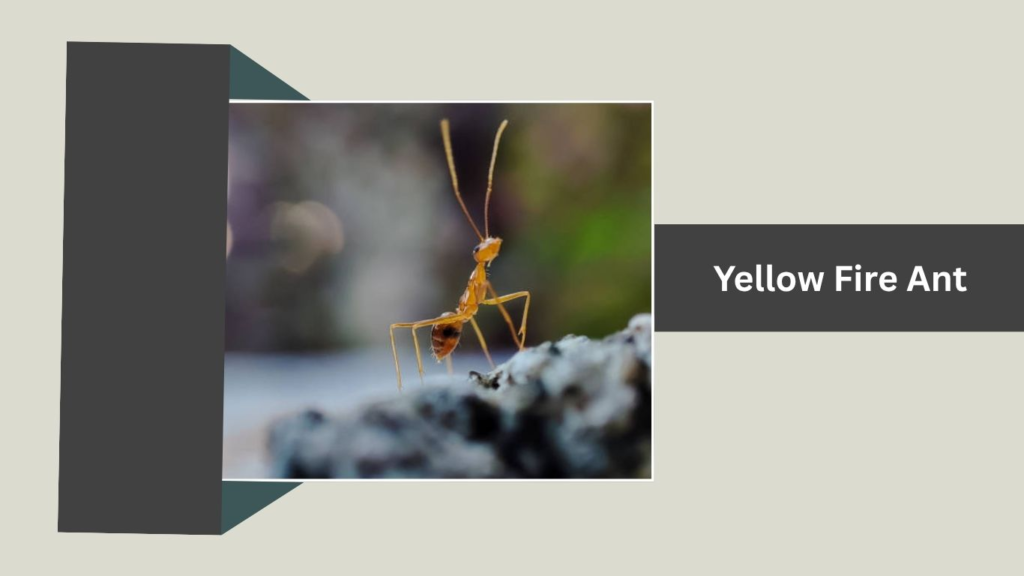
The Yellow Fire Ant is a small fire ant species recognized for its pale yellow to golden body color and painful sting. Although not as famous as imported fire ants, this species can still become a nuisance in homes, gardens, and agricultural areas. Yellow Fire Ants are highly adaptable and capable of surviving in a wide range of warm environments.
Identification
- Pale yellow to light golden body color
- Worker ants measure about 2 to 4 mm long
- Small and slender body structure
- Builds nests in soil, wood, and leaf litter
- Has a venomous stinger for defense
Habitat and Distribution
Yellow Fire Ants are commonly found in tropical and subtropical regions with warm temperatures and moderate humidity. They prefer gardens, forests, farms, lawns, and areas with loose soil. Their nests are often hidden under rocks, rotting wood, plant debris, or shallow ground tunnels. This species can adapt easily to both natural habitats and urban environments.
Behavior and Diet
These ants are active scavengers and hunters that search continuously for food. Their diet includes insects, nectar, seeds, sugary liquids, and dead organic matter. Yellow Fire Ants work cooperatively within colonies and defend their nest aggressively when threatened. Colonies may contain thousands of workers that communicate efficiently while gathering food and protecting the queen.
Danger to Humans and Environment
The sting of a Yellow Fire Ant causes burning pain, redness, and itching. Multiple stings may lead to swelling or allergic reactions in sensitive individuals. In ecosystems, these ants can compete with native insect species and disturb local biodiversity. They may also invade homes and gardens in search of food, creating problems for homeowners and farmers.
12. Dark Rover Fire Ant
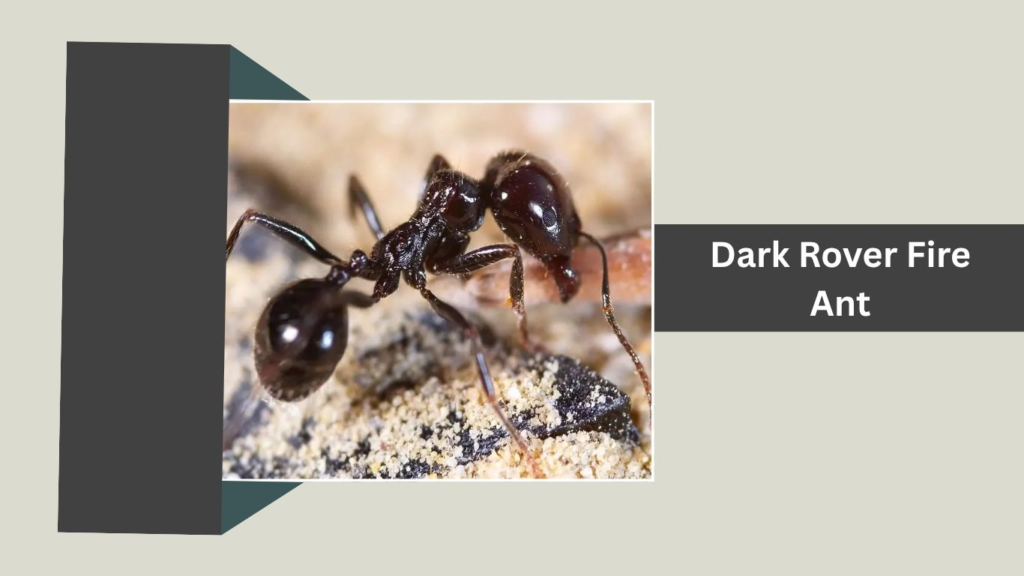
The Dark Rover Fire Ant is a small invasive ant species known for its dark body color and fast movement. Although it is not as aggressive as some larger fire ants, it can still become a troublesome pest in homes, gardens, and commercial buildings. This species is highly adaptable and capable of forming large colonies in warm climates.
Identification
- Dark brown to black body color
- Worker ants measure around 1.5 to 3 mm long
- Small, slender, and fast-moving appearance
- Builds nests in soil, wall cracks, and debris
- Possesses a mild but irritating sting
Habitat and Distribution
Dark Rover Fire Ants are commonly found in warm and humid regions. They prefer urban areas, gardens, forests, lawns, and buildings where moisture is available. Their nests are often hidden under rocks, mulch, wood piles, or inside walls and electrical equipment. This species is especially common in southern parts of the United States and tropical environments.
Behavior and Diet
These ants are highly active foragers that travel in long trails while searching for food. They feed on sugary substances, dead insects, grease, and household food scraps. Dark Rover Fire Ants form colonies with multiple queens, allowing them to spread quickly and establish new nests easily. They are more likely to avoid direct conflict unless their colony is disturbed.
Danger to Humans and Environment
The sting of a Dark Rover Fire Ant is usually mild but may still cause irritation and itching. Their greatest problem comes from invading homes and buildings in large numbers. They can contaminate food, damage insulation, and nest inside electronic devices. In natural ecosystems, they may compete with native ant species for food and territory.
13. Thief Fire Ant
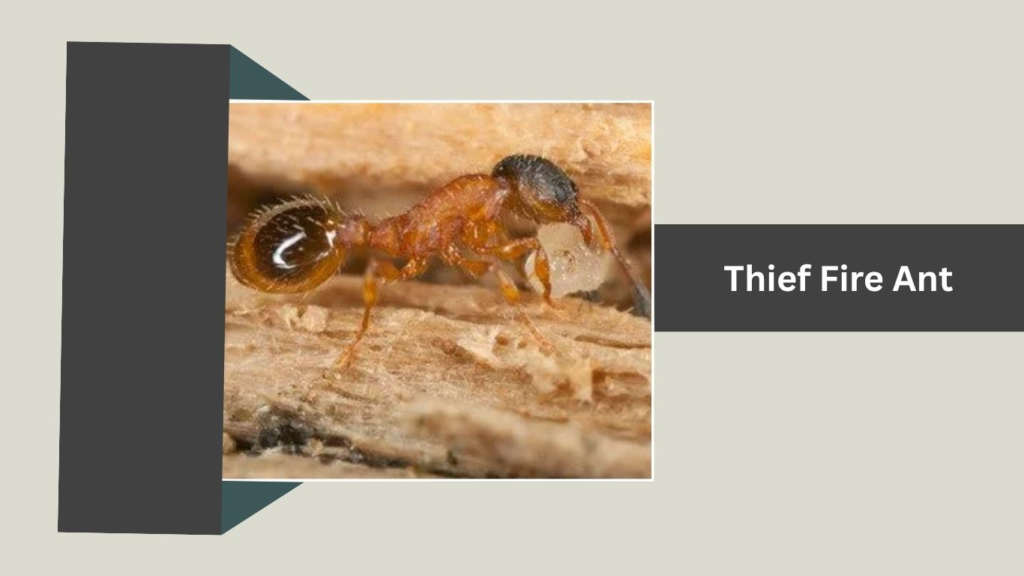
The Thief Fire Ant is a very small ant species known for its habit of stealing food and larvae from other ant colonies. Because of this unusual behavior, it earned the name “Thief Ant.” Although tiny in size, these ants can become serious household pests by invading kitchens, food containers, and storage areas in search of greasy or sweet foods.
Identification
- Pale yellow to light brown body color
- Extremely small workers measuring 1 to 2 mm long
- Smooth and shiny body appearance
- Builds hidden nests near other ant colonies
- Possesses a small but noticeable sting
Habitat and Distribution
Thief Fire Ants are widely distributed across North America and other warm regions. They prefer hidden and protected environments such as wall voids, under rocks, inside rotting wood, and beneath floors. Outdoors, they often build nests close to larger ant colonies so they can steal food and brood easily. Indoors, they are commonly found near kitchens and food storage spaces.
Behavior and Diet
These ants are secretive and highly opportunistic feeders. They consume grease, meat, dead insects, seeds, and sugary materials. Thief Fire Ants are famous for entering nearby ant nests to steal larvae and food supplies. Their colonies are usually small but can expand rapidly when food sources are abundant. They travel through tiny cracks and hidden pathways while foraging.
Danger to Humans and Environment
The sting of a Thief Fire Ant is mild compared to larger fire ant species, but it can still cause irritation and discomfort. Their biggest impact comes from contaminating stored food and becoming difficult household pests. In nature, they may disturb nearby ant colonies by constantly stealing resources and competing for food sources.
14. Bicolor Fire Ant
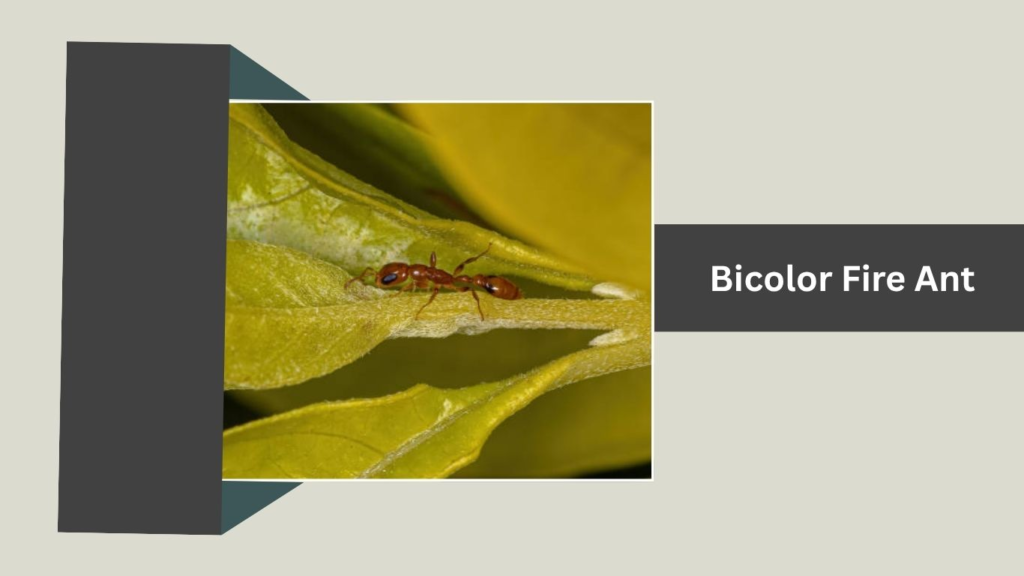
The Bicolor Fire Ant is a distinctive fire ant species named for its two-toned body coloration. This ant is known for its aggressive behavior, painful sting, and ability to adapt to different environments. Although not as widespread as some imported fire ants, the Bicolor Fire Ant can still become a significant pest in agricultural fields, gardens, and residential areas.
Identification
- Reddish head and thorax with a darker abdomen
- Worker ants measure about 2 to 5 mm long
- Clearly visible two-colored body pattern
- Builds loose soil mounds in open areas
- Equipped with a painful defensive stinger
Habitat and Distribution
Bicolor Fire Ants are commonly found in warm grasslands, agricultural lands, forests, and roadside areas. They prefer loose soil and sunny environments where nests can be built easily. Their colonies are often located under rocks, near plant roots, or in shallow soil mounds. This species is mainly distributed across parts of North and South America.
Behavior and Diet
These ants are active foragers that work together in organized colonies. They feed on insects, seeds, sugary substances, and dead organic matter. Bicolor Fire Ants aggressively defend their nests and quickly swarm intruders when threatened. Their colonies may contain thousands of workers cooperating to gather food and protect the queen.
Danger to Humans and Environment
The sting of a Bicolor Fire Ant causes burning pain, redness, and swelling. Multiple stings can be especially uncomfortable and may trigger allergic reactions in sensitive people. In the environment, these ants can reduce native insect populations and occasionally damage crops by attacking seedlings and beneficial insects. Their aggressive behavior also makes them a nuisance in outdoor recreational areas.
15. Geminate Fire Ant
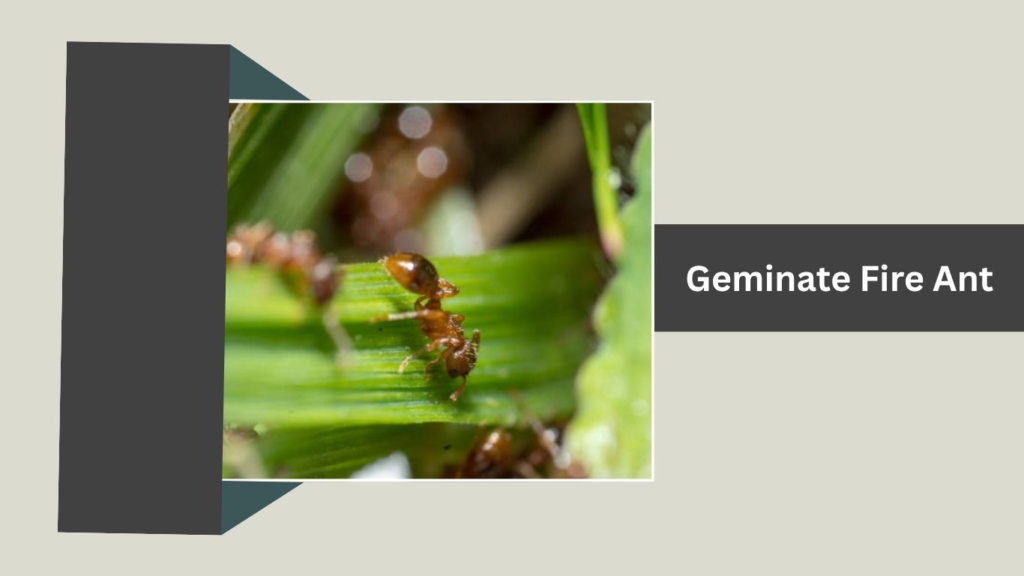
The Geminate Fire Ant is one of the most widespread tropical fire ant species in the world. It is recognized for its aggressive colony defense, painful sting, and strong adaptability to different climates. This species often becomes a major pest in agricultural areas, coastal regions, and urban environments where it competes with native insects for food and territory.
Identification
- Reddish-brown body with a darker rear section
- Worker ants range from 3 to 6 mm in length
- Large head with powerful mandibles
- Builds visible soil mounds in open ground
- Possesses a painful, venomous stinger
Habitat and Distribution
Geminate Fire Ants thrive in tropical and subtropical climates with warm temperatures and moderate humidity. They are commonly found in grasslands, beaches, forests, gardens, and farmland. Their nests are usually built in loose soil under direct sunlight, although they may also nest under stones or logs. This species is widely distributed across the Americas, Caribbean islands, Africa, Asia, and Pacific regions.
Behavior and Diet
These ants are highly organized social insects that live in large colonies. They feed on insects, seeds, nectar, fruits, and dead organic material. Geminate Fire Ants aggressively protect their nests and attack intruders quickly in large numbers. Their strong foraging behavior allows them to dominate food sources and compete effectively with other ant species.
Danger to Humans and Environment
The sting of a Geminate Fire Ant causes intense burning pain, swelling, and itching. Repeated stings can lead to allergic reactions in sensitive individuals. In agriculture, these ants may damage crops, attack young animals, and disrupt beneficial insect populations. Their invasive nature also threatens local biodiversity in ecosystems where they become established.
16. Xyloni Fire Ant
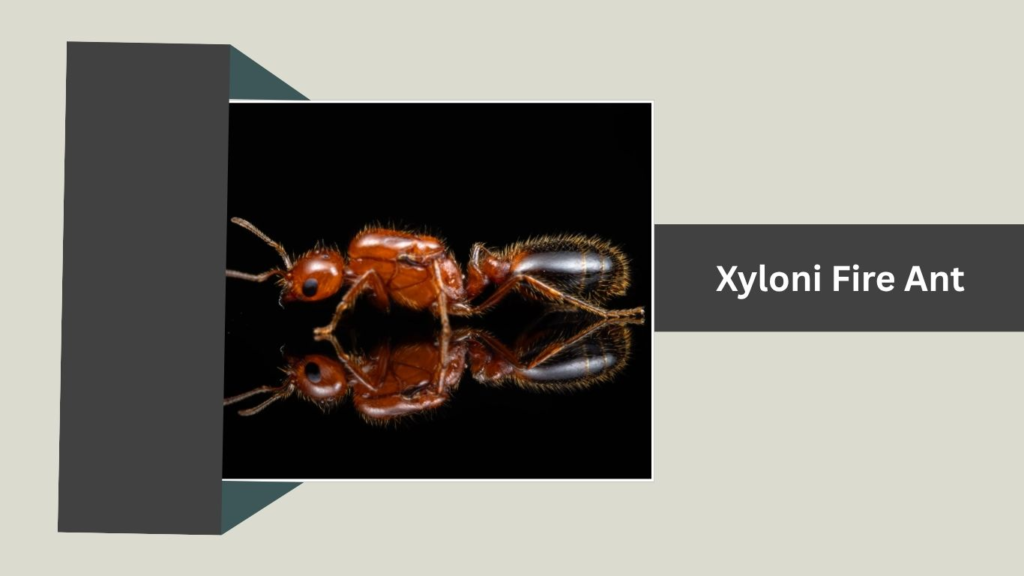
The Xyloni Fire Ant is a native fire ant species commonly found in the southern United States and nearby regions. It is less aggressive than many imported fire ants but can still deliver a painful sting when disturbed. This species plays an important ecological role by helping control insect populations and breaking down organic material in natural habitats.
Identification
- Reddish-brown body with a darker abdomen
- Worker ants measure around 3 to 5 mm long
- Smooth and shiny body surface
- Builds low soil mounds or hidden ground nests
- Has a stinger used for colony defense
Habitat and Distribution
Xyloni Fire Ants prefer warm environments with loose soil and moderate moisture. They are commonly found in grasslands, forests, parks, gardens, and open woodlands. Their nests are often located under rocks, logs, leaf litter, or shallow soil mounds. This species is mainly distributed across the southern United States and parts of northern Mexico.
Behavior and Diet
These ants are active scavengers and predators that search for food during warm periods of the day. Their diet includes insects, seeds, sugary liquids, nectar, and dead organic matter. Xyloni Fire Ants live in organized colonies and defend their nests aggressively when threatened. However, they are generally less hostile than invasive imported fire ants.
Danger to Humans and Environment
The sting of a Xyloni Fire Ant causes burning pain, redness, and mild swelling. Severe reactions are uncommon but may occur in sensitive individuals. In ecosystems, these ants are often beneficial because they help control pest insects and improve soil conditions. However, they can still become minor nuisances in gardens, lawns, and outdoor recreational spaces.
17. Richteri Fire Ant
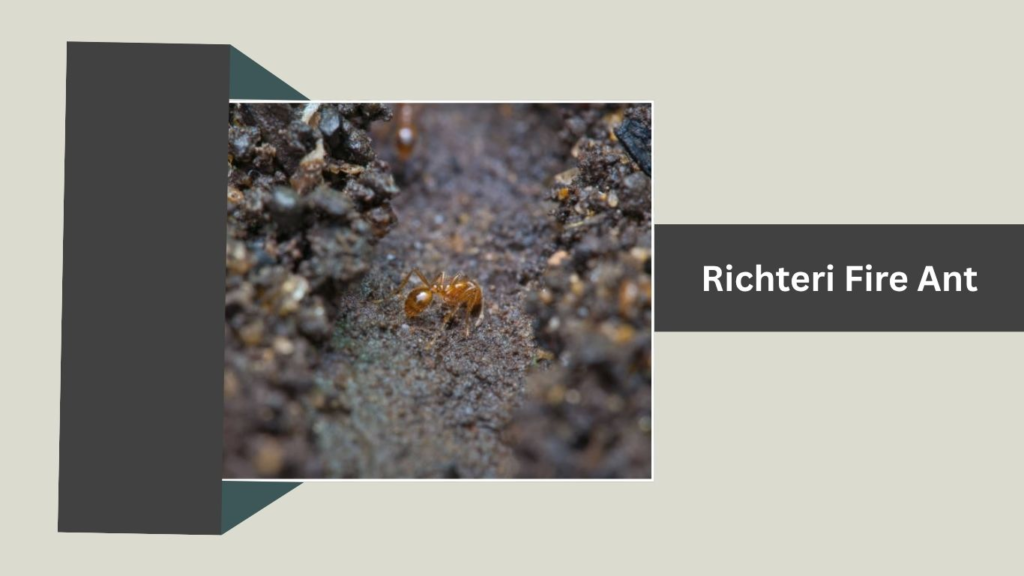
The Richteri Fire Ant, commonly known as the Black Imported Fire Ant, is an invasive fire ant species originally native to South America. It is closely related to the Red Imported Fire Ant and is known for its aggressive behavior and painful sting. Although less widespread, this species can still create serious environmental and agricultural problems in invaded regions.
Identification
- Dark brown to black body coloration
- Worker ants range from 3 to 6 mm long
- Shiny abdomen with strong mandibles
- Builds soft soil mounds in open spaces
- Equipped with a venomous stinger
Habitat and Distribution
Richteri Fire Ants prefer warm climates with moist soil conditions. They are commonly found in grasslands, farms, roadsides, gardens, and open woodland areas. Their nests are usually built in loose soil under sunlight, though they may also hide beneath logs or debris. This species has spread beyond South America into parts of the southern United States and other warm regions.
Behavior and Diet
These ants are highly social insects that live in organized colonies with thousands of workers. They feed on insects, seeds, sugary substances, dead animals, and plant materials. Richteri Fire Ants aggressively defend their colonies and attack intruders rapidly when the nest is disturbed. Their cooperative behavior allows them to gather food efficiently and protect the queen.
Danger to Humans and Environment
The sting of a Richteri Fire Ant causes burning pain, swelling, and irritation. Multiple stings can lead to allergic reactions in sensitive individuals. In agricultural environments, these ants may damage crops, harm wildlife, and reduce populations of native insects. Their invasive nature also makes them a threat to biodiversity and ecological balance in affected regions.
18. Invicta Fire Ant
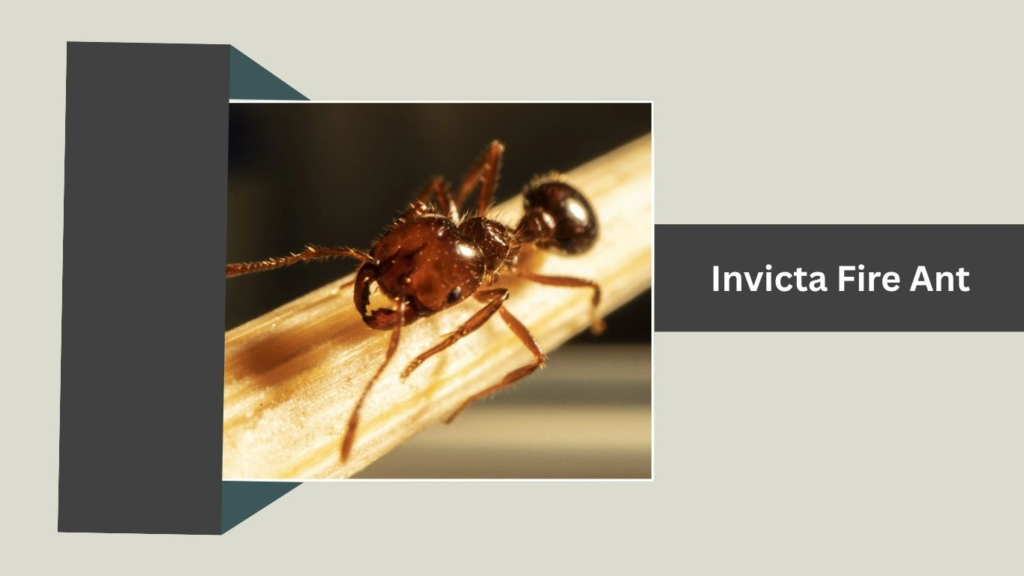
The Invicta Fire Ant, better known as the Red Imported Fire Ant, is one of the most aggressive and destructive fire ant species in the world. Native to South America, it spread rapidly to many countries through shipping and trade. This species is feared for its painful sting, massive colonies, and harmful effects on agriculture, wildlife, and human activity.
Identification
- Reddish-brown body with a dark abdomen
- Worker ants measure about 2 to 6 mm long
- Strong jaws and venomous stinger
- Builds large dome-shaped soil mounds
- Highly aggressive when the nest is disturbed
Habitat and Distribution
Invicta Fire Ants thrive in warm climates with open and sunny environments. They are commonly found in grasslands, lawns, parks, gardens, roadsides, and agricultural fields. Their nests are usually built in loose soil and may appear as large visible mounds. This species is widely distributed across the southern United States, South America, Asia, and Australia.
Behavior and Diet
These ants are extremely organized social insects that live in colonies containing thousands of workers. They feed on insects, seeds, fruits, sugary materials, and dead animals. Invicta Fire Ants react aggressively to threats and attack intruders in large swarms. Their cooperative behavior allows them to dominate food sources and compete effectively with native species.
Danger to Humans and Environment
The sting of an Invicta Fire Ant causes intense burning pain, itching, and swollen pustules. In severe cases, allergic reactions may occur. These ants also damage crops, attack small animals, and interfere with electrical equipment by nesting inside machinery. Their invasive behavior makes them one of the most harmful ant species in many ecosystems.
19. Aurea Fire Ant
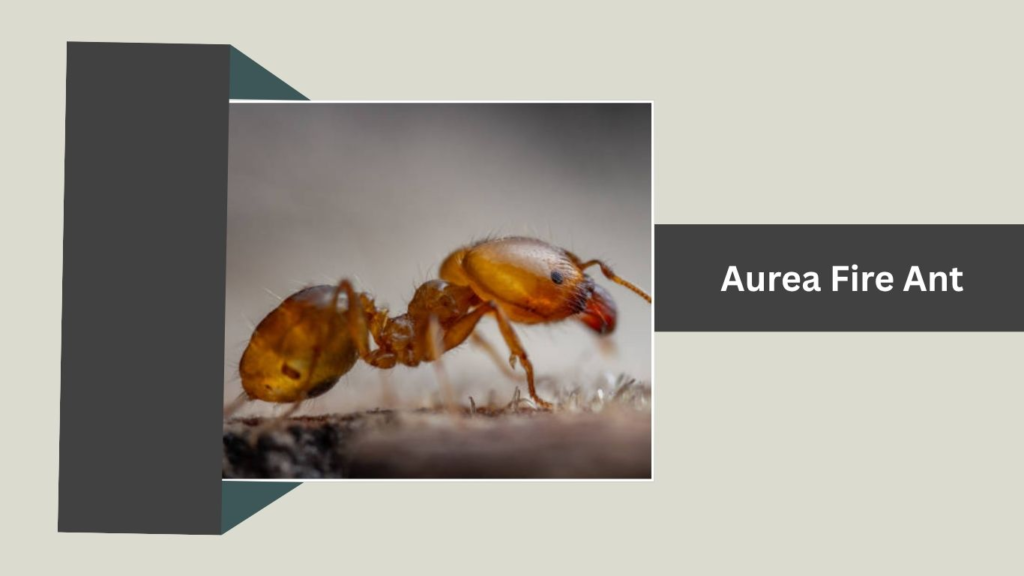
The Aurea Fire Ant is a lesser-known fire ant species recognized for its golden-brown coloration and strong survival abilities in warm climates. Although not as widespread as imported fire ants, this species can still behave aggressively when its colony is threatened. Aurea Fire Ants are active predators and scavengers that play a role in maintaining balance within their ecosystems.
Identification
- Golden-brown to reddish body color
- Worker ants measure around 2 to 5 mm long
- Smooth and shiny outer body surface
- Builds shallow nests in loose soil
- Possesses a painful defensive stinger
Habitat and Distribution
Aurea Fire Ants are commonly found in warm grasslands, forests, and tropical environments. They prefer sandy or loose soil where nests can be built easily. Their colonies are often hidden under rocks, logs, plant debris, or small soil mounds. This species is mainly distributed in parts of Central and South America with warm and humid climates.
Behavior and Diet
These ants are highly active during warm temperatures and spend much of their time searching for food. They feed on insects, nectar, seeds, sugary substances, and dead organic material. Aurea Fire Ants work together in organized colonies and aggressively defend their nest against intruders. Their cooperative behavior helps them gather food efficiently and protect their queen.
Danger to Humans and Environment
The sting of an Aurea Fire Ant causes burning pain, redness, and irritation. Multiple stings may lead to swelling or allergic reactions in sensitive individuals. In the environment, these ants help control insect populations and recycle organic matter. However, they can also become pests in gardens and farms by disturbing plants and competing with native insects.
20. Metallica Fire Ant
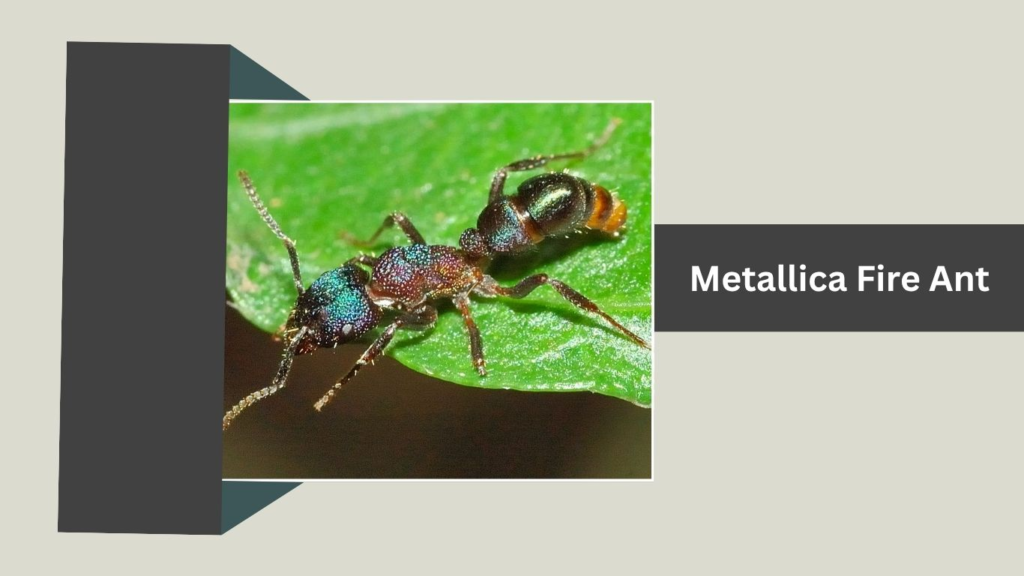
The Metallica Fire Ant is a rare fire ant species known for its dark metallic appearance and aggressive defensive behavior. Although not as widely studied as other fire ants, this species is recognized for its adaptability and painful sting. Metallica Fire Ants are active predators that help control insect populations but may also become pests in areas close to human activity.
Identification
- Dark metallic brown or black body color
- Worker ants measure about 2 to 5 mm long
- Smooth and glossy body surface
- Builds nests in soil and beneath debris
- Equipped with a sharp defensive stinger
Habitat and Distribution
Metallica Fire Ants are commonly found in warm and humid regions with loose soil and vegetation cover. They prefer forests, grasslands, gardens, and tropical environments where food is abundant. Their nests are often hidden under rocks, logs, fallen leaves, or shallow underground tunnels. This species is mostly distributed in tropical regions of the Americas.
Behavior and Diet
These ants are active foragers that search continuously for insects, seeds, sugary substances, and dead organic material. Metallica Fire Ants live in organized colonies led by one or more queens. When threatened, workers quickly swarm intruders and defend their nest aggressively. Their strong cooperation allows them to gather food efficiently and compete with other insects.
Danger to Humans and Environment
The sting of a Metallica Fire Ant causes burning pain, itching, and skin irritation. Multiple stings may result in swelling or allergic reactions in sensitive individuals. In ecosystems, these ants help recycle organic matter and reduce pest insect populations. However, they may also disturb native insects and become nuisances in gardens, farms, and residential areas.
21. Amblychila Fire Ant
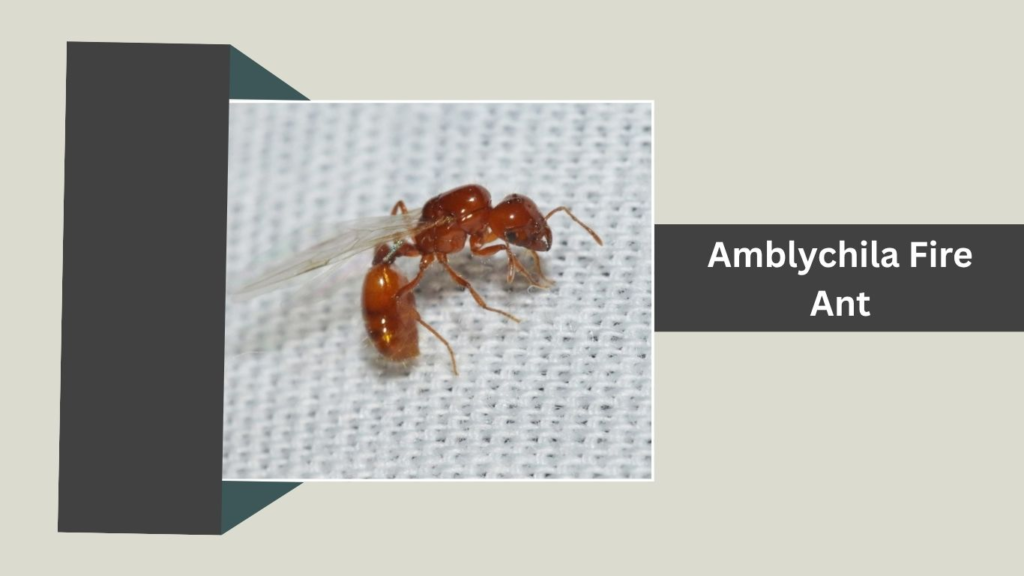
The Amblychila Fire Ant is a rare and lesser-known fire ant species found in dry and semi-arid environments. This ant is recognized for its adaptability, defensive behavior, and ability to survive in harsh climates. Although not as aggressive as some imported fire ants, it can still sting when its colony is disturbed and may become a nuisance in outdoor environments.
Identification
- Dark reddish-brown to black body color
- Worker ants measure around 3 to 5 mm long
- Strong legs and segmented antennae
- Builds small nests in sandy or dry soil
- Possesses a painful protective stinger
Habitat and Distribution
Amblychila Fire Ants are commonly associated with dry grasslands, desert edges, and semi-arid regions. They prefer loose sandy soil where nests can be built underground for protection from extreme temperatures. Their colonies are often hidden beneath rocks, shrubs, or dry vegetation. This species is mainly distributed in warmer regions with limited rainfall.
Behavior and Diet
These ants are active scavengers and predators that search for insects, seeds, nectar, and dead organic material. Amblychila Fire Ants work cooperatively within colonies and defend their nest aggressively against threats. They are most active during cooler parts of the day, especially in very hot environments where daytime temperatures become extreme.
Danger to Humans and Environment
The sting of an Amblychila Fire Ant causes burning pain, redness, and irritation. Although serious reactions are uncommon, repeated stings can still be uncomfortable. In natural ecosystems, these ants help recycle organic matter and control small insect populations. However, they may occasionally invade gardens or outdoor recreational spaces while searching for food.
FAQs
What makes fire ants dangerous?
Fire ants are dangerous because they attack aggressively and deliver painful stings that cause burning, swelling, and itching. Multiple stings can lead to allergic reactions in sensitive people. Some species also damage crops, electrical equipment, and local ecosystems by spreading rapidly and competing with native insects.
Where are fire ants commonly found?
Fire ants are mostly found in warm and tropical regions, including grasslands, gardens, forests, farms, parks, and residential areas. They usually build nests in loose soil, under rocks, near tree roots, or inside decaying wood where food and moisture are available.
How can you identify a fire ant nest?
Fire ant nests often appear as dome-shaped or loose soil mounds without a visible entrance hole on top. Some species build hidden nests under rocks, logs, or leaf litter. When disturbed, large numbers of ants quickly swarm out to defend the colony aggressively.
What do fire ants eat?
Fire ants are omnivorous insects that feed on insects, seeds, nectar, sugary liquids, fruits, and dead organic matter. Some species also attack small animals or steal food from other ant colonies. Their varied diet helps them survive in many different environments.
How can fire ant infestations be controlled?
Fire ant infestations can be controlled using bait treatments, insecticides, nest removal methods, and proper sanitation. Removing food sources, sealing cracks, and keeping outdoor areas clean can help reduce infestations. Large colonies may require professional pest control for effective elimination.
