

Black and yellow wasps are among the most recognizable insects in gardens, parks, and even homes. While their bright warning colors often signal danger, not all wasps are equally aggressive or harmful. Some are beneficial predators that help control pest populations, while others are notorious for their painful stings and defensive behavior. In this guide, we’ll explore 17 common types of black and yellow wasps, highlighting how to identify each one, where they live, their behavior, and whether their sting is something to worry about.
1. Yellow Jacket Wasp

Yellow Jacket Wasps are among the most recognized wasps in North America due to their bold black and yellow coloring and aggressive behavior, especially in late summer. These social wasps live in large colonies and are known for scavenging at picnics, garbage cans, and sugary drinks. They can sting repeatedly and are considered more hostile than most other wasp species.
Identification
- Bold black and yellow body pattern
- Smooth, shiny exoskeleton
- Narrow waist between thorax and abdomen
- Wings fold lengthwise when at rest
- Typically around 0.5 inches long
Habitat
Yellow Jackets typically build their nests underground or inside wall cavities, attics, or tree stumps. They are often found in suburban or urban areas where food is abundant.
Behavior
These wasps are highly territorial and become aggressive when their nest is disturbed. They are also scavengers and frequently forage for human food sources, especially sweets and proteins.
Sting
Yellow Jacket stings are painful and can cause allergic reactions in some people. Since they can sting multiple times, they pose a greater risk than bees to those with sensitivities.
2. European Paper Wasp

The European Paper Wasp is a common black and yellow wasp that closely resembles a Yellow Jacket but is generally less aggressive. Native to Europe, it has spread widely across North America and prefers to nest in sheltered areas like eaves, sheds, or hollow metal posts. This species is beneficial for gardens as it preys on caterpillars and other insects.
Identification
- Slender body with long legs
- Black and yellow bands on abdomen
- Antennae are orange-tipped
- Wings held open at rest
- Slightly larger than Yellow Jackets (0.6–0.8 inches)
Habitat
They often build open, umbrella-shaped nests in protected locations such as attics, mailboxes, or under roof edges.
Behavior
European Paper Wasps are generally non-aggressive unless provoked. They play a role in controlling pest populations and feed their young with chewed-up insects.
Sting
While their sting can be painful, they are less likely to sting humans unless the nest is disturbed or handled directly.
3. German Yellowjacket

The German Yellowjacket is a social wasp species well-known for nesting in man-made structures and scavenging for sugary human food. Originally native to Europe, it has become widespread in North America and is particularly dominant in urban settings.
Identification
- Black and yellow body with a distinct anchor-shaped black mark on the face
- Shorter legs and more robust than paper wasps
- About 0.5 inches long
- Smooth and shiny thorax
Habitat
German Yellowjackets commonly build nests inside walls, attics, and other enclosed spaces. They prefer warm, protected environments with access to food.
Behavior
These wasps are highly aggressive, especially during late summer and fall when food sources are scarce. They often invade outdoor gatherings and trash bins.
Sting
Their sting is sharp and can lead to swelling, pain, and allergic reactions. Due to their aggression and ability to sting repeatedly, they are considered dangerous around humans.
4. Eastern Yellowjacket

The Eastern Yellowjacket is a widespread species found throughout the eastern United States. These wasps are highly social and known for their aggressive nest defense. They play an important ecological role by preying on flies and other insects.
Identification
- Black and yellow stripes on abdomen
- Black antennae
- Short, stout body about 0.5 inches long
- Smooth, shiny appearance
- Broad black band on the thorax
Habitat
They typically nest underground in abandoned rodent burrows or soil cavities. Occasionally, they may build nests inside walls or structures if access is available.
Behavior
Eastern Yellowjackets are very territorial and quick to defend their nest. They forage widely for protein-rich foods and are often seen scavenging around outdoor food sources.
Sting
Their stings are painful and can be dangerous in large numbers or to those with allergies. Multiple stings are common due to their defensive behavior.
5. Southern Yellowjacket

The Southern Yellowjacket is commonly found in the southeastern United States and is known for its large colonies and aggressive swarming behavior. It is considered one of the more dangerous wasp species in North America.
Identification
- Vivid yellow and black markings
- Workers are about 0.5 inches long
- Queen is slightly larger
- Black band patterns more fragmented compared to Eastern Yellowjackets
Habitat
They nest primarily underground but can occasionally be found in wall voids or crawl spaces. Their nests can house thousands of individuals.
Behavior
Southern Yellowjackets are extremely aggressive when disturbed and will chase intruders away from the nest. They are also scavengers and are commonly seen around human food.
Sting
Stings from this species are painful and occur in swarms. The risk of an allergic reaction or repeated stings makes them particularly hazardous.
6. Western Yellowjacket

The Western Yellowjacket is a dominant wasp species in the western United States. It is often mistaken for bees due to its coloring but is far more aggressive, especially in late summer. This species is notorious for crashing outdoor picnics and barbecues.
Identification
- Bright yellow and black banded abdomen
- Eyes are oval and dark
- Roughly 0.5 inches long
- Anchor-shaped black mark on the face
- Thick, compact body
Habitat
They commonly nest in the ground, particularly in rodent burrows, but will also inhabit wall voids and attics when available.
Behavior
Highly defensive and known to sting in large numbers. These wasps become scavengers later in the season, often competing for sugary substances and meat.
Sting
Western Yellowjackets can sting repeatedly and often do so without much provocation, making them a nuisance and a potential danger at outdoor events.
7. Bald-faced Hornet
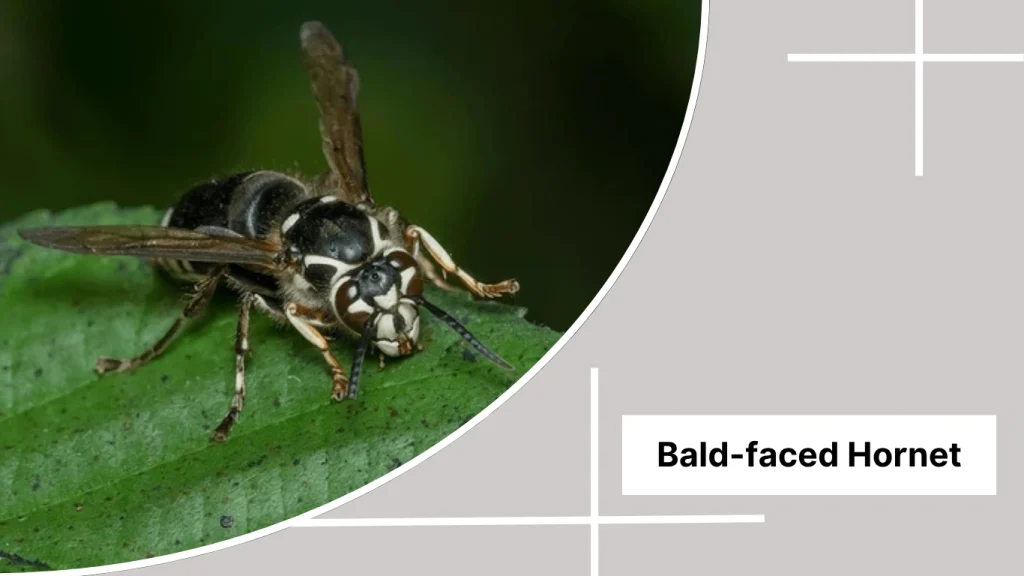
Although called a hornet, the Bald-faced Hornet is technically a type of yellowjacket wasp. It stands out with its striking black-and-white coloration and large, enclosed nests, often built high in trees or on buildings.
Identification
- Mostly black body with white markings on the face and abdomen
- Larger than most yellowjackets (up to 0.75 inches)
- Thick, wasp-like waist
- White-tipped legs
Habitat
Bald-faced Hornets build large paper nests shaped like footballs, typically suspended from trees, shrubs, or structures.
Behavior
They are very territorial and will aggressively defend their nest. While not generally seen scavenging, they are effective predators of other insects.
Sting
Stings are powerful, painful, and can be delivered multiple times. Due to their size and defensive nature, encounters with their nests should be avoided.
8. Common Aerial Yellowjacket

The Common Aerial Yellowjacket is a wasp species known for building its nests above ground, unlike many other yellowjackets that nest underground. These wasps are found throughout North America and are active hunters of other insects.
Identification
- Black and yellow striped abdomen
- Slightly longer and thinner than ground-nesting yellowjackets
- Typically around 0.5 inches long
- Wings fold lengthwise over body when at rest
Habitat
Prefers elevated nesting sites such as tree branches, shrubs, roof eaves, or building overhangs. Nests are enclosed in papery material.
Behavior
They are moderately aggressive, particularly when defending the nest. They are beneficial in gardens as they prey on caterpillars and other insects.
Sting
Their sting is painful and may cause swelling. Although not as aggressive as ground-nesting yellowjackets, they will defend their nest vigorously if threatened.
9. Prairie Yellowjacket
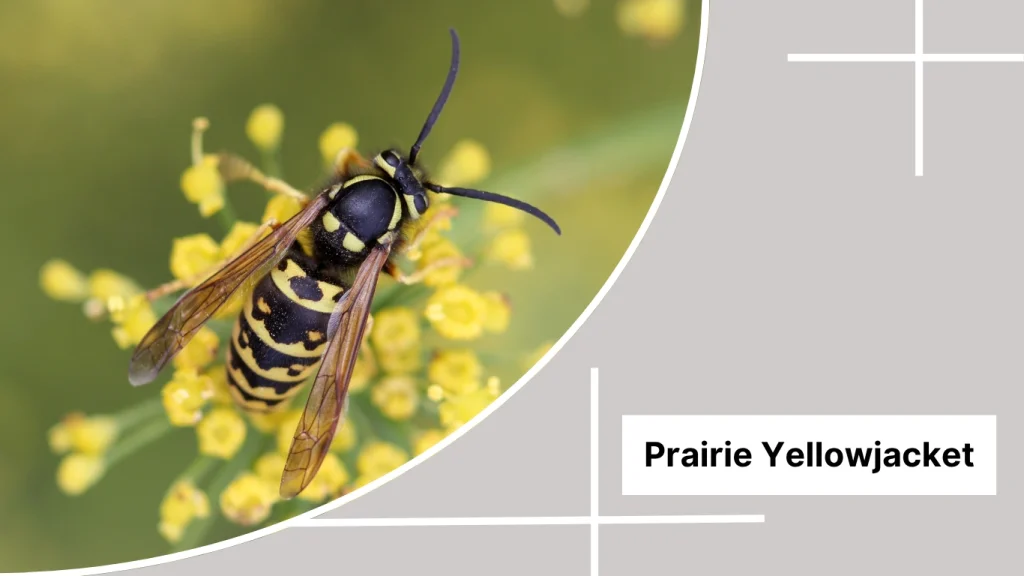
The Prairie Yellowjacket is commonly found in the central and western regions of North America. It is less likely to scavenge human food compared to other yellowjacket species and primarily preys on live insects.
Identification
- Yellow and black patterned abdomen
- Narrow waist
- Slightly more elongated than typical scavenger yellowjackets
- Workers about 0.5 inches long
Habitat
Typically nests underground in open grassy areas or pastures. Less often found in urban environments.
Behavior
Prairie Yellowjackets are predators rather than scavengers. They help control insect populations and are less likely to come into contact with humans unless their nest is disturbed.
Sting
Though less aggressive around humans, they will sting if their nest is threatened. Their sting can be painful but is not typically dangerous unless allergic reactions occur.
10. Vespula vulgaris (Common Wasp)

Vespula vulgaris, also known as the Common Wasp, is widespread across Europe and has also been introduced to other regions, including New Zealand. It’s known for its classic black and yellow pattern and tendency to build nests in sheltered areas.
Identification
- Distinctive black and yellow stripes
- Short, stocky body
- Black dots along the abdomen bands
- Around 0.5 inches long
- Strong mandibles for chewing wood to make nests
Habitat
Often nests in cavities like wall voids, roof spaces, and underground burrows. Sometimes found nesting in sheds or garages.
Behavior
This wasp becomes more aggressive in late summer when it begins scavenging sugary foods. It’s social and lives in colonies of several thousand individuals.
Sting
The sting is sharp and painful, and it can sting multiple times. Reactions range from mild irritation to severe allergic responses.
11. Paravespula maculifrons (Eastern Yellowjacket)

Paravespula maculifrons is the scientific name for the Eastern Yellowjacket, a species already discussed but worth noting again under its taxonomic classification. It plays a major role in scavenging and pest control in the eastern U.S.
Identification
- Bold black and yellow markings
- Anchor-shaped face marking
- Smooth, shiny exoskeleton
- Compact and thick-bodied
- Workers measure about 0.5 inches
Habitat
Commonly builds nests underground or in wall voids and sometimes beneath porches or decks.
Behavior
Forms large colonies and is aggressive, especially late in the season. Actively seeks out meat and sugary foods, frequently visiting trash bins and picnic areas.
Sting
Capable of delivering multiple painful stings. Known to swarm if the nest is disturbed, making it a serious hazard in populated areas.
12. Northern Paper Wasp
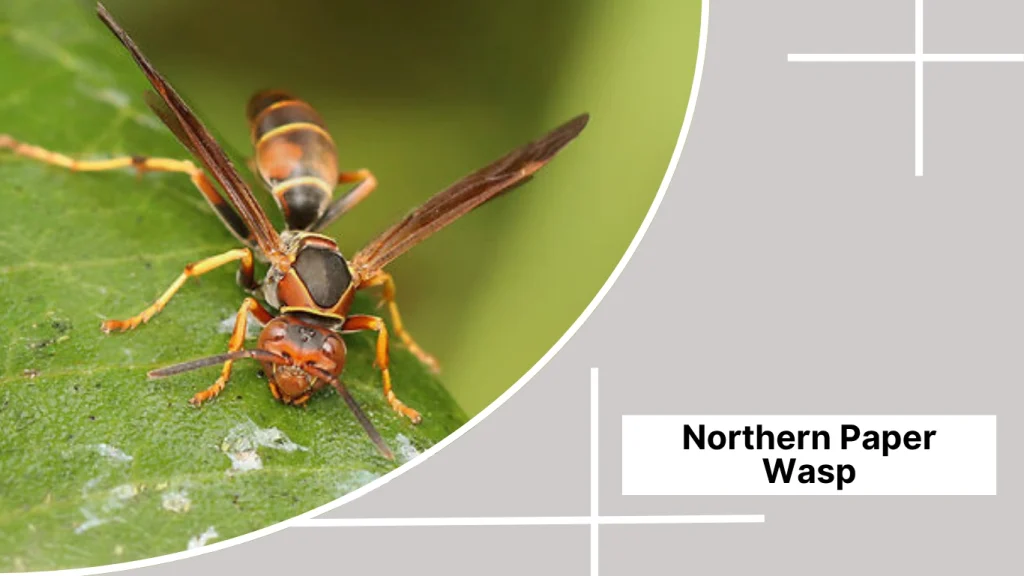
The Northern Paper Wasp is a slender black and yellow wasp commonly found in the northern regions of North America. Unlike yellowjackets, paper wasps are less aggressive and play a beneficial role in controlling garden pests.
Identification
- Long legs that dangle in flight
- Narrow “wasp waist”
- Black body with yellow bands
- Orange-tinted antennae
- About 0.7 inches long
Habitat
Nests are built in sheltered, open-air spaces like eaves, porches, and branches. The nests are umbrella-shaped and made of chewed wood pulp.
Behavior
Generally calm unless provoked. They feed on nectar and hunt caterpillars to feed their larvae. Their low aggression makes them less of a nuisance to humans.
Sting
They can sting when threatened, and the sting is painful. However, they usually avoid human contact unless their nest is disturbed.
13. Saxon Wasp

The Saxon Wasp is native to Europe and recognized by its aerial nesting behavior and distinctive black and yellow pattern. It has become more common in urban and suburban environments where nesting sites are plentiful.
Identification
- Bright yellow and black stripes
- Rounded head and short antennae
- Slightly hairy thorax
- Workers are around 0.5 inches long
- Larger than most other Vespula species
Habitat
Prefers elevated nesting areas such as bushes, roof eaves, and tree branches. Nests are paper-like and grayish.
Behavior
Can be territorial and defensive near their nests. They forage for insects and nectar and are often seen hovering around flowers and shrubs.
Sting
Their sting is painful, and they may attack if they sense a threat to their nest. They are more likely to sting when disturbed than when foraging.
14. Median Wasp
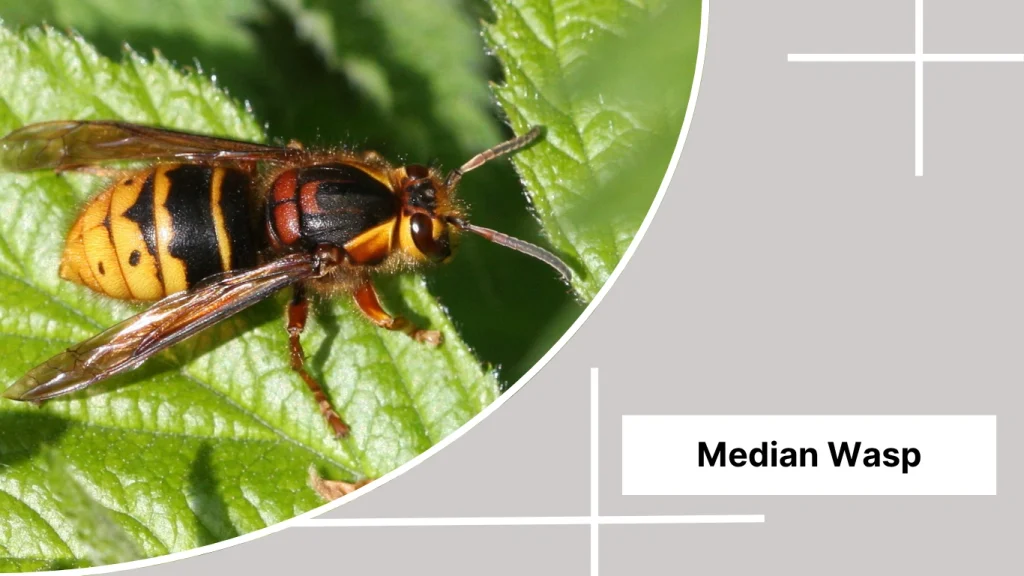
The Median Wasp is a European species known for its distinct black and yellow coloration and relatively peaceful nature compared to other wasps. It’s often seen in gardens and wooded areas during the summer.
Identification
- Slim body with vivid black and yellow bands
- Black thorax with yellow notches
- Medium-sized, about 0.6–0.7 inches
- Slight curve to the abdomen
- Clear wings folded along the back
Habitat
Builds aerial nests in trees, shrubs, and sometimes under roofs or balconies. The nests are papery and football-shaped.
Behavior
Less aggressive than many other yellowjacket species. Mostly feeds on nectar and small insects. Will only sting when directly provoked.
Sting
Painful but rarely dangerous. They are unlikely to sting unless disturbed or trapped.
15. Vespula atropilosa (Prairie Yellowjacket)

Vespula atropilosa, commonly known as the Prairie Yellowjacket, is a native North American species primarily found in prairies and meadows. Unlike some scavenging yellowjackets, this species prefers hunting live prey.
Identification
- Black and yellow abdomen with jagged banding
- Slightly elongated, sleek body
- About 0.5 inches in length
- Narrow waist and dark wings
- Less vivid yellow compared to scavenger species
Habitat
Often nests underground in grasslands, parks, and open fields. Nests are built in abandoned rodent holes and other natural cavities.
Behavior
Active predators of flies, caterpillars, and other insects. Not aggressive around humans unless their nest is disturbed.
Sting
Capable of stinging multiple times if provoked. While defensive, they are not as hostile as scavenger yellowjackets.
16. Dolichovespula arenaria (Aerial Yellowjacket)
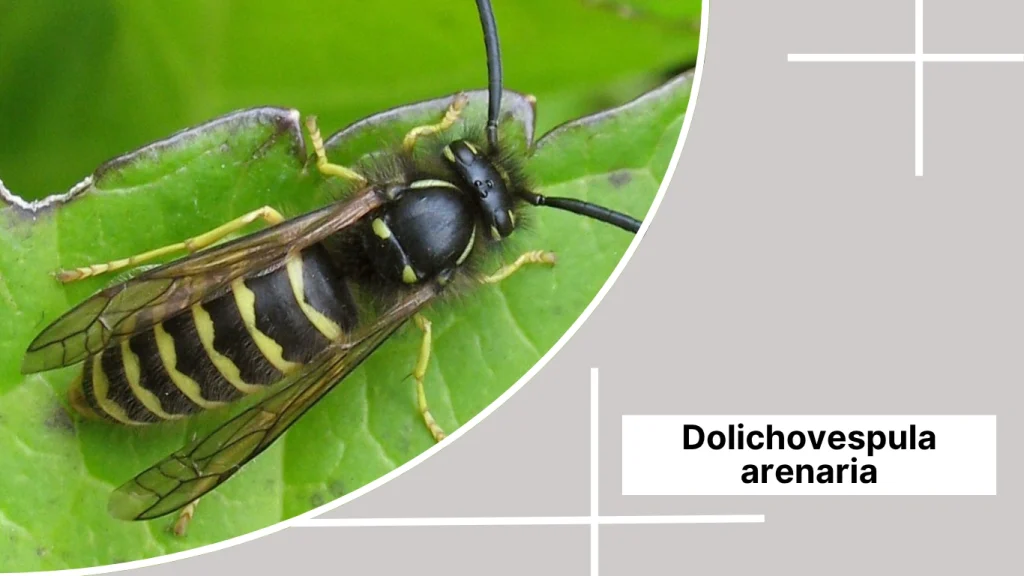
Dolichovespula arenaria, also known as the Aerial Yellowjacket, is a North American wasp species recognized for building large, elevated nests and having a distinctive yellow and black appearance. It is beneficial in controlling pest insect populations.
Identification
- Bright yellow with black markings
- Long, slender body compared to ground-nesting yellowjackets
- Slightly hairy thorax
- Workers around 0.5–0.6 inches long
- Clear wings held flat when resting
Habitat
Prefers elevated nesting sites such as tree branches, shrubs, or under eaves. The nests are gray, papery, and enclosed.
Behavior
Moderately aggressive, especially when their nests are approached. They prey on caterpillars, flies, and other insects.
Sting
Their sting is painful but not typically life-threatening unless allergic reactions occur. They will defend their nest vigorously if threatened.
17. Norwegian Wasp (Dolichovespula norwegica)

The Norwegian Wasp is a lesser-known black and yellow species found primarily in parts of Europe. It is closely related to other aerial yellowjackets and is valued for its role in natural pest control.
Identification
- Black and yellow striped abdomen
- Yellow facial markings
- Slender body with long legs
- Slightly smaller than other aerial wasps (about 0.4–0.5 inches)
- Light fuzz on thorax
Habitat
Builds suspended nests in trees, shrubs, or under overhangs. Nests are made of chewed wood pulp and resemble paper in texture.
Behavior
Not particularly aggressive and tends to avoid humans. Preys on small insects and feeds on nectar.
Sting
Can sting if provoked, but stings are rare. Generally non-aggressive and poses minimal risk unless their nest is disturbed.
