
Banana spiders in Florida are large, eye-catching spiders often found in gardens, forests, and outdoor spaces. The name doesn’t refer to just one species but is commonly used for several orb-weaving spiders known for their size and web-building skills. These spiders are harmless to humans and play an important role in controlling insect populations. In this guide, you’ll discover five common types of banana spiders found in Florida, along with their key characteristics.
1. Golden Silk Orb-Weaver
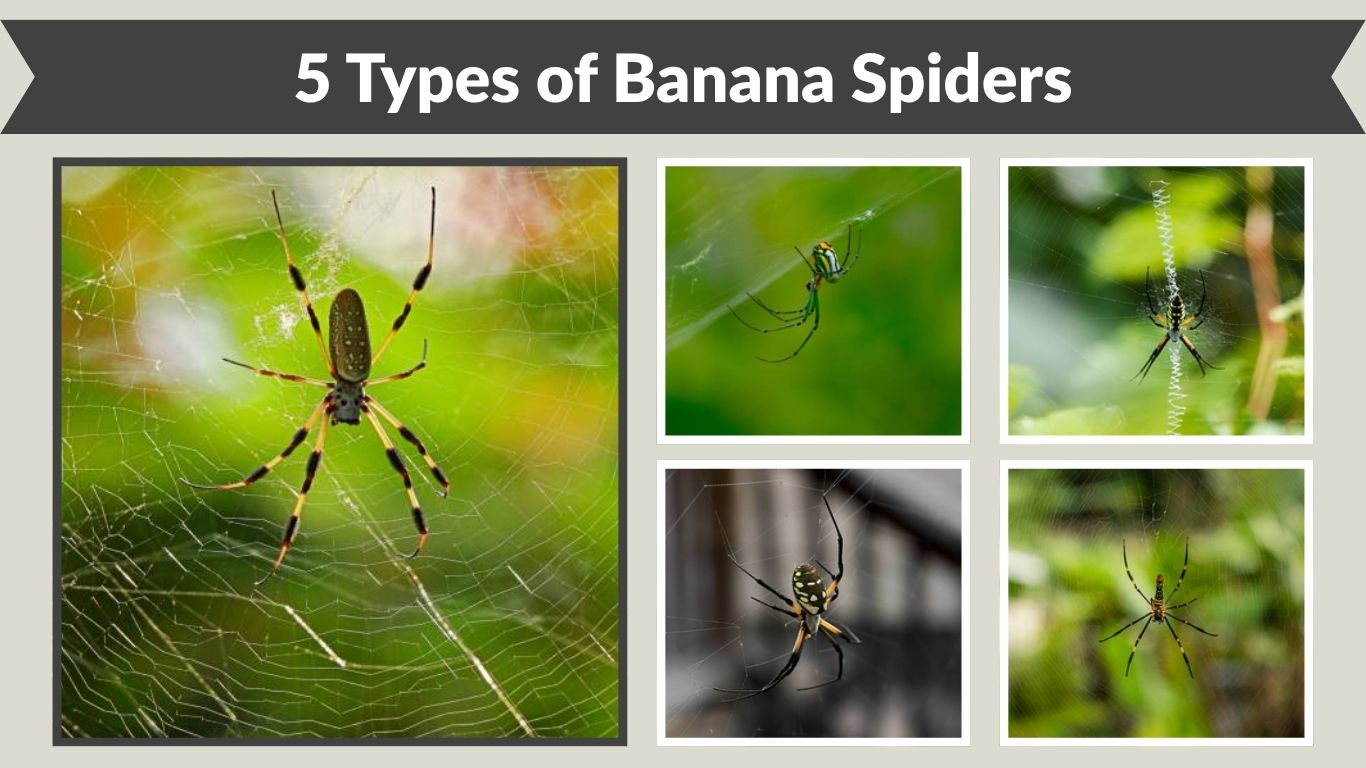
The Golden Silk Orb-Weaver is one of the most recognizable “banana spiders” in Florida, admired for its impressive size and the shimmering golden webs it creates. These spiders are often seen in gardens, forests, and along trails where their large webs stretch between trees and shrubs. Despite their intimidating appearance, they are harmless to humans and play an important role in controlling insect populations. Their golden silk is not just visually striking but also incredibly strong, making their webs highly effective at trapping prey.
Identification
- Large spider with an elongated body and very long, slender legs
- Females are significantly larger than males, sometimes several times the size
- Coloration includes yellow, gold, brown, and black patterns
- Legs often have tufts or bands, giving them a slightly “feathery” look
- Builds large, circular webs with a distinctive golden shimmer
- Typically hangs head-down in the center of the web
Habitat
Golden Silk Orb-Weavers thrive in warm, humid climates, making Florida an ideal environment for them. They are commonly found in wooded areas, gardens, parks, and near water sources like ponds or streams. These spiders prefer open spaces between vegetation where they can anchor their large webs. You may also spot them around human structures such as porches or fences, especially in areas with minimal disturbance. Their webs are often positioned at head height, which is why people frequently notice them while walking through trails.
Behaviors
These spiders are generally calm and non-aggressive, rarely biting unless directly threatened. They spend most of their time sitting in the center of their web, waiting for vibrations that signal trapped prey. Golden Silk Orb-Weavers are active during the day and frequently repair or rebuild parts of their webs to maintain strength and efficiency. Males are much smaller and often stay near the female’s web, cautiously approaching for mating. The female dominates the web space and is the primary hunter.
Diet and Lifespan
Their diet mainly consists of flying insects such as flies, mosquitoes, beetles, and grasshoppers. Occasionally, they may catch larger prey like small butterflies or even dragonflies. The strong silk of their web helps them secure struggling insects effectively. Females usually live for about one year, reaching maturity in late summer or early fall. Males have a much shorter lifespan and often die shortly after mating. These spiders contribute significantly to natural pest control, making them beneficial to both ecosystems and human environments.
2. Banana Spider
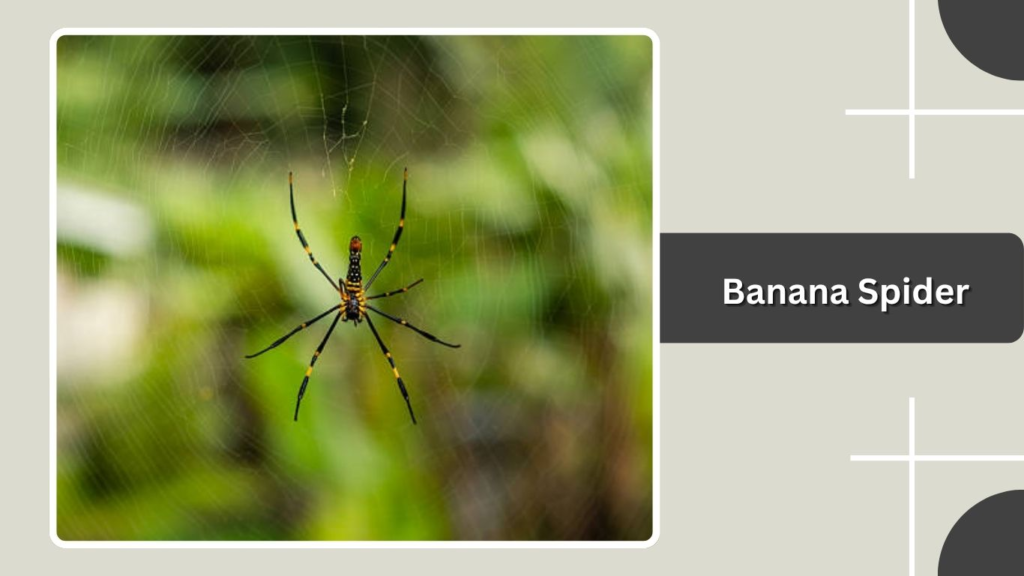
The term “Banana Spider” in Florida is often used as a general nickname for large, web-building spiders, especially the Golden Silk Orb-Weaver. However, many locals simply refer to these big, leggy spiders as banana spiders due to their size and color. They are commonly seen in outdoor spaces and are known for their striking appearance and large webs. Despite the dramatic name, they are not dangerous and are actually helpful in reducing insect populations.
Identification
- Large spider with long legs and a slender body
- Colors range from yellow and gold to brown and black
- Females are much larger and more noticeable than males
- Often associated with large, circular webs
- Body may have patterned markings depending on the species referred to
- Commonly mistaken as a single species, but the name is used broadly
Habitat
“Banana spiders” are typically found in warm, humid environments across Florida. They prefer gardens, forests, parks, and areas with dense vegetation where they can build wide, stable webs. These spiders often choose locations between trees, shrubs, or even man-made structures like fences and porches. Because they need space for their large webs, they are usually seen in open areas rather than tight corners. Their presence is especially noticeable during late summer and early fall.
Behaviors
These spiders are generally non-aggressive and prefer to remain undisturbed in their webs. They spend most of their time waiting for prey rather than actively hunting. When their web is damaged, they quickly repair it to maintain effectiveness. They are mostly active during daylight hours, making them easy to spot. If approached, they may vibrate their web as a defensive behavior to appear larger or to confuse potential threats.
Diet and Lifespan
Banana spiders feed primarily on flying insects such as flies, mosquitoes, moths, and beetles. Their webs are designed to trap prey efficiently, allowing them to conserve energy. Larger individuals may occasionally capture bigger insects like grasshoppers. Females typically live around one year, while males have shorter lifespans and often die after mating. Overall, they are beneficial spiders that help keep insect populations under control.
3. Writing Spider
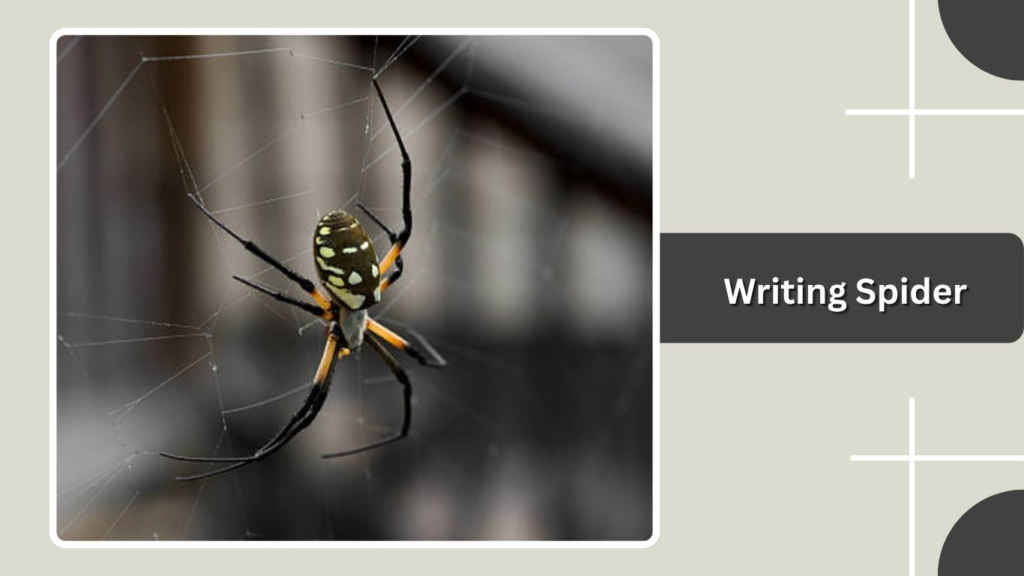
The Writing Spider, also known for the zigzag pattern in its web, is a common and eye-catching spider found throughout Florida. Its name comes from the unique “writing-like” design, called a stabilimentum, that it weaves into the center of its web. These spiders are harmless to humans and are often appreciated for their role in controlling garden pests.
Identification
- Medium to large-sized spider with long legs
- Distinct black and yellow markings on the body
- Females are much larger than males
- Builds circular webs with a noticeable zigzag pattern in the center
- Often sits in the middle of the web with legs spread in pairs
- Body shape is oval with bright contrasting colors
Habitat
Writing Spiders are commonly found in gardens, fields, forest edges, and along roadsides in Florida. They prefer sunny, open areas with tall grasses or shrubs where they can anchor their webs. These spiders are also frequently seen near human homes, especially in backyards or around fences. Their webs are usually built in places with high insect activity, making it easier for them to catch prey.
Behaviors
These spiders are non-aggressive and typically remain in their webs during the day. The zigzag pattern in their web may help attract prey or make the web more visible to larger animals to avoid damage. Writing Spiders are active builders and may reconstruct parts of their web regularly. When threatened, they may shake the web rapidly as a defensive response to appear larger or to confuse predators.
Diet and Lifespan
Their diet mainly consists of flying insects such as flies, mosquitoes, grasshoppers, and beetles. They play an important role in natural pest control, especially in garden environments. Females usually live for several months to about a year, depending on environmental conditions. Males are smaller and have shorter lifespans, often dying after mating.
4. Yellow Garden Spider
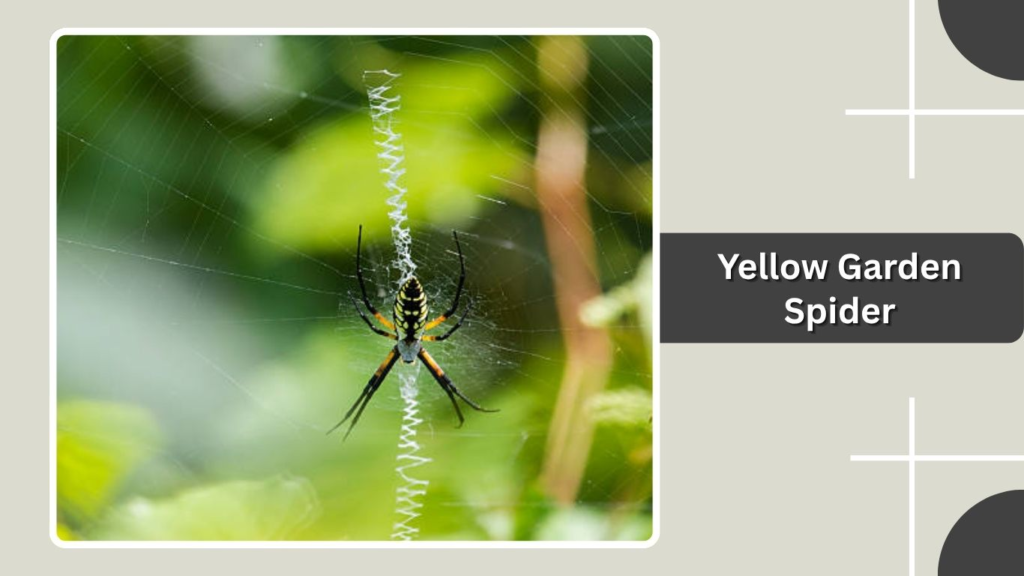
The Yellow Garden Spider is a striking and beneficial species commonly found across Florida. Known for its bold yellow and black coloration, it is often seen in gardens and open spaces where it builds large, symmetrical webs. Despite its intimidating look, this spider is harmless to humans and plays a valuable role in controlling pest insects.
Identification
- Large spider with bright yellow and black markings
- Females are much larger than males
- Abdomen is oval-shaped with distinct color patterns
- Long legs, often held in pairs forming an “X” shape
- Web includes a zigzag pattern in the center
- Usually found sitting in the middle of its web
Habitat
Yellow Garden Spiders prefer sunny, open areas such as gardens, fields, farms, and forest edges. In Florida, they are commonly found in backyards, especially where tall plants or shrubs provide support for their webs. They tend to build webs in areas with high insect traffic, such as near flowers or crops. Their webs are often positioned a few feet above the ground, making them easy to spot.
Behaviors
These spiders are non-aggressive and spend most of their time resting in the center of their web. They are active during the day and rely on their web to capture prey rather than hunting. If disturbed, they may vibrate the web rapidly as a defense mechanism. They regularly repair or rebuild their webs to maintain effectiveness, especially after catching large prey or after weather damage.
Diet and Lifespan
Their diet mainly includes flying insects such as flies, bees, grasshoppers, and beetles. This makes them especially helpful in gardens and agricultural areas. Females typically live about one year, reaching maturity in late summer. Males are smaller and live shorter lives, often dying soon after mating. These spiders contribute significantly to natural pest control.
5. Orchard Orbweaver
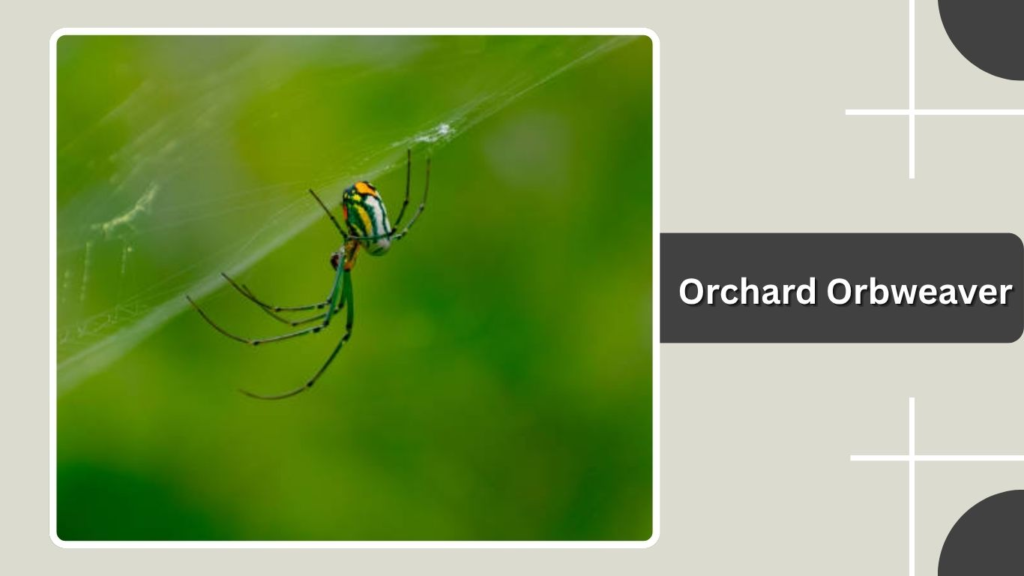
The Orchard Orbweaver is a smaller and more delicate-looking spider compared to other “banana spiders” in Florida. It is known for its subtle green and silver coloring and neatly structured webs. These spiders are commonly found in gardens and orchards, where they quietly help control insect populations. Despite their smaller size, they are efficient web builders and beneficial to the ecosystem.
Identification
- Small to medium-sized spider with a slender body
- Light green, yellow, and silver coloration
- Long, thin legs that are often held close to the body
- Abdomen may appear slightly elongated with soft patterns
- Builds small, circular orb webs
- Less noticeable than larger orb-weavers due to lighter coloring
Habitat
Orchard Orbweavers are commonly found in gardens, orchards, shrubs, and low vegetation throughout Florida. They prefer areas with dense plant growth where they can build their webs close to the ground or between branches. These spiders thrive in warm, humid environments and are often seen in places with plenty of insect activity. Unlike larger orb-weavers, their webs are usually positioned lower and are less likely to be noticed by people.
Behaviors
These spiders are shy and non-aggressive, spending most of their time in their webs. They are often active during the day but may also remain in place at night. Orchard Orbweavers build and maintain neat, symmetrical webs and may rebuild them if damaged. When threatened, they tend to retreat rather than defend themselves. Their subtle coloration helps them blend into their surroundings, offering protection from predators.
Diet and Lifespan
Their diet mainly consists of small flying insects such as gnats, flies, and mosquitoes. They play an important role in controlling these pests, especially in garden environments. Orchard Orbweavers typically live for several months up to a year, depending on conditions. Like other orb-weavers, males are smaller and have shorter lifespans, often dying after mating.
FAQs
Are banana spiders in Florida dangerous to humans?
No, banana spiders in Florida are generally not dangerous. While they can bite if provoked, their venom is mild and typically causes only minor irritation, similar to a bee sting. They are non-aggressive and prefer to avoid human contact whenever possible.
Why are they called banana spiders?
The name “banana spider” is a common nickname and can refer to several different species. It likely comes from their yellow coloring or from spiders occasionally being transported in banana shipments. In Florida, it usually refers to large orb-weaving spiders.
When are banana spiders most active in Florida?
Banana spiders are most active during the warmer months, especially from late spring through early fall. This is when they grow larger, build bigger webs, and are more visible in gardens, forests, and outdoor spaces.
Do banana spiders help control pests?
Yes, they are very beneficial for pest control. These spiders feed on a variety of flying insects such as mosquitoes, flies, and grasshoppers. Their presence can help reduce unwanted insect populations naturally without the need for chemicals.
Where are banana spiders commonly found in Florida?
They are commonly found in gardens, forests, parks, and areas with dense vegetation. You’ll often see them in places where they can build large webs, such as between trees, shrubs, fences, or around outdoor structures.
