
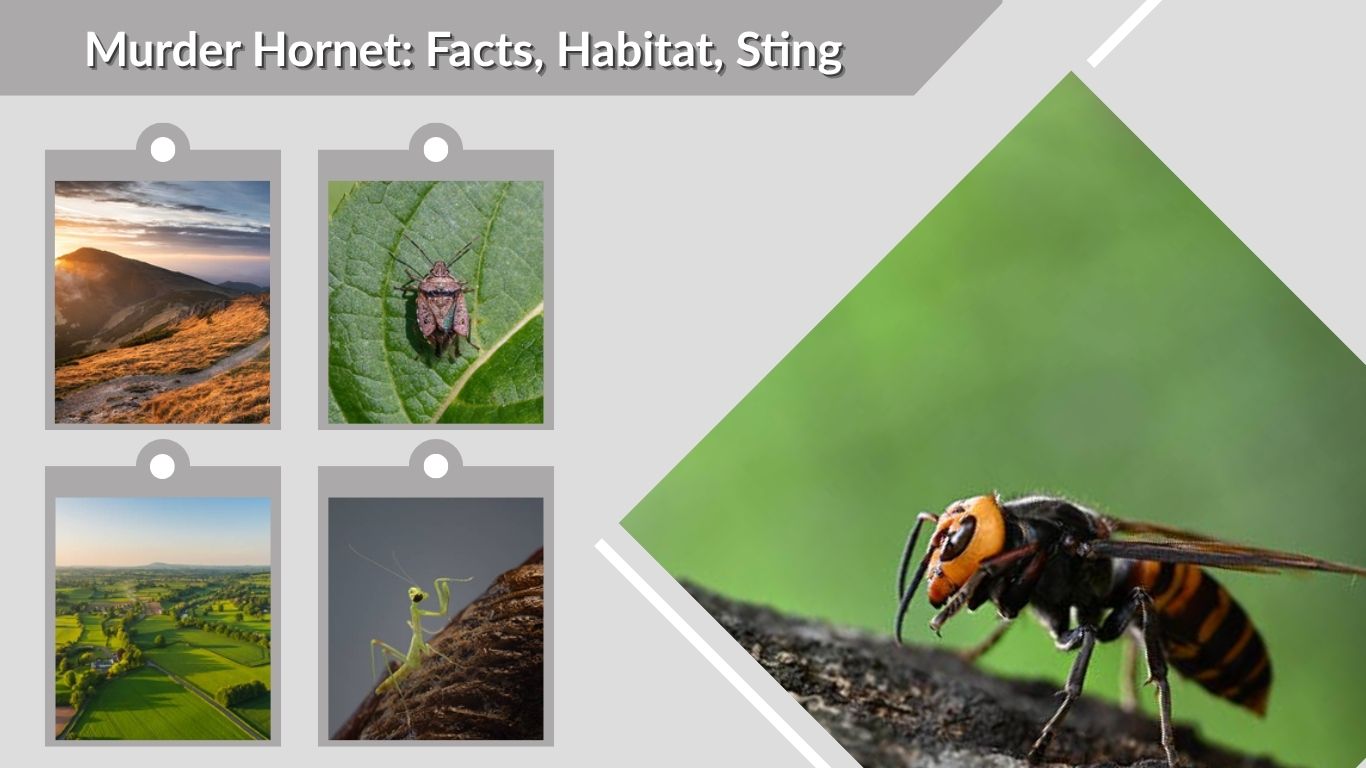
The “murder hornet” is a name that quickly sparked global fear and curiosity when it appeared in headlines. Officially known as the Asian giant hornet, this insect is the largest hornet species in the world and is known for its powerful sting and aggressive hunting behavior. While the name sounds alarming, understanding what these hornets are, where they live, and how they behave is essential to separating facts from fear.
What Is a Murder Hornet?
The murder hornet refers to Vespa mandarinia, commonly called the Asian giant hornet. It is native to parts of Asia, including Japan, China, and Korea. The nickname “murder hornet” comes from its ability to destroy entire honeybee colonies and its potentially dangerous sting to humans.
These hornets are not typically aggressive toward humans unless provoked. However, they become highly defensive near their nests. Their powerful mandibles and coordinated attacks make them one of the most formidable insect predators in their ecosystem.
Physical Appearance
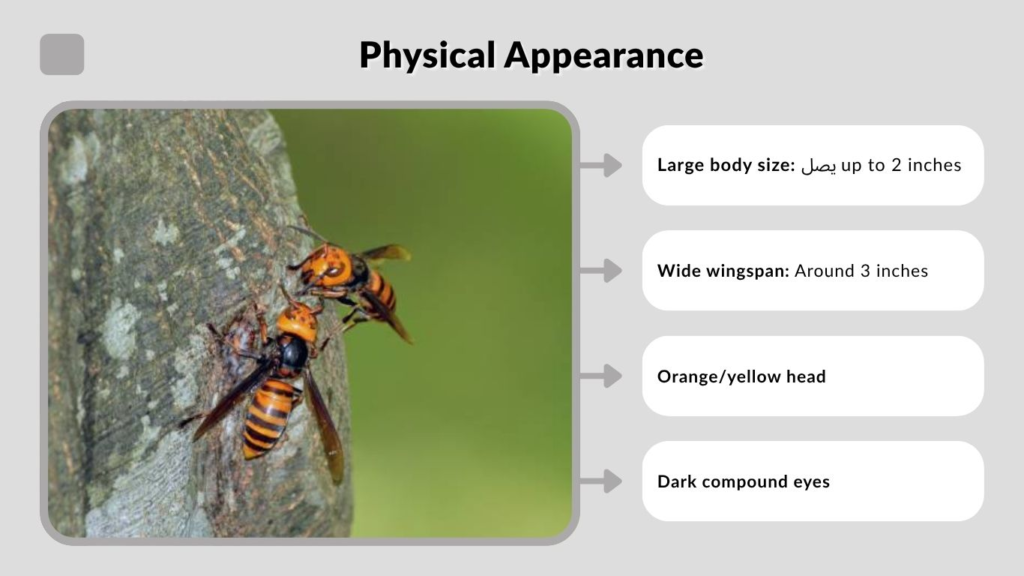
The Asian giant hornet, often called the murder hornet, stands out immediately due to its large size and bold coloration. Its intimidating look is one of the main reasons it gained global attention. Compared to common bees or wasps, it appears bulkier, longer, and more vividly marked, making it easier to identify in the wild.
Key physical features include:
- Large body size: يصل up to 2 inches (5 cm) in length
- Wide wingspan: Around 3 inches (7–7.5 cm)
- Orange/yellow head: Distinct and oversized compared to its body
- Dark compound eyes: Prominent and well-developed
- Striped abdomen: Alternating black and orange bands
- Strong mandibles: Built for hunting and tearing prey
- Smooth body: Unlike fuzzy honeybees
- Powerful wings: Produces a loud, noticeable buzzing sound
These features make the murder hornet one of the most visually striking—and unmistakable—insects in its category.
Habitat and Distribution

Murder hornets are primarily found in East and Southeast Asia, where they thrive in forests, mountains, and rural environments. They prefer areas with plenty of vegetation and access to prey such as insects and honeybees.
In recent years, there have been concerns about their presence outside their native range, particularly in parts of North America. While sightings have been rare and controlled, the possibility of them becoming an invasive species has raised alarm among scientists and environmentalists.
These hornets typically build their nests underground, often in abandoned rodent burrows or tree roots. Their hidden nesting habits can make them difficult to detect, increasing the risk of accidental encounters.
Behavior and Diet
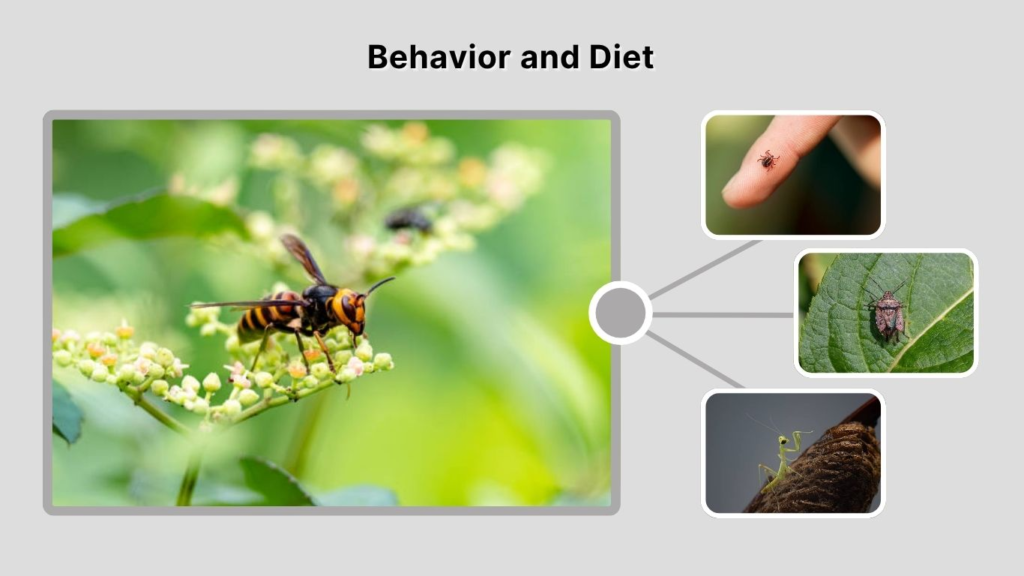
Asian giant hornets are predatory insects that primarily feed on other insects. Their diet includes beetles, mantises, and especially honeybees. They are known for their brutal efficiency when attacking bee colonies.
A small group of hornets can wipe out an entire beehive in just a few hours. They decapitate bees and carry the bodies back to their nest to feed their larvae. This behavior has earned them a fearsome reputation among beekeepers.
Despite their aggressive hunting style, they do not actively hunt humans. Most human encounters occur when people accidentally disturb a nest or get too close.
Why Are Murder Hornets Dangerous?
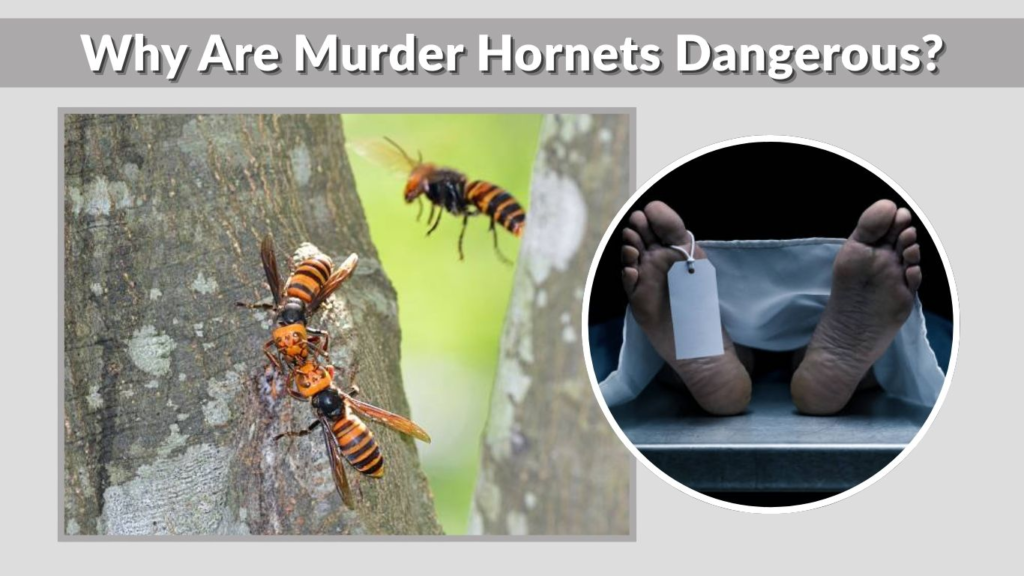
The danger of murder hornets lies in their venom and ability to sting multiple times. Unlike honeybees, which lose their stinger after one sting, hornets can sting repeatedly.
Their venom contains a mix of toxins that can cause intense pain, swelling, and tissue damage. In some cases, multiple stings can lead to serious health complications, including organ failure or death, especially in individuals with allergies.
Even for those without allergies, the sting is often described as extremely painful—sometimes compared to having a hot metal object driven into the skin. This combination of pain and toxicity is what makes them particularly feared.
Symptoms of a Murder Hornet Sting
A sting from an Asian giant hornet can cause immediate and severe discomfort. Common symptoms include:
- Intense burning pain
- Redness and swelling around the sting area
- Warmth and inflammation
In more serious cases, symptoms may escalate to:
- Headaches and dizziness
- Nausea or vomiting
- Rapid heartbeat
- Difficulty breathing (in allergic reactions)
An allergic reaction, known as anaphylaxis, is a medical emergency and requires immediate treatment. Even without allergies, multiple stings can be dangerous and should not be taken lightly.
Murder Hornet vs Honeybee
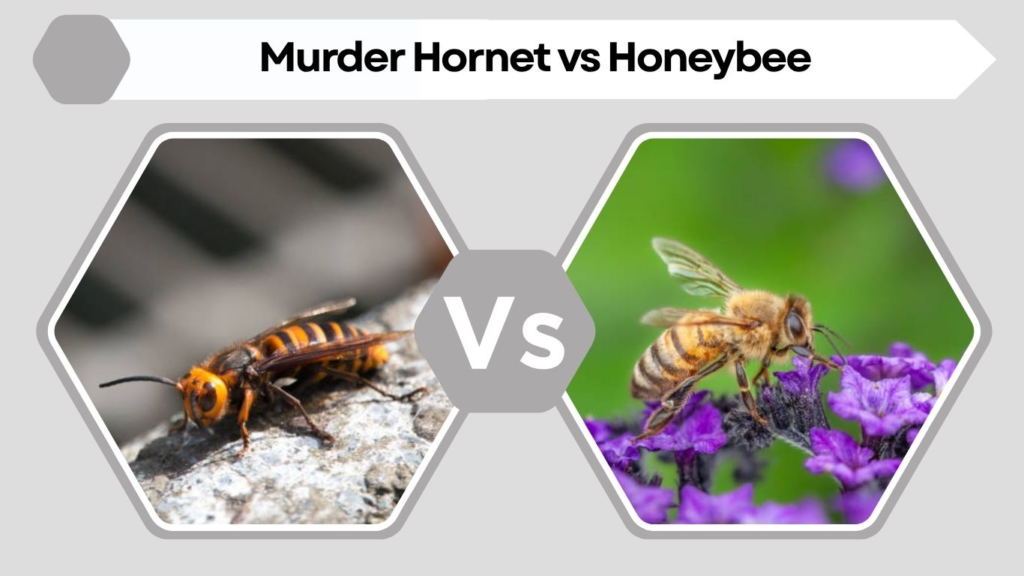
Murder hornets and honeybees differ greatly in size, behavior, and ecological role. Hornets are much larger and are predators, while honeybees are smaller, plant-feeding pollinators essential for agriculture.
One of the most critical differences lies in their defense mechanisms. Honeybees can sting only once, as their stinger detaches, leading to their death. In contrast, murder hornets can sting repeatedly without harming themselves. Additionally, hornets can overpower bees easily, making them a serious threat to bee populations.
Ecological Impact
The presence of Asian giant hornets can have serious consequences for ecosystems, especially where they are not native. Their attacks on honeybee colonies can reduce pollination, which directly affects crops and food production.
Bees play a vital role in pollinating fruits, vegetables, and other plants. A decline in bee populations due to hornet predation could disrupt entire agricultural systems. However, in their native habitats, these hornets are part of the natural balance and help control other insect populations.
How to Identify a Murder Hornet
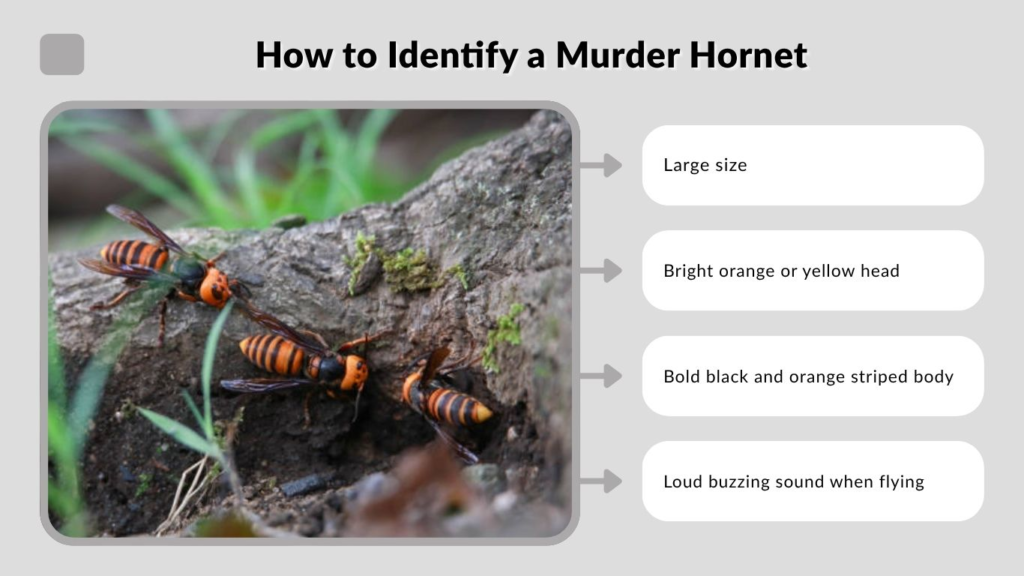
Identifying a murder hornet correctly is important to avoid confusion with less dangerous insects. Key identification features include:
- Large size (up to 2 inches long)
- Bright orange or yellow head
- Bold black and orange striped body
- Loud buzzing sound when flying
They are often mistaken for large wasps or other hornet species, but their size and coloration are usually distinct enough for proper identification.
Prevention and Safety Tips
To reduce the risk of encountering murder hornets, consider the following precautions:
- Avoid disturbing underground nests
- Stay cautious in forested or rural areas
- Wear protective clothing when working outdoors
- Do not attempt to remove a nest yourself
If you spot a hornet or suspect a nest nearby, it is best to keep your distance and contact local pest control professionals or authorities.
What to Do If Stung
If you are stung by a murder hornet, taking quick action is important:
- Move away from the area to avoid further stings
- Clean the sting site with soap and water
- Apply a cold compress to reduce swelling
- Take over-the-counter pain relief if needed
Seek immediate medical help if you experience severe symptoms such as difficulty breathing, swelling of the face or throat, or multiple stings.
Control and Management
Governments and researchers are actively working to monitor and control the spread of Asian giant hornets, especially in regions where they are not native. Efforts include:
- Setting traps to detect and capture hornets
- Tracking nests using advanced technology
- Educating the public about reporting sightings
Professional pest control teams are trained to safely remove nests and prevent further spread.
Myths and Facts About Murder Hornets
Myth: Murder hornets actively hunt humans
Fact: They generally avoid humans unless threatened
Myth: A single sting is always deadly
Fact: While painful, a single sting is rarely fatal for healthy individuals
Myth: They are spreading rapidly worldwide
Fact: Spread has been limited and closely monitored
Understanding the truth helps reduce unnecessary panic and promotes informed awareness.
FAQs
1. What is a murder hornet?
A murder hornet is the common name for the Asian giant hornet (Vespa mandarinia), the largest hornet species in the world, known for its powerful sting and ability to attack bee colonies.
2. How dangerous is a murder hornet sting?
A single sting is extremely painful but usually not deadly for healthy individuals. However, multiple stings or allergic reactions can be life-threatening and require immediate medical attention.
3. Where are murder hornets found?
They are mainly found in Asia, including Japan, China, and Korea. There have been limited sightings in other regions, but their spread is closely monitored.
4. Do murder hornets attack humans?
Murder hornets do not actively seek out humans. They typically attack only when they feel threatened or when their nest is disturbed.
5. How can you protect yourself from murder hornets?
Avoid disturbing nests, wear protective clothing in high-risk areas, stay calm if you encounter one, and seek professional help if you suspect a nest nearby.
Conclusion
Murder hornets may sound terrifying, but much of the fear surrounding them comes from misunderstanding. While they are indeed powerful and capable predators, they are not a constant threat to humans. Awareness, proper identification, and basic safety precautions are usually enough to stay safe. By understanding their role in nature and the risks they pose, we can respond with knowledge rather than fear.
