

Honey bees are among the most important insects on Earth, playing a crucial role in pollination and maintaining ecological balance. These small, hardworking creatures not only produce honey but also support global agriculture by helping plants reproduce. Understanding honey bees—from their identification and habitat to their life cycle and behavior—can help us appreciate their value and learn how to coexist with them safely.
Honey Bee Identification
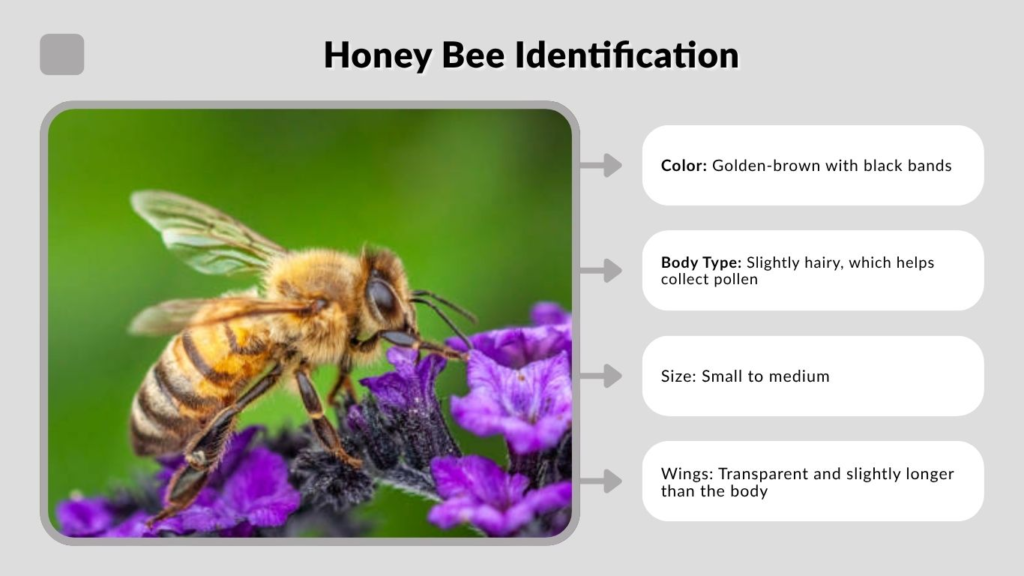
Honey bees are easily recognizable insects known for their role in pollination and honey production. They have distinct physical features and behaviors that set them apart from other flying insects like wasps and yellow jackets. Identifying honey bees correctly is important, especially for understanding their ecological value and avoiding unnecessary fear.
Key Identification Features
- Color: Golden-brown with black bands
- Body Type: Slightly hairy, which helps collect pollen
- Size: Small to medium (about 1–1.5 cm long)
- Wings: Transparent and slightly longer than the body
- Movement: Calm flight, often seen moving between flowers
Types of Honey Bees
- Queen Bee: Largest in size, long abdomen, responsible for laying eggs
- Worker Bee: Smaller, active, collects nectar and protects the hive
- Drone Bee: Male bee, larger eyes, does not collect food
Quick Identification Tips
- Look for a hairy body (unlike smooth wasps)
- Usually found around flowers and plants
- Less aggressive and rarely sting unless provoked
This basic identification guide helps distinguish honey bees from other insects and highlights their gentle and beneficial nature.
Honey Bee Habitat
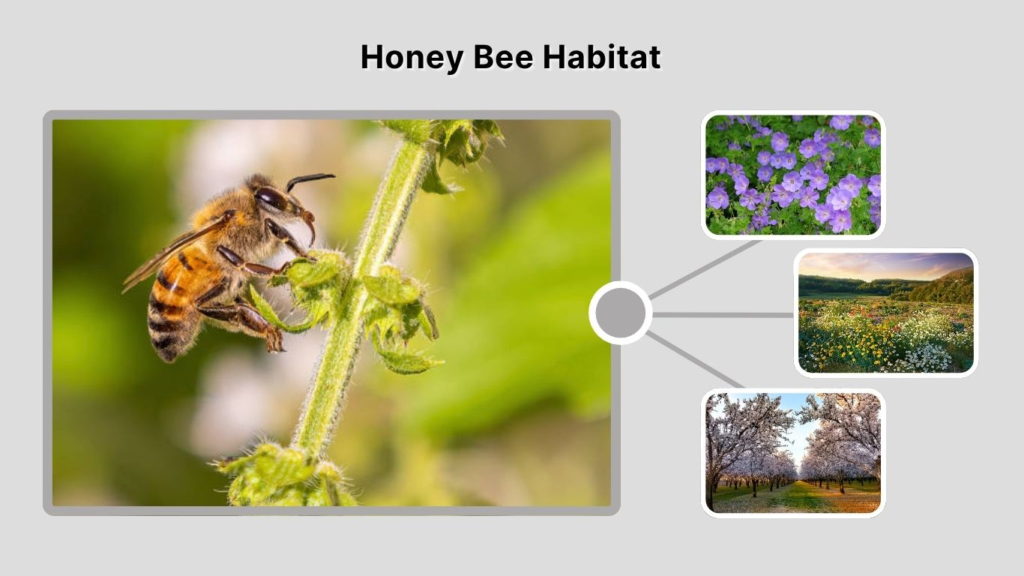
Natural Habitat
Honey bees thrive in environments rich in flowering plants, such as forests, meadows, orchards, and gardens. These areas provide them with the nectar and pollen they need for survival. They prefer locations that offer shelter and protection from extreme weather.
Adaptation to Urban Areas
In recent years, honey bees have adapted well to urban environments. They can often be found in city gardens, parks, and even rooftops where flowers are available. Urban beekeeping has become increasingly popular as people recognize the importance of bees in pollination.
Environmental Needs
For a colony to survive, honey bees require:
- A steady supply of nectar and pollen
- Access to clean water
- A safe and stable place to build their hive
- Favorable weather conditions
Without these elements, their survival becomes difficult, which is why habitat loss is a major concern today.
Honey Bee Nest (Hive Structure)
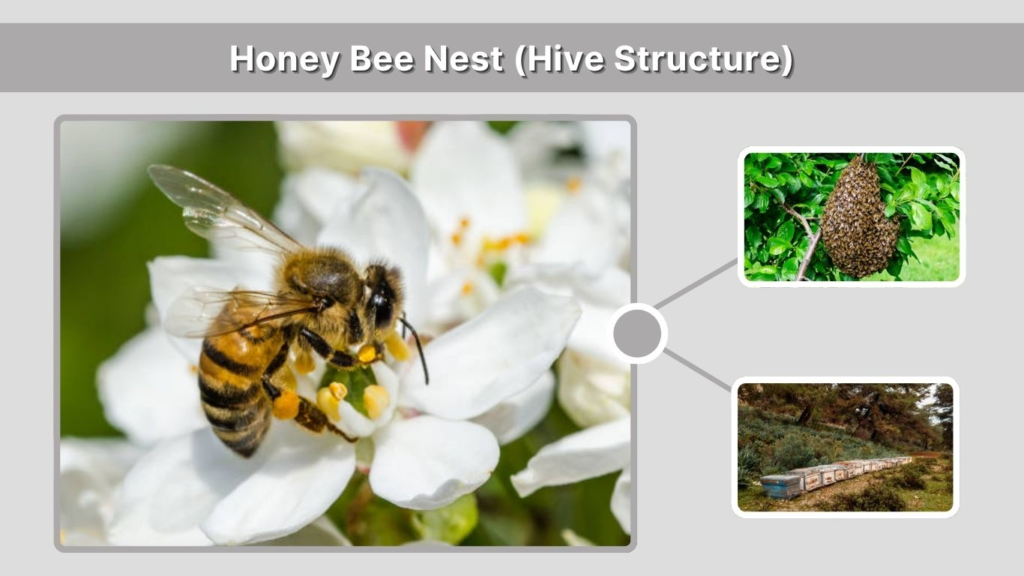
What Is a Honey Bee Nest?
A honey bee nest, commonly known as a hive, is a highly organized structure where thousands of bees live together. It functions as a central hub for reproduction, food storage, and colony activities.
Types of Nests
Honey bees build their nests in different locations depending on their environment:
- Natural Nests: Found in tree hollows, rock crevices, or other sheltered spaces
- Artificial Hives: Man-made boxes used by beekeepers to manage colonies and harvest honey
Inside the Hive
The hive is made up of honeycombs, which are structures of hexagonal wax cells. These cells serve multiple purposes:
- Storing honey and pollen
- Housing developing larvae
- Providing space for the queen to lay eggs
The hexagonal design is highly efficient, allowing bees to store maximum resources while using minimal wax.
Honey Bee Life Cycle
Stages of Development
Honey bees undergo complete metamorphosis, which includes four stages:
- Egg: The queen lays eggs in the cells of the honeycomb.
- Larva: The egg hatches into a larva, which is fed by worker bees.
- Pupa: The larva transforms inside a sealed cell.
- Adult: A fully developed bee emerges.
Life Cycle Duration
The time it takes for a bee to develop depends on its type:
- Worker bees: about 21 days
- Drones: about 24 days
- Queen bees: about 16 days
Lifespan of Honey Bees
The lifespan varies significantly:
- Worker bees live for a few weeks during active seasons
- Queen bees can live for several years
- Drone bees usually die shortly after mating
Do Honey Bees Sting?
Why Honey Bees Sting
Honey bees sting as a form of defense. They are protective of their hive and will only sting if they feel threatened. Common triggers include sudden movements, vibrations, or attempts to disturb their nest.
Are Honey Bees Aggressive?
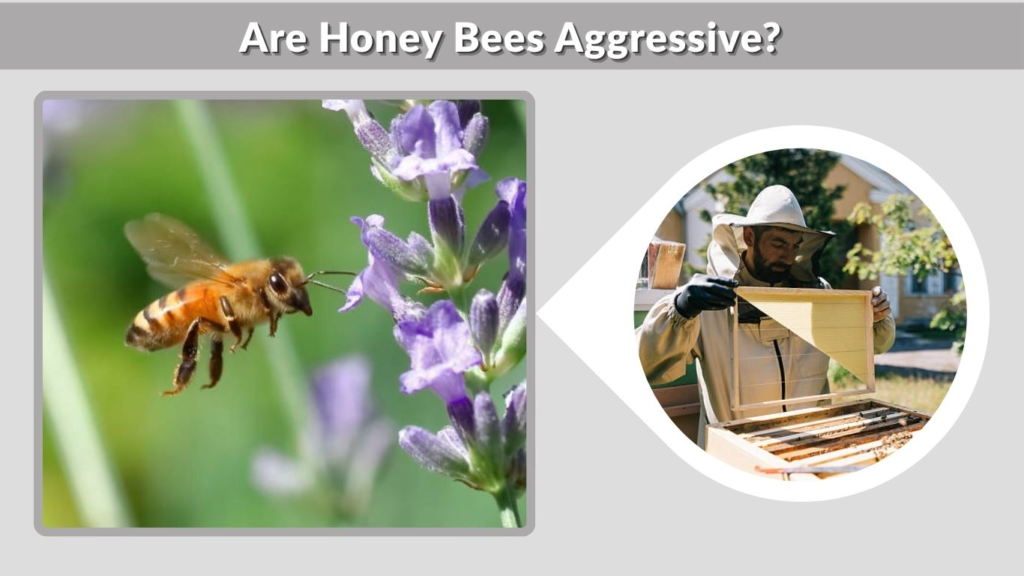
Honey bees are generally not aggressive insects. They prefer to avoid conflict and focus on collecting nectar. Most stings occur when a bee is accidentally disturbed or feels its colony is in danger.
Honey Bee Sting
How the Sting Works
A honey bee’s stinger is barbed, which means it gets lodged in the skin after stinging. When the bee tries to fly away, the stinger remains behind, causing the bee to die shortly afterward. This makes honey bees different from other stinging insects that can sting multiple times.
Symptoms of a Sting
A honey bee sting can cause immediate discomfort. Common symptoms include:
- Sharp, burning pain at the sting site
- Redness and swelling
- Itching or irritation
For most people, these symptoms are mild and go away within a few hours. However, some individuals may experience stronger reactions.
Treatment and First Aid
If you are stung by a honey bee, quick action can reduce discomfort:
- Remove the stinger immediately by scraping it off with a fingernail or card
- Wash the area with soap and water
- Apply a cold compress to reduce swelling
- Use antihistamines or soothing creams if needed
Seek medical attention if symptoms worsen or if signs of an allergic reaction appear, such as difficulty breathing or severe swelling.
Honey Bee vs Yellow Jacket
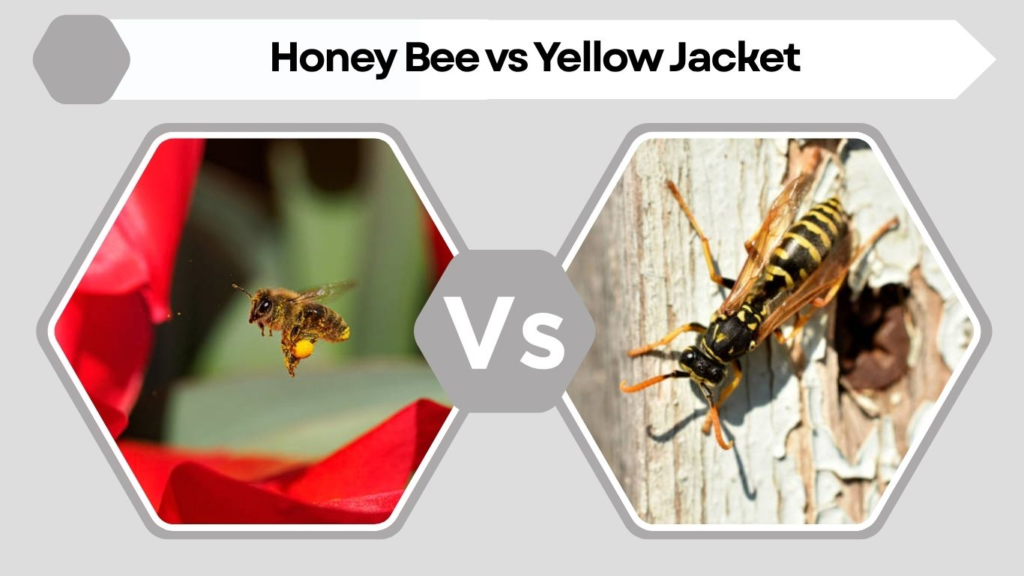
Key Differences in Appearance
Honey bees and yellow jackets are often confused, but they have clear differences:
- Honey Bees: Hairy bodies, golden-brown color, rounder shape
- Yellow Jackets: Smooth bodies, bright yellow and black, slimmer appearance
Behavior Differences
- Honey bees are generally calm and focused on collecting nectar
- Yellow jackets are more aggressive and often attracted to human food
Sting Comparison
- Honey bees can sting only once and die afterward
- Yellow jackets can sting multiple times without dying
Because of this, yellow jackets are often considered more dangerous in situations involving repeated stings.
Interesting Honey Bee Facts
- Honey bees communicate using a special movement called the waggle dance, which tells other bees where to find food
- A single hive can contain 20,000 to 60,000 bees
- Bees must visit thousands of flowers to produce a small amount of honey
- Honey bees play a vital role in pollinating crops and wild plants
- They can recognize patterns and even distinguish between different shapes and faces
Importance of Honey Bees
Honey bees are essential for maintaining biodiversity and food production. They pollinate many of the crops humans rely on, including fruits, vegetables, and nuts. Without them, agricultural productivity would decline significantly.
However, honey bee populations are under threat due to factors such as pesticide use, climate change, and habitat loss. Protecting these insects is crucial for ensuring a stable ecosystem and food supply. Simple actions like planting flowers, reducing chemical use, and supporting local beekeepers can make a big difference.
Conclusion
Honey bees are fascinating and highly beneficial insects that play a key role in our environment. From their unique life cycle and organized hive structure to their importance in pollination, they are essential for both nature and human survival. While they can sting when threatened, they are generally gentle creatures. By understanding and protecting honey bees, we can help preserve biodiversity and ensure a healthier planet for future generations.
FAQs
Do honey bees die after stinging?
Yes, honey bees usually die after stinging because their barbed stinger gets stuck in the skin. When they try to fly away, the stinger remains behind, which causes fatal injury to the bee.
Are honey bees dangerous to humans?
Honey bees are generally not dangerous and are considered gentle insects. They only sting when they feel threatened or when their hive is disturbed. However, their stings can be serious for people with allergies.
How long do honey bees live?
The lifespan of a honey bee depends on its type. Worker bees live for a few weeks, drones live for a short time, and queen bees can live for several years.
Where do honey bees build their nests?
Honey bees build their nests in sheltered locations such as tree cavities, rock crevices, or man-made hives provided by beekeepers. They prefer places that offer protection and access to food sources.
What do honey bees eat?
Honey bees primarily feed on nectar and pollen from flowers. Nectar provides energy, while pollen supplies essential nutrients needed for growth and development.
