
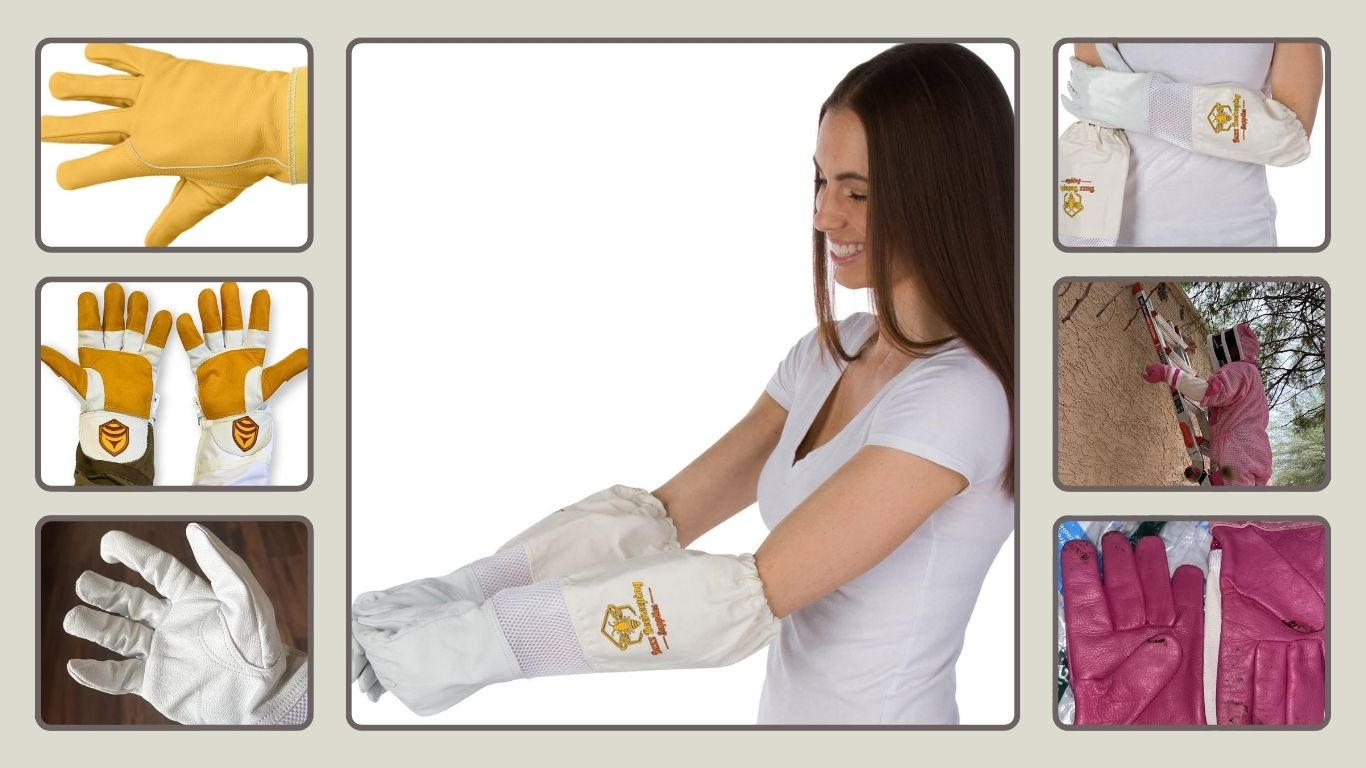
Choosing the right beekeeping gloves is essential for staying safe and confident while working with your hives. The ideal pair should offer strong sting protection, good ventilation, and enough flexibility to handle frames carefully. In this guide, we’ve selected some of the best beekeeping gloves that balance durability, comfort, and usability—making them suitable for both beginners and experienced beekeepers.
1. Ventilated Professional Beekeeping Gloves
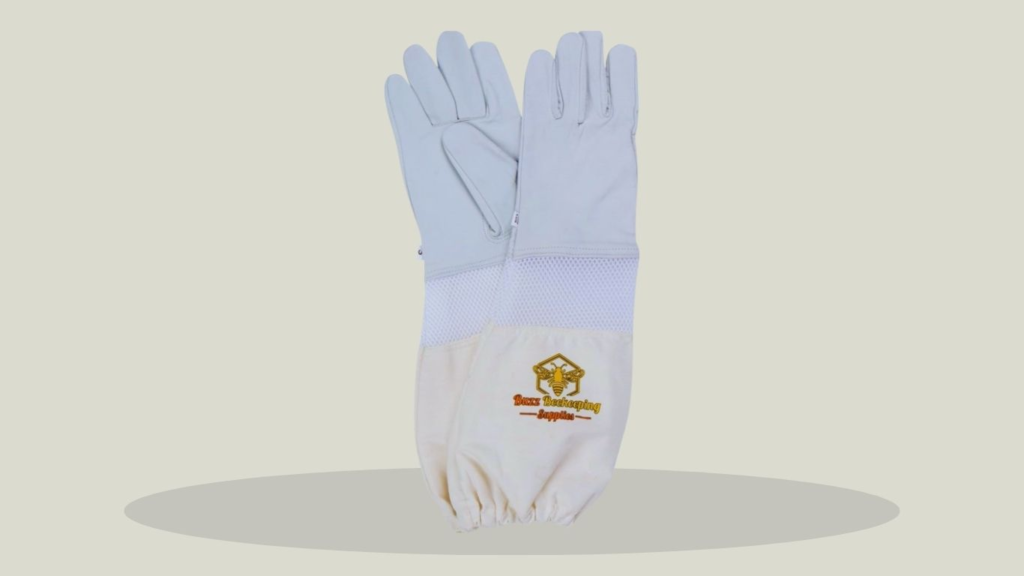
These ventilated professional beekeeping gloves are designed to offer a balance between protection, comfort, and usability. Made for both beginners and experienced beekeepers, they combine durable leather palms with breathable fabric sleeves to ensure safety from stings while maintaining flexibility. The extended cuff design protects your forearms, making them suitable for hive inspections, honey harvesting, and general apiary work.
Why It’s the Best Choice
One of the biggest advantages of these gloves is their ventilated construction, which helps keep your hands cool during long sessions in the hive. Unlike thick traditional gloves that can feel bulky and hot, these allow airflow while still maintaining a strong barrier against bee stings. The leather palm provides excellent grip and sensitivity, which is crucial when handling frames or delicate hive components. Overall, they strike a great balance between protection and dexterity.
Key Features
- Ventilated design for improved airflow and reduced sweating
- Durable leather palm for sting resistance and better grip
- Long canvas sleeves to protect arms from bee attacks
- Elastic cuffs to prevent bees from entering inside
- Comfortable fit suitable for extended beekeeping sessions
How to Use
Before starting your beekeeping work, ensure the gloves fit snugly but not too tight. Slide your hands in and pull the long sleeves over your arms, ideally tucking them under or over your suit sleeves depending on your setup. Always check that the elastic cuffs are secure to avoid bees getting inside. During hive inspections, use gentle movements—these gloves provide enough flexibility to handle frames carefully without harming bees. After use, clean off any honey or debris and let them air dry to maintain durability.
Pros and Cons
- Pros: Breathable, comfortable, good grip, strong sting protection
- Cons: May wear out faster than thick leather gloves with heavy use
- Pros: Lightweight and easy to move fingers
- Cons: Not ideal for extremely aggressive bee colonies
These gloves are a solid choice if you want comfort without sacrificing safety, especially in warm climates or during long beekeeping sessions.
2. OZ ARMOUR Beekeeping Gloves

These OZ ARMOUR beekeeping gloves are crafted for beekeepers who want maximum sting protection with comfort and durability. Made with high-quality leather and extended protective sleeves, they are ideal for handling active hives. Their design focuses on reducing sting penetration while still allowing enough flexibility to work efficiently during inspections or honey collection.
Why It’s the Best Choice
OZ ARMOUR gloves stand out because of their premium leather construction, which provides stronger sting resistance compared to many standard gloves. They are especially useful for beginners who may feel nervous around bees or for those dealing with slightly aggressive colonies. The gloves also offer a snug fit that improves control when handling frames, helping reduce accidental hive disturbances.
Key Features
- High-quality cowhide/goatskin leather for strong sting protection
- Extra-long sleeves for full forearm coverage
- Breathable fabric section to reduce sweating
- Elastic cuffs to keep bees from entering
- Reinforced stitching for long-lasting durability
How to Use
Wear these gloves before approaching the hive and ensure they fit properly. Pull the long sleeves over your beekeeping suit and secure the cuffs tightly. While working, move slowly and confidently—these gloves give you enough grip and protection to handle frames safely. After use, wipe off any residue like propolis or honey and allow them to dry naturally. Avoid soaking them in water to preserve the leather quality.
Pros and Cons
- Pros: Strong protection, durable build, ideal for beginners
- Cons: Slightly less breathable than fully ventilated gloves
- Pros: Good grip and control while handling frames
- Cons: Can feel a bit stiff initially until broken in
These gloves are a great pick if your priority is maximum safety and durability, especially when working with more defensive bees.
3. Humble Bee Reinforced Beekeeping Gloves

The Humble Bee reinforced beekeeping gloves are designed for beekeepers who need extra durability and reliable sting protection during regular hive work. Built with a combination of soft leather and sturdy canvas sleeves, these gloves focus on long-term use while still providing enough flexibility for precise handling. They are especially popular among users who want a dependable, no-nonsense option.
Why It’s the Best Choice
These gloves are known for their reinforced construction, making them more durable than many standard beekeeping gloves. The leather is thick enough to resist most stings, yet soft enough to maintain control when handling frames. They are a great middle-ground option—not too bulky, not too thin—making them suitable for both beginners and experienced beekeepers who want consistency and reliability.
Key Features
- Reinforced leather palms and fingers for added durability
- Protective canvas sleeves for full arm coverage
- Comfortable interior lining for extended wear
- Elastic cuffs to block bee entry
- Balanced flexibility and protection
How to Use
Put on the gloves before approaching your hive and make sure they fit comfortably. Pull the canvas sleeves over your beekeeping suit and secure them well to prevent any gaps. While working, take advantage of the gloves’ flexibility to handle frames gently and avoid crushing bees. After use, remove dirt, wax, or honey residue and let the gloves air dry. Proper care will extend their lifespan significantly.
Pros and Cons
- Pros: Durable, reliable, good sting protection
- Cons: Not as breathable as ventilated gloves
- Pros: Comfortable for long use and regular beekeeping tasks
- Cons: Slightly less flexible than ultra-thin gloves
These gloves are a solid choice if you want long-lasting performance and dependable protection for everyday beekeeping work.
4. Foxhound Bee Stopper Beekeeping Gloves

The Foxhound Bee Stopper beekeeping gloves are designed with a strong focus on ventilation and advanced sting protection. These gloves combine durable leather palms with a ventilated mesh structure, making them ideal for beekeepers working in warm climates or during long hive inspections. They offer a modern design that prioritizes both comfort and safety.
Why It’s the Best Choice
What makes these gloves stand out is their ventilated triple-layer design, which significantly reduces heat buildup while still preventing bee stings. Unlike traditional gloves that can feel hot and restrictive, these allow airflow, helping you stay comfortable during extended work sessions. They are especially useful in hot weather and for beekeepers who spend a lot of time managing multiple hives.
Key Features
- Triple-layer ventilated mesh for maximum airflow
- Soft leather palm for grip and sting resistance
- Long protective sleeves for full arm coverage
- Elastic cuffs to block bees from entering
- Lightweight design for better hand movement
How to Use
Wear the gloves before approaching your hive and ensure a proper fit. Pull the sleeves over your beekeeping suit and secure the cuffs tightly. While working, take advantage of the lightweight feel to handle frames smoothly and avoid sudden movements. After use, gently clean off debris and let the gloves air dry. Avoid harsh washing to maintain the integrity of the mesh and leather.
Pros and Cons
- Pros: Highly breathable, comfortable in hot weather, flexible
- Cons: Slightly less durable than heavy leather gloves
- Pros: Good protection with lightweight feel
- Cons: May not be ideal for very aggressive colonies
These gloves are perfect if you prioritize comfort, airflow, and modern design, especially when working in warmer environments.
5. Forest Beekeeping Supply Gloves

Forest Beekeeping Supply gloves are a classic choice designed to provide reliable protection, comfort, and simplicity for everyday hive work. These gloves typically feature soft leather hands paired with long canvas sleeves, offering full coverage while maintaining ease of movement. They are well-suited for beginners and hobbyists looking for dependable gear without overcomplicated features.
Why It’s the Best Choice
These gloves stand out for their balanced design and affordability, making them a practical option for new beekeepers. The leather offers solid sting protection while still being flexible enough for handling frames. Unlike heavily reinforced or ventilated models, these gloves focus on simplicity—giving you exactly what you need for safe and effective beekeeping without unnecessary extras.
Key Features
- Soft leather palm and fingers for protection and flexibility
- Long canvas sleeves for extended arm coverage
- Elastic cuffs to prevent bees from entering
- Lightweight and easy to wear
- Beginner-friendly design
How to Use
Before working with your hive, put on the gloves and ensure a comfortable fit. Pull the canvas sleeves over your beekeeping suit and secure the cuffs tightly. Use calm, controlled movements when handling frames to reduce stress on the bees. After finishing your work, clean off any honey, wax, or dirt and allow the gloves to air dry. Proper care will keep them usable for a long time.
Pros and Cons
- Pros: Affordable, simple design, comfortable for beginners
- Cons: Less advanced protection compared to premium gloves
- Pros: Lightweight and easy to move hands
- Cons: Not ideal for highly aggressive bee colonies
These gloves are a great option if you want a simple, budget-friendly, and dependable pair for regular beekeeping tasks.
FAQs
1. What type of gloves are best for beekeeping?
Leather gloves (goatskin or cowhide) with long sleeves are the best choice. They provide strong sting protection while still allowing enough flexibility to handle hive frames safely.
2. Are ventilated beekeeping gloves worth it?
Yes, ventilated gloves are especially useful in hot weather. They allow airflow, keeping your hands cool during long sessions while still protecting against stings.
3. Can bees sting through beekeeping gloves?
High-quality gloves significantly reduce the risk, but very aggressive bees may still sting through thinner materials. Thicker or reinforced gloves offer better protection.
4. Should beginners use thick or flexible gloves?
Beginners usually benefit from slightly thicker gloves for added protection and confidence. As experience grows, many switch to more flexible gloves for better control.
5. How do you clean and maintain beekeeping gloves?
Remove dirt, honey, and propolis after use and let the gloves air dry. Avoid soaking leather gloves in water, as it can damage the material and reduce durability.
