

Bees and wasps are often mistaken for each other, but they’re quite different in looks, behavior, and purpose. While bees are gentle pollinators that support our food system, wasps are fierce predators that help control pests. Knowing the key differences between these insects can help you avoid painful stings and appreciate their roles in nature. In this article, we’ll explore eight important ways bees and wasps differ.
1. Physical Appearance
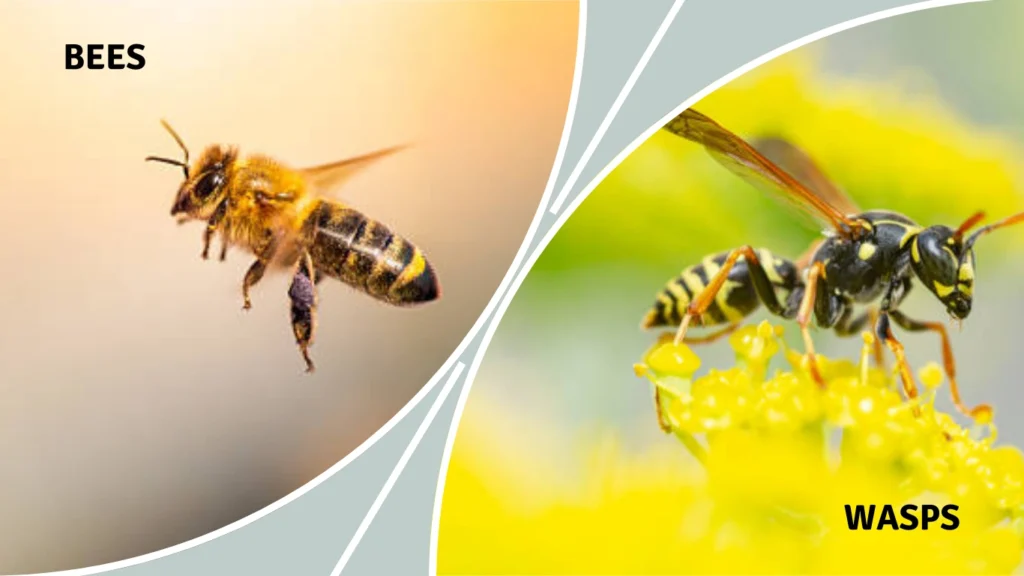
Body Shape and Texture
Bees generally have a rounder, more robust body covered in dense hair, which helps them collect pollen. Their appearance is somewhat fuzzy, giving them a soft, harmless look. In contrast, wasps have a more elongated and slender body with a narrow waist that separates their thorax from the abdomen. They appear sleek and shiny with little to no body hair, making them look more aggressive.
Color Patterns
Bees typically have muted yellow and black stripes with a more natural, earthy tone. Their colors blend well into flowered environments. Wasps, on the other hand, sport brighter, more vivid black and yellow coloration. This warning coloration is more striking and serves to deter predators. Their shinier exoskeleton also adds to their bold look.
2. Stinger and Aggression

Stinging Ability
One of the most well-known differences between bees and wasps is their stinger. A bee can only sting once because its barbed stinger gets stuck in the skin, causing it to die shortly after. Wasps have smooth stingers that allow them to sting multiple times without harming themselves, which makes them more dangerous if provoked.
Behavior When Threatened
Bees are generally calm and only sting in self-defense, usually when they feel their hive is under threat. Wasps, however, are much more territorial and aggressive. They are quicker to attack when disturbed and are more likely to sting unprovoked, especially in late summer when their colonies are more protective and food becomes scarce.
3. Nesting Habits

Nest Structure and Material
Bees build their nests using wax produced by their own bodies. These wax hives are typically found in hollow trees, wall cavities, or man-made beekeeping boxes. Their honeycomb structure is neatly organized and used for storing honey and raising young. Wasps, on the other hand, create nests from chewed wood pulp mixed with saliva, forming a papery substance. Their nests often have a rough, layered appearance and are more fragile than beehives.
Common Nesting Locations
Bees prefer sheltered, enclosed spaces like tree trunks or building walls. They usually avoid high-traffic areas and are less noticeable unless disturbed. Wasps are more flexible with their nesting spots—they can build their nests in trees, bushes, under eaves, in sheds, or even underground. Because of this, people are more likely to encounter wasp nests near homes or gardens, increasing the chances of accidental stings.
4. Diet and Role in Nature
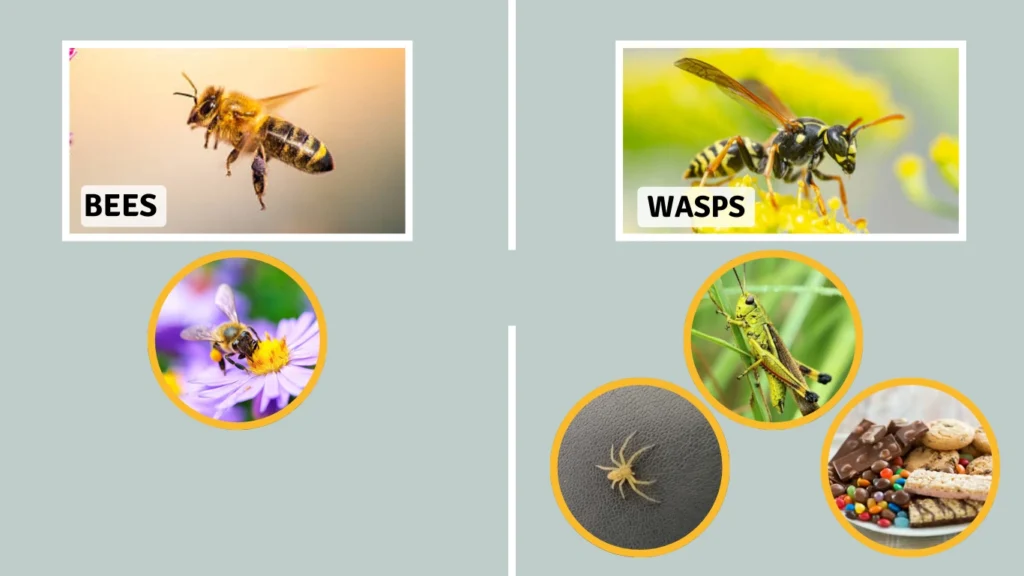
What They Eat
Bees primarily feed on nectar and pollen from flowers. This plant-based diet supports their role as pollinators and helps sustain plant life and agriculture. Wasps have a more varied and carnivorous diet. They eat other insects, spiders, meat, sugary foods, and even carrion. Some wasps also feed on nectar but aren’t as efficient at pollination due to their smooth bodies.
Ecological Contribution
Bees play a crucial role in pollinating crops, fruits, and flowers, making them essential for food production and healthy ecosystems. Their gentle nature and pollen-collecting adaptations make them ideal pollinators. Wasps contribute by controlling pest populations. They hunt insects like caterpillars and flies, which can damage plants. While not as celebrated as bees, wasps help maintain balance in gardens and natural habitats.
5. Hair and Texture
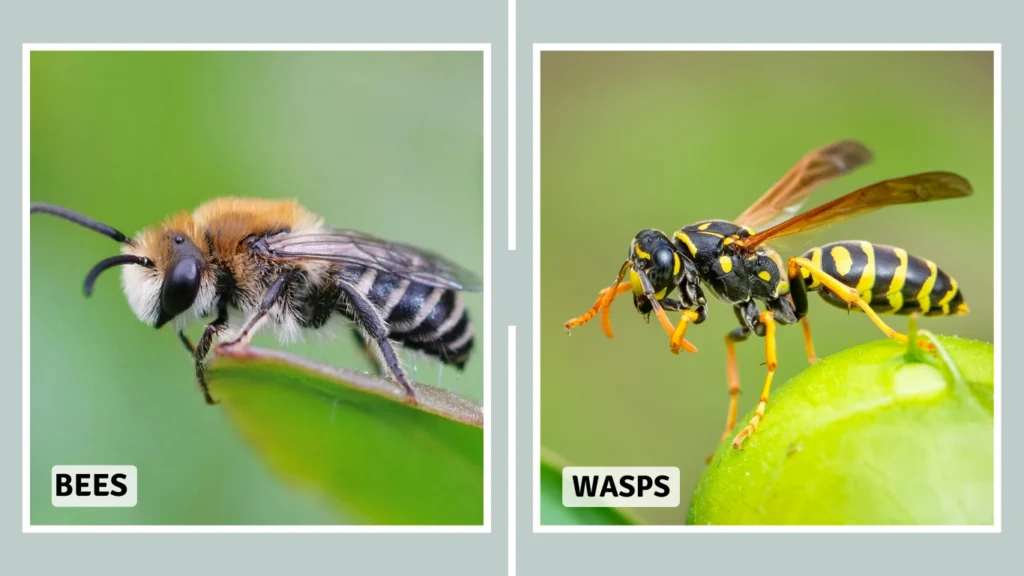
Body Surface Characteristics
- Bees have hairy bodies that trap pollen as they move from flower to flower. These hairs are especially dense on their legs and thorax, making them highly efficient pollinators.
- Wasps have smooth, almost shiny exoskeletons with very few hairs, which limits their ability to collect and transfer pollen effectively.
Purpose of Hair
- The dense hair on bees is specialized for pollen collection and transport.
- Wasps, lacking this adaptation, rely more on hunting than pollination for their survival and ecological role.
6. Social Structure

Colony Organization
- Bees live in large, complex colonies with a well-defined hierarchy that includes a queen, workers, and drones.
- Wasps also live in colonies, but depending on the species, the number of members can vary significantly and may be much smaller than bee colonies.
Survival Patterns
- Bee colonies are built to survive through the winter, storing honey as food and clustering to keep warm.
- Most wasp colonies die off in winter, with only the fertilized queen surviving by hibernating and starting a new colony in spring.
7. Lifespan and Seasonal Activity
Bees generally have a longer lifespan, especially within their structured colonies. Worker bees can live for several weeks, while queens may survive for several years. Bee colonies are active throughout the year, particularly in warmer climates, and they continue to function through winter by relying on stored honey for energy.
Wasps, in contrast, have a much shorter life cycle. Most worker wasps die off in the fall as temperatures drop. Only the fertilized queens survive the winter by hibernating in sheltered places. They emerge in spring to start new colonies. As a result, wasps are most active during the late summer and early fall when their populations peak.
8. Human Interaction

Bees are generally peaceful and are unlikely to sting unless they feel directly threatened. Their docile nature and ecological importance have earned them public sympathy, especially with growing awareness about declining bee populations. Beekeepers often manage hives with minimal risk due to the bees’ calm demeanor.
Wasps, on the other hand, are more aggressive and territorial, especially when defending their nests. Their ability to sting multiple times makes encounters more dangerous. Wasps are often seen as pests, particularly because they are attracted to outdoor food and drinks during warmer months. This difference in behavior largely shapes how people view and react to these two insects.
Conclusion
Although bees and wasps may appear similar at a glance, their differences are clear once you know what to look for. From body structure and stinging behavior to diet and role in the ecosystem, each insect has its own purpose and personality. Bees are gentle, pollen-loving helpers vital for pollination, while wasps are more aggressive hunters that keep insect populations in check. Recognizing these differences not only helps avoid stings but also deepens our appreciation for the balance they bring to nature.
