
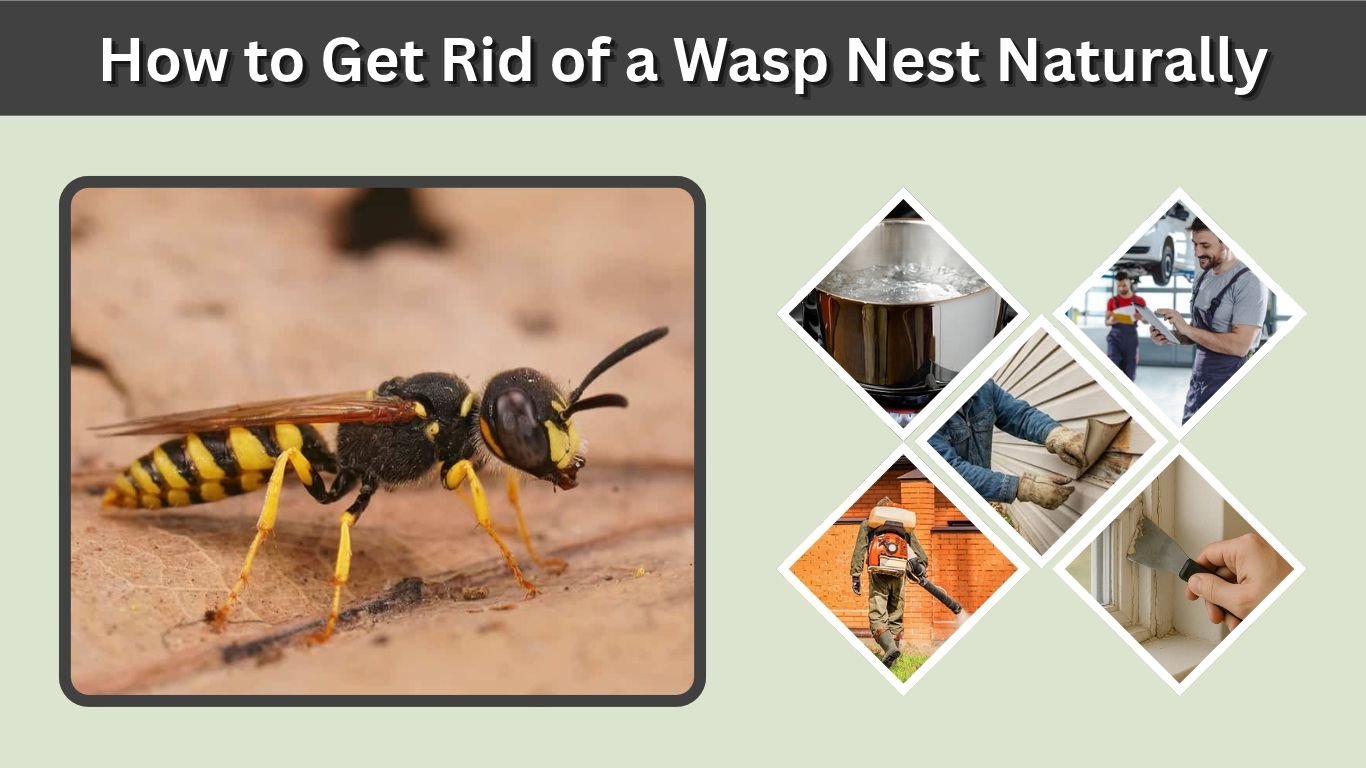
Finding a wasp nest around your home can be stressful, especially when you want to remove it without using harmful chemicals. Many homeowners search for natural wasp nest removal methods using vinegar, peppermint oil, or household ingredients. However, not every home remedy works, and disturbing an active colony can lead to painful stings. Learning how to get rid of a wasp nest naturally requires understanding which methods are effective, when removal is safe, and how to prevent future colonies without unnecessary pesticide use.
Can You Get Rid of a Wasp Nest Naturally?
Natural wasp nest removal is possible in certain situations, but there is no reliably effective homemade method for eliminating every active colony. The safest chemical-free approaches include leaving nonthreatening nests undisturbed, removing abandoned nests, and reducing suitable nesting conditions. The appropriate choice depends on the species, colony size, and location.
Identify the Type of Wasp Nest
Different wasps construct different nests, which affects how they should be managed.
- Paper wasps: Build exposed, umbrella-shaped nests under eaves, porches, and branches.
- Yellowjackets: Often nest underground or inside hidden structural cavities.
- Bald-faced hornets: Construct large, enclosed paper nests, commonly in trees.
- Solitary digger wasps: Build individual underground burrows and usually do not aggressively defend them.
Large social colonies pose greater risks than most solitary wasps.
Know When Natural Removal Is Appropriate
A small, completely inactive nest can generally be removed without insecticides if it is easily accessible. Active nests require greater caution because approaching or disturbing them may provoke defensive behavior.
If a nest is located away from people, allowing its colony to finish naturally is often the safest option. When an active nest threatens household members, professional control is preferable.
5 Natural Ways to Get Rid of Wasp Nests
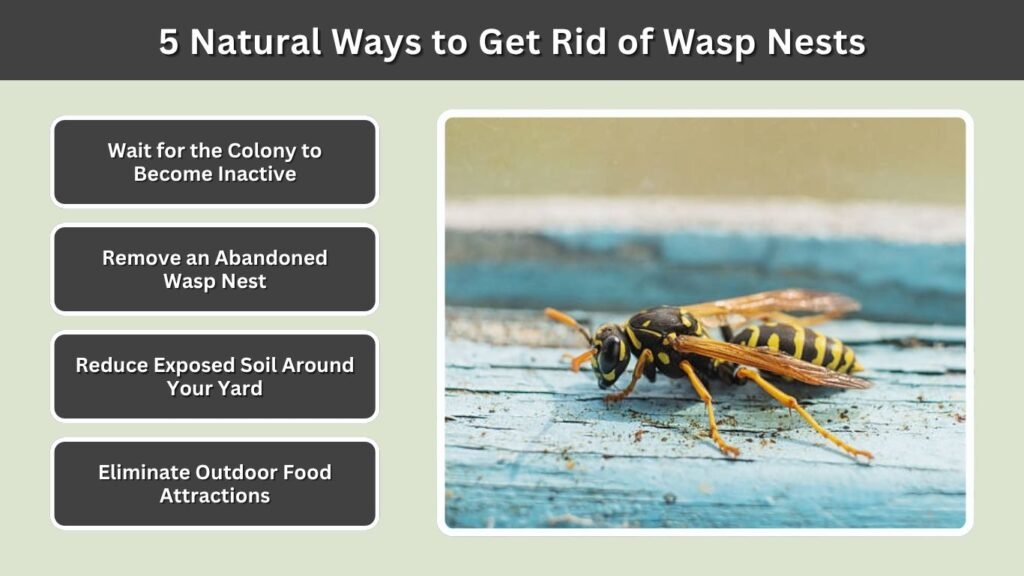
The most effective chemical-free approaches focus on avoiding active colonies and managing nesting conditions rather than attacking wasps with household mixtures. These methods are especially useful for abandoned nests, small early-season nesting sites, and prevention. Always keep people and pets away from occupied nests during any assessment.
1. Wait for the Colony to Become Inactive
In regions with freezing winters, most paper wasp and yellowjacket colonies naturally die when temperatures become sufficiently cold. Newly produced queens leave their original colonies and overwinter elsewhere.
If the nest does not threaten people, waiting for seasonal inactivity is one of the safest chemical-free options.
This approach is less dependable in warmer climates where some colonies may remain active longer.
2. Remove an Abandoned Wasp Nest
Once a nest is confirmed completely inactive, homeowners may remove it without using insecticides.
For a safely accessible abandoned nest:
- Wear gloves and suitable protective clothing.
- Confirm there is no wasp activity.
- Gently detach the empty structure.
- Dispose of the material in a suitable waste container.
- Clean the attachment surface when appropriate.
Never knock down an occupied nest, and avoid climbing ladders to reach high nesting locations.
3. Reduce Exposed Soil Around Your Yard
Some solitary ground-nesting wasps prefer bare, sandy, or sparsely vegetated soil. Modifying these conditions may discourage future burrowing.
Maintain healthy grass, establish suitable groundcover, and mulch garden beds where appropriate. Repairing bare lawn patches can also make the area less attractive to certain solitary digger wasps.
These changes will not reliably eliminate an existing underground yellowjacket colony.
4. Eliminate Outdoor Food Attractions
Although removing food sources does not destroy an active nest, it can reduce unwanted encounters with foraging wasps.
Useful practices include:
- Keep garbage containers tightly closed.
- Remove fallen and overripe fruit.
- Cover sugary drinks during outdoor meals.
- Clean food spills from patios and decks.
- Store outdoor food promptly after use.
These habits can make frequently used areas less attractive to scavenging yellowjackets.
5. Monitor Early Nest Construction
Inspect roof eaves, porch ceilings, sheds, and other sheltered areas during spring. Many social wasp colonies begin with a single founding queen and a small number of nest cells.
Early detection provides more management options before colonies expand. However, even small occupied nests can be defended.
Do not handle a nest simply because it looks small or appears temporarily unattended.
How to Remove Different Wasp Nests Naturally
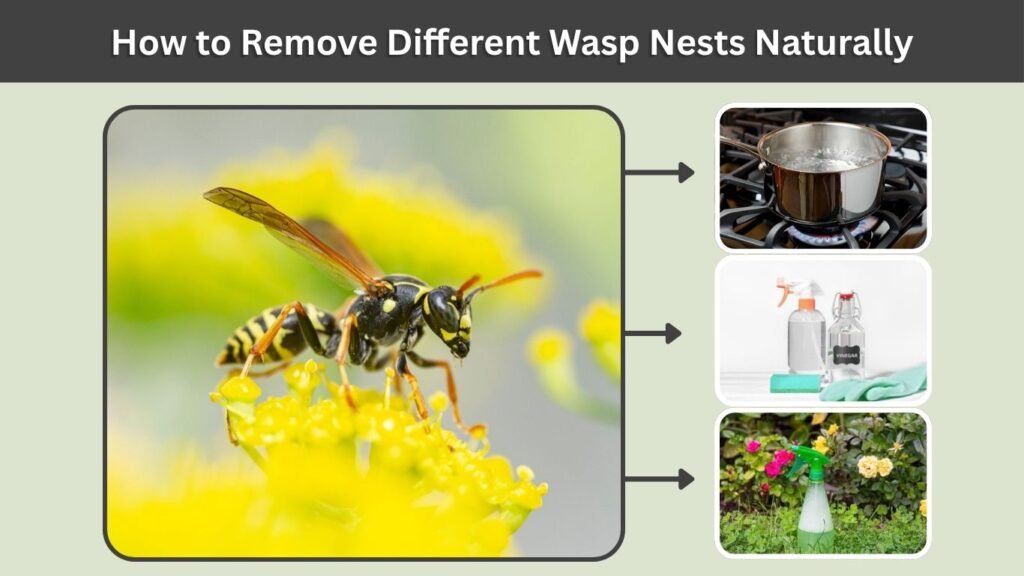
Paper wasps, ground-nesting yellowjackets, and wasps inside walls require different approaches. Chemical-free management is generally most successful when nests can be avoided until inactive. Attempting to destroy an active colony using water, smoke, or household mixtures may increase the risk of stings rather than resolve the infestation.
How to Get Rid of Paper Wasp Nests Naturally
Paper wasps usually build exposed nests beneath eaves, porch ceilings, and sheltered branches.
If the nest is small, distant from regularly used spaces, and does not create a safety concern, consider leaving it undisturbed. In colder regions, the colony will generally die naturally during winter.
Remove the empty nest only after confirming inactivity. Active nests near entrances may require professional treatment.
How to Get Rid of Ground Wasp Nests Naturally
Underground wasp nests require particular caution because the colony may extend far beyond the visible entrance.
For solitary digger wasps, leaving the burrows undisturbed and improving groundcover may be sufficient.
Active yellowjacket colonies are different. Do not pour boiling water, vinegar, or soap mixtures into their entrance. These approaches can provoke defensive wasps and may not reach the entire colony.
How to Get Rid of Wasp Nests in Walls Naturally
Wasps nesting inside siding, wall cavities, or house vents should generally be managed professionally.
Never block an active entrance with expanding foam, caulk, or tape. Trapped wasps may find alternative routes into indoor living spaces.
Once the colony has been eliminated and the area is confirmed inactive, repairing structural gaps can help discourage future nesting.
Do Natural Wasp Nest Remedies Actually Work?
Several home remedies are promoted online as alternatives to pesticides. Popular suggestions include peppermint oil, vinegar, soapy water, artificial nests, and smoke. However, their effectiveness varies considerably, and methods that kill or discourage individual wasps do not necessarily eliminate an established colony. Understanding these limitations helps prevent unsafe treatment attempts.
Peppermint Oil, Vinegar, and Soap Mixtures
Peppermint oil is frequently recommended as a natural wasp repellent, but reliable research has not demonstrated that it consistently prevents nesting or eliminates existing colonies.
Vinegar is similarly unreliable for removing an active wasp nest.
Soapy water can kill some exposed insects on direct contact, including paper wasps. However, spraying an active colony with homemade mixtures may provoke defensive stings. It should not be considered a safe universal nest-removal technique.
Fake Nests, Smoke, and Boiling Water
Hanging a brown paper bag to imitate another wasp nest is a popular suggestion, but evidence does not establish it as a dependable deterrent.
Other dangerous methods should also be avoided:
- Boiling water: May cause burns and defensive stinging.
- Smoke or fire: Creates serious fire and injury hazards.
- Gasoline: Can contaminate soil and create dangerous fumes.
- Forceful water spraying: May scatter defensive wasps without destroying the colony.
These methods are not appropriate substitutes for safe, evidence-based pest management.
How to Prevent Wasp Nests Naturally
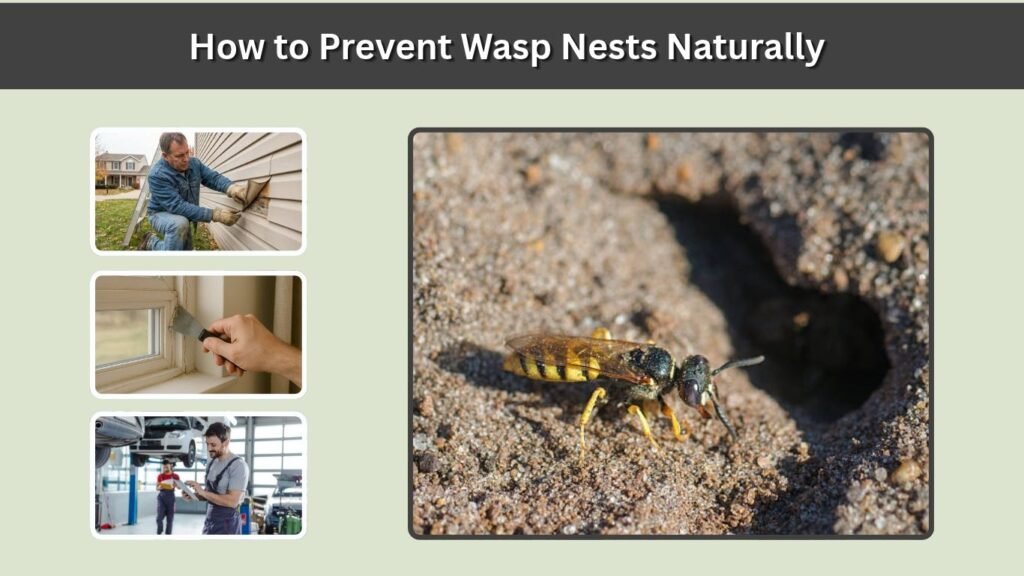
Preventing nests is generally easier than removing established colonies. Most effective natural prevention strategies involve reducing access to sheltered nesting spaces, maintaining outdoor areas, and identifying new nests early. While these measures cannot eliminate every possibility of nesting, they may reduce unwanted encounters and help prevent recurring problems.
Seal Potential Nesting Openings
Inspect exterior walls, siding, window frames, roof edges, and other protected structures.
Recommended maintenance includes:
- Repair damaged siding and loose trim.
- Seal suitable cracks around windows.
- Install appropriate screening over ventilation openings.
- Inspect garages, sheds, and roof overhangs.
- Remove abandoned nests from accessible areas when desired.
Never seal an opening containing an active colony.
Maintain Your Garden and Outdoor Areas
Keep patios, balconies, and outdoor dining areas free from exposed food and unnecessary debris.
Maintain grass, inspect sheltered structures during warmer months, and check outdoor furniture before moving or using it.
These practices can reduce favorable nesting conditions and help you recognize new colonies before they become difficult to manage.
When Should You Hire a Professional?
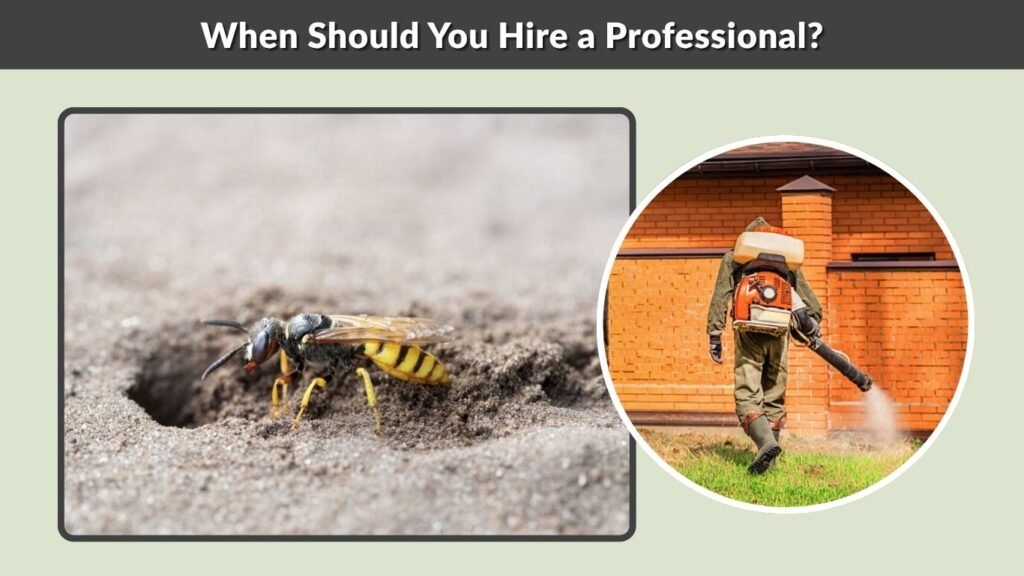
Natural approaches are not appropriate for every situation. Large, established colonies or nests close to occupied spaces can present significant sting risks. Professional pest control is particularly important when wasps are inside walls, beneath siding, or near areas used by children and pets.
Signs Professional Removal Is Necessary
Consider hiring a qualified pest control technician when:
- Numerous wasps are defending an active nest.
- The colony is inside a house wall or ventilation space.
- The nest is high above the ground.
- People cannot safely avoid the nesting area.
- Someone nearby has a severe sting allergy.
Professional treatment can be more appropriate than attempting an unreliable homemade remedy.
FAQs
1. What is the best natural way to get rid of a wasp nest?
The safest natural approach is to leave a nonthreatening nest undisturbed until its colony becomes inactive. In cold climates, most social wasp colonies die during winter. Once the nest is confirmed abandoned, it can be removed without insecticides if safely accessible.
2. Does vinegar kill wasps and destroy their nests?
Vinegar is not a reliable solution for eliminating established wasp colonies. Even if a household mixture affects individual insects, it may not reach the queen or developing wasps. Spraying vinegar directly into an active nest can provoke defensive behavior and increase sting risks.
3. Can peppermint oil make wasps leave their nest?
There is insufficient reliable evidence that peppermint oil causes established wasp colonies to abandon their nests. Its reputation as a natural repellent does not make it an effective nest treatment. Avoid spraying essential oils onto active colonies, especially near pets or frequently occupied areas.
4. How do you get rid of an underground wasp nest naturally?
For solitary ground-nesting wasps, leaving burrows undisturbed and maintaining healthy groundcover may be sufficient. Active underground yellowjacket nests are more dangerous and cannot reliably be eliminated using household remedies. Professional treatment is preferable when the colony threatens people or pets.
5. Will wasps return after natural nest removal?
New wasps may establish nests in the same general area if suitable nesting conditions remain. Most temperate-climate yellowjacket and paper wasp colonies do not reuse their old nests. Regular inspections, structural repairs, and proper outdoor maintenance can help discourage future nesting.
