
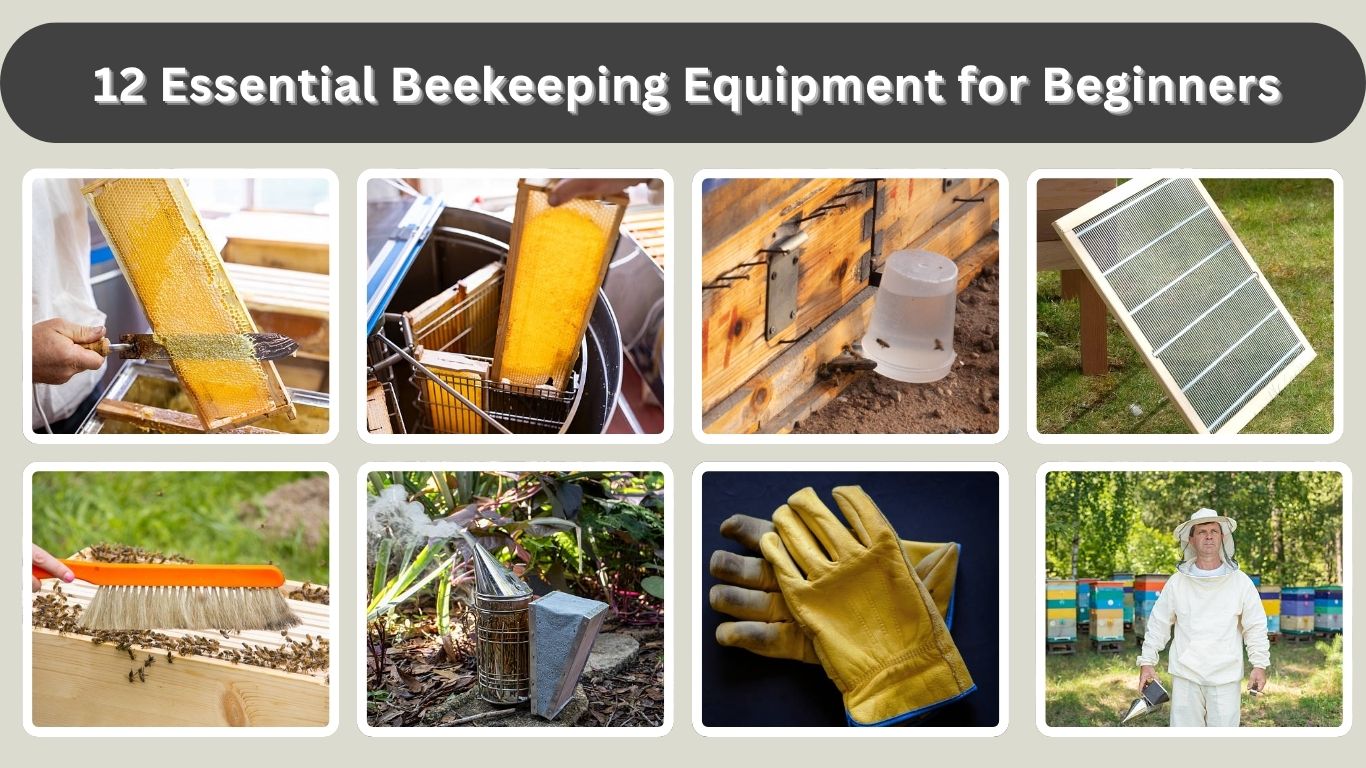
Beekeeping requires the right tools to ensure safety, efficiency, and healthy hive management. Whether you are just starting or improving your setup, having proper equipment makes handling bees easier and more productive. From protective gear to honey extraction tools, each item plays a vital role in successful beekeeping. This guide covers 12 essential beekeeping equipment every beekeeper should know.
1. Beehive
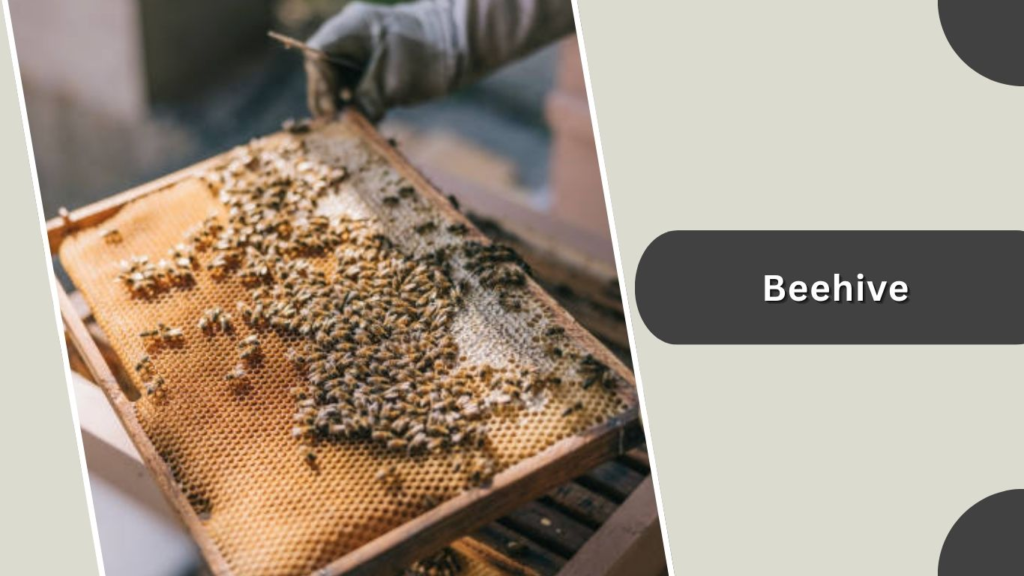
A beehive is the central structure where honeybees live, work, and produce honey. It provides shelter, protection, and an organized space for brood rearing and food storage. Modern beehives are designed to help beekeepers manage colonies efficiently while ensuring the bees remain healthy and productive.
Types of Beehives
Common types include Langstroth, Top-bar, and Warre hives. Each design differs in structure, management style, and honey harvesting methods.
Main Components
- Hive box
- Frames
- Foundation
- Cover (inner and outer)
Importance in Beekeeping
The beehive supports colony growth, protects bees from weather and predators, and allows systematic honey production and inspection.
Maintenance Tips
Regular cleaning, proper ventilation, and routine inspection are essential to keep the hive healthy and productive.
2. Frames
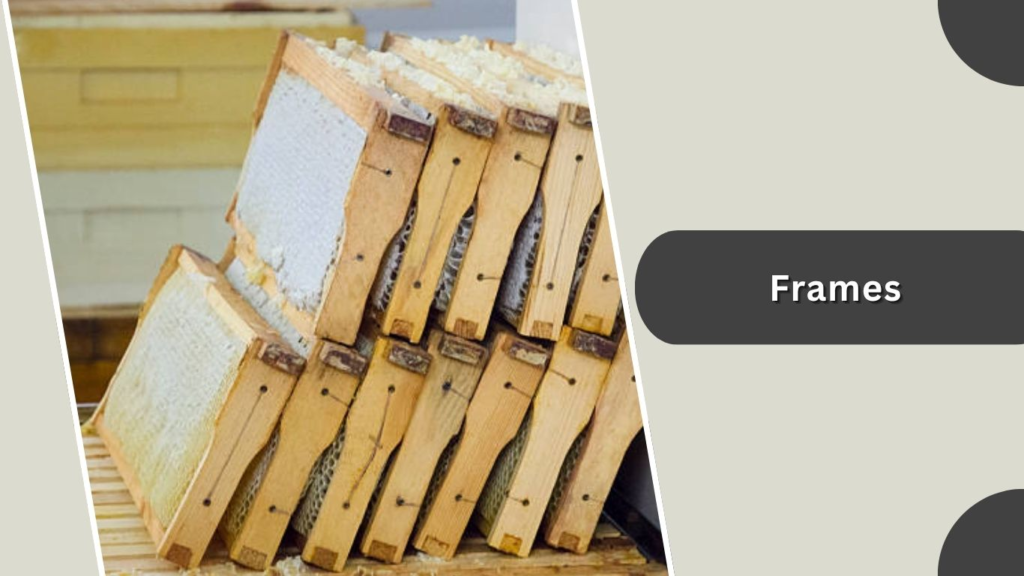
Frames are rectangular structures placed inside the beehive that hold the honeycomb. They provide a foundation for bees to build comb, store honey, and raise brood. Frames make hive inspection and honey harvesting much easier for beekeepers.
Types of Frames
Common types include wooden frames, plastic frames, and foundationless frames. Each type varies in durability and ease of use.
Main Components
- Top bar
- Side bars
- Bottom bar
- Foundation (wax or plastic)
Uses in Beekeeping
Frames help organize the hive, allow easy removal for inspection, and support efficient honey extraction.
Maintenance Tips
Keep frames clean, replace damaged ones, and ensure proper spacing to maintain a healthy hive structure.
3. Bee Suit

A bee suit is protective clothing worn by beekeepers to prevent bee stings while working with hives. It covers most of the body and provides safety and comfort during hive inspections and honey harvesting.
Types of Bee Suits
Bee suits come in full-body suits, jackets with veils, and ventilated suits. Ventilated suits are popular in hot climates for better airflow.
Main Components
- Full-body suit or jacket
- Veil (attached or detachable)
- Zippers and elastic seals
Uses in Beekeeping
Bee suits protect the beekeeper from stings, allowing safe handling of bees and reducing fear during hive management.
Maintenance Tips
Wash regularly, check for holes or tears, and ensure all zippers and seals are secure before use.
4. Veil

A veil is a protective head covering designed to shield the beekeeper’s face and neck from bee stings while allowing clear visibility and airflow.
Types of Veils
Common types include round veils, fencing veils, and square veils. Each offers different levels of comfort and visibility.
Main Components
- Mesh screen
- Hat or helmet support
- Neck covering
Uses in Beekeeping
The veil protects sensitive areas like the face and eyes, making hive inspections safer and more comfortable.
Maintenance Tips
Keep the mesh clean for clear vision, store properly to avoid damage, and check for holes before use.
5. Gloves
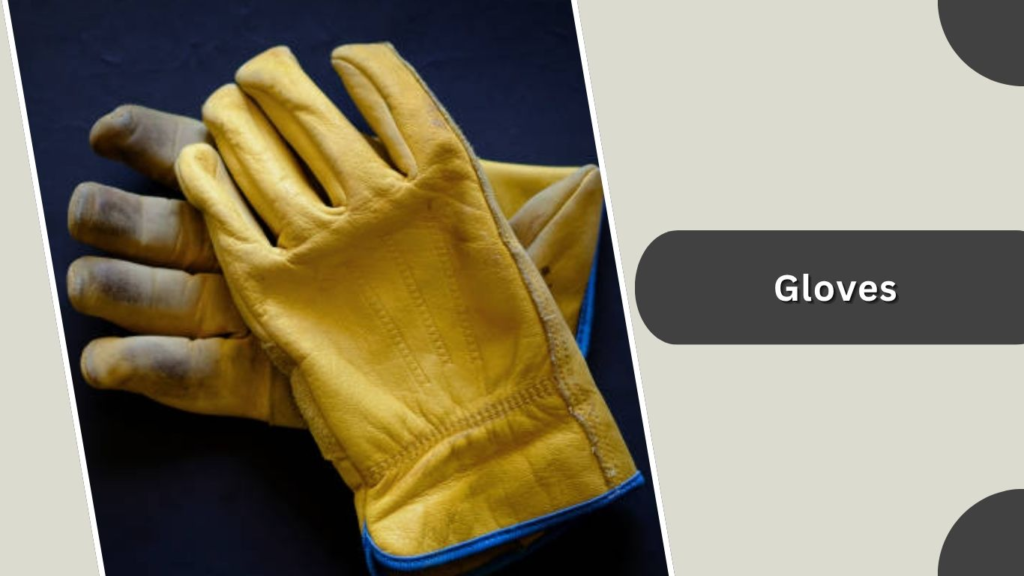
Gloves are essential protective gear that help prevent bee stings on the hands while handling hives. They provide both safety and confidence, especially for beginners.
Types of Gloves
Common types include leather gloves, rubber gloves, and ventilated gloves. Leather gloves are durable, while rubber gloves offer better flexibility.
Main Components
- Hand covering
- Extended cuffs
- Elastic or fitted wrist
Uses in Beekeeping
Gloves protect hands from stings and allow safer handling of frames and hive components.
Maintenance Tips
Clean after use, keep dry, and replace when worn out or damaged.
6. Smoker

A smoker is a tool used to calm bees by producing cool smoke, making hive management easier and safer for beekeepers.
Types of Smokers
Different smokers vary in size and material, such as stainless steel smokers and heat-shielded smokers.
Main Components
- Fuel chamber
- Bellows
- Spout (nozzle)
Uses in Beekeeping
Smoke masks alarm pheromones and calms bees, reducing aggression during hive inspections.
Maintenance Tips
Use proper fuel, clean regularly to avoid blockages, and ensure the smoker is fully extinguished after use.
7. Hive Tool
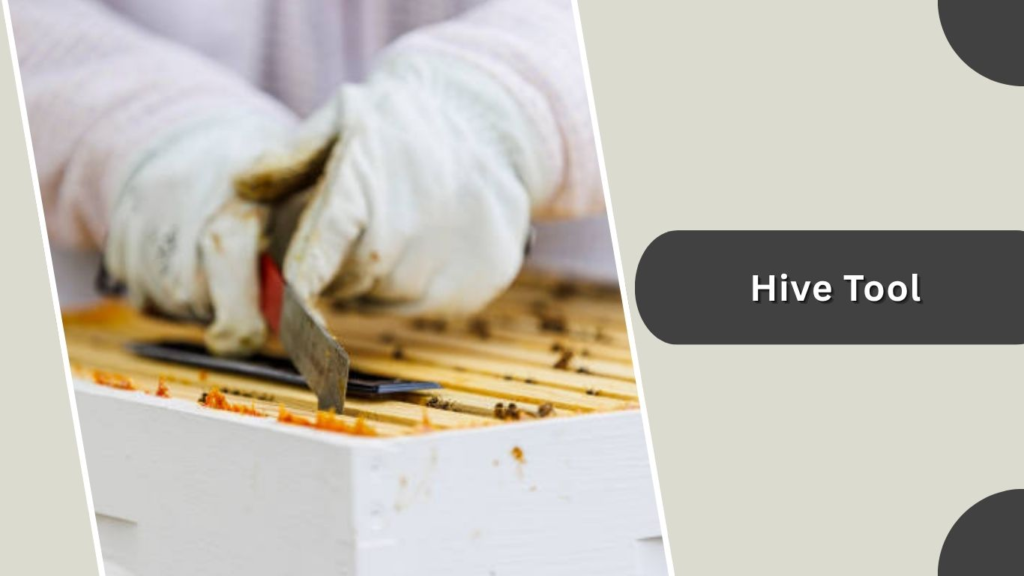
A hive tool is a multipurpose metal instrument used by beekeepers to open hives, separate frames, and scrape off excess wax or propolis. It is one of the most commonly used tools in beekeeping.
Types of Hive Tools
Common types include flat hive tools, J-hook tools, and scraper tools. Each type is designed for specific tasks within the hive.
Main Components
- Flat blade
- Hook or curved end
- Scraping edge
Uses in Beekeeping
Hive tools help in prying apart hive components, lifting frames, and cleaning unwanted buildup inside the hive.
Maintenance Tips
Keep it clean, remove sticky propolis after use, and store in a dry place to prevent rust.
8. Bee Brush
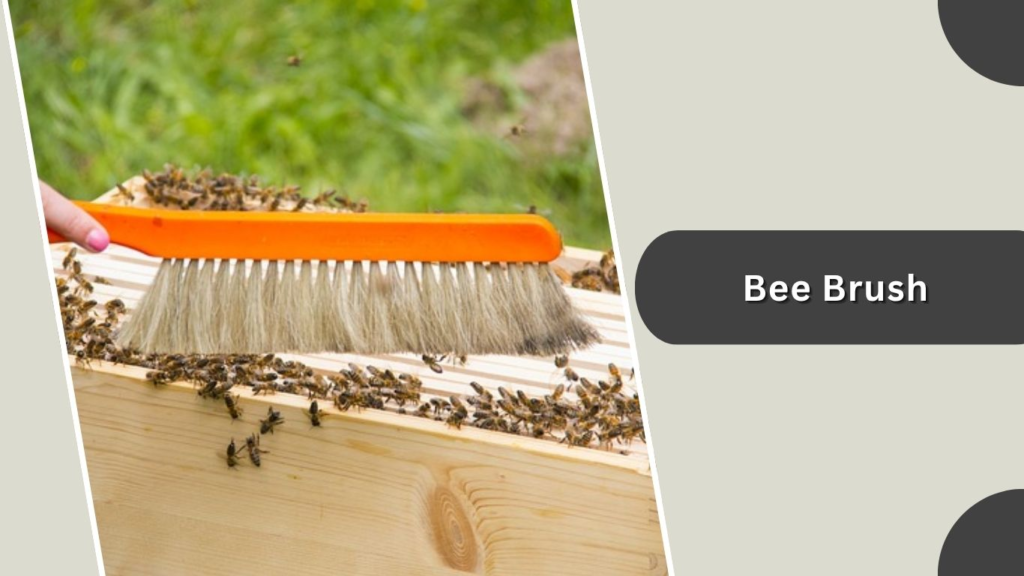
A bee brush is a soft-bristled tool used to gently remove bees from frames or hive surfaces without harming them.
Types of Bee Brushes
Bee brushes typically vary by bristle type, such as natural or synthetic fibers, and by handle length.
Main Components
- Soft bristles
- Handle
- Base plate
Uses in Beekeeping
It is used to gently sweep bees off frames during inspection or honey harvesting.
Maintenance Tips
Clean after use, avoid using excessive force, and store in a clean, dry place to maintain hygiene.
9. Queen Excluder
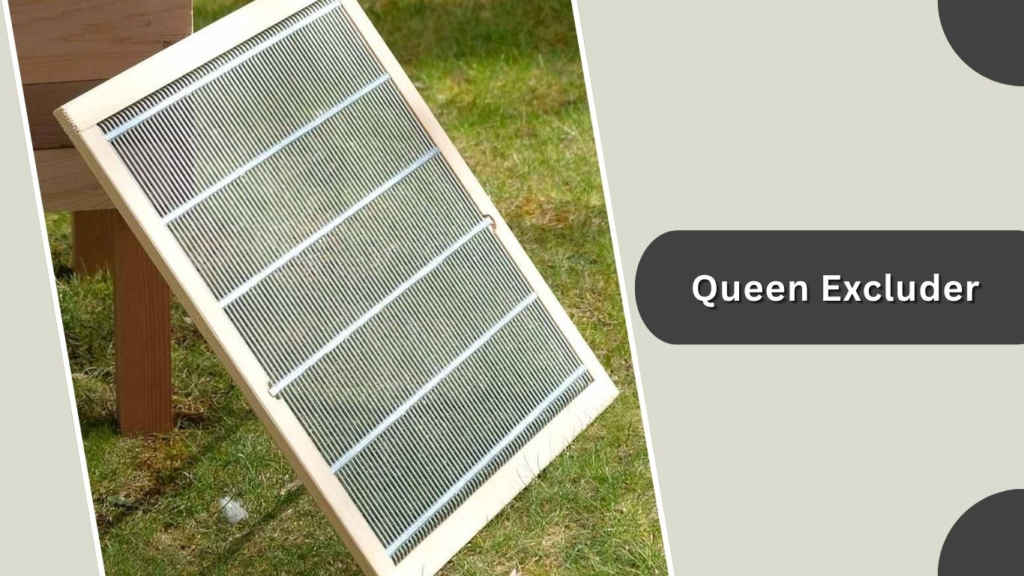
A queen excluder is a grid-like barrier placed inside the hive to prevent the queen bee from entering certain sections, usually the honey supers. This ensures that eggs are not laid in honey storage areas.
Types of Queen Excluders
Common types include metal excluders and plastic excluders. Metal ones are more durable, while plastic ones are lightweight and affordable.
Main Components
- Grid panel
- Frame or border
- Openings sized for worker bees
Uses in Beekeeping
It allows worker bees to pass through while keeping the queen confined, helping maintain clean honey production areas.
Maintenance Tips
Clean regularly to prevent clogging, check for damage, and ensure proper placement within the hive.
10. Feeder
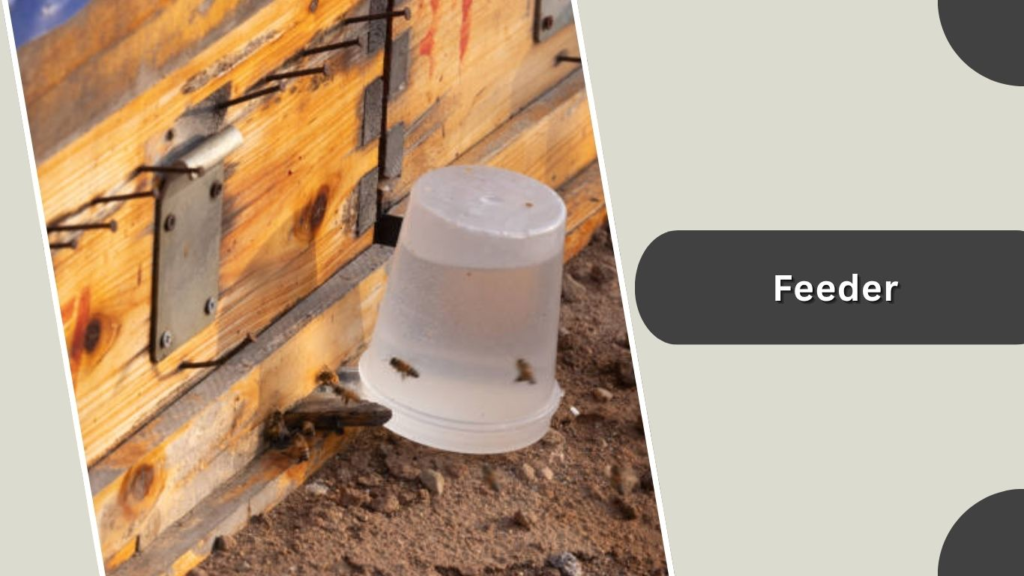
A feeder is used to provide supplemental food, usually sugar syrup, to bees when natural nectar sources are scarce.
Types of Feeders
Types include entrance feeders, top feeders, frame feeders, and bucket feeders. Each serves different feeding needs and hive setups.
Main Components
- Container for syrup
- Feeding access point
- Cover or lid
Uses in Beekeeping
Feeders help sustain bee colonies during off-seasons, droughts, or when establishing new hives.
Maintenance Tips
Clean thoroughly after use, prevent leakage, and refill regularly to ensure consistent food supply.
11. Honey Extractor
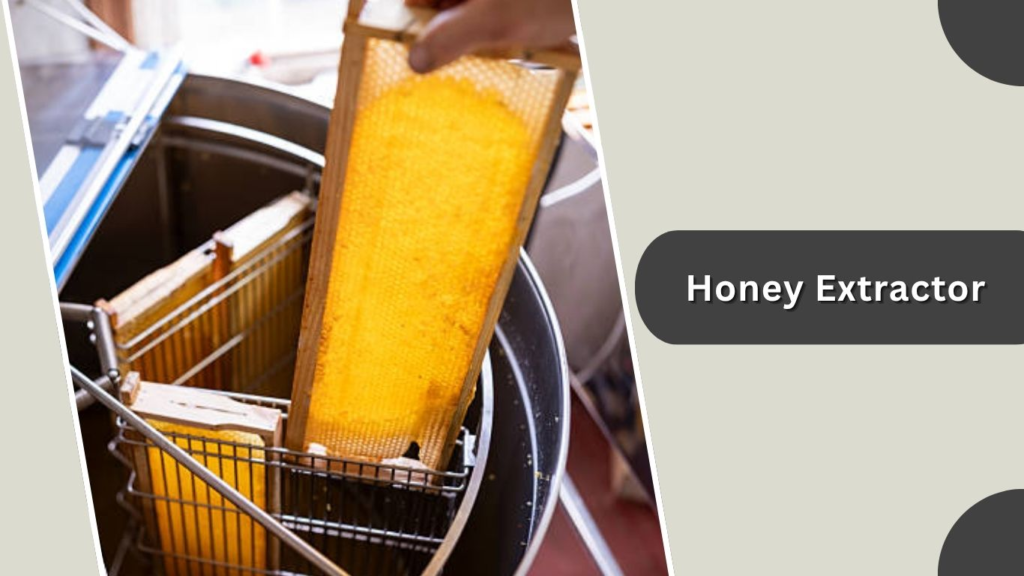
A honey extractor is a device used to remove honey from the comb without damaging it. It works by spinning the frames, using centrifugal force to pull out the honey.
Types of Honey Extractors
There are manual extractors and electric extractors. They can also be radial or tangential depending on how frames are placed.
Main Components
- Drum or tank
- Frame basket
- Crank or motor
- Honey gate (valve)
Uses in Beekeeping
It allows efficient honey harvesting while preserving the comb for reuse, saving time and effort.
Maintenance Tips
Clean thoroughly after each use, keep dry to prevent rust, and check moving parts regularly.
12. Uncapping Knife
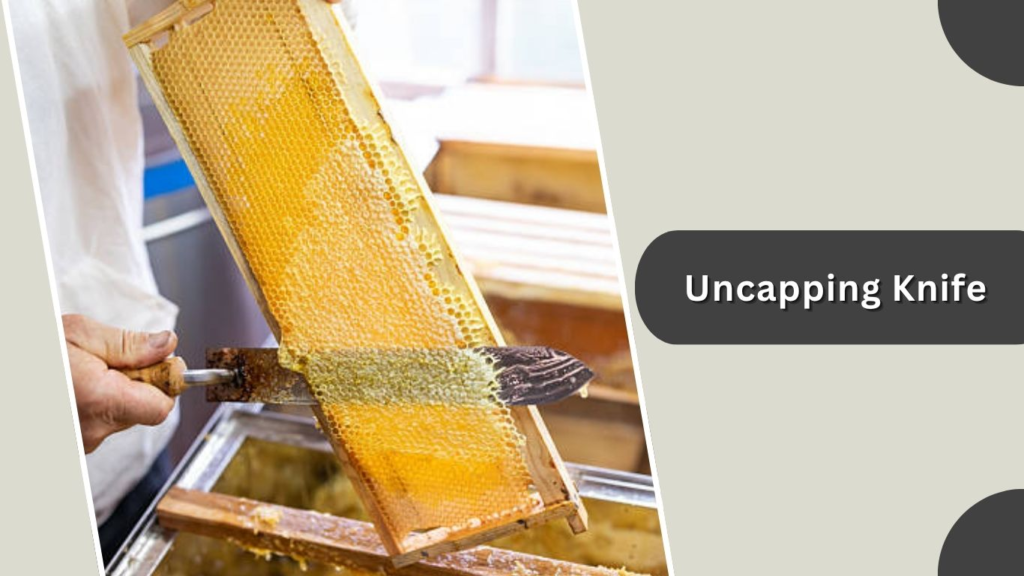
An uncapping knife is used to remove the wax layer (cappings) that seals honey inside the comb before extraction.
Types of Uncapping Knives
Types include heated knives (electric or steam) and standard manual knives.
Main Components
- Blade
- Handle
- Heating element (in heated knives)
Uses in Beekeeping
It helps open sealed honey cells so the honey can be extracted easily.
Maintenance Tips
Keep the blade clean and sharp, handle with care, and store safely after use.
