
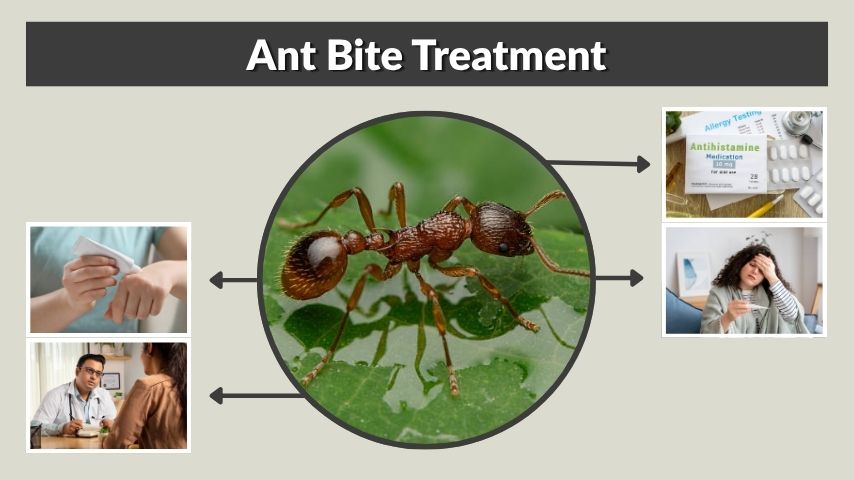
Ant bite treatment usually starts with simple first aid: move away from the ants, wash the skin, apply a cold compress, and avoid scratching. Most ant bites are mild and heal at home within a few days. Fire ant bites, red ant bites, swelling, blisters, allergic reactions, and bites on dogs may need extra care. The right treatment depends on the symptoms and how severe the reaction is.
What to Do Right After an Ant Bite
Quick care can reduce pain, itching, and swelling. The first step is to get away from the ants so you do not get bitten or stung again. If ants are still on your skin or clothing, brush them off quickly. Do not slap them against your skin, because this may make irritation worse.
After that, clean the bite area with soap and water. This helps remove dirt, venom residue, and bacteria from the skin. Pat the area dry with a clean towel.
First Steps for Fast Relief
Use these steps soon after the bite:
- Move away from the ant mound, nest, or trail
- Brush ants off your skin and clothing
- Wash the bite with soap and cool water
- Apply a cold compress for 10 to 20 minutes
- Elevate the bitten arm or leg if it is swollen
- Avoid scratching, rubbing, or popping blisters
These basic steps are useful for most ant bites, including red ant bites, black ant bites, and mild fire ant stings.
Best Ant Bite Treatment at Home
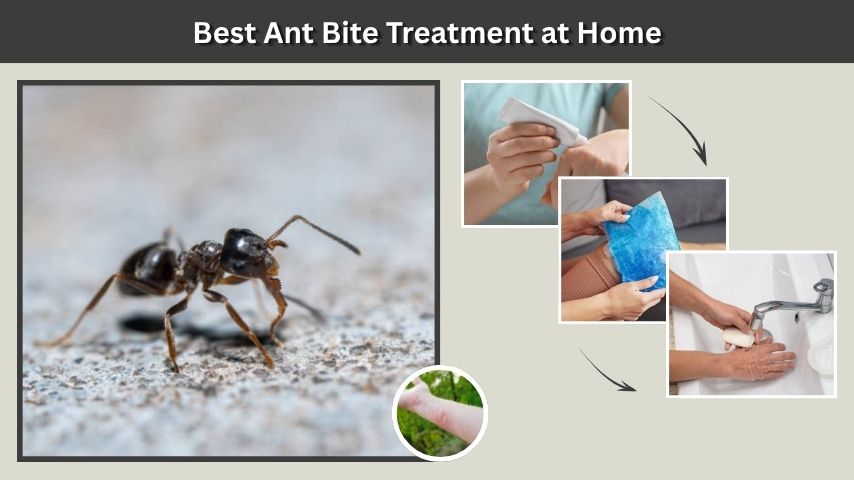
Most ant bites can be treated at home with basic care. The main goals are to calm itching, reduce swelling, control pain, and prevent infection.
A cold compress is one of the easiest treatments. Wrap ice or a cold pack in a cloth and place it on the bite. Do not put ice directly on the skin because it can cause irritation or cold injury.
If the bite is itchy, an over-the-counter hydrocortisone cream or calamine lotion may help. An oral antihistamine may also reduce itching, especially if there are several bites. For pain, an over-the-counter pain reliever may be helpful if it is safe for you to take.
Home Treatment Options
| Symptom | Helpful Treatment | Extra Tip |
| Itching | Hydrocortisone cream, calamine lotion, oral antihistamine | Avoid scratching to prevent infection |
| Swelling | Cold compress, elevation | Repeat cold compress several times daily |
| Pain or burning | Cold compress, pain reliever if suitable | Fire ant stings may burn at first |
| Blister or pustule | Keep clean and dry | Do not pop it |
| Mild redness | Soap, water, and monitoring | Seek help if redness spreads |
Treatment for Fire Ant Bites
Fire ant bites often need more attention than regular ant bites. Fire ants bite to grip the skin, then sting and inject venom. This can cause burning pain, swelling, itching, and small white pustules.
The best treatment for fire ant bites is to act quickly. Remove the ants, wash the area, apply a cold compress, and use anti-itch treatment if needed. Fire ant pustules may appear within about a day. They can look like small white pimples, but they should not be squeezed or popped.
Fire Ant Bite Treatment Steps
Follow this care routine:
- Brush off all ants immediately
- Wash the skin with soap and water
- Apply a cold compress to reduce burning and swelling
- Use hydrocortisone cream for itching if suitable
- Consider an oral antihistamine for stronger itching
- Keep pustules clean and dry
- Watch for infection or allergic symptoms
Fire ant bites often appear in clusters. If you have many stings, severe swelling, dizziness, trouble breathing, or widespread hives, seek medical help right away.
Red Ant Bites Treatment
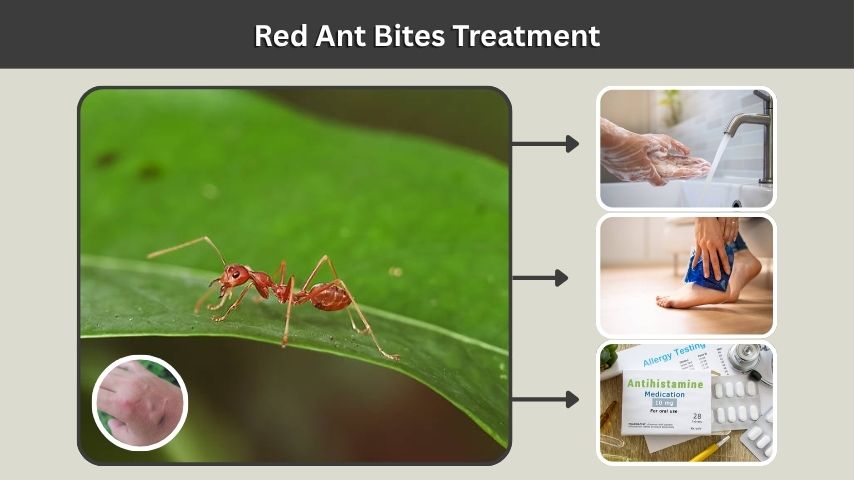
Red ant bites treatment is similar to fire ant bite treatment, especially if the “red ants” are actually fire ants. The bite may sting, itch, swell, or turn red. Some bites stay small, while others develop a blister-like spot.
Start with soap and water. Then use a cold compress for swelling. If itching is strong, hydrocortisone cream, calamine lotion, or an antihistamine may help. Do not scratch the bite, even if it feels very itchy.
When Red Ant Bites Need More Care
Red ant bites may need medical attention if:
- Swelling keeps spreading
- Pain gets worse after the first day
- The bite becomes hot or filled with pus
- You develop fever or chills
- You feel dizzy, weak, or short of breath
- Hives spread beyond the bite area
A mild local reaction is common, but whole-body symptoms are not normal and should be treated seriously.
Ant Bite Swelling Treatment
Swelling is one of the most common ant bite symptoms. Mild swelling around the bite is usually normal. It may last a day or two, especially if the bite is scratched or rubbed.
For swelling, use a cold compress and raise the affected area if possible. For example, if the bite is on your foot, lie down and elevate your leg. This may help reduce fluid buildup.
How to Reduce Swelling
Try these simple steps:
- Apply a cold compress for 10 to 20 minutes
- Repeat several times a day
- Elevate the affected limb
- Avoid tight shoes, socks, or jewelry near the bite
- Do not scratch or squeeze the bite
- Use an antihistamine if swelling is linked with itching
Large swelling can happen with allergic local reactions. However, swelling of the lips, tongue, throat, eyelids, or face needs urgent care, especially if breathing feels difficult.
Ant Bite Blister Treatment
Fire ant bites often form small white pustules or blister-like bumps. These can be uncomfortable, but they are a common reaction to fire ant venom. The most important rule is not to pop them.
Popping a blister can open the skin and increase the risk of infection. Instead, keep the area clean and dry. If the blister breaks on its own, gently wash the area with soap and water and cover it with a clean bandage.
How to Care for Ant Bite Blisters
Use this approach:
- Leave the blister alone if it is intact
- Wash gently with soap and water
- Keep the area dry and clean
- Cover with a clean bandage if clothing rubs it
- Do not squeeze out fluid
- Watch for spreading redness, pus, warmth, or pain
If a blister becomes very painful, leaks pus, or has red streaks around it, contact a healthcare provider.
Natural Treatment for Ant Bites
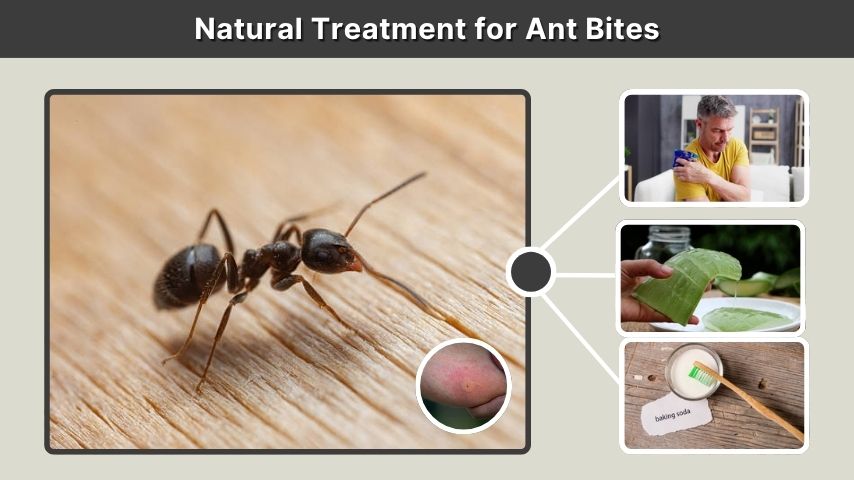
Many people search for natural treatment for ant bites. Some simple home methods may soothe mild irritation, but they should not replace medical care for severe reactions.
A cool compress is the safest natural option. A paste made with baking soda and water is sometimes used for itching, but it can irritate sensitive skin. Aloe vera gel may feel soothing for some people. Avoid harsh remedies like bleach, alcohol, toothpaste, or strong essential oils, because they can burn or irritate the skin.
Safer Home Remedies
For mild ant bites, you may try:
- Cool compresses
- Aloe vera gel
- Oatmeal bath for widespread itching
- Baking soda paste for short-term itch relief
- Gentle soap and water cleaning
Stop using any home remedy if it causes burning, rash, or more redness.
Ant Bite Treatment Creams and Medicines
The best ant bite treatment cream depends on the symptom. For itching, hydrocortisone cream or calamine lotion is commonly used. For pain, a cold compress may be enough, though some people use over-the-counter pain relievers.
Antibiotic creams are not always needed for a normal ant bite. They may be considered if the skin is broken, but infected bites should be checked by a healthcare provider. Do not use prescription steroid creams or antibiotics unless a clinician recommends them.
Common Treatment Products
Helpful options may include:
- Hydrocortisone cream for itching and inflammation
- Calamine lotion for itch relief
- Oral antihistamines for stronger itching
- Pain relievers for soreness, if safe for you
- Plain bandages to protect irritated skin
Always follow product labels, especially for children, babies, pregnant people, older adults, or anyone with medical conditions.
Ant Bites on Dogs Treatment
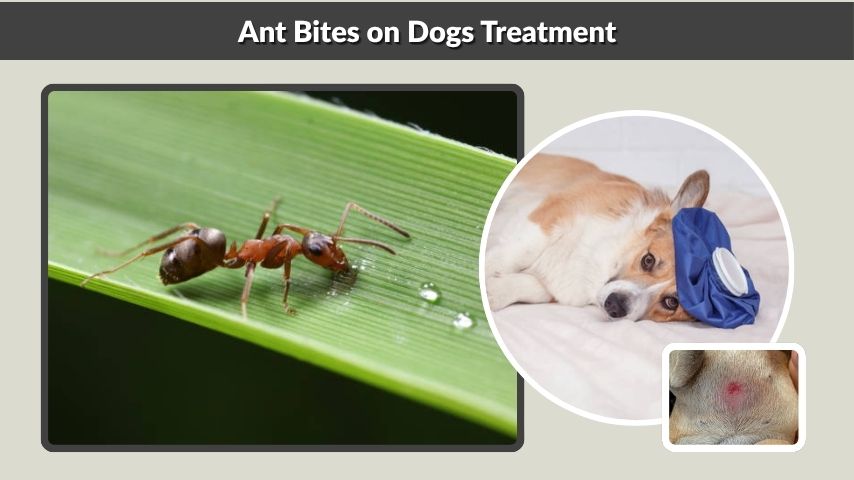
Ant bites on dogs can cause licking, chewing, swelling, redness, limping, or sudden discomfort. Bites often happen on paws, legs, belly, nose, or mouth area. Fire ants can sting dogs multiple times, especially if a dog steps on a mound.
Move your dog away from the ants first. Check the paws, belly, and face. Brush off any ants. You can gently clean the area with mild soap and water. A cold compress may help swelling if your dog allows it.
What to Do for Dogs
Use these basic steps:
- Move your dog away from the ant area
- Brush ants off the coat and paws
- Check between the toes and paw pads
- Clean mild bites with water
- Use a cold compress for swelling
- Stop your dog from licking or chewing the bites
- Call a vet if symptoms are severe
Do not give human antihistamines, painkillers, essential oils, or creams to your dog unless a veterinarian says it is safe. Some human medicines can be dangerous for pets.
Allergic Reaction to Ant Bites Treatment
An allergic reaction can be mild or severe. Mild reactions may cause a larger itchy welt near the bite. Severe reactions can affect breathing, blood pressure, or the whole body.
Emergency symptoms include trouble breathing, wheezing, swelling of the throat or tongue, dizziness, fainting, chest tightness, confusion, or widespread hives. These symptoms can signal anaphylaxis and need emergency care.
Emergency Warning Signs
Get urgent help if ant bites cause:
- Trouble breathing
- Swelling of the lips, tongue, throat, or face
- Dizziness or fainting
- Widespread hives
- Chest tightness
- Rapid heartbeat
- Severe weakness or confusion
People with known severe insect-sting allergies may be prescribed epinephrine. If epinephrine is used, emergency care is still needed afterward.
Infected Ant Bite Treatment
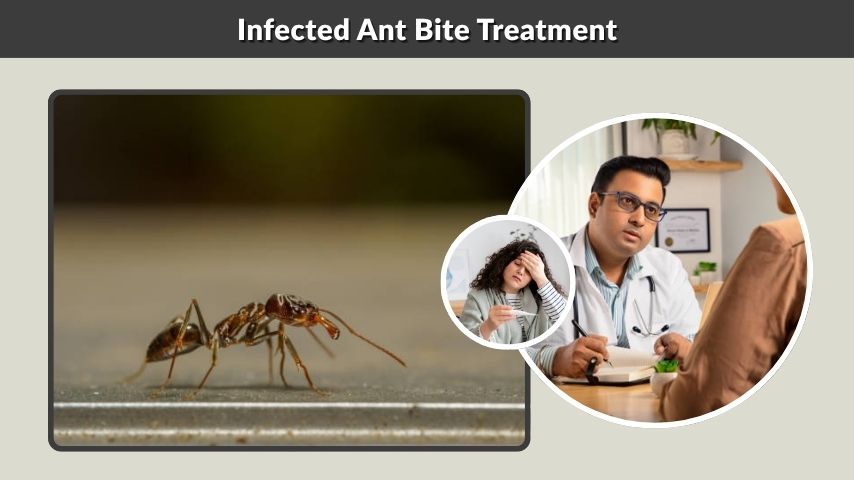
An infected ant bite may look worse instead of better. It may become more painful, swollen, warm, red, or filled with pus. Red streaks, fever, or chills are more serious signs.
Infection is more likely when bites are scratched, picked, or popped. Fire ant pustules can also become infected if opened. Keep bites clean and avoid breaking the skin.
Signs a Bite May Be Infected
Watch for:
- Spreading redness
- Increasing warmth
- Worsening pain
- Yellow or green drainage
- Swelling that keeps growing
- Fever or chills
- Red streaks moving away from the bite
A healthcare provider may recommend prescription treatment if infection is present. Do not try to drain an infected bite at home.
Treatment for Ant Bites on Babies and Children
Children may scratch ant bites more aggressively, which increases the risk of infection. For mild bites, wash the area with soap and water and apply a cold compress. Keep nails short and consider covering bites with clean clothing or a bandage.
Use creams or oral medicines only according to age directions on the label or advice from a healthcare provider. Babies and young children need extra caution because their skin is sensitive and reactions may be harder to judge.
Seek medical care if a child has many bites, swelling near the eyes or mouth, fever, signs of infection, or any breathing problems.
When to See a Doctor for Ant Bite Treatment
Most ant bites do not need a doctor. However, some reactions are more serious. Medical care is important when symptoms spread, worsen, or affect the whole body.
You should also be careful with bites on the eyelid, lip, mouth, or throat area. Swelling in these areas can become more concerning than swelling on an arm or leg.
Get Medical Help If
Contact a healthcare provider if:
- Swelling is severe or spreading
- Pain gets worse after 24 to 48 hours
- The bite has pus or red streaks
- You develop fever or chills
- The bite is near the eye or mouth
- A baby has multiple bites
- You have diabetes, immune problems, or poor wound healing
- Symptoms do not improve after several days
Call emergency services for breathing trouble, throat swelling, fainting, or widespread allergic symptoms.
How to Prevent Ant Bites
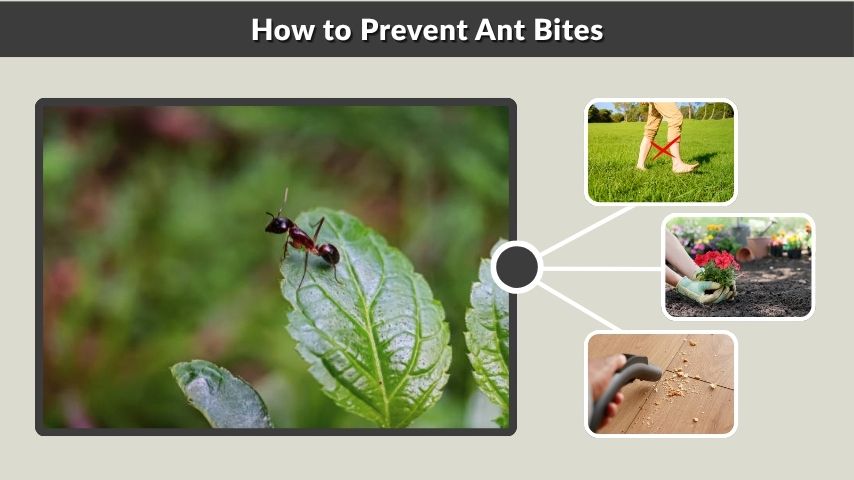
Prevention matters because ant bites can happen quickly, especially outdoors. Fire ants are often found in mounds, lawns, parks, gardens, and warm outdoor areas. Dogs and children may accidentally step on nests.
Wear shoes outside, especially in grassy areas. Use gloves when gardening. Check outdoor play areas before children or pets use them. Avoid standing near ant mounds, and do not disturb nests.
Prevention Tips
To reduce ant bites:
- Wear closed-toe shoes outdoors
- Avoid walking barefoot in grass
- Use gloves when gardening
- Check pet areas and play areas
- Keep food sealed outdoors
- Clean crumbs and spills quickly
- Watch for ant trails near doors and patios
- Treat ant infestations safely and promptly
If ants are repeatedly entering your home or yard, consider safe pest control options, especially if children, pets, or allergic individuals are present.
FAQs
What is the best treatment for ant bites?
The best treatment for mild ant bites is washing the area with soap and water, applying a cold compress, and avoiding scratching. Hydrocortisone cream, calamine lotion, or an oral antihistamine may help itching. Severe swelling, infection signs, or allergic symptoms need medical care.
How do you treat fire ant bites at home?
For fire ant bites, brush off the ants, wash the area, and use a cold compress to reduce burning and swelling. Hydrocortisone cream or an antihistamine may help itching. Do not pop fire ant pustules. Seek urgent help for breathing trouble, facial swelling, or widespread hives.
What helps ant bite swelling go down?
A cold compress and elevation can help ant bite swelling go down. Apply the compress for 10 to 20 minutes at a time and repeat as needed. Avoid scratching, tight clothing, or squeezing the bite. If swelling spreads quickly or affects the face or throat, seek urgent care.
What is the treatment for ant bites on dogs?
Move the dog away from ants, brush off the insects, check the paws and belly, and gently clean mild bites. A cold compress may help swelling. Stop licking or chewing if possible. Contact a vet for facial swelling, vomiting, breathing trouble, weakness, many stings, or severe pain.
Do ant bite blisters need treatment?
Ant bite blisters, especially from fire ants, usually need gentle care rather than popping. Keep them clean and dry, and cover them if clothing rubs the area. Do not squeeze them. If a blister becomes painful, drains pus, spreads redness, or causes fever, seek medical advice.
