
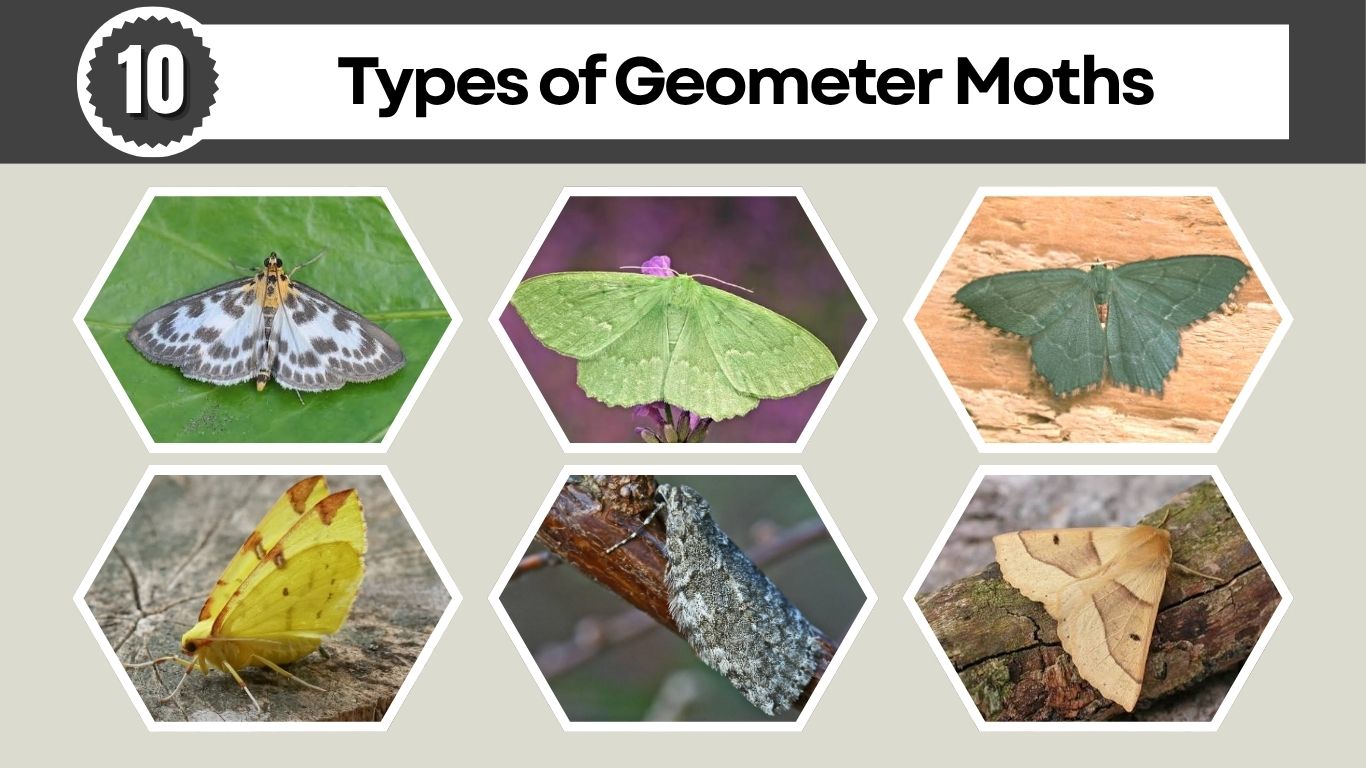
Geometer moths are fascinating insects best known for their slender bodies, patterned wings, and inchworm caterpillars. Their larvae move with a distinctive looping motion and often resemble twigs, stems, or leaves for protection. Adults range from the speckled peppered moth to brilliant green emerald moths. Explore 10 types of geometer moths and learn about their characteristics, habitats, diets, behaviors, and life cycles.
1. Peppered Moth
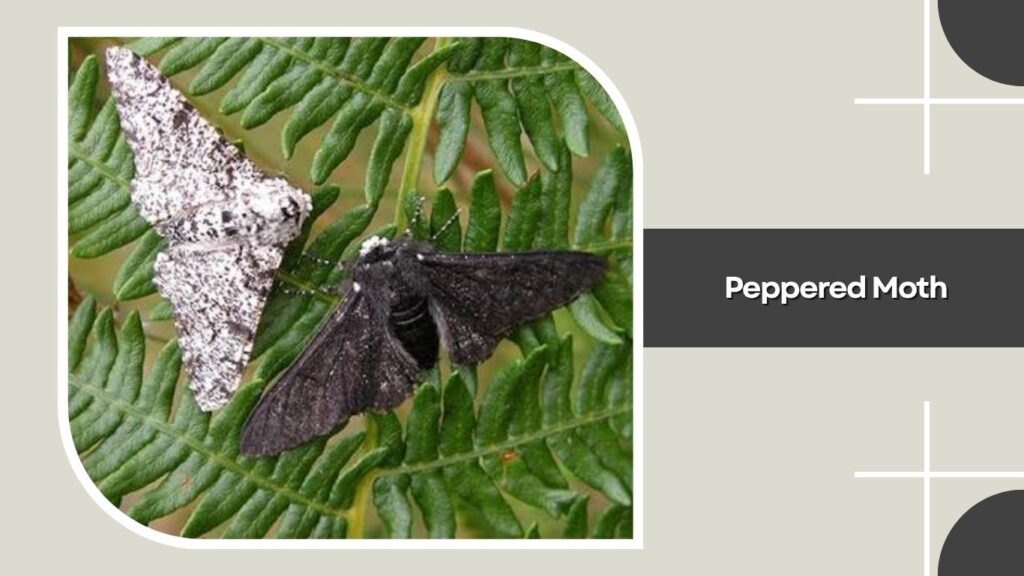
The peppered moth (Biston betularia) is one of the best-known geometer moths because of its role in studies of natural selection. Its pale wings are normally covered with black speckles, providing camouflage on lichen-covered bark. Some populations also include almost entirely black individuals known as melanic forms.
Characteristics
- Wingspan: Approximately 1.8–2.5 inches
- Typical color: White or pale gray with black speckles
- Melanic form: Dark gray or almost completely black
- Body: Thick and covered with short hairs
- Resting posture: Wings spread flat against tree bark
- Caterpillar: Brown or green with a twig-like appearance
- Movement: Caterpillar moves with a looping or inchworm motion
Habitat and Distribution
Peppered moths occur across Europe, Asia, and North America. They inhabit deciduous forests, parks, gardens, woodland edges, and urban areas containing mature trees.
During the day, adults rest on tree trunks, branches, or other sheltered surfaces. Their coloring helps them blend into bark and avoid detection by birds.
Behavior and Diet
Adults are nocturnal and are frequently attracted to artificial lights. The different light and dark forms become more or less visible depending on the color and texture of their resting surfaces.
The caterpillars feed on birch, willow, oak, alder, and various other deciduous trees. Their slender bodies and rigid resting positions make them closely resemble small twigs.
Life Cycle and Reproduction
Females lay eggs on the bark and leaves of suitable host trees. The caterpillars hatch, begin feeding, and pass through several growth stages.
Mature larvae descend to the ground and pupate in soil or leaf litter. The species normally overwinters as a pupa. Adults emerge during late spring or summer, generally producing one generation each year.
2. Winter Moth
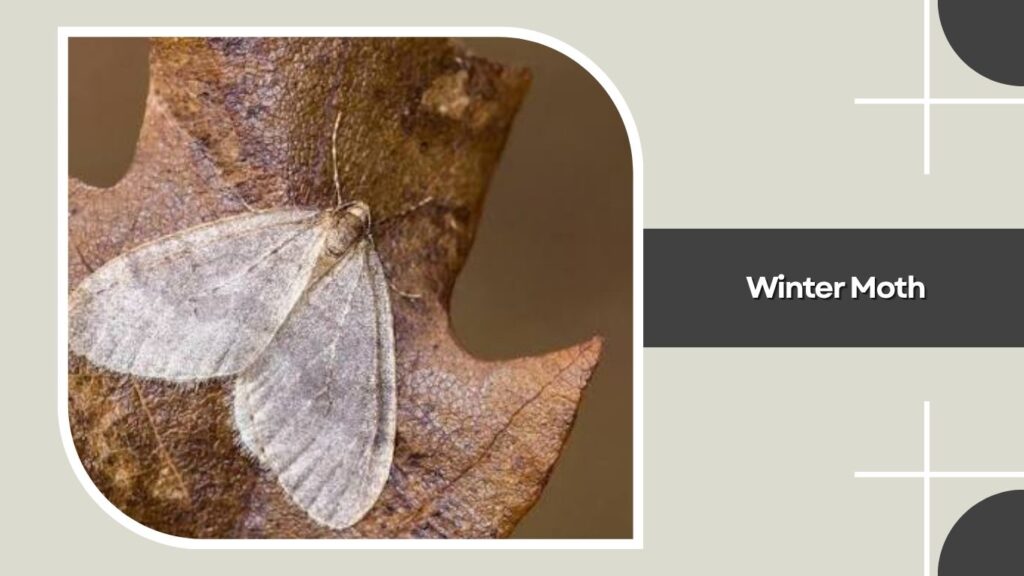
The winter moth (Operophtera brumata) is an unusual geometer moth that becomes active during late autumn and early winter. Males have fully developed wings, while females have extremely reduced wings and cannot fly. Its caterpillars can damage trees by feeding on developing buds and young leaves.
Characteristics
- Male wingspan: Approximately 0.9–1.2 inches
- Male color: Grayish-brown with darker wavy bands
- Female appearance: Gray-brown with very short wings
- Female movement: Walks up tree trunks instead of flying
- Adult activity: Late autumn through winter
- Caterpillar: Pale green with white lengthwise stripes
- Movement: Uses the typical looping geometer motion
Habitat and Distribution
Winter moths are native to Europe and parts of Asia. They have been introduced into northeastern North America, where they can become serious pests.
They inhabit deciduous forests, orchards, parks, gardens, and suburban landscapes. Adults can remain active during cold weather when most other moth species are absent.
Behavior and Diet
Male moths fly after dark while searching for females and may gather around outdoor lights. Wingless females climb tree trunks and release pheromones to attract males.
The caterpillars feed on oak, maple, apple, cherry, blueberry, and numerous other plants. They enter swelling buds in early spring and later consume flowers and expanding leaves.
Life Cycle and Reproduction
After mating, females lay clusters of eggs in cracks in tree bark. The eggs remain dormant throughout winter and hatch when tree buds begin opening in spring.
Caterpillars feed for several weeks before dropping to the ground. They pupate in the soil during late spring and remain there until adults emerge near the end of the year.
3. Brimstone Moth
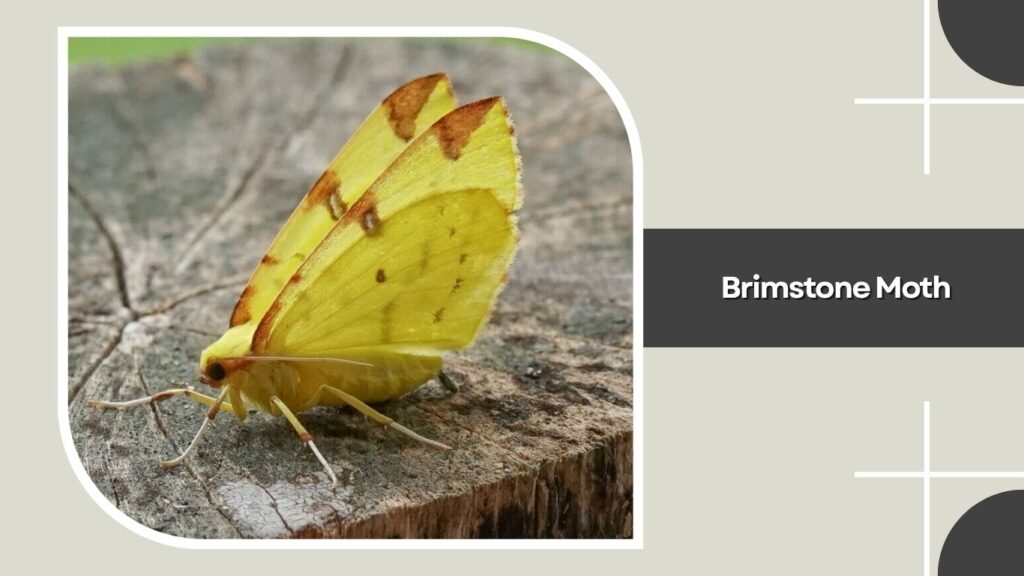
The brimstone moth (Opisthograptis luteolata) is a bright yellow geometer moth with brownish-red spots along the edges of its wings. Its name refers to the sulfur-yellow color of the adult. The moth is relatively easy to recognize and may occur in gardens, hedgerows, and woodland habitats.
Characteristics
- Wingspan: Approximately 1.1–1.7 inches
- Wing color: Bright lemon-yellow
- Markings: Brown or reddish spots along the front wing edges
- Wing shape: Broad with pointed forewing tips
- Body: Slender and yellow
- Caterpillar: Brown or green and shaped like a twig
- Activity: Primarily nocturnal
Habitat and Distribution
Brimstone moths occur throughout Europe and extend into parts of North Africa and western Asia. They inhabit gardens, orchards, hedgerows, scrublands, parks, and deciduous woodland edges.
Adults may appear from spring through autumn because the species can produce multiple generations. They frequently visit outdoor lights after sunset.
Behavior and Diet
Adults remain hidden among vegetation during daylight and fly at night. Their bright yellow color can blend surprisingly well with fresh or fading leaves.
The caterpillars feed on hawthorn, blackthorn, rowan, apple, pear, and other trees and shrubs. Their angular bodies and rigid resting posture allow them to resemble broken twigs.
Life Cycle and Reproduction
Females lay eggs individually or in small numbers on caterpillar host plants. After hatching, the larvae feed on leaves and develop through several stages.
Mature caterpillars form fragile silk cocoons among leaves or plant debris. The species usually overwinters as a pupa. Two or more generations may develop annually when temperatures are favorable.
4. Common Emerald Moth
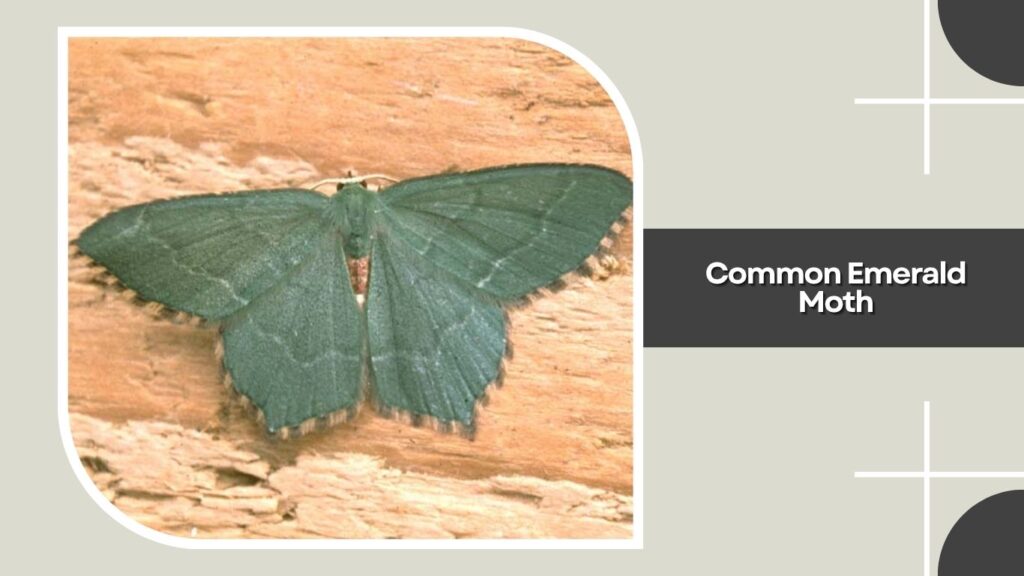
The common emerald moth (Hemithea aestivaria) is an attractive green geometer moth with pale, wavy lines crossing its wings. Newly emerged adults have vivid green coloring, but this may fade as they age. The scalloped wing edges have a distinctive checkered fringe that helps separate this species from similar emerald moths.
Characteristics
- Wingspan: Approximately 1.1–1.4 inches
- Wing color: Bright green when freshly emerged
- Wing lines: Two pale, wavy lines across each forewing
- Wing edges: Scalloped with a checkered fringe
- Body: Slender and green
- Caterpillar: Brownish-green with small projections
- Camouflage: Resembles a twig or plant stem
Habitat and Distribution
Common emerald moths are found across Europe and parts of western Asia. They inhabit woodland edges, hedgerows, gardens, parks, scrublands, and areas containing mature shrubs.
Adults normally appear during summer. They rest among green leaves during the day and become active after sunset.
Behavior and Diet
Adults fly primarily at night and may visit artificial lights. Their green wings provide camouflage among foliage, although the color gradually becomes paler or more yellowish with age.
The caterpillars feed on hawthorn, blackthorn, oak, hazel, birch, and several other woody plants. They may attach pieces of leaves to their bodies, strengthening their camouflage.
Life Cycle and Reproduction
Females place eggs on the leaves and stems of suitable shrubs and trees. The young caterpillars hatch and begin feeding before colder weather arrives.
Larvae overwinter while still small and resume feeding in spring. Mature caterpillars pupate inside loose silk structures among leaves. Adults emerge in summer, generally completing one generation each year.
5. Large Emerald Moth
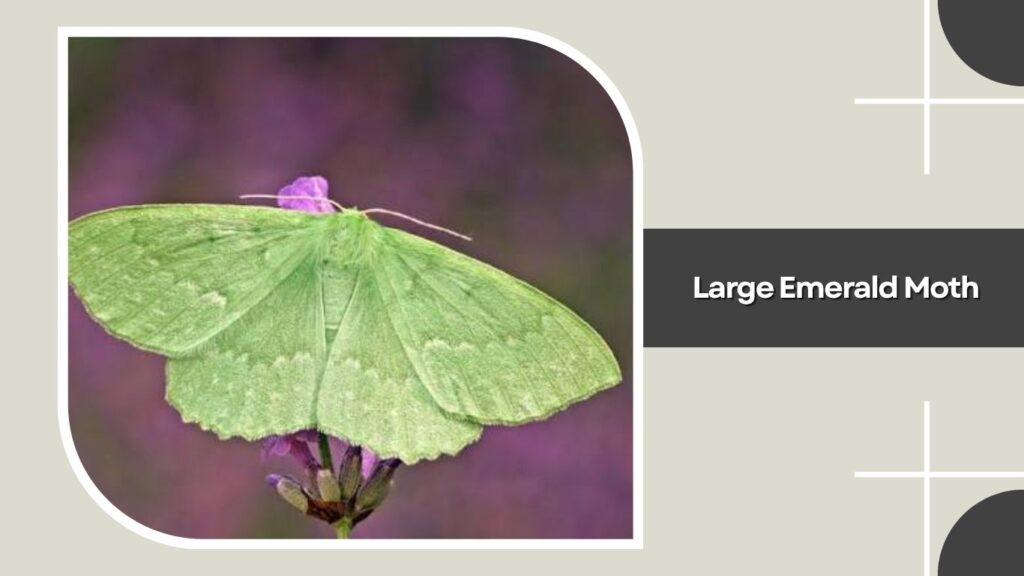
The large emerald moth (Geometra papilionaria) is a striking green geometer moth found in woodland environments. Its broad wings are crossed by thin, irregular white lines that resemble leaf veins. The combination of color and pattern allows the adult to blend remarkably well with fresh foliage.
Characteristics
- Wingspan: Approximately 1.8–2.4 inches
- Wing color: Bright green
- Wing lines: Thin, broken white lines
- Wing shape: Broad with slightly angular edges
- Body: Slender and green
- Caterpillar: Brownish-green with small projections
- Resting appearance: Resembles a leaf with visible veins
Habitat and Distribution
Large emerald moths occur throughout much of Europe and extend into parts of Asia. They favor deciduous forests, woodland clearings, heathlands, parks, and gardens containing birch trees.
Adults are generally observed from early to late summer. They remain motionless among leaves during daylight and may be attracted to outdoor lighting after dark.
Behavior and Diet
Adults fly at night and depend on their green coloration for protection while resting. If disturbed, they usually fly a short distance before settling among foliage again.
The caterpillars primarily feed on birch leaves, although they may occasionally use other deciduous trees. Their irregular shape and twig-like resting position make them difficult for predators to detect.
Life Cycle and Reproduction
Females lay eggs on the leaves and small branches of host trees. Young caterpillars feed during late summer and autumn before entering a dormant period.
The larvae overwinter while attached to twigs, where their appearance provides excellent camouflage. They resume feeding in spring, pupate among leaves, and emerge as adults during summer.
6. Magpie Moth
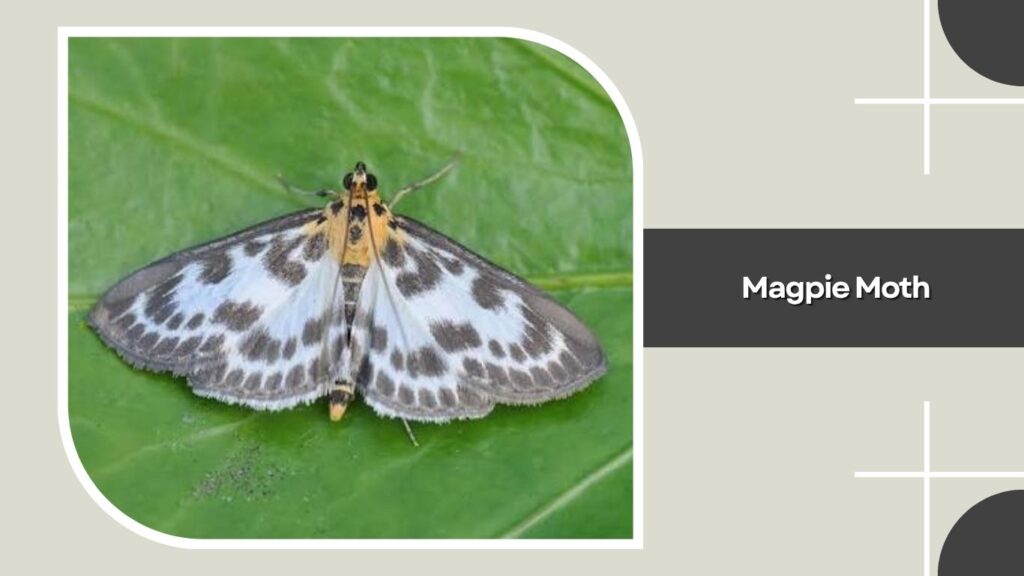
The magpie moth (Abraxas grossulariata) is a distinctive geometer moth with white wings covered in black spots and yellow-orange bands. Its bold pattern resembles the contrasting plumage of a magpie bird. Unlike many camouflaged geometer moths, this species uses warning coloration to discourage predators.
Characteristics
- Wingspan: Approximately 1.4–2 inches
- Wing color: White or cream
- Markings: Numerous irregular black spots
- Wing bands: Yellow-orange markings across the wings
- Body: Yellow with black spots
- Caterpillar: White with black spots and orange markings
- Activity: Mainly nocturnal but occasionally active during daylight
Habitat and Distribution
Magpie moths occur throughout Europe and extend into parts of temperate Asia. They inhabit gardens, hedgerows, woodland edges, parks, orchards, and scrublands.
The species is particularly associated with areas containing gooseberry and currant bushes. Adults normally appear from early through late summer.
Behavior and Diet
Adults may rest openly on leaves during daylight because their warning pattern helps discourage predators. They fly mainly after dark and may visit artificial lights.
The caterpillars feed on gooseberry, currant, blackthorn, hawthorn, hazel, and spindle. They can remove considerable foliage from cultivated berry bushes when present in large numbers.
Life Cycle and Reproduction
Females lay groups of eggs on the undersides of host-plant leaves. The caterpillars hatch during summer and begin feeding on nearby foliage.
Young larvae normally overwinter among vegetation and resume feeding in spring. Mature caterpillars create light silk cocoons attached to leaves or stems. Adults emerge during summer, usually producing one generation each year.
7. Mottled Umber Moth
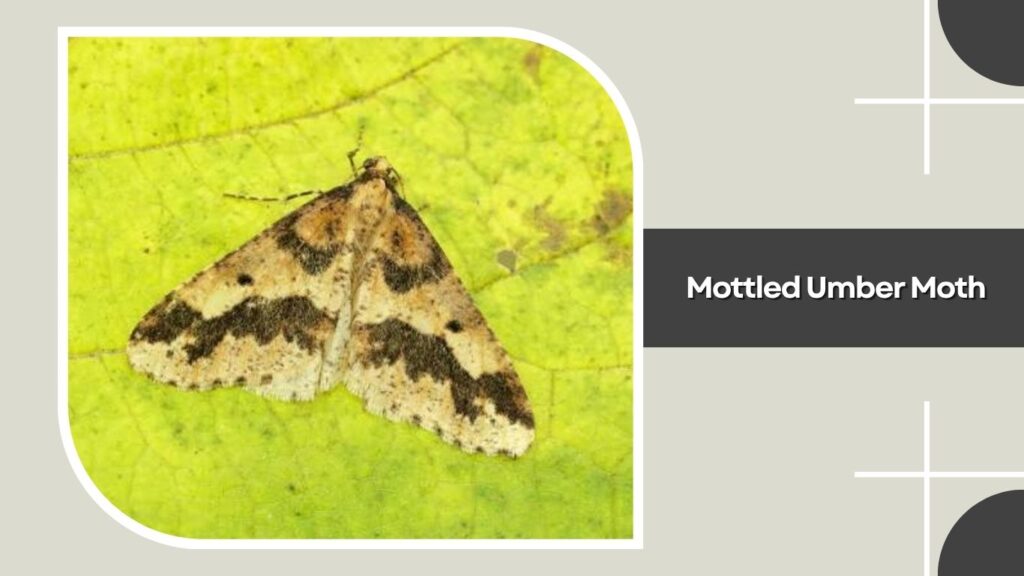
The mottled umber moth (Erannis defoliaria) is a highly variable woodland geometer moth. Males possess fully developed wings with brown and yellow patterns, while females are almost wingless. The caterpillar feeds on numerous deciduous trees and can occasionally cause noticeable defoliation.
Characteristics
- Male wingspan: Approximately 1.5–2 inches
- Male forewings: Yellowish-brown with dark wavy bands
- Male hindwings: Pale cream or yellowish
- Female appearance: Gray-brown with extremely reduced wings
- Female movement: Walks along tree trunks and branches
- Caterpillar: Brown, yellow, or reddish with dark side stripes
- Adult season: Late autumn and early winter
Habitat and Distribution
Mottled umber moths occur across Europe and into parts of western Asia. They inhabit deciduous forests, orchards, parks, gardens, hedgerows, and wooded suburban areas.
Adults become active during late autumn and early winter. They can continue moving and mating during cold weather when few other moth species are visible.
Behavior and Diet
Male moths fly after sunset and are attracted to outdoor lights. Wingless females climb trees and release pheromones that allow males to locate them.
The caterpillars feed on oak, birch, willow, hawthorn, apple, hazel, and many other trees. They eat buds and young leaves during spring and may become minor orchard or woodland pests.
Life Cycle and Reproduction
After mating, females place clusters of eggs in bark cracks or near tree buds. The eggs remain dormant throughout winter and hatch during spring.
Caterpillars feed on new foliage before descending to the ground. They pupate in the soil and remain underground until adults emerge in late autumn. One generation is completed annually.
8. November Moth
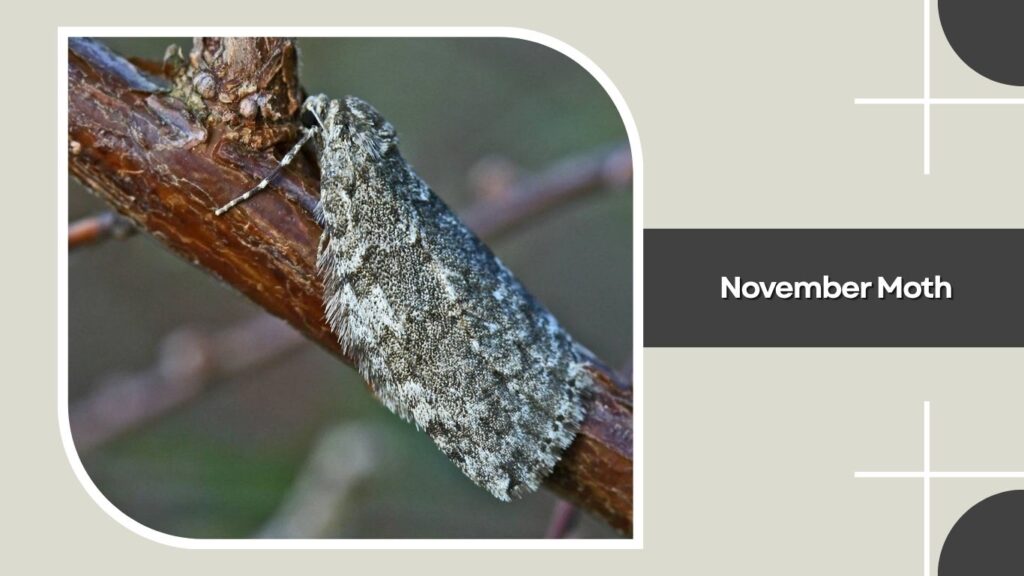
The November moth (Epirrita dilutata) is a gray-brown geometer moth that flies during autumn. It belongs to a group of closely related species that can be extremely difficult to separate by appearance alone. Its subtle markings provide effective camouflage on tree bark and fallen leaves.
Characteristics
- Wingspan: Approximately 1.3–1.8 inches
- Forewings: Gray or gray-brown
- Wing pattern: Dark, wavy crosslines and central bands
- Hindwings: Pale gray with faint markings
- Body: Slender and grayish
- Caterpillar: Pale green with darker lengthwise lines
- Adult season: Primarily October and November
Habitat and Distribution
November moths are widespread across Europe and parts of western Asia. They inhabit deciduous forests, parks, gardens, hedgerows, orchards, and urban environments containing mature trees.
Adults generally fly from September through November. Their coloring allows them to blend with tree trunks and autumn vegetation during daylight.
Behavior and Diet
Adults fly at night and may gather near artificial lights. They rest quietly during the day with their wings spread against bark or other flat surfaces.
The caterpillars feed on oak, birch, hawthorn, hazel, willow, apple, and other deciduous trees. They consume young leaves during spring but rarely cause serious damage under normal conditions.
Life Cycle and Reproduction
Females place eggs on the twigs and bark of host trees. The eggs survive winter and hatch when new leaves become available during spring.
Caterpillars feed for several weeks before descending to the ground. They pupate in soil or leaf litter and remain in that stage throughout summer. Adults emerge during autumn, completing one generation per year.
9. Scalloped Oak Moth
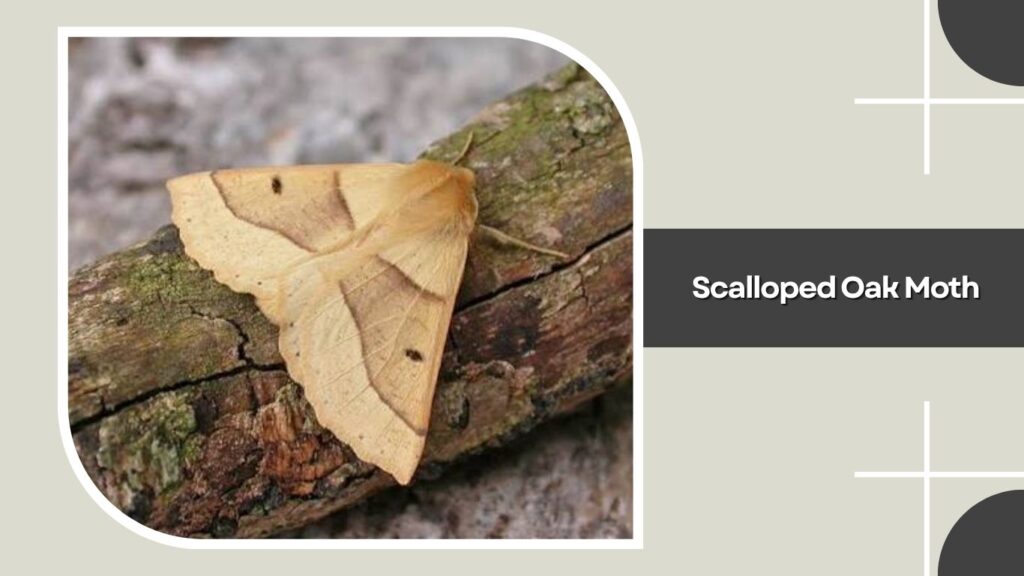
The scalloped oak moth (Crocallis elinguaria) is a warm brown geometer moth with curved wing edges and a darker central band. Despite its common name, the caterpillar feeds on many trees and shrubs rather than only oak. Its twig-like body provides exceptional camouflage.
Characteristics
- Wingspan: Approximately 1.3–1.8 inches
- Wing color: Golden-brown, tan, or reddish-brown
- Central band: Broad, darker band across both forewings
- Wing edges: Curved and slightly scalloped
- Body: Slender and brown
- Caterpillar: Long, brown, and strongly twig-like
- Activity: Nocturnal
Habitat and Distribution
Scalloped oak moths occur across Europe and extend into parts of western Asia. They inhabit woodland, heathland, hedgerows, gardens, parks, scrubland, and coastal habitats.
Adults normally appear during midsummer. They rest among leaves, twigs, or dry vegetation during daylight and become active after dark.
Behavior and Diet
Adults fly at night and frequently approach artificial lights. Their warm brown coloring and wing pattern help them resemble a dead leaf while resting.
The caterpillars eat oak, birch, willow, hawthorn, blackthorn, bramble, and numerous other woody plants. They hold their bodies rigidly away from branches to imitate small twigs.
Life Cycle and Reproduction
Females lay eggs on stems and branches of suitable host plants. The eggs remain dormant through winter and hatch during the following spring.
Caterpillars feed on new foliage and grow through several stages. Mature larvae pupate in loose cocoons among fallen leaves or close to the soil. Adults emerge in summer, producing one generation annually.
10. Tulip-Tree Beauty Moth
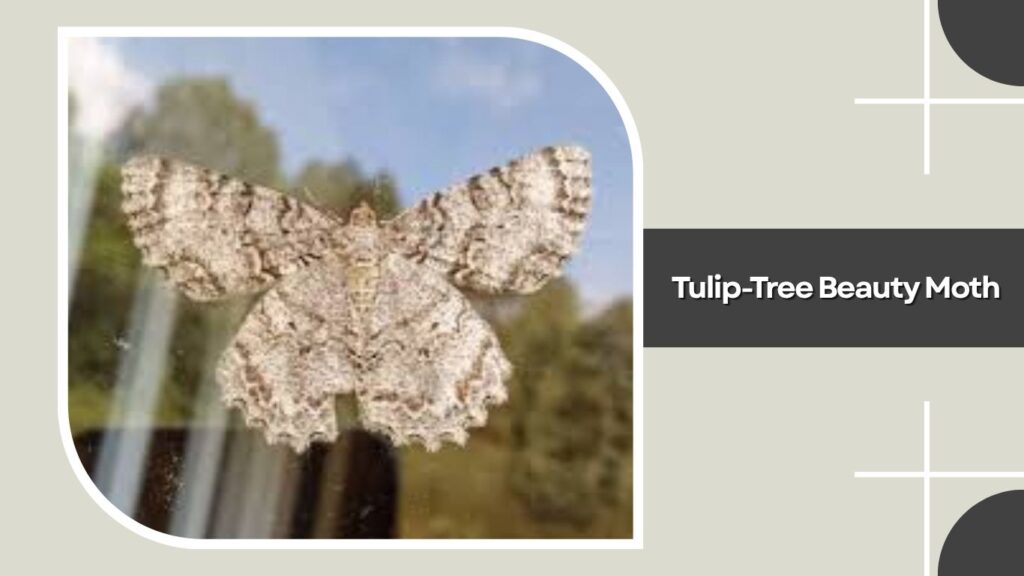
The tulip-tree beauty moth (Epimecis hortaria) is a large North American geometer moth with complex gray, brown, and black wing patterns. Its markings resemble tree bark and lichen, making the resting adult difficult to notice. The caterpillar has an unusual angular shape that closely imitates a broken twig.
Characteristics
- Wingspan: Approximately 1.6–2.2 inches
- Wing color: Pale gray or brownish-gray
- Markings: Wavy black and brown lines across all four wings
- Wing shape: Broad with gently curved edges
- Body: Slender and gray-brown
- Caterpillar: Brown, knobby, and shaped like a twig
- Resting posture: Wings held flat against bark
Habitat and Distribution
Tulip-tree beauty moths occur throughout eastern North America, from southern Canada into parts of the southern United States. They inhabit deciduous forests, wooded parks, gardens, and suburban areas.
They are especially associated with environments containing tulip trees, magnolias, and other caterpillar host plants. Adults are typically seen from spring through summer.
Behavior and Diet
Adults fly at night and may be attracted to outdoor lights. During daylight, they rest on tree trunks, where their intricate markings blend closely with bark and patches of lichen.
The caterpillars feed on tulip trees, magnolias, pawpaw, sassafras, and several other deciduous plants. Their body shape and rigid posture protect them from visually hunting predators.
Life Cycle and Reproduction
Females lay eggs on the leaves or twigs of suitable host trees. After hatching, the caterpillars feed on foliage and molt through several stages.
Mature larvae descend from their host plants and pupate among leaf litter or in shallow soil. One or more generations may occur each year, with additional generations more likely in warmer southern regions.
