
Owlet moths are a diverse group of mostly nocturnal insects recognized by their sturdy bodies, patterned wings, and excellent camouflage. While adults often feed on nectar, many of their caterpillars are known as cutworms or armyworms because of their feeding habits. Some can damage vegetables, grains, and other crops. Explore 12 types of owlet moths and learn about their characteristics, habitats, diets, behaviors, and life cycles.
1. Large Yellow Underwing Moth
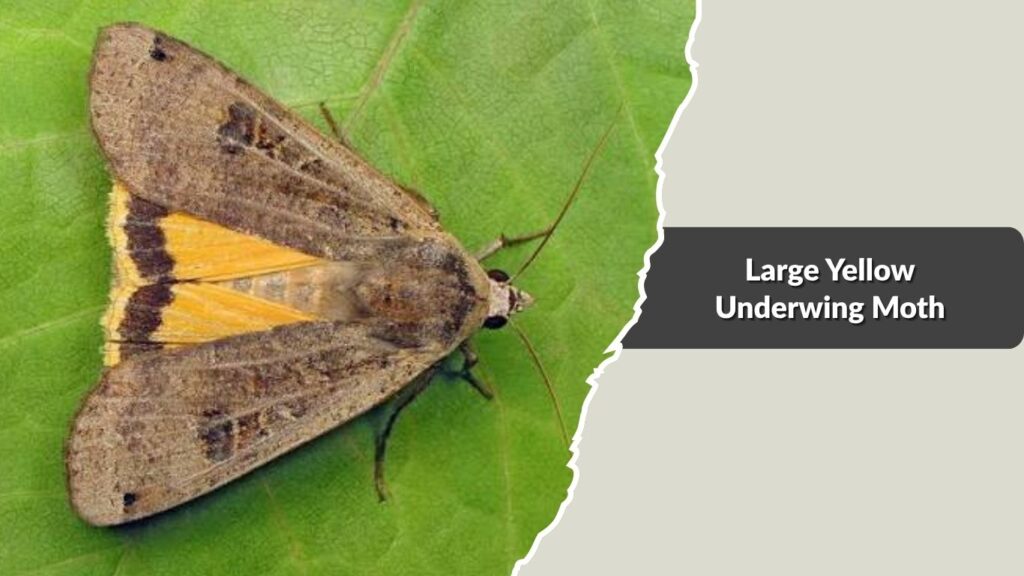
The large yellow underwing moth (Noctua pronuba) is a widespread owlet moth recognized by its plain brown forewings and brightly colored hindwings. When resting, the yellow hindwings remain hidden, but they are suddenly exposed during flight. Its caterpillar is a type of cutworm that sometimes damages garden and agricultural plants.
Characteristics
- Wingspan: Approximately 2–2.4 inches
- Forewings: Brown, reddish-brown, or gray with variable markings
- Hindwings: Bright yellow with broad black borders
- Body: Thick, smooth, and brownish
- Activity: Primarily nocturnal
- Caterpillar: Brown or greenish with dark lines and spots
- Defense: Flashes its bright hindwings when disturbed
Habitat and Distribution
Large yellow underwing moths are native to Europe, North Africa, and parts of Asia. They have also become widely established across North America.
They inhabit gardens, farmland, grasslands, parks, woodland edges, and urban environments. Adults are often seen from summer through autumn and frequently enter buildings or gather near outdoor lights.
Behavior and Diet
Adults fly after dark and feed on flower nectar, sugary liquids, and overripe fruit. They usually rest beneath vegetation or in sheltered locations during daylight.
The caterpillars eat grasses, vegetables, weeds, and ornamental plants. They often hide in soil during the day and emerge at night to cut through young stems and leaves.
Life Cycle and Reproduction
Females lay large groups of eggs on leaves and stems. The caterpillars hatch, feed on nearby plants, and pass through several growth stages.
Larvae commonly overwinter and continue feeding during mild weather. Mature caterpillars pupate in underground chambers. Adults emerge during the warmer months, usually completing one generation each year.
2. Lesser Yellow Underwing Moth
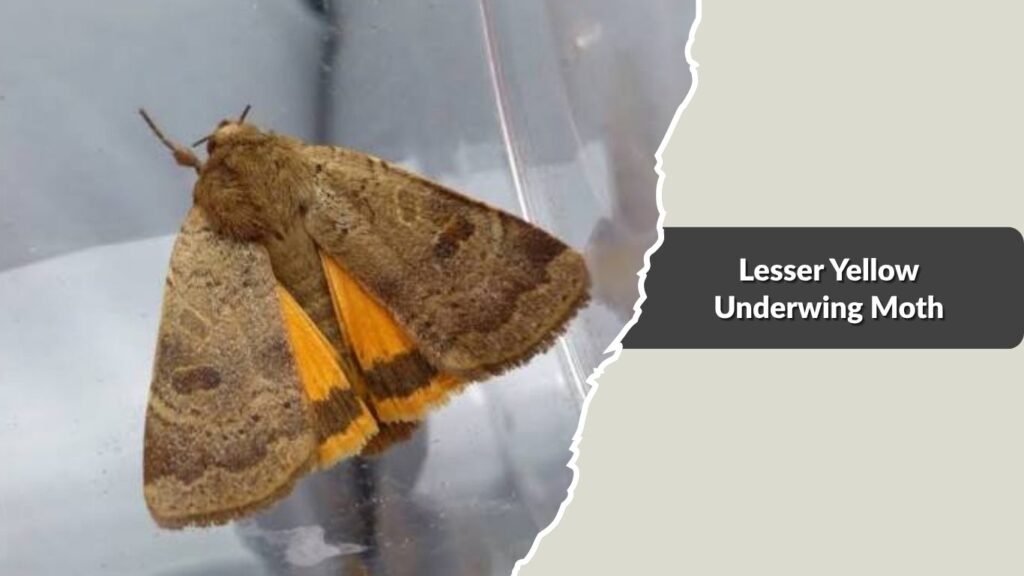
The lesser yellow underwing moth (Noctua comes) resembles the large yellow underwing but is generally smaller and more strongly patterned. Its brown forewings provide camouflage, while its orange-yellow hindwings carry a dark border. The caterpillar feeds on many common garden plants and low-growing vegetation.
Characteristics
- Wingspan: Approximately 1.2–1.8 inches
- Forewings: Brown or reddish with dark bands and pale markings
- Hindwings: Orange-yellow with black borders
- Body: Thick and brownish
- Resting posture: Wings folded flat over the body
- Caterpillar: Gray-brown or greenish with pale lines
- Activity: Mainly nocturnal
Habitat and Distribution
Lesser yellow underwing moths are native to Europe, North Africa, and western Asia. They have also been introduced into parts of North America.
They live in gardens, hedgerows, woodland edges, grasslands, farmland, and urban areas. Adults are commonly seen from midsummer through autumn and may visit lighted windows after dark.
Behavior and Diet
Adults hide among leaves, bark, and ground vegetation during the day. At night, they fly in search of mates and feed on nectar from flowers such as ivy and buddleia.
The caterpillars consume grasses, dock, plantain, dandelion, primrose, and various garden plants. They normally feed at night and remain hidden close to the soil during daylight.
Life Cycle and Reproduction
Females lay eggs in batches on suitable host plants. The young caterpillars begin feeding before the arrival of colder weather.
The species generally overwinters as a caterpillar. Feeding resumes in spring, after which the mature larva pupates below the soil surface. Adults emerge during summer, typically producing one generation per year.
3. Broad-Bordered Yellow Underwing Moth
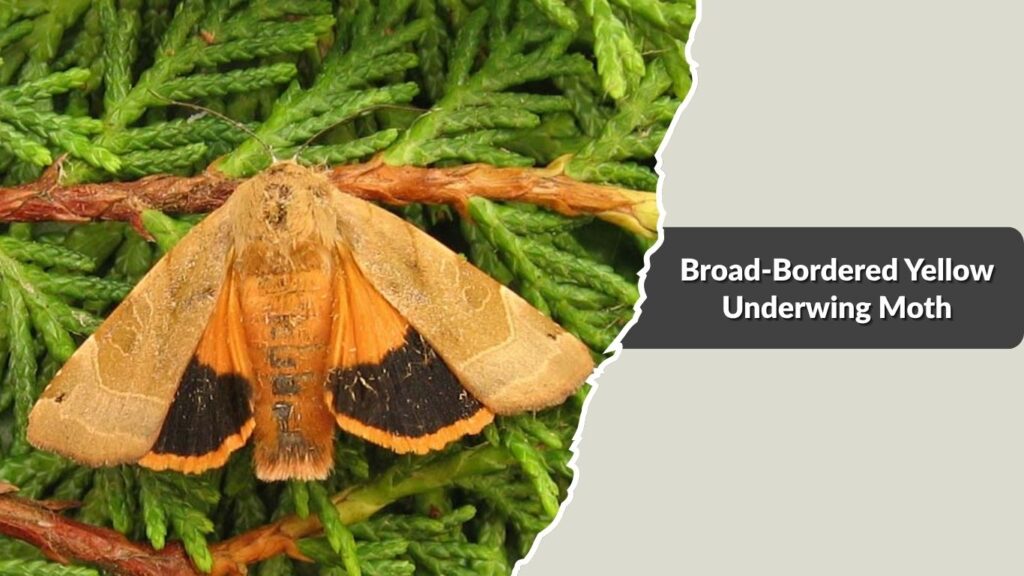
The broad-bordered yellow underwing moth (Noctua fimbriata) is a large owlet moth with strongly contrasting wings. Its forewings vary from pale brown to reddish or greenish-brown, while its yellow hindwings have exceptionally wide black borders. Females are usually larger and paler than males.
Characteristics
- Wingspan: Approximately 1.8–2.4 inches
- Forewings: Brown, reddish, greenish, or gray
- Hindwings: Yellow-orange with very broad black borders
- Male coloring: Often darker and more heavily marked
- Female coloring: Usually larger and paler
- Caterpillar: Brown or grayish with dark markings
- Activity: Nocturnal
Habitat and Distribution
Broad-bordered yellow underwing moths occur across Europe, North Africa, and parts of western Asia. They inhabit deciduous forests, woodland edges, parks, gardens, hedgerows, and scrubland.
Adults generally fly from midsummer into early autumn. During the day, they remain concealed among dead leaves, tree bark, or dense vegetation.
Behavior and Diet
Adults become active after sunset and are strongly attracted to artificial lights. They feed on nectar, tree sap, and sugary substances. The bright hindwings may confuse predators when the moth suddenly takes flight.
The caterpillars feed on bramble, dock, primrose, nettle, grasses, and various shrubs. They hide near the ground during the day and feed mainly at night.
Life Cycle and Reproduction
Females place batches of eggs on leaves or stems. The caterpillars emerge and begin eating a variety of low-growing plants.
Young larvae typically overwinter before completing development in spring. Mature caterpillars pupate inside the soil. Adults emerge during summer, and the species normally produces one generation annually.
4. Heart and Dart Moth
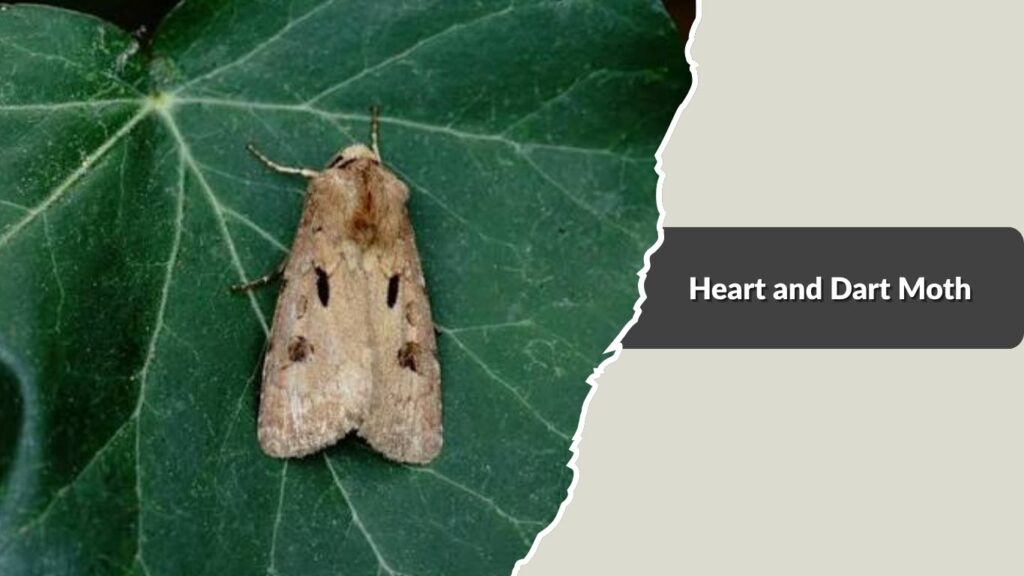
The heart and dart moth (Agrotis exclamationis) is named for the heart-shaped and dart-like markings on its forewings. This common owlet moth is found in gardens, fields, and farmland. Its caterpillar is a cutworm that feeds near ground level and can damage young plants by cutting through their stems.
Characteristics
- Wingspan: Approximately 1.3–1.8 inches
- Forewings: Brown or gray with dark heart-and-dart markings
- Hindwings: Pale in males and darker in females
- Body: Thick and grayish-brown
- Resting posture: Forewings held closely over the abdomen
- Caterpillar: Smooth, gray-brown, and faintly striped
- Activity: Mainly nocturnal
Habitat and Distribution
Heart and dart moths are widespread throughout Europe, North Africa, and parts of Asia. They inhabit gardens, farmland, meadows, grasslands, coastal dunes, parks, and urban environments.
Adults are normally active from late spring through summer. Their ability to use many different plants makes them common in disturbed and cultivated habitats.
Behavior and Diet
Adults fly after sunset and frequently visit flowers for nectar. They are also strongly attracted to outdoor lights and sugary bait.
The caterpillars feed on grasses, cereals, vegetables, and low-growing plants. During the day, they hide just beneath the soil. At night, they emerge and may sever seedlings close to ground level.
Life Cycle and Reproduction
Females lay eggs on low vegetation or near the soil surface. The caterpillars hatch and begin feeding on nearby plants.
The species usually overwinters as a partly developed larva. Caterpillars finish growing in spring and pupate underground. Adults emerge from late spring onward, and one or two generations may occur depending on the climate.
5. Setaceous Hebrew Character Moth
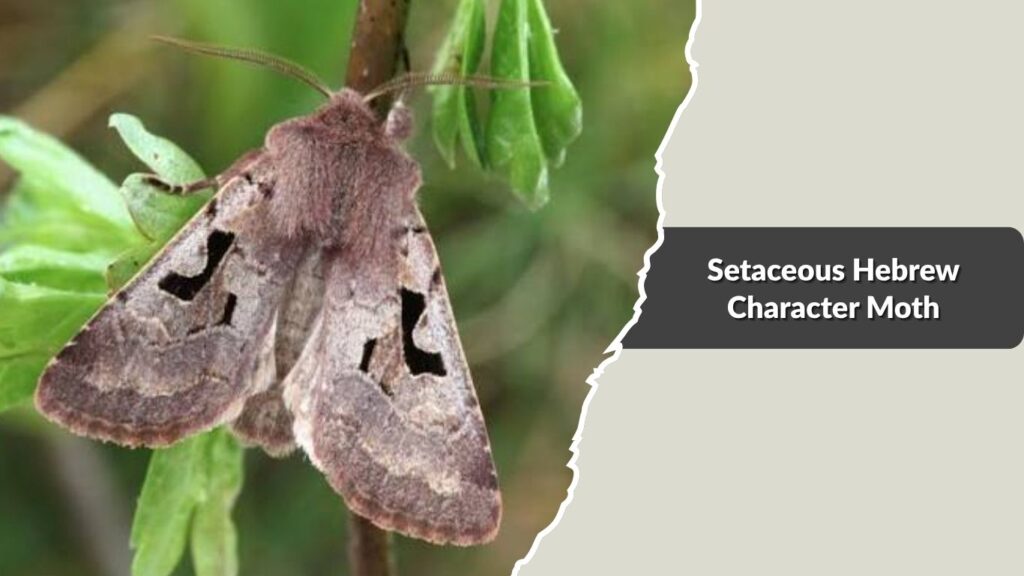
The setaceous Hebrew character moth (Xestia c-nigrum) is named for a dark marking on each forewing that resembles a Hebrew character. The word “setaceous” refers to its bristle-like hairs. This widespread species has brown forewings with contrasting pale bands and light-colored hindwings.
Characteristics
- Wingspan: Approximately 1.3–1.8 inches
- Forewings: Brown, reddish-brown, or gray
- Central marking: Dark, roughly C-shaped or character-like mark
- Wing band: Broad, pale band crossing each forewing
- Hindwings: Pale gray or whitish with darker edges
- Caterpillar: Brown or greenish with pale stripes
- Activity: Primarily nocturnal
Habitat and Distribution
Setaceous Hebrew character moths are widely distributed across Europe, Asia, North Africa, and North America. They occupy gardens, farmland, forests, meadows, wetlands, and urban areas.
Adults can be observed across much of the warm season. In favorable climates, separate generations may appear during spring and again in late summer or autumn.
Behavior and Diet
Adults fly at night and visit flowers for nectar. They may also feed on tree sap, ripe fruit, and other sugary liquids. Artificial lights frequently attract them.
The caterpillars eat nettle, dock, plantain, grasses, lettuce, and many other herbaceous plants. Their flexible feeding habits allow the species to survive across an extensive geographic range.
Life Cycle and Reproduction
Females lay batches of eggs on the leaves of suitable host plants. Young larvae initially feed on exposed foliage but may hide near the ground as they grow.
The overwintering stage varies by climate but is usually a caterpillar. Mature larvae pupate within the soil. The species often produces two generations annually, although colder regions may support only one.
6. Cabbage Moth
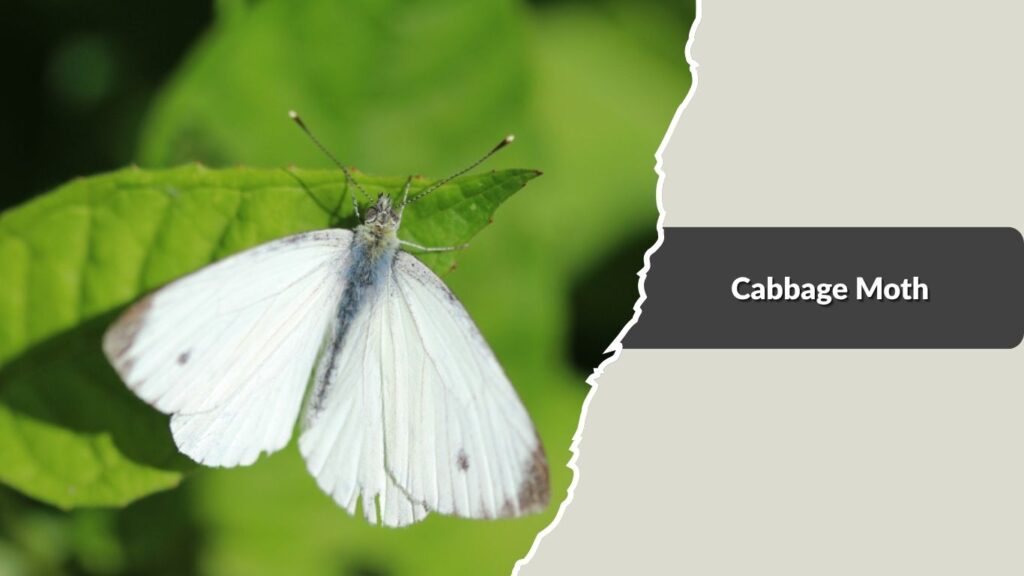
The cabbage moth (Mamestra brassicae) is a dark-colored owlet moth whose caterpillar feeds on cabbage and numerous other cultivated plants. It should not be confused with the cabbage white butterfly. The adult’s mottled brown wings provide camouflage, while a pale kidney-shaped spot helps distinguish it from similar moths.
Characteristics
- Wingspan: Approximately 1.3–2 inches
- Forewings: Dark brown with pale and black markings
- Central spot: Prominent pale, kidney-shaped marking
- Hindwings: Gray-brown with darker borders
- Body: Thick, dark, and slightly hairy
- Caterpillar: Green, brown, or gray with dark spots and stripes
- Activity: Nocturnal
Habitat and Distribution
Cabbage moths occur throughout Europe, North Africa, and much of Asia. They inhabit gardens, farmland, vegetable plots, grasslands, woodland edges, and suburban environments.
Adults usually appear from late spring through autumn. They are particularly common in places where cabbage and other leafy vegetables are grown.
Behavior and Diet
Adult moths fly after dark and feed on flower nectar and other sugary liquids. They remain hidden in vegetation during daylight and may be attracted to artificial lights at night.
The caterpillars feed on cabbage, broccoli, cauliflower, lettuce, tomato, beet, and many other plants. Older larvae may tunnel into cabbage heads, where they become difficult to remove.
Life Cycle and Reproduction
Females lay groups of eggs on the undersides of host-plant leaves. Young caterpillars feed together initially but spread out as they become larger.
Mature larvae enter the soil and form pupae underground. The species often produces two generations each year in temperate climates, with the pupae of the final generation remaining in the soil throughout winter.
7. Turnip Moth
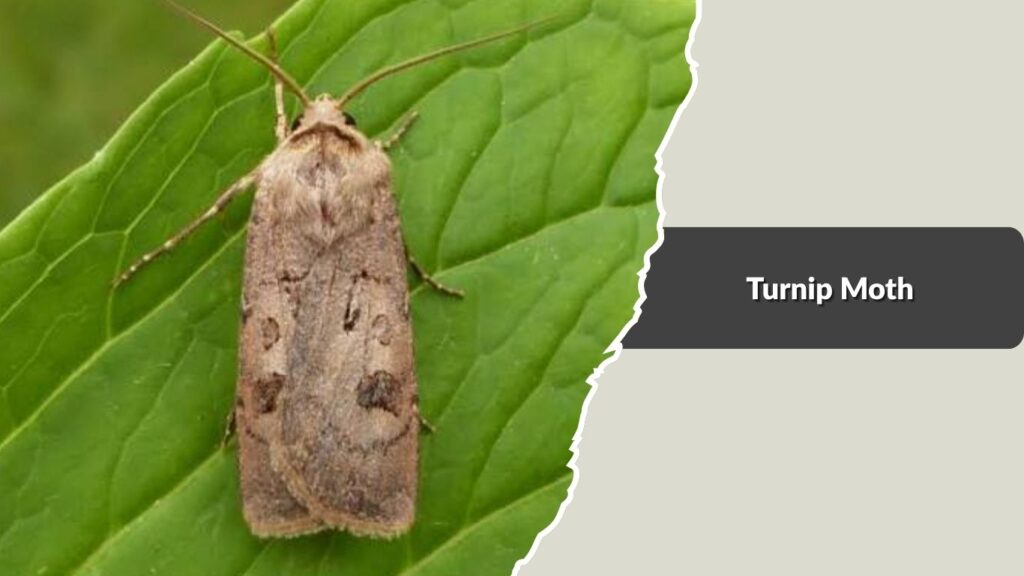
The turnip moth (Agrotis segetum) is a widespread owlet moth whose caterpillar is known as a cutworm. The adult has mottled brown forewings that provide camouflage on soil and tree bark. Its caterpillars feed close to the ground and can damage vegetables, grains, and young garden plants.
Characteristics
- Wingspan: Approximately 1.2–1.8 inches
- Forewings: Grayish-brown with dark spots and wavy lines
- Hindwings: Pearly white in males and darker in females
- Body: Thick, smooth, and brownish-gray
- Caterpillar: Smooth, gray-brown, and faintly striped
- Defensive posture: Curls into a C-shape when disturbed
- Activity: Primarily nocturnal
Habitat and Distribution
Turnip moths occur throughout Europe, Africa, and much of Asia. They inhabit farmland, vegetable gardens, grasslands, meadows, parks, and disturbed ground.
The species is especially common in areas containing young crops and low-growing plants. Adults usually appear from late spring through autumn, with timing varying according to climate.
Behavior and Diet
Adults fly after dark and consume flower nectar and other sugary liquids. They may travel between fields and are frequently attracted to artificial lights.
The caterpillars feed on turnip, cabbage, beet, potato, corn, cereals, and numerous other plants. They remain underground during the day and emerge at night to cut young stems near the soil surface.
Life Cycle and Reproduction
Females lay eggs on leaves, stems, or soil near suitable plants. The larvae hatch and move toward the base of nearby vegetation.
Mature caterpillars pupate inside underground chambers. The species may overwinter as a caterpillar or pupa, depending on local conditions. One or more generations can develop annually in suitable climates.
8. Angle Shades Moth
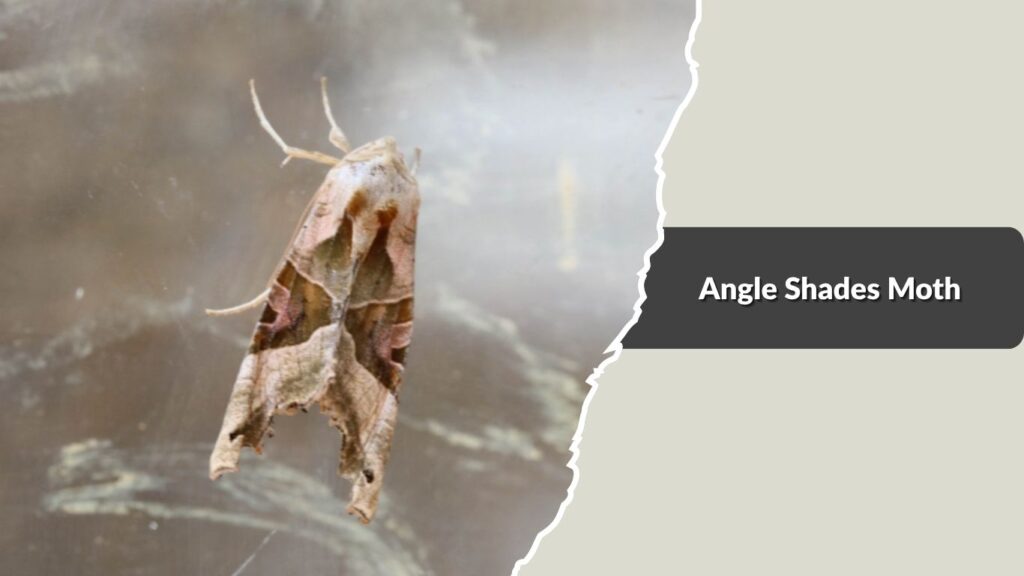
The angle shades moth (Phlogophora meticulosa) is an unusually shaped owlet moth whose folded wings resemble a dry, curled leaf. Its pinkish-brown, green, and cream markings form sharp angular patterns. This combination of color and shape provides excellent camouflage while the moth rests among dead vegetation.
Characteristics
- Wingspan: Approximately 1.8–2.2 inches
- Forewings: Pinkish-brown, olive-green, and cream
- Wing pattern: Large angular or V-shaped central markings
- Wing edges: Folded and slightly scalloped
- Resting appearance: Resembles a curled dead leaf
- Caterpillar: Green or brown with pale side markings
- Activity: Mostly nocturnal
Habitat and Distribution
Angle shades moths are found throughout Europe, North Africa, and western Asia. Migrating individuals may travel beyond their normal breeding range.
They occupy gardens, farmland, woodland edges, hedgerows, parks, wetlands, and urban areas. Adults may be encountered during most of the year in mild climates.
Behavior and Diet
Adults fly at night and visit flowers, tree sap, and ripe fruit for sugary food. Artificial lighting commonly attracts them. During daylight, they rest among leaves, where their unusual shape makes them difficult to detect.
The caterpillars feed on nettle, dock, plantain, bramble, vegetables, and many ornamental plants. They usually cause little noticeable damage.
Life Cycle and Reproduction
Females lay eggs individually or in small groups on suitable plants. Caterpillars can develop during several seasons if temperatures remain mild.
Mature larvae form fragile cocoons among fallen leaves or close to the soil surface. Multiple generations may occur annually. The species can overwinter as a caterpillar, pupa, or occasionally an adult, depending on the climate.
9. Silver Y Moth
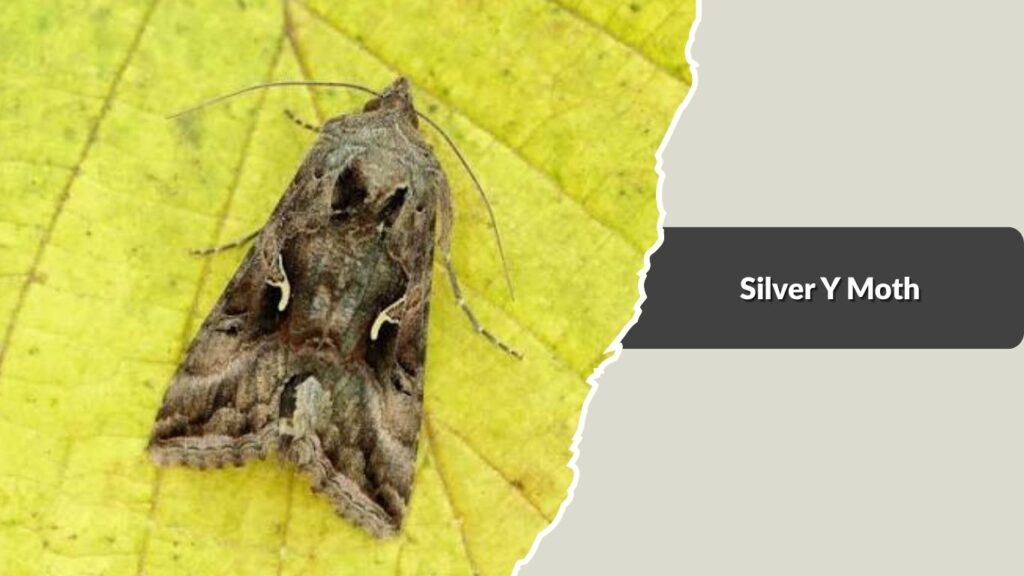
The silver Y moth (Autographa gamma) gets its name from the metallic silver marking on each forewing that resembles the letter Y. This medium-sized owlet moth is an exceptionally strong migrant. Adults can fly during both day and night and may travel considerable distances between seasonal breeding areas.
Characteristics
- Wingspan: Approximately 1.2–1.8 inches
- Forewings: Mottled gray, brown, and black
- Central marking: Metallic silver Y-shaped symbol
- Hindwings: Pale brown with darker borders
- Body: Thick with a raised crest of hairs
- Caterpillar: Bright green with pale lines
- Movement: Caterpillar arches its body while crawling
Habitat and Distribution
Silver Y moths occur across Europe, Africa, and much of Asia. They are powerful seasonal migrants that regularly move into cooler northern regions during spring and summer.
They inhabit gardens, farms, meadows, grasslands, woodland clearings, wetlands, and urban environments. Adults gather wherever nectar-rich flowers are abundant.
Behavior and Diet
Adults may fly during daylight, at dusk, or after dark. They feed on nectar from thistles, buddleia, clover, lavender, and numerous other flowers.
The caterpillars consume cabbage, peas, lettuce, beans, tomato, nettle, and many additional plants. Large populations may occasionally damage vegetables and field crops.
Life Cycle and Reproduction
Females place their eggs individually or in small groups on host-plant leaves. The caterpillars grow quickly and pass through several developmental stages.
Mature larvae form thin silk cocoons attached to leaves or stems. Several generations may develop annually in warm regions. Because the species cannot survive severe cold, adults frequently migrate to maintain populations in temperate areas.
10. Black Cutworm Moth
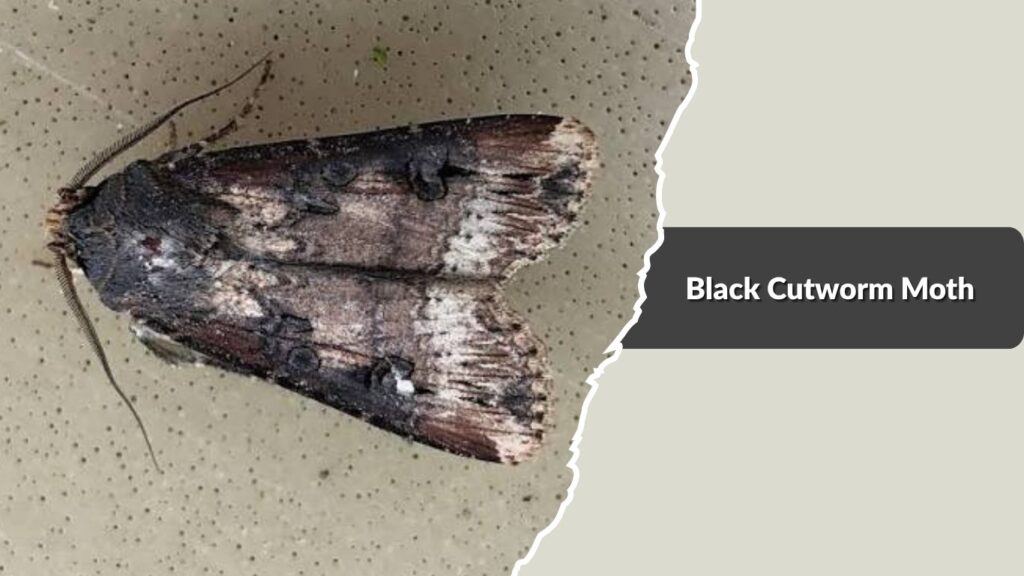
The black cutworm moth (Agrotis ipsilon) is a widespread owlet moth named after its dark caterpillar. The larvae hide in soil and cut through young plants at ground level. Although the adult appears relatively plain, it is a powerful migrant capable of traveling long distances between breeding areas.
Characteristics
- Wingspan: Approximately 1.4–2 inches
- Forewings: Dark brown or gray with black markings
- Hindwings: Pale or whitish with darker veins
- Body: Thick, smooth, and dark-colored
- Forewing marks: Small black, dagger-like shapes
- Caterpillar: Smooth, dark gray or nearly black
- Activity: Nocturnal
Habitat and Distribution
Black cutworm moths occur across North America, Europe, Asia, Africa, Australia, and other regions. They inhabit farmland, gardens, grasslands, wetlands, and areas with recently disturbed soil.
Adults migrate seasonally into cooler regions but generally cannot survive harsh winters there. They are especially common in fields containing young crops and weeds.
Behavior and Diet
Adults fly after dark and feed on flower nectar. They may migrate over considerable distances and are frequently attracted to artificial lights.
The caterpillars eat corn, wheat, vegetables, grasses, and many broad-leaved plants. They hide underground during daylight and emerge at night to sever seedlings or pull plant material into their burrows.
Life Cycle and Reproduction
Females lay eggs on low vegetation, weeds, or plant debris. Newly hatched larvae initially feed on leaves before moving closer to the soil as they grow.
Mature caterpillars pupate underground. Several generations may occur annually in warm areas. Seasonal migrants recolonize colder regions each spring because most developmental stages cannot tolerate prolonged freezing conditions.
11. Fall Armyworm Moth
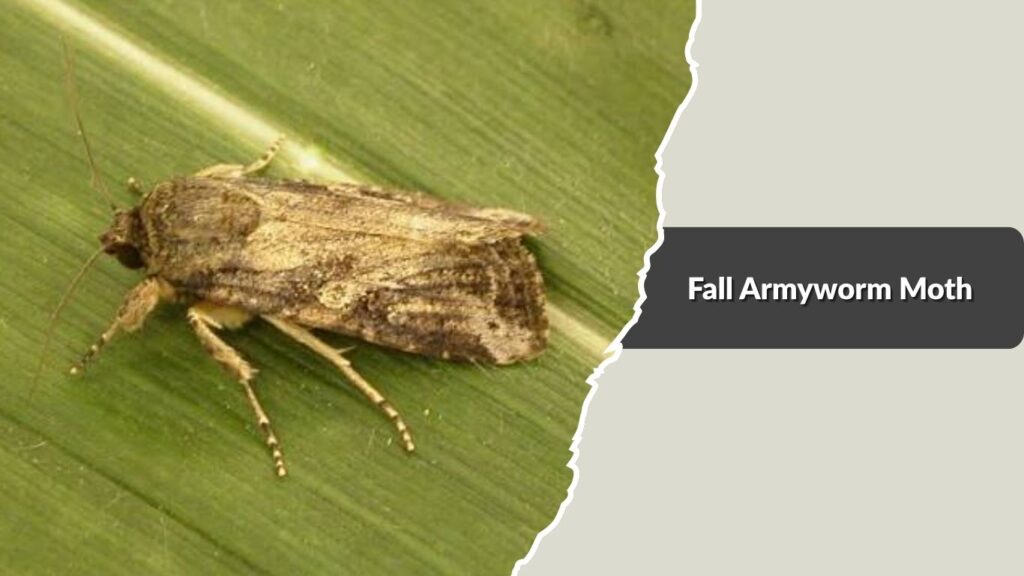
The fall armyworm moth (Spodoptera frugiperda) is a major agricultural species native to the Americas. Its name comes from the caterpillars’ habit of moving together in large groups when food becomes scarce. The larvae attack corn, rice, sorghum, grasses, and many other economically important crops.
Characteristics
- Wingspan: Approximately 1.2–1.6 inches
- Male forewings: Gray and brown with pale triangular markings
- Female forewings: More evenly grayish-brown
- Hindwings: Silvery-white with dark borders
- Caterpillar: Green, brown, or nearly black with lengthwise stripes
- Head marking: Pale, inverted Y-shaped mark
- Rear markings: Four dark spots arranged in a square
Habitat and Distribution
Fall armyworms are native to tropical and subtropical regions of the Americas. They have spread into Africa, Asia, the Middle East, and parts of Oceania.
They inhabit farmland, pastures, grasslands, and gardens. Because they cannot survive prolonged freezing temperatures, adults migrate into cooler areas during the growing season.
Behavior and Diet
Adults fly at night and can travel long distances with favorable winds. They feed on flower nectar and other sugary liquids.
The caterpillars consume more than 80 plant species, although they strongly favor grasses. Corn, rice, sorghum, millet, and sugarcane are common food plants. Older caterpillars may hide deep within plant growth points.
Life Cycle and Reproduction
Females lay large egg masses and cover them with protective scales from their abdomens. The caterpillars hatch together and initially feed near the egg mass.
After passing through several growth stages, mature larvae enter the soil and pupate. Development can be completed quickly in warm weather, allowing several generations to occur within a single year.
12. Corn Earworm Moth
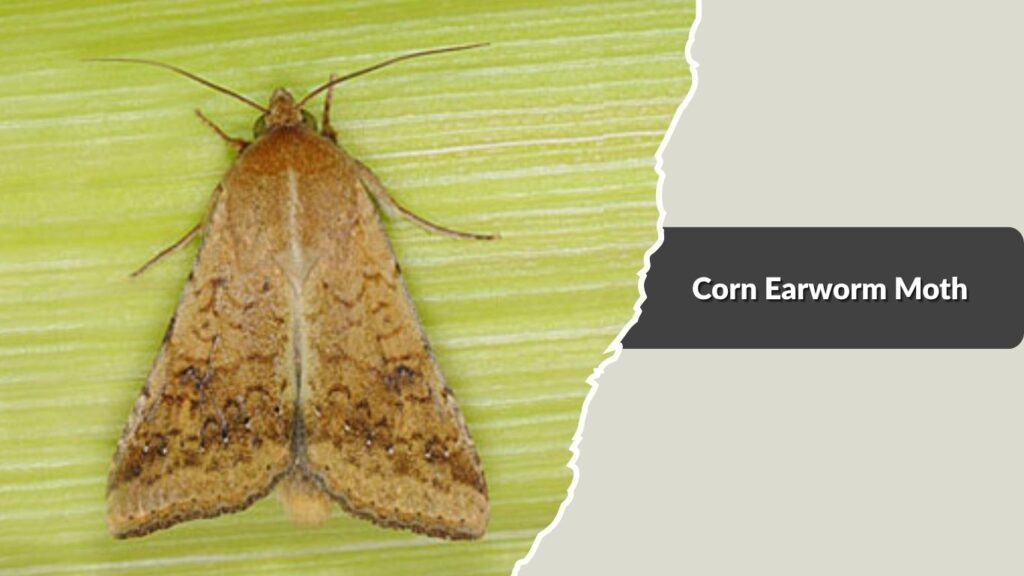
The corn earworm moth (Helicoverpa zea) is a widespread agricultural owlet moth. Its caterpillar is also known as the tomato fruitworm or cotton bollworm, depending on the crop it attacks. The larvae commonly enter corn ears and feed directly on developing kernels near the tip.
Characteristics
- Wingspan: Approximately 1.2–1.8 inches
- Forewings: Tan, yellowish-brown, olive, or reddish
- Central marking: Small dark spot near the middle of each forewing
- Hindwings: Pale with broad dark borders
- Caterpillar: Green, yellow, brown, pink, or nearly black
- Larval texture: Covered with small bumps and short spines
- Activity: Adult is primarily nocturnal
Habitat and Distribution
Corn earworm moths occur throughout North and South America. They inhabit cornfields, cotton fields, vegetable gardens, grasslands, and other agricultural environments.
Adults migrate seasonally from warmer regions into cooler northern areas. Populations are generally most abundant during late summer and early autumn.
Behavior and Diet
Adults fly after dark and visit flowers for nectar. They are strong flyers and may travel long distances while searching for crops suitable for egg-laying.
The caterpillars feed on corn, tomato, cotton, soybean, pepper, and numerous other plants. They often enter fruits, seed pods, or flower structures, where they remain protected while feeding.
Life Cycle and Reproduction
Females lay eggs individually on corn silks, flowers, buds, and young leaves. The larvae hatch quickly and begin feeding on the most nutritious parts of the plant.
Mature caterpillars drop to the ground and pupate in the soil. Several generations can occur each year in warm climates. In colder areas, annual populations are often established by migrating adults.
