
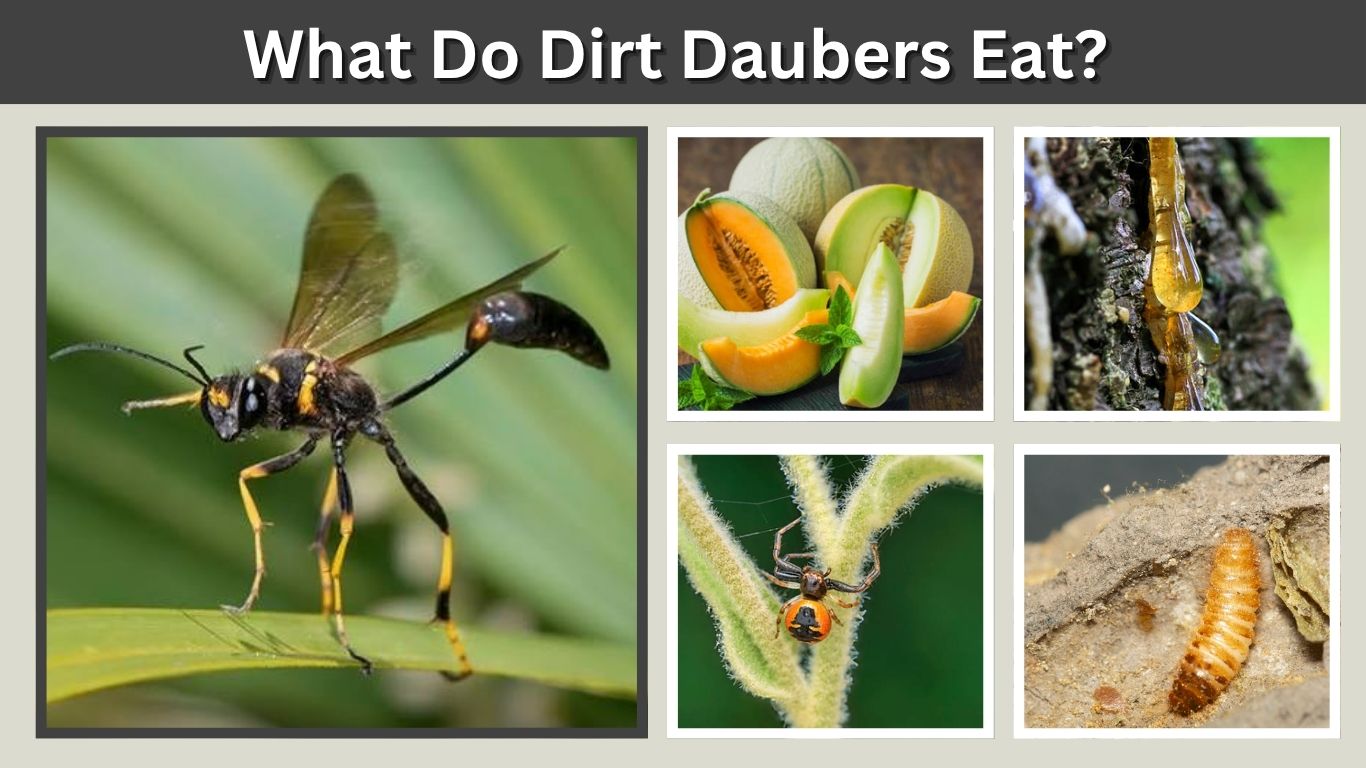
Dirt daubers, more commonly called mud daubers, have an unusual diet because adults and larvae eat very different foods. Adult dirt daubers mainly depend on sweet liquids such as flower nectar and other natural sugars for energy. Their larvae, however, are meat-eaters. Female mud daubers hunt spiders, paralyze them, and seal them inside mud nest chambers as food for their developing young.
So, what do dirt daubers eat? Their seven common food sources include nectar, honeydew, plant sap, ripe fruit juices, sugary liquids, orb-weaver spiders, and other small spiders. Understanding their diet also explains why these wasps can be beneficial around gardens and homes.
What Do Dirt Daubers Eat?
Adult dirt daubers primarily eat carbohydrate-rich liquids that provide the energy needed for flying, mating, hunting, and nest building. They do not normally consume the spiders they capture themselves.
Instead, female dirt daubers collect spiders specifically for their larvae. A female stings the spider, paralyzes it, carries it back to her mud nest, and stores it inside a chamber before laying an egg.
The developing larva then feeds on those spiders.
Here are seven common foods associated with dirt daubers.
1. Flower Nectar
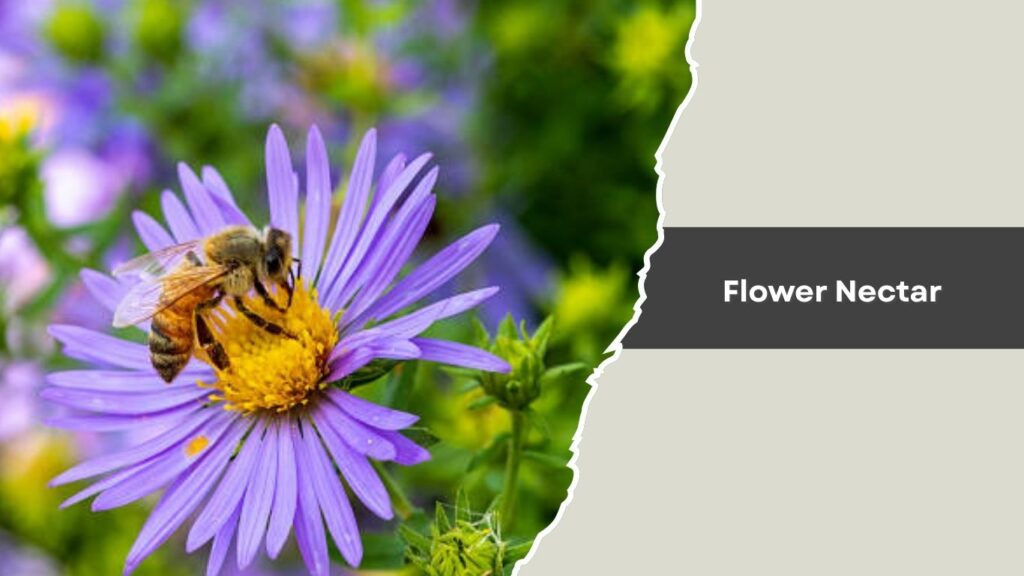
Flower nectar is one of the most important foods for adult dirt daubers.
Like many adult wasps, mud daubers visit flowers to drink nectar. Nectar contains sugars that provide rapid energy for their highly active lifestyle.
A dirt dauber may spend considerable energy:
- Flying between flowers
- Searching for spiders
- Collecting mud
- Building nest chambers
- Searching for mates
Nectar helps replace that energy.
Why Nectar Is Important
Adult dirt daubers have different nutritional requirements from their larvae. They rely heavily on carbohydrates rather than protein-rich prey.
Flowering gardens can therefore attract dirt daubers even when no nests are nearby.
While visiting flowers, they may also transfer some pollen between plants, although they are generally not as important as bees for pollination.
2. Honeydew
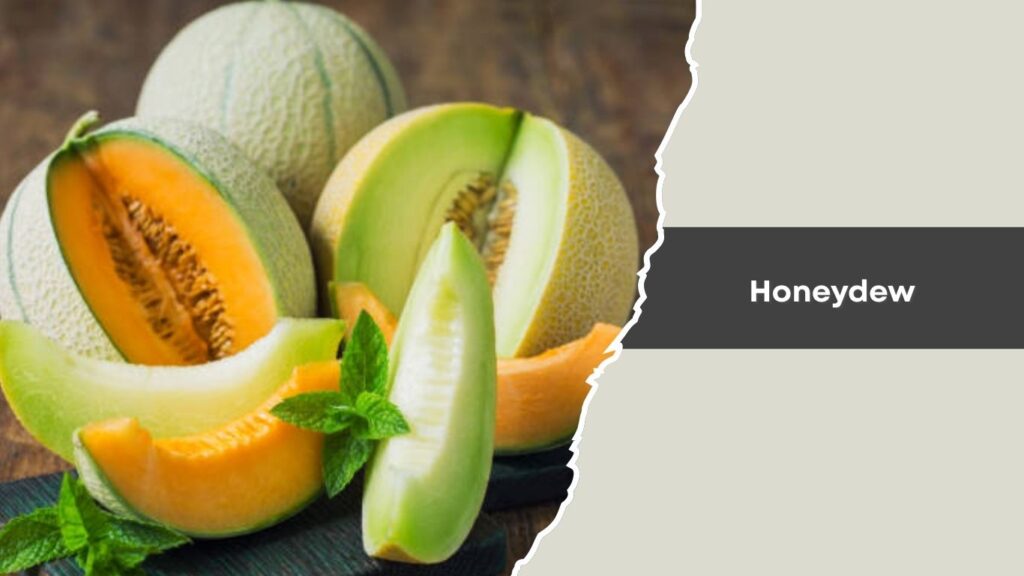
Dirt daubers may also consume honeydew, a sweet liquid produced by sap-feeding insects.
Aphids, scale insects, and some other small insects feed on plant sap and release sugar-rich honeydew onto leaves and stems.
Many wasps are attracted to this substance because it provides an easy source of carbohydrates.
Where Dirt Daubers Find Honeydew
Honeydew is commonly found on:
- Leaves
- Tree branches
- Shrubs
- Garden plants
- Plants heavily populated by aphids
If you notice wasps repeatedly visiting leaves without hunting anything, they may be feeding on honeydew rather than insects.
3. Plant Sap
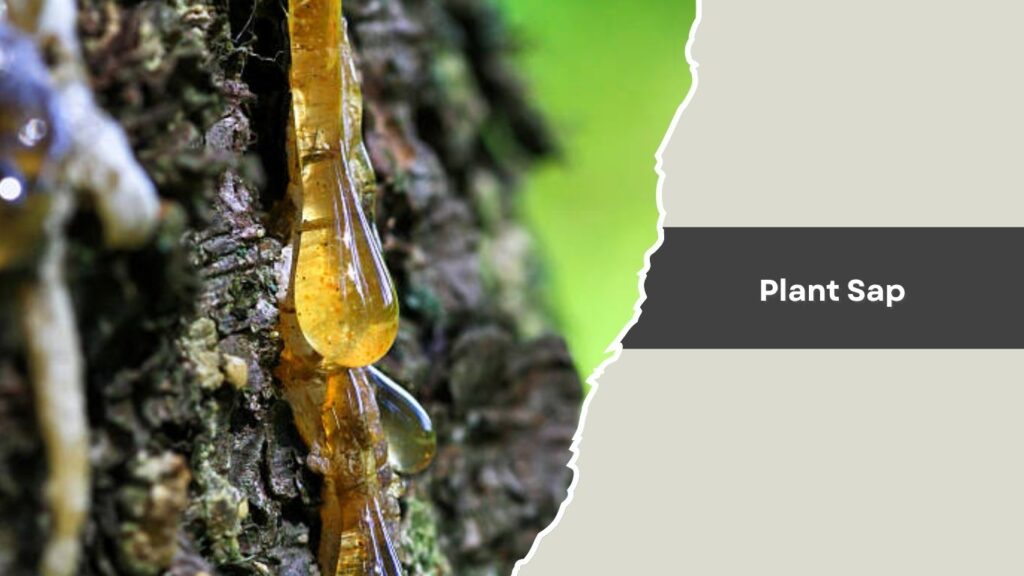
Adult dirt daubers may occasionally consume sweet liquids associated with damaged plants or tree sap.
Sap can become accessible when:
- Tree bark is damaged
- Branches break
- Other insects create openings
- Fruit or plant tissue becomes injured
Plant sap provides carbohydrates that adult wasps can use for energy.
However, dirt daubers do not normally damage healthy plants specifically to obtain sap. They are more likely to take advantage of liquids that are already available.
4. Ripe and Damaged Fruit Juices
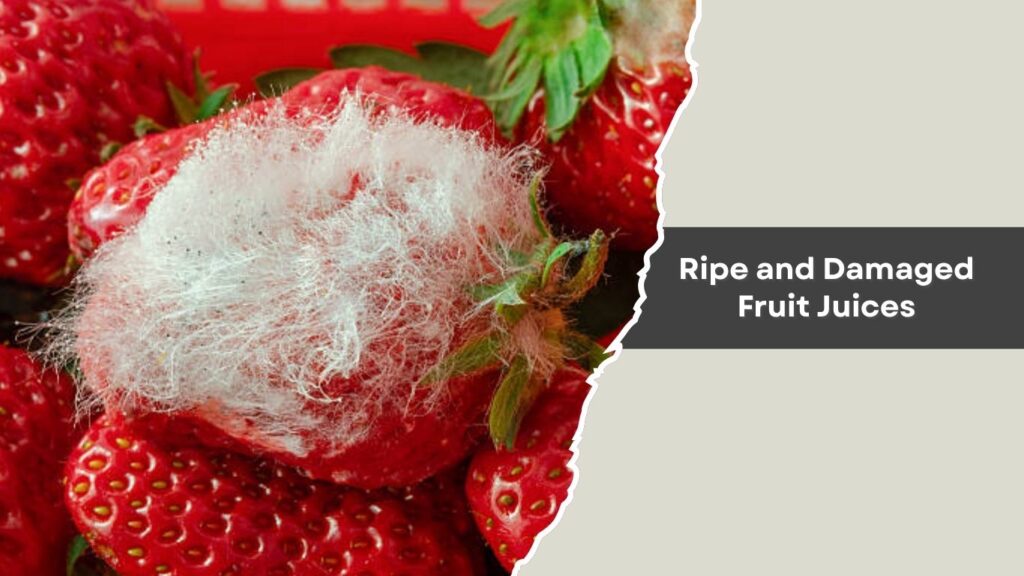
Sweet juice from ripe, cracked, or damaged fruit can attract many kinds of wasps, including mud daubers.
Overripe fruit contains easily accessible natural sugars.
Possible sources include:
- Grapes
- Peaches
- Apples
- Pears
- Berries
- Other soft fruits
Dirt daubers are unlikely to be major fruit pests. They generally visit fruit that is already damaged, cracked, or beginning to ferment rather than attacking healthy fruit themselves.
Why Wasps Like Sweet Fruit
Flying requires a substantial amount of energy. Natural sugars can be quickly converted into energy, making fruit juice useful for active adult wasps.
This is also why mud daubers may occasionally investigate other sweet substances around human activity.
5. Other Sugary Liquids

Adult dirt daubers are naturally attracted to sugar-rich liquids because carbohydrates provide their primary energy source.
In addition to nectar, honeydew, sap, and fruit juice, they may occasionally investigate spilled sugary drinks or similar substances.
However, mud daubers are usually less persistent around human food than yellow jackets.
Their normal feeding behavior is centered much more heavily on natural sources.
Adult vs Larval Diet
| Food | Adult Dirt Daubers | Dirt Dauber Larvae |
|---|---|---|
| Nectar | Yes | No |
| Honeydew | Yes | No |
| Plant sap | Sometimes | No |
| Fruit juice | Sometimes | No |
| Sugary liquids | Sometimes | No |
| Spiders | Usually not | Yes |
This difference between the adult and larval diet is one of the most interesting parts of dirt dauber biology.
6. Orb-Weaver Spiders
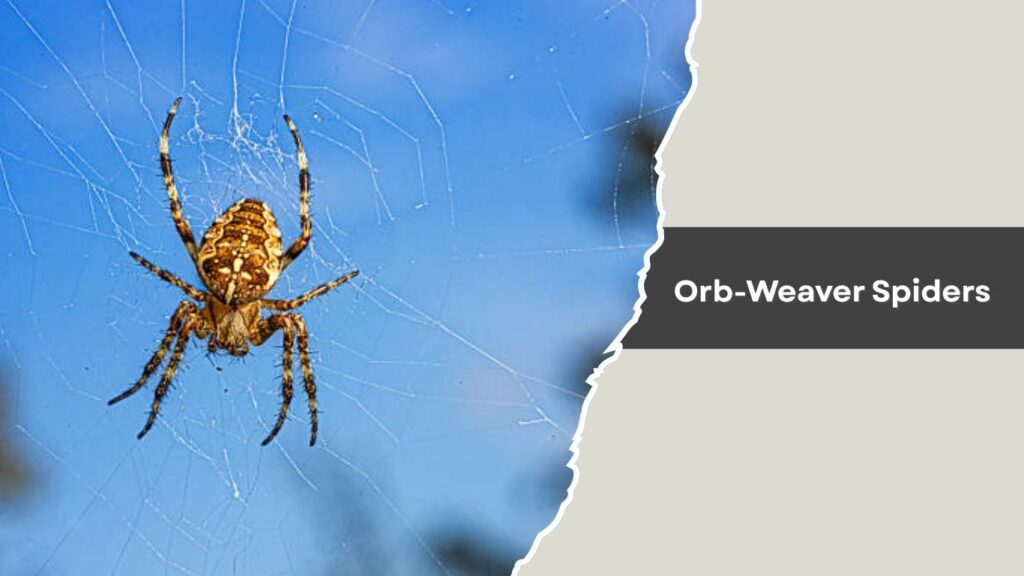
Spiders are the primary protein source for dirt dauber larvae, and orb-weaver spiders are among the types that some mud daubers collect.
Orb weavers are the familiar spiders that construct circular webs in gardens, woodland edges, and around buildings.
Female dirt daubers search vegetation and spider webs for prey.
When she finds a suitable spider, she:
- Captures the spider.
- Stings and paralyzes it.
- Carries it to her mud nest.
- Places it inside a chamber.
- Continues collecting additional spiders.
- Lays an egg.
- Seals the chamber.
The spider remains available as fresh food when the wasp larva hatches.
Do Dirt Daubers Kill the Spiders?
Usually, the sting is intended to paralyze rather than immediately kill the spider.
This allows the stored prey to remain suitable for the developing larva.
A single dirt dauber nest may therefore contain numerous immobilized spiders.
7. Small Hunting and Web-Building Spiders
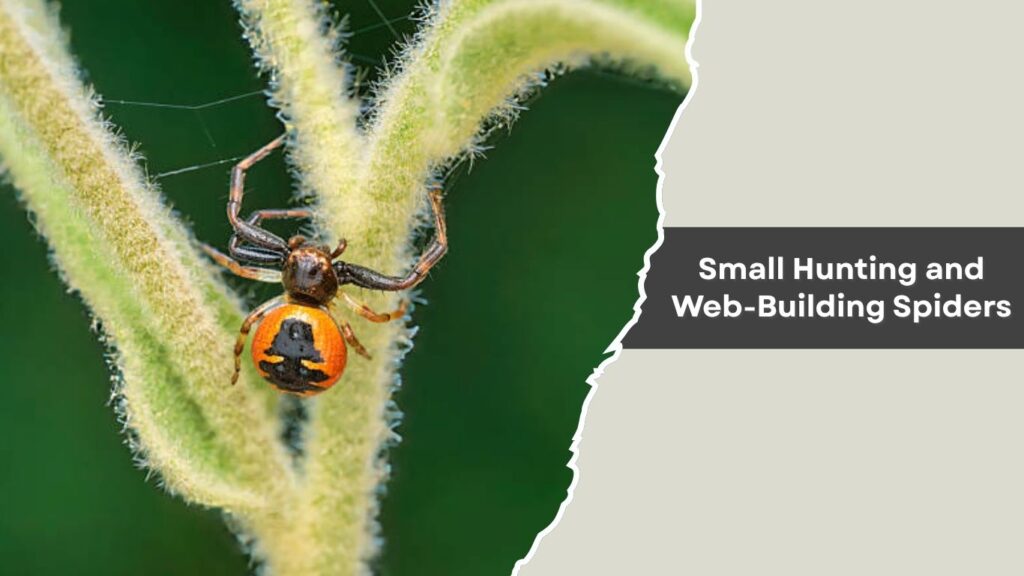
Dirt daubers do not depend on only one kind of spider. Depending on the species of mud dauber and the spiders available locally, females may collect several different kinds of small web-building or hunting spiders.
Potential prey can include:
- Crab spiders
- Jumping spiders
- Cobweb spiders
- Orb-weaver spiders
- Other small spiders
Different dirt dauber species may show preferences for particular prey.
One especially famous example is the blue mud dauber, which is known for hunting black widow spiders.
Do Dirt Daubers Eat Black Widow Spiders?
Certain mud daubers can capture black widows, especially blue mud daubers.
The female wasp is able to sting and immobilize the spider before carrying it back to a nest.
Black widows are not necessarily the only spiders collected, but their presence in mud dauber nests demonstrates how effective these wasps can be as spider hunters.
What Do Baby Dirt Daubers Eat?
Baby dirt daubers, known as larvae, eat the spiders their mother stores inside the nest.
The female does most of the preparation before her offspring hatch.
She constructs a mud chamber, fills it with paralyzed spiders, lays an egg, and closes the chamber.
After hatching, the larva gradually consumes the stored prey.
Once it has enough nutrition to complete development, it eventually forms a pupal stage before emerging as an adult wasp.
Adult dirt daubers then switch to a largely sugar-based diet.
Do Dirt Daubers Eat Other Insects?
Most familiar mud daubers are strongly associated with hunting spiders rather than general insect prey.
This separates them from many other solitary wasps.
For example, some solitary wasps specialize in:
- Caterpillars
- Cicadas
- Beetle larvae
- Flies
Mud daubers, by contrast, are particularly well known for provisioning their nests with spiders.
They are therefore better described as spider hunters than general insect predators.
Do Dirt Daubers Eat Mosquitoes?
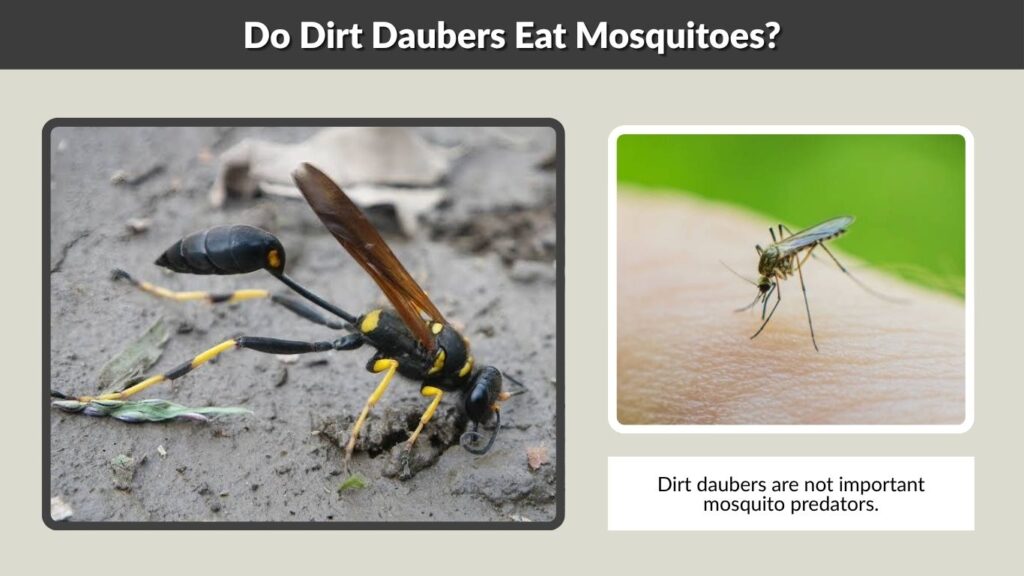
Dirt daubers are not important mosquito predators.
Although they may live in the same yards and gardens where mosquitoes occur, adult mud daubers generally feed on sugary liquids, while females collect spiders for their larvae.
If mosquito control is your goal, dirt daubers should not be considered a major natural solution.
Are Dirt Daubers Beneficial?
Dirt daubers can be beneficial because they naturally reduce spider populations.
A female may capture many spiders while provisioning multiple nest chambers.
They also have several characteristics that make them less troublesome around homes than many social wasps:
- They are solitary.
- They generally do not aggressively defend nests.
- They do not create huge colonies.
- They capture spiders.
- Adults visit flowers for nectar.
Their mud nests can sometimes become messy on walls and buildings, but an outdoor nest in an unused area usually does not need to be destroyed.
What Attracts Dirt Daubers to Your Yard?
A property becomes more attractive to dirt daubers when it provides all three things they need: food, prey, and nesting materials.
Common attractions include:
- Flowering plants with nectar
- Large spider populations
- Wet soil or mud
- Protected roof overhangs
- Garages and sheds
- Porches
- Barns and outbuildings
- Areas protected from rain
A garden containing flowers may provide food for adult wasps, while surrounding vegetation provides hunting grounds for spiders.
Nearby mud completes everything a female needs to construct a nest.
Dirt Dauber Adult vs Larva Diet
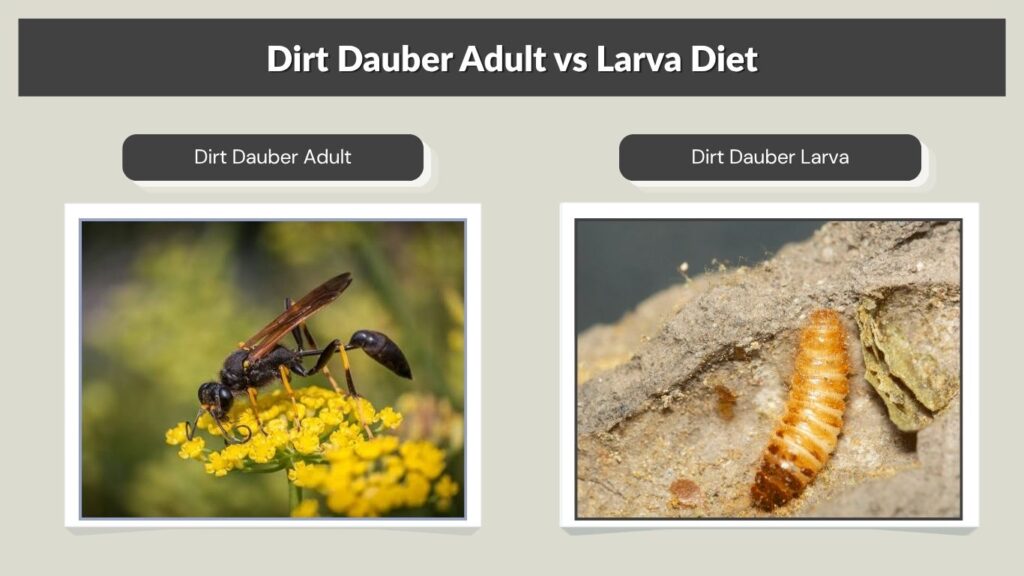
The biggest thing to remember is that dirt daubers change their diet dramatically during development.
| Life Stage | Main Food |
|---|---|
| Adult | Flower nectar |
| Adult | Honeydew |
| Adult | Plant sap and fruit juices |
| Larva | Paralyzed spiders |
| Female hunting behavior | Captures spiders for offspring |
Adults need sugar for immediate energy, while larvae require protein and nutrients for growth.
This division of food sources is common among many wasps.
FAQs
What is the main food of dirt daubers?
Adult dirt daubers mainly consume flower nectar and other sugar-rich liquids. Their larvae have a completely different diet and feed primarily on paralyzed spiders that female mud daubers capture and store inside their mud nest chambers.
Do dirt daubers eat spiders?
The developing larvae eat spiders. Adult females hunt, sting, and paralyze spiders before carrying them to their nests. The adult wasps themselves obtain most of their energy from nectar and other sugary liquids rather than eating the captured spiders.
What kind of spiders do dirt daubers eat?
The exact prey varies among mud dauber species, but their nests can contain orb weavers, cobweb spiders, crab spiders, and other small spiders. Blue mud daubers are particularly well known for capturing black widow spiders.
Do dirt daubers eat mosquitoes?
Not normally. Dirt daubers are primarily spider hunters when provisioning food for their larvae. Adults feed mainly on nectar and other sweet liquids, so they are not considered important predators of mosquitoes.
Do dirt daubers eat wood?
No. Dirt daubers do not eat wood. Their nests are constructed from collected mud, and adults mainly drink nectar and other sweet liquids. Their larvae feed on spiders stored inside the nest by the female wasp.
