
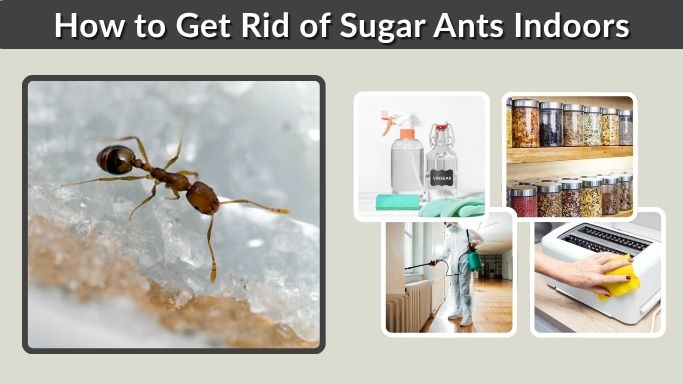
Sugar ants indoors are usually attracted by sweet food, crumbs, sticky spills, pet food, and moisture. The best way to get rid of them is not just killing the ants you see. You need to remove food sources, wipe away scent trails, seal entry points, and use slow-acting ant bait so workers carry it back to the colony. Sprays may kill visible ants quickly, but they often do not solve the source of the problem. A clean, sealed, and baited home gives the best long-term result.
What Are Sugar Ants Indoors?
“Sugar ants” is a common name people use for small ants that enter homes looking for sweet food. In many places, the ants may not be true sugar ants. They may be odorous house ants, pavement ants, pharaoh ants, ghost ants, Argentine ants, or other tiny indoor ants.
Why They Come Inside
Sugar ants come indoors because they find food, water, and shelter. A few crumbs under a table, spilled juice on a counter, open cereal, fruit on the counter, or pet food on the floor can attract them. Once one ant finds food, it leaves a scent trail for other ants to follow.
Ants are especially common in kitchens, bathrooms, pantries, laundry rooms, and around sinks. These areas often provide both moisture and food residue. During hot, dry, rainy, or changing weather, ants may move indoors more often.
The ants you see are usually worker ants. Their job is to search for food and bring it back to the nest. This is why killing only the visible ants does not always work. More workers may continue to enter if the colony remains active and the food source is still available.
Identification
- Small ants moving in trails indoors.
- Often attracted to sugar, syrup, honey, fruit, juice, or sweets.
- May also feed on grease, protein, or pet food.
- Commonly found in kitchens, pantries, sinks, and bathrooms.
- Workers may enter through cracks, windows, doors, pipes, and wall gaps.
- Trails often lead from food to an entry point.
- Some species give off an odor when crushed.
- Nests may be outdoors, inside walls, or near moisture.
- Activity may increase during rainy or dry weather.
- Visible ants are usually only part of the colony.
How to Get Rid of Sugar Ants Indoors Fast
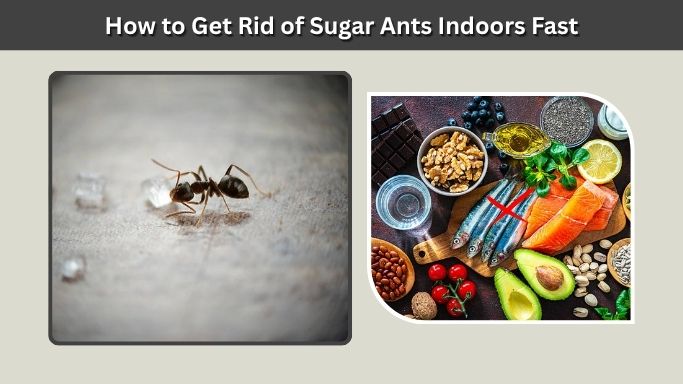
The fastest way to reduce sugar ants indoors is to remove what is attracting them. Then clean the trails and place bait near active paths. If you only spray the ants, you may kill a few workers but miss the colony.
Step 1: Follow the Ant Trail
Start by watching where the ants are going. Do not wipe them away immediately. Follow the trail to find the food source and the entry point. They may be coming from a window frame, baseboard, sink area, cabinet crack, pipe gap, door edge, or wall void.
Once you know the trail, you can target the problem more accurately. Look carefully around counters, pantry shelves, trash bins, pet bowls, and under appliances. Ants often find tiny food particles that people miss during normal cleaning.
If ants are entering from outside, seal that point after you clean and bait. If they are coming from a wall void, baiting becomes more important because you may not be able to reach the nest directly.
Step 2: Remove Food and Water
Clean all food sources that may attract ants. Wipe counters, sweep floors, clean under appliances, rinse sticky containers, and remove crumbs from cabinet corners. Store sugar, cereal, biscuits, flour, snacks, and pet food in sealed containers.
Do not leave dirty dishes overnight. Empty trash regularly and clean sticky residue around the bin. Fix leaking pipes and dry wet sink areas. Even a small water source can help ants stay active indoors.
This step is important because bait works better when ants do not have many other food choices. If the kitchen still has sweets, grease, and crumbs everywhere, ants may ignore the bait.
Best Indoor Sugar Ant Control Methods
Indoor sugar ant control works best when you combine cleaning, trail removal, baiting, and sealing. Each method helps solve a different part of the problem.
Sugar Ant Control Table
| Method | What It Does | Best Use |
| Cleaning | Removes food and spills | First step for every infestation |
| Trail wiping | Breaks scent trails | After locating the trail |
| Ant bait | Targets the colony | Best for long-term control |
| Sealing cracks | Blocks entry points | After ants are controlled |
| Moisture control | Reduces attraction | Kitchens, bathrooms, laundry areas |
| Professional help | Handles large infestations | When DIY methods fail |
Use Ant Bait Instead of Only Sprays
Ant bait is usually better than contact spray for indoor sugar ants. Bait attracts worker ants. The workers feed on it and carry it back to the colony. This can affect ants you cannot see, including the nest.
Use bait stations or gel bait near trails, but not directly on food-preparation surfaces. Place bait where ants are active, such as near baseboards, under sinks, beside appliances, inside cabinets away from food, or near entry points.
Do not spray near bait. Sprays can repel or kill workers before they carry bait back to the colony. They can also make ants avoid the bait. If you use bait, let the ants feed on it for a few days.
Be Patient With Bait
Bait may look like it is making the problem worse at first because more ants gather around it. This is normal. It means the ants are feeding and taking the bait back.
Do not remove bait too early. Depending on the ant species and colony size, control may take several days or longer. Replace bait when it dries out or is empty. Keep it away from children and pets, and always follow the product label.
Natural Ways to Get Rid of Sugar Ants Indoors
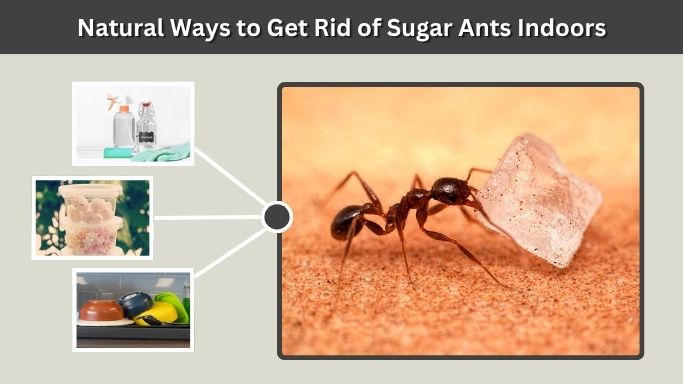
Natural methods can help with light ant activity, especially when combined with cleaning and sealing. They may not destroy a whole colony, but they can reduce trails and make your home less attractive.
Wipe Trails With Soapy Water or Vinegar
Ants follow chemical scent trails. Wiping the trail helps remove the scent path that leads other ants to food. Use soapy water or a vinegar-water solution on counters, floors, and entry areas where ants have walked.
This works best after you follow the trail and find the entry point. If you wipe too early, you may lose the trail before finding the source. First observe, then clean.
Avoid using strong-smelling cleaners near bait stations. Strong odors may cause ants to avoid the bait. Clean other areas well, but keep bait spots attractive enough for workers to feed.
Remove Attractants Naturally
Simple prevention can reduce ants without heavy chemical use. Keep sweets sealed, wash fruit bowls, clean honey jars, wipe syrup bottles, and rinse recycling containers. Clean pet feeding areas after meals.
Dry sinks at night and fix moisture problems. Ants need water, especially during hot or dry weather. A damp sponge, leaking pipe, or wet counter can attract them even if food is limited.
Some people use peppermint, cinnamon, citrus, or other scents as repellents. These may help in small areas, but they are usually not enough for a colony. Use them as support, not the main control method.
How to Find Where Sugar Ants Are Coming From
Finding the entry point is one of the most important parts of indoor ant control. If you do not find how they enter, ants may return after cleaning.
Common Entry Points
Sugar ants may enter through window cracks, door gaps, baseboards, plumbing openings, electrical outlets, wall cracks, foundation gaps, vents, and gaps around cabinets. They can pass through very small openings, so careful inspection is needed.
Look at where the trail begins. If ants appear along a counter, check the wall behind it. If they appear near the sink, inspect pipe openings. If they appear near a window, check the frame and sill.
At night, use a flashlight to inspect active trails. Some ants are more active during cooler or quieter hours.
Seal Cracks and Gaps
Once ant activity is reduced, seal entry points with caulk, weatherstripping, or door sweeps. Seal around pipes, windows, doors, baseboards, and foundation cracks. Repair torn screens and close gaps around utility lines.
Do not seal active ants inside a wall without baiting first. If a colony is nesting inside, sealing one exit may push ants to find another route into the home. Bait first, then seal after activity drops.
How to Get Rid of Sugar Ants in the Kitchen
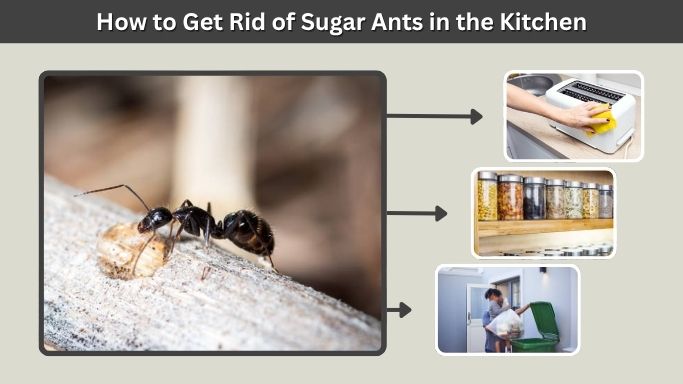
The kitchen is the most common place for sugar ants because it has food, water, and warmth. Even clean kitchens can have tiny crumbs or sticky residue that ants can detect.
Kitchen Cleaning Steps
Start with a deep clean. Wipe counters, cabinet handles, pantry shelves, and table surfaces. Sweep and mop floors. Clean under the toaster, microwave, stove, refrigerator, and dishwasher. Rinse sticky jars and bottles before storing them.
Store all sweet and dry foods in airtight containers. This includes sugar, cookies, cereal, rice, flour, honey, syrup, dried fruit, and pet treats. Keep ripe fruit covered or refrigerated if ants are active.
Clean the trash area daily. Wash the bin if it has sticky residue. Rinse soda cans, juice bottles, and food containers before putting them in recycling.
Kitchen Bait Placement
Place bait near ant trails but away from open food. Good spots include under the sink, near baseboards, beside the refrigerator, behind the trash bin, under cabinets, and near wall cracks. Do not place bait where children or pets can reach it.
If ants are feeding on the bait, let them continue. Avoid wiping the exact bait path unless necessary. You can clean other areas while leaving bait access open.
How to Get Rid of Sugar Ants in Bathroom and Bedroom
Sugar ants may also appear in bathrooms and bedrooms. In bathrooms, they are usually looking for moisture. In bedrooms, they may be attracted to snacks, drinks, or hidden crumbs.
Bathroom Ant Control
Check around sinks, tubs, showers, toilets, and pipe openings. Fix leaks and dry wet surfaces. Clean soap residue, toothpaste, and hair-product spills. Ants may feed on small organic residues, not only sugar.
Place bait near the trail, such as behind the toilet, under the sink, or near baseboards. Keep bait dry because wet bait may spoil or become less attractive.
Seal gaps around pipes and tiles after activity decreases. Bathroom ants often use plumbing spaces as travel routes.
Bedroom Ant Control
Remove food wrappers, cups, and crumbs from bedrooms. Vacuum around beds, desks, rugs, and furniture. Check nightstands and trash bins for candy, juice, soda, or snacks.
If ants are near a window, inspect the frame. If they are near a wall, look for a baseboard gap. Use bait near the trail and seal entry points once the ants stop coming.
Common Mistakes When Removing Sugar Ants
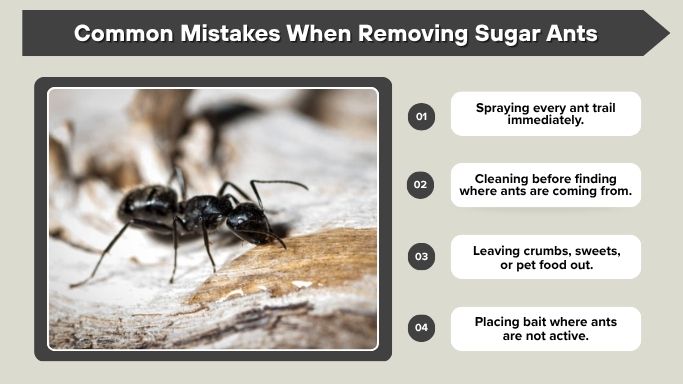
Many people make sugar ant problems worse by using the wrong method. The biggest mistake is killing the visible ants without addressing the colony or attraction source.
Mistakes to Avoid
- Spraying every ant trail immediately.
- Cleaning before finding where ants are coming from.
- Leaving crumbs, sweets, or pet food out.
- Placing bait where ants are not active.
- Spraying near bait stations.
- Removing bait too soon.
- Using too many strong repellents near bait.
- Ignoring moisture problems.
- Sealing entry points before baiting active wall nests.
- Assuming all small ants need the same treatment.
Why Sprays Often Fail
Contact sprays kill ants you can see, but most of the colony remains hidden. More workers may enter later. Some ant colonies may also split or move when disturbed, depending on the species.
Bait is more effective because it uses the ants’ own food-sharing behavior. Workers bring the bait back to the colony, which gives you a better chance of controlling the source.
How to Prevent Sugar Ants From Coming Back
Prevention is the long-term solution. Once ants are gone, keep your home less attractive and harder to enter.
Indoor Prevention Tips
Keep food sealed and clean spills quickly. Wipe counters every night. Sweep or vacuum food areas often. Clean under appliances regularly. Do not leave pet food out for long periods. Take out trash before it smells or leaks.
Store pantry foods in airtight containers. Check for sticky residue around honey, syrup, jam, and sugar containers. Rinse recycling before storing it indoors.
Keep sinks dry at night. Repair leaks under sinks, around faucets, and near appliances. Moisture control is especially important in kitchens, bathrooms, and laundry rooms.
Entry Prevention Tips
Seal cracks around windows, doors, pipes, and baseboards. Install door sweeps if there is a gap under the door. Trim branches or plants touching the house, because ants can use them as bridges.
Move outdoor trash, compost, wood, and debris away from the home. If ants are nesting outside near the foundation, indoor bait alone may not solve the problem. You may need outdoor inspection and control.
When to Call a Professional
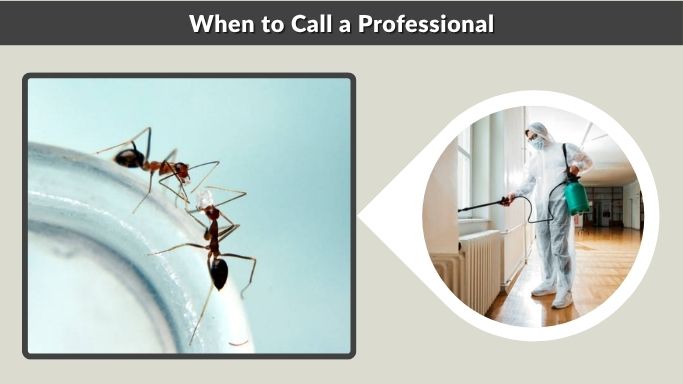
Most small sugar ant problems can be managed with cleaning, baiting, and sealing. However, some infestations need professional help, especially if ants keep returning.
Signs You Need Help
Call a pest control professional if ants return after repeated baiting, appear in many rooms, come from wall voids, show up near electrical outlets, or remain active for weeks. Also get help if you cannot identify the ant species.
Some ants require special treatment. For example, pharaoh ants can spread if treated incorrectly with repellent sprays. Carpenter ants may indicate moisture-damaged wood. A professional can identify the species and choose the right method.
Professional help is also useful in homes with children, pets, food businesses, or sensitive areas where pesticide use must be careful.
FAQs
How do I get rid of sugar ants indoors fast?
To get rid of sugar ants indoors fast, remove food sources, wipe ant trails, and place slow-acting bait near active trails. Do not spray near the bait. Let worker ants carry the bait back to the colony. Clean spills, seal food, and block entry points after activity drops.
What attracts sugar ants inside the house?
Sugar ants are attracted to sweet foods, crumbs, syrup, honey, fruit, juice, soda, pet food, grease, and water. Kitchens, bathrooms, pantries, and trash areas are common problem spots. Even a tiny sticky spill or crumb trail can attract ants indoors.
Should I spray sugar ants indoors?
Spraying visible ants is usually not the best solution. It may kill a few workers but often does not reach the colony. Bait is usually better because ants carry it back to the nest. If you use bait, avoid spraying nearby because sprays can repel ants from it.
What is the best bait for sugar ants indoors?
Liquid or gel ant baits often work well for sweet-feeding ants. Place bait near trails, entry points, and baseboards where ants are active. Keep bait away from children, pets, and food surfaces. Follow the label and give the ants time to carry bait back.
Why do sugar ants keep coming back?
Sugar ants keep coming back when food, moisture, scent trails, or entry points remain. The colony may also still be active outside or inside a wall. Clean thoroughly, wipe trails, use bait long enough, fix leaks, and seal cracks after the ant activity decreases.
