
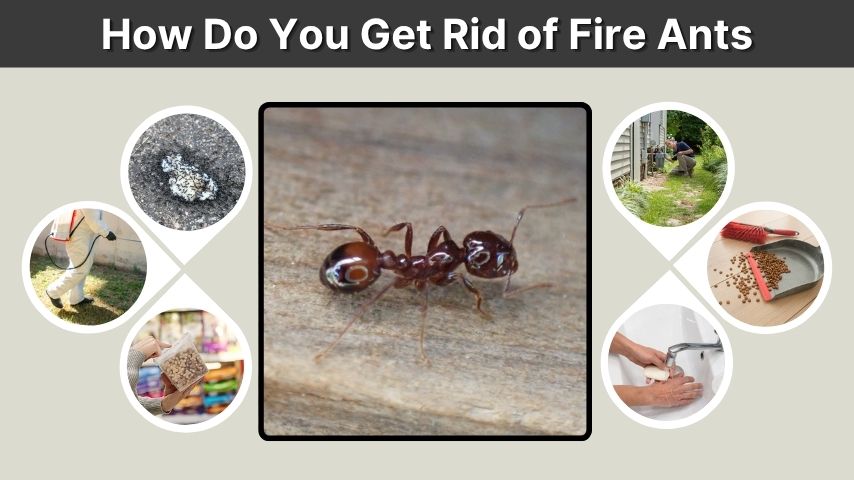
Fire ants are more than a lawn nuisance. They build mounds, sting aggressively, and can make yards, gardens, sidewalks, and play areas unsafe. If you are asking, “how do you get rid of fire ants?” The most effective answer is not just knocking down the mound. Fire ants live in colonies underground, so real control requires treating both visible mounds and hidden colonies. With the right plan, you can reduce fire ant activity and keep your yard safer.
Why Fire Ants Are Hard to Get Rid Of
Fire ants are difficult to control because most of the colony is hidden underground. The mound you see on the surface is only part of the problem. Beneath it, tunnels can hold thousands of worker ants, developing ants, and one or more queens.
When a mound is disturbed, fire ants may quickly move deeper into the soil or relocate. This is why kicking the mound, flooding it casually, or using weak home remedies often fails. You may kill some ants on the surface, but the queen may survive and rebuild the colony.
Fire ants also spread quickly in warm climates. Imported fire ants are found in many parts of the southern United States, including lawns, parks, pastures, fields, and open sunny areas. USDA APHIS notes that imported fire ants can sting repeatedly, harm animals, displace native ants, and move to new areas through soil and other materials.
The Best Way to Get Rid of Fire Ants
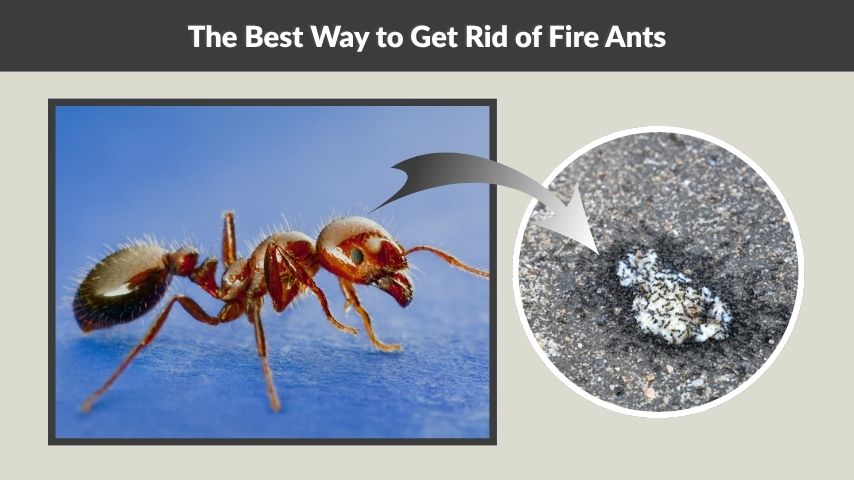
The best way to get rid of fire ants in a yard is usually the two-step method. This method combines a broad fire ant bait treatment with direct treatment of problem mounds. It works better than treating one mound at a time because it targets both the colonies you can see and the hidden colonies you may miss.
Step 1: Use Fire Ant Bait Across the Yard
Fire ant bait is designed to be picked up by worker ants and carried back to the colony. The ants share the bait, and it eventually affects the queen and the colony. This is important because killing only the workers on the surface will not solve the problem.
Broadcast bait is usually applied lightly across the yard, not dumped directly onto the mound. Fire ants forage for food, find the bait granules, and take them back underground. For best results, always follow the product label exactly.
Fire ant bait works best when:
- The ground is dry
- No heavy rain is expected soon
- Ants are actively foraging
- The temperature is mild to warm
- Fresh bait is used
- The bait is spread evenly
A simple way to test activity is to place a small food item, such as a potato chip or small piece of hot dog, near the mound and check whether ants find it within 20 to 30 minutes. If they are actively foraging, bait is more likely to work.
Step 2: Treat Problem Fire Ant Mounds
After using bait, treat individual mounds that are close to high-traffic areas, such as sidewalks, patios, play spaces, gardens, pet areas, or doorways. Mound treatments work faster than bait, but they only affect the mound you treat.
Mound treatment options may include:
- Fire ant mound drenches
- Granular mound treatments
- Dust insecticides
- Approved bait re-treatment
- Some nonchemical mound methods
University extension sources commonly recommend bait first, then direct treatment for active nuisance mounds. UF/IFAS describes this two-step approach as broadcasting bait followed by treating nuisance mounds with a faster individual mound treatment.
How to Get Rid of Fire Ant Hills
Fire ant hills, also called mounds, are the visible signs of underground colonies. A mound may look like loose, fluffy soil with no obvious center opening. Fire ants usually enter and exit through underground tunnels, so pouring something into the top may not reach the queen.
Do Not Just Knock Down the Mound
Flattening a fire ant hill may make it look better for a short time, but it does not remove the colony. It can also make ants swarm and sting. If the mound is disturbed, the colony may move or rebuild nearby.
Instead, choose a treatment method that reaches the colony. Bait is helpful because workers carry it inside. Mound drenches can also work if applied correctly and deeply enough according to label directions.
Best Time to Treat Fire Ant Mounds
Fire ant mound treatments usually work best when ants are near the surface. Mild weather is often better than very hot, cold, or wet conditions. If the soil is too dry, too saturated, or too cold, ants may be deeper underground, making treatment less effective.
Avoid treating right before heavy rain unless the product label says it is safe. Rain can wash away bait or reduce its effectiveness.
How Do You Get Rid of Fire Ants Naturally?
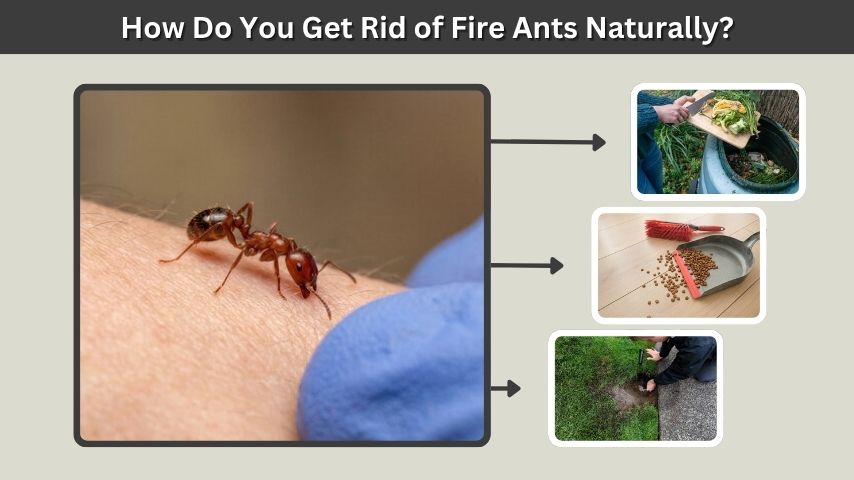
Many people want to know how to get rid of fire ants naturally or without harsh poison. Natural methods may help in limited situations, but they are not always as reliable as proven fire ant bait and mound treatments.
Natural and Lower-Toxicity Options
Some products use ingredients such as spinosad or botanical insecticides. These may be labeled for fire ant control and can be part of a lower-impact approach. Texas A&M notes that natural or organic methods can include mound drench products containing plant-derived ingredients and biological control agents.
You can also reduce fire ant problems by making your yard less attractive:
- Remove food scraps from outdoor areas
- Keep trash cans sealed
- Clean up pet food
- Avoid leaving sugary drinks outside
- Keep grass maintained
- Reduce piles of debris
- Fix irrigation leaks and overly wet areas
These steps will not eliminate an established fire ant colony, but they can reduce conditions that support pest activity.
Does Boiling Water Kill Fire Ants?
Boiling water can kill some ants, but it is risky and often incomplete. It may burn the person applying it, damage grass, and harm nearby plants. Texas A&M warns that very hot or boiling water can kill grass or surrounding vegetation where it is poured.
Boiling water may not reach the queen, especially if the colony is deep or spread out underground. If the queen survives, the mound can return.
Do Home Remedies Work?
Many home remedies are popular online, including vinegar, grits, club soda, dish soap, cinnamon, and essential oils. Some may kill ants on contact, but most do not reliably eliminate the queen or the full colony. That means the ants often return.
For long-term control, use methods designed to affect the colony, not just the ants you can see.
How Do You Get Rid of Fire Ants Permanently?
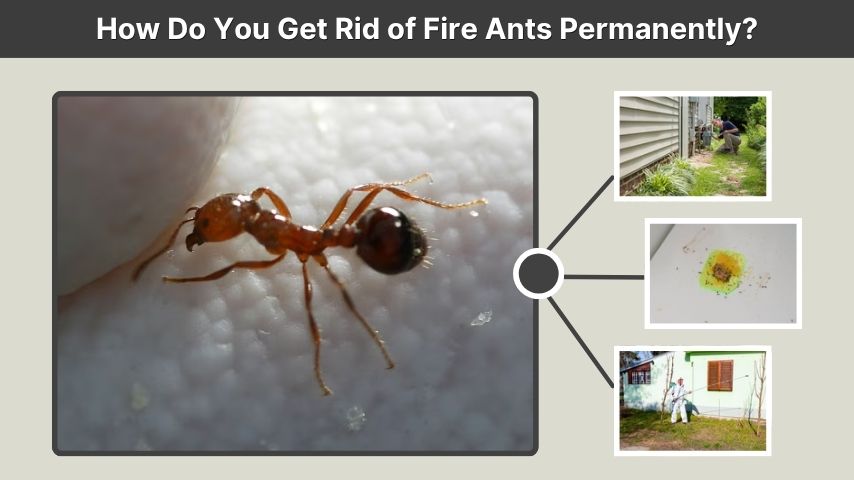
It is difficult to get rid of fire ants permanently, especially in areas where they are common. New colonies can move in from nearby yards, fields, roadsides, or untreated spaces. Even if you eliminate existing mounds, future queens may start new colonies.
A better goal is long-term control. This means reducing the number of mounds and keeping high-use areas safer.
Long-Term Fire Ant Control Plan
A practical plan may include:
- Inspecting the yard regularly
- Applying bait during active seasons
- Treating problem mounds quickly
- Keeping children and pets away from mounds
- Coordinating treatment with neighbors when possible
- Using professional pest control for heavy infestations
Mississippi State Extension recommends consistent bait use and mound control, noting that proper preventive bait applications can greatly reduce visible mounds.
Why Fire Ants Come Back
Fire ants may return because untreated colonies nearby spread into your property. A single yard treatment may reduce activity for a while, but it does not create a permanent barrier forever. Weather, soil conditions, and surrounding infestations all affect how quickly new colonies appear.
If fire ants are common in your region, seasonal maintenance is usually necessary.
How to Get Rid of Red Fire Ants
Red imported fire ants are among the most problematic fire ants in the United States. They are aggressive, build mounds in open sunny spaces, and sting repeatedly when disturbed. Getting rid of red fire ants follows the same basic strategy: bait the area, then treat active mounds.
Identify the Ant Before Treatment
Not every ant mound belongs to fire ants. Some native ants build mounds and may even help compete with fire ants. Before treating, look for fire ant signs:
- Reddish-brown to dark ants
- Aggressive swarming when disturbed
- Painful stings
- Loose soil mound
- No obvious central entrance hole
- Mounds in sunny open areas
If you are unsure, contact a local extension office or pest professional. Correct identification helps avoid killing beneficial ants unnecessarily.
Fire Ant Control Methods Compared
Different fire ant treatments work in different ways. The best option depends on yard size, infestation level, safety concerns, and how quickly you need results.
| Method | Best For | Pros | Cons |
| Broadcast bait | Whole-yard control | Targets hidden colonies, efficient | Works gradually |
| Mound drench | Active problem mounds | Faster local control | Treats one mound at a time |
| Granular mound treatment | Visible mounds | Easy to apply | Must follow watering directions |
| Dust treatment | Individual mounds | Can work quickly | Needs careful application |
| Boiling water | Small isolated mounds | Nonchemical | Risky, damages plants, may miss queen |
| Professional treatment | Heavy infestations | Expert plan, stronger tools | Higher cost |
For most homeowners, the best balance is bait plus mound treatment. This approach reduces the overall population while handling urgent mounds near people and pets.
Safety Tips When Treating Fire Ants
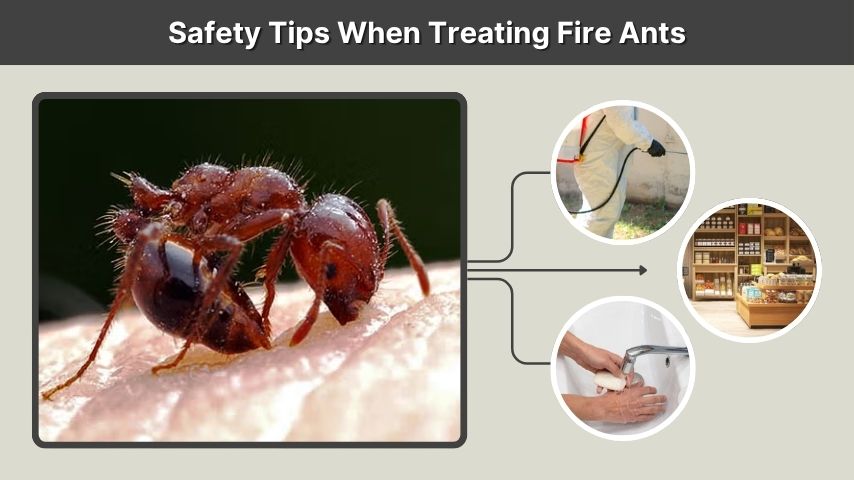
Fire ant control products can be effective, but they must be used safely. Always read and follow the label. The label tells you where the product can be used, how much to apply, whether it is safe around pets or gardens, and how long people or animals should stay away from treated areas.
Important Safety Practices
Use these precautions:
- Wear gloves when applying products
- Keep children and pets away during treatment
- Do not overapply insecticide
- Store products in original containers
- Avoid applying near ponds unless the label allows it
- Do not use outdoor products indoors
- Do not mix chemicals
- Wash hands after application
If you have vegetable gardens, fruit trees, chickens, fish ponds, or pets, choose products labeled for those specific situations. When in doubt, ask a local extension office or licensed pest control professional.
How to Prevent Fire Ants From Taking Over
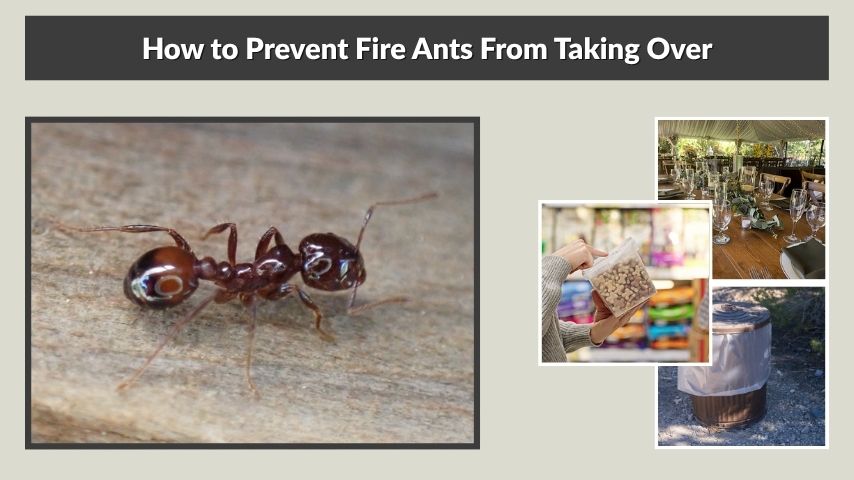
Prevention is easier when you stay ahead of new colonies. Fire ants are more manageable when mound numbers are low. Once a yard has many colonies, treatment becomes more time-consuming.
Yard Maintenance Tips
To reduce fire ant problems:
- Inspect the lawn after rain
- Watch sunny open areas
- Keep outdoor food cleaned up
- Store pet food indoors
- Keep trash sealed
- Reduce clutter and debris
- Maintain lawn health
- Treat new mounds early
Fire ants often appear after rain because mounds become more visible. Checking your yard after wet weather can help you spot colonies before they spread.
When to Call a Professional
You may need professional pest control if your yard has many mounds, if fire ants keep returning, or if the mounds are near electrical equipment, playgrounds, schools, livestock areas, or sensitive landscapes. Professionals can identify the ant species, choose the right treatment, and apply products safely.
Call a professional if:
- There are many mounds across the property
- DIY treatments are not working
- Fire ants are near pets or children
- Someone in the home is allergic to stings
- Mounds are near wiring or equipment
- You need treatment for a large property
Fire ant control is not always a one-time job. A professional may recommend a maintenance schedule to keep the population low.
What About Fire Ant Bites?
Some people searching “how do you get rid of fire ants” may actually want to get rid of fire ant bites or stings. If you have been stung, move away from the mound first and brush ants off your skin. Wash the area with soap and water, apply a cold compress, and avoid scratching or popping blisters.
Seek emergency care if you have trouble breathing, swelling of the face or throat, dizziness, widespread hives, or fainting. These may be signs of a serious allergic reaction.
FAQs
How do you get rid of fire ants fast?
For fast control, treat active mounds with a labeled fire ant mound treatment. For better overall control, combine this with broadcast bait across the yard. Mound treatments work faster, but bait helps target hidden colonies.
How do you get rid of fire ants naturally?
Natural options may include plant-derived mound drenches, spinosad-based products, and better yard sanitation. However, many home remedies do not reliably kill the queen. For lasting control, use a proven product labeled for fire ants.
How do you get rid of fire ant hills?
Do not just knock down the hill. Use fire ant bait around the yard and treat the mound directly with a labeled mound treatment. The goal is to reach the colony underground, especially the queen.
Can you get rid of fire ants permanently?
Permanent removal is difficult in areas where fire ants are common. New colonies can move in from nearby untreated areas. Long-term control usually requires seasonal baiting, mound treatment, and regular yard inspections.
What kills fire ants without damaging the lawn?
Fire ant baits and labeled mound treatments are usually safer for lawns when applied correctly. Boiling water may kill some ants but can also damage grass and nearby plants. Always follow product label directions.
