
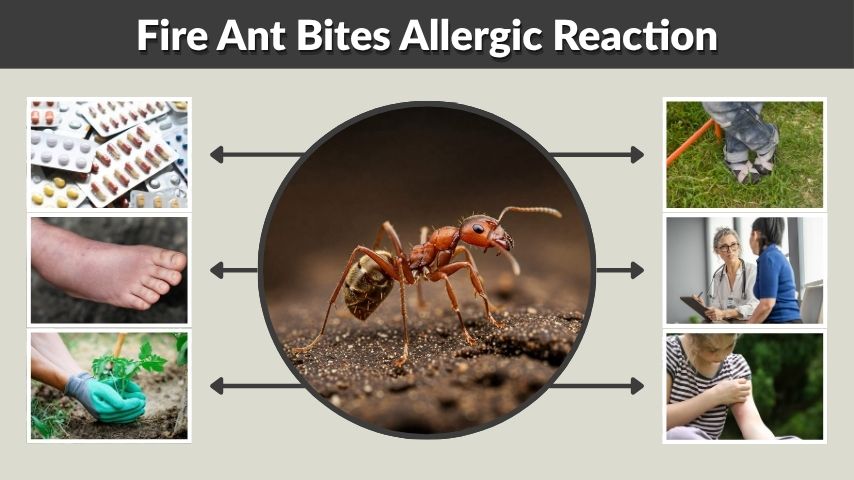
Fire ant bites can cause more than a painful, itchy bump. For some people, the venom from a fire ant sting may trigger an allergic reaction that affects the skin, breathing, digestion, or circulation. Most reactions are mild, but a severe fire ant bites allergic reaction can become a medical emergency. Knowing the warning signs, treatment options, and prevention steps can help you respond quickly and safely.
What Is a Fire Ant Bites Allergic Reaction?
A fire ant bites allergic reaction happens when the immune system overreacts to venom injected during a sting. Although people often call them “bites,” fire ants usually bite first to grip the skin, then sting and inject venom. This venom causes the burning pain, redness, swelling, and itchy bumps many people notice after contact with fire ants.
For most people, fire ant stings cause a local skin reaction. The area may burn, swell, itch, and form a small white pustule within about 24 hours. This is uncomfortable but usually not dangerous. However, people who are allergic to fire ant venom may develop symptoms beyond the sting area. These symptoms can range from widespread hives to a life-threatening reaction called anaphylaxis.
The risk is higher for people who have reacted badly to fire ant stings before. A previous severe reaction is an important warning sign, and those individuals should speak with a doctor or allergist about prevention and emergency treatment.
Why Fire Ants Cause Allergic Reactions
Fire ants are aggressive when their mound is disturbed. They may swarm onto the skin and sting repeatedly. One fire ant can sting more than once, and multiple ants can sting at the same time. This means a person may receive several venom injections in a few seconds.
The body reacts to fire ant venom in different ways. Some people only get a small bump. Others develop larger swelling. Allergic people may have an immune response that affects the whole body.
Common Reaction Types
There are three main types of reactions after fire ant stings:
| Reaction Type | Common Signs | Level of Concern |
| Mild local reaction | Burning, redness, itching, small pustule | Usually treatable at home |
| Large local reaction | Bigger swelling, warmth, redness, discomfort | May need medical advice if severe |
| Systemic allergic reaction | Hives, breathing trouble, dizziness, throat swelling, nausea | Emergency if severe or spreading |
A small pustule does not always mean infection. It is a common fire ant sting reaction. The bigger concern is when symptoms spread beyond the sting site or affect breathing, circulation, or the face and throat.
Fire Ant Bite Allergic Reaction Symptoms
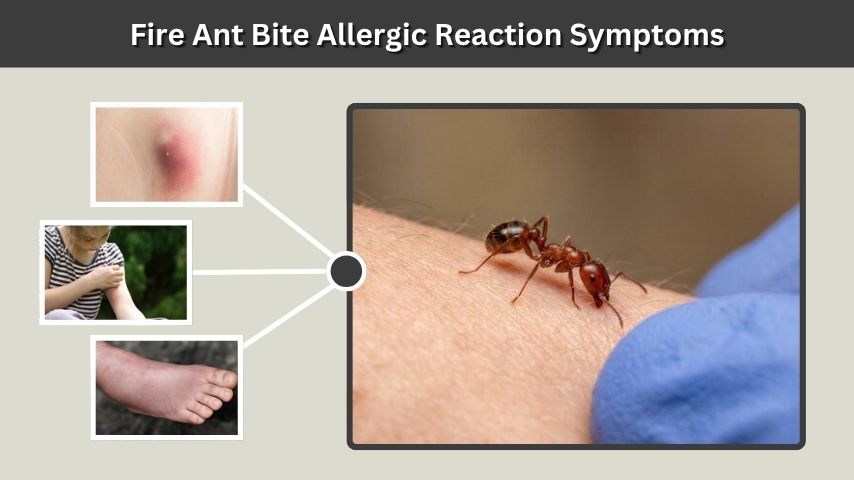
Symptoms can appear quickly, sometimes within minutes. In other cases, swelling and itching may become more noticeable over several hours. The most important thing is to separate a normal local reaction from a true allergic reaction.
Mild Local Symptoms
Mild symptoms usually stay close to the sting site. They may include burning, itching, redness, tenderness, and small raised bumps. A white or yellowish pustule may form later.
Common mild symptoms include:
- Burning pain right after the sting
- Red bumps or welts
- Itching around the bite
- Mild swelling
- Small blister or pustule
- Tenderness when touched
These symptoms are uncomfortable but usually improve within a few days. Itching may last longer, especially if the area is scratched or rubbed by shoes, socks, or clothing.
Large Local Reaction Symptoms
A large local reaction is stronger than a typical sting reaction but does not always mean a person is having anaphylaxis. The swelling may spread around the sting area, such as across the foot, ankle, hand, or arm.
Signs of a large local reaction may include:
- Swelling larger than expected
- Redness spreading around the sting
- Warmth in the area
- Tight or painful skin
- Itching over a wider area
- Discomfort that lasts several days
Large local reactions can look alarming. They may need medical guidance if swelling is severe, near the eyes or mouth, or getting worse instead of better.
Severe Allergic Reaction Symptoms
A severe allergic reaction to fire ant bites can affect multiple body systems. This may be anaphylaxis, which requires emergency care. Do not wait to see if symptoms improve when breathing, throat swelling, faintness, or widespread hives are involved.
Emergency warning signs include:
- Trouble breathing
- Wheezing
- Chest tightness
- Swelling of the lips, tongue, face, or throat
- Widespread hives
- Dizziness or fainting
- Fast or weak pulse
- Nausea, vomiting, or diarrhea
- Confusion or weakness
- Sudden drop in blood pressure
A severe allergic reaction may happen quickly. If someone has these symptoms after fire ant stings, call emergency services immediately.
What Does an Allergic Reaction to Fire Ant Bites Look Like?
A normal fire ant sting often looks like a red bump with a small white pustule. An allergic reaction may look different because it can spread beyond the bite area.
For example, a person stung on the ankle may develop hives on the arms, chest, or back. The face or lips may swell. The skin may become flushed, itchy, or covered in raised welts. In severe cases, the person may look pale, weak, confused, or short of breath.
Pictures and Visual Search Intent
Many people search for allergic reaction fire ant bites pictures because they want to compare their skin reaction. Pictures can help identify common patterns, but they cannot confirm whether a reaction is dangerous. A mild-looking rash can still be serious if breathing symptoms or dizziness are present.
When judging a reaction, do not look only at the skin. Pay attention to the whole body. Breathing trouble, throat tightness, fainting, vomiting, or widespread hives matter more than the appearance of one bite.
Fire Ant Bite Allergic Reaction Treatment
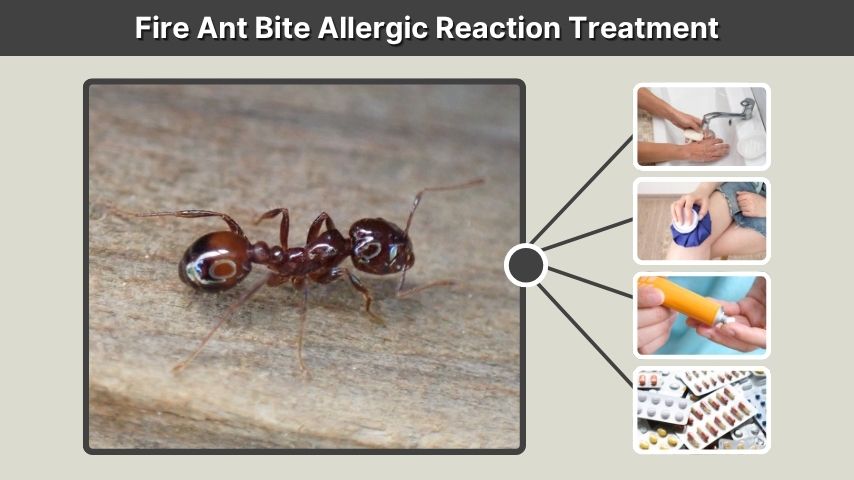
Treatment depends on the severity of the reaction. Mild reactions can often be treated at home. Severe reactions need emergency medical care.
Treatment for Mild Reactions
For a mild local reaction, start with basic first aid. Move away from the fire ant mound, brush ants off the skin, and wash the area with soap and water. Apply a cold compress to reduce burning and swelling.
Helpful steps include:
- Wash the sting area gently.
- Use a cold compress for 10 to 15 minutes.
- Apply hydrocortisone cream for itching.
- Use calamine lotion for skin irritation.
- Take an oral antihistamine if appropriate.
- Avoid scratching or popping pustules.
- Keep the area clean and dry.
Do not pop fire ant blisters. Popping them can open the skin and increase the risk of infection.
Treatment for Large Local Reactions
A large local reaction may need stronger itch and swelling control. A healthcare provider may recommend antihistamines, topical steroids, or other treatment depending on the person’s age, medical history, and symptoms.
Seek medical advice if swelling is severe, painful, or spreading quickly. Also get help if the sting is near the eye, mouth, throat, or genitals. Children, older adults, and people with immune problems may need extra caution.
Emergency Treatment for Severe Allergic Reactions
A severe allergic reaction is not a home-treatment situation. If symptoms suggest anaphylaxis, emergency treatment is needed. Epinephrine is the first-line emergency treatment for anaphylaxis. People with known fire ant allergy may be prescribed an epinephrine auto-injector and should use it as directed during a severe reaction.
After epinephrine, emergency medical evaluation is still important. Symptoms can sometimes return, and the person may need monitoring or additional treatment.
Can Fire Ant Bites Cause an Allergic Reaction?
Yes, fire ant bites or stings can cause an allergic reaction. Most people only experience local symptoms, but some people react to the venom more strongly. Fire ants are one of the stinging insects known to cause venom allergy.
A person may be more likely to have a future severe reaction if they have already had one. Anyone who has experienced breathing trouble, faintness, throat swelling, or widespread hives after fire ant stings should discuss allergy testing and prevention with a healthcare professional.
Fire Ant Bite Allergic Reaction Treatment at Home
Home care is only appropriate for mild symptoms. If the reaction is limited to redness, itching, and minor swelling around the sting, simple treatment may help.
Safe home care options include cold compresses, gentle washing, loose clothing, and anti-itch products. Elevating the affected foot or hand may also reduce swelling. Keep the area clean, especially if a pustule breaks on its own.
Avoid harsh home remedies. Do not apply bleach, strong chemicals, undiluted essential oils, or abrasive scrubs. These may irritate the skin and worsen inflammation.
When to See a Doctor
You should see a doctor if symptoms are more than mild or if the reaction is unusual. Medical advice is especially important if swelling is spreading, pain is increasing, or the bite area looks infected.
Call a doctor if you notice:
- Swelling that keeps getting worse
- Increasing redness or warmth
- Pus, drainage, or red streaks
- Fever
- Severe itching that does not improve
- Many stings on a child
- Stings near the eyes or mouth
- A previous serious reaction to fire ants
Call emergency services right away for breathing trouble, throat swelling, widespread hives, fainting, chest tightness, or confusion.
Fire Ant Bites Allergic Reaction on Dogs
Dogs can also react to fire ant stings. They may step on a mound, lie near ants, or sniff an infested area. Fire ants often sting dogs on the paws, belly, nose, or mouth.
Signs in dogs may include licking the paws, limping, whining, swelling, red bumps, or restlessness. More serious symptoms can include facial swelling, vomiting, weakness, collapse, or trouble breathing.
If your dog has mild irritation, move them away from the ants and contact a veterinarian for advice. Do not give human allergy medicine unless a veterinarian says it is safe. If your dog has breathing problems, facial swelling, collapse, or repeated vomiting, seek emergency veterinary care.
How to Prevent Fire Ant Allergic Reactions
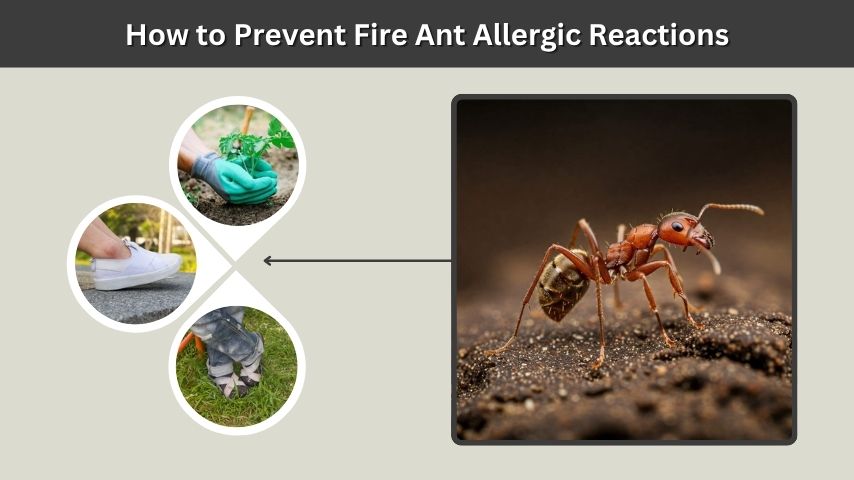
The best way to prevent a fire ant allergic reaction is to avoid stings. Fire ant mounds may be found in lawns, parks, fields, sidewalks, and garden areas. People who work outdoors or spend time in fire ant regions should be especially careful.
Prevention Tips
Use these steps to reduce the risk:
- Watch for fire ant mounds before walking or sitting.
- Wear closed-toe shoes outdoors.
- Use socks and long pants in grassy areas.
- Wear gloves while gardening.
- Keep children away from ant mounds.
- Check outdoor toys, shoes, and blankets.
- Treat fire ant colonies safely.
- Consider professional pest control for heavy infestations.
People with known fire ant allergy should talk with an allergist about carrying epinephrine and whether allergy shots may help reduce future risk.
Living With Fire Ant Allergy
Living with fire ant allergy means being prepared. Avoiding fire ants is important, but it is not always possible. A person may accidentally step on a mound while walking, gardening, mowing, or playing outside.
If you have had a serious reaction before, create an emergency plan with your healthcare provider. Make sure family members, coworkers, or caregivers know what symptoms to watch for and how to respond. If you carry an epinephrine auto-injector, keep it accessible and know how to use it.
Allergy testing may help confirm whether fire ant venom is the trigger. For some people, immunotherapy may reduce the risk of severe reactions in the future.
FAQs
What are the symptoms of an allergic reaction to a fire ant bites allergic reaction?
Symptoms may include widespread hives, swelling of the face or throat, trouble breathing, dizziness, nausea, vomiting, or fainting. Mild reactions usually stay near the sting area, while allergic reactions may affect other parts of the body.
How do you treat an allergic reaction to fire ant bites?
Mild reactions may be treated with washing, cold compresses, hydrocortisone cream, calamine lotion, and antihistamines. Severe symptoms such as breathing trouble, throat swelling, or fainting need emergency care and may require epinephrine.
Can one fire ant bite cause an allergic reaction?
Yes. Even one fire ant sting can trigger an allergic reaction in a sensitive person. The risk may be higher with multiple stings, but the number of stings does not always predict reaction severity.
What does a severe allergic reaction to fire ant bites look like?
A severe reaction may include widespread hives, facial or throat swelling, wheezing, chest tightness, dizziness, weakness, vomiting, or collapse. These symptoms can be signs of anaphylaxis and require emergency medical help.
Are fire ant bite blisters an allergic reaction?
A small white blister or pustule is common after a fire ant sting and does not always mean allergy. However, widespread hives, swelling away from the sting area, breathing problems, or dizziness may suggest an allergic reaction.
