
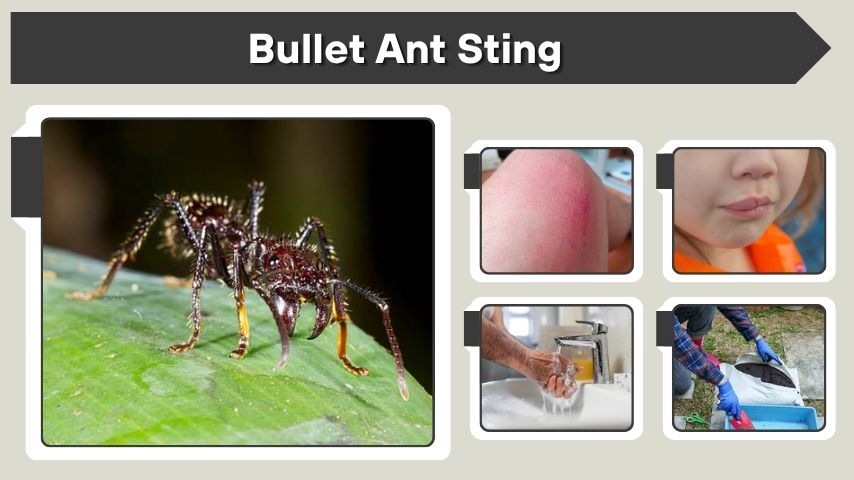
A bullet ant sting is often described as one of the most painful insect stings in the world. Found mainly in Central and South American rainforests, the bullet ant has earned a fearsome reputation because of its intense venom and long-lasting pain. While the sting is rarely life-threatening to healthy adults, it can cause severe discomfort, swelling, and temporary physical weakness.
What Is a Bullet Ant?
The bullet ant, scientifically known as Paraponera clavata, is a large tropical ant famous for its powerful sting. Its name comes from the common claim that the pain feels like being shot by a bullet. These ants are usually found in humid rainforest environments, where they live near the bases of trees and forage on vegetation.
Where Bullet Ants Live
Bullet ants are native to tropical regions of Central and South America. They are commonly found in countries such as:
- Brazil
- Nicaragua
- Costa Rica
- Honduras
- Peru
- Colombia
- Venezuela
They prefer warm, moist forests with plenty of trees and plant life. Unlike many smaller ants that build hidden colonies underground, bullet ants are often seen climbing tree trunks or moving along forest floors.
What They Look Like
Bullet ants are much larger than common household ants. Adult workers can grow to around 18 to 30 millimeters long. They are usually dark reddish-brown to black, with strong mandibles and a wasp-like body structure. Their size alone can make them intimidating, but their sting is what makes them truly famous.
Why Is the Bullet Ant Sting So Painful?
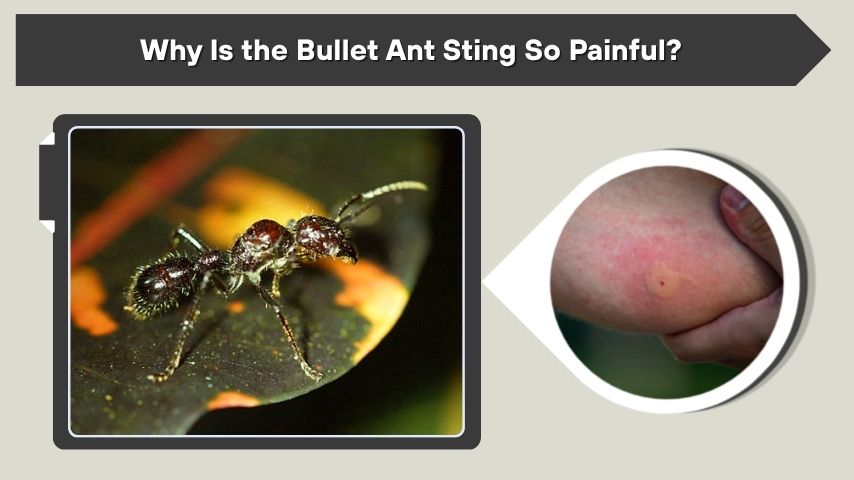
The bullet ant sting is painful because its venom affects the nervous system and pain receptors. The venom contains a powerful neurotoxic peptide called poneratoxin, which interferes with normal nerve signaling. This can create waves of burning, throbbing, and electric-like pain.
The Schmidt Sting Pain Index
The bullet ant is famous for ranking near the top of the Schmidt Sting Pain Index, a scale created by entomologist Justin Schmidt to compare insect sting pain. On this index, the bullet ant sting is often rated as a level 4, the highest category.
| Feature | Bullet Ant Sting Details |
|---|---|
| Pain level | Extremely severe |
| Pain duration | Often 12 to 24 hours |
| Main venom component | Poneratoxin |
| Common symptoms | Burning pain, swelling, shaking, weakness |
| Usual danger level | Rarely fatal, but very painful |
What the Pain Feels Like
People who have experienced a bullet ant sting often describe it as intense, deep, and overwhelming. The pain may feel like a mix of burning, stabbing, and electric shock. Unlike a bee sting, which may fade after a short time, bullet ant pain can continue for many hours.
Some people report that the pain comes in waves. Others describe temporary shaking, sweating, nausea, or a feeling of weakness in the affected limb.
Common Symptoms of a Bullet Ant Sting
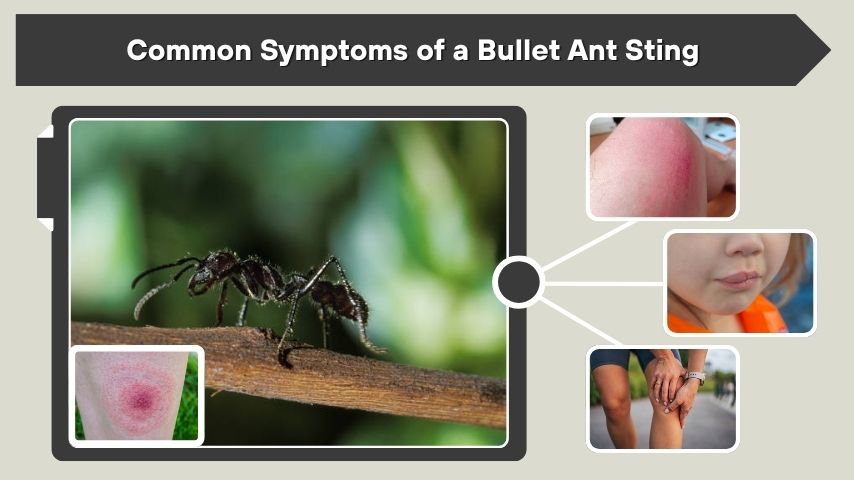
A bullet ant sting can cause both local and whole-body symptoms. The severity depends on the person, the sting location, the number of stings, and whether the person has allergies or other health conditions.
Local Symptoms
Most symptoms begin around the sting site. These may include:
- Immediate, intense pain
- Redness around the sting
- Swelling of the affected area
- Warmth or tenderness
- Throbbing or burning sensation
- Temporary numbness or tingling
The pain may spread beyond the sting site. For example, if someone is stung on the hand, pain may move up the wrist or arm.
Body-Wide Symptoms
Some people may also experience symptoms beyond the sting area, such as:
- Sweating
- Shaking or trembling
- Nausea
- Dizziness
- Muscle weakness
- Rapid heartbeat
- Fatigue after the pain fades
These symptoms are usually temporary. However, they can feel frightening because the pain is so intense.
Allergic Reactions
Although rare, allergic reactions can happen after any insect sting. A severe allergic reaction, called anaphylaxis, is a medical emergency. Warning signs include trouble breathing, swelling of the face or throat, chest tightness, confusion, or fainting. Anyone with these symptoms needs emergency medical help immediately.
How Long Does a Bullet Ant Sting Last?
The worst pain from a bullet ant sting can last for several hours. In many cases, people report pain lasting between 12 and 24 hours. Swelling, soreness, and tenderness may remain for longer, especially if the sting was on the hand, foot, or another sensitive area.
Typical Timeline
The sting usually follows a rough pattern:
- First few minutes: Sudden, extreme pain begins almost immediately.
- First hour: Pain may intensify and spread from the sting site.
- Several hours later: Burning and throbbing pain may continue in waves.
- After 12 to 24 hours: Severe pain usually begins to fade.
- Next few days: Mild soreness, swelling, or sensitivity may remain.
The experience can vary from person to person. A single sting may be manageable with first aid, while multiple stings can cause more serious symptoms.
First Aid for a Bullet Ant Sting
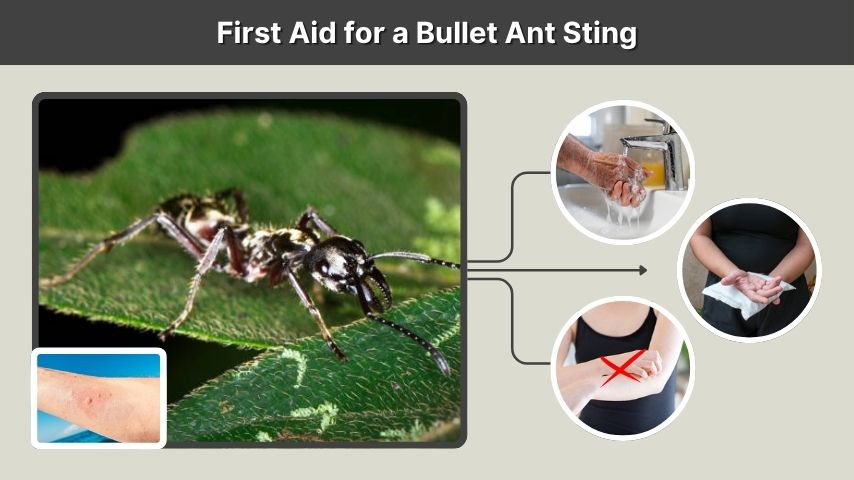
There is no simple home remedy that instantly removes bullet ant pain. Treatment mainly focuses on reducing swelling, preventing infection, and managing pain until the venom’s effects fade.
What to Do Right Away
If someone is stung by a bullet ant:
- Move away from the ants to avoid more stings.
- Wash the area gently with soap and clean water.
- Apply a cold compress wrapped in cloth.
- Keep the affected limb still and slightly elevated.
- Avoid scratching or cutting the sting site.
- Watch for signs of allergic reaction.
Cold compresses may reduce swelling and numb the area slightly. However, they may not fully stop the pain.
Pain Relief Options
Over-the-counter pain relievers may help some people, though they may not completely control the pain. Antihistamines may help if itching or mild allergic swelling occurs. A healthcare professional may recommend stronger treatment if pain is severe or symptoms are unusual.
Do not apply unknown chemicals, plant extracts, or folk remedies to the sting site. These can irritate the skin or increase the risk of infection.
When to Seek Medical Help
Most healthy adults recover from a bullet ant sting without serious complications. Still, medical care may be needed in some situations.
Get Medical Help If:
- The person has trouble breathing
- The face, lips, tongue, or throat begins swelling
- The person feels faint or confused
- There are multiple stings
- The sting is near the eye, mouth, or throat
- Pain is unbearable or worsening
- Swelling spreads rapidly
- The person is a child, elderly, pregnant, or medically vulnerable
- Signs of infection appear later
Signs of infection include increasing redness, pus, fever, red streaks, or worsening pain after the first day.
Bullet Ant Sting and Indigenous Rituals
Bullet ants are also known because of their role in certain Indigenous initiation rituals in the Amazon region. In one well-known tradition, young men wear gloves filled with bullet ants as part of a coming-of-age ceremony. The ants sting repeatedly, causing intense pain and temporary paralysis or shaking in the hands and arms.
Cultural Importance
This ritual is not simply about pain. For the communities that practice it, the ceremony may symbolize courage, endurance, maturity, and readiness for adult responsibilities. It is important to understand this practice with cultural respect rather than treating it as a strange or shocking spectacle.
Are Bullet Ants Aggressive?
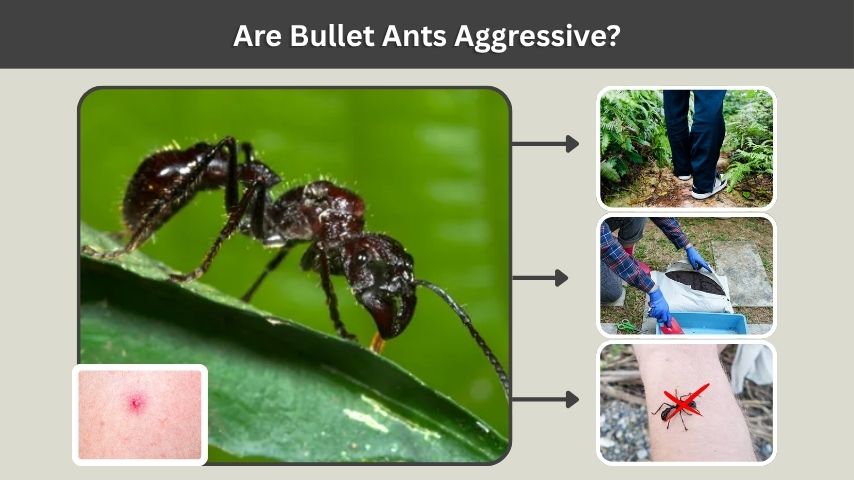
Bullet ants are not usually looking to sting humans without reason. They sting mainly when they feel threatened or when their nest is disturbed. However, because they can be found on trees, vegetation, and forest paths, accidental encounters can happen.
How to Avoid Bullet Ant Stings
People visiting rainforests can reduce their risk by following basic precautions:
- Do not touch unknown ants or insects.
- Avoid leaning on tree trunks without looking.
- Wear closed shoes and long pants in forest areas.
- Use gloves when handling plants or wood.
- Watch where you place your hands.
- Follow local guides’ advice in rainforest regions.
A good local guide can help identify areas where bullet ants are common.
Is a Bullet Ant Sting Deadly?
For most healthy adults, a single bullet ant sting is not deadly. The main danger is extreme pain and temporary physical symptoms. However, any insect sting can become dangerous if the person has a severe allergic reaction or receives many stings at once.
Risk Factors
A bullet ant sting may be more concerning for:
- People with insect sting allergies
- Young children
- Older adults
- People with heart or immune conditions
- Anyone stung multiple times
- Travelers far from medical care
Even when the sting is not life-threatening, the pain can be intense enough to require medical attention.
Bullet Ant Sting vs Other Insect Stings
Many insect stings hurt, but the bullet ant sting is famous because of its unusually long-lasting and severe pain. Bee and wasp stings usually cause sharp pain, swelling, and irritation, but they often improve much faster. Fire ant stings may cause burning and itchy pustules, but they are usually less intense than a bullet ant sting.
The bullet ant’s pain is different because it can feel deep, electric, and disabling. This is why it has become one of the most discussed insect stings in the world.
FAQs
How painful is a bullet ant sting?
A bullet ant sting is considered one of the most painful insect stings known. Many people describe it as burning, throbbing, and electric-like. The pain can be overwhelming and may last for 12 to 24 hours, depending on the person and sting location.
Can a bullet ant sting kill you?
A single bullet ant sting is rarely fatal to a healthy adult. However, it can be dangerous for people with severe allergies, those who receive multiple stings, or medically vulnerable individuals. Trouble breathing, throat swelling, fainting, or confusion requires emergency medical help.
What should you do after a bullet ant sting?
Move away from the ants, wash the sting area with soap and water, apply a cold compress, and keep the affected area elevated. Monitor for allergic symptoms. Pain relievers may help, but severe pain or unusual symptoms should be checked by a healthcare professional.
How long does bullet ant venom stay painful?
The most severe pain usually lasts several hours and may continue for up to 24 hours. Some soreness, swelling, or tenderness may remain for a few days. The exact timeline depends on the sting location, number of stings, and individual reaction.
Where are bullet ants found?
Bullet ants live mainly in tropical rainforests of Central and South America. They are found in countries such as Brazil, Peru, Colombia, Costa Rica, Nicaragua, Honduras, and Venezuela. They often nest near trees and forage on forest vegetation.
