
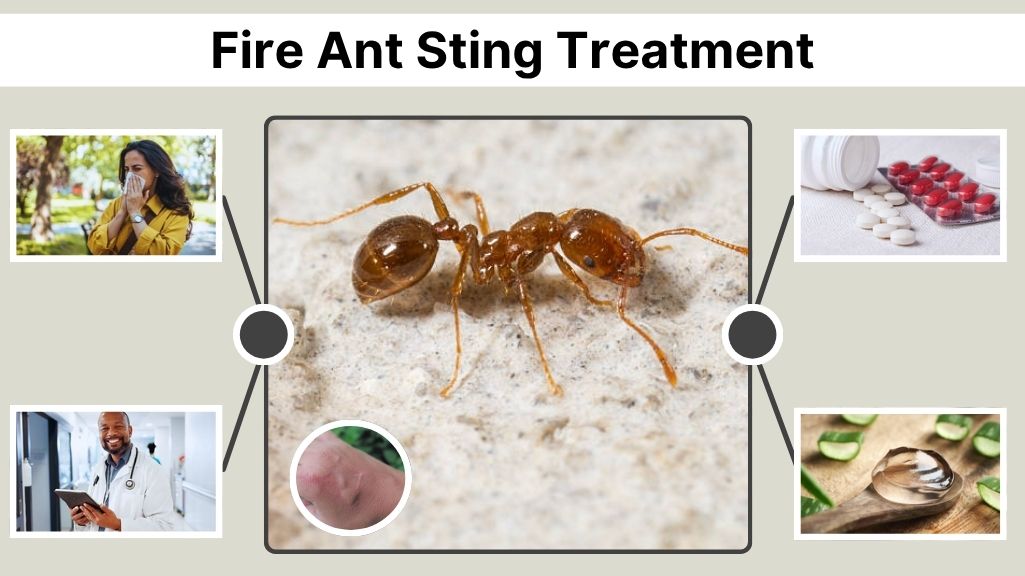
Fire ant stings can be painful, itchy, and frustrating to deal with. These aggressive insects attach to the skin with their jaws and inject venom through repeated stings, causing burning pain and swelling. While most reactions are mild and improve within a few days, some people experience severe discomfort or allergic reactions that require medical attention. Understanding the best fire ant sting treatment can help reduce symptoms, prevent complications, and speed up recovery whether you’ve suffered a single sting or multiple stings.
What Happens When a Fire Ant Stings You?
Before discussing treatment options, it’s important to understand how fire ant stings affect the body. Fire ants do more than simply bite. They grip the skin with their mandibles and repeatedly sting while injecting venom. This venom triggers inflammation, redness, swelling, and the characteristic white pustules that often develop after a sting.
How Fire Ant Venom Affects the Skin
Fire ant venom contains compounds that irritate the skin and activate the body’s immune response. Shortly after a sting, the affected area may feel hot, painful, and itchy. The reaction can vary depending on the person’s sensitivity and the number of stings received.
Common Symptoms After a Sting
Most people experience localized symptoms that appear within minutes. The severity often depends on how many times the person was stung and whether they have allergies to insect venom.
Why Fire Ant Stings Hurt So Much
Unlike many insects that sting once, fire ants can sting multiple times in quick succession. Each sting delivers venom into the skin, increasing irritation and causing the burning sensation that gives fire ants their name.
Fire Ant Sting Treatment: Immediate First Aid Steps
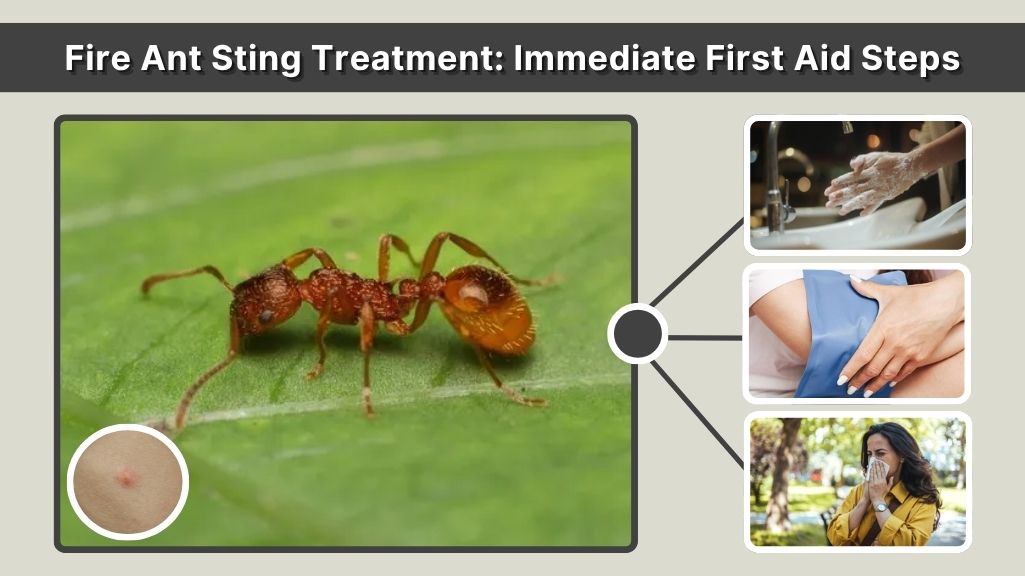
The first few minutes after a fire ant sting are important. Quick action can reduce discomfort and help prevent complications. Immediate first aid focuses on cleaning the affected area, reducing inflammation, and monitoring for signs of a serious allergic reaction.
Move Away from the Fire Ant Colony
The first step is getting away from the ants to avoid additional stings. Fire ants are highly defensive and will continue attacking if their nest is disturbed.
Wash the Affected Area
Cleaning the sting site helps remove dirt, bacteria, and any remaining ants that may still be attached to the skin.
Apply These First Aid Measures
- Wash with soap and cool water
- Use a cold compress for 10 to 15 minutes
- Elevate the affected area if possible
- Avoid scratching the skin
- Observe for allergic reactions
Best Treatment for Fire Ant Stings
The best treatment depends on the severity of symptoms. Most mild reactions can be managed with over-the-counter products designed to reduce itching, swelling, and pain. Severe reactions may require professional medical care.
Antihistamines for Itching Relief
Oral antihistamines can help reduce itching and discomfort caused by the body’s allergic response to the venom. These medications are commonly recommended for mild to moderate reactions.
Hydrocortisone Cream for Inflammation
Hydrocortisone cream helps calm irritated skin and reduce redness. Applying a thin layer according to product instructions may provide relief within a few hours.
Over-the-Counter Treatment Options
Common products used for fire ant sting treatment include:
- Antihistamine tablets
- Hydrocortisone cream
- Calamine lotion
- Pain relievers
- Anti-itch creams
Fire Ant Sting Treatment at Home
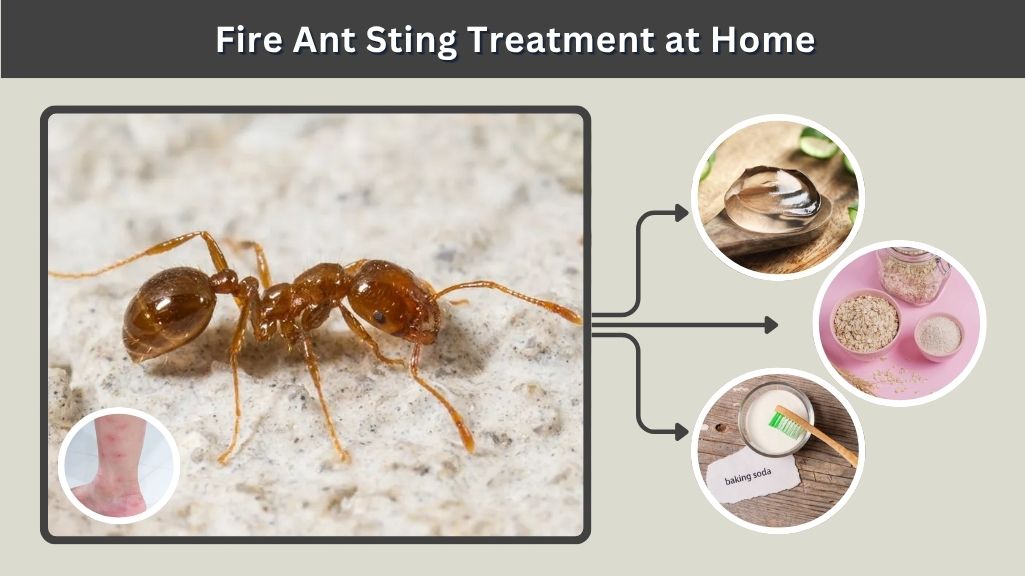
Many fire ant stings can be treated effectively without a visit to the doctor. Home treatments focus on minimizing inflammation, reducing itching, and keeping the skin comfortable while it heals naturally. These remedies are generally most effective for mild reactions.
Using Ice Packs Safely
Applying an ice pack wrapped in a cloth can help reduce swelling and numb the area temporarily. Ice should never be applied directly to the skin because it may cause additional irritation.
Soothing the Skin Naturally
Some natural remedies may help calm irritated skin and provide temporary relief from itching. While these treatments do not neutralize venom, they can improve comfort during recovery.
Popular Home Remedies
Many people use the following home treatments:
- Cold compresses
- Aloe vera gel
- Oatmeal baths
- Baking soda paste
- Cool water rinses
Home Treatment for Fire Ant Stings: What Works and What Doesn’t
The internet is filled with home remedies for insect stings, but not all of them are supported by evidence. Some treatments may offer temporary relief, while others can worsen irritation or delay healing. Knowing which remedies are worth trying can help you avoid unnecessary discomfort.
Effective Home Remedies
Cooling treatments and anti-inflammatory products generally provide the most reliable symptom relief. These methods help reduce swelling while allowing the skin to heal naturally.
Remedies With Limited Evidence
Certain folk remedies have become popular through word of mouth despite having little scientific support. While some people report positive results, effectiveness can vary significantly from person to person.
Treatments You Should Avoid
Applying harsh chemicals, alcohol-based products, or abrasive substances may further irritate already sensitive skin and increase the risk of complications.
Meat Tenderizer in the Treatment of Fire Ant Stings
Meat tenderizer has long been promoted as a home remedy for fire ant stings. Many people believe that enzymes found in meat tenderizer help break down venom and reduce symptoms. However, scientific evidence supporting this practice remains limited and inconsistent.
Why People Use Meat Tenderizer
The theory behind this remedy is that certain enzymes may help reduce the effects of proteins found in insect venom. As a result, some individuals apply a paste made from meat tenderizer and water to the sting site.
Does Meat Tenderizer Actually Work?
Research has not consistently demonstrated that meat tenderizer provides significant benefits for fire ant sting treatment. While some users report temporary relief, results vary widely and may be due to the cooling effect of the paste rather than the ingredients themselves.
Potential Risks and Precautions
People with sensitive skin may experience irritation when applying meat tenderizer directly to sting sites. It’s important to discontinue use if redness or discomfort increases.
Standard Treatment for Fire Ant Bites and Stings
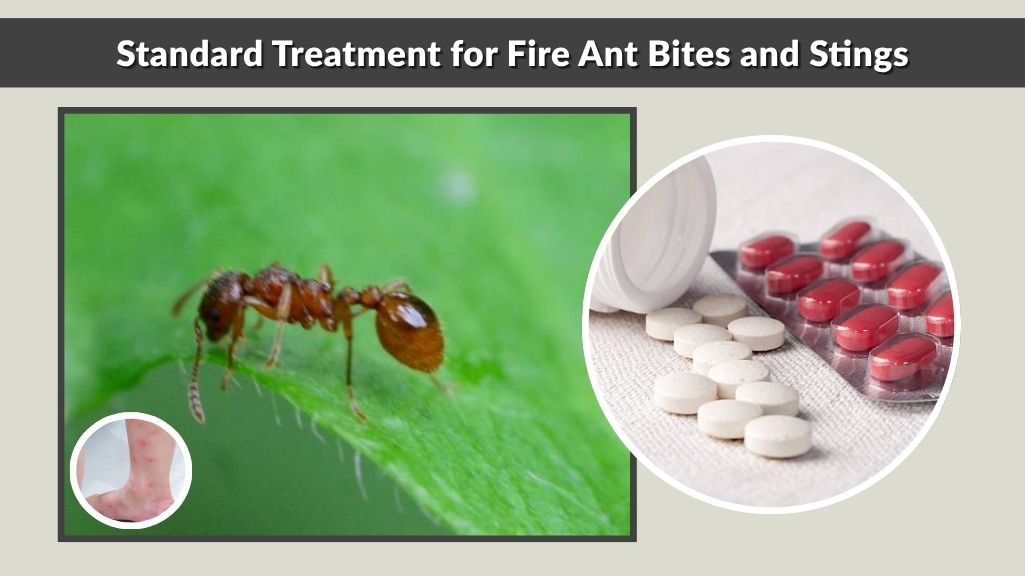
Most fire ant stings cause mild reactions that improve with basic care. However, healthcare providers follow different treatment approaches depending on symptom severity. Understanding standard treatment options can help you recognize when home care is sufficient and when professional medical attention may be necessary.
Treatment for Mild Reactions
Mild reactions usually involve localized redness, itching, and swelling. These symptoms often respond well to over-the-counter medications and home remedies. Most people recover within a week without requiring prescription treatment.
Treatment for Moderate Reactions
Moderate reactions may involve larger areas of swelling and more intense itching. In some cases, healthcare providers recommend stronger anti-inflammatory medications or prescription-strength creams to manage symptoms.
Treatment Options Doctors May Recommend
Common medical treatments include:
- Oral antihistamines
- Prescription corticosteroids
- Anti-itch medications
- Pain relievers
- Wound care for infected stings
Treatment for Multiple Fire Ant Stings
Multiple fire ant stings can cause a more significant reaction than a single sting. When dozens or even hundreds of stings occur, the body is exposed to a larger amount of venom, increasing the risk of severe symptoms and complications.
Why Multiple Stings Are More Serious
Each sting introduces venom into the body. As the number of stings increases, swelling, pain, and inflammation can become much more widespread. Young children, older adults, and individuals with allergies may face greater risks.
Managing Widespread Symptoms
People who suffer multiple stings should closely monitor their symptoms during the first 24 hours. Rest, hydration, and symptom management become especially important during this period.
When Emergency Care Is Needed
Seek immediate medical attention if you experience:
- Difficulty breathing
- Severe swelling
- Chest tightness
- Dizziness
- Loss of consciousness
Little Fire Ant Sting Treatment
Little fire ants are smaller than red imported fire ants, but their stings can still be painful and irritating. Treatment methods are generally similar, although some individuals experience prolonged discomfort after repeated exposure.
Symptoms of Little Fire Ant Stings
Little fire ant stings often cause burning pain followed by itching and small red bumps. In some cases, symptoms may persist longer than expected.
Recommended Treatment Methods
Most cases can be managed using cold compresses, anti-itch creams, and oral antihistamines. Avoid scratching the affected area to reduce the risk of infection.
Monitoring Recovery
While many stings heal quickly, persistent swelling or worsening symptoms should be evaluated by a healthcare professional.
How Long Do Fire Ant Stings Take to Heal?
Recovery time varies depending on the number of stings, individual sensitivity, and the treatment used. Most people notice gradual improvement over several days, although skin discoloration may last longer.
The First 24 Hours
Pain, redness, and swelling are usually most noticeable during the first day. White pustules commonly develop within this timeframe and are considered a normal reaction.
Healing During the First Week
During the following days, itching often decreases and swelling gradually subsides. The pustules begin to dry and form small scabs.
Long-Term Recovery
Some individuals may experience temporary dark spots or mild scarring after the sting heals. These marks generally fade over time without treatment.
When Should You See a Doctor for a Fire Ant Sting?
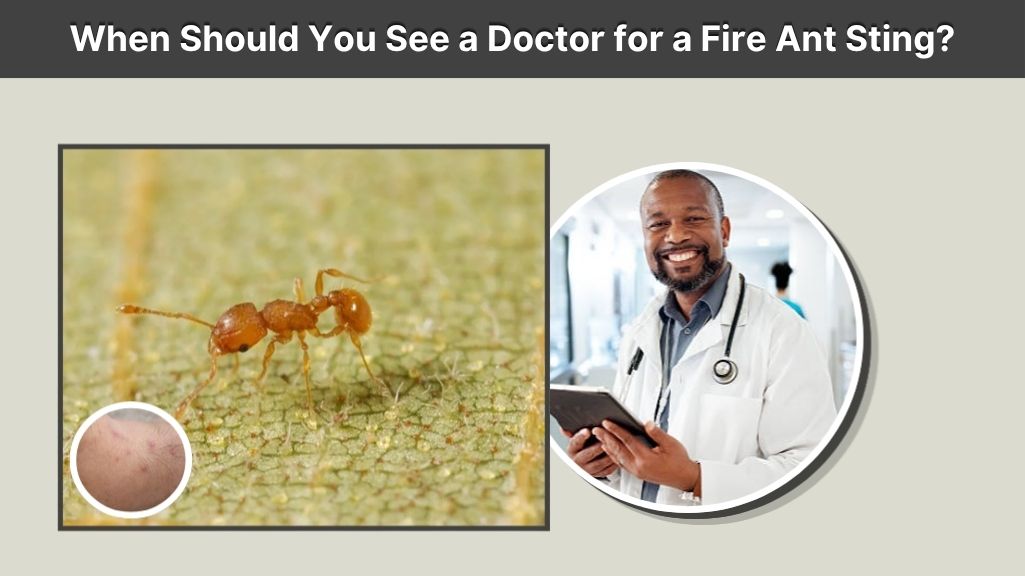
Although most fire ant stings are not dangerous, certain symptoms require medical evaluation. Recognizing warning signs early can help prevent complications and ensure appropriate treatment.
Signs of Infection
An infected sting may become increasingly painful and swollen. The affected area may also feel warm and produce drainage.
Severe Allergic Reactions
Some people develop serious allergic reactions to fire ant venom. These reactions can occur quickly and require emergency medical care.
Symptoms That Require Immediate Attention
Watch for:
- Difficulty breathing
- Facial swelling
- Rapid heartbeat
- Severe dizziness
- Widespread hives
How to Prevent Future Fire Ant Stings
Preventing fire ant stings is often easier than treating them. Learning how to identify fire ant activity and taking simple precautions can significantly reduce the likelihood of future encounters.
Identify Fire Ant Mounds Early
Regularly inspect lawns, gardens, and outdoor spaces for dome-shaped soil mounds. Early detection allows for safer avoidance and treatment of colonies.
Wear Protective Clothing Outdoors
Closed-toe shoes, socks, and long pants can provide an additional layer of protection when working in areas where fire ants may be present.
Reduce Fire Ant Activity Around Your Property
Helpful prevention strategies include:
- Maintaining your yard regularly
- Eliminating food sources
- Managing moisture problems
- Treating active colonies
- Avoiding disturbed mounds
FAQs
What is the best treatment for a fire ant sting?
For most people, the best treatment includes washing the area, applying a cold compress, and using an antihistamine or hydrocortisone cream to reduce itching and swelling.
How do you stop fire ant sting itching fast?
Cold compresses, antihistamines, and anti-itch creams are among the fastest ways to relieve itching caused by fire ant stings.
Can you use meat tenderizer on fire ant stings?
Some people use meat tenderizer as a home remedy, but scientific evidence supporting its effectiveness remains limited.
How long do fire ant sting bumps last?
The bumps and pustules caused by fire ant stings typically last several days to two weeks, depending on the severity of the reaction.
Can fire ant stings become infected?
Yes. Scratching the affected area can introduce bacteria and increase the risk of infection.
