
Fire ants are among the most recognizable and troublesome invasive pests in many parts of the world. Known for their painful stings, aggressive behavior, and distinctive mound-shaped nests, these ants can quickly become a problem in lawns, gardens, parks, and even homes. Understanding what fire ants look like at every stage—from eggs to queens and worker ants—can help you identify infestations early and avoid painful encounters.
What Do Fire Ants Look Like?
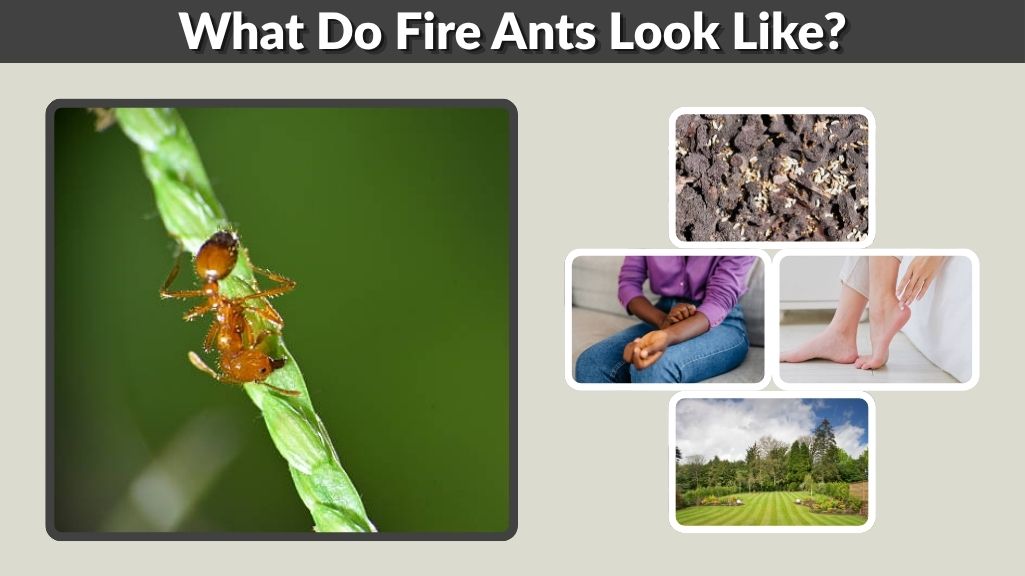
Fire ants are small reddish-brown ants that vary in size within the same colony. Unlike many other ant species, worker fire ants are not all identical. Their aggressive behavior, dark-colored abdomen, and coppery-red body make them easier to identify when compared with common household ants. Knowing their appearance is the first step toward recognizing an infestation.
Physical Appearance of Fire Ants
Most fire ants have a reddish-brown head and thorax with a darker brown or black abdomen. Their bodies are divided into three sections and feature elbowed antennae and six legs.
How Big Are Fire Ants?
Worker fire ants typically range from 1/16 inch to 1/4 inch long. Colonies contain workers of different sizes, making them appear more varied than many other ant species.
Key Identification Features
Some common characteristics include:
- Reddish-brown coloration
- Dark abdomen
- Aggressive behavior
- Elbowed antennae
- Visible stinger
- Multiple worker sizes within a colony
What Do Fire Ants Look Like Up Close?
Looking at fire ants up close reveals several distinct features that separate them from other ant species. Their powerful jaws, segmented bodies, and stingers are easier to see under magnification. Observing these details can help homeowners and pest control professionals accurately identify fire ants.
Head and Antennae
Fire ants have a relatively large head equipped with strong mandibles used for biting and carrying food. Their antennae are bent or elbow-shaped, which is a common trait among ant species.
Thorax and Waist Structure
The thorax connects the head and abdomen and gives the ant its distinctive profile. Fire ants also possess a narrow waist consisting of two nodes, helping distinguish them from other insects.
Stinger and Abdomen
The abdomen contains a functional stinger capable of delivering painful venom. Unlike many ants that only bite, fire ants both bite and sting repeatedly.
What Do Queen Fire Ants Look Like?
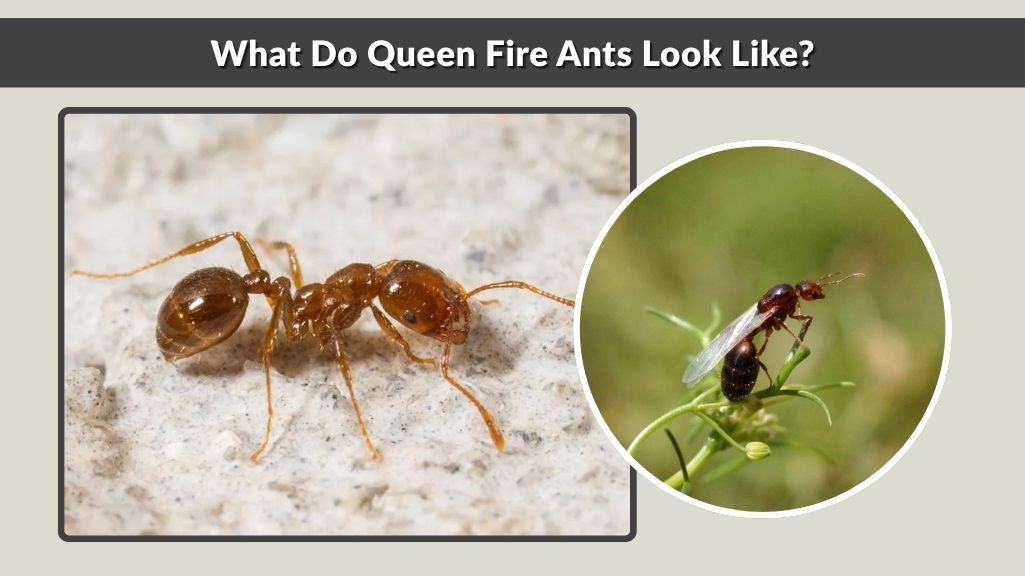
The queen fire ant is the largest member of the colony and plays a crucial role in reproduction. While worker ants focus on gathering food and defending the nest, the queen’s primary responsibility is laying eggs and maintaining colony growth.
Size Compared to Worker Ants
Queen fire ants are significantly larger than worker ants and can be two to three times their size. Their larger body helps support egg production.
Color and Appearance
Queens are generally reddish-brown with a darker abdomen. Their bodies appear more robust and rounded than workers.
Do Queen Fire Ants Have Wings?
Before mating, queens possess wings and participate in mating flights. After successfully establishing a colony, they shed their wings and remain underground.
What Do Baby Fire Ants Look Like?
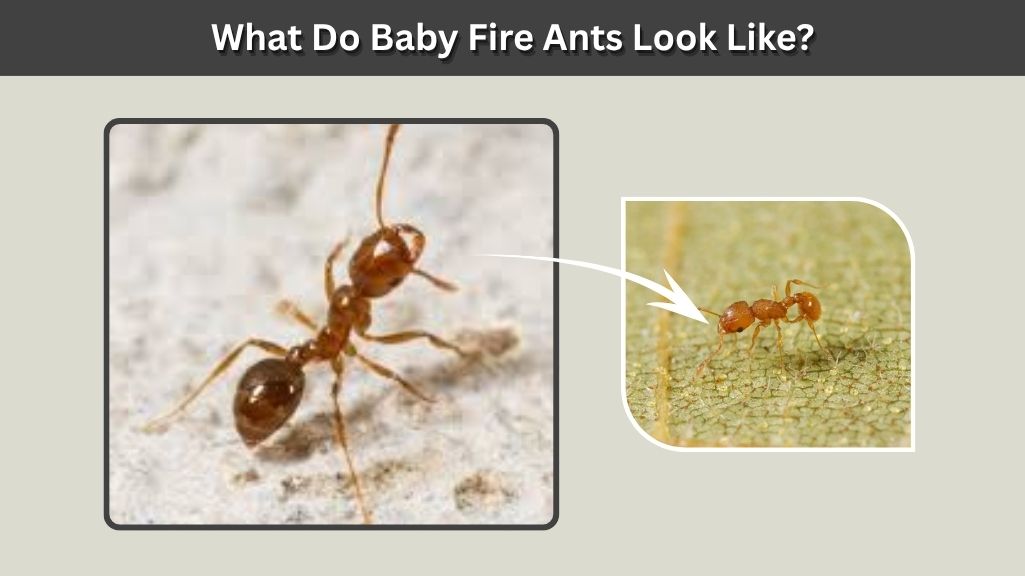
Baby fire ants go through several developmental stages before becoming adults. These stages include eggs, larvae, and pupae. Each stage has a unique appearance and role within the colony.
Fire Ant Eggs
Freshly laid eggs are tiny, white, and oval-shaped. They are often clustered together deep within the nest where they are protected by worker ants.
Fire Ant Larvae
Larvae resemble small white worms without legs. Worker ants constantly feed and care for them until they mature.
Fire Ant Pupae
Pupae are cream-colored and resemble adult ants but remain inactive while undergoing transformation into mature workers or queens.
What Do Fire Ant Eggs Look Like?
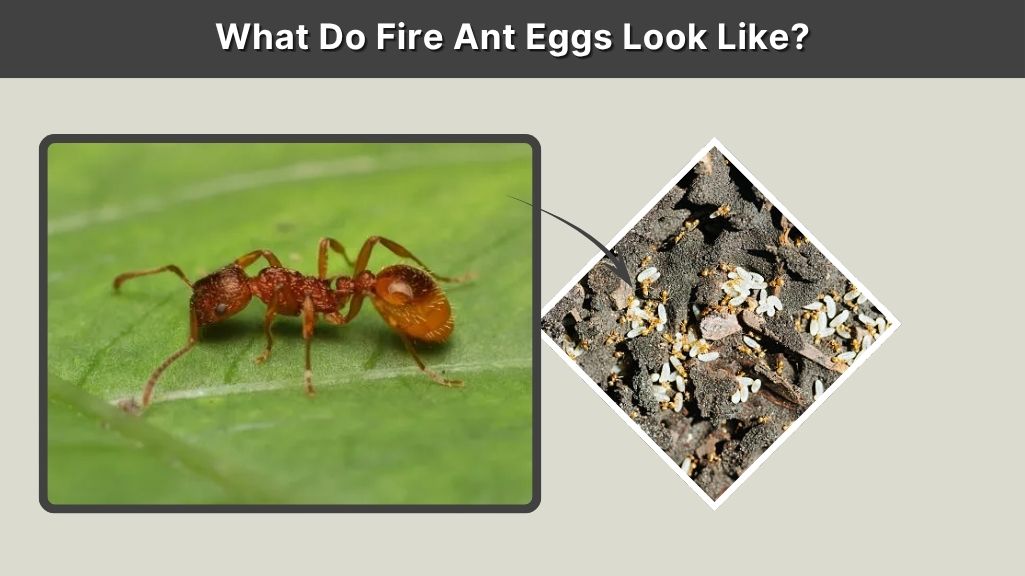
Fire ant eggs are among the smallest members of the colony and are rarely seen by homeowners because they are hidden deep underground. Identifying fire ant eggs can help confirm the presence of an active nest during professional inspections.
Size and Shape
Fire ant eggs are extremely small, oval-shaped, and pearl-white in color. They often resemble grains of salt to the naked eye.
Where Eggs Are Found
Worker ants keep eggs in protected chambers within the nest where temperature and humidity remain stable.
Eggs vs Larvae
Eggs are smooth and oval-shaped, while larvae appear elongated and worm-like. This distinction helps identify different life stages within the colony.
What Do Red Fire Ants Look Like?
Red imported fire ants are the most common and widely recognized fire ant species. They are responsible for most fire ant infestations found in the southern United States and several other countries around the world.
Color Characteristics
Red fire ants have a reddish-brown head and thorax combined with a darker abdomen. This two-tone coloration is one of their most noticeable features.
Worker Sizes
A single colony may contain workers of various sizes, ranging from very small workers to larger soldier ants.
How to Identify Red Imported Fire Ants
Look for:
- Copper-red coloration
- Dark abdomen
- Aggressive behavior
- Large soil mounds
- Painful stings
What Do Fire Ant Bites Look Like?
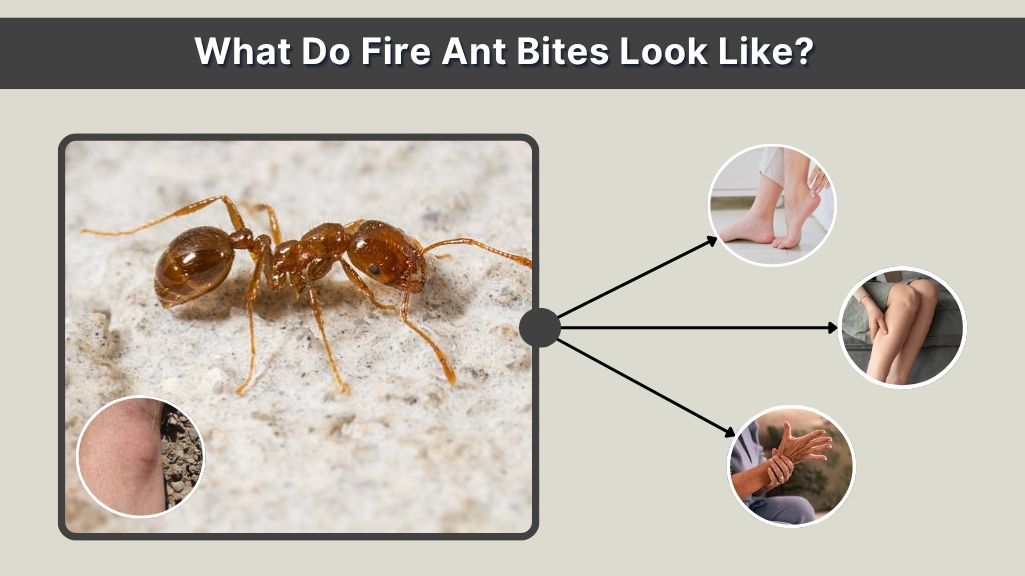
Many people search for fire ant bites after experiencing a sudden painful sting outdoors. Fire ant bites and stings often produce a distinctive reaction that differs from mosquito bites or bee stings. Recognizing these symptoms can help determine whether fire ants are responsible.
Immediate Appearance
Shortly after being stung, small red bumps begin to form on the skin. These bumps are usually accompanied by a burning sensation.
White Pustule Formation
Within 12 to 24 hours, the bumps often develop into white, fluid-filled pustules. This is one of the most recognizable signs of fire ant stings.
Common Bite Locations
Fire ant bites frequently appear on:
- Feet
- Ankles
- Legs
- Hands
- Arms
What Do Fire Ant Stings Look Like?
Fire ants attach themselves to the skin using their jaws and then sting repeatedly. As a result, victims often develop multiple sting marks clustered together in a small area.
Early Symptoms
Common symptoms include:
- Sharp pain
- Redness
- Swelling
- Burning sensation
Development Over Time
The affected area typically becomes raised and may develop a white pustule after several hours.
Multiple Sting Pattern
Because fire ants sting repeatedly, victims often notice clusters of bumps rather than a single isolated mark.
What Do Fire Ant Bites Look Like on Humans?
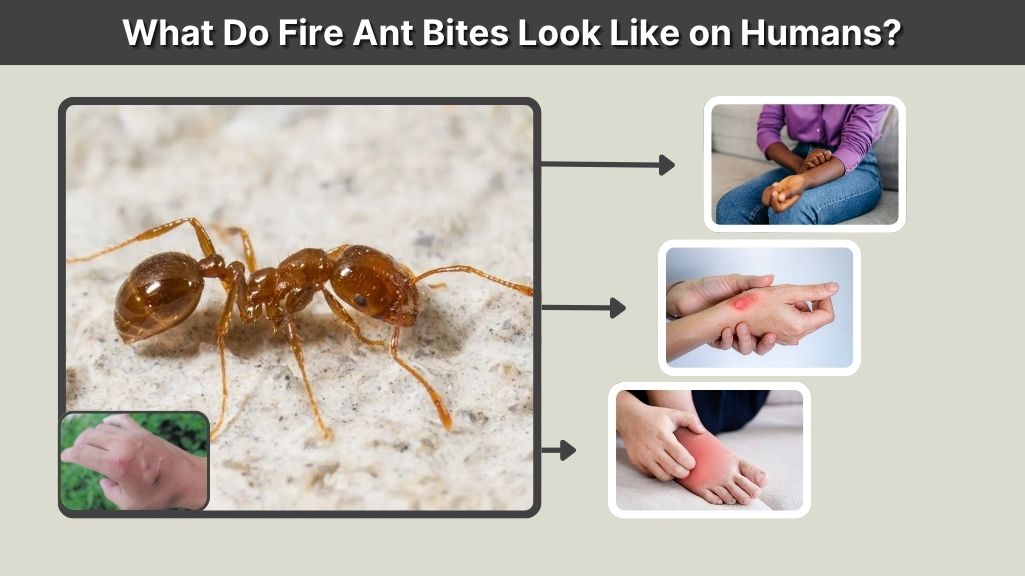
Reactions to fire ant stings vary depending on the individual. While some people experience mild discomfort, others may develop significant swelling or allergic reactions requiring medical attention.
Mild Reactions
Most people experience:
- Itching
- Redness
- Small pustules
- Temporary discomfort
Moderate Reactions
More sensitive individuals may develop larger areas of swelling and prolonged irritation.
Severe Allergic Reactions
Signs of a serious reaction include:
- Difficulty breathing
- Severe swelling
- Dizziness
- Rapid heartbeat
These symptoms require immediate medical care.
What Do Infected Fire Ant Bites Look Like?
Although most fire ant stings heal without complications, scratching or improper wound care can lead to infection. Knowing the signs of an infected fire ant bite can help prevent more serious health problems.
Signs of Infection
Common indicators include:
- Increased redness
- Warm skin
- Pus drainage
- Growing swelling
When to See a Doctor
Medical attention is recommended if symptoms worsen after several days or if fever develops.
Preventing Infection
Keeping the area clean and avoiding scratching can reduce the risk of infection and speed healing.
What Do Fire Ant Scars Look Like?
Most fire ant stings heal within a few weeks, but some people are left with visible scars or skin discoloration. The appearance of fire ant scars depends on the severity of the sting, whether the wound became infected, and the individual’s skin type. Understanding the healing process can help you know what to expect after recovery.
Early Healing Stages
As the pustule dries, it forms a small scab that eventually falls off. During this stage, the skin may appear pink or slightly darker than the surrounding area.
Long-Term Scar Appearance
Fire ant scars often appear as:
- Dark spots
- Brown marks
- Small indentations
- Areas of hyperpigmentation
Factors That Increase Scarring
Several factors can increase the likelihood of scarring:
- Excessive scratching
- Secondary infection
- Delayed healing
- Sensitive skin
What Do Fire Ant Bites Look Like on Dogs?
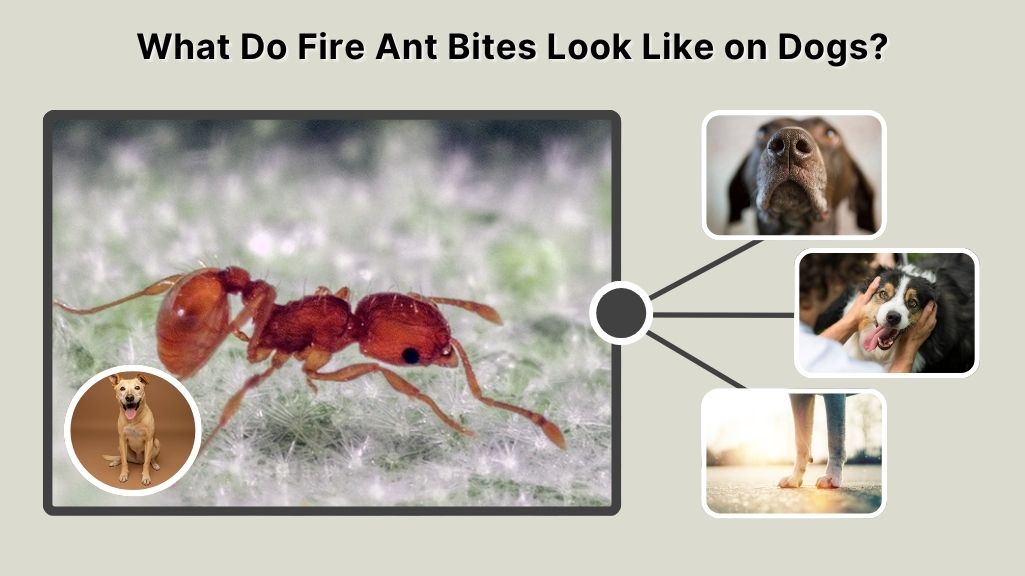
Dogs are especially vulnerable to fire ant stings because they often investigate nests with their paws or noses. Fire ant bites on dogs can cause discomfort, swelling, and irritation. Recognizing the signs early can help pet owners provide timely treatment.
Common Sting Locations
Fire ants frequently sting dogs on:
- Paws
- Nose
- Face
- Belly
- Legs
Symptoms in Dogs
Signs of fire ant stings may include:
- Red bumps
- Swelling
- Whining
- Excessive licking
- Limping
Emergency Warning Signs
Seek veterinary care if your dog develops:
- Severe facial swelling
- Difficulty breathing
- Vomiting
- Extreme lethargy
What Do Fire Ant Nests Look Like?
Fire ant nests are complex underground structures that can house thousands or even hundreds of thousands of ants. While only part of the colony is visible above ground, the majority of the nest exists beneath the surface in a network of tunnels and chambers.
Underground Structure
Fire ant colonies create extensive tunnel systems that provide space for:
- Workers
- Queens
- Eggs
- Larvae
- Food storage
Nest Locations
Common nesting sites include:
- Lawns
- Parks
- Gardens
- Agricultural fields
- Roadsides
Signs of an Active Nest
Indicators of an active colony include constant ant activity and freshly disturbed soil around the mound.
What Do Fire Ant Mounds Look Like?
Fire ant mounds are one of the easiest ways to identify an infestation. These distinctive piles of loose soil often appear suddenly and can become quite large as the colony grows.
Shape and Appearance
Most fire ant mounds are:
- Dome-shaped
- Rounded
- Made of loose soil
- Light brown to reddish in color
Typical Size
Mounds may range from a few inches to over 18 inches in height, depending on colony age and environmental conditions.
Unique Identification Feature
Unlike many ant nests, fire ant mounds usually lack a visible entrance hole on top. Ants enter and exit through underground tunnels.
What Do Fire Ant Hills Look Like?
Many people use the terms “fire ant hill” and “fire ant mound” interchangeably. Both refer to the raised soil structures built above underground colonies. Learning how to identify these structures can help prevent accidental contact.
Fire Ant Hill Characteristics
Typical fire ant hills feature:
- Loose soil
- Rounded shape
- No central opening
- Large numbers of ants nearby
Fresh vs Older Hills
Fresh hills appear soft and recently disturbed, while older hills may become more compact and weathered.
How to Safely Inspect a Hill
Avoid touching or disturbing suspected fire ant hills, as ants respond aggressively when their nest is threatened.
What Do Fire Ant Nests Look Like in the House?
Although fire ants usually live outdoors, they can occasionally enter homes in search of food, moisture, or shelter. Indoor infestations often indicate a nearby outdoor colony.
Common Indoor Locations
Fire ants may nest:
- Behind walls
- Under flooring
- Near plumbing
- Around electrical equipment
Signs of Indoor Fire Ants
Watch for:
- Ant trails
- Soil deposits
- Clusters of ants
- Increased activity after rain
How to Confirm an Infestation
Following ant trails back to their entry point often helps identify the source of the infestation.
What Do Fire Ants Look Like in Florida?
Florida is one of the states most heavily affected by fire ants. The warm climate provides ideal conditions for colony growth and expansion throughout the year.
Common Species
The Red Imported Fire Ant is the most common species found in Florida.
Typical Appearance
Florida fire ants display:
- Reddish-brown coloration
- Dark abdomen
- Multiple worker sizes
Common Habitats
They are frequently found in:
- Lawns
- Golf courses
- Parks
- Residential landscapes
What Do Fire Ants Look Like in Texas?
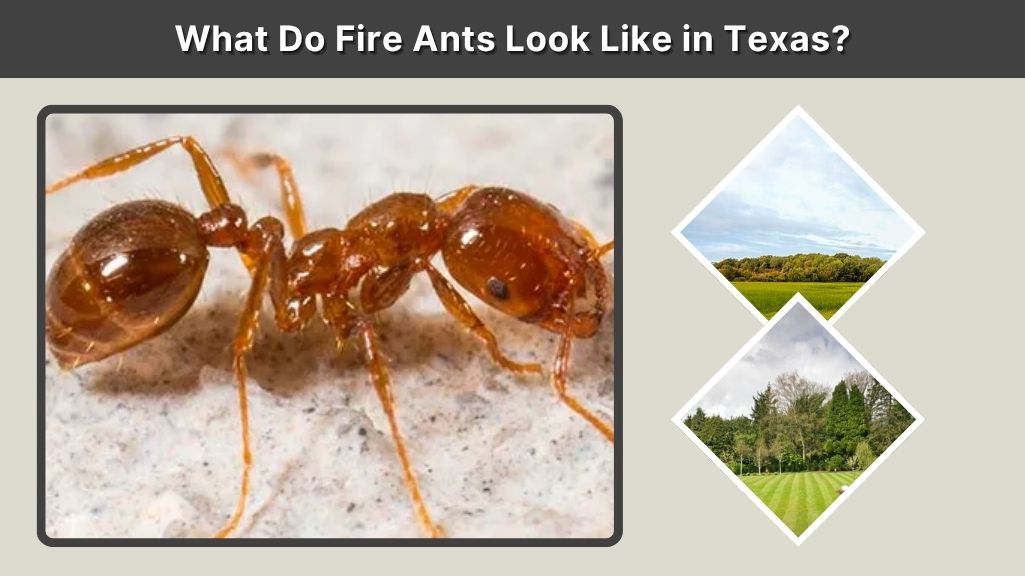
Texas has one of the largest fire ant populations in the United States. Fire ants thrive in both urban and rural environments throughout much of the state.
Physical Characteristics
Texas fire ants share the same reddish-brown body and darker abdomen seen in other regions.
Fire Ant Mounds in Texas
Mounds are often found in:
- Pastures
- Residential yards
- Athletic fields
- Road shoulders
Why Fire Ants Are So Common
Warm temperatures and abundant open land make Texas highly suitable for fire ant colonies.
What Do Fire Ants Look Like in North Carolina (NC)?
Fire ants have expanded into many parts of North Carolina, particularly in warmer regions. Residents often encounter them in landscaped areas and open grassy spaces.
Appearance
North Carolina fire ants look nearly identical to those found throughout the southeastern United States.
Common Nesting Areas
Typical locations include:
- Lawns
- Gardens
- School grounds
- Recreational areas
Seasonal Activity
Fire ant activity usually increases during warmer months.
What Do Fire Ants Look Like in Georgia?
Georgia has experienced widespread fire ant infestations for decades. Their appearance remains consistent with Red Imported Fire Ant populations found across the southern United States.
Identification Features
Look for:
- Copper-red bodies
- Dark abdomen
- Aggressive behavior
Common Habitats
Fire ants are often found in residential neighborhoods, parks, and agricultural land.
What Do Fire Ants Look Like in Oklahoma?
Fire ants have become established in many areas of Oklahoma. Their ability to adapt to different environments has allowed colonies to spread throughout the state.
Visual Characteristics
Oklahoma fire ants display the same reddish-brown coloration and variable worker sizes found elsewhere.
Nesting Locations
Common sites include:
- Open fields
- Yards
- Sidewalk edges
- Public parks
What Do Fire Ants Look Like in Australia?
Australia has invested significant resources in identifying and controlling invasive fire ant populations. Early detection is critical to preventing further spread.
Red Imported Fire Ant Appearance
Australian fire ants closely resemble those found in the United States, featuring a reddish-brown body and darker abdomen.
How to Recognize Fire Ant Activity
Warning signs include:
- Dome-shaped mounds
- Aggressive ants
- Painful stings
Why Identification Matters
Prompt reporting helps authorities contain outbreaks and protect local ecosystems.
What Do Fire Ants Look Like in Queensland (QLD) and Brisbane?
Queensland remains one of Australia’s primary fire ant management zones. Residents are encouraged to learn how to identify fire ants and report suspected infestations.
Physical Features
Queensland fire ants typically have:
- Coppery-red coloration
- Dark rear body segment
- Elbowed antennae
Nest Characteristics
Their nests appear as soil mounds without visible entrance holes.
Reporting Suspected Fire Ants
Residents should contact local biosecurity authorities if they suspect fire ant activity.
Fire Ants vs Other Ants: How to Tell the Difference
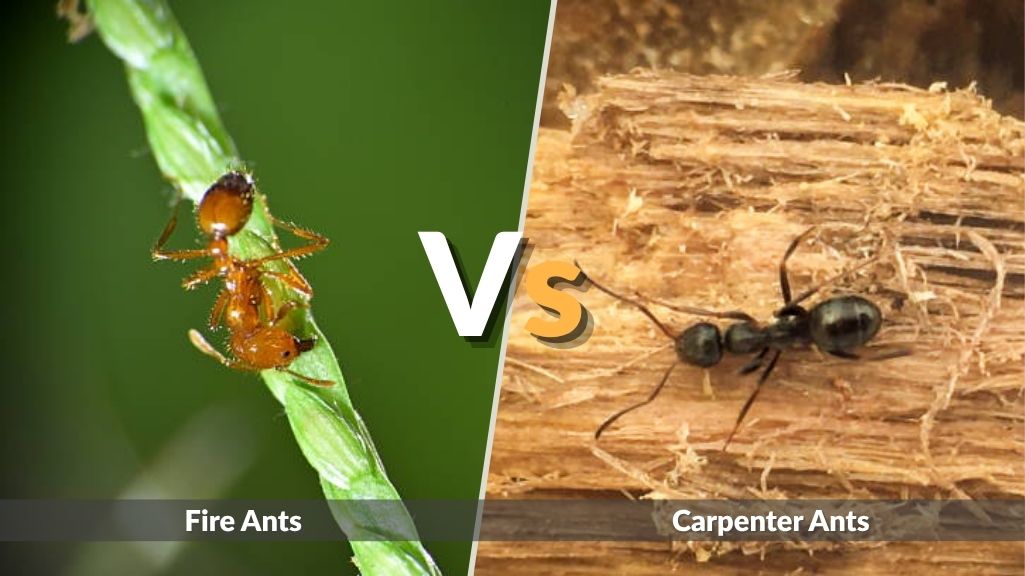
Many ants share similar characteristics, making identification difficult. However, fire ants possess several unique traits that help distinguish them from other common species.
Fire Ants vs Carpenter Ants
Fire ants are smaller, reddish, and possess a stinger, while carpenter ants are generally larger and do not create large soil mounds.
Fire Ants vs Sugar Ants
Sugar ants are less aggressive and lack the painful sting associated with fire ants.
Quick Comparison
Fire ants are typically identified by:
- Aggressive behavior
- Painful stings
- Variable worker sizes
- Dome-shaped mounds
FAQs
Can Fire Ants Bite and Sting at the Same Time?
Yes. Fire ants first use their jaws to bite and hold onto the skin. Once attached, they pivot their bodies and sting multiple times, injecting venom that causes pain, redness, and swelling. This combination of biting and stinging is what makes fire ant encounters particularly painful.
What Is the Difference Between a Fire Ant Bite and a Mosquito Bite?
Fire ant stings usually cause a burning sensation followed by red bumps that develop into white pustules within 24 hours. Mosquito bites typically appear as itchy, raised welts and do not form the distinctive white blister associated with fire ant stings.
How Long Does It Take for a Fire Ant Sting to Heal?
Most fire ant stings begin improving within a few days and heal completely within one to two weeks. In some cases, discoloration or minor scarring may remain for several weeks or months, especially if the sting becomes infected or is repeatedly scratched.
Are Fire Ant Mounds Active All Year Round?
Fire ant colonies remain active throughout the year in warm climates such as Florida, Texas, and parts of Australia. However, activity is often more noticeable during spring and summer when ants are foraging and expanding their colonies.
Can Fire Ants Live Indoors?
Fire ants prefer outdoor environments, but they can enter homes when searching for food, water, or shelter. Indoor infestations are often linked to nearby outdoor colonies and may occur behind walls, under floors, or near plumbing and electrical systems.
