
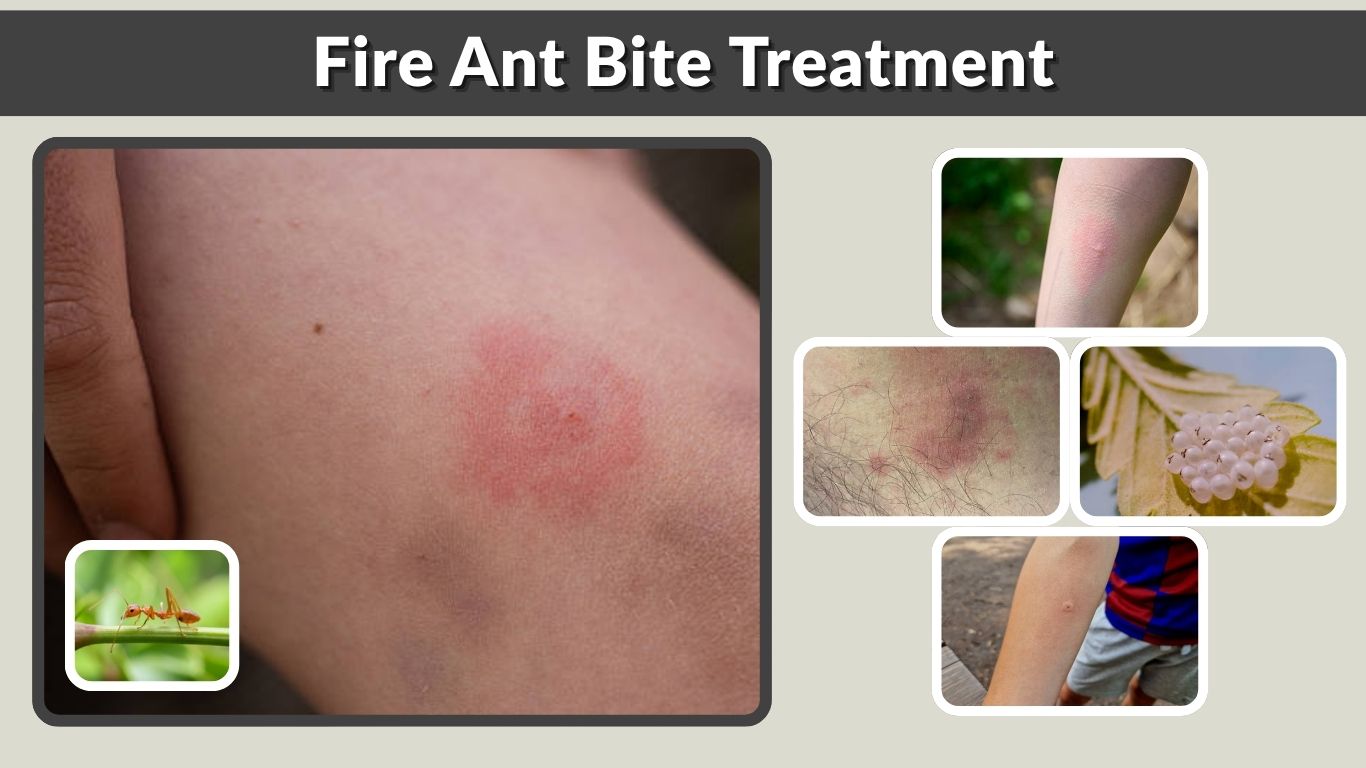
Fire ant bites can cause intense burning pain, itching, swelling, and uncomfortable skin irritation within minutes after a sting. These aggressive ants attack in groups and often sting multiple times, making symptoms worse than many other insect bites. While most reactions are mild, some people and pets may experience serious allergic responses that require immediate medical attention. Proper fire ant bite treatment can help reduce pain, prevent infection, and speed healing. Understanding first aid steps, home remedies, and warning signs is important for managing bites safely and effectively.
What Happens When a Fire Ant Bites?
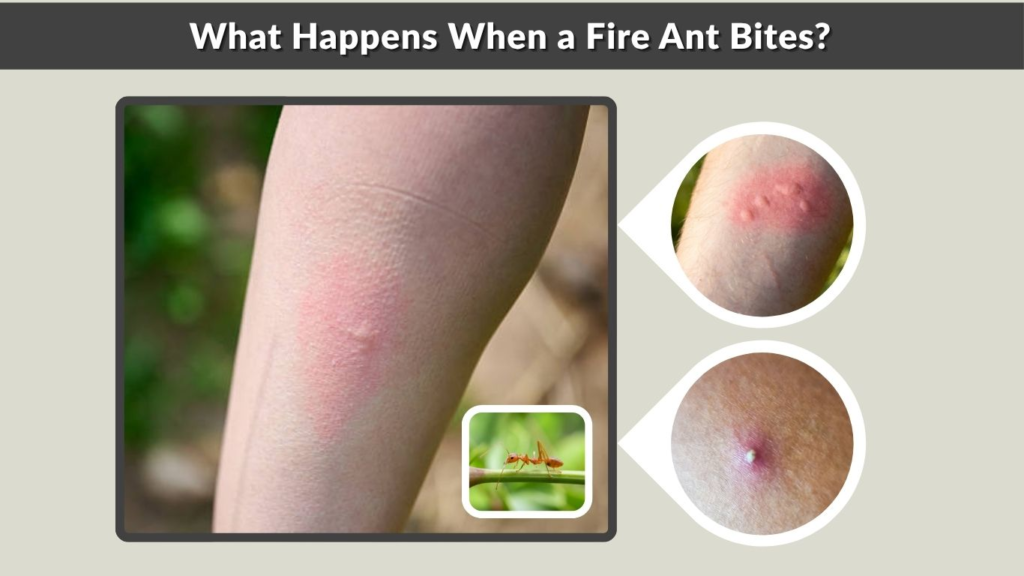
Fire ants do not simply bite the skin. They attach themselves using their jaws and inject venom through repeated stings. This venom causes a burning sensation followed by redness, swelling, and itchy pustules that may last for several days.
Most people experience mild to moderate irritation, but the severity of symptoms depends on the number of stings and the individual’s sensitivity to fire ant venom. Multiple stings can cause more serious reactions and increase discomfort significantly.
Common Symptoms of Fire Ant Bites
Fire ant stings usually produce symptoms very quickly after contact with the ants.
- Sharp burning pain
- Red swollen bumps
- Intense itching
- White pus-filled pustules
- Skin irritation and tenderness
These symptoms may continue for several days, especially if the affected area is scratched repeatedly.
Why Fire Ant Bites Hurt So Much
Fire ant venom contains toxic compounds that trigger inflammation and irritation in the skin. After stinging, ants often rotate in a circular motion, injecting venom multiple times into the same area.
This repeated stinging action causes stronger pain and more severe swelling than many common insect bites. Sensitive individuals may also experience allergic reactions that affect larger areas of the body.
First Aid Treatment for Fire Ant Bites
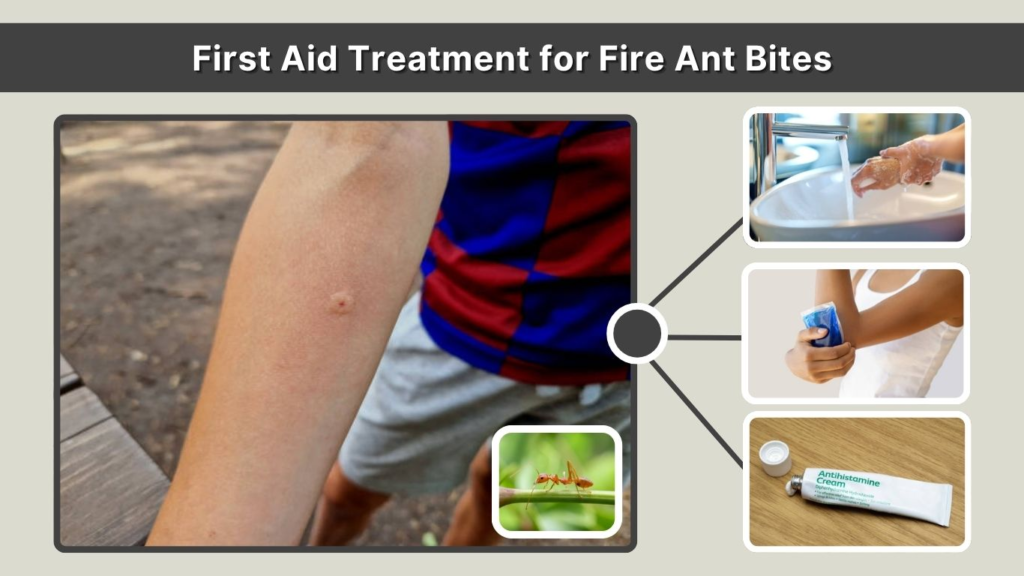
Quick first aid treatment can reduce pain, swelling, and infection risks after a fire ant sting. Immediate care is especially important when someone receives multiple stings or develops severe irritation.
Most mild reactions can be treated at home using simple first aid methods and over-the-counter medications.
What to Do Immediately After a Fire Ant Sting
Several first aid steps may help reduce discomfort and prevent complications.
- Move away from the fire ant mound
- Wash the affected skin with soap and water
- Apply a cold compress to reduce swelling
- Avoid scratching the bite area
- Use antihistamines for itching relief
Cleaning the skin properly helps lower the risk of infection caused by scratching or broken pustules.
Best Supplies for Fire Ant Bite Treatment
Many common household and medical products can help manage symptoms after a sting.
- Ice packs or cold towels
- Hydrocortisone cream
- Oral antihistamines
- Mild soap and clean water
- Pain relief medications
These treatments may reduce inflammation, itching, and burning sensations during the healing process.
Best Fire Ant Bite Treatment Options
Several treatment methods are available for relieving fire ant bite symptoms. The best option often depends on the severity of the reaction and whether complications such as allergic responses or infections develop.
Mild bites usually improve with home care, while severe symptoms may require medical attention and prescription medications.
Creams and Medications for Fire Ant Bites
Anti-itch creams and oral medications are commonly used to reduce swelling and irritation caused by fire ant venom. Hydrocortisone creams may help calm inflamed skin, while antihistamines can reduce itching and allergic reactions.
Some people also use pain relievers to manage discomfort during the first few days after being stung. Medications should always be used according to package instructions or medical guidance.
Fire Ant Bite Swelling Treatment
Swelling is one of the most common reactions after a fire ant sting. Cold compresses applied for short periods may help reduce inflammation and numb painful areas.
Keeping the affected area elevated can also reduce swelling in arms, hands, legs, or feet. Severe swelling that spreads beyond the sting site may indicate an allergic reaction and should be evaluated by a medical professional.
Home Remedies for Fire Ant Bites
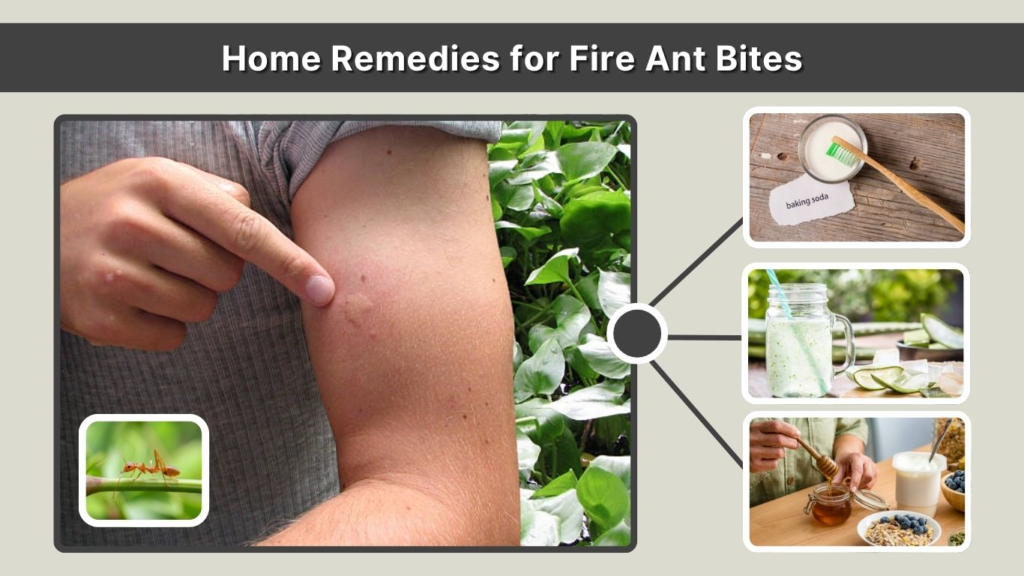
Many people prefer natural remedies for mild fire ant bites because they are simple, affordable, and easy to use at home. While home remedies may not eliminate severe symptoms, they often provide temporary relief from itching and irritation.
Fire Ant Bite Treatment at Home
Several common home treatments are frequently used for mild fire ant bite symptoms.
- Baking soda paste
- Aloe vera gel
- Vinegar compresses
- Oatmeal baths
- Honey applications
These remedies may help soothe irritated skin and reduce discomfort naturally.
Natural Fire Ant Bite Treatment Options
Natural oils and plant-based products are sometimes used to calm inflammation and itching caused by fire ant stings. Tea tree oil, witch hazel, and diluted essential oils are common examples.
People with sensitive skin should test natural products carefully because some ingredients may cause additional irritation if applied directly to damaged skin.
Fire Ant Bite Allergic Reaction Treatment
Although many fire ant bites are mild, some people experience severe allergic reactions that require emergency medical care. Allergic responses can develop quickly and may become life-threatening without treatment.
Symptoms such as breathing difficulty, dizziness, rapid swelling, or widespread hives should never be ignored. Individuals with known insect sting allergies may require emergency medications such as epinephrine injections after multiple fire ant stings.
Infected Fire Ant Bite Treatment
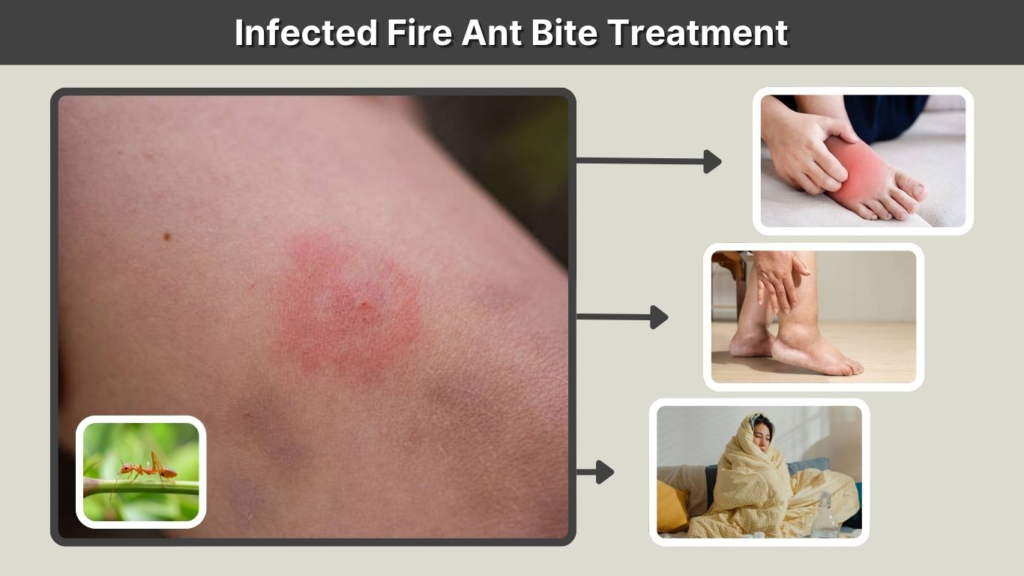
Fire ant bites can become infected when the skin is scratched repeatedly or when pustules break open. Bacteria may enter damaged skin and create more serious complications that require medical treatment. Proper wound care is important for preventing infection and helping the skin heal safely.
Signs of an Infected Fire Ant Bite
Several symptoms may indicate that a fire ant bite has become infected.
- Increased redness around the bite
- Warm or painful skin
- Yellow or green drainage
- Swelling that continues worsening
- Fever or fatigue
People experiencing these symptoms should seek medical advice, especially if the infection spreads or does not improve after home treatment.
How to Treat an Infected Fire Ant Bite
Infected bites should be cleaned carefully with mild soap and water to reduce bacteria on the skin. Antibiotic creams may help manage mild infections, but severe symptoms often require prescription medication from a healthcare professional.
Keeping the area clean and avoiding scratching are important for preventing additional irritation. Medical treatment may also be necessary if swelling becomes severe or if multiple bites show signs of infection.
Fire Ant Bite Treatment for Dogs
Dogs can suffer painful reactions after stepping on or disturbing fire ant mounds. Fire ants often sting sensitive areas such as paws, noses, and stomachs, causing discomfort and swelling. Quick treatment can help reduce pain and prevent more serious reactions in pets.
Symptoms of Fire Ant Bites on Dogs
Common symptoms of fire ant bites in dogs include:
- Excessive licking or chewing
- Red swollen skin
- Limping or difficulty walking
- Whining or restlessness
- Small pustules or irritated spots
Severe allergic reactions in dogs may include breathing difficulty, facial swelling, or extreme weakness, which require immediate veterinary attention.
Safe Treatment for Fire Ant Bites on Dogs
Owners should gently wash the affected area with cool water and mild soap to remove dirt and reduce irritation. Cold compresses may help relieve swelling and discomfort.
Veterinarians may recommend pet-safe antihistamines or topical treatments depending on the severity of the reaction. Human medications should never be given to dogs without veterinary approval because some ingredients may be harmful to pets.
Fire Ant Bite Healing and Recovery
Most fire ant bites heal gradually within several days to two weeks. The healing process depends on the number of stings, skin sensitivity, and whether the affected area becomes infected. Mild swelling and itching usually improve first, while pustules may remain visible longer.
Avoiding scratching is one of the most important steps for preventing scars and secondary infections. Repeated irritation may damage the skin and slow recovery.
How Long Do Fire Ant Bites Last?
Mild fire ant bites may improve within a few days, but larger reactions can take longer to heal. White pustules commonly appear within twenty-four hours and may remain for several days before drying naturally.
Some people experience temporary skin discoloration after healing, especially if the bite area was scratched repeatedly during recovery.
Fire Ant Bite Scar Treatment
Scar prevention often begins during the healing process. Moisturizing creams and gentle skin care may reduce dryness and irritation while the skin recovers.
People with visible scars sometimes use scar-reducing gels or protective sunscreen to minimize long-term discoloration. Deep scratching and infection increase the likelihood of permanent skin marks after severe fire ant bites.
How to Prevent Fire Ant Bites
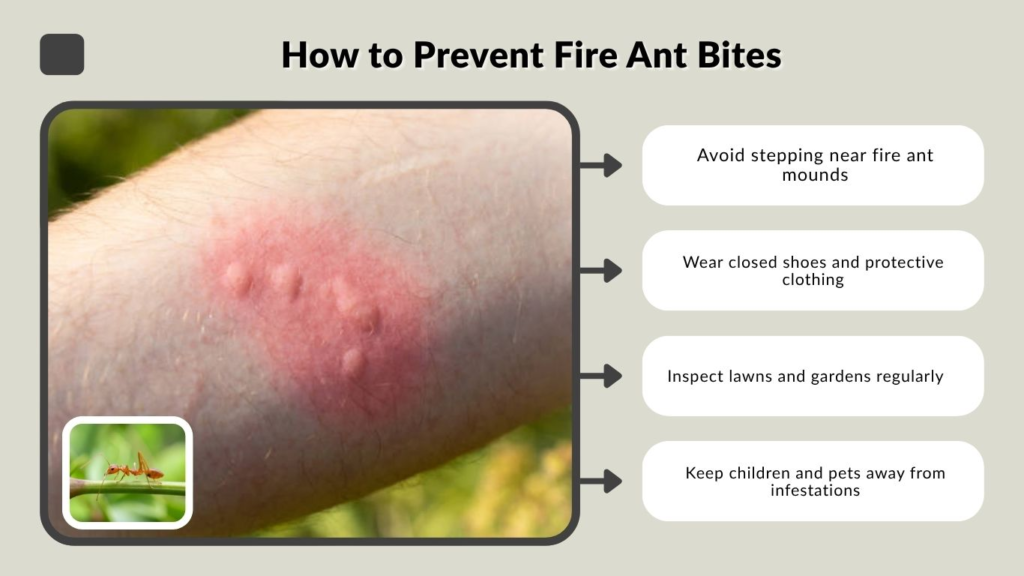
Preventing fire ant bites is the best way to avoid painful stings and allergic reactions. Fire ants are highly aggressive when their mounds are disturbed, so caution is important during outdoor activities.
Fire Ant Bite Prevention Tips
Several safety measures can help reduce the risk of fire ant stings outdoors.
- Avoid stepping near fire ant mounds
- Wear closed shoes and protective clothing
- Inspect lawns and gardens regularly
- Keep children and pets away from infestations
- Use fire ant control treatments around properties
Regular outdoor inspections can help identify active colonies before accidental contact occurs.
Reducing Fire Ant Activity Around Homes
Homeowners can lower fire ant activity by maintaining clean outdoor spaces and reducing conditions that attract colonies. Proper lawn care, moisture control, and regular pest treatments may help discourage nesting around homes.
Professional fire ant control services may also be useful for properties with recurring infestations or large outdoor colonies that are difficult to eliminate completely.
FAQs
What is the best treatment for fire ant bites?
The best treatment usually includes washing the area, applying cold compresses, using anti-itch creams, and taking antihistamines to reduce swelling and irritation.
How long do fire ant bite symptoms last?
Most mild symptoms improve within a few days, while pustules and itching may last one to two weeks depending on the severity of the stings.
Are natural remedies effective for fire ant bites?
Natural remedies such as aloe vera, baking soda paste, and oatmeal baths may help relieve mild itching and irritation, but severe reactions may still require medical care.
When should you seek medical attention for fire ant bites?
Medical care is recommended for severe swelling, breathing problems, infection signs, dizziness, or widespread allergic reactions after multiple fire ant stings.
Can fire ant bites be dangerous for dogs?
Yes, fire ant bites can cause pain, swelling, and allergic reactions in dogs. Severe symptoms such as breathing difficulty or extreme swelling should be treated by a veterinarian immediately.
