
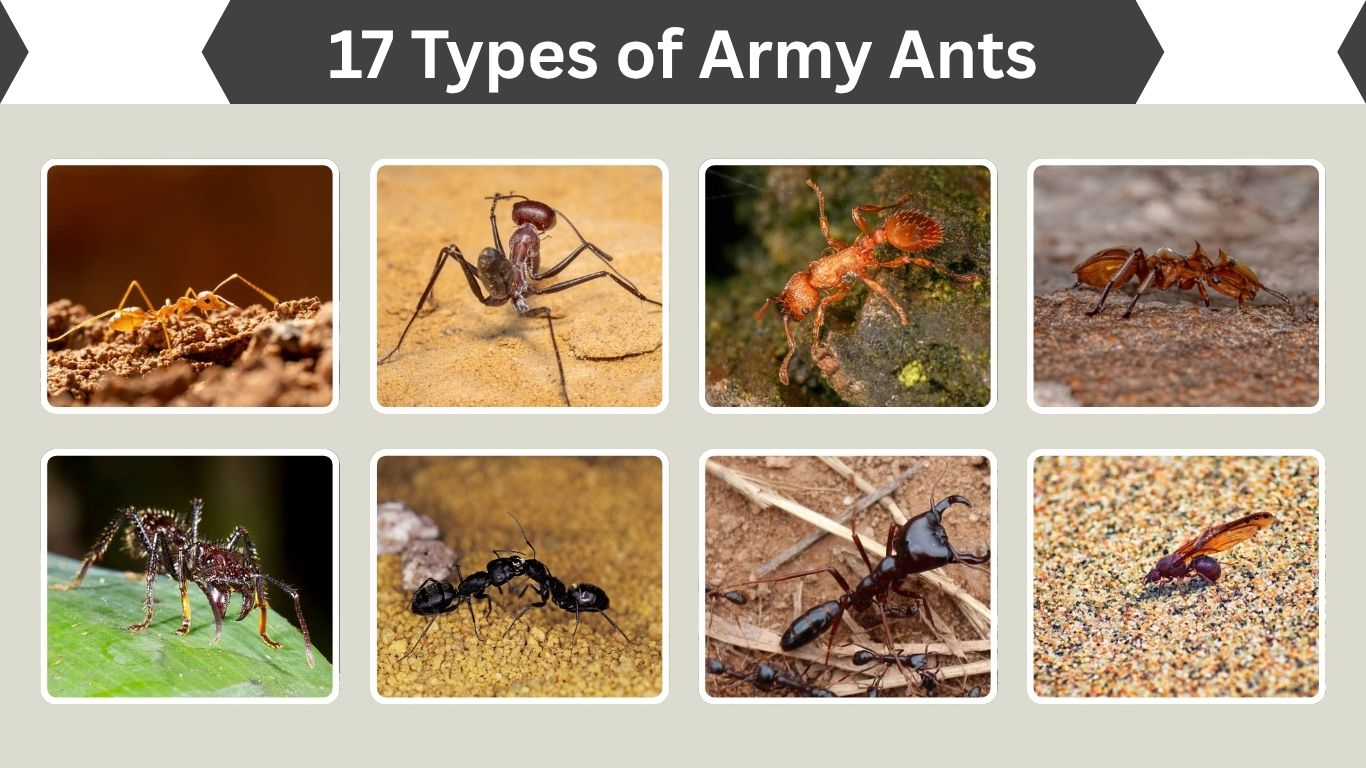
Army ants are fascinating social insects known for their aggressive hunting behavior and organized swarm movements. Unlike many other ant species, they rarely build permanent nests and instead travel continuously in search of food. These ants live in large colonies and work together to overpower insects and small animals. Found mostly in tropical forests, army ants play an important role in maintaining ecological balance by controlling pest populations and supporting biodiversity. Their strong teamwork, powerful mandibles, and coordinated raids make them one of the most remarkable ant groups in nature.
1. Army Ant
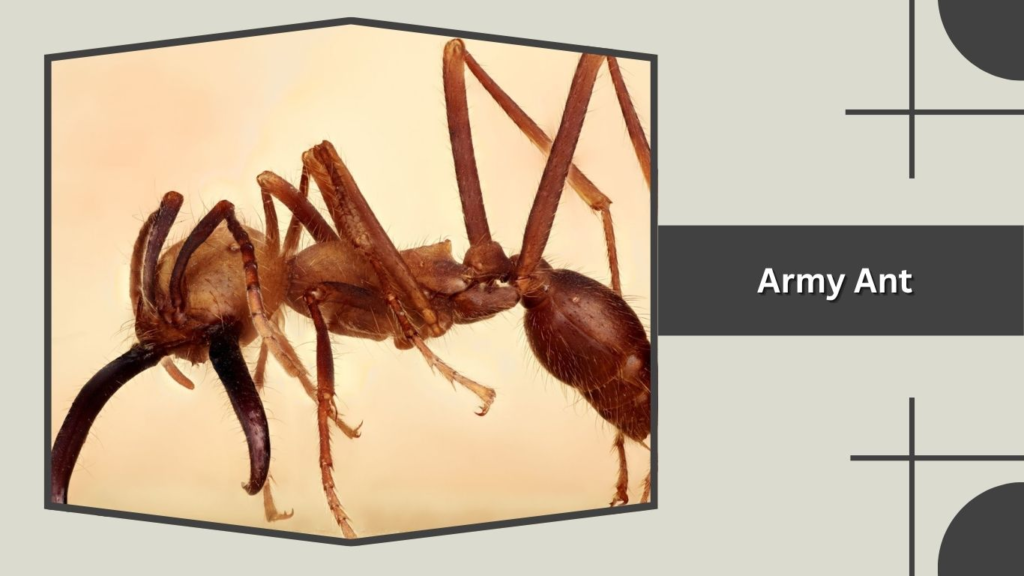
Army ants are famous for their aggressive hunting behavior and highly organized colonies. These ants travel in massive groups and attack insects, spiders, and other small animals along their path. Unlike many ant species, army ants do not build permanent nests. Instead, they move frequently and create temporary living structures called bivouacs using their own bodies. They are mostly found in tropical forests across Africa, Asia, and the Americas.
Identification
- Medium to large-sized ants with strong bodies
- Powerful curved mandibles used for hunting and defense
- Usually dark brown, black, or reddish in color
- Move in large marching columns called raids
- Workers are often blind or have very small eyes
Habitat
Army ants mainly live in tropical rainforests and warm woodland regions. They prefer humid environments with abundant prey. Instead of building underground nests, the colony forms temporary shelters from linked worker ants and larvae. These ants constantly relocate in search of food, making them one of the most mobile ant species in the world.
Behavior
Army ants are known for coordinated group attacks called swarm raids. Thousands of workers move together to capture insects and small animals. Their colonies are highly social, with each ant performing a specific role. Soldiers protect the colony while workers gather food and care for larvae. Their movement patterns can clear large areas of insects within a short time.
Importance in Nature
Army ants play an important role in maintaining ecological balance. By hunting other insects, they help control pest populations in forest ecosystems. Many birds and small animals also follow army ant swarms to catch escaping prey. Their presence supports biodiversity and contributes to the health of tropical environments.
2. Driver Ant
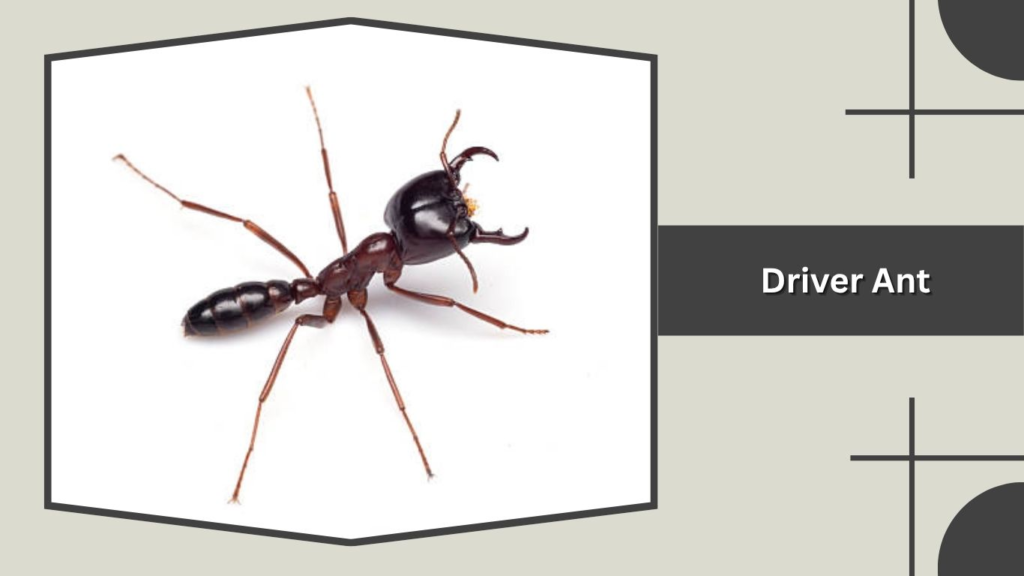
Driver ants are one of the most feared types of army ants in Africa. They are famous for forming enormous colonies that can contain millions of individuals. These ants travel in huge swarms and attack almost any small animal in their path. Their painful bite and aggressive behavior make them well known throughout tropical regions. Driver ants are highly organized and depend on teamwork for survival and hunting success.
Identification
- Large ants with dark brown or black bodies
- Strong sharp mandibles capable of painful bites
- Soldiers have much larger heads than workers
- Move in massive organized columns
- Wingless worker ants with powerful legs
Habitat
Driver ants mainly inhabit tropical forests, grasslands, and moist regions of Africa. They prefer warm climates with plenty of insects and other prey animals. These ants do not create permanent nests. Instead, the colony moves regularly and forms temporary shelters underground or within natural forest cover during resting periods.
Behavior
Driver ants are extremely aggressive hunters. Their swarms can overwhelm insects, spiders, reptiles, and even small mammals. Worker ants cooperate closely during raids, while large soldiers defend the colony. The ants communicate using chemical signals that help maintain organization during movement and attacks. Their raids are fast, efficient, and highly destructive to prey populations.
Importance in Nature
Driver ants help regulate insect populations in tropical ecosystems. Their hunting activities remove weak or dead animals and support natural recycling processes. Many birds and other creatures follow driver ant swarms to feed on fleeing insects. This interaction creates important ecological relationships within African forests and grasslands.
3. Safari Ant
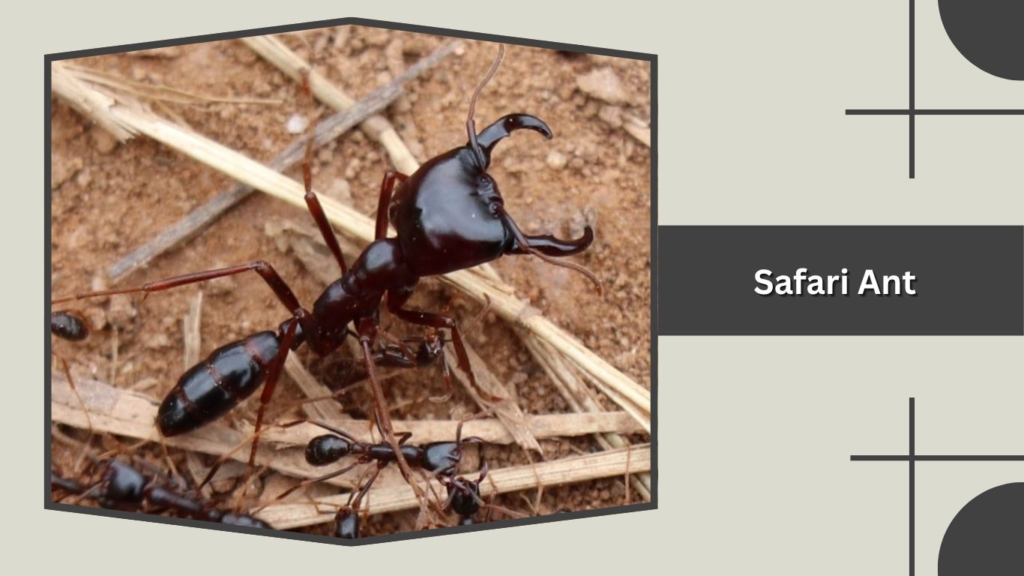
Safari ants are another well-known type of African army ant recognized for their massive traveling colonies. These ants are active predators that hunt in large coordinated groups. Their name comes from their constant movement across forest floors and open land. Safari ants are highly social insects that rely on cooperation, strength, and numbers to survive in challenging environments.
Identification
- Dark reddish-brown or black body coloration
- Long bodies with strong legs for movement
- Large curved mandibles for capturing prey
- Travel in thick marching trails
- Soldier ants are much larger than workers
Habitat
Safari ants are commonly found in tropical forests and savanna regions of Africa. They prefer humid environments rich in insects and small animals. Colonies move frequently and create temporary nests in soil, leaf litter, or hidden forest spaces. Their mobility helps them find food and avoid dangerous conditions.
Behavior
Safari ants are known for their large swarm raids. Thousands of ants work together to attack prey and transport food back to the colony. They communicate using scent trails that guide movement and coordination. Soldier ants guard the edges of the swarm while workers focus on hunting and carrying food. Their teamwork makes them highly effective predators.
Importance in Nature
Safari ants contribute to ecosystem balance by controlling insect populations and cleaning up organic matter. Their swarms influence the behavior of many forest animals, including birds that feed on escaping insects. By reducing pest populations, safari ants help maintain healthy and diverse tropical habitats.
4. Swarm-Raiding Ant
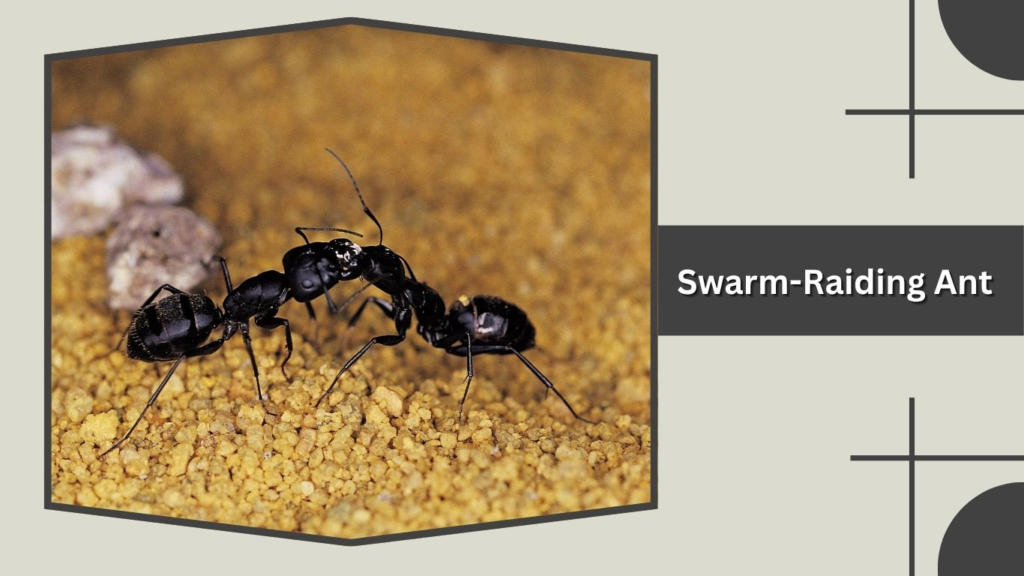
Swarm-raiding ants are a dangerous and highly organized type of army ant known for their coordinated hunting behavior. These ants move in large groups and search for insects, spiders, and small animals across forest floors. Their hunting strategy depends on overwhelming prey through numbers and teamwork. Swarm-raiding ants are mostly found in tropical regions where food is abundant and environmental conditions remain warm and humid.
Identification
- Medium-sized ants with dark brown or black bodies
- Strong jaws used for attacking and carrying prey
- Move in dense organized swarms
- Long legs adapted for constant movement
- Worker ants usually have reduced eyesight
Habitat
Swarm-raiding ants mainly live in tropical rainforests and moist woodland environments. They prefer areas with rich insect populations and thick vegetation. These ants do not stay in one place for long periods. Colonies frequently relocate and form temporary living shelters using soil, leaves, or linked worker ants to protect the queen and larvae.
Behavior
Swarm-raiding ants are famous for coordinated hunting raids involving thousands of workers. They attack prey rapidly and strip food sources within minutes. Chemical signals help the colony maintain direction and communication during movement. Workers focus on hunting and carrying food, while soldier ants defend the swarm from threats and predators.
Importance in Nature
Swarm-raiding ants are important predators in tropical ecosystems. They help control insect populations and remove weak or dead animals from the environment. Many birds and reptiles benefit from following ant swarms to catch escaping prey. Their activity supports ecological balance and contributes to healthy forest biodiversity.
5. Giant Amazon Ant
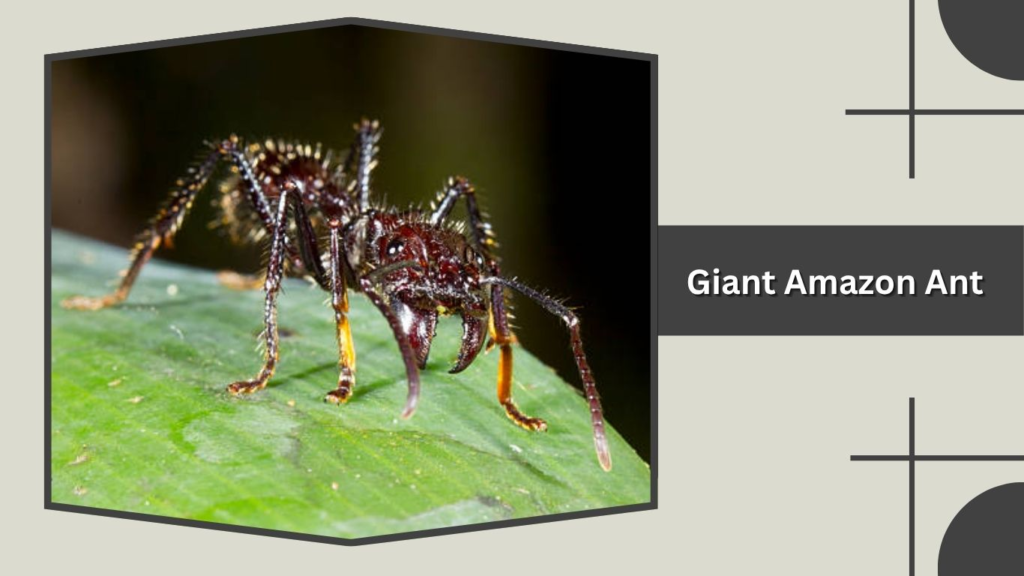
The giant Amazon ant is a powerful species of army ant found mainly in South American rainforests. These ants are known for their large size, aggressive nature, and strong hunting abilities. They travel in organized colonies and attack insects and small creatures with impressive speed. Their strength and cooperative behavior make them one of the most fascinating predators in tropical ecosystems.
Identification
- Large body size compared to many ant species
- Dark reddish-brown or black coloration
- Strong curved mandibles for hunting prey
- Thick legs adapted for forest movement
- Travel in organized hunting trails
Habitat
Giant Amazon ants inhabit tropical rainforests in South America, especially regions with dense vegetation and high humidity. They prefer forest floors covered with leaves and organic material where prey is abundant. Colonies move regularly and create temporary nests in protected areas such as underground spaces or fallen logs.
Behavior
These ants are highly aggressive and hunt in coordinated groups. Worker ants search for prey while larger soldiers defend the colony. They rely on chemical communication to organize movement and attacks. Their raids can quickly overpower insects, spiders, and other small animals. The colony works together efficiently, allowing them to survive in competitive rainforest environments.
Importance in Nature
Giant Amazon ants help maintain balance within rainforest ecosystems by controlling insect populations. Their hunting activity supports nutrient recycling and reduces the spread of pests. Many animals also depend on ant swarms as feeding opportunities, making these ants an important part of tropical forest food chains.
6. Nomamyrmex Ant
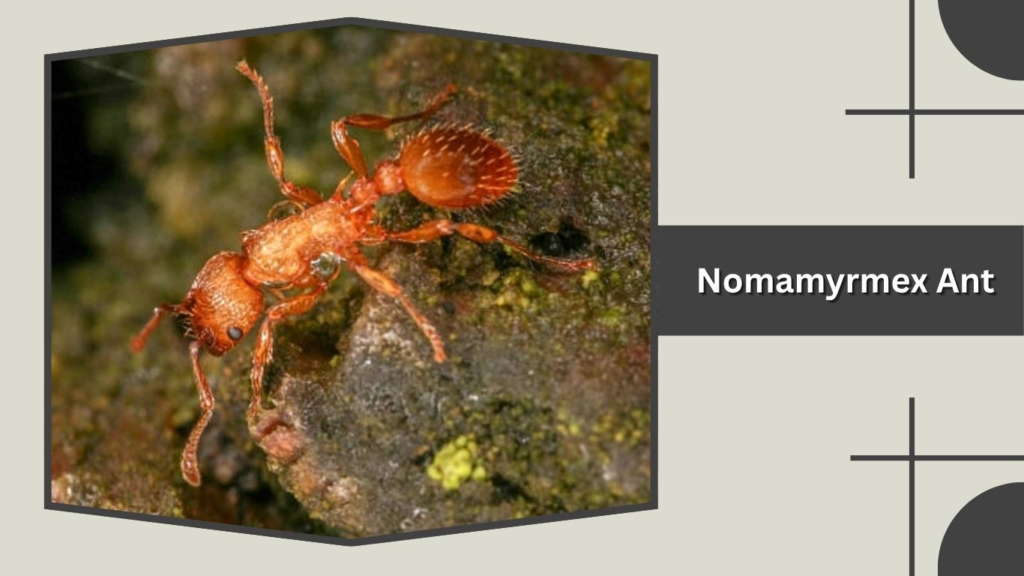
Nomamyrmex ants are a unique group of army ants found mainly in Central and South America. These ants are well known for their aggressive hunting behavior and powerful raids against other insect colonies. They often attack large prey and are considered skilled predators in tropical ecosystems. Their organized movement and teamwork allow them to survive in dense rainforest environments where competition for food is intense.
Identification
- Medium to large ants with reddish-brown bodies
- Strong sharp mandibles used for hunting
- Long legs adapted for rapid movement
- Travel in organized swarm formations
- Soldier ants have noticeably larger heads
Habitat
Nomamyrmex ants mainly live in tropical rainforests with high humidity and dense vegetation. They prefer forest floors covered with leaves, fallen wood, and organic material where prey is abundant. These ants do not create permanent nests and instead move frequently to locate food and protect the colony from environmental threats.
Behavior
Nomamyrmex ants are aggressive hunters that attack insects, spiders, and even other ant colonies. They move in coordinated raids involving thousands of workers. Chemical communication helps them maintain swarm organization during hunting. Soldiers defend the colony while workers gather prey and care for larvae. Their teamwork and speed make them effective predators in rainforest ecosystems.
Importance in Nature
These ants play an important role in controlling insect populations and maintaining ecological balance. Their raids reduce pest numbers and help recycle nutrients in forest environments. Many birds and reptiles follow Nomamyrmex swarms to feed on escaping insects, creating important interactions within tropical food chains.
7. New World Army Ant
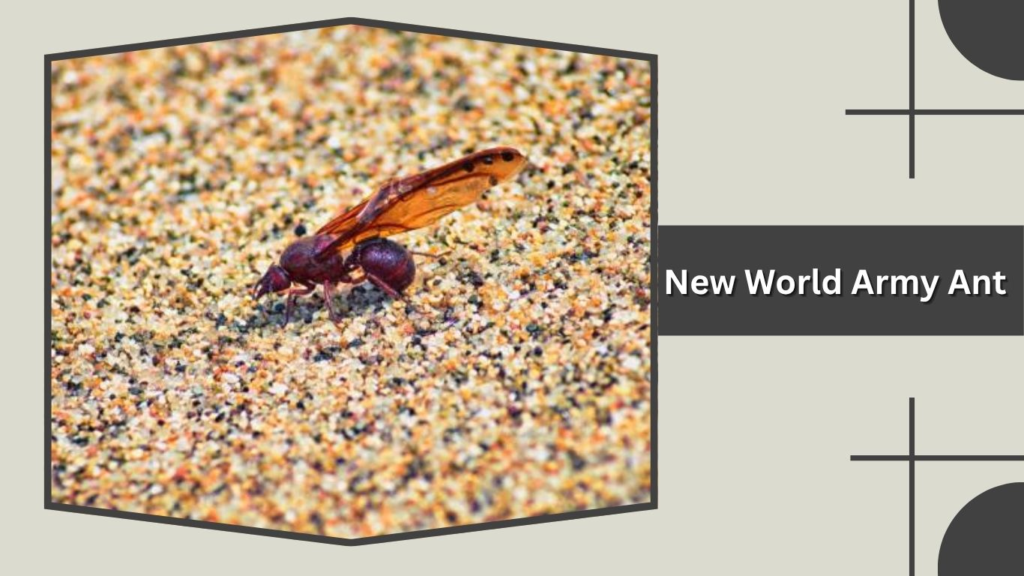
The New World army ant is a famous type of army ant found throughout North and South America. These ants are known for their large traveling colonies and organized hunting swarms. They are highly social insects that depend on cooperation to capture prey and protect the colony. Their constant movement and aggressive raids make them one of the most recognizable army ant groups in the Americas.
Identification
- Dark brown or black body coloration
- Strong jaws designed for carrying prey
- Long slender legs for fast movement
- Travel in large organized columns
- Worker ants usually have reduced eyesight
Habitat
New World army ants live mainly in tropical forests, woodlands, and humid environments. They prefer areas rich in insects and small animals. Colonies move regularly and build temporary nests using leaves, soil, and the bodies of worker ants. Their mobile lifestyle helps them locate new food sources efficiently.
Behavior
These ants are famous for swarm raids that involve thousands of workers moving together. They attack insects, spiders, and other small creatures with speed and coordination. Chemical trails guide the colony during movement and hunting. Workers gather food while soldiers defend the swarm from predators and threats in the environment.
Importance in Nature
New World army ants help maintain healthy ecosystems by controlling insect populations and removing weak animals. Their raids provide feeding opportunities for birds and reptiles that follow the swarms. By influencing prey populations and supporting food chains, these ants contribute greatly to biodiversity in tropical forests.
8. Legionary Ant
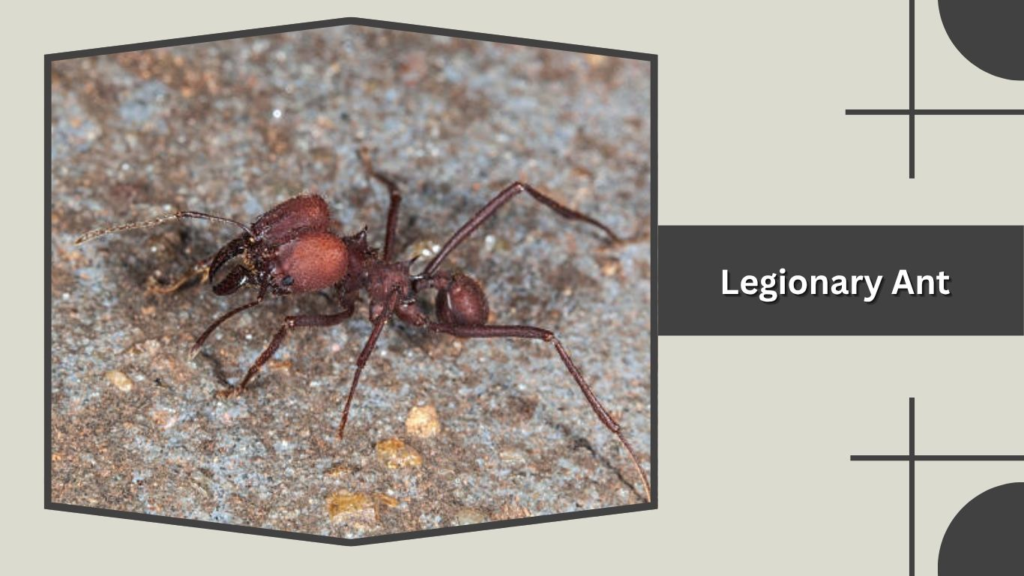
Legionary ants are a well-known group of army ants recognized for their massive hunting swarms and highly organized colonies. These ants travel continuously in search of food and attack prey with impressive speed and coordination. Their aggressive nature and teamwork allow them to dominate many tropical environments. Legionary ants are mostly found in warm forest regions where insects and small animals are plentiful.
Identification
- Medium-sized ants with dark brown or black bodies
- Strong mandibles used for hunting and defense
- Move in long organized marching columns
- Soldier ants have larger heads and jaws
- Workers are fast-moving and highly active
Habitat
Legionary ants mainly inhabit tropical rainforests and humid woodland areas. They prefer environments rich in insects and organic material. Instead of building permanent nests, colonies form temporary shelters called bivouacs using their own bodies. These ants relocate frequently to find food and avoid exhausting local prey populations.
Behavior
Legionary ants are famous for large swarm raids involving thousands of workers. They attack insects, spiders, and small animals while moving across the forest floor. Chemical signals help maintain coordination and direction during raids. Soldiers protect the colony while workers gather prey and transport food back to temporary nesting areas.
Importance in Nature
Legionary ants help maintain ecological balance by reducing insect populations and cleaning up dead organisms. Their raids also provide feeding opportunities for birds and reptiles that hunt fleeing prey. Through their hunting activity, legionary ants contribute to nutrient recycling and biodiversity in tropical ecosystems.
9. Hook-Jawed Army Ant
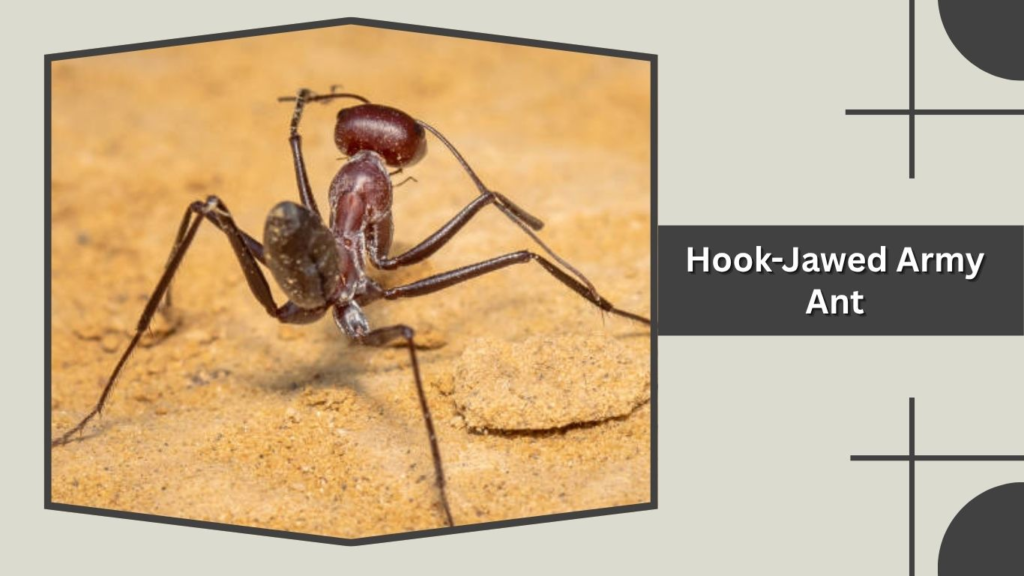
Hook-jawed army ants are named for their curved mandibles that resemble hooks. These powerful jaws help them capture prey and defend the colony. They are active predators that move in organized groups across forest environments. Although smaller than some other army ants, their speed, coordination, and aggressive behavior make them highly effective hunters in tropical ecosystems.
Identification
- Small to medium-sized ants with dark bodies
- Distinct curved hook-like mandibles
- Long legs adapted for rapid movement
- Move in coordinated hunting trails
- Soldier ants have stronger and larger jaws
Habitat
Hook-jawed army ants are commonly found in tropical forests and moist woodland regions in Asia and Africa. They prefer warm habitats with thick leaf litter and abundant insect populations. Colonies create temporary nests underground, under logs, or within protected forest spaces before relocating to new hunting areas.
Behavior
These ants are highly social and depend on teamwork during raids. Worker ants search for insects and small prey while soldiers guard the colony. Their hook-shaped jaws allow them to grip prey effectively during attacks. Chemical trails guide colony movement and help maintain communication during hunting operations.
Importance in Nature
Hook-jawed army ants play an important role in controlling insect populations in tropical forests. Their hunting activity helps maintain ecosystem balance and supports nutrient recycling. Many small animals and birds benefit from following ant swarms to feed on escaping insects, creating important ecological interactions within forest habitats.
10. African Army Ant
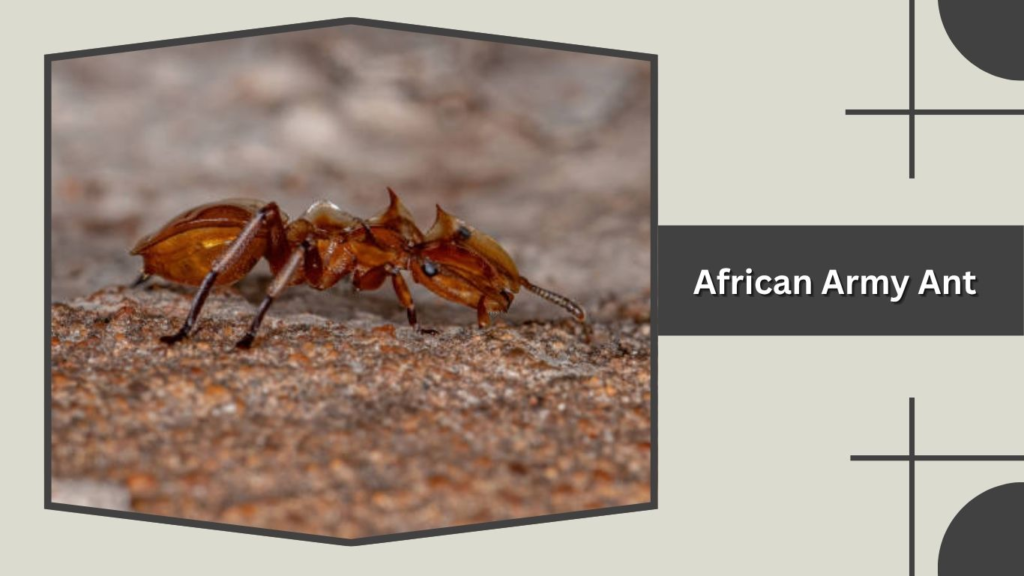
African army ants are among the most aggressive and powerful ants in the world. They are famous for their enormous swarms and coordinated hunting behavior. These ants travel in large groups across forests and grasslands, attacking insects and small animals along their path. Their strength, organization, and ability to work together make them one of the most successful predators in tropical Africa.
Identification
- Dark brown, reddish, or black body coloration
- Strong sharp mandibles for hunting and defense
- Large soldier ants with oversized heads
- Move in thick organized columns
- Worker ants are fast and highly active
Habitat
African army ants mainly live in tropical forests, savannas, and humid woodland areas across Africa. They prefer warm environments with abundant insects and prey animals. Colonies do not build permanent nests and instead create temporary shelters underground, under vegetation, or within natural forest cover while resting between raids.
Behavior
These ants are highly social and depend on teamwork for survival. Large hunting swarms move together to attack insects, spiders, reptiles, and small mammals. Workers gather food while soldiers protect the colony from threats. Chemical communication allows the ants to remain organized during movement and hunting operations across long distances.
Importance in Nature
African army ants help control insect populations and remove weak or dead animals from ecosystems. Their swarms provide food opportunities for birds and reptiles that catch escaping prey. By influencing prey populations and supporting nutrient recycling, these ants contribute greatly to ecological balance in tropical habitats.
11. Asian Army Ant
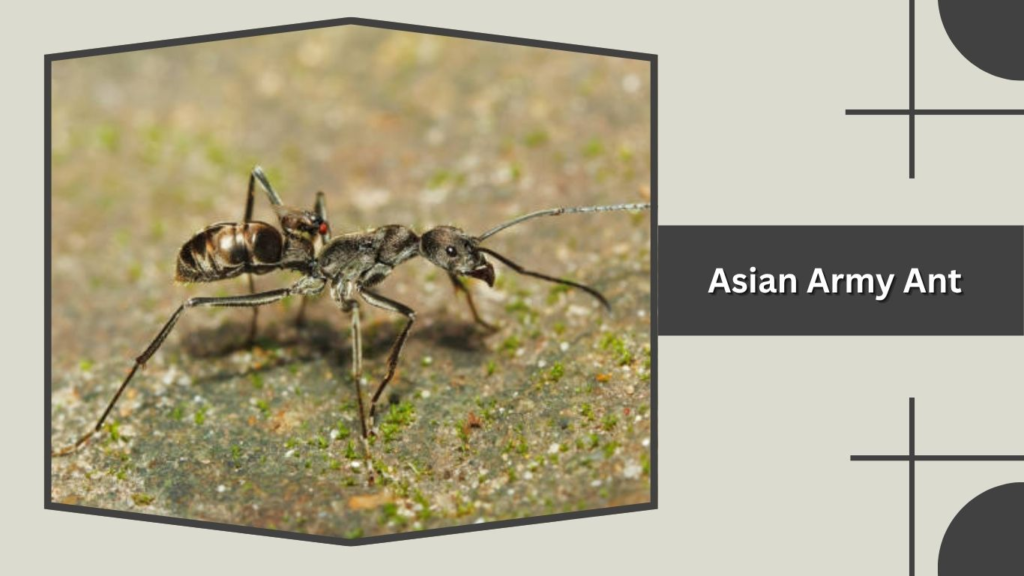
Asian army ants are fast-moving predatory ants commonly found in tropical regions of Asia. These ants are known for their organized hunting swarms and strong social structure. They travel continuously in search of insects and small prey, using teamwork and chemical communication to coordinate movement. Their adaptability allows them to thrive in forests, woodlands, and humid environments.
Identification
- Small to medium-sized ants with dark bodies
- Powerful mandibles used for capturing prey
- Long slender legs for quick movement
- Move in organized hunting trails
- Soldier ants are larger than workers
Habitat
Asian army ants mainly inhabit tropical rainforests, bamboo forests, and humid woodland areas throughout Asia. They prefer locations with dense vegetation and abundant insect life. Colonies frequently relocate and create temporary nests under logs, in soil, or within leaf litter to protect the queen and developing larvae.
Behavior
Asian army ants are aggressive hunters that rely on swarm raids to capture prey. Thousands of workers move together while following chemical scent trails. Workers focus on collecting food and caring for young ants, while soldiers defend the colony. Their hunting strategy allows them to overpower insects and other small animals efficiently.
Importance in Nature
Asian army ants play an important role in maintaining ecological balance by controlling insect populations. Their hunting activities help reduce pests and recycle nutrients in forest ecosystems. Many birds and reptiles benefit from feeding on prey disturbed by ant swarms, making these ants valuable contributors to biodiversity.
12. Yellow Army Ant
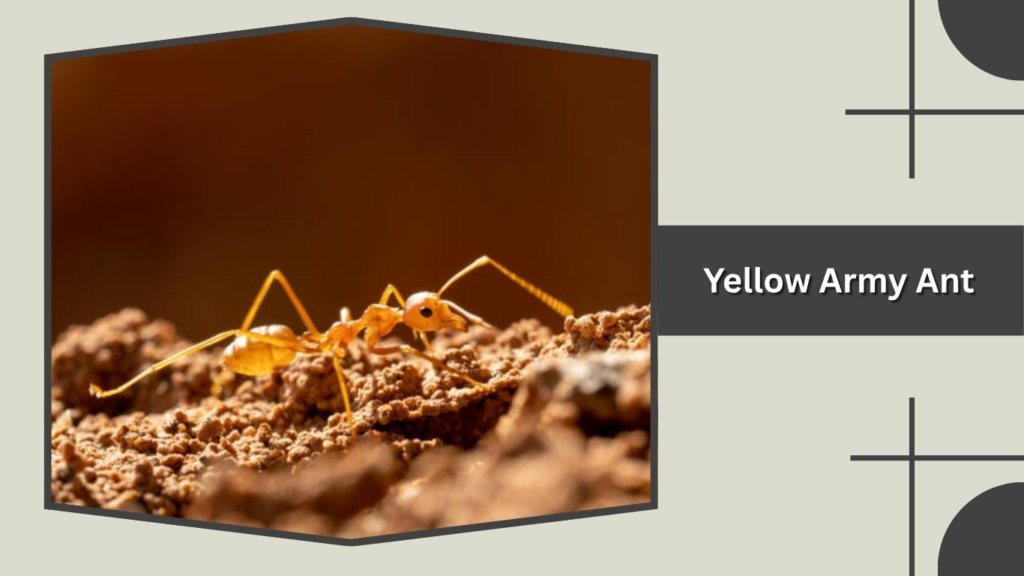
Yellow army ants are a lesser-known but highly active type of army ant recognized for their lighter yellowish-brown coloration. These ants travel in organized colonies and hunt insects and other small creatures in tropical environments. Like other army ants, they rely on teamwork, speed, and coordinated movement to survive. Their constant migration and aggressive hunting behavior make them important predators in forest ecosystems.
Identification
- Yellowish-brown or light reddish body color
- Medium-sized ants with strong mandibles
- Long legs designed for rapid movement
- Move in organized swarm trails
- Soldier ants are larger and more powerful
Habitat
Yellow army ants mainly inhabit tropical forests and humid woodland regions. They prefer warm climates with dense vegetation and abundant insect populations. Colonies do not remain in one location for long periods. Instead, they create temporary shelters under leaves, logs, or underground before relocating to new hunting areas.
Behavior
These ants are highly social and perform coordinated swarm raids to capture prey. Workers move together in large groups while following chemical scent trails. Soldiers protect the colony and defend against predators. Their hunting raids can quickly overwhelm insects and other small animals, allowing the colony to gather large amounts of food efficiently.
Importance in Nature
Yellow army ants help maintain ecological balance by controlling insect populations and cleaning up organic material. Their swarms also provide feeding opportunities for birds and reptiles that prey on escaping insects. Through their hunting behavior, they support biodiversity and nutrient recycling within tropical ecosystems.
13. Blind Army Ant
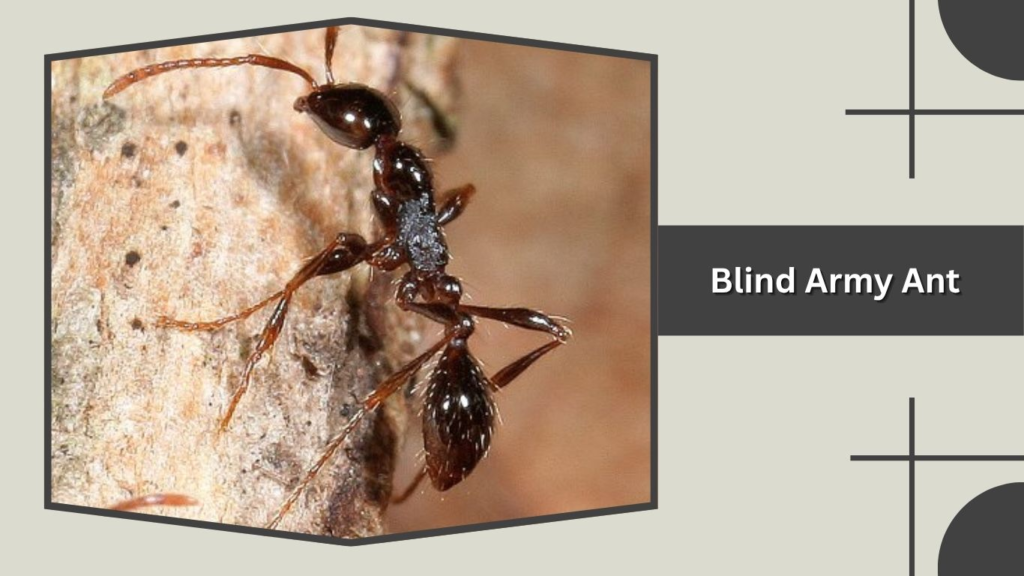
Blind army ants are unique among army ants because many workers have extremely small eyes or are completely blind. These ants rely heavily on chemical communication and touch rather than vision. Despite their limited eyesight, they are highly organized predators capable of conducting large hunting raids. Their teamwork and sensitivity to chemical signals allow them to survive successfully in dark forest environments.
Identification
- Small to medium-sized ants with dark bodies
- Very small eyes or complete blindness
- Strong mandibles used for hunting prey
- Long antennae for sensing surroundings
- Move in coordinated swarm formations
Habitat
Blind army ants commonly live in tropical forests, underground tunnels, and humid woodland regions. They prefer dark environments such as soil, leaf litter, and decaying wood where moisture levels remain high. Colonies move regularly and establish temporary nests in protected underground spaces or hidden forest shelters.
Behavior
These ants rely on chemical trails and physical contact to maintain organization during movement and hunting. Worker ants cooperate closely while searching for insects and small prey. Soldiers defend the colony using their powerful jaws. Blind army ants are active hunters and can quickly overwhelm prey despite their lack of vision.
Importance in Nature
Blind army ants help regulate insect populations and contribute to nutrient recycling within forest ecosystems. Their underground activity improves soil health and supports ecological balance. Many animals benefit indirectly from their hunting behavior, making blind army ants an important part of tropical biodiversity.
14. Red Army Ant
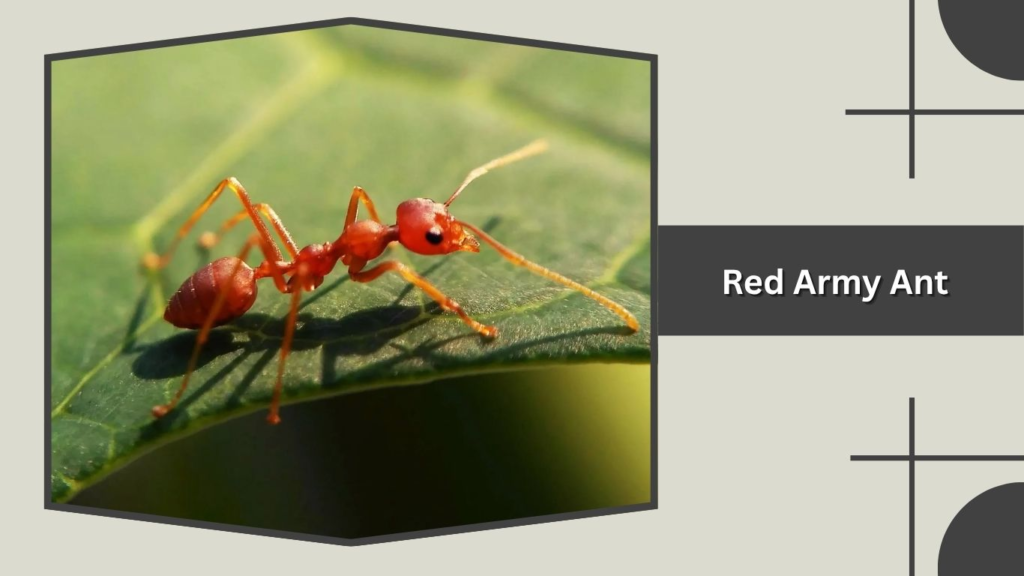
Red army ants are aggressive predatory ants recognized for their reddish body coloration and powerful hunting behavior. These ants move in large organized colonies and attack insects and other small animals during coordinated raids. Their teamwork and speed make them effective hunters in tropical environments. Red army ants are highly social insects that depend on cooperation for survival, defense, and food collection.
Identification
- Reddish-brown body coloration
- Strong curved mandibles for hunting prey
- Medium-sized workers with long legs
- Travel in large organized columns
- Soldier ants are larger and heavily built
Habitat
Red army ants are commonly found in tropical forests, woodlands, and humid grassland areas. They prefer environments rich in insects and organic material. Colonies frequently relocate and create temporary shelters under leaves, logs, or underground spaces. Their mobility helps them search for food and avoid exhausting local prey populations.
Behavior
These ants are highly organized hunters that conduct large swarm raids. Thousands of workers move together while following chemical scent trails. Worker ants gather prey and care for larvae, while soldiers defend the colony against threats. Their aggressive attacks can quickly overpower insects, spiders, and other small animals in their path.
Importance in Nature
Red army ants help control insect populations and contribute to ecological balance in tropical ecosystems. Their hunting behavior also supports nutrient recycling by removing weak or dead organisms. Many birds and reptiles follow their swarms to capture escaping prey, creating important relationships within forest food chains.
15. Marauder Ant
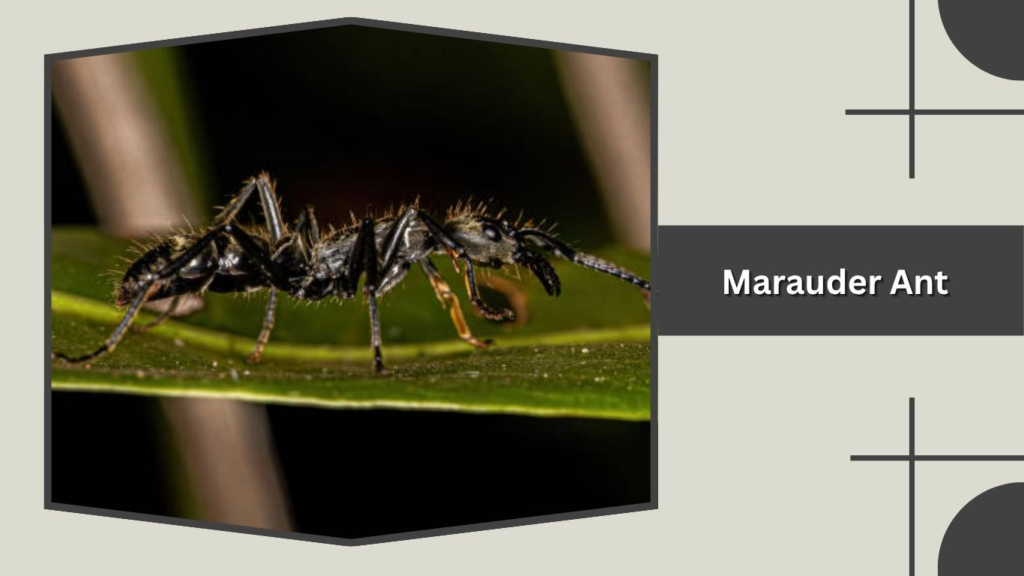
Marauder ants are a powerful type of army ant known for their fast-moving hunting swarms and aggressive behavior. These ants travel across forests in organized groups while searching for insects and small prey. Their coordinated attacks and strong social structure allow them to survive in competitive tropical environments. Marauder ants are active predators that rely on speed, teamwork, and communication.
Identification
- Dark brown or black body coloration
- Strong jaws designed for capturing prey
- Long legs adapted for rapid movement
- Move in organized hunting trails
- Soldier ants have larger heads and bodies
Habitat
Marauder ants mainly inhabit tropical forests and humid woodland regions. They prefer warm environments with thick vegetation and abundant prey animals. Colonies do not build permanent nests and instead create temporary shelters in soil, leaf litter, or beneath fallen logs before moving to new hunting areas.
Behavior
These ants conduct coordinated raids involving thousands of workers. Chemical communication helps maintain organization during movement and hunting. Worker ants focus on gathering food and caring for the colony, while soldiers defend against predators and threats. Their raids are highly efficient and capable of clearing large areas of insects quickly.
Importance in Nature
Marauder ants play an important role in maintaining ecological balance by controlling insect populations and recycling nutrients. Their swarms also provide feeding opportunities for birds and reptiles that prey on escaping insects. Through their hunting activities, marauder ants contribute to biodiversity and healthy forest ecosystems.
16. Forest Driver Ant
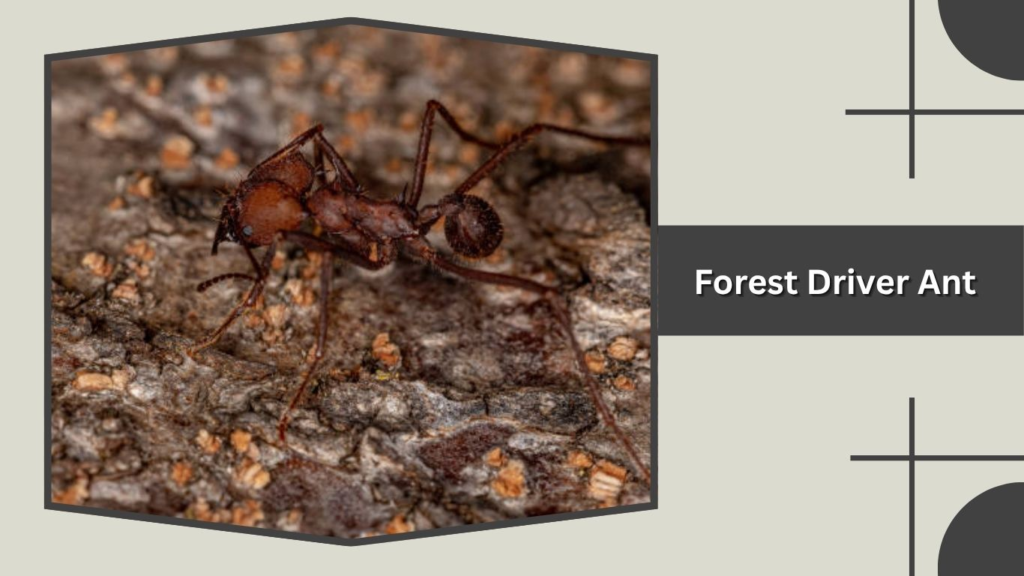
Forest driver ants are a powerful type of army ant commonly found in tropical forest regions of Africa. These ants are known for their massive swarms, aggressive hunting behavior, and highly organized colonies. They travel continuously in search of food and can overwhelm prey through sheer numbers and teamwork. Their strong social structure allows them to survive successfully in dense and competitive forest ecosystems.
Identification
- Dark brown or black body coloration
- Large soldier ants with strong mandibles
- Medium-sized worker ants with long legs
- Move in thick organized swarms
- Powerful jaws used for hunting and defense
Habitat
Forest driver ants mainly inhabit tropical rainforests and humid woodland environments. They prefer areas with dense vegetation, moist soil, and abundant insect populations. Colonies do not remain in permanent nests and instead create temporary shelters underground or within protected forest spaces while resting between hunting raids.
Behavior
These ants are highly aggressive predators that hunt in coordinated groups. Thousands of workers move together while following chemical scent trails. Soldiers guard the colony and defend against threats, while workers capture prey and transport food. Their raids are extremely efficient and capable of clearing large areas of insects and other small animals.
Importance in Nature
Forest driver ants help maintain ecological balance by controlling insect populations and removing dead organisms from forest environments. Their swarms also create feeding opportunities for birds and reptiles that hunt escaping prey. Through their hunting activity, they contribute to nutrient recycling and biodiversity in tropical ecosystems.
17. Tropical Army Ant
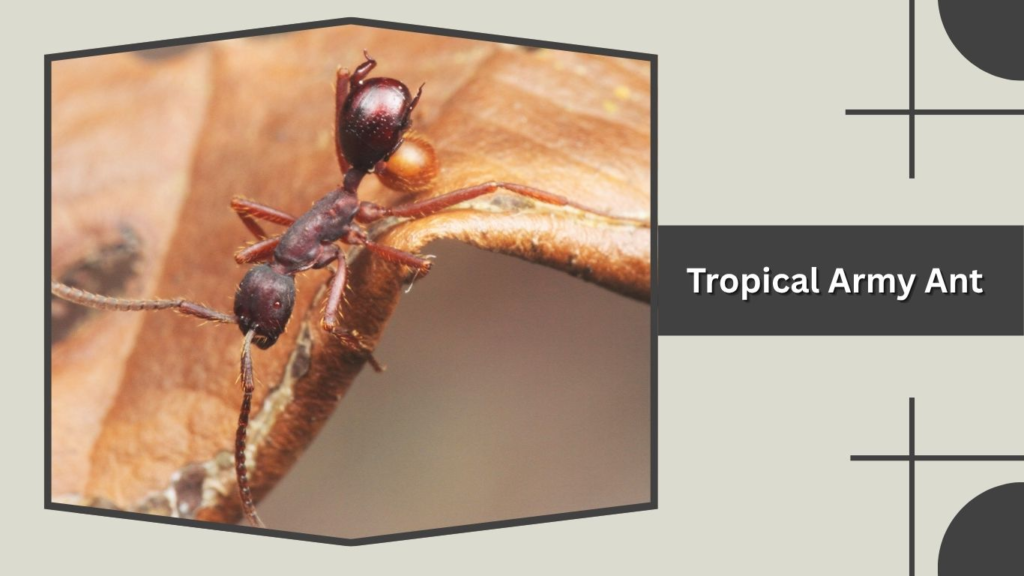
Tropical army ants are highly active social insects found in warm rainforest environments around the world. These ants are famous for their constant movement, organized hunting raids, and aggressive behavior. They live in large colonies that cooperate closely while searching for food. Their ability to travel in massive swarms makes them effective predators in tropical ecosystems.
Identification
- Medium-sized ants with dark reddish or black bodies
- Strong curved mandibles for capturing prey
- Long legs adapted for continuous movement
- Travel in organized hunting columns
- Soldier ants are larger and more heavily built
Habitat
Tropical army ants mainly live in rainforests, humid woodlands, and tropical grasslands. They prefer warm regions with dense vegetation and high insect activity. Colonies frequently relocate and form temporary nests using leaves, soil, or the linked bodies of worker ants to protect the queen and larvae.
Behavior
These ants are known for coordinated swarm raids involving thousands of workers. Chemical communication helps the colony stay organized during movement and hunting. Workers gather prey and care for larvae, while soldiers defend the colony from predators. Their raids can quickly overpower insects, spiders, and other small animals within forest habitats.
Importance in Nature
Tropical army ants play a major role in maintaining healthy ecosystems by reducing insect populations and recycling organic matter. Their swarms also support many birds and reptiles that feed on fleeing prey. By influencing food chains and biodiversity, tropical army ants contribute greatly to the balance of tropical environments.
FAQs
What are army ants known for?
Army ants are mainly known for their aggressive swarm raids and highly organized colonies. They travel in large groups to hunt insects and small animals. Their teamwork and coordinated movement make them one of the most effective predators among ant species.
Where do army ants live?
Army ants mostly live in tropical and subtropical regions across Africa, Asia, and the Americas. They prefer humid forests, woodlands, and areas with abundant prey. Most species avoid cold climates because they depend on warm environmental conditions for survival.
Do army ants build permanent nests?
No, army ants usually do not build permanent nests. Instead, they create temporary shelters called bivouacs using their own bodies, leaves, and surrounding materials. Colonies move frequently in search of food and safer living conditions.
Are army ants dangerous to humans?
Army ants can bite painfully if disturbed, especially larger soldier ants with strong mandibles. However, they generally do not attack humans unless threatened. Most encounters are harmless if people avoid interfering with their swarms or nests.
Why are army ants important in nature?
Army ants help maintain ecological balance by controlling insect populations and removing weak or dead organisms. Their swarms also provide feeding opportunities for birds, reptiles, and other animals, making them an important part of tropical ecosystems.
