
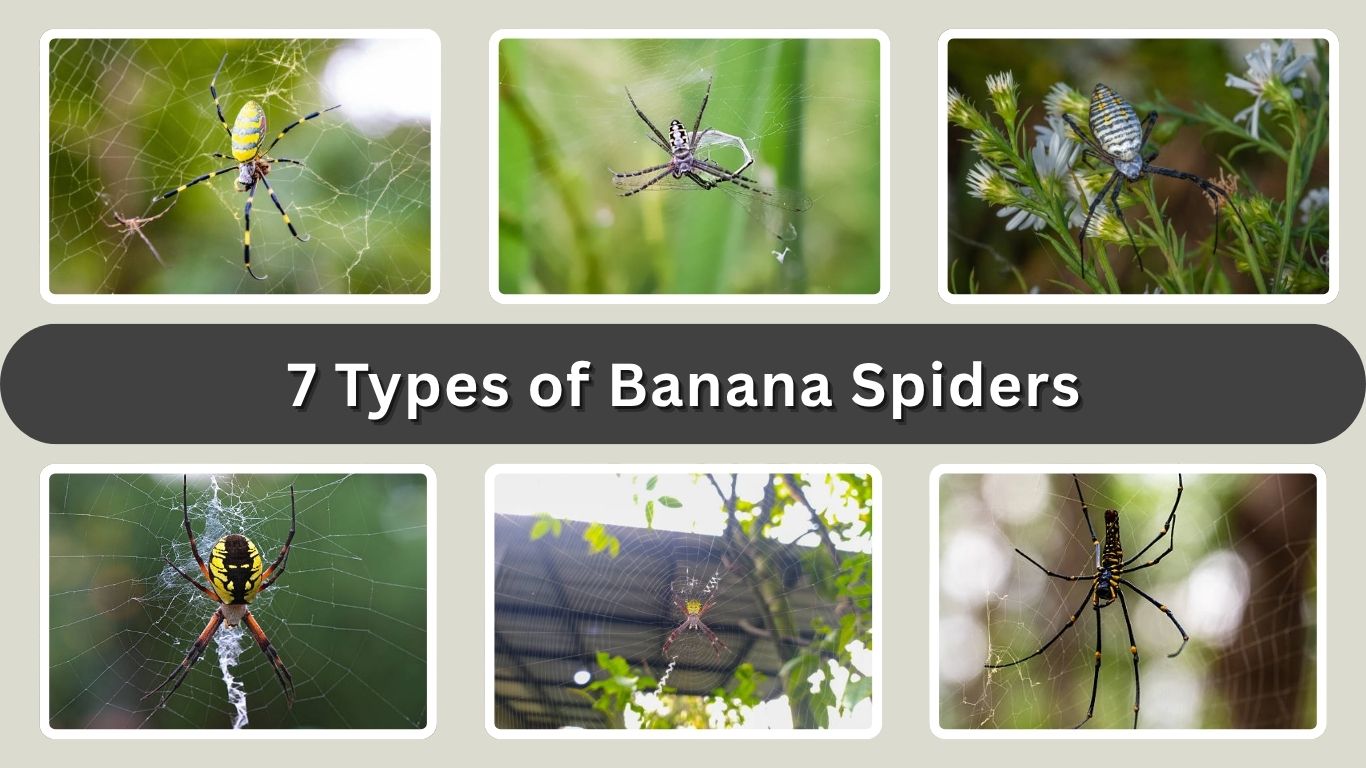
Banana spiders are a group of large, colorful spiders often recognized for their impressive webs and striking body patterns. Found mostly in warm and tropical regions, these spiders play an important role in controlling insect populations. While their size and appearance can seem intimidating, most banana spider species are harmless to humans. Understanding their different types helps in identifying them correctly and appreciating their ecological benefits.
1. Golden Silk Orb-Weaver (Trichonephila clavipes)
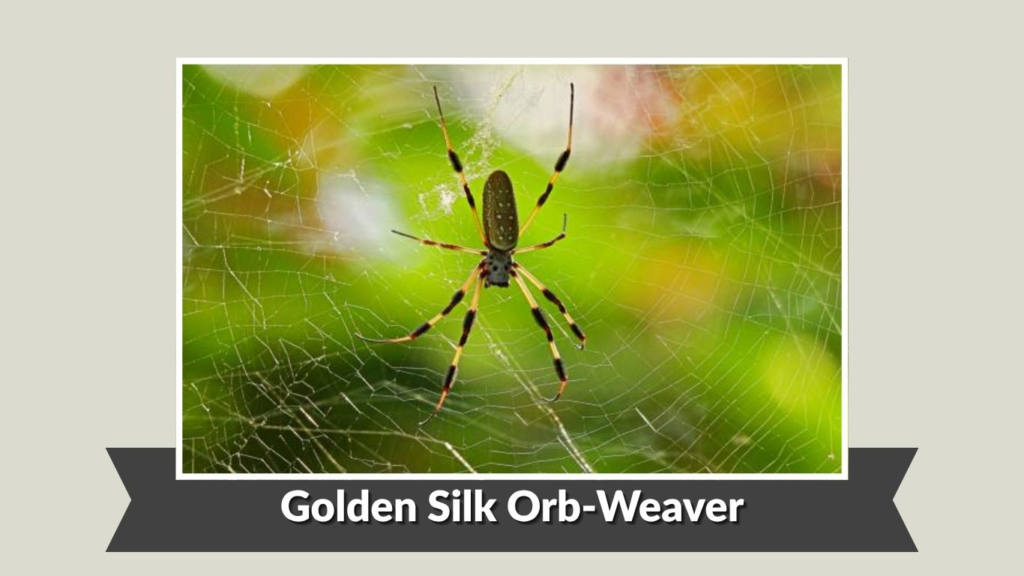
The Golden Silk Orb-Weaver is one of the most recognizable “banana spiders,” famous for its large size and striking golden webs. Found in warm regions, this species plays an important role in controlling insect populations. Its name comes from the shimmering silk it produces, which can appear golden in sunlight.
Identification
- Large spider with females reaching up to 3–4 inches including leg span
- Long, slender legs often banded with dark and yellow markings
- Elongated abdomen with yellow, orange, or brown patterns
- Males are much smaller and less noticeable than females
Habitat and Distribution
This species is commonly found in tropical and subtropical regions, especially in the southeastern United States, Central America, and parts of South America. It prefers wooded areas, gardens, and places with plenty of space to build large orb-shaped webs. These spiders often position their webs between trees or shrubs where flying insects are abundant.
Behavior and Diet
Golden Silk Orb-Weavers are non-aggressive and spend most of their time in their webs. They build strong, sticky webs that can trap a variety of prey, including flies, mosquitoes, beetles, and even small moths. The spider waits patiently at the center or edge of the web, quickly wrapping captured prey in silk before feeding.
Is It Dangerous to Humans?
Despite their intimidating size, these spiders are generally harmless to humans. Bites are rare and usually occur only when the spider is handled or threatened. If a bite does happen, it may cause mild pain, redness, or irritation similar to a bee sting, but serious reactions are extremely uncommon.
2. Giant Wood Spider (Nephila pilipes)
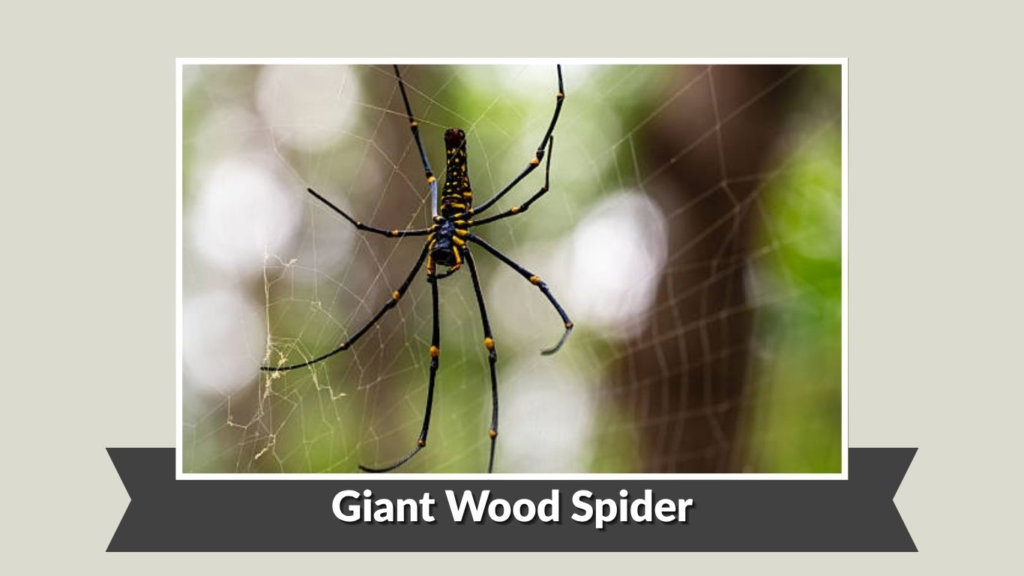
The Giant Wood Spider is another well-known “banana spider,” recognized for its impressive size and strong web-building ability. It is one of the largest orb-weaving spiders in the world and is especially common in forested tropical regions. Its long legs and vibrant body markings make it easy to identify in the wild.
Identification
- Very large female with a leg span reaching up to 5–6 inches
- Long, black legs often with yellow or reddish bands
- Slender, elongated abdomen with yellow and dark patterns
- Males are tiny in comparison and usually stay near the female’s web
Habitat and Distribution
This species is widely distributed across South and Southeast Asia, as well as parts of Australia. It prefers humid environments such as forests, gardens, and plantations. The Giant Wood Spider builds massive orb webs between trees, often at considerable heights, allowing it to capture flying insects efficiently.
Behavior and Diet
Giant Wood Spiders are calm and mostly remain in their webs throughout the day. Their silk is incredibly strong and slightly golden in color, similar to other Nephila species. They primarily feed on insects like flies, butterflies, and beetles, but larger individuals can occasionally trap small vertebrates such as tiny birds or bats.
Is It Dangerous to Humans?
Although their size can be intimidating, Giant Wood Spiders are not dangerous to humans. They rarely bite unless provoked. If a bite occurs, it may result in mild pain and swelling, but serious medical issues are extremely rare. Overall, they are considered beneficial due to their role in controlling insect populations.
3. Hawaiian Garden Spider (Argiope appensa)
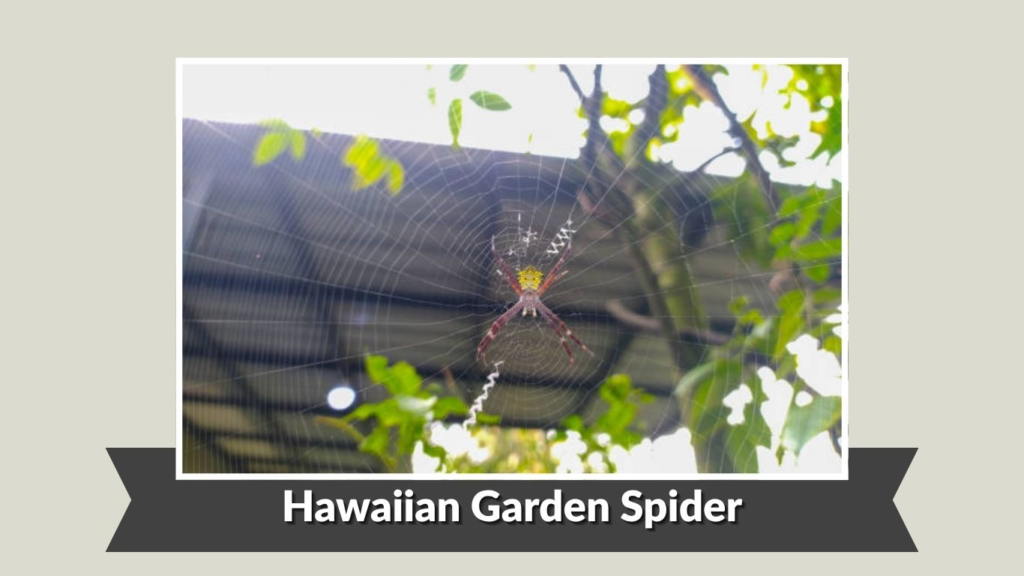
The Hawaiian Garden Spider is a striking species often referred to as a type of banana spider due to its bold colors and large web. Native to Hawaii and nearby Pacific islands, it is easily noticed in gardens and forests. Its bright appearance serves as both camouflage and a warning to potential predators.
Identification
- Medium to large spider with females significantly bigger than males
- Distinct black, yellow, and white markings on the abdomen
- Long legs with banded patterns
- Often sits in the center of its web with legs spread in an “X” shape
Habitat and Distribution
This spider is primarily found in Hawaii, Guam, and other Pacific islands. It thrives in warm, humid environments such as gardens, forests, and near human settlements. The Hawaiian Garden Spider builds large circular webs in open spaces where flying insects are common, often between plants or across pathways.
Behavior and Diet
The Hawaiian Garden Spider is known for creating intricate orb webs with a zigzag pattern called a stabilimentum. It remains motionless at the center of the web, waiting for prey to become trapped. Its diet mainly consists of flies, moths, and other small flying insects, which it quickly immobilizes using silk.
Is It Dangerous to Humans?
This species is not considered dangerous to humans. It is generally non-aggressive and will only bite if directly disturbed. Bites are rare and typically cause only mild discomfort, such as slight pain or redness. Overall, the Hawaiian Garden Spider is beneficial, helping reduce insect populations naturally.
4. Banded Garden Spider (Argiope trifasciata)
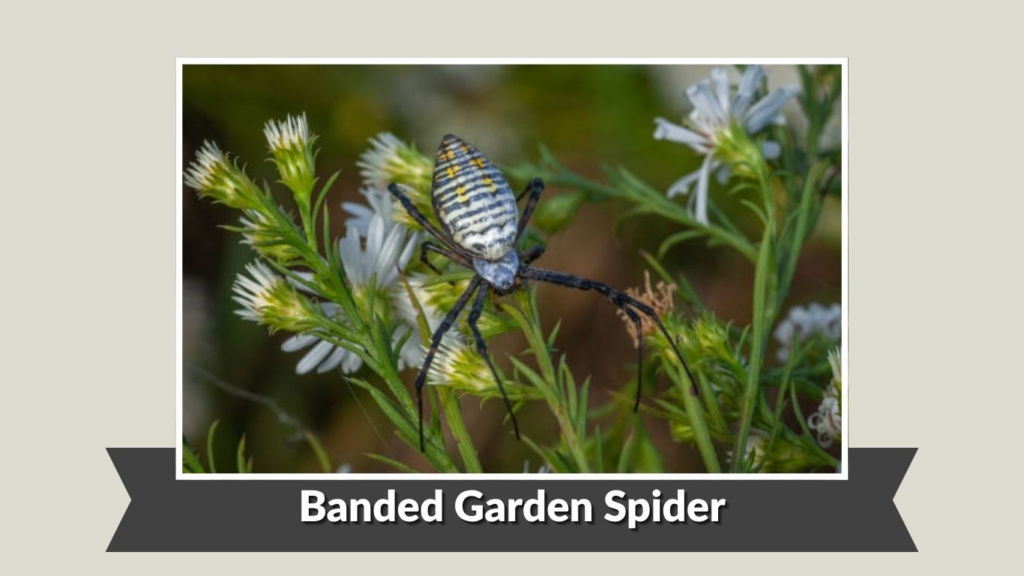
The Banded Garden Spider is a common and visually striking “banana spider” known for its patterned body and neat, circular webs. It is often found in open fields and gardens, where it helps control insect populations. Its calm nature and unique web design make it easy to observe in the wild.
Identification
- Medium to large spider with females larger than males
- Abdomen features horizontal bands of yellow, white, and black
- Long, slender legs with subtle banding
- Typically rests in the center of its web with legs paired together
Habitat and Distribution
This species is widely distributed across North and South America, and it can also be found in parts of Europe and Asia. It prefers sunny, open areas such as grasslands, gardens, and agricultural fields. The Banded Garden Spider builds its web between tall grasses or shrubs, usually at a low to متوسط height.
Behavior and Diet
Banded Garden Spiders are active web-builders, spinning large orb webs that often include a zigzag stabilimentum. They remain mostly stationary, waiting for prey to become trapped. Their diet consists mainly of flying insects like grasshoppers, flies, and beetles, which they quickly wrap in silk before feeding.
Is It Dangerous to Humans?
This spider is harmless to humans and rarely bites. Even if a bite occurs, it typically results in mild symptoms such as slight pain or redness. The Banded Garden Spider is beneficial for gardens and farms, as it helps reduce pest insect populations naturally.
5. Black and Yellow Garden Spider (Argiope aurantia)
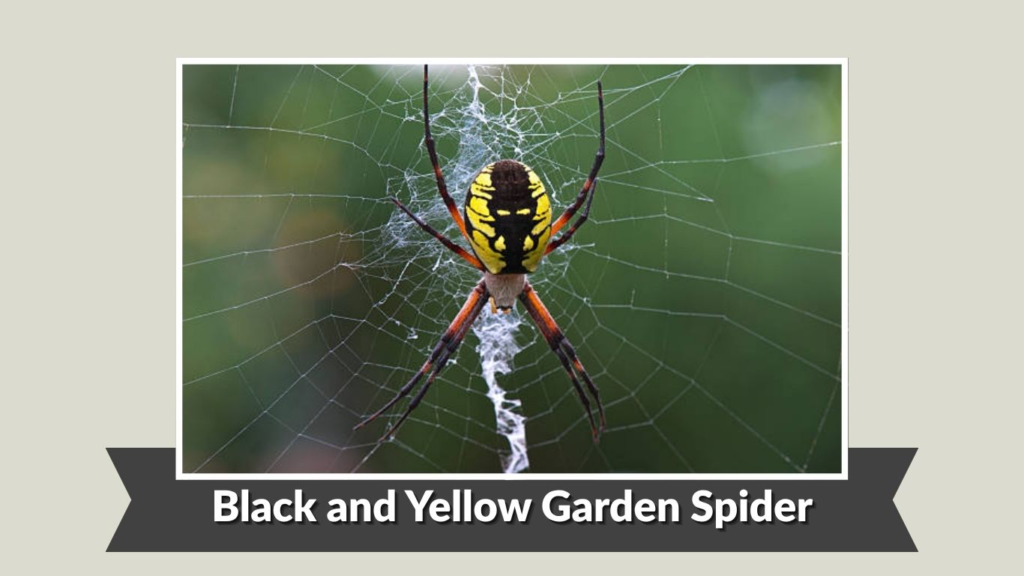
The Black and Yellow Garden Spider is one of the most well-known “banana spiders,” admired for its bold coloration and large, symmetrical webs. Common in gardens and backyards, this species is beneficial for controlling pests and is often seen during late summer and early fall.
Identification
- Large spider with females much bigger than males
- Bright yellow and black patterned abdomen
- Long black legs with reddish or yellow highlights near the body
- Often hangs head-down in the center of its web
Habitat and Distribution
This species is widely found across North America, especially in the United States and parts of Canada and Mexico. It prefers sunny areas like gardens, fields, and forest edges. The spider builds large orb webs between plants, fences, or structures where insects frequently pass.
Behavior and Diet
The Black and Yellow Garden Spider is known for its impressive web, often featuring a zigzag stabilimentum in the center. It remains still most of the time, waiting for prey to get trapped. Its diet includes flies, bees, wasps, and other flying insects, making it highly beneficial for natural pest control.
Is It Dangerous to Humans?
Despite its intimidating appearance, this spider is not dangerous to humans. It is shy and avoids contact whenever possible. Bites are extremely rare and usually occur only if the spider is handled. Any bite typically causes mild irritation, similar to a small insect sting.
6. Silver Garden Spider (Argiope argentata)
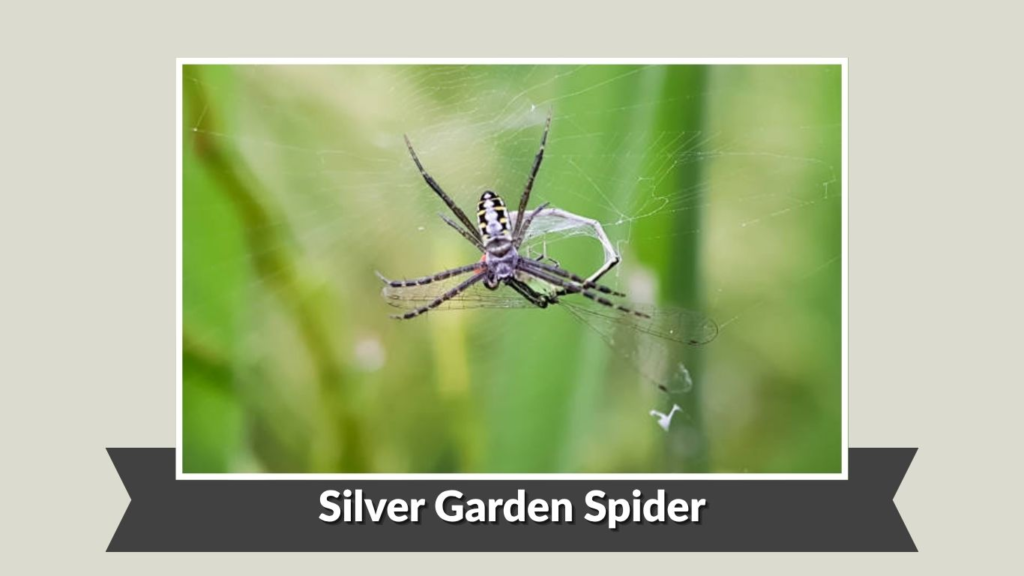
The Silver Garden Spider is a beautiful “banana spider” known for its shiny, silvery body and striking web patterns. It is commonly seen in warm climates, where it builds large orb webs in open, sunny areas. Its reflective appearance helps it blend into its surroundings while also deterring predators.
Identification
- Medium to large spider with females larger than males
- Silvery-white cephalothorax with a darker, patterned abdomen
- Long, slender legs with black and yellow or orange banding
- Often holds its legs in pairs, forming an “X” shape in the web
Habitat and Distribution
This species is found in the Americas, especially in the southern United States, Central America, and parts of South America. It prefers warm, sunny habitats such as gardens, shrubs, and forest edges. The Silver Garden Spider builds its web in open spaces between plants where flying insects are common.
Behavior and Diet
Silver Garden Spiders create large, circular webs often featuring a zigzag stabilimentum. They usually stay at the center of the web, waiting for prey. Their diet mainly includes flies, moths, and other small flying insects. Once prey is caught, the spider quickly wraps it in silk before feeding.
Is It Dangerous to Humans?
This spider is not dangerous to humans and is generally non-aggressive. Bites are very rare and usually happen only when the spider is disturbed. If a bite does occur, it may cause mild irritation, but serious reactions are extremely uncommon.
7. Joro Spider (Trichonephila clavata)
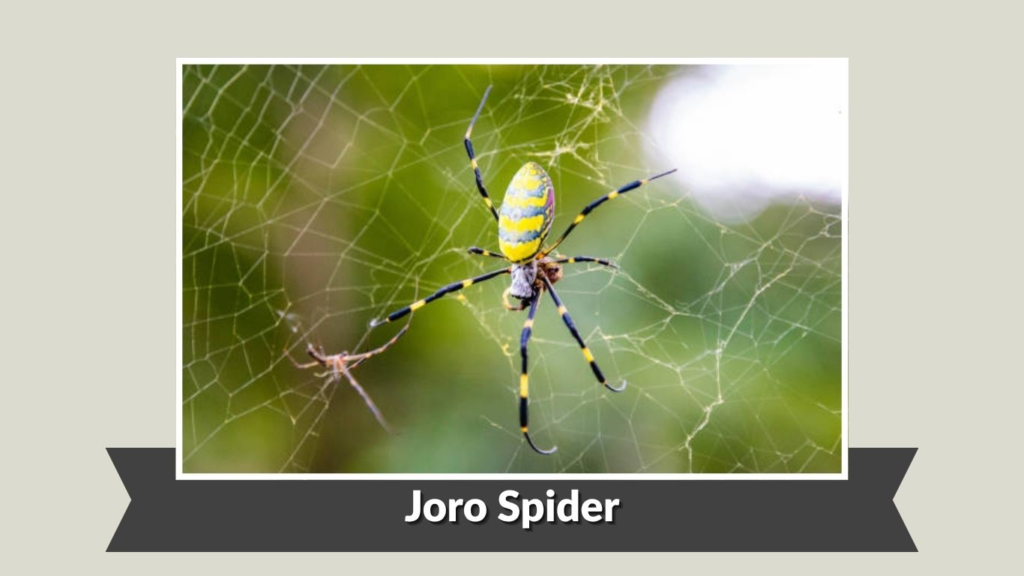
The Joro Spider is a large and visually striking “banana spider” known for its bright colors and expansive webs. Originally native to East Asia, it has recently gained attention for spreading to new regions. Its impressive size and golden web make it easy to spot in natural environments.
Identification
- Large spider with females having a leg span of around 3–4 inches
- Bright yellow abdomen with blue-green and red markings
- Long black legs with yellow bands
- Males are much smaller and dull in color
Habitat and Distribution
The Joro Spider is native to countries like Japan, China, and Korea, but it has also been found in parts of the United States in recent years. It prefers forests, gardens, and areas with tall vegetation. The spider builds large, strong orb webs between trees and shrubs where insects are plentiful.
Behavior and Diet
Joro Spiders are calm and non-aggressive, spending most of their time in their webs. Their silk has a golden tint and is strong enough to capture a wide range of prey. They mainly feed on flying insects such as flies, mosquitoes, and beetles, helping to control pest populations.
Is It Dangerous to Humans?
Despite their size and bold appearance, Joro Spiders are not considered dangerous to humans. They rarely bite, and when they do, the effects are mild, such as slight redness or irritation. Overall, they are harmless and even beneficial in maintaining ecological balance.
FAQs
What is a banana spider?
A “banana spider” is a common name used for several large spider species, especially orb-weavers like Trichonephila and Argiope. These spiders are known for their size, bright colors, and large webs. The name doesn’t refer to a single species but rather a group with similar features.
Are banana spiders dangerous to humans?
Most banana spiders are not dangerous. They are generally non-aggressive and only bite when threatened. If a bite occurs, it usually causes mild symptoms like redness or slight pain. Serious reactions are extremely rare, making them mostly harmless to people.
Why are they called banana spiders?
They are often called banana spiders because they were sometimes found in banana shipments in the past. Additionally, their yellow coloring in some species resembles the color of bananas, which may have contributed to the name.
Where are banana spiders commonly found?
Banana spiders are mainly found in tropical and subtropical regions, including the Americas, Asia, and parts of Australia. They prefer warm environments like forests, gardens, and fields where they can build large webs and catch flying insects.
What do banana spiders eat?
Banana spiders mainly feed on flying insects such as flies, mosquitoes, moths, and beetles. Larger species can sometimes catch bigger prey. They use their strong, sticky webs to trap insects, making them helpful in controlling pest populations naturally.
