
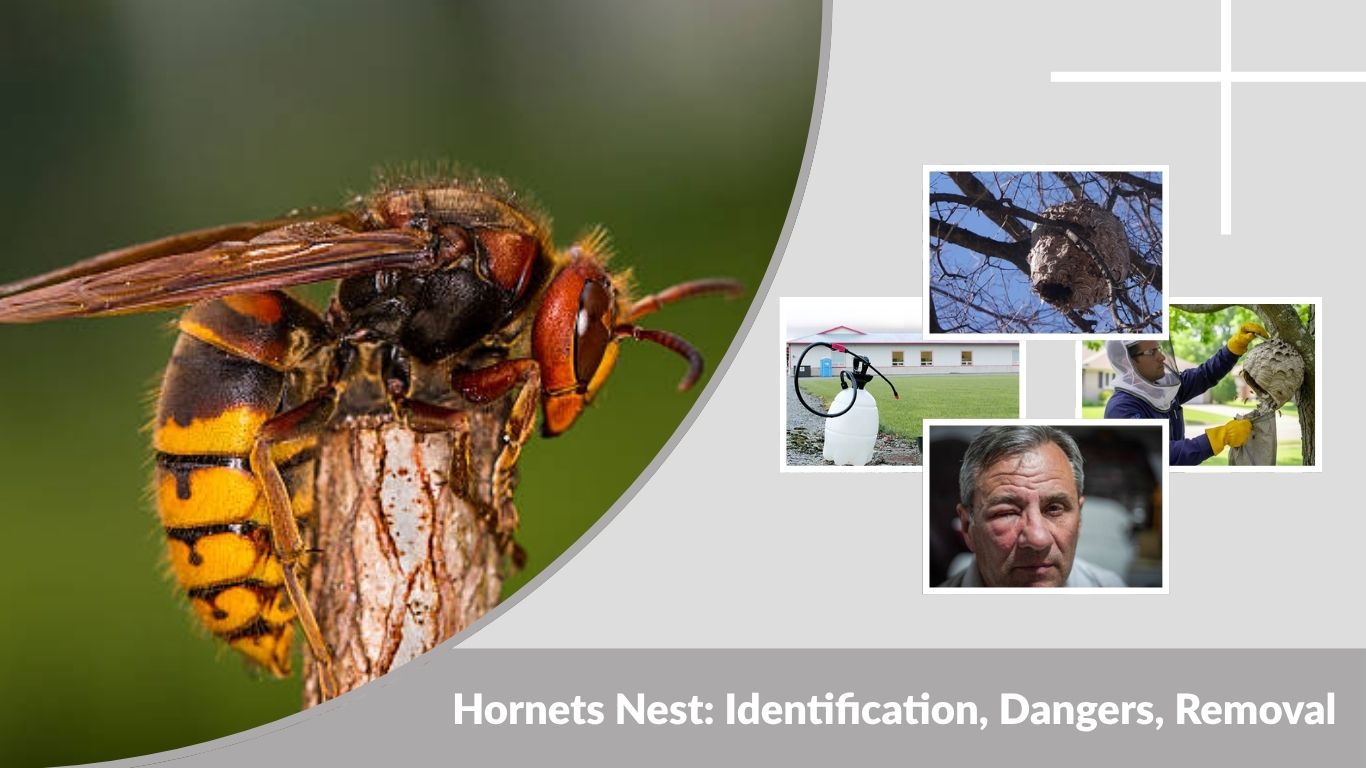
A hornets nest is more than just a cluster of insects—it is a highly organized structure that serves as the center of a hornet colony’s life. Often found in trees, roofs, or hidden spaces around homes, these nests can grow rapidly and house hundreds of hornets. While they play an important role in controlling pests, their presence can pose serious risks to humans and pets. Understanding how to identify, manage, and safely deal with a hornets nest is essential for preventing unwanted encounters and maintaining a safe environment around your home.
What Is a Hornets Nest?
A hornets nest is a structured home built by hornets to house their colony, raise their young, and protect their queen. These nests are essential for the survival of the colony and serve as a central hub for all hornet activity.
Hornets construct their nests using a paper-like material made by chewing wood fibers and mixing them with saliva. This creates a lightweight yet durable structure that can withstand environmental conditions such as wind and rain.
Each nest begins with a single queen in early spring. She builds the initial structure and lays eggs, which hatch into worker hornets. As the colony grows, workers take over nest expansion, foraging, and defense. By late summer, the nest can house hundreds or even thousands of hornets.
What Does a Hornets Nest Look Like?
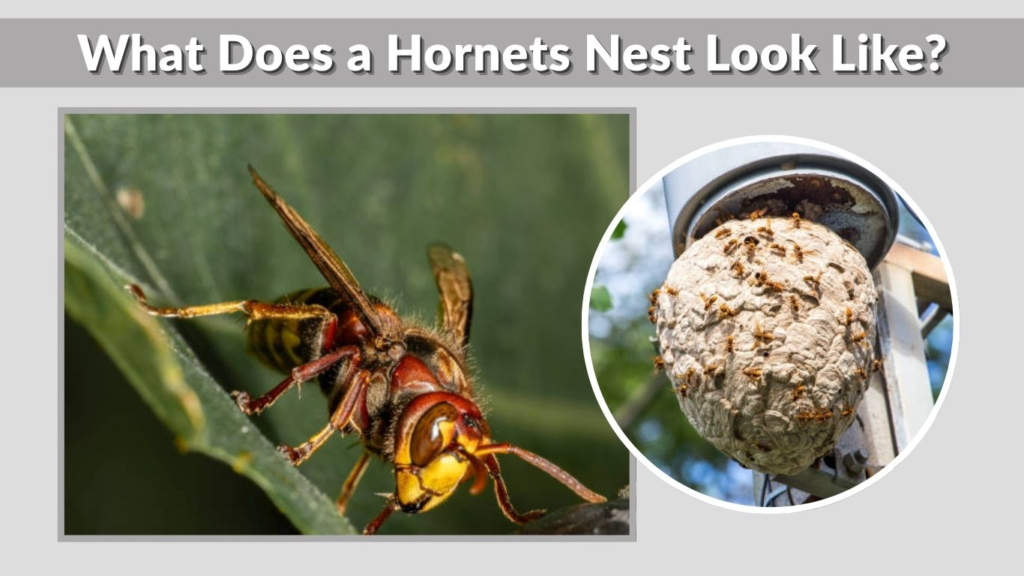
Hornets nests are distinctive and often easy to recognize once you know what to look for.
They are typically:
- Round or oval in shape, sometimes resembling a football
- Gray or brown in color, with layered textures
- Made of papery material, giving them a slightly rough surface
The outer layer acts as a protective shell, shielding the inner structure from predators and weather. Inside, the nest contains multiple tiers of hexagonal cells where larvae develop.
Nest size can vary greatly. Early in the season, nests are small—about the size of a golf ball. However, by late summer, they can grow as large as a basketball or even bigger, depending on the species and environment.
Where Do Hornets Build Their Nests?
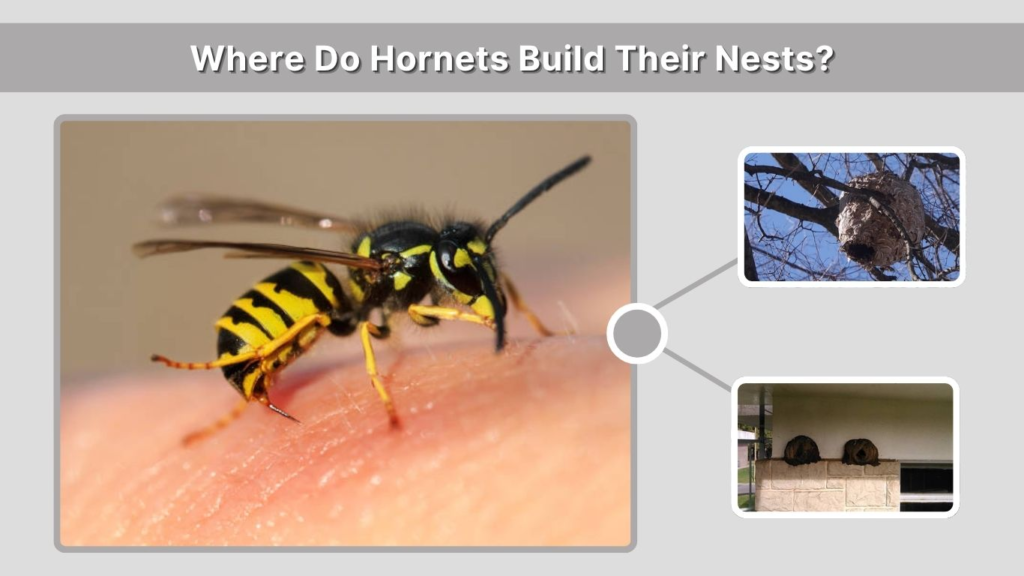
Hornets are adaptable insects and can build nests in a wide range of locations.
Natural Locations
In the wild, hornets prefer quiet, sheltered areas such as:
- Tree branches
- Hollow tree trunks
- Dense shrubs
These locations provide protection from predators and easy access to food sources.
Around Homes
Hornets frequently build nests near human structures, including:
- Roof eaves
- Attics
- Wall cavities
- Garages and sheds
These areas offer warmth, stability, and protection from weather, making them ideal nesting spots.
Seasonal Nesting Behavior
Hornet nesting follows a seasonal cycle:
- Spring: Queen starts building a small nest
- Summer: Colony expands rapidly
- Late Summer/Early Fall: Nest reaches peak size and activity
- Winter: Colony dies off, except for new queens
Understanding this cycle can help you identify and manage nests more effectively.
Types of Hornets Nests
Hornets nests can vary depending on the species and environment.
Aerial Nests
These are the most visible type of hornets nests. They hang from:
- Tree branches
- Roof edges
- Outdoor structures
Aerial nests are usually large and easy to spot, making them both easier to identify and more dangerous if approached.
Enclosed or Hidden Nests
Some hornets build nests in concealed spaces such as:
- Inside walls
- Attics
- Roof voids
These nests are harder to detect and can pose a greater risk because people may unknowingly get too close.
Ground Nests (Rare Cases)
Although less common, some hornets may nest underground or close to the ground. These nests are particularly dangerous because they are difficult to see and can be accidentally disturbed.
Hornets Nest vs Wasp Nest
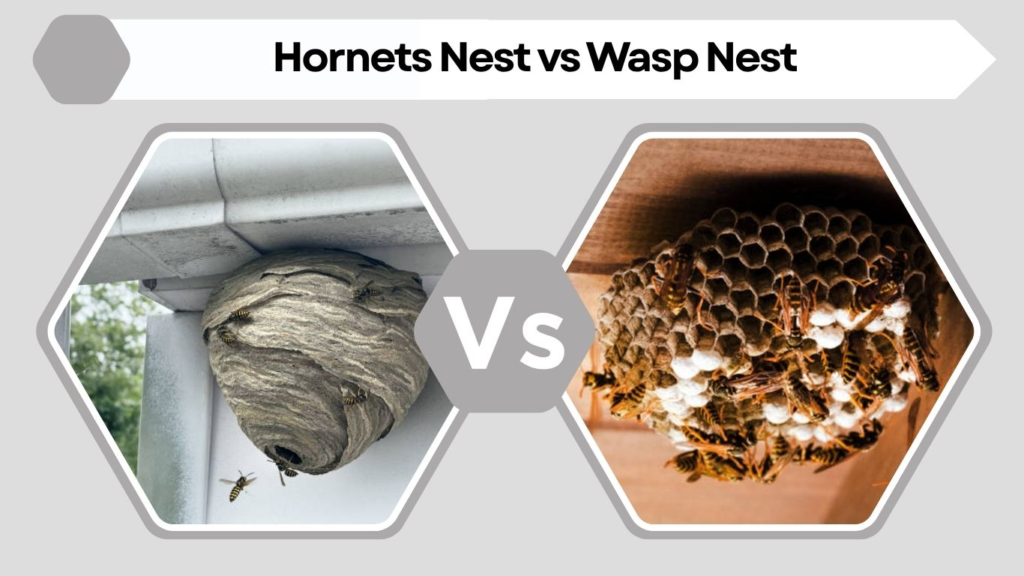
Hornets nests are often confused with wasp nests, but there are clear differences.
- Size: Hornets nests are generally larger
- Material: Both use paper-like material, but hornet nests are often thicker and more enclosed
- Shape: Hornets nests are typically round and fully enclosed, while wasp nests may appear more open
- Behavior: Hornets tend to be more defensive near their nests
Correct identification is important for choosing the right removal method and ensuring safety.
Are Hornets Nests Dangerous?
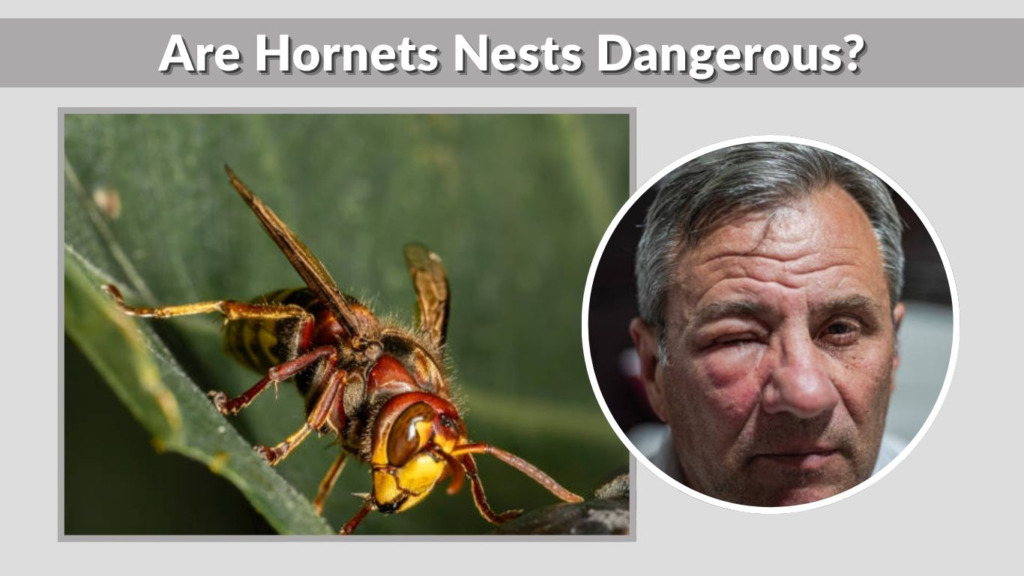
Hornets nests can be dangerous, especially when located near human activity.
Why Hornets Defend Their Nests
Hornets are highly protective of their colony. The nest contains their queen and developing young, making it their most valuable asset. Any perceived threat can trigger a defensive response.
Risk of Multiple Stings
Unlike bees, hornets can sting multiple times. When a nest is disturbed, multiple hornets may attack at once, increasing the risk of injury.
Danger Near Human Activity
Nests built near homes, walkways, or playgrounds pose a higher risk because of frequent human interaction. Accidental disturbance is more likely in these areas.
Pets and Children Risks
Pets and children are especially vulnerable because they may unknowingly approach or disturb a nest. This increases the likelihood of aggressive hornet behavior.
Signs You Have a Hornets Nest Nearby
Identifying a hornets nest early can help you avoid dangerous encounters.
Common signs include:
- Increased hornet activity in a specific area
- Hornets flying in and out of the same spot repeatedly
- Buzzing sounds coming from walls, ceilings, or trees
- Visible nest structure attached to a surface
You may also notice hornets hovering around food sources or building materials, which can indicate a nearby colony.
How to Identify a Hornets Nest Safely
Safety is crucial when dealing with hornets.
- Observe from a distance using binoculars if needed
- Check during daytime, when visibility is better
- Avoid getting too close, even if the nest appears inactive
- Look for entry points, especially in walls or roofs
What NOT to Do
- Do not poke, shake, or throw objects at the nest
- Do not attempt removal without proper protection
- Do not use fire or water to destroy the nest
Even small disturbances can trigger aggressive behavior.
How to Get Rid of a Hornets Nest
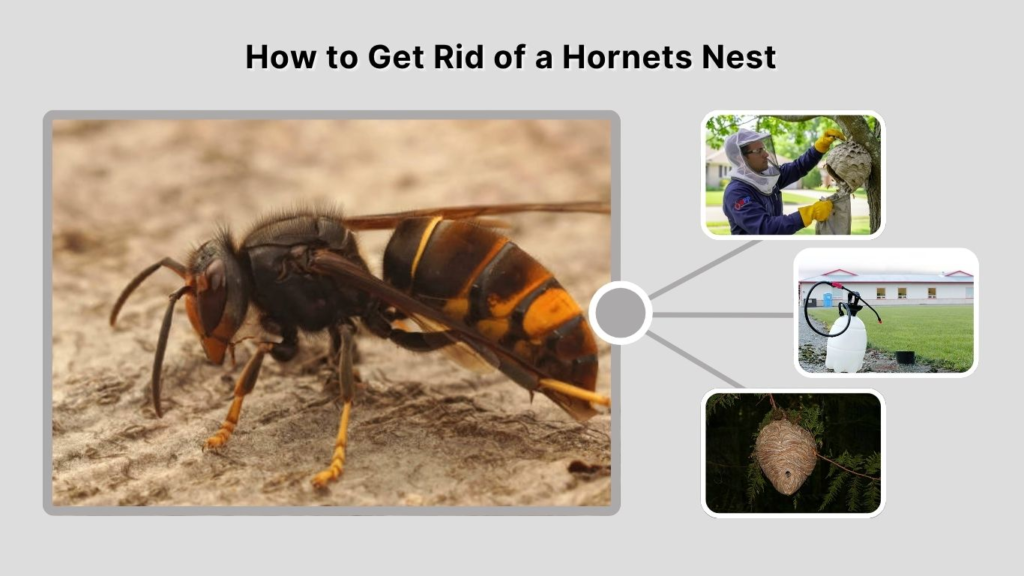
Removing a hornets nest can be dangerous and should be done carefully.
DIY Removal (High Risk)
Some people attempt removal using:
- Commercial insecticide sprays
- Protective clothing
- Night-time application (when hornets are less active)
However, DIY removal carries significant risk, especially for large or hidden nests.
Professional Removal (Recommended)
Hiring pest control professionals is the safest option. Experts:
- Use proper safety gear
- Apply effective treatments
- Ensure complete removal of the nest
This greatly reduces the risk of stings and incomplete removal.
When NOT to Remove a Nest
In some cases, removal may not be necessary:
- The nest is small and far from human activity
- The colony is inactive (late fall or winter)
Hornets do not reuse old nests, so abandoned nests pose no threat.
How to Prevent Hornets from Building Nests
Prevention is the best long-term solution.
- Seal cracks and openings in walls, roofs, and vents
- Keep outdoor areas clean, especially food and garbage
- Remove early-stage nests before they grow
- Use natural deterrents like peppermint oil sprays
Regular inspection of your property can help detect nests early.
What to Do If You Accidentally Disturb a Nest
If you accidentally disturb a hornets nest:
- Stay calm and do not panic
- Move away slowly but quickly from the area
- Avoid swatting, as this can provoke more attacks
- Seek shelter indoors or in a vehicle
Hornets may chase for a short distance, but they usually stop once you are far from the nest.
Ecological Role of Hornets Nests
Hornets nests are not just threats—they are vital parts of the ecosystem.
They support the growth and survival of hornet colonies, which:
- Help control harmful insect populations
- Maintain ecological balance
- Reduce the need for chemical pesticides
While caution is necessary, hornets should be respected for their environmental role.
FAQs
How far should you stay away from a hornets nest?
It is best to stay at least 10–20 feet (3–6 meters) away from a hornets nest. Some species may become aggressive if you get too close, especially within their defensive zone.
What time is safest to remove a hornets nest?
Nighttime is generally the safest time because most hornets are inside the nest and less active. However, removal is still risky and should ideally be handled by professionals.
Can rain or weather destroy a hornets nest?
Light rain usually does not damage a hornets nest due to its durable paper-like structure. However, strong storms or wind can sometimes weaken or destroy it.
Will hornets leave a nest on their own?
Yes, hornets abandon their nests at the end of the season (late fall or winter). The colony dies off, and only new queens survive to start new nests elsewhere.
How quickly can a hornets nest grow?
A hornets nest can grow rapidly within a few months. Starting from a small structure in spring, it can expand to a large, fully developed nest by late summer.
Conclusion
Hornets nests can be intimidating and potentially dangerous, but understanding their structure, behavior, and lifecycle can help you manage them safely. Whether identifying a nest, preventing infestation, or deciding on removal, knowledge is your best defense.
By staying alert, taking precautions, and respecting their ecological role, you can minimize risks while coexisting with these fascinating insects.
