
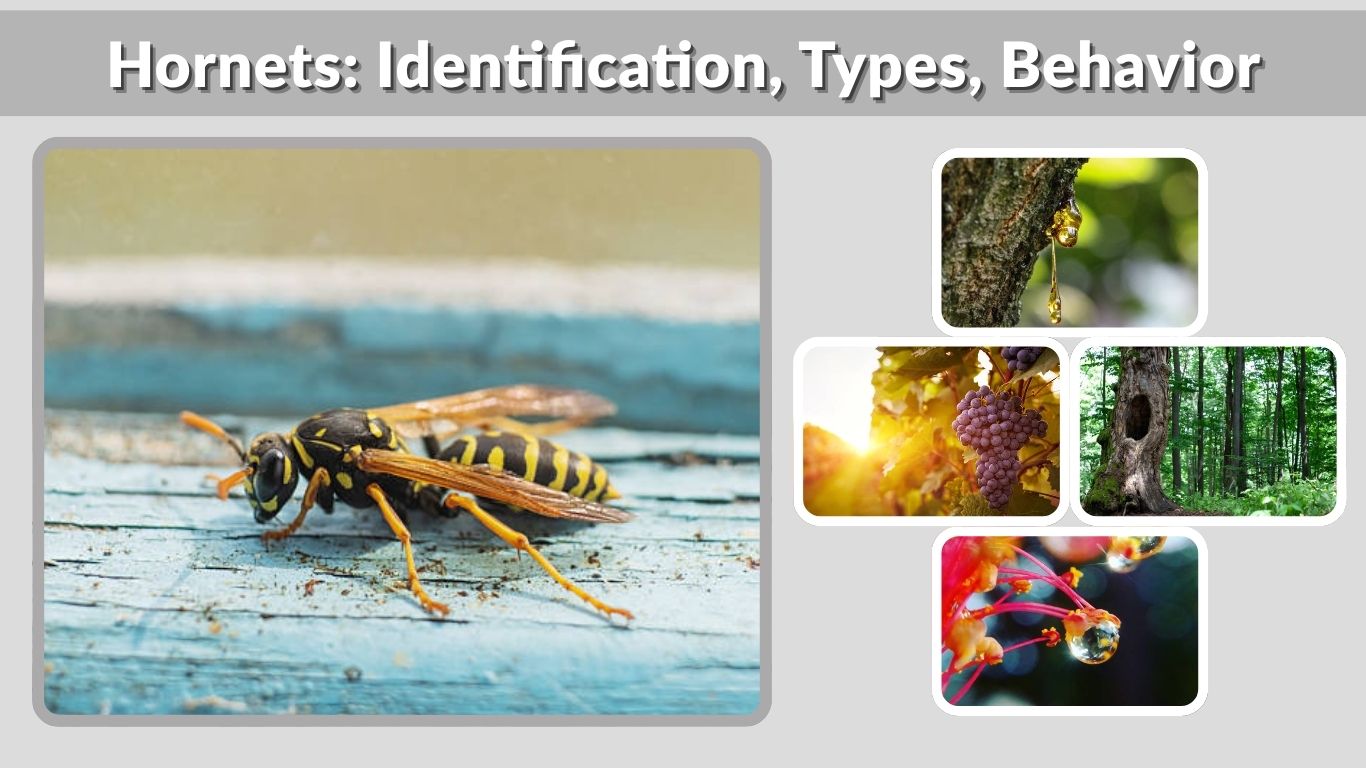
Hornets are among the most feared flying insects, known for their large size, painful stings, and aggressive reputation. However, these social wasps are more than just a threat—they play an important role in controlling pests and maintaining ecological balance. Found in both natural and urban environments, hornets build complex nests and live in organized colonies. Understanding their behavior, types, and risks can help you stay safe while appreciating their role in nature. In this guide, you’ll learn everything you need to know about hornets and how to deal with them effectively.
What Are Hornets?
Hornets are a group of large, social wasps belonging to the genus Vespa. They are known for their size, distinctive markings, and highly organized colony structures. Unlike bees, hornets are predators and scavengers, playing a significant role in controlling insect populations in their ecosystems.
Physically, hornets are larger than most wasps, with thick bodies and relatively smooth abdomens. Their coloration typically includes combinations of black, brown, yellow, and orange, which serve as warning signals to potential threats. One of their most recognizable features is their powerful sting, which they can use multiple times—unlike honeybees that die after stinging once.
Hornets live in colonies led by a queen, supported by workers and, seasonally, males (drones). These colonies are highly structured and operate with clear roles, making them efficient in foraging, nest-building, and defense.
Types of Hornets Around the World
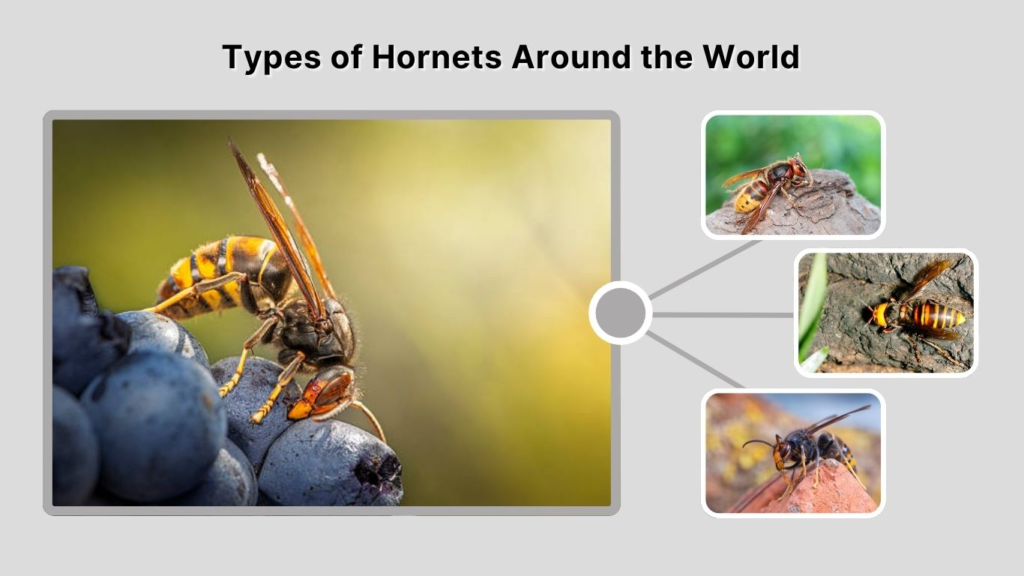
There are several species of hornets distributed across different regions, each with unique traits and behaviors.
European Hornet (Vespa crabro)
The European hornet is one of the most widespread species and the only true hornet native to North America (introduced from Europe). It is relatively less aggressive compared to other hornets and is often active during both day and night. These hornets are beneficial because they prey on pests like flies and caterpillars.
Asian Giant Hornet (Vespa mandarinia)
Often referred to as the “murder hornet,” the Asian giant hornet is the largest hornet species in the world. It can grow up to 2 inches (5 cm) long and is known for its powerful sting and potent venom. While it rarely attacks humans unless provoked, it can be extremely dangerous due to its ability to sting repeatedly and in groups.
Asian Hornet (Vespa velutina)
The Asian hornet has gained attention in Europe due to its invasive nature. It poses a serious threat to honeybee populations, as it actively hunts and feeds on them. Smaller than the Asian giant hornet, it is still highly adaptable and capable of spreading rapidly.
Other Regional Species
Other hornet species exist across Asia and parts of Europe, each adapted to local climates and environments. Their behaviors and danger levels vary, but most share similar nesting and social structures.
Hornet vs Wasp vs Bee
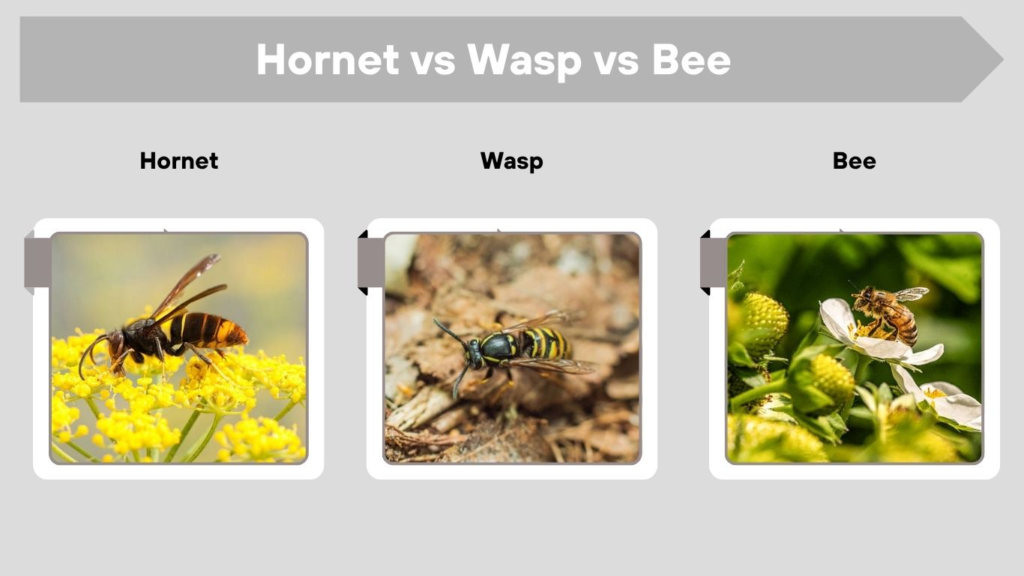
Hornets are often confused with wasps and bees, but there are key differences:
- Size and Appearance: Hornets are generally larger and bulkier than typical wasps. Bees, in contrast, are usually fuzzier and more rounded.
- Behavior: Hornets are predators, while bees primarily feed on nectar and pollen. Wasps can be both predators and scavengers.
- Aggression: Hornets tend to be more defensive, especially near their nests. Bees are less aggressive unless threatened.
- Stinging Ability: Hornets and wasps can sting multiple times, whereas honeybees can sting only once.
Understanding these differences helps in identifying the insect and responding appropriately.
Where Do Hornets Live?
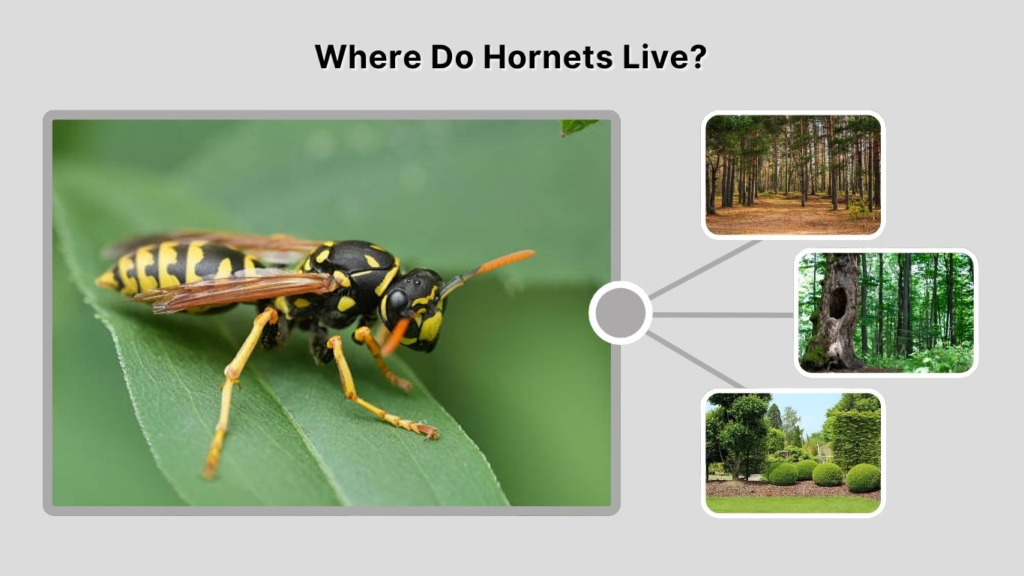
Hornets are highly adaptable and can thrive in a variety of environments.
Natural Habitats
In the wild, hornets prefer wooded areas where they can build nests in tree hollows, shrubs, or underground cavities. These locations provide protection and proximity to food sources.
Urban Environments
Hornets have increasingly adapted to human environments. They often build nests in attics, wall voids, roofs, and even garden structures. Urban areas provide abundant food and shelter, making them attractive habitats.
Hornet Nest Structure
Hornet nests are made from a paper-like material created by chewing wood fibers mixed with saliva. These nests can vary in size—from small structures early in the season to large, football-sized colonies by late summer.
Inside the nest, there are multiple layers of hexagonal cells where larvae develop. The outer layer acts as insulation and protection against predators and environmental conditions.
Hornet Behavior and Diet
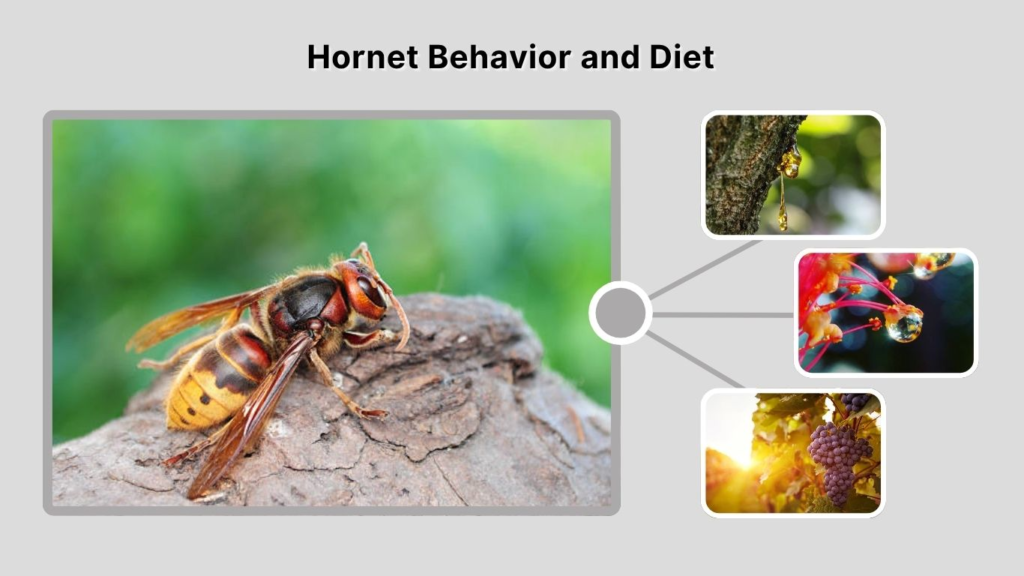
Hornets are primarily carnivorous and play an important ecological role as natural pest controllers.
They feed on a variety of insects, including flies, caterpillars, and other pests that can damage crops. Adult hornets also consume sugary substances such as tree sap, nectar, and ripe fruits for energy.
Hornets are social insects, meaning they live and work together in colonies. The queen is responsible for reproduction, while worker hornets handle foraging, nest maintenance, and defense. During late summer and early autumn, colonies reach their peak size and activity level.
Their behavior can become more aggressive during this time, especially if food sources become scarce or if their nest is disturbed.
Are Hornets Dangerous?
Hornets are often considered dangerous, but their threat level depends largely on the situation. In general, hornets are not aggressive toward humans unless they feel threatened or their nest is disturbed.
Aggression Triggers
Hornets become defensive when:
- Someone gets too close to their nest
- They sense sudden movements or vibrations
- Their colony is under attack
Unlike bees that typically sting as a last resort, hornets can act more aggressively in defense and may pursue perceived threats for a short distance.
Hornet Sting Effects
A hornet sting is more painful than that of many other insects due to the amount and composition of venom. Common effects include:
- Sharp, intense pain
- Redness and swelling
- Burning or throbbing sensation
The pain usually subsides within a few hours, but swelling may last longer depending on the individual.
Multiple Stings Risk
One of the biggest dangers of hornets is their ability to sting multiple times. In rare cases, multiple stings—especially from species like the Asian giant hornet—can lead to serious complications, including toxicity.
Allergic Reactions (Anaphylaxis)
Some people may experience severe allergic reactions, known as anaphylaxis. Symptoms include:
- Difficulty breathing
- Swelling of the face or throat
- Rapid heartbeat
- Dizziness or fainting
This is a medical emergency and requires immediate attention.
Hornet Sting Treatment
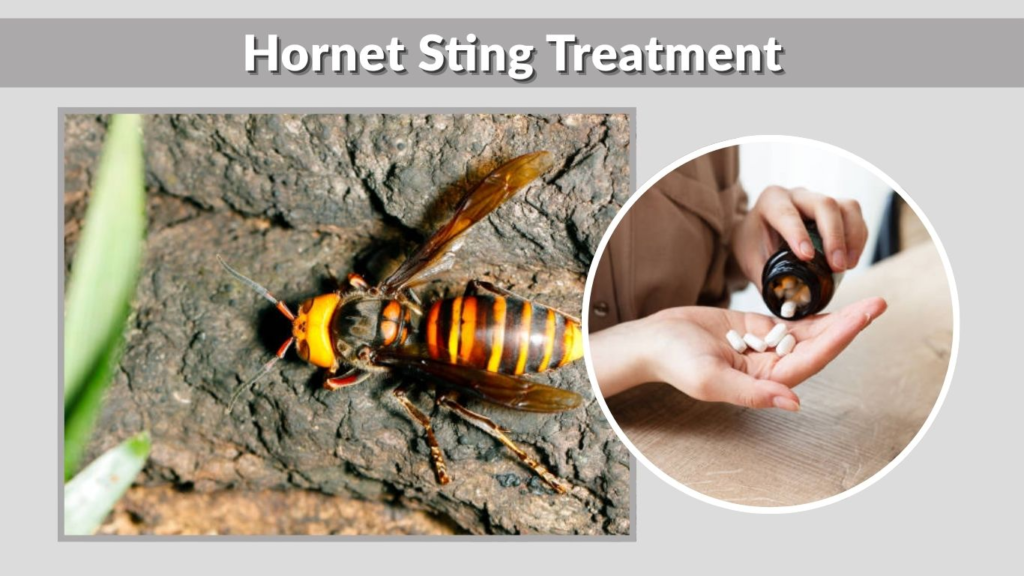
Knowing how to treat a hornet sting properly can reduce pain and prevent complications.
Immediate First Aid
If stung by a hornet:
- Wash the area with soap and water
- Apply a cold compress or ice pack to reduce swelling
- Take antihistamines to relieve itching and swelling
- Use pain relievers if necessary
Unlike bee stings, hornets do not leave a stinger behind, so there’s no need to remove one.
When to Seek Medical Help
You should seek medical attention if:
- You experience signs of an allergic reaction
- You are stung multiple times
- The sting occurs near the eyes, mouth, or throat
- Symptoms worsen instead of improving
Home Remedies vs Medical Treatment
While home remedies like baking soda paste or aloe vera may provide relief, they should not replace proper medical care in severe cases.
How to Identify a Hornet Nest
Recognizing a hornet nest early can help prevent dangerous encounters.
Common signs include:
- Increased hornet activity in a specific area
- A visible paper-like structure attached to trees, roofs, or walls
- A steady flow of hornets entering and exiting a single point
Nests are often found:
- Hanging from tree branches
- Inside wall cavities or attics
- Under roof eaves or sheds
It is important to observe from a safe distance and never attempt to touch or disturb the nest.
How to Get Rid of Hornets Safely
Removing hornets requires caution and, in many cases, professional help.
DIY Methods (With Caution)
Some homeowners attempt:
- Insecticide sprays designed for wasps and hornets
- Hornet traps to reduce population
These methods can be risky, especially if the nest is large or difficult to access.
Professional Pest Control
Hiring professionals is the safest and most effective option. Pest control experts have:
- Proper protective equipment
- Specialized tools and chemicals
- Experience in handling aggressive colonies
Preventing Future Infestations
To reduce the chances of hornets returning:
- Seal cracks and openings in walls and roofs
- Remove food sources like exposed garbage or sugary पदार्थ
- Regularly inspect your property for early nest formation
How to Avoid Hornet Attacks
Prevention is the best way to stay safe around hornets.
Helpful tips include:
- Stay calm and avoid sudden movements if a hornet is nearby
- Do not swat at hornets, as this can provoke them
- Keep food and drinks covered when outdoors
- Avoid wearing strong perfumes or bright colors that may attract insects
If you encounter a hornet nest, keep a safe distance and leave the area slowly.
Ecological Importance of Hornets
Despite their fearsome reputation, hornets play an important role in the environment.
They help control populations of harmful insects, making them beneficial for agriculture and natural ecosystems. By preying on pests, they reduce the need for chemical pesticides.
Hornets also contribute, to a lesser extent, to pollination when they visit flowers for nectar. While they are not as efficient as bees, they still support plant reproduction.
Maintaining a balance between safety and ecological awareness is key—hornets should be respected, not unnecessarily destroyed.
FAQs
How long do hornets live?
Hornet lifespans vary by role. Worker hornets typically live for a few weeks, while queens can survive for several months, especially if they overwinter to start a new colony.
What time of day are hornets most active?
Hornets are generally most active during the daytime, especially in warm weather. However, some species, like the European hornet, can also be active at night.
Do hornets return to the same nest every year?
No, hornets do not reuse old nests. Each year, a new queen builds a new nest, although they may choose a similar location.
What smells do hornets hate?
Hornets tend to avoid strong scents like peppermint oil, clove oil, lemongrass, and vinegar. These are sometimes used as natural repellents.
Can hornets damage houses or property?
Hornets do not directly damage structures like termites, but their nests inside walls or roofs can cause minor structural issues and create safety risks if left untreated.
Conclusion
Hornets are fascinating yet often misunderstood insects. While they can be dangerous under certain conditions, they are not inherently aggressive and play a vital role in maintaining ecological balance.
By understanding their behavior, identifying their nests, and taking proper precautions, you can safely coexist with hornets while minimizing risks. Awareness and respect are the best tools for avoiding unwanted encounters.
