
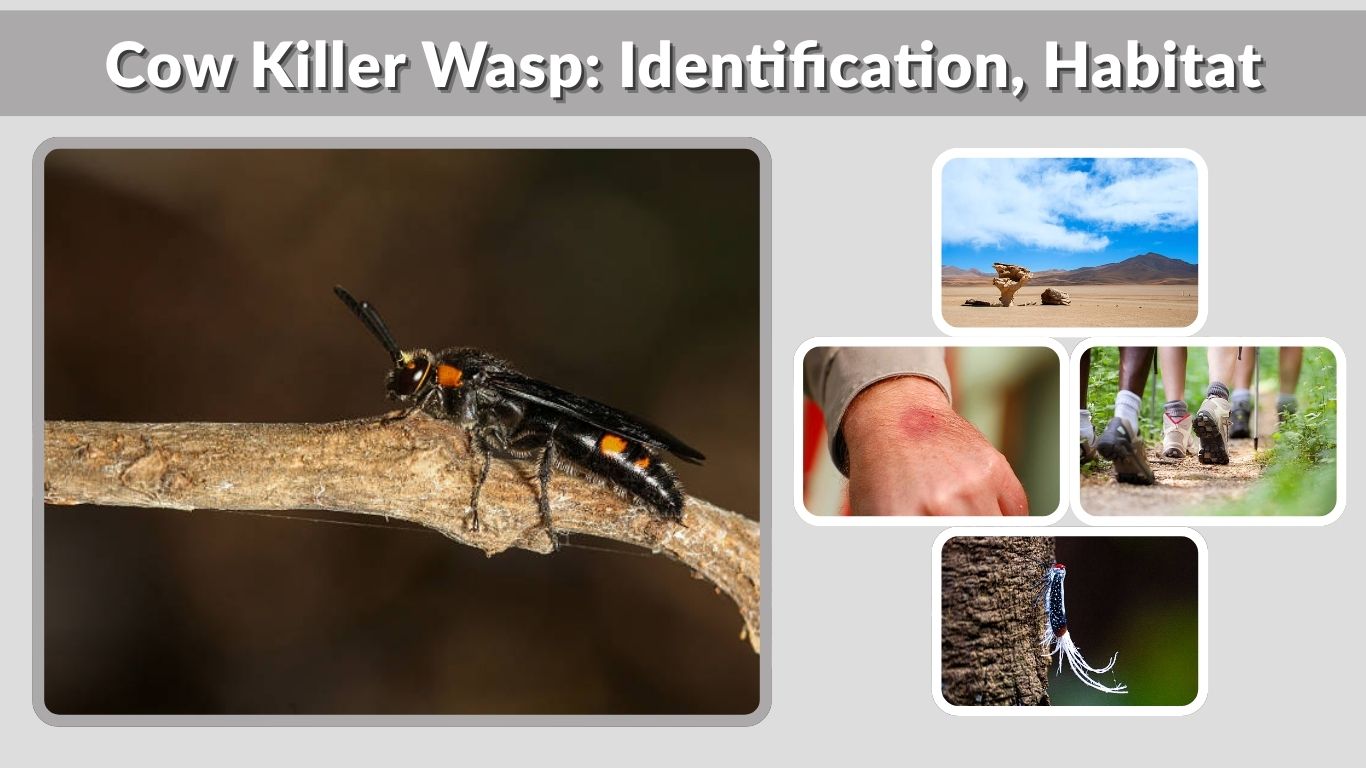
Imagine encountering a brightly colored insect that looks harmless—but delivers one of the most painful stings in the insect world. This is the cow killer wasp, a creature surrounded by myths, fear, and fascination. Despite its intimidating name, this insect doesn’t actually kill cows—but its sting is powerful enough to earn that dramatic nickname.
Known scientifically as part of the Mutillidae family, the cow killer wasp is more commonly referred to as the velvet ant. Its striking appearance and intense sting have made it one of the most talked-about insects in North America. But how dangerous is it really? And what makes it so unique?
What is a Cow Killer Wasp?
The cow killer wasp is not truly an ant, despite its common name “velvet ant.” It is actually a type of wasp, belonging to a large family of insects known for their parasitic behavior.
These insects are easily recognizable due to their:
- Bright red, orange, or sometimes black coloration
- Dense, velvety hair covering their bodies
- Ant-like appearance, especially in females
One of the most interesting features of this species is the difference between males and females. Female cow killer wasps are wingless, which is why they resemble ants and are often mistaken for them. These females are also the ones capable of delivering a sting. In contrast, male velvet ants have wings but cannot sting, making them far less threatening.
Why Is It Called a “Cow Killer”?
The name “cow killer” might sound alarming, but it is largely based on exaggeration and folklore rather than fact. The nickname comes from the insect’s extremely painful sting, which is said to be so intense that it could theoretically kill a cow—though there is no scientific evidence to support this claim.
In reality, the sting is not deadly to large animals or humans. However, it is powerful enough to leave a lasting impression on anyone unlucky enough to experience it. This dramatic name has persisted over time, fueled by stories and the insect’s intimidating reputation.
Cow Killer Wasp Physical Appearance and Identification
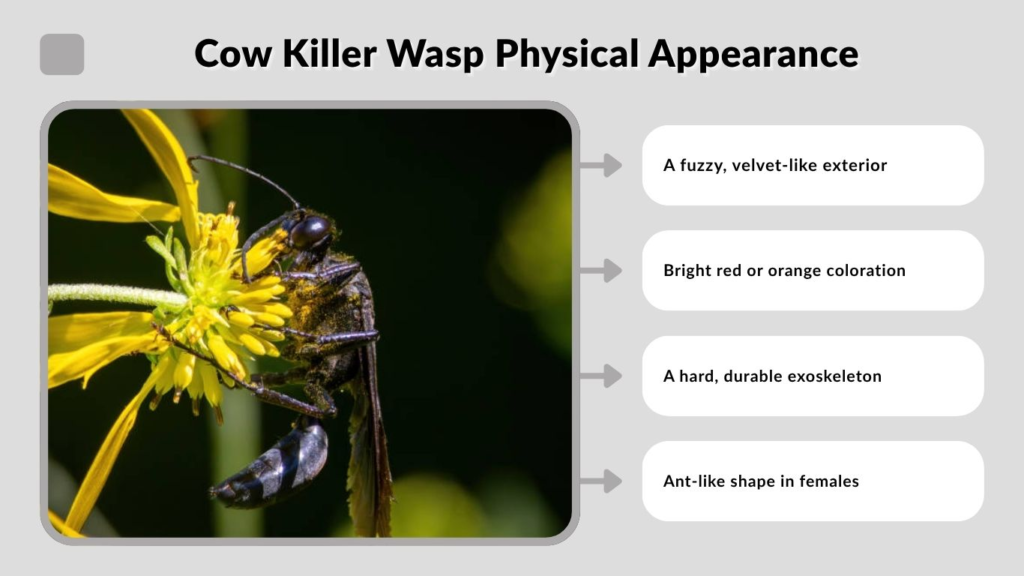
Cow killer wasps are among the most visually striking insects you might encounter in the wild. Their bright colors serve as a warning to predators—a concept known as aposematism, where bold coloration signals danger.
Key identification features include:
- A fuzzy, velvet-like exterior
- Bright red or orange coloration (sometimes with black patterns)
- A hard, durable exoskeleton
- Ant-like shape in females
The sexual dimorphism (differences between males and females) is especially notable. Females are wingless and crawl along the ground, while males are winged and capable of flight. Because of this, most human encounters—and stings—come from females.
Cow Killer Wasp Habitat and Distribution
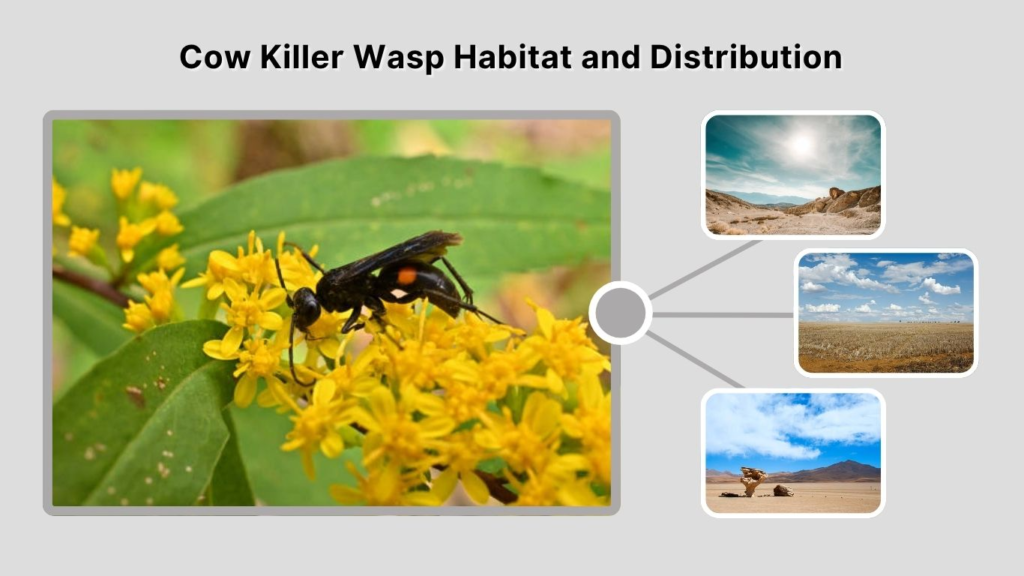
Cow killer wasps are most commonly found in North America, particularly in the southern United States. However, species of velvet ants exist in many parts of the world.
They prefer environments such as:
- Sandy soils
- Grasslands and open fields
- Desert or semi-arid regions
These habitats are ideal because they allow the wasps to easily locate the nests of other insects, which play a crucial role in their life cycle.
Behavior and Lifestyle
Unlike many wasps that live in colonies, cow killer wasps are solitary insects. They do not form hives or nests of their own. Instead, they lead independent lives, spending much of their time searching for food and suitable hosts.
One of their most fascinating traits is their parasitic behavior. Female velvet ants lay their eggs inside the nests of other insects, such as bees or wasps. When the larvae hatch, they feed on the host’s larvae, eventually developing into adult wasps.
Despite their fearsome reputation, cow killer wasps are not aggressive by nature. They do not actively seek out humans to sting. Most stings occur when the insect is accidentally touched, stepped on, or handled.
The Sting: How Painful Is It?
The cow killer wasp is famous for its sting—and for good reason. It ranks high on the Schmidt Pain Index, a scale used by scientists to measure the pain of insect stings.
People who have experienced the sting often describe it as:
- Sudden and intensely sharp
- Burning and long-lasting
- Comparable to a powerful electric shock
The pain can last for several minutes to hours, making it one of the most memorable insect stings in the world.
Is the Cow Killer Wasp Dangerous?
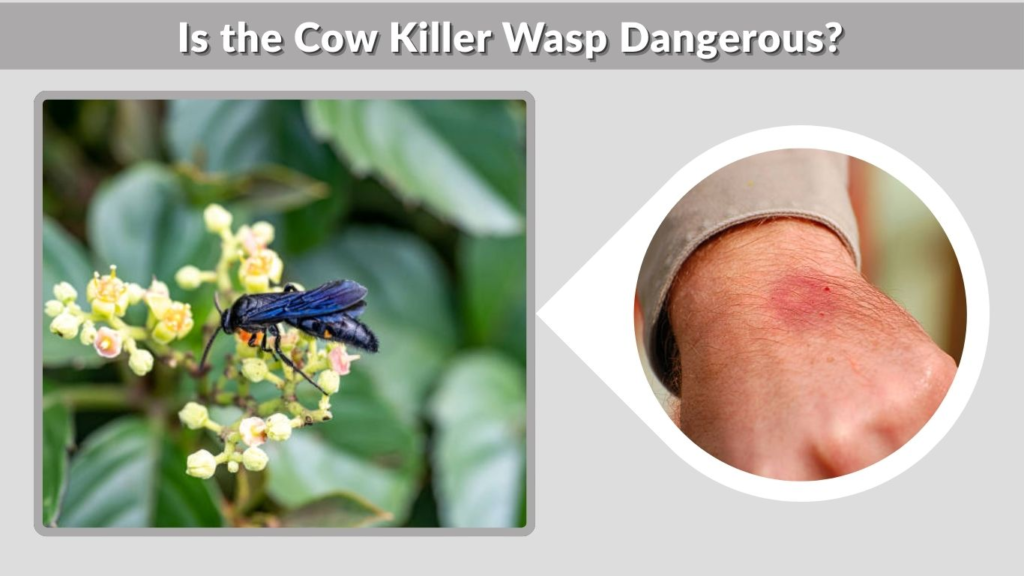
Despite its terrifying name and painful sting, the cow killer wasp is not considered dangerous to most humans. The primary effect of its sting is intense pain rather than serious injury.
For the average person:
- The sting causes sharp, burning pain
- Some swelling and redness may occur
- Symptoms usually fade within a few hours
However, like with other stinging insects, allergic reactions are possible. In rare cases, individuals may experience:
- Severe swelling
- Difficulty breathing
- Dizziness or fainting
These symptoms could indicate anaphylaxis, a serious condition that requires immediate medical attention. For most people, though, the sting is more frightening than harmful.
What Happens If You Get Stung?
If you are stung by a cow killer wasp, the experience can be shocking due to the intensity of the pain—but it is usually manageable with basic care.
Immediate Symptoms
- Sudden, intense pain
- Localized swelling
- Redness around the sting area
First Aid Steps
- Clean the area with soap and water to prevent infection
- Apply a cold compress or ice pack to reduce swelling and numb the pain
- Take over-the-counter pain relief, such as ibuprofen or acetaminophen
- Avoid scratching to prevent irritation
When to Seek Medical Help
- Signs of an allergic reaction
- Severe or worsening swelling
- Persistent pain lasting unusually long
Most cases resolve without complications, but it’s always better to monitor symptoms carefully.
Predators and Defense Mechanisms
The cow killer wasp has evolved several impressive defenses that help it survive in the wild.
Key Defense Features
- Thick exoskeleton: So tough that it can resist crushing
- Bright warning colors: Signal danger to predators
- Powerful sting: A strong deterrent against attackers
- Stridulation (squeaking sound): Produces noise when threatened
These combined traits make the velvet ant a difficult and unappealing target for predators. Even animals that attempt to attack often quickly learn to avoid them.
Interesting Facts About Cow Killer Wasps
Here are some fascinating facts that make this insect even more intriguing:
- Their exoskeleton is so hard that stepping on them may not kill them
- They are part of a large family with over 7,000 species worldwide
- The sting is often ranked among the most painful insect stings
- Males sometimes carry females during mating flights
- They can produce a squeaking noise when disturbed
These unique characteristics contribute to their reputation as one of the most remarkable insects in nature.
Myths and Misconceptions
The cow killer wasp is surrounded by several myths that often exaggerate its danger.
Common Misconceptions
- “It can kill cows” – False. The name is purely based on sting pain
- “It’s an ant” – Incorrect. It is actually a wasp
- “It aggressively attacks humans” – Not true. It stings only in self-defense
Understanding these myths helps reduce unnecessary fear and promotes respect for the insect’s role in nature.
How to Avoid Getting Stung
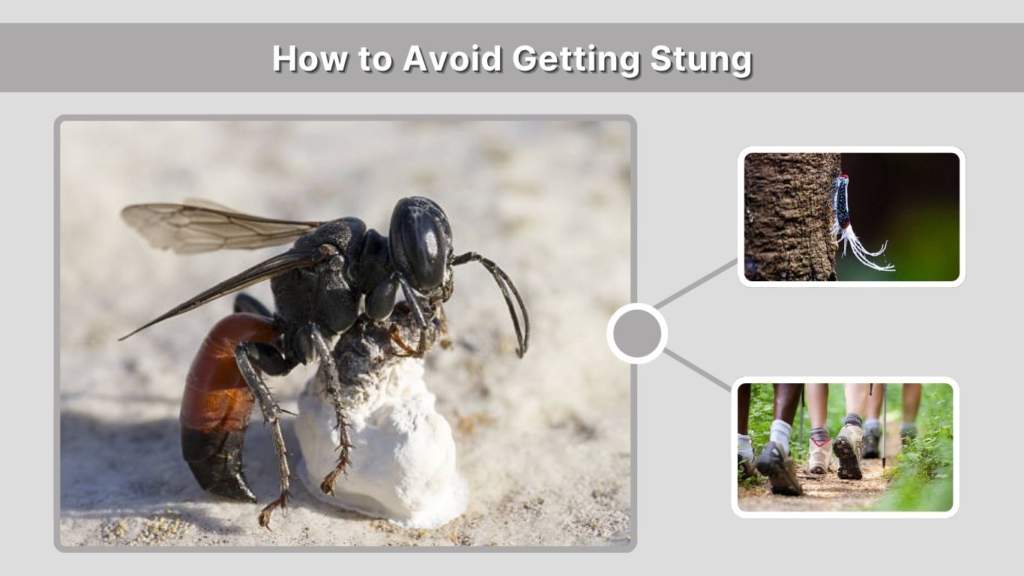
Avoiding a sting is relatively simple if you know what to look for.
Safety Tips
- Do not touch brightly colored insects
- Wear shoes when walking outdoors
- Be cautious in sandy or grassy areas
- Avoid disturbing insects you cannot identify
The cow killer wasp does not seek out humans, so leaving it alone is usually enough to stay safe.
Ecological Role
Although they may seem intimidating, cow killer wasps play an important role in the ecosystem.
- Help regulate populations of other insects
- Contribute to natural biological control
- Maintain ecological balance
Their parasitic behavior, while harsh, is part of a natural system that keeps ecosystems functioning properly.
Conclusion
The cow killer wasp is a fascinating example of how nature combines beauty, defense, and survival strategies into a single creature. While its sting is undeniably painful, it is not the deadly threat its name suggests.
Rather than fearing this insect, it is better to understand and respect it. By keeping a safe distance and appreciating its role in the environment, we can coexist with one of nature’s most remarkable—and misunderstood—creatures.
FAQs
What is a cow killer wasp?
The cow killer wasp is actually a type of wasp from the Mutillidae family, commonly known as a velvet ant. Despite its name, it is not an ant but a wingless female wasp with a powerful sting.
Can a cow killer wasp kill a human?
No, a cow killer wasp cannot kill a human. Its sting is extremely painful but not deadly unless a person has a severe allergic reaction.
How painful is a cow killer wasp sting?
The sting is considered one of the most painful among insects and ranks high on the Schmidt Pain Index. It is often described as sharp, burning, and intense.
Where are cow killer wasps found?
They are mainly found in warm, dry regions such as the southern United States, as well as other parts of the world with similar climates.
What should you do if a cow killer wasp stings you?
You should clean the area, apply ice to reduce swelling, take pain relief if needed, and seek medical help if you notice signs of an allergic reaction.
